Mezzanine Systems offer a transformative solution for businesses aiming to optimize their space. According to a report by the National Association of Manufacturers, warehousing costs can consume up to 30% of operating budgets. By incorporating mezzanine systems, companies can maximize vertical space, enhancing storage efficiency without significant renovations. This adaptability is essential in today's fast-paced market.
Data from industry experts show that businesses utilizing mezzanine systems can increase storage capacity by over 50%. This not only contributes to operational efficiency but also reduces the need for costly facility expansion. However, some organizations may overlook the potential drawbacks, such as initial investment costs and structural assessments. Thus, careful planning is vital to ensure that the long-term benefits outweigh short-term challenges.
Incorporating mezzanine systems requires a critical evaluation of current workflows. While these systems can significantly enhance productivity, they are not a one-size-fits-all solution. Businesses should weigh their specific needs against operational constraints to make informed decisions.
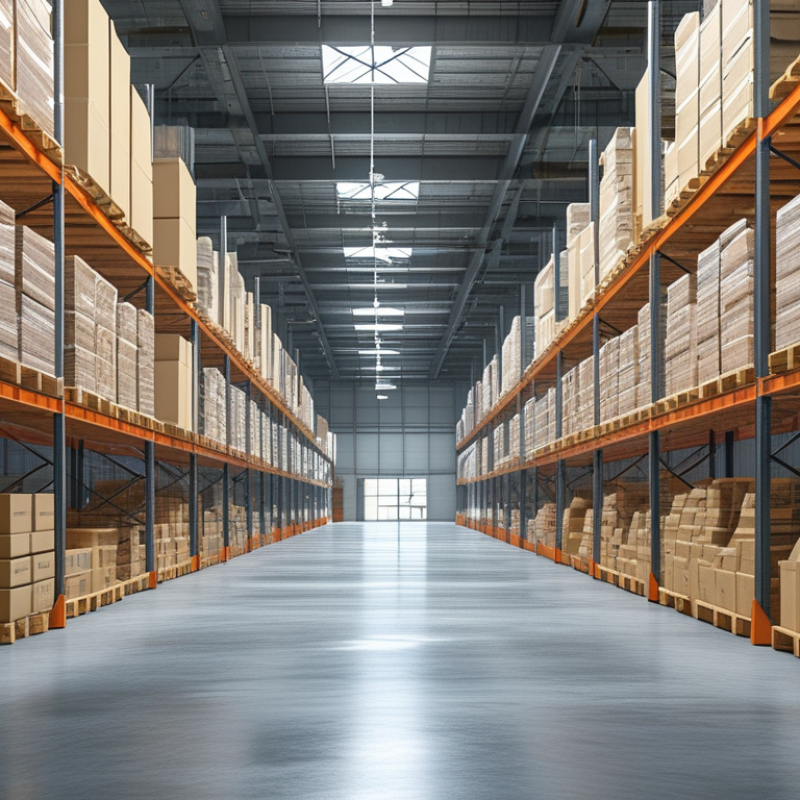
Overview of Mezzanine Systems and Their Functionality
Mezzanine systems are versatile storage solutions that can significantly enhance business operations. They are often used in warehouses and manufacturing facilities to maximize vertical space. By adding extra levels, businesses can increase their storage capacity without the need for costly expansions. This functionality allows for better organization and accessibility of goods.
In terms of design, mezzanine systems are customizable. They can be tailored to fit specific needs, adapting to various types of inventory and workflows. However, the installation process can be complex, requiring careful planning and consideration of local building codes. It's vital to involve professionals who can ensure compliance and safety. Without this, issues may arise, leading to operational interruptions.
These systems also improve employee efficiency. Workers spend less time searching for items, thanks to better organization. However, it’s essential to ensure that safety measures are in place. Regular inspections and maintenance are necessary to address wear and tear. Neglecting these aspects could result in accidents, impacting both productivity and employee morale.
Key Advantages of Implementing Mezzanine Systems in Businesses
Mezzanine systems offer significant advantages to businesses looking to optimize their space. These structures can increase usable floor area by up to 50% without requiring major construction. According to a report by AIC (American Institute of Constructors), 60% of businesses that implemented mezzanine systems reported improved operational efficiency. This additional space allows for better organization of products and equipment.
Cost-effectiveness is another key benefit. Creating a mezzanine can be 50% less expensive than expanding the building's footprint. A study from the Storage Equipment Manufacturers Association (SEMA) highlights that companies see a return on investment within two years of installation. This affordability makes it easier for businesses to adapt to growth without overspending.
However, there are challenges to consider. Structural integrity must be verified, and local regulations vary widely. Some businesses face delays in compliance that can undermine efficiency gains. Regular maintenance of the mezzanine system can also be overlooked, leading to potential safety hazards. Balancing these aspects is crucial for realizing the full benefits of mezzanine systems.
Cost Efficiency and Space Optimization through Mezzanine Solutions
Mezzanine systems offer an effective solution for businesses seeking cost efficiency and space optimization. These elevated structures create additional usable space without the need for extensive construction. Companies can maximize their warehouse or retail area by utilizing vertical space. This approach leads to increased inventory storage and improved operational workflows.
In many cases, traditional expansions require significant investment and time. Mezzanine solutions, however, are often more affordable and quicker to implement. Businesses can reduce overhead costs while enhancing productivity. For example, adding a mezzanine can allow for additional offices or storage areas, reducing the need for larger premises. Thus, companies save on rent and utility expenses.
While the benefits are clear, there are challenges worth considering. Installation may disrupt daily operations. Also, businesses must ensure structural integrity and compliance with safety regulations. Proper planning is essential. Adapting mezzanine systems requires thoughtful consideration of layout and design. Overlooking these factors can lead to inefficiencies or safety concerns.
Enhanced Workflow and Productivity Through Mezzanine Structures
Mezzanine systems can revolutionize the way businesses operate. These structures create additional space without the need for extensive renovations. By utilizing vertical space, companies can streamline their operations and significantly improve workflow. In busy warehouses, for instance, a mezzanine can house inventory, freeing up floor space for other crucial activities.
Enhanced productivity is another key benefit. Employees can access tools and products more easily with a well-planned mezzanine layout. This saves time and reduces frustration. However, not all designs suit every business. Companies must analyze their specific needs. Customization is essential for maximizing efficiency. A poorly designed mezzanine could hinder rather than help. Investing in expert consultation ensures the structure meets operational demands.
Moreover, mezzanine systems promote better organization. With designated areas for storage or specific tasks, teams can function more cohesively. Yet, overlooking scalability can lead to future issues. As businesses grow, their space requirements may change. Mezzanines should offer flexibility to adapt to these evolving needs. Regular assessments can guide necessary adjustments, ensuring long-term effectiveness.
Benefits of Mezzanine Systems for Businesses
Factors to Consider When Choosing Mezzanine Systems for Your Business
When considering mezzanine systems for your business, several factors deserve attention. The available space is crucial. Measure your area accurately to ensure the system fits well. A poorly planned design can lead to wasted resources. Think about your operational workflow. A mezzanine should enhance efficiency, not disrupt it. Clear pathways and accessibility are essential to maintain productivity.
Next, consider the load capacity. Different mezzanine systems support varying weights. Assess the type of equipment and stock you'll place on it. Consult with experts to avoid overloading. Safety should never be compromised. Review regulations and safety standards applicable to your region. An unsafe structure can lead to serious problems down the line.
Lastly, don't overlook your budget. Mezzanine systems can vary significantly in cost. Explore all options; sometimes, the cheapest solution is not the best one. Balance quality with your financial constraints. Planning for future needs can help avoid costly adjustments later. While the benefits of mezzanine systems are clear, the decision process requires careful thought and consideration.
Benefits of Mezzanine Systems for Businesses
| Benefit |
Description |
Consideration Factor |
Importance Level |
| Space Optimization |
Maximizes vertical space for storage or operational activities. |
Available height of facilities |
High |
| Cost-Effective |
Lower cost compared to traditional building expansions. |
Budget constraints |
Medium |
| Flexibility |
Can be customized according to specific business needs. |
Type of business operations |
High |
| Short Installation Time |
Quick to install, minimizing disruption to business operations. |
Operational continuity |
Medium |
| Increased Accessibility |
Improves access to stored products, enhancing workflow. |
Layout of existing space |
High |
Conclusion
Mezzanine Systems offer a versatile solution for businesses seeking to optimize their space and enhance operational efficiency. By providing an intermediate platform between the floor levels, these systems enable companies to make full use of vertical space, leading to significant cost savings associated with expansion or relocation.
The key advantages of implementing Mezzanine Systems include improved workflow and productivity, as they can be designed to facilitate better organization and accessibility within a workspace. However, businesses must consider several factors when choosing the right mezzanine solution, including load capacity, design, and integration with existing structures to ensure maximum effectiveness and safety. Overall, Mezzanine Systems are an innovative approach that can transform underutilized areas into functional spaces, promoting growth and efficiency.

 SunliRack