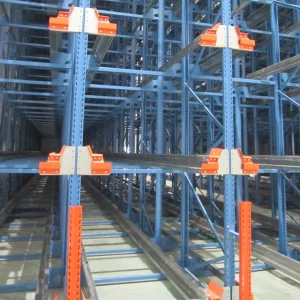
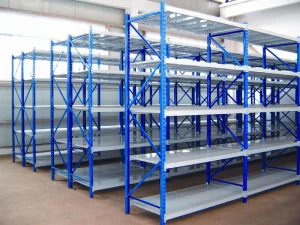
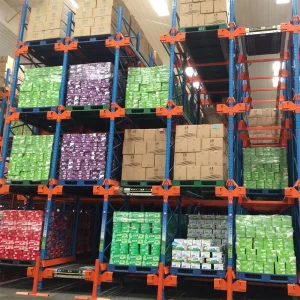
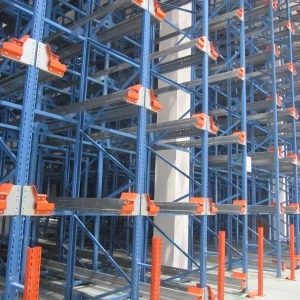
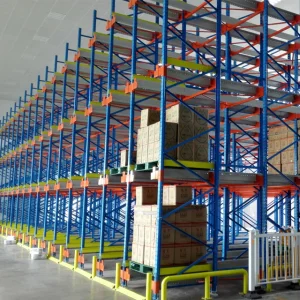
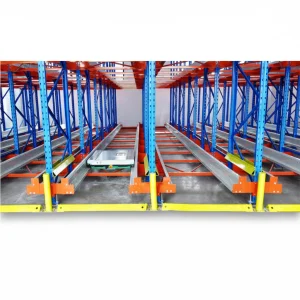
Explore our industry-leading high-density pallet storage configurations engineered for ultimate space utilization and high-throughput automated logistics operations.
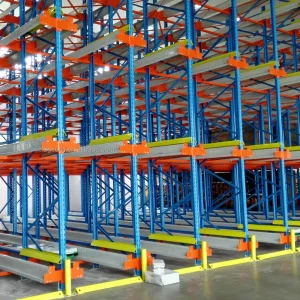
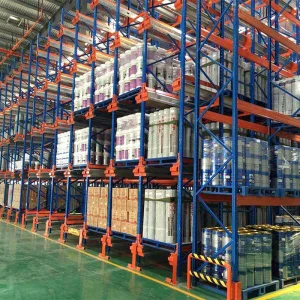
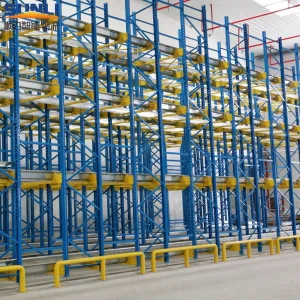
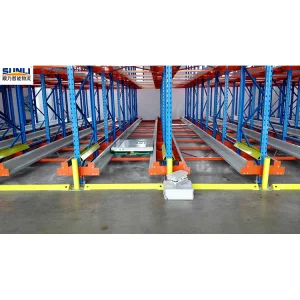
Established in 2015, Shenzhen Sunli Intelligent Logistics Equipment Co., Ltd. is a global premier manufacturer specializing in heavy-duty industrial racking and smart warehouse storage solutions. Operating from a state-of-the-art production facility spanning 38,000 m², we leverage over 12 years of industry experience and 8 years of international trade expertise to serve global logistics, supply chain, and industrial sectors.
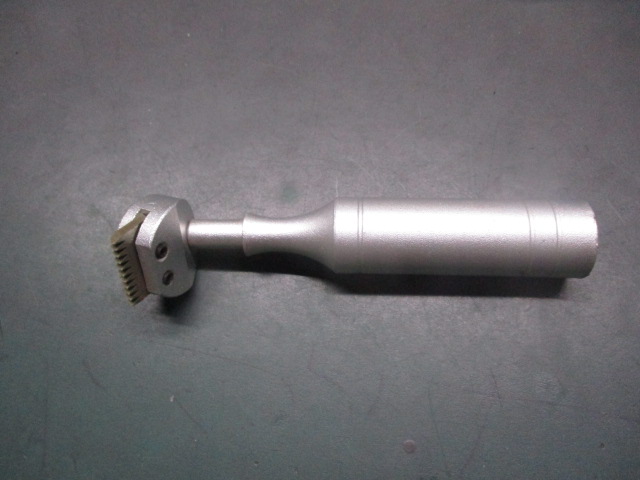
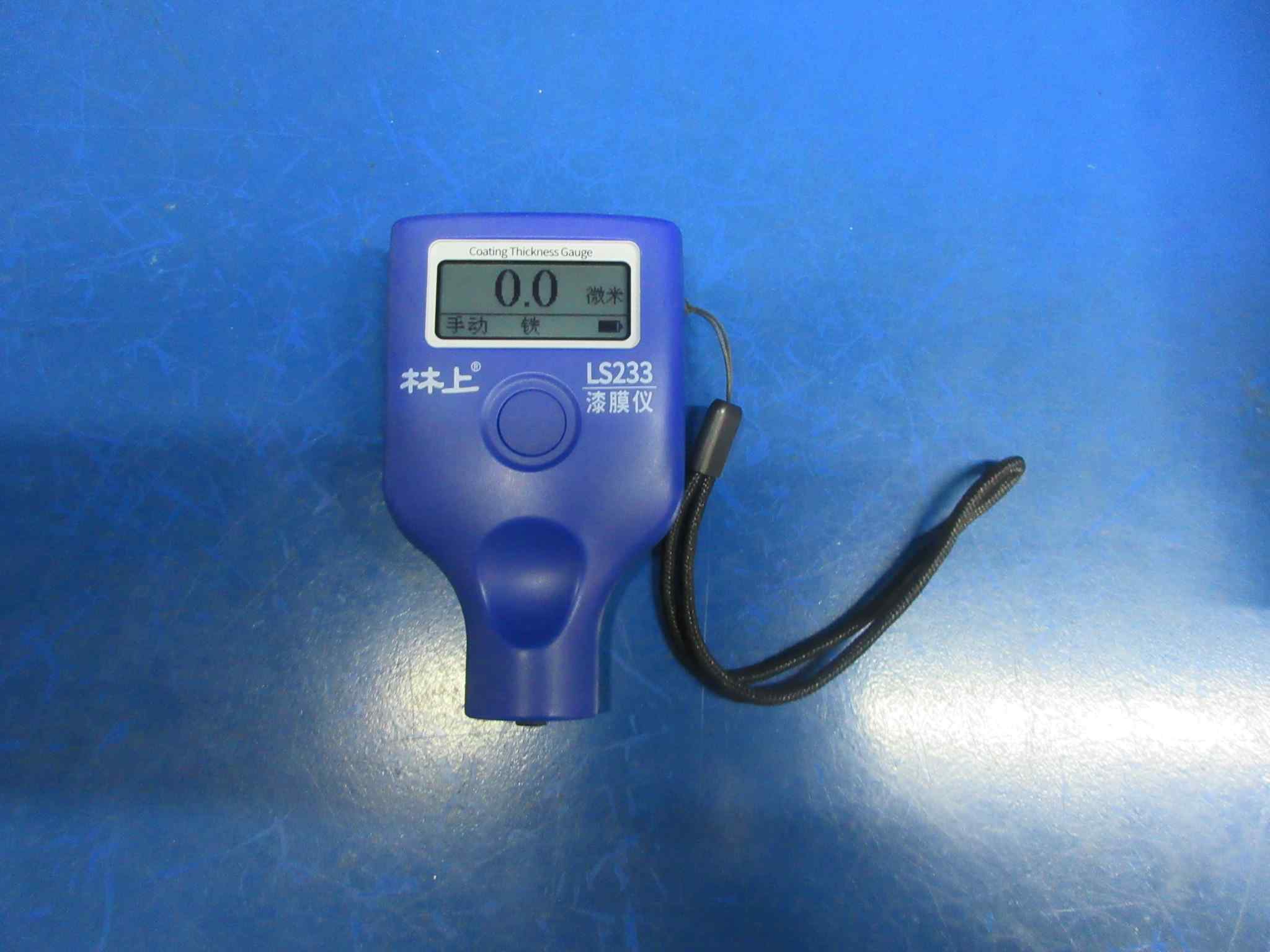
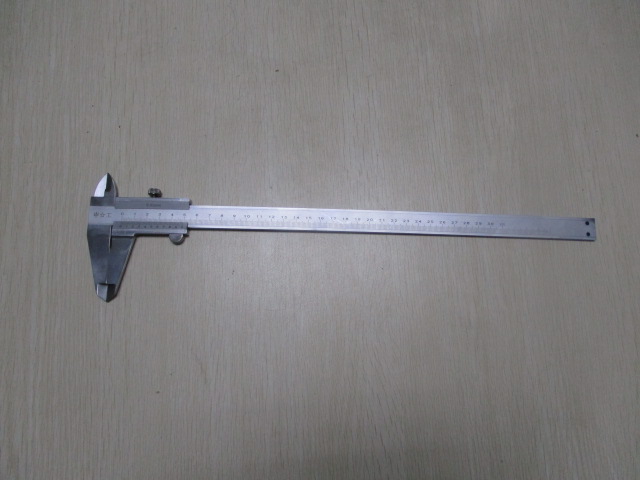
Our advanced R&D team of 28 skilled engineers continuously innovates to meet evolving supply chain requirements, introducing over 120 new products and structural improvements annually. Precision and quality are embedded in our production DNA, supported by 35 dedicated QC professionals implementing rigorous product inspections, including structural load-bearing analysis, high-precision weld seam testing, and comprehensive anti-corrosion powder-coating checks.
Backed by a robust network of over 800 supply chain partners, we deliver customized OEM/ODM structural solutions, load capacities, and automated systems for large-scale 3PL, FMCG, cold chain, and retail enterprises worldwide.
Every step of our process—from raw material inspection to automated welding and chemical testing—is certified to ensure high tolerance, load stability, and long-term durability.
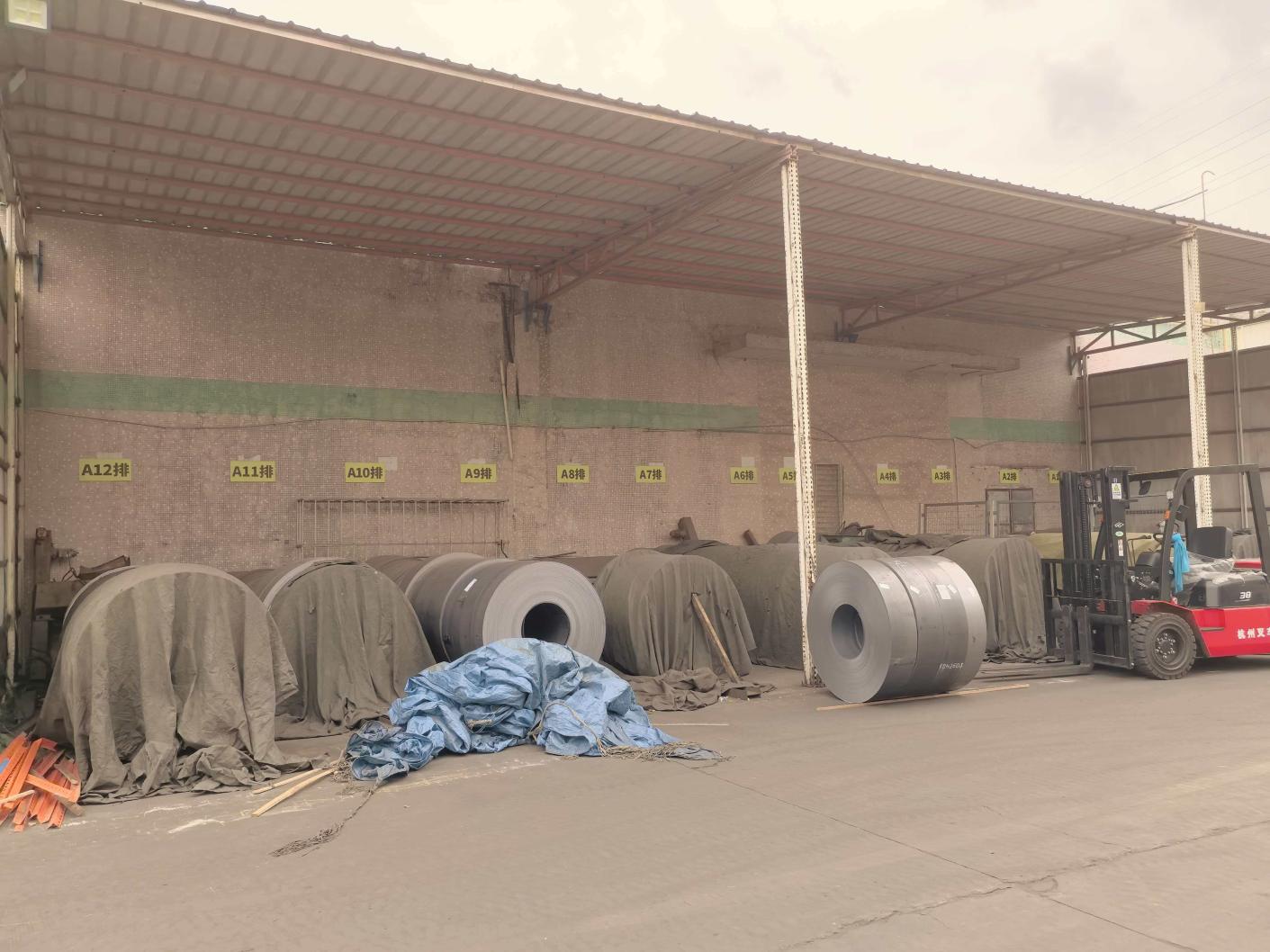
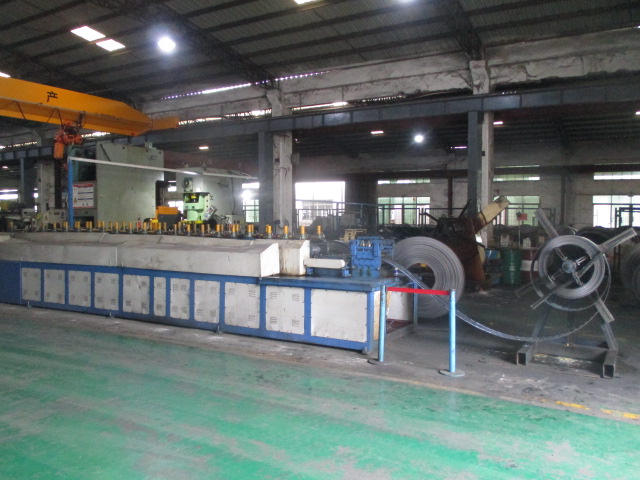
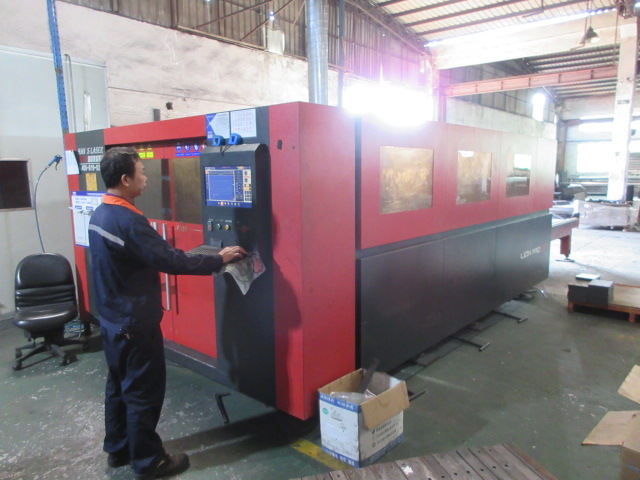
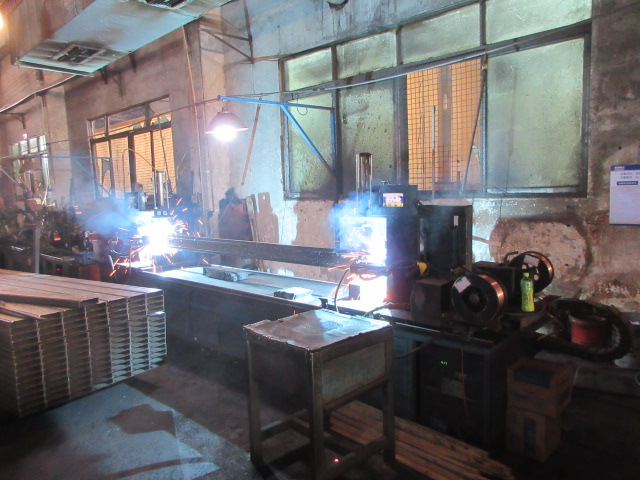
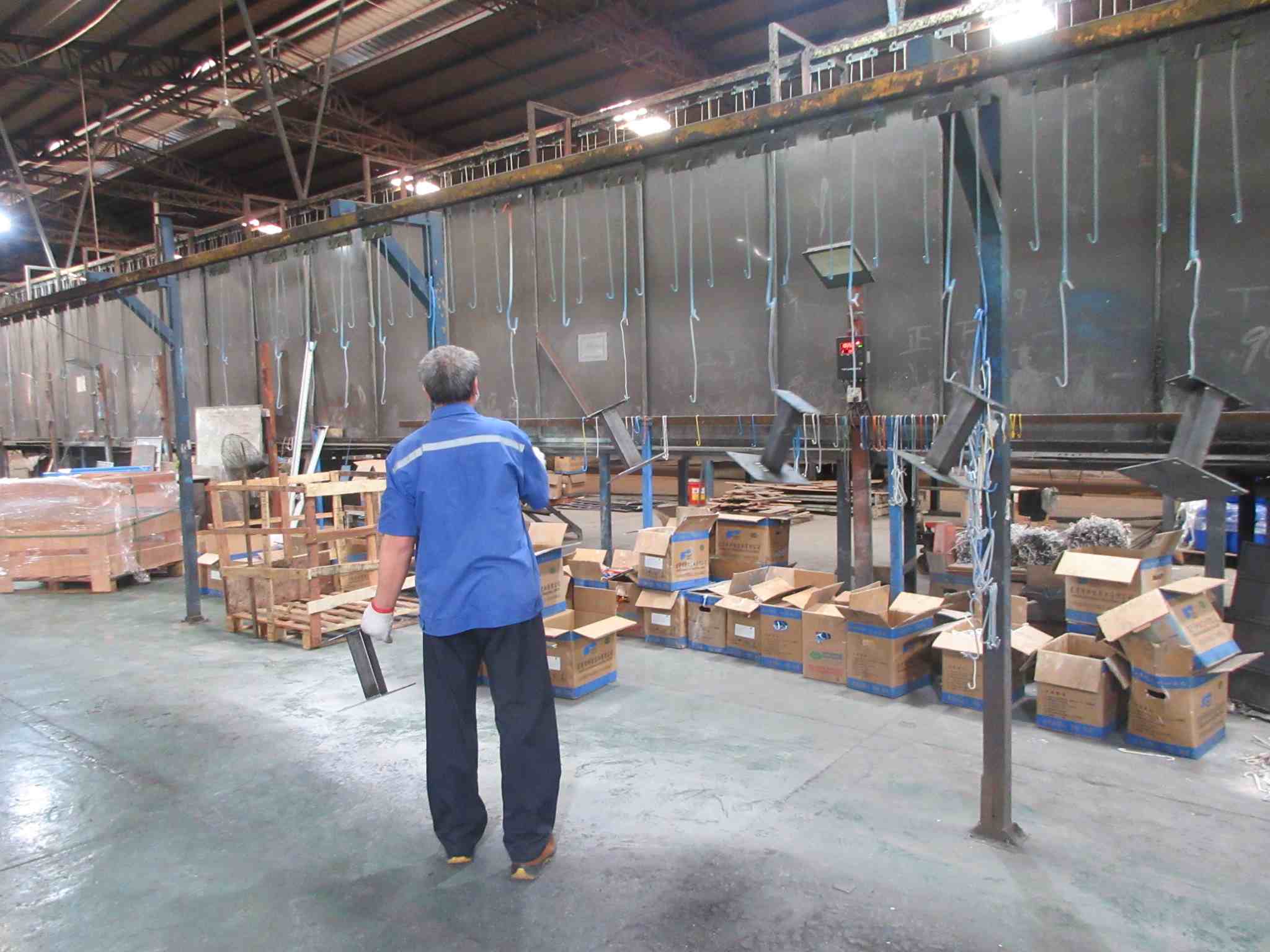
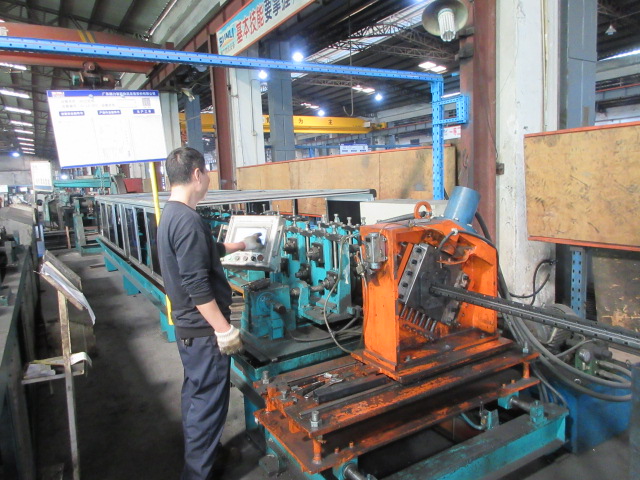
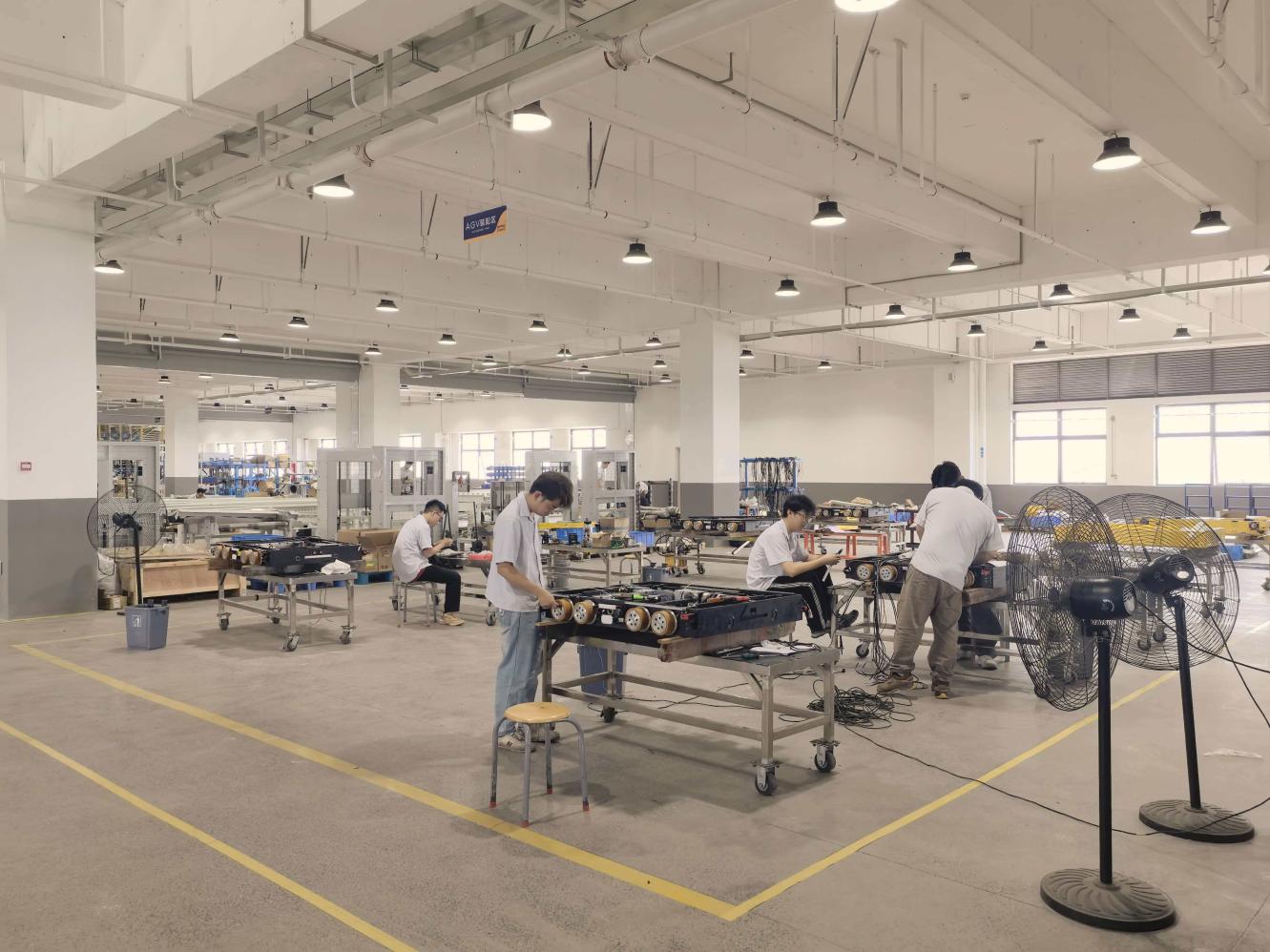
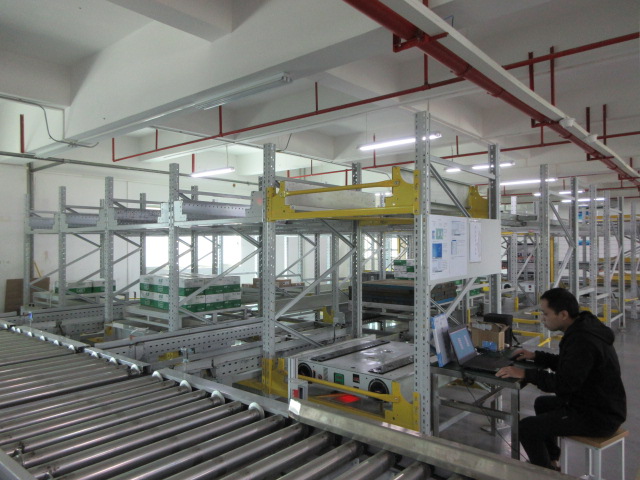
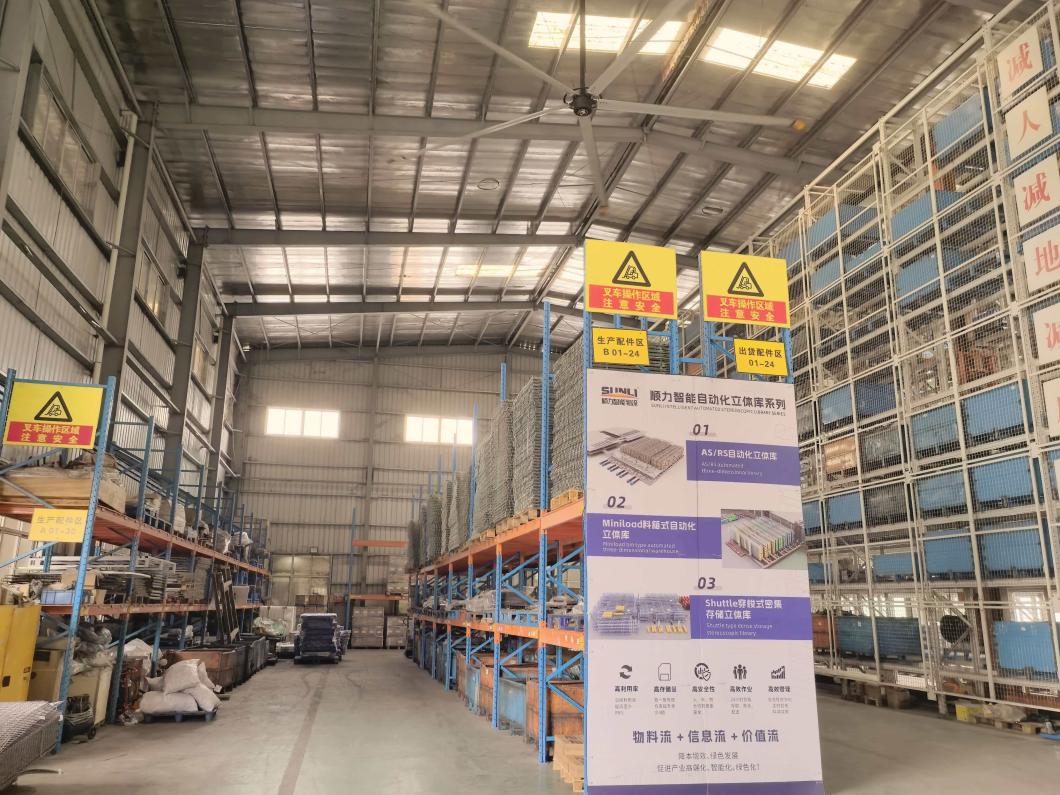
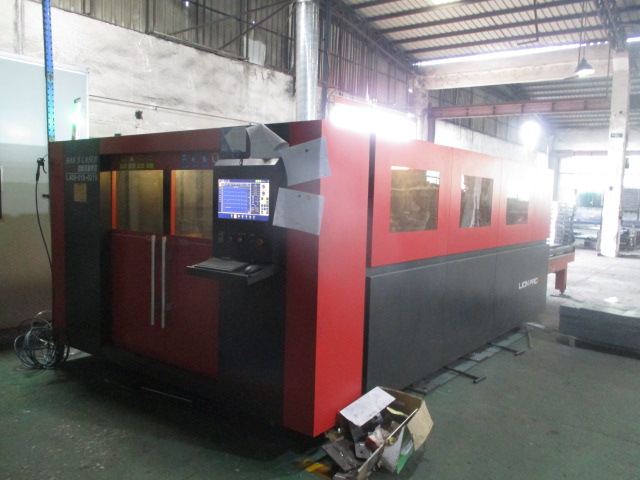
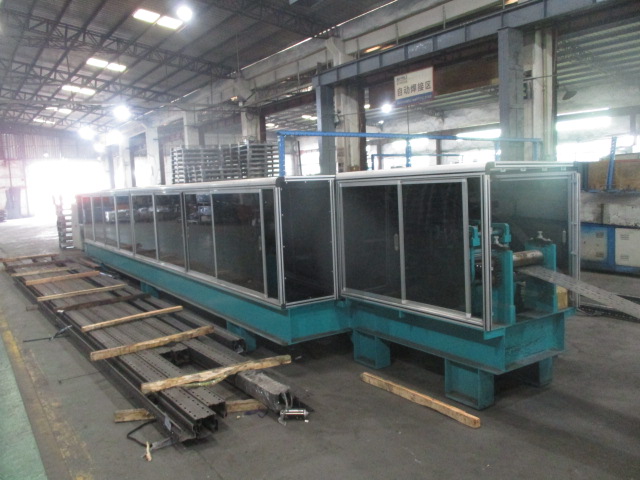
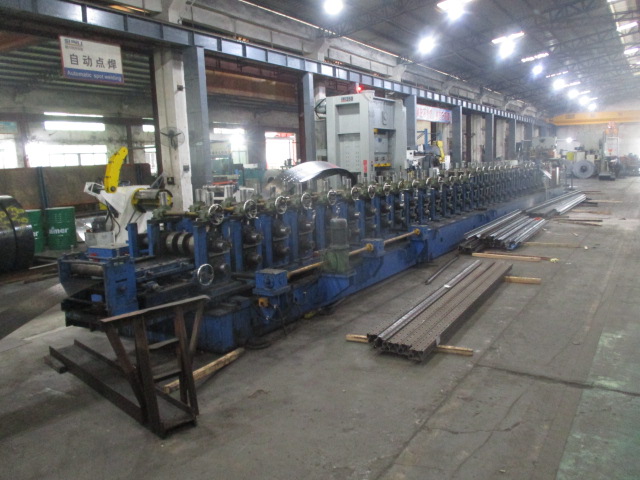
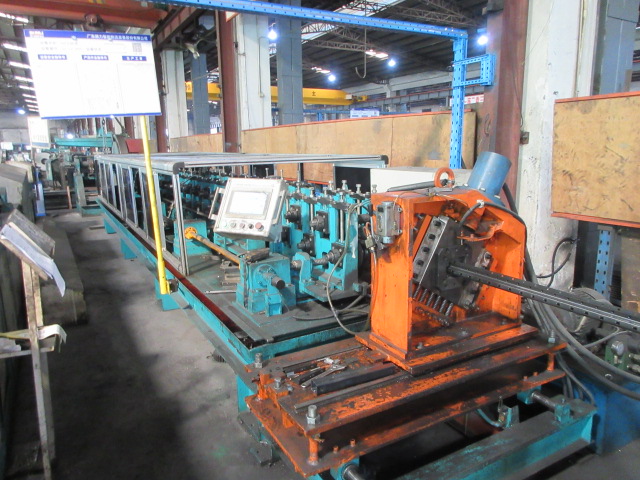
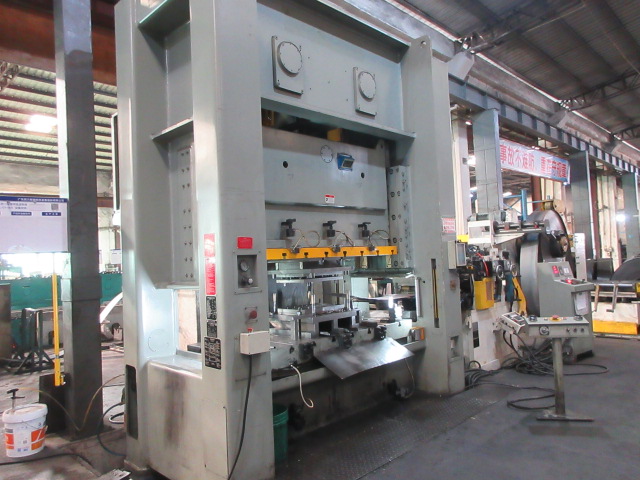
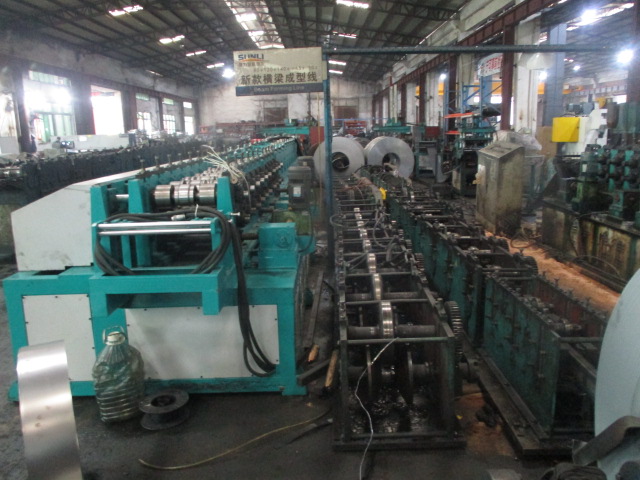
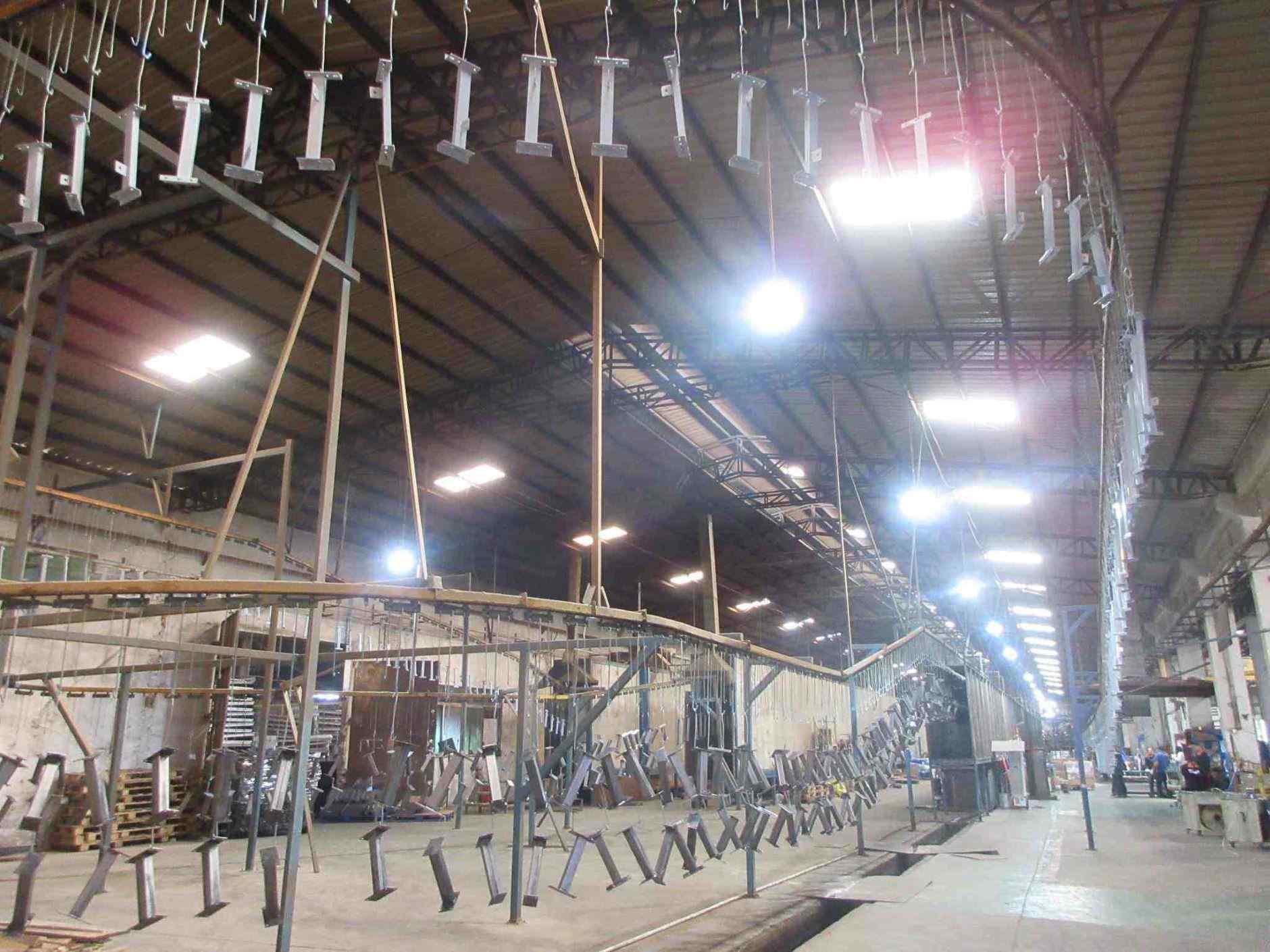
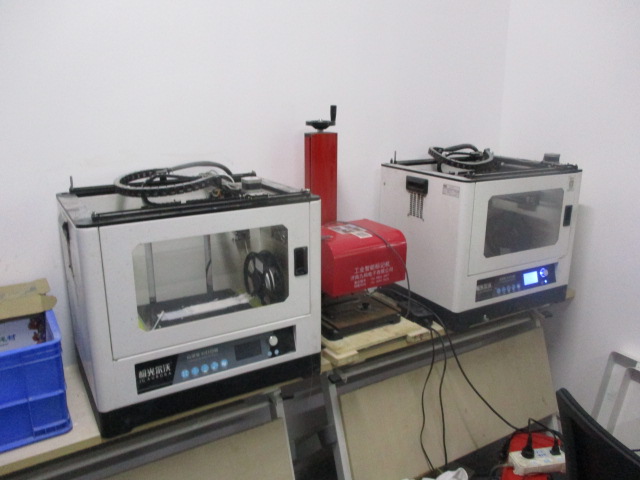
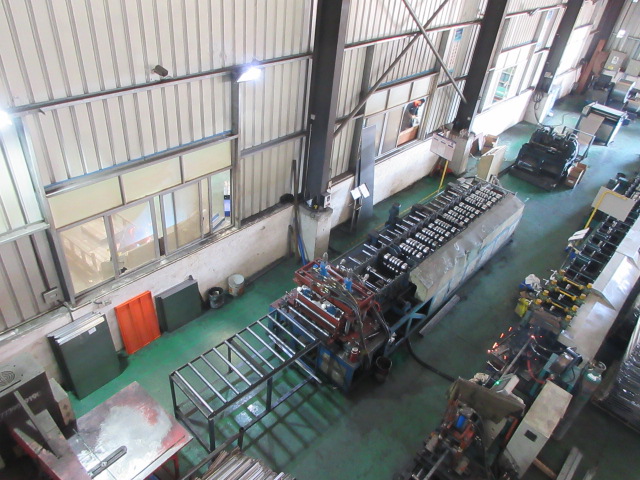
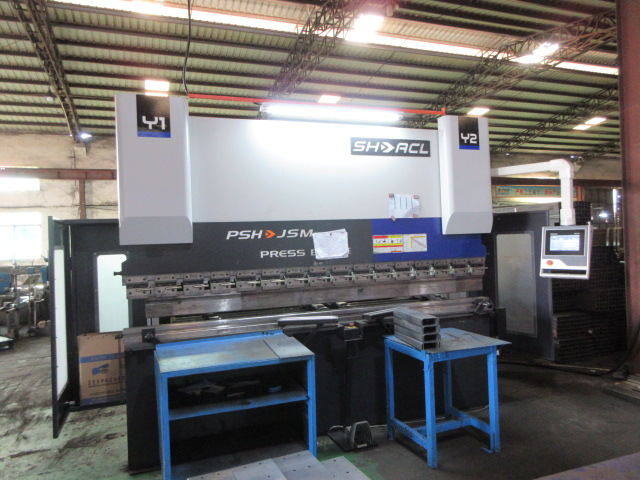
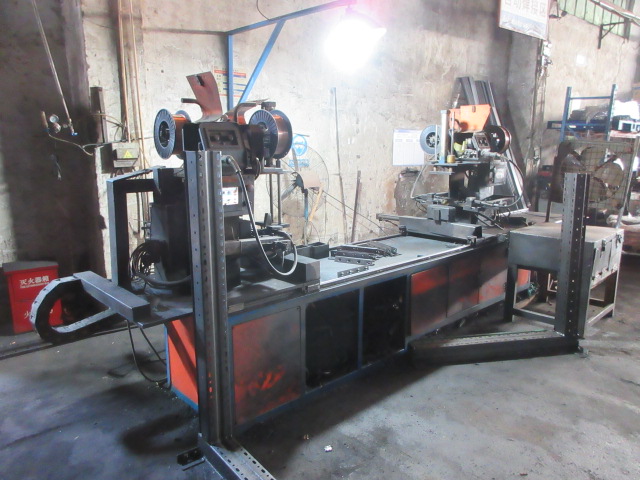
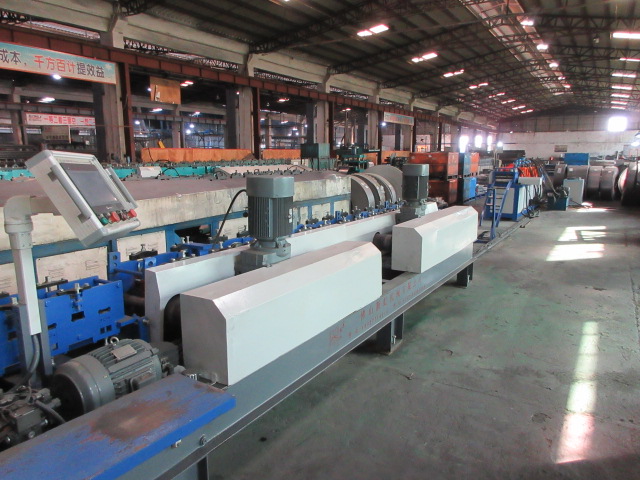
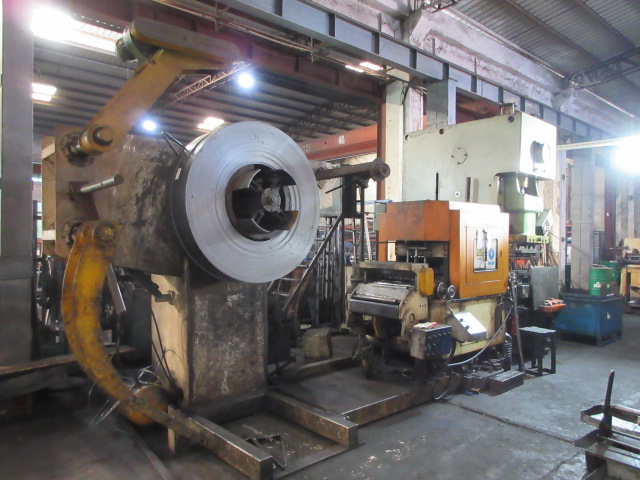
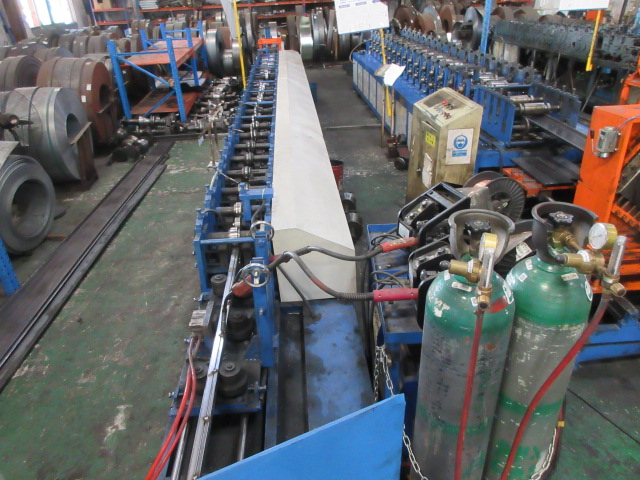
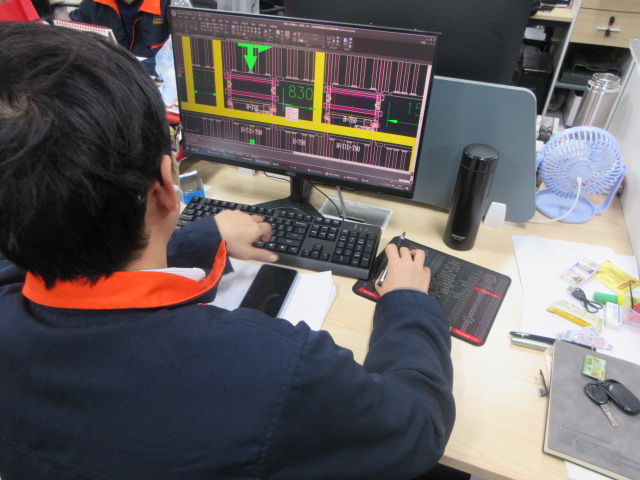
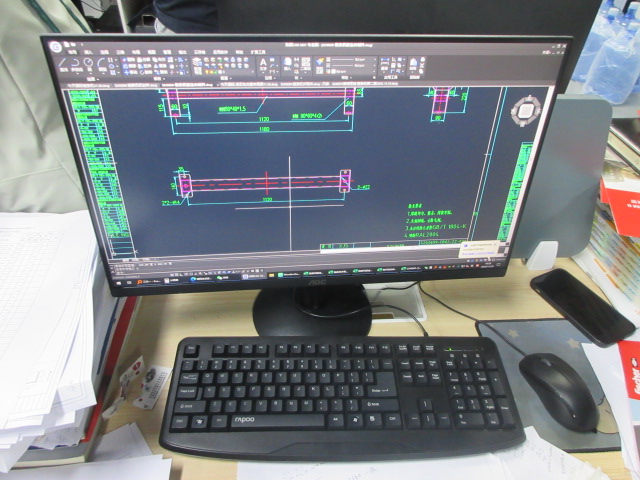
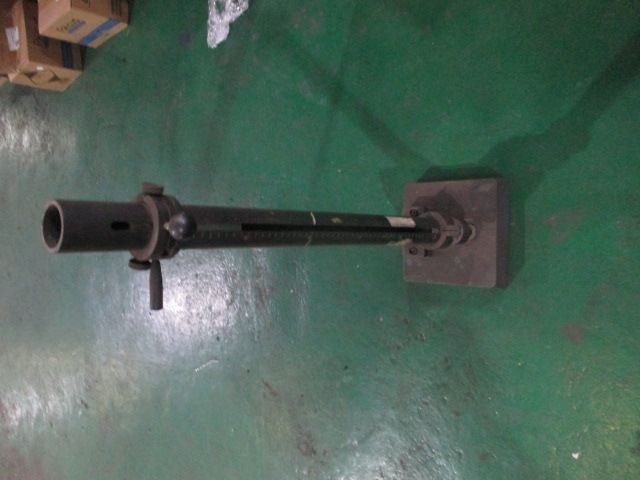
The manufacturing eco-system in China provides significant competitive advantages, combining advanced automated technology, metallurgical dominance, and exceptional cost efficiency.
Chinese manufacturers utilize top-tier domestic steel mills (such as Baosteel or Ansteel) supplying structural steel grades Q235B and Q355. These grades offer excellent yield strength (up to 355 MPa) and low-temperature ductility, critical for seismic zones and cold storage setups.
Shenzhen's hardware and software cluster enables rapid deployment of PLC, sensor, and battery technologies for shuttle carts. Integrating components like Siemens PLCs, Omron photoelectric sensors, and long-life LiFePO4 batteries is highly cost-efficient and structurally seamless.
By manufacturing in automated factories, we reduce unit production costs by 30-40% compared to Western competitors. This structural saving allows global buyers to reinvest capital into warehouse management software (WMS) and automated handling equipment.
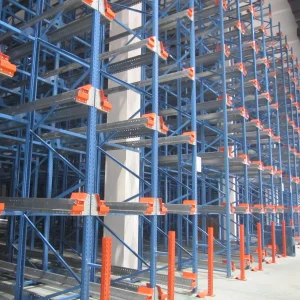
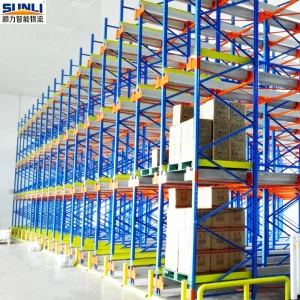
Understanding the engineering differences, structural configurations, and operational limits of modern high-density radio shuttle racking layouts.
| Feature / Metric | 2-Way Radio Shuttle System | 4-Way Intelligent Shuttle System |
|---|---|---|
| Operating Directions | Forward and backward movements along a dedicated guide rail. | Movements along both X-axis and Y-axis directions. |
| Maximum Load Capacity | 500kg - 1,500kg per pallet. | 500kg - 1,200kg per pallet. |
| Forklift Integration | Required to move the shuttle cart between different racking lanes. | Shuttle cart changes levels and lanes autonomously using vertical lifts. |
| Warehouse Height Utilization | Typically designed up to 15 meters. | Fully integrated AS/RS system scaling up to 24+ meters. |
| Ideal Logistics Intent | High-density volume with fewer unique SKUs (LIFO/FIFO). | Multi-SKU high sorting capacity with dynamic lane assignments. |
Modern radio shuttle carts are equipped with redundant industrial safety arrays to protect both racking structures and personnel. Built-in laser obstacle rangefinders actively scan up to 3 meters ahead, automatically initiating decelerations when obstruction thresholds are violated.
Additionally, structural rail-end mechanical limiters, combined with high-performance photoelectric sensors, prevent the shuttle cart from exiting the lane under manual override errors. The physical steel structure features dynamic guiding entries that self-align the shuttle cart during entry, reducing structural friction wear.
Analyzing how businesses utilize heavy-duty radio shuttle racking to solve footprint limits, low temperature operations, and inventory bottlenecks.
Operating inside cold storage units at temperatures as low as -25°C is incredibly expensive due to cooling energy costs. Radio shuttle systems maximize the refrigeration volume efficiency by up to 85% compared to selective rack designs, while utilizing special low-temperature batteries and condensation-resistant electronics.
FMCG operations deal with high throughput, fast rotation cycles, and seasonal demands. Utilizing the First-In, First-Out (FIFO) configuration on shuttle racks ensures product freshness, tracks batch runs, and minimizes warehouse forklift traffic, protecting human workers and structural equipment.
Third-party logistics providers require flexible racking systems that can adapt to changing client storage agreements. By implementing semi-automated radio shuttles, facilities can transition selective storage bays into high-density lanes dynamically, optimizing space for dense storage of single-item bulks.
Integrating radio shuttle racking systems into a macro warehouse environment with Automated Guided Vehicles (AGVs) and Warehouse Management Systems.
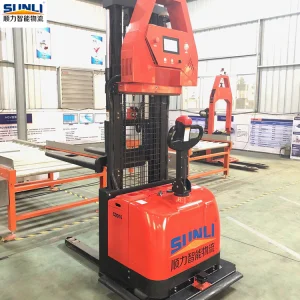
By connecting the SUNLI SL-AGV-1000BY-01 Laser Navigation AGV Forklift (featuring 6-8H working times and advanced laser obstacle avoidance) with our radio shuttle system, companies can eliminate manually operated forklifts completely. The AGV picks pallets from receipt docks, carries them to the shuttle entry channels, and signals the shuttle cart to store the pallet into the dynamic lane.
The entire workflow is managed through an integrated WCS (Warehouse Control System) communicating with the primary WMS via standard API protocols. This integration ensures real-time stock updating, automated FIFO management, battery level monitoring, and proactive error alarms, minimizing operational downtimes.
How our manufacturing lines guarantee safety, load tolerances, and compliance under Western, European, and Australian racking design guidelines.
Our structural calculations strictly follow the Federation Europeenne de la Manutention guidelines. We perform Finite Element Analysis (FEA) to assess dynamic loads, seismic activity, and deflection ratios, ensuring structural safety.
Under RMI guidelines, we focus on dynamic load-bearing calculations, upright stability, safety lock indicators, and footplate anchor capacities. Our designs include impact protection for warehouse environments.
We test all beams and upright connections to comply with AS4084 steel storage standards. Standard processes verify safety limits for dynamic operations and forklift loading clearances.
Find answers to the most common technical, logistics, and procurement questions regarding radio shuttle racking installations.
Discover our comprehensive range of industrial racking, automated AGVs, and material handling systems for global logistics and manufacturing yards.
 SunliRack