As global logistics increasingly rely on automation, ASRS systems have become vital. According to a 2023 report by Logistics Tech Insights, the market for ASRS systems is projected to grow by 15% annually. This surge reflects their efficiency and reliability in warehouse operations.
Industry expert Dr. Michael T. Anderson once stated, “ASRS systems are shaping the future of supply chain management.” His insight highlights the technology's impact on optimizing storage, retrieval, and inventory management. However, the implementation of ASRS systems can be challenging. Companies often face high initial costs and complex integration processes.
While these systems promise greater efficiency, they also require ongoing evaluation. Businesses need to align ASRS technology with their unique operations. The effectiveness of ASRS systems varies based on specific needs and infrastructure. Understanding these factors is essential for global buyers considering an investment in ASRS solutions.
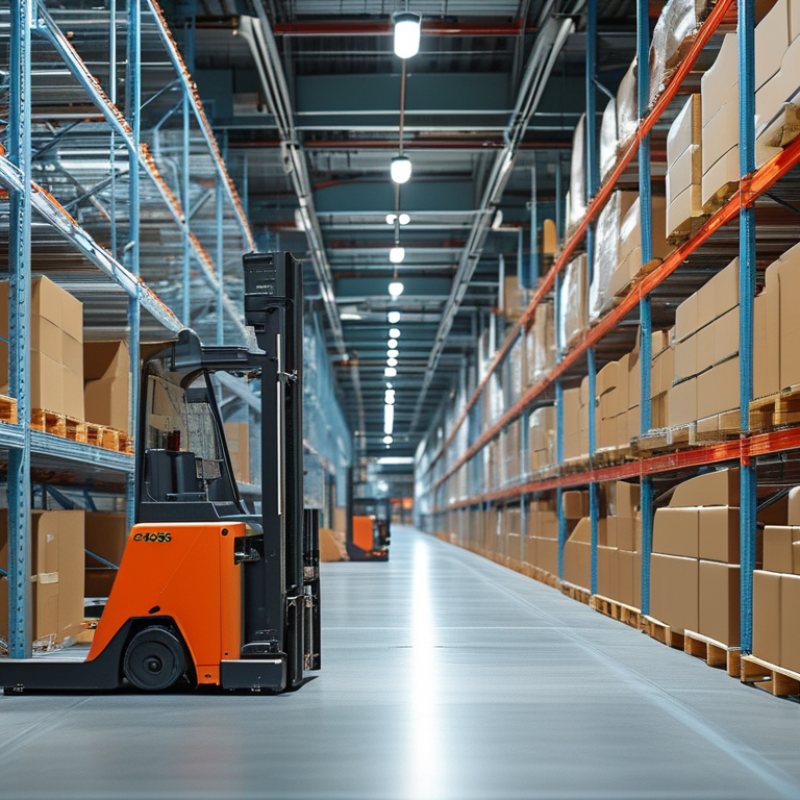
Automated Storage and Retrieval Systems (ASRS) have transformed modern warehousing. They optimize space and enhance inventory management. These systems use advanced technology to automate the storage and retrieval of goods, which minimizes human error. In a fast-paced market, the ability to retrieve items swiftly is crucial. Companies can reduce operational costs with ASRS while maximizing efficiency.
Implementing ASRS requires thoughtful planning. Not every warehouse will benefit equally from these systems. Factors like warehouse size, layout, and types of products stored influence effectiveness. Some companies find that a hybrid approach, combining ASRS with traditional methods, meets their specific needs better. This reflection highlights the importance of tailoring technology to fit unique operational requirements.
While ASRS systems offer significant advantages, they are not foolproof. Initial costs and implementation challenges can deter some businesses. Moreover, constant maintenance and updates are essential to ensure optimal performance. Evaluating these factors is crucial. A successful ASRS integration involves understanding both its strengths and limitations.
Automated Storage and Retrieval Systems (ASRS) are essential for streamlining warehouse operations. When selecting an ASRS system, global buyers should prioritize adaptability. Systems that can adjust to various product sizes and weights often provide greater flexibility. This feature becomes crucial in dynamic markets where inventory types can change frequently.
Another key feature to consider is integration capability. A robust ASRS should effortlessly connect with existing warehouse management systems (WMS) and other software. This integration facilitates real-time tracking and data analysis, enhancing operational efficiency. However, compatibility challenges might arise. It's important to evaluate whether the ASRS can seamlessly align with your current technology stack.
Finally, user-friendliness can't be overlooked. An intuitive interface ensures that employees can operate the system effectively, reducing training time. Buyers may encounter systems that seem complex at first glance. Investing time in understanding usability is vital. Ultimately, the right ASRS should enhance productivity, not complicate workflows.
As we look ahead to 2026, the landscape of Automated Storage and Retrieval Systems (ASRS) continues to evolve rapidly. These systems play a crucial role in enhancing warehouse efficiency. They streamline operations, optimize space, and reduce labor costs. However, selecting the right ASRS system requires careful consideration.
When comparing available options, one key factor is the system's adaptability. Flexibility can make a difference in meeting varying business needs. Some ASRS systems cater to high-velocity environments. They excel in quick retrieval times. Others are designed for bulk storage, prioritizing maximum space utilization. It’s essential to assess how each system aligns with specific operational goals.
Another aspect to evaluate is the level of integration with existing technologies. Compatibility issues can hinder performance. Many ASRS systems boast advanced software solutions that facilitate real-time inventory tracking. However, not every system integrates seamlessly. Some challenges may arise during implementation. These are vital considerations that require reflection and in-depth analysis. Ultimately, an informed decision will significantly impact the overall efficiency of warehouse operations in the years to come.
| ASRS Type | Maximum Storage Capacity | Throughput Rate | System Efficiency | Estimated Cost |
|---|---|---|---|---|
| Unit Load ASRS | 10,000 pallets | 150 pallets/hour | 90% | $1.5M |
| Mini Load ASRS | 5,000 bins | 200 bins/hour | 92% | $800K |
| Shuttle ASRS | 8,000 pallets | 300 pallets/hour | 95% | $2M |
| Carousels ASRS | 2,000 bins | 180 bins/hour | 88% | $500K |
| Tote ASRS | 6,000 totes | 250 totes/hour | 91% | $1M |
When considering Automated Storage and Retrieval Systems (ASRS), multiple factors play a critical role in making the right choice. An organization should assess its unique storage needs and throughput requirements. Understanding the types of products to be handled is essential. Specific items require specialized storage conditions. Height, weight, and fragility should be considered in the initial evaluation.
Tip: Always conduct a thorough analysis of your current inventory and future growth. This ensures that the ASRS can adapt over time. Compatibility with existing systems is vital. Organizations often overlook this aspect, leading to integration challenges.
Employees’ safety and ease of use must not be ignored. A complicated system may deter workforce efficiency. As such, employee training should be factored into the overall budget. Factors such as downtime and maintenance costs also demand reflection. An overly complex system can lead to increased operational costs.
Tip: Engage with workers during the selection process. Their insights into daily operations can unveil critical needs. Often, hands-on feedback reveals essential features that enhance productivity. Therefore, integrating real-world experience can significantly impact the ASRS decision-making process.
As automated storage and retrieval systems (ASRS) evolve, global buyers must pay close attention to emerging trends. One significant trend is the integration of artificial intelligence. AI enhances efficiency by automating decision-making. This technology allows systems to adapt to varying workloads, maximizing throughput. However, relying solely on technology can lead to vulnerabilities, especially if not regularly updated.
Another trend is the increasing demand for customization. Businesses want ASRS tailored to their specific needs. This flexibility enables improved space utilization and inventory management. Buyers should consider whether a system can adapt as their operations evolve. Balancing customization with standard offerings is a challenge. It requires careful reflection on future operational needs.
**Tips:** Start by assessing current operational workflows. Identify bottlenecks and inefficiencies. This insight can guide your discussions with potential ASRS providers. Evaluate the training and support they offer too. A good partnership includes ongoing service and updates to keep the system performing optimally.
SRS systems?
They streamline operations and enable quick retrieval of items. This helps reduce operational costs significantly.
Assess warehouse size, layout, and product types. These factors affect how effectively ASRS can function.
Yes, initial costs and implementation challenges can be significant. Maintenance also requires ongoing attention and resources.
Understand both strengths and limitations of ASRS. Regular evaluation of operational needs is crucial for effective implementation.
Compatibility ensures seamless integration and enhances performance. Overlooking this can lead to various challenges during implementation.
Absolutely. A complex system may hinder employee efficiency and safety. Training costs should be part of the overall budget.
Engaging with workers can reveal critical needs. Their insights can help identify features that drive productivity and satisfaction.
Sometimes. A hybrid approach can meet specific needs better than a purely automated system. This requires careful reflection on operational goals.
Understanding future growth ensures the system can adapt over time. Conducting a thorough analysis of inventory is essential.
Automated Storage and Retrieval Systems (ASRS Systems) play a crucial role in modern warehousing by enhancing efficiency, accuracy, and space utilization. As global buyers consider investing in these systems, it's essential to understand the key features that contribute to optimal performance, such as speed, flexibility, and integration capabilities with existing logistics infrastructure.
In 2026, a comparative analysis of the top ASRS Systems reveals various solutions tailored to meet diverse operational needs. Factors influencing the selection of ASRS solutions include the scale of operations, warehouse layout, and technology compatibility. Furthermore, emerging trends in ASRS technology indicate a shift towards greater automation, artificial intelligence integration, and real-time data analytics, all of which are vital considerations for global buyers aiming to stay competitive in the evolving marketplace.

SunliRack