In today’s fast-paced industrial landscape, effective storage solutions are essential. Businesses often seek ways to optimize their space, and Cantilever Storage has emerged as a popular choice. This system excels in its ability to hold long and heavy items, such as lumber or piping, securely. However, not all Cantilever Storage systems are created equal.
Selecting the right system requires careful consideration. The materials used in construction can greatly affect durability and performance. An effective Cantilever Storage solution should be robust and tailored to your specific needs. Companies must assess their storage requirements before making a decision. Additionally, installation and maintenance processes are pivotal in ensuring lasting effectiveness.
Reflecting on the options available, it’s crucial to remain open to various configurations. Misunderstanding your space can lead to inefficient solutions. Taking time to research different designs and manufacturers may reveal unexpected advantages. Ultimately, a well-chosen Cantilever Storage system can significantly enhance operations, but it's important to weigh all factors thoughtfully.
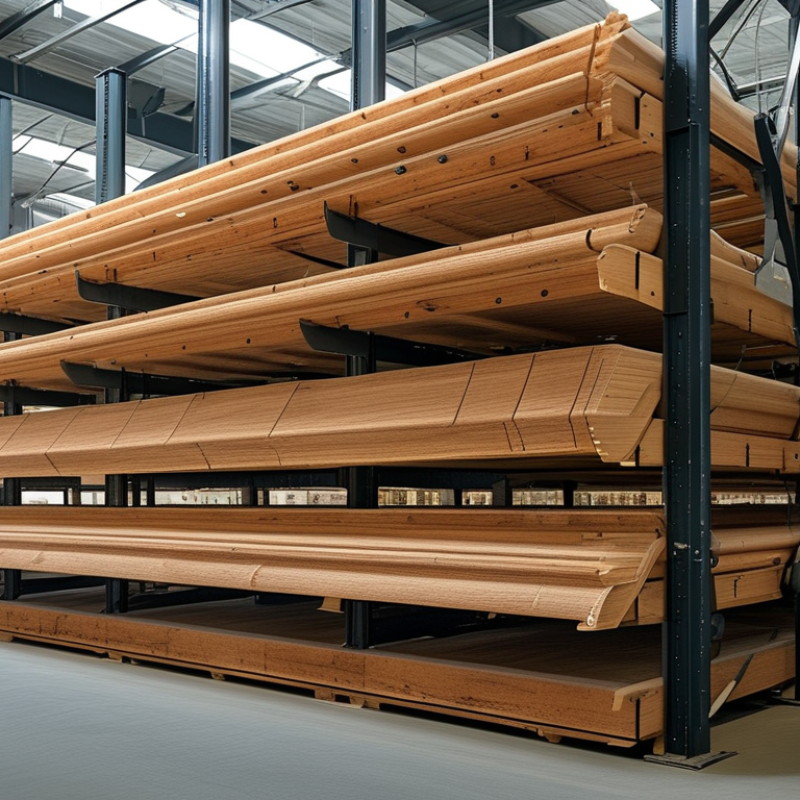
Cantilever storage systems are versatile solutions for managing a variety of materials. These systems are designed with arms that extend from vertical columns. This unique structure allows for easy loading and unloading of oversized items. Reports indicate that cantilever systems can increase storage efficiency by up to 50%. This advantage comes from the ability to utilize vertical space effectively.
Businesses benefit significantly from these systems. They provide ample support for long or bulky items, such as lumber and steel. With proper organization, companies can minimize damage during retrieval, reducing waste. Furthermore, the open design allows for quick access, enhancing productivity. A study by the Warehousing Education and Research Council shows that efficient storage can improve order fulfillment times by 30%.
While cantilever systems offer many advantages, challenges exist. Not all cantilever designs accommodate every type of product. Overloading can lead to structural integrity issues. It's crucial to assess the maximum load capacity before implementation. Regular inspection and maintenance are also necessary to prevent wear and tear. Understanding these limitations ensures a reliable storage solution.
Choosing the right cantilever storage solution is crucial for efficiency. Several key factors must be fully considered. First, understand the weight capacity needed for your specific materials. According to a recent industry report, over 70% of businesses experience issues with overload if capacity limits are unclear. This can lead to accidents and increased costs, so correct assessment is vital.
Next, think about the dimensions of your storage area. Many facilities underestimate the space required. A recent survey indicated that 40% of users reported layout inefficiencies due to poor size selection. Selecting adjustable cantilever racks can enhance flexibility, allowing for storage of varying lengths and weights. This adaptiveness is essential for operation smoothness.
Lastly, consider durability and material quality. Steel racks, while typically more expensive, often offer longer lifespans compared to lighter materials. A study showed that using inferior materials can lead to higher maintenance costs in the long run. Investing in reliable solutions eventually pays off. Ensure regular evaluations of your storage solution, as this reflects on its longevity and effectiveness.
When selecting materials for cantilever storage structures, it is essential to consider durability, weight capacity, and resistance to environmental factors. Steel is commonly used due to its strength and flexibility. According to industry reports, steel can support heavy loads while maintaining integrity over time. Additionally, its resistance to rust, when properly treated, makes it an ideal choice for outdoor applications.
Wood is another viable option. While not as strong as steel, it offers a lightweight alternative. Proper treatment can enhance its durability. Studies indicate that treated wood can last for decades in a storage environment. However, it may not be suitable for outdoor use without regular maintenance.
Plastic and composite materials have emerged as innovative alternatives. They are lightweight and resistant to corrosion. However, concerns about load-bearing capacity remain. Reports suggest that while these materials perform well for lighter storage, they may not be ideal for heavier loads. Each material has its strengths and weaknesses, making it crucial to assess the specific storage needs before making a decision. By carefully evaluating these factors, one can choose the most appropriate cantilever storage solution.
When evaluating space requirements for cantilever storage solutions, consider the layout of your facility. Measure the available floor space accurately. This helps in determining the length and height of the cantilever racks needed. Be mindful of vertical space; utilizing higher shelves can maximize capacity without consuming additional floor area. Also, consider aisle width, which is crucial for easy access.
Load capacities are another essential factor. Understand the weight of the items you plan to store. Heavy materials necessitate robust racks. A basic miscalculation can lead to safety hazards. Observe the manufacturer's specifications for load limits. Regularly inspect the racks to ensure they handle the intended loads over time. This ensures durability and reliability in your storage solution. Avoid assumptions. Base your decisions on concrete data and thorough evaluations.
| Storage Type | Space Required (Length x Width x Height) | Load Capacity per Arm (lbs) | Total Load Capacity | Material |
|---|---|---|---|---|
| Light Duty Cantilever Rack | 10' x 3' x 8' | 1,000 lbs | 2,000 lbs | Steel |
| Medium Duty Cantilever Rack | 12' x 4' x 10' | 1,500 lbs | 6,000 lbs | Steel |
| Heavy Duty Cantilever Rack | 15' x 5' x 12' | 2,000 lbs | 8,000 lbs | Steel |
| Custom Cantilever Rack | Varies | Up to 3,000 lbs | Customizable | Steel or Aluminum |
When considering cantilever storage solutions, evaluating costs and maintenance is crucial. The initial investment varies significantly based on the material and design. Steel cantilever racks typically range from $1,000 to $3,000 per unit. In contrast, lighter-duty models may cost around $500. However, the upfront expenditure does not solely dictate long-term value.
Maintenance plays a vital role in the overall cost. According to a report by the Storage Equipment Manufacturers Association (SEMA), regular inspections can reduce repair costs by up to 30%. While steel racks require less frequent maintenance, they may incur higher repair costs if not properly maintained. On the other hand, lighter materials may need more frequent checks but are easier to replace. Therefore, understanding the maintenance requirements is essential for budget planning.
Storage needs also impact cost-effectiveness. Businesses storing bulky items should consider high-capacity racks. In 2022, data indicated that 45% of companies experienced damage from improper storage. Aligning rack choices with specific storage demands can mitigate risks. Thoughtfully analyzing each option ensures a balanced approach to cost and maintenance, leading to better long-term investments.
: Cantilever storage systems are designed with extending arms from vertical columns. They manage oversized items efficiently.
They can increase storage efficiency by up to 50%. This is due to effective use of vertical space.
These systems support long or bulky items like lumber and steel. Proper organization reduces damage during retrieval.
They allow quick access to stored items, enhancing productivity. Efficient storage can improve order fulfillment times by 30%.
Not all designs accommodate every product type. Overloading may compromise structural integrity, requiring careful assessment.
Knowing the weight capacity is crucial to avoid overload issues. Over 70% of businesses face problems from unclear limits.
Measure floor space accurately, considering length, height, and aisle width. Higher shelves can maximize capacity effectively.
Durable materials like steel offer longer lifespans, despite higher initial costs. Inferior materials may lead to increased maintenance.
Regular inspections are essential to prevent wear and tear. This ensures reliability over time, so don't overlook this aspect.
Miscalculating load limits can lead to safety hazards. Always base decisions on concrete data and thorough evaluations.
Cantilever storage systems are versatile solutions designed to accommodate various materials, providing significant benefits such as maximized space utilization and easy accessibility. When selecting the best cantilever storage, it is crucial to consider key factors such as load capacities, structural materials, and the specific requirements of your space. Different materials, including steel and wood, can impact both durability and efficiency.
Additionally, evaluating your space requirements and potential load capacities is essential to ensure optimal use of the cantilever system. Comparing costs and maintenance requirements among various options will help in making an informed decision that balances quality with budget considerations. Ultimately, effective cantilever storage can enhance your operational efficiency and organization significantly.
SunliRack