Choosing the best Steel Containers for 2026 requires more than comparing prices and wall thickness. Buyers must examine payload, corrosion resistance, stackability, repair access, and documented service history. A container that looks clean may hide floor damage, distorted doors, or weakened corner castings. Small details matter.
The World Steel Association reported global crude steel production of approximately 1.89 billion tonnes in 2023. Its industry data also highlights steel’s strong recycling advantage. These figures support steel’s continuing role in durable transport and storage equipment. However, recycled content alone does not prove product quality. Manufacturing controls, coating performance, and inspection records remain essential.
Edwin Basson, Director General of the World Steel Association, has stated, “Steel is the most recycled material in the world.” His comment offers useful context, but it does not answer every container question. Recycling value cannot compensate for poor sealing or unsafe structural design. That distinction is easy to miss.
Reports from the International Organization for Standardization and the Institute of International Container Lessors provide useful reference points for dimensions, identification, and inspection practices. Buyers should still verify each supplier’s test documentation. Specifications can vary between manufacturers.
This guide compares steel grades, container formats, protective coatings, and practical ownership costs. It also considers cold climates, coastal air, forklifts, and repeated loading cycles. Some conclusions remain imperfect. Market data changes, and supplier claims deserve independent checking. The best Steel Containers in 2026 will not simply be the heaviest options. They will balance strength, maintainability, compliance, and long-term value.
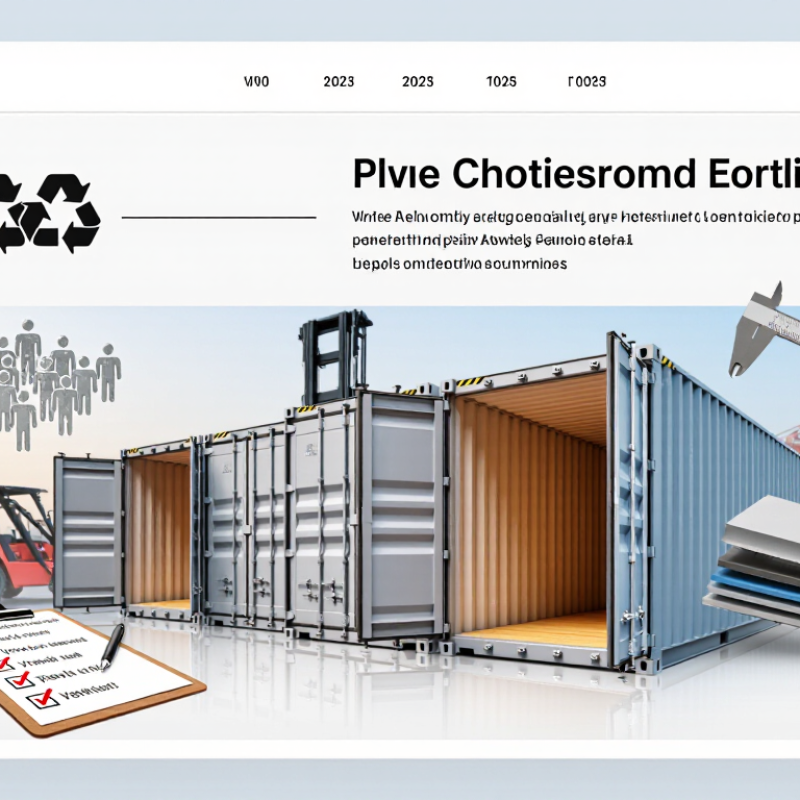
Steel Container Types and Their Main Uses in 2026
What Are the Best Steel Containers for 2026?
Steel containers in 2026 are not one universal solution.
Selection starts with cargo, route, handling equipment, and cleaning requirements.
Standard dry containers suit boxed goods, machine parts, and palletized materials. Their steel frames tolerate repeated lifting, but floor loads still need verification.
ISO 668 defines key dimensions, while the CSC framework supports safety checks for international transport. That paperwork matters.
UNCTAD’s Review of Maritime Transport 2024 projected global seaborne trade growth of about 2% in 2024,
keeping durable general-purpose units commercially important.
Refrigerated steel containers serve food ingredients, pharmaceuticals, and temperature-sensitive materials.
They require reliable insulation, airflow, and continuous temperature records. Tank containers carry liquids or powders in a rigid steel vessel, offering efficient loading and controlled handling.
ITCO’s 2024 Global Tank Container Fleet Survey recorded approximately 882,000 tank containers worldwide.
Open-top containers help with tall machinery, while flat racks handle oversized equipment. These designs reduce height limits, but they demand careful lashing plans.
Use matters more than appearance.
A dry container may be economical for storage, yet poor ventilation can damage moisture-sensitive cargo. A reefer may protect quality, but its power needs increase operating complexity.
In field inspections, door seals, welds, corner castings, and floor damage deserve close attention.
Surface rust is not always structural failure. Hidden corrosion can be. Buyers should compare payload, tare weight, inspection history, and expected trip frequency.
My own caution is imperfect: specifications rarely show every real loading problem.
Local handling habits can change the best choice.
Key Materials, Coatings, and Construction Features
What Are the Best Steel Containers for 2026?
Key Materials, Coatings, and Construction Features
The best steel container depends on its environment, load, and cleaning routine. Stainless steel remains a strong choice for humid areas and frequent washing. Grade 304 suits general indoor and outdoor use. Grade 316 offers better resistance near saltwater and aggressive chemicals. Carbon steel costs less, but it needs reliable corrosion protection. Galvanized steel uses a zinc layer to slow rust, although scratches can expose the underlying metal.
Coatings matter as much as the steel itself. Powder coating creates a tough, even surface and comes in many colors. However, poor surface preparation can cause peeling around edges and welds. Food-contact applications may require a suitable interior lining, not merely an attractive exterior finish. Check coating thickness, adhesion, and repair procedures before purchase.
Construction details often reveal real quality. Look for continuous welds, smooth internal corners, reinforced handles, and lids that close without gaps. A dependable gasket should resist cracking through repeated temperature changes. Containers also need stable bases and safe stacking points. I once favored a lighter design because it was easier to move. It later flexed under uneven loading. That experience changed my view. Low weight is useful, but excessive thinness can reduce service life. Ask for load ratings, material certificates, and corrosion-test information. Small details matter.
How to Evaluate Strength, Safety, and Weather Resistance
Choosing the best steel container in 2026 starts with measurable performance, not wall thickness alone.
I inspect corner posts, weld seams, door bars, floor supports, and drain paths. A heavy shell can still fail at a neglected joint.
ISO 1496-1 requires freight containers to pass stacking, lifting, restraint, and weatherproofness tests. Ask for inspection records and test evidence, not promises.
The World Steel Association’s 2024 World Steel in Figures reports 1.892 billion tonnes of crude steel production in 2023. That scale shows capacity, not quality. Compare steel grade, yield strength, weld inspection methods, and allowable payload before buying.
Safety includes predictable handling.
Doors should open without binding, locking rods should seat fully, and floors should resist concentrated loads. The International Labour Organization’s 2023 report estimated 2.93 million work-related deaths in 2019, reinforcing the importance of controlled lifting and placement.
Weather resistance needs more than paint. Look for zinc-rich primers, sealed seams, roof drainage, replaceable gaskets, and corrosion-testing records.
ISO 12944 classifies coating systems by corrosivity, so coastal storage needs stronger protection than dry inland use. NOAA reported 27 billion-dollar weather disasters in the United States during 2024. That volatility makes anchoring and water management practical requirements. I would still inspect a sample after heavy rain. Real sites expose flaws that paperwork misses.
Best Steel Containers for Storage, Shipping, and Specialized Needs
The best steel container depends on the job: storage, shipping, or specialized handling. For storage, weather-resistant corrugated steel units with lockable doors, raised floors, and ventilation offer practical protection. Check weld quality, door alignment, and drainage points. Small defects become expensive after repeated rain and temperature changes.
For shipping, choose containers built to ISO 668 and ISO 1496 dimensions. Valid safety certification also matters under the international container safety framework. UNCTAD’s Review of Maritime Transport 2024 reported that global maritime trade reached about 12.3 billion tonnes in 2023. That scale increases pressure on equipment, ports, and inspection systems. World Steel Association data recorded approximately 1.84 billion tonnes of crude steel production in 2024. Steel remains widely available, but availability does not guarantee suitable quality. A heavier container is not automatically safer. I still find this easy to overlook.
Specialized needs require closer matching. Insulated containers help protect temperature-sensitive materials, while open-top designs support tall industrial equipment. Stainless steel interiors may suit corrosive environments, but they cost more and require careful cleaning. Tank containers should be selected only for compatible, legally permitted liquids and verified pressure ratings.
Tips: Measure the cargo before ordering. Leave clearance for doors and handling equipment. Inspect corner fittings, floors, seals, and welds. Ask for inspection records, load ratings, and corrosion history. For long-term outdoor storage, add airflow and avoid direct ground contact. These details seem minor. They are not.
Selection Criteria, Maintenance, and Long-Term Value
What Are the Best Steel Containers for 2026?
In 2026, the best steel container is not automatically the thickest or heaviest option. Selection should begin with its intended use, location, and expected load. For ordinary storage, corrosion-resistant stainless steel is usually practical. Grade 304 suits many indoor environments, while grade 316 offers better resistance in salty or chemical atmospheres. Always verify the material certificate and food-contact approval when needed.
Inspect the welds, corners, lid seal, and drainage points before buying. Smooth welds reduce dirt buildup and simplify cleaning. A firm gasket should close evenly without pinching. Stackable shapes save space, but unstable stacks create avoidable damage. I once treated a small dent as cosmetic. That judgment was too casual. The dent later trapped moisture near the seam.
Maintenance is simple, but consistency matters. Wash the surface with mild detergent and warm water. Rinse away cleaner completely, then dry the container before closing it. Avoid harsh chlorine products, which may encourage pitting on stainless steel. Check gaskets every few months. Replace cracked seals early. Small rust marks deserve attention, even when the container still looks usable.
Long-term value depends on repairability, not only purchase price. Choose replaceable lids, seals, handles, and standard fittings where possible. Keep containers away from standing water and inspect them after transport. A heavier model may last longer, yet excessive weight can increase handling injuries and storage costs. My preference is durable, serviceable steel with documented specifications, although real conditions can challenge even careful calculations.
FAQS
Grade 304 suits many indoor and outdoor settings. It handles routine washing and moderate humidity well.
A higher-grade stainless steel is better near saltwater or aggressive chemicals. The extra cost may be worthwhile there.
Yes, when it has dependable corrosion protection. Galvanizing or a strong coating can slow rust, but scratches need prompt repair.
Check continuous welds, smooth corners, reinforced handles, stable bases, and tight-fitting lids. Small gaps can collect water and dirt.
Review load ratings, material certificates, weld inspections, and allowable payloads. Wall thickness alone proves very little.
Doors should open smoothly, locking rods should seat fully, and floors should resist concentrated loads. Use controlled lifting and stable placement.
Wash them with mild detergent and warm water. Rinse completely, dry the interior, and inspect gaskets every few months.
Yes. Strong chlorine products may encourage pitting. I once underestimated this risk. That was not a good assumption.
Not always. Heavy designs may last longer, but they can raise handling effort and storage costs.
Look for sealed seams, roof drainage, replaceable gaskets, protective primers, and reliable anchoring points. Check the container after heavy rain.
Conclusion
In 2026, Steel Containers remain a dependable solution for storage, shipping, and specialized applications because they combine strength, security, and long service life. This overview explains the main container types, including standard storage units, transport-ready designs, insulated models, and purpose-built options. It also examines important materials, protective coatings, weld quality, door systems, ventilation, and structural features that influence performance. Choosing the right container requires careful evaluation of load capacity, resistance to impact, moisture, corrosion, temperature changes, and severe weather conditions.
The article also compares suitable Steel Containers for household, commercial, industrial, and logistical needs without focusing on any particular brand. Practical selection criteria include size, accessibility, mobility, placement conditions, security requirements, maintenance needs, and total cost over time. Regular inspections, surface protection, drainage management, and timely repairs can help preserve reliability and appearance. By balancing construction quality, safety, adaptability, and long-term value, buyers can select a container that performs efficiently and remains suitable for changing requirements.

 SunliRack