China’s shelving industry is moving beyond simple steel frames and warehouse rows. Shelving Systems now support picking speed, inventory visibility, worker safety, and flexible growth. Grand View Research estimates that the global warehouse racking market will expand steadily through 2030, driven by e-commerce, manufacturing, and logistics investment. Its analysis also highlights automation and space optimization as major purchasing factors. These trends make Chinese manufacturers increasingly important to international buyers.
The numbers need context. A low factory price may hide weak load testing, poor coating quality, or limited after-sales support. It can also create expensive delays.
Martin Christopher, a respected logistics and supply chain expert, wrote, “Supply chains compete, not companies.” His point applies directly to shelving selection. A reliable system can shorten walking routes, reduce picking errors, and protect usable warehouse space. A poorly specified system can do the opposite.
This guide examines ten leading Chinese Shelving Systems manufacturers through practical criteria. These include product range, load capacity, customization, production experience, certifications, delivery capability, and service coverage. Public company information, industry reports, and available customer evidence inform the comparison. However, no ranking is perfect. Manufacturer data is not always presented consistently, and regional performance can differ.
Buyers should inspect beam thickness, column geometry, surface treatment, installation standards, and replacement-part access. A warehouse manager should also ask for layout drawings and verified load calculations. The strongest supplier is not always the largest. It is the one that fits the building, inventory, budget, and operating habits with fewer compromises.
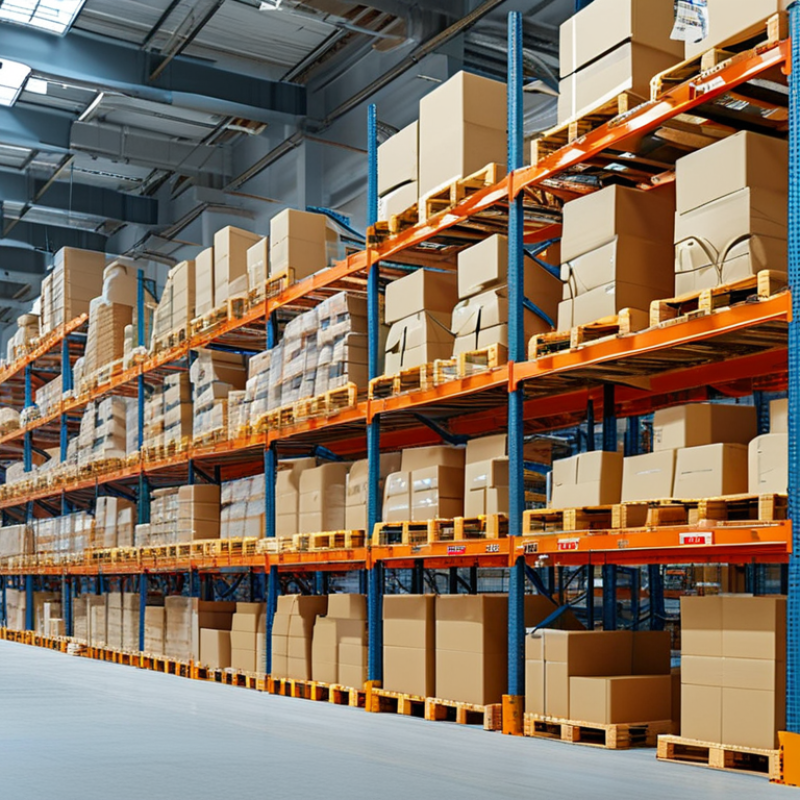
Shelving systems are engineered structures that store goods safely, visibly, and efficiently. In China, they support factories, warehouses, retail rooms, archives, and distribution centers. A system may include upright frames, beams, wire decks, bins, drawers, or mobile bases. Each part affects capacity, access, and maintenance.
The right choice begins with the goods, not the catalog image. Heavy steel coils need different support from cartons, spare parts, or food containers. Managers should check load ratings, aisle width, floor strength, corrosion exposure, and forklift movement. A small warehouse may benefit from adjustable boltless shelving. A high-volume facility may require pallet racks, narrow aisles, or automated storage equipment. Clear labels and visible stock locations also reduce picking mistakes.
Details matter.
Reliable suppliers should provide drawings, material specifications, testing information, and installation guidance. Buyers should verify beam capacity under actual loading conditions, rather than trusting a general figure. Local engineers may need to review fire access, building limits, and seismic considerations. Quality control should include weld checks, coating thickness, dimensional accuracy, and post-installation inspections. I have seen plans become less practical when operators were consulted too late. That weakness is easy to repeat. Shelving also changes as inventory changes, so future adjustment deserves attention before purchase. A lower initial price can create higher labor, repair, and replacement costs later.
When comparing China’s top shelving system manufacturers, look beyond catalog prices and online rankings. During factory visits, examine steel coils, welding lines, coating rooms, and finished pallets. Ask for material grades, thickness tolerances, load-test records, and coating data. A polished showroom proves little. Request a sample rack and inspect beam connections, bolt holes, weld consistency, and edge finishing by hand. Small defects can reveal process weaknesses.
A reliable manufacturer should explain its engineering methods clearly. Check whether designs follow recognized standards and match your seismic zone, aisle width, floor condition, and forklift traffic. Independent load testing is valuable for heavy-duty or automated storage.
Traceability matters too. Batch numbers should connect raw steel with inspection reports. Review factory capacity, quality-control checkpoints, corrective-action records, export packaging, and installation guidance. Contact recent customers, not only selected references.
Price deserves careful skepticism. A cheaper quote may exclude anchors, guards, delivery, or site adjustments. Ask for a line-by-line offer, warranty limits, and replacement procedures. Communication is another practical test. Send a revised drawing and assess the team’s accuracy and response time. I have seen technically strong projects delayed by vague drawings and late approvals. No evaluation is perfect. Supplier audits can miss problems on busy production days. Retain an independent inspection before shipment, and document every agreed tolerance, finish, and load requirement.
China’s top ten shelving systems manufacturers are better judged by product strengths than by factory size. The strongest heavy-duty suppliers design pallet racks for high loads, stable beams, and rapid forklift access. Others focus on shuttle racks, drive-in systems, or automated storage and retrieval interfaces. Their products often support cold storage, e-commerce warehouses, and manufacturing plants.
According to the China Federation of Logistics and Purchasing, China’s total social logistics costs reached about RMB 18.2 trillion in 2023. Logistics costs represented roughly 14.4% of GDP. This pressure makes space efficiency and picking speed practical buying criteria. Leading manufacturers usually provide adjustable steel uprights, powder-coated surfaces, seismic options, and load testing documents. Light-duty shelving is suitable for cartons and spare parts. Cantilever systems serve steel, timber, and other long materials. Mezzanine structures add usable floor space without immediate expansion.
Product strength still varies. Some suppliers offer impressive automated solutions but limited after-sales engineering. Others produce reliable pallet racks but lack software integration. A catalog is not proof. Buyers should inspect welding quality, beam deflection data, installation records, and replacement-part availability. A useful comparison also checks whether a supplier can customize aisle widths, fire-protection clearances, and local safety requirements. Many rankings overlook these details. That is a weakness. Performance on a showroom floor may not reflect years of warehouse use.
The chart presents a normalized 0–100 industry benchmark across major shelving-system categories commonly offered by leading Chinese manufacturers. Higher scores indicate broader product capability, engineering depth, customization potential, and suitability for demanding warehouse applications.
Product-strength dimensions: pallet storage, automated storage, high-density systems, picking systems, cantilever storage, mobile shelving, and mezzanine solutions.
Chinese-manufactured shelving systems serve many industries, especially warehousing and e-commerce fulfillment. Distribution centers use adjustable pallet racks for cartons, spare parts, and seasonal inventory. Smaller warehouses often choose boltless shelving for hand-picked orders. Speed matters here. In busy fulfillment aisles, shelf spacing must match carton sizes, walking routes, and picking equipment. Poor spacing creates wasted movement and increases handling risks.
Manufacturing plants use shelving near assembly lines, maintenance rooms, and quality-control areas. Automotive, electronics, and machinery facilities commonly store components in labeled bins. Retailers use metal shelving in back rooms, stock areas, and store displays. Cold-chain operators need corrosion-resistant surfaces and layouts that tolerate temperature changes. A coating that performs well in a dry warehouse may disappoint in a humid environment. That detail is easy to overlook.
Hospitals, laboratories, libraries, and public archives also use specialized shelving from Chinese manufacturers. These projects may require smooth surfaces, movable units, fire-safety coordination, or controlled access. Reliable buyers inspect load ratings, steel thickness, weld quality, coating reports, and installation instructions. They also request sample testing before placing large orders. A low quotation can look attractive, but missing accessories may raise the final cost. In practice, the best system is not always the cheapest. It should match the inventory, building conditions, worker habits, and local compliance requirements. Even experienced teams sometimes measure aisle clearances incorrectly. Careful site verification remains essential.
Selecting a Chinese shelving system manufacturer requires more than comparing prices. Start with your warehouse requirements. Record bay height, shelf depth, expected load, aisle width, and access equipment. A reliable manufacturer should convert these details into clear drawings and load calculations. Ask for steel grades, component thicknesses, welding methods, and surface-treatment specifications. Do not accept vague phrases such as “heavy duty.” Request test reports, production photos, and a sample connection. Small details matter, including upright holes, beam locks, footplates, and edge finishing. A poorly protected edge can become a maintenance problem.
Tips: Visit the factory when possible, or arrange a live video inspection. Check cutting, welding, coating, packing, and finished-goods storage. Ask how rejected parts are recorded. Request references from warehouses with similar loads and operating conditions. Confirm lead times in writing, including drawing approval, sample production, and shipment preparation. Also review installation guidance and spare-part support. A strong supplier explains limitations instead of promising everything. That honesty is useful.
Cost still matters, but the lowest quotation deserves careful questioning. It may reflect thinner steel, fewer accessories, or weaker inspection controls. Compare complete delivered systems, not isolated beam prices. Review payment stages, quality acceptance, packaging protection, and responsibility for damaged parts. Independent inspection can add expense, yet it may prevent a larger mistake. I would also test one installed bay before ordering a full project. Plans often look perfect on paper. Warehouses rarely behave perfectly.
: Warehouses, fulfillment centers, factories, retailers, hospitals, laboratories, libraries, and public archives use them. Each industry needs different load ratings, layouts, finishes, and access controls.
Adjustable pallet racks suit cartons, spare parts, and seasonal inventory. Boltless shelving works well for hand-picked orders. Shelf spacing should match carton sizes, walking paths, and picking equipment.
Plants place shelving near assembly lines, maintenance rooms, and quality-control areas. Labeled bins can hold components, tools, and replacement parts. Clear labels reduce searching time.
Choose corrosion-resistant surfaces and layouts that tolerate temperature changes. A coating suitable for dry storage may fail in humid conditions. This detail is easy to miss.
Review load ratings, steel grades, component thicknesses, weld quality, and coating reports. Inspect upright holes, beam locks, footplates, and edge finishing. Small details matter.
Request clear drawings, load calculations, test reports, production photos, and a sample connection. Arrange a factory visit or live video inspection when possible. Check cutting, welding, coating, packing, and storage areas.
Not always. A low price may mean thinner steel, fewer accessories, or weaker inspections. Compare complete delivered systems, including packaging, installation guidance, and spare parts.
Confirm bay height, shelf depth, expected loads, aisle width, and equipment access. Even experienced teams sometimes measure clearances incorrectly. I would recheck every aisle before placing a large order.
Shelving Systems are essential storage solutions that help businesses organize goods, improve space utilization, and support safer, faster operations. In China, manufacturers offer a wide range of products, including light-duty shelving, heavy-duty warehouse racks, adjustable systems, mobile storage, and customized solutions. This article explains why shelving systems matter and outlines the key factors for evaluating Chinese manufacturers, such as product quality, load capacity, material selection, design flexibility, production standards, delivery reliability, installation support, and after-sales service.
It also introduces China’s top ten shelving system manufacturers according to their product strengths, without focusing only on scale or price. Their solutions serve industries such as warehousing, manufacturing, retail, logistics, archives, healthcare, and e-commerce. To select the right supplier, buyers should clearly define storage requirements, available space, budget, compliance expectations, customization needs, and future expansion plans. Comparing technical proposals, certifications, project experience, communication, and total ownership costs can help ensure a practical and dependable choice.

SunliRack