Choosing the right Drive-in Storage system can reshape warehouse capacity, handling speed, and long-term operating costs. Global buyers often face different pallet sizes, climate conditions, labor practices, and building standards. A system that performs well in Rotterdam may require changes in Dubai or Singapore.
This guide examines ten leading Drive-in Storage solutions for practical purchasing decisions. It considers usable capacity, structural strength, pallet compatibility, forklift access, installation quality, and maintenance support. Details matter. Upright thickness, rail positioning, and entry clearance can affect daily performance. A few extra centimeters may prevent repeated pallet damage.
Cold rooms create different challenges. Humid warehouses need stronger corrosion protection. Seismic regions may require additional engineering review. Buyers should also verify load ratings with qualified suppliers, rather than relying on attractive catalog images. Safety comes first.
Real warehouse experience shows that the cheapest option is rarely the simplest choice. However, premium features do not always improve every operation. Some systems look impressive but fit poorly with existing forklifts or pallet flows. That weakness deserves attention.
The following comparison focuses on evidence, practical usability, supplier reliability, and global service capability. It also recognizes an uncomfortable point: product rankings can change when warehouse priorities change. A high-density solution may reduce accessibility. A more flexible design may consume valuable floor space. Careful site measurement and honest operational forecasts remain essential for a dependable investment.
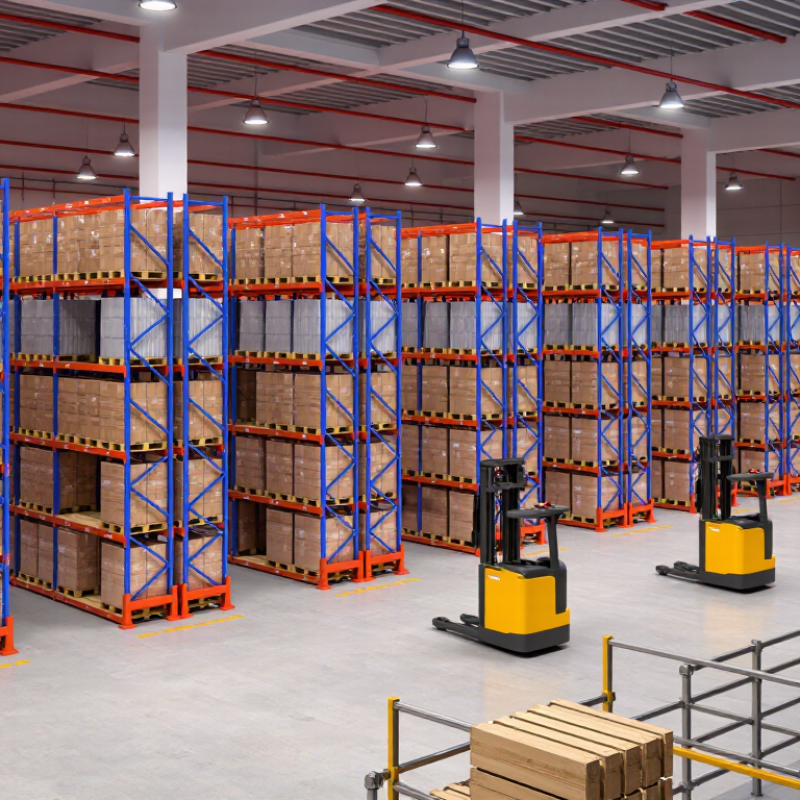
What Drive-In Storage Systems Are and How They Work
Top 10 Drive In Storage Systems for Global Buyers
What Drive-In Storage Systems Are and How They Work
Drive-in storage systems are high-density pallet racks designed for warehouses with large quantities of similar goods. Unlike selective racks, they use fewer aisles and more vertical space. A forklift enters the rack structure, travels along guide rails, and places pallets on supported rails. The same vehicle retrieves them later. This design makes each lane function like a deep storage tunnel.
Drive-in racks usually follow the last-in, first-out method. The newest pallet enters first and is removed first. This arrangement suits durable products with consistent stock rotation. It can reduce unused aisle space, especially in cold rooms or large distribution facilities. However, the system works best when each lane stores one product type. Mixing items creates access problems and increases handling time.
In practical warehouse assessments, buyers should check pallet dimensions, load ratings, forklift clearance, and floor strength. Local seismic and fire-safety requirements also matter. One detail is often missed: guide rails must match the forklift’s operating pattern. Small alignment errors can damage pallets or rack components. The structure may appear simple, but installation quality affects daily safety. It is not a perfect fit for every operation. Fast-moving goods, varied inventories, and strict first-in, first-out control may require another storage design. Regular inspections remain necessary, even when the rack looks undamaged.
Core Components and Design Features of Drive-In Racking
Drive-in racking uses upright frames, horizontal load rails, bracing, and floor anchors to form deep storage lanes. Pallets rest on paired rails rather than individual shelf beams. Forklifts enter each lane to place or retrieve loads, so clearances matter. A small mismatch in pallet width can cause scraping or unstable placement.
The entry guides help drivers align with the lane, while column guards protect exposed frame legs from impacts. Rails must suit the pallet’s dimensions and rated load, including how weight is distributed across its base. Engineers also consider slab capacity, rack height, seismic conditions, and forklift mast clearance. These details are easy to overlook.
Drive-in systems typically work on a last-in, first-out basis because the newest pallet blocks earlier loads in its lane. That affects product selection and lane depth. Deeper lanes can improve space use, but they may slow access to specific pallets. The layout can look efficient on paper, yet daily turning space and driver visibility deserve a real operational review. Not every warehouse gets that part right. Regular checks should look for bent rails, loose anchors, damaged uprights, and missing safety pins. A simple inspection record can reveal recurring impacts before small defects become costly.
How to Compare the Top 10 Systems for Global Buyers
Comparing the top ten drive-in storage systems requires more than checking price per pallet. Global buyers should score tunnel depth, pallet compatibility, rail geometry, load ratings, forklift clearance, and seismic performance. MHI’s 2024 Annual Industry Report reports that 55% of supply chain leaders plan to increase technology investment. That pressure can make dense storage attractive, but density alone is not proof of value. A system with poor access may increase handling time and product damage.
Use the same test conditions for all ten systems. Measure usable pallet positions, loading speed, retrieval accuracy, aisle width, installation time, and maintenance access. Ask for certified calculations, inspection records, and references from sites with similar climates. EN 15635 provides a useful framework for storage equipment inspection, while local building and fire codes still control final approval. A perfect ranking is unrealistic. Product turnover can change the result quickly.
Tips: Request a live load demonstration with your own pallet dimensions. Confirm whether the quoted capacity includes dynamic forklift forces. Calculate total cost over ten years, including repairs, training, inspections, and downtime. Also, challenge unusually high density claims. They may assume ideal pallets, perfect operators, and no seasonal congestion. That assumption often fails in real warehouses.
Top 10 Drive-In Storage Systems for Global Buyers
How to Compare the Top 10 Systems for Global Buyers
This indicative benchmark compares common warehouse storage configurations on a 1–5 scale, where 5 represents stronger performance. Scores reflect typical system characteristics: storage density, SKU selectivity, FIFO suitability, pallet accessibility, and automation readiness. Actual results vary with pallet dimensions, load weight, warehouse layout, throughput, climate, and local safety requirements.
Evaluating Capacity, Safety, Cost, and Maintenance
When comparing the ten drive-in storage systems, capacity should be measured by usable pallet positions, not steel volume. Drive-in designs reduce aisle space and suit uniform products with limited stock-keeping units. However, they usually operate on a last-in, first-out basis. That limitation matters for date-sensitive inventory. The 2024 MHI Annual Industry Report found that 55% of respondents planned to increase supply-chain technology investment. Buyers should therefore request digital load records, even for simple systems.
Safety needs physical evidence. Check upright protection, rail spacing, load ratings, and forklift clearance. OSHA 1910.176 requires stored materials to remain stable and secure. FM Global Data Sheet 8-34 also highlights the importance of maintaining sprinkler access and fire-control clearances. Small gaps matter. A damaged guide rail can distort loading and create repeated impacts. Independent inspections should follow local rules, with documented checks after installation and relocation.
Cost comparisons should include civil work, installation, forklifts, training, inspections, and replacement parts. A low quotation may hide expensive floor repairs or difficult access. Maintenance becomes harder in humid ports and cold warehouses, where corrosion and condensation develop behind rails. I would not treat maximum density as the best result. A practical model scores capacity, retrieval time, safety exposure, and five-year maintenance cost. The answer may look less efficient, but it is usually more honest.
Choosing the Right Drive-In Storage System for Your Warehouse
Choosing the Right Drive-In Storage System for Your Warehouse
Drive-in storage suits warehouses holding many pallets of the same product. It uses deep lanes and fewer aisles, increasing floor utilization. However, higher density can reduce access speed. The right choice depends on pallet dimensions, load weight, forklift type, and stock rotation. According to the 2024 MHI Annual Industry Report, labor availability and inventory accuracy remain major supply-chain concerns. A system that saves space but slows picking may create hidden costs.
Inspect the warehouse in operation, not only on a drawing. Measure clear height, column positions, sprinkler clearance, and forklift turning space. Select rails, frames, and guides according to local safety standards and tested load ratings. LIFO storage works well for stable, non-perishable inventory. Fast-moving products may need selective or pallet-flow storage instead. The U.S. Occupational Safety and Health Administration stresses competent inspection and safe rack use, but daily discipline often matters more than the specification sheet. That is easy to underestimate.
Tips: Keep heavy pallets on lower levels. Separate damaged pallets immediately. Mark lane capacity clearly. Ask for engineering calculations, installation records, and inspection procedures. Review the system after three months of real use. Minor congestion can reveal a major design mistake. Forecasting is never perfect. Allow some unused capacity for future products, seasonal peaks, and safer forklift movement.
FAQS
Use the same test conditions for every system. Compare tunnel depth, pallet fit, rail geometry, load ratings, forklift clearance, and seismic performance.
No. Fewer aisles save floor space, but deep lanes can slow access and increase handling time or product damage. Density alone proves little.
Use your own pallet dimensions. Observe loading speed, retrieval accuracy, forklift turning, and clearance inside the lanes. Watch for awkward maneuvers.
It often suits warehouses holding many pallets of the same product. LIFO storage can work for stable goods with predictable turnover.
Fast-moving products may need selective or pallet-flow storage. Frequent access matters more than maximum density in some warehouses.
Check clear height, column positions, sprinkler clearance, aisle width, and forklift turning space. A drawing may miss real congestion.
Include repairs, training, inspections, installation, and downtime over ten years. A low purchase price may hide recurring costs.
Ask for engineering calculations, load ratings, installation records, and inspection procedures. Keep heavy pallets low and remove damaged pallets promptly.
Reassess it after three months of real use. Congestion may expose a design flaw. Forecasts are imperfect, so leave some spare capacity.
Conclusion
Drive-in Storage systems are high-density pallet racking solutions designed to maximize warehouse capacity by allowing forklifts to enter storage lanes and place pallets on internal rails. This layout reduces the need for multiple aisles and is especially suitable for warehouses handling large quantities of similar products with limited stock rotation. The article explains how these systems operate, along with their main components, including upright frames, horizontal rails, entry guides, protective barriers, and structural supports. It also highlights design factors such as load distribution, lane depth, pallet compatibility, and forklift access.
For global buyers, comparing the top 10 systems requires more than reviewing storage capacity. Buyers should evaluate safety features, construction quality, installation requirements, maintenance needs, adaptability, and total ownership cost. The right Drive-in Storage solution depends on warehouse dimensions, product characteristics, inventory turnover, loading methods, and future expansion plans. A balanced assessment of capacity, operational efficiency, safety, and long-term maintenance can help businesses select a reliable system that improves space utilization without compromising warehouse performance.

 SunliRack