A warehouse succeeds when every pallet has a clear place and every movement has a practical purpose. Longspan Storage supports this principle with adjustable shelving, durable beams, and accessible levels for cartons, components, and boxed inventory. It can turn unused wall height into working capacity without requiring a complete building redesign. That matters when stock grows faster than floor space.
James A. Tompkins, a recognized warehouse design authority, has said, “The right storage system should support the flow of materials, not obstruct it.” This idea explains why Longspan Storage should be evaluated beyond its purchase price. Rack spacing, load ratings, aisle width, picking frequency, and future expansion all affect its real value. A strong design lets workers see labels clearly, reach products safely, and replenish stock without unnecessary handling.
The benefits are practical. A well-planned system can reduce floor congestion, improve stock visibility, and create more consistent picking routes. Shelves can be adjusted as product sizes change. That flexibility is valuable.
But Longspan Storage is not automatically the best answer for every warehouse. Poor measurements, excessive loading, or neglected inspections can reduce its performance. I have seen many storage plans focus on capacity while overlooking daily movement. That is an important weakness to examine. The best choice combines reliable equipment, documented load limits, trained users, and regular reviews. When these details align, Longspan Storage becomes more than shelving. It becomes a dependable framework for safer, clearer, and more adaptable warehouse operations.
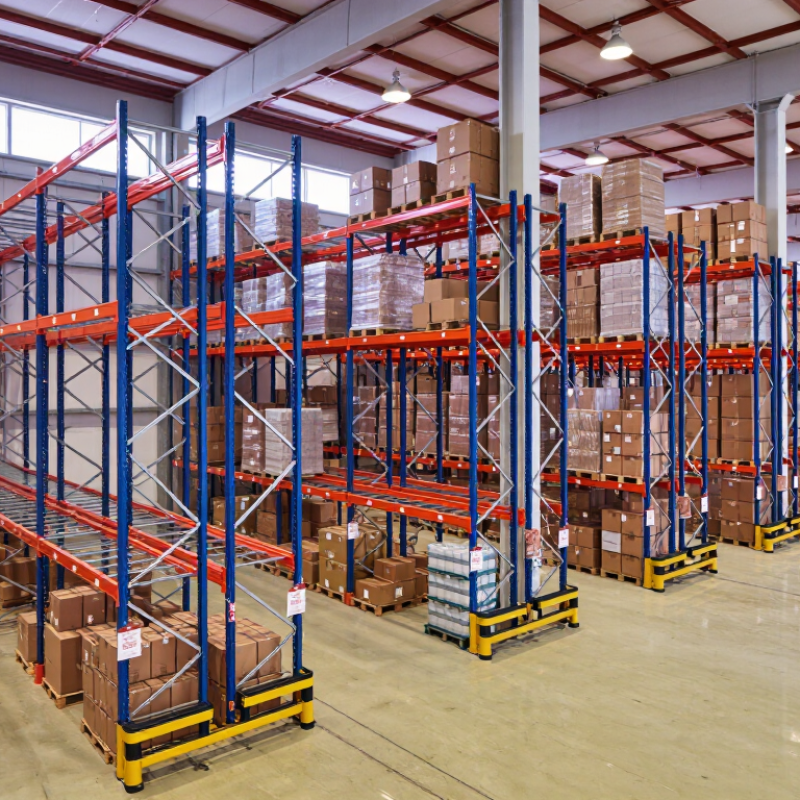
Warehouse teams face rising SKU counts, irregular cartons, and limited floor space. A narrow aisle can become a daily bottleneck. Picking errors also grow when products lack clear locations. Longspan storage addresses these pressures with adjustable levels and accessible shelving. Workers can store cartons, tools, and slower-moving inventory without depending on complex equipment. In practical warehouse audits, clear shelf labels and consistent locations often improve picking speed more than extra labor alone.
Industry data supports this shift toward adaptable infrastructure. MHI’s 2024 Annual Industry Report found that companies expect cloud computing adoption to rise from 55% to 91% within five years. It also projected artificial intelligence adoption to increase from 23% to 82%. These figures show a stronger need for organized, data-ready storage areas. Longspan systems can support that foundation by giving each product a stable, visible position. Small improvements matter.
However, the system is not automatically efficient. Poorly planned shelf heights can waste vertical space. Excessive loading can create safety risks and shorten equipment life. The Occupational Safety and Health Administration stresses proper load limits, inspection, and worker training for storage systems. Warehouse managers should measure carton dimensions, turnover rates, aisle clearance, and future growth before installation. A flexible layout may cost more initially. Still, a rigid layout can become expensive when demand changes. That risk deserves honest attention.
Longspan storage uses a simple structural logic: upright frames carry vertical loads, while horizontal beams support each shelf level. Bracing keeps the frames stable. Decking spreads cartons across the beams. Anchors transfer movement into the floor. Every component matters.
The operating principle is direct. Goods enter from the aisle, rest on adjustable levels, and leave without moving nearby stock. This suits cartons, spare parts, tools, and hand-picked inventory. Shelf height can follow the product, not a fixed pallet pattern. A worker should see the label clearly and reach the item without twisting.
The floor tells the truth.
MHI’s 2024 Annual Industry Report found that 55% of surveyed supply-chain professionals planned to adopt robotics or automation within one to two years. Longspan shelving still has value where product variety changes faster than automation layouts. It offers lower initial complexity and easier reconfiguration. However, it is not always the best fit. Heavy loads, high turnover, or narrow aisles may require another system.
Operators should check beam deflection, frame damage, anchor conditions, and visible load labels during inspections. OSHA’s material-handling guidance requires stored materials to remain stable and secure. A practical detail is often missed: leave enough clearance for hands, cartons, and cleaning equipment. A neat aisle can still hide poor loading. The safest design is not merely strong; it matches real working habits.
Longspan storage helps warehouses organize bulky cartons, tools, and irregular products without excessive floor supports. Its wide beams create open shelf levels, making items easier to see and reach during picking. This can reduce search time and improve daily workflow. Small improvements matter.
A practical warehouse assessment often shows another benefit: flexible space use. Adjustable shelf heights allow teams to change layouts as inventory sizes shift. Longspan systems can support manual picking areas, archive storage, and light industrial materials. They also suit aisles where forklifts are unnecessary. Installation is usually less disruptive than constructing permanent storage rooms.
Safety still requires careful judgment. Operators should confirm load ratings, shelf spacing, anchoring needs, and local workplace requirements before use. Clear labels help prevent uneven loading. Regular inspections can reveal bent beams, loose connections, or damaged panels early. These details are easy to overlook.
Longspan storage is not magic.
Poor planning can create crowded aisles or unused upper levels. Measuring product dimensions, walking routes, and replenishment frequency first usually produces better results. A warehouse may also need stairs, guards, or separate areas for heavier goods. The best design balances capacity with safe, comfortable access. That balance takes review.
Why Choose Longspan Storage for Your Warehouse?
Selecting the right longspan storage configuration starts with your inventory, not the rack itself. Measure carton sizes, pallet weights, picking frequency, and available floor space. Adjustable levels suit warehouses with changing stock. Fixed levels can work better for stable product ranges. Keep aisles wide enough for safe movement and comfortable picking. A few extra inches may improve daily productivity.
Consider how workers actually use the system. Fast-moving items should stay between knee and shoulder height. Heavy cartons belong on lower levels. Add dividers, bins, or decking when loose products create clutter. In warehouse planning, a configuration can look efficient on paper but feel cramped during a busy shift. That detail is easy to miss. Review the layout with operators before installation, and test one section first. It may reveal an assumption worth changing.
Tips: Record the heaviest stored item, then check every beam and shelf rating. Leave clearance around lights, doors, sprinklers, and equipment. Use clear labels and consistent locations. Inspect connections, frames, and damaged components regularly. Follow local safety requirements and the manufacturer’s installation guidance. When future growth is uncertain, choose modular components that can be adjusted without rebuilding the entire layout. Oversizing every bay is not always wise; unused capacity still consumes valuable floor space.
| Storage configuration | Typical bay dimensions | Typical load per level | Best suited for | Recommended access | Space-efficiency profile | Selection guidance |
|---|---|---|---|---|---|---|
| Standard longspan shelving | 1,200–2,400 mm W 400–800 mm D 1,800–2,400 mm H |
100–300 kg | Cartons, spare parts, packaged goods and small-to-medium components | Manual picking from the front | Balanced use of floor area and vertical space | Choose this as a flexible starting point when product sizes and stock levels vary. |
| Heavy-duty longspan shelving | 1,500–2,700 mm W 600–1,200 mm D 1,800–3,000 mm H |
300–800 kg | Dense cartons, tools, machinery parts and bulky maintenance items | Manual handling, step platforms or suitable lifting equipment | Higher capacity with fewer storage levels | Select deeper beams and reinforced decking when unit weight or item depth is high. |
| Multi-tier longspan shelving | 1,200–2,400 mm W 400–800 mm D 3,000–6,000 mm H overall |
100–300 kg per level | High-SKU inventory, e-commerce orders and archive or parts storage | Stairs, walkways and approved access platforms | High vertical utilization and increased picking locations | Use where floor space is limited and the building has sufficient clear height. |
| Adjustable shelf-level system | 900–2,400 mm W 300–800 mm D 1,800–3,000 mm H |
75–250 kg | Mixed-size products, changing inventory and seasonal stock | Direct manual access | Flexible storage density | Prioritize tool-free or easily repositioned shelves when product dimensions change frequently. |
| Drawer or bin-integrated shelving | 900–2,000 mm W 300–600 mm D 1,800–2,400 mm H |
30–150 kg per shelf or drawer | Small fasteners, electronics, consumables and repair components | Manual picking with labels or barcode locations | Excellent SKU visibility and picking accuracy | Choose shallow compartments when item quantity is low but SKU variety is high. |
| Mobile longspan shelving | 900–2,400 mm W 400–800 mm D 1,800–2,400 mm H |
100–300 kg | Archives, controlled-access stock and areas where aisle space is costly | Open one working aisle as required | Very high storage density with reduced permanent aisles | Consider floor loading, safety controls and retrieval frequency before selecting this option. |
Longspan storage suits warehouses that need flexible, accessible shelving. Its open design supports cartons, tools, spare parts, and irregular loads. Good performance begins with accurate planning, not quick assembly. Measure aisle widths, ceiling height, floor condition, and expected load weight. A qualified installer should check every frame, beam, connector, and anchor. The floor must support the system without cracking or settlement.
Installation errors can remain hidden for months. That is the difficult part. Shelves may look level while carrying uneven pressure. Clear load labels should remain visible at eye level. Keep heavier goods on lower levels, and leave safe clearance around sprinklers, lights, doors, and equipment routes. Workers also need practical training, including safe lifting and correct placement. Written instructions alone are rarely enough.
Maintenance should follow a scheduled inspection plan. Check for bent beams, loose connectors, damaged uprights, corrosion, and missing safety pins. Mark damaged sections immediately and remove unsafe loads before repairs begin. Forklift traffic deserves special attention. Small impacts can weaken a frame without obvious warning. Protective guards may reduce damage, but they do not replace careful driving. Keep inspection records with dates, findings, and corrective actions. A second check is rarely wasted. In busy warehouses, storage often changes faster than the original design, so capacity reviews should happen whenever products, equipment, or workflows change.
Longspan storage uses upright frames, horizontal beams, bracing, decking, and floor anchors. It creates open, adjustable shelves for cartons, tools, and spare parts.
Workers place goods from the aisle onto adjustable shelf levels. Nearby stock stays in place during picking. Simple, but not always effortless.
It suits cartons, irregular items, tools, archives, and hand-picked inventory. Shelf heights can match product sizes instead of fixed pallet dimensions.
Wide beams create visible shelf spaces with fewer floor supports. Workers can find labels faster and reach items without twisting. Small gains accumulate.
Yes, shelf heights can be adjusted as inventory changes. A tall carton may need more space, while small boxes can use tighter levels.
Inspect beams, frames, connections, decking, anchors, and load labels. Look for bent metal or loose parts. Damage needs attention.
Leave room for hands, cartons, walking, and cleaning equipment. A tidy aisle can still be too narrow for comfortable work.
No. Very heavy loads, rapid turnover, or narrow aisles may need another system. The right choice depends on weight, movement, and access.
Measure product sizes, walking routes, replenishment frequency, and available height. Include guards, stairs, or separate heavy-load areas when needed. Plans can miss real habits.
Longspan Storage provides a practical solution for warehouses that struggle with limited space, changing inventory sizes, and inefficient access to goods. Its strong horizontal beams, upright frames, and adjustable levels create an organized structure for storing cartons, containers, tools, and other medium- to heavy-duty items. By using vertical space more effectively, this system can improve floor utilization, inventory visibility, and picking efficiency while supporting flexible storage arrangements as operational needs change.
Selecting the right Longspan Storage configuration requires careful consideration of load capacity, product dimensions, aisle width, available ceiling height, and handling methods. A suitable layout should support smooth workflow and safe access without overcrowding the warehouse. Proper installation is essential, including secure assembly, balanced loading, and accurate leveling. Regular inspections and maintenance should check beams, frames, connectors, and protective components for wear or damage. Clear operating procedures and staff training further help maintain a safe, reliable, and efficient storage environment.

SunliRack