Explore our foundational structural rack and high-density warehouse solutions built to withstand heavy mechanical stress and high throughput demand.
Global supply chains are undergoing structural transitions. Driven by escalating urban industrial real estate costs, the rise of omnichannel commerce, and the imperative for swift throughput, modern operations cannot survive with yesterday's static storage infrastructure. The trend is clear: vertical optimization and rapid automation integration are no longer optional—they are core competitive pillars.
In this high-velocity commercial landscape, material handling solutions act as the backbone of industrial efficiency. Heavy-duty structures must now seamlessly support autonomous mobile robotics, handle higher load distributions, and ensure total compliance with stringent international safety regulations. Without structurally certified racking architectures, automated logistics ecosystems risk catastrophic downtime.
When engineering high-capacity industrial shelving systems, safety and reliability are paramount. Under our E-E-A-T (Experience, Expertise, Authoritativeness, Trustworthiness) guidelines, material handling structures must strictly adhere to regulatory mandates. Structural calculations must account for dynamic impacts, seismic load tolerances, and steel fatigue thresholds.
Compliance with European standards (such as EN 15512, FEM 10.2.02) and regional building regulations defines our design philosophy. By utilizing premium structural steel profiles (primarily high-grade Q235B and Q355 structural steel), employing rigorous physical stress-testing protocols, and ensuring strict batch-traceability, we deliver robust racking systems that provide operational confidence over decades of continuous use.
A trusted global leader in structural engineering, automated warehousing integration, and high-density industrial racking systems.
Established in 2015, Shenzhen Sunli Intelligent Logistics Equipment Co., Ltd. has developed into a premier manufacturer of heavy-duty industrial racking and smart storage architectures. Operating out of a state-of-the-art production facility spanning 38,000 m², we utilize over 12 years of core industry engineering experience and 8 years of international trade operations to serve complex supply chains globally.
Our solutions generate an annual export revenue of $18 million to $25 million, supporting tier-1 third-party logistics providers (3PL), e-commerce fulfillment hubs, and heavy industrial distribution networks across North America, Western Europe, Southeast Asia, and the Middle East. Through scalable designs and robust supply chains, we enable enterprises to maximize spatial efficiency while maintaining total safety compliance.
Our heavy industrial manufacturing utilizes precision cold-forming, automated robotic welding, and dynamic powder-coating lines to produce certified structural assemblies.
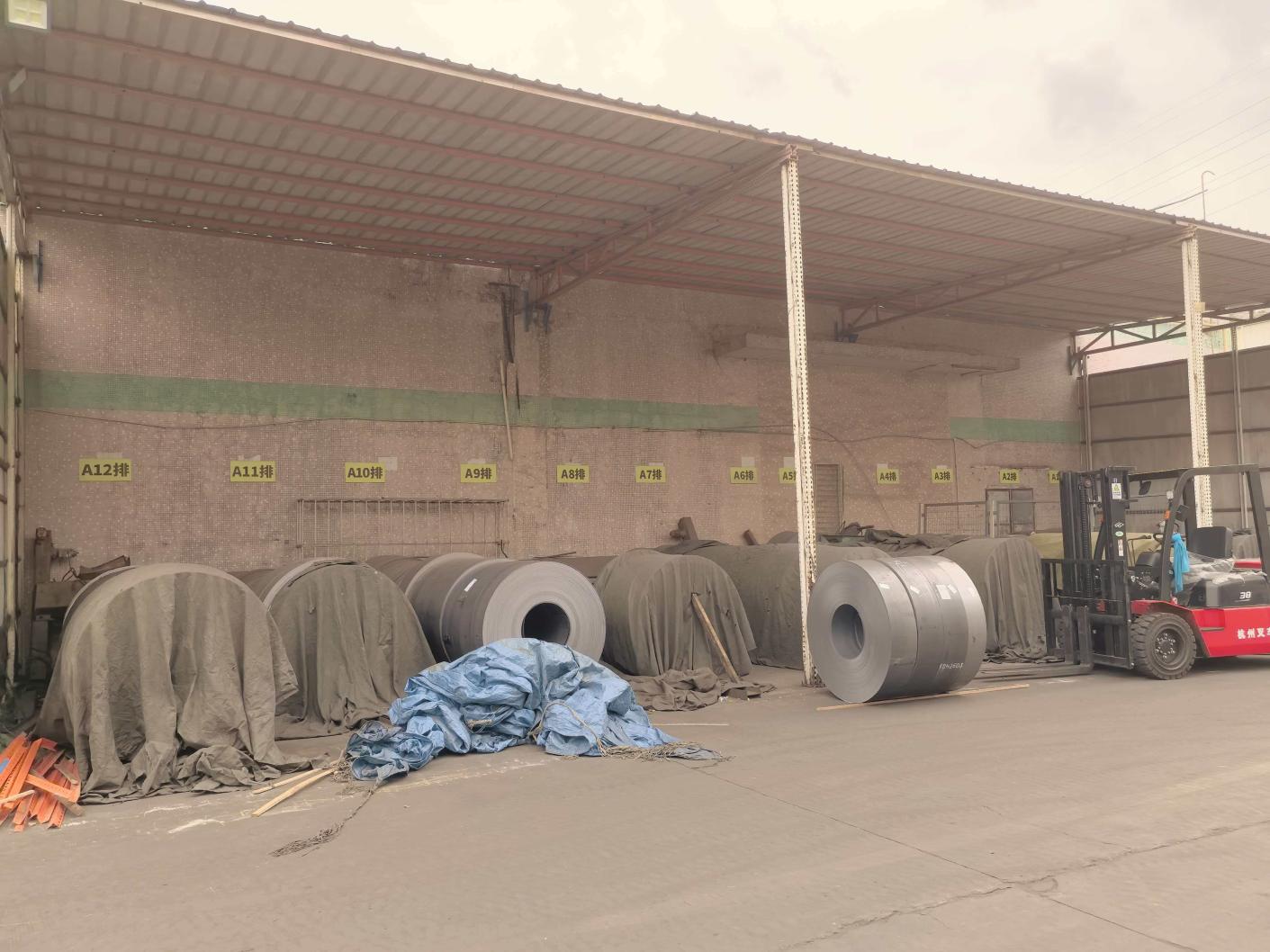
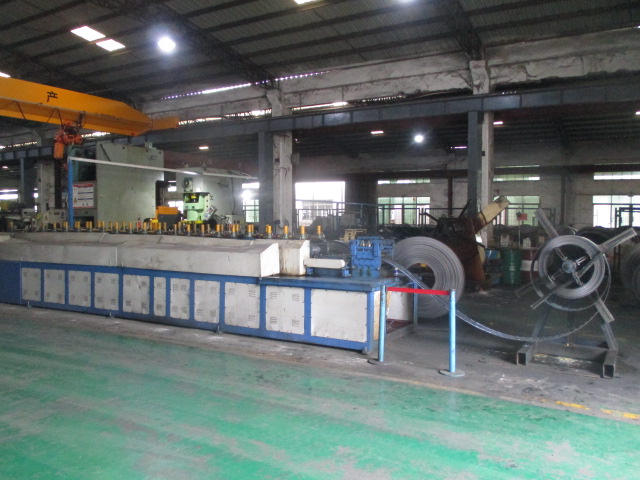
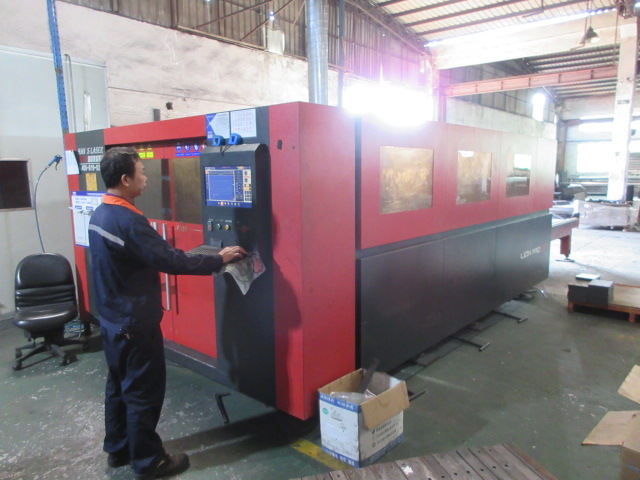
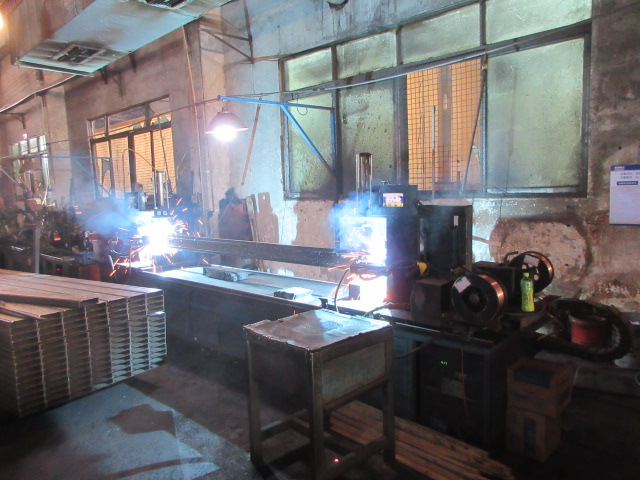
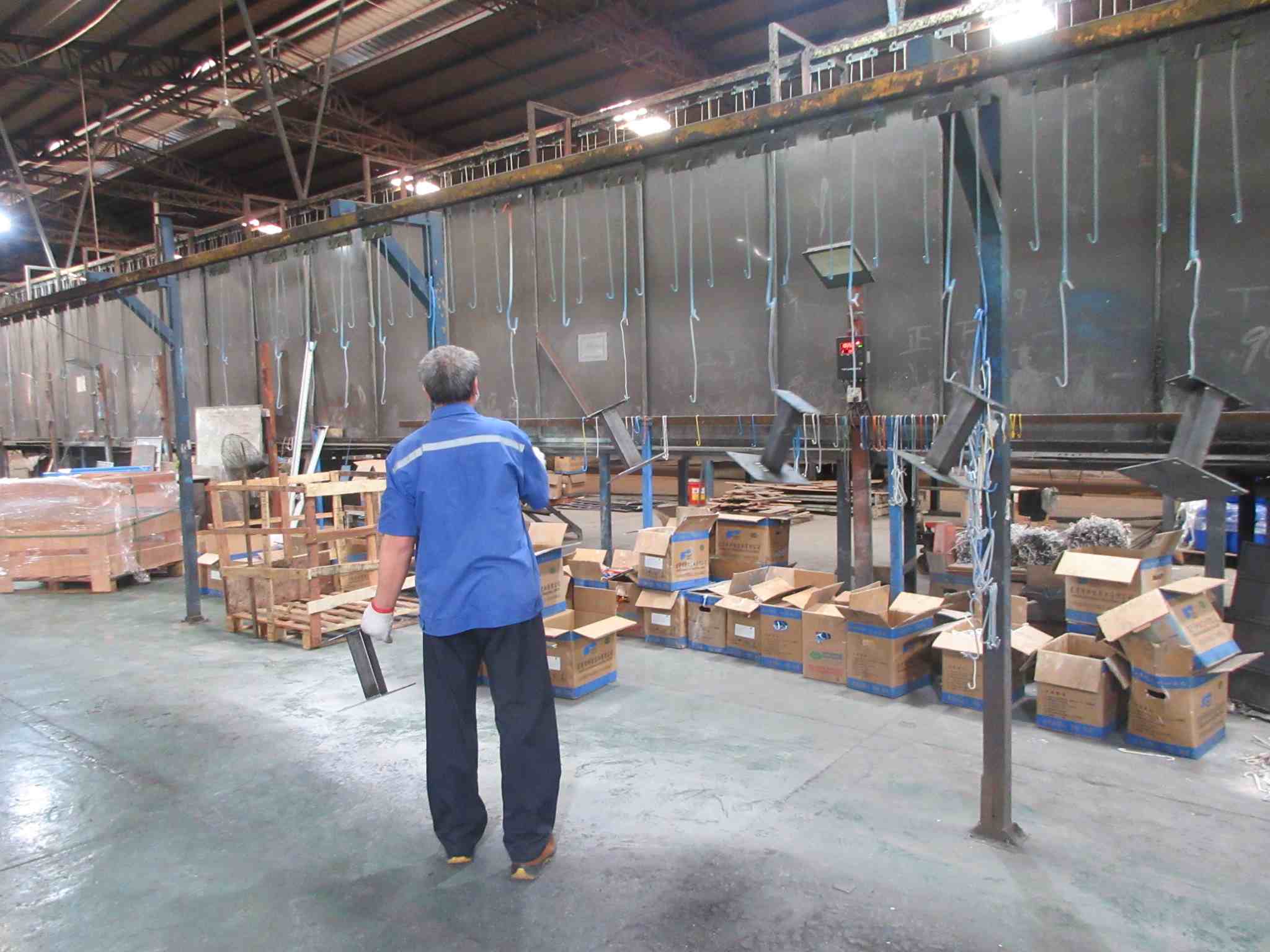
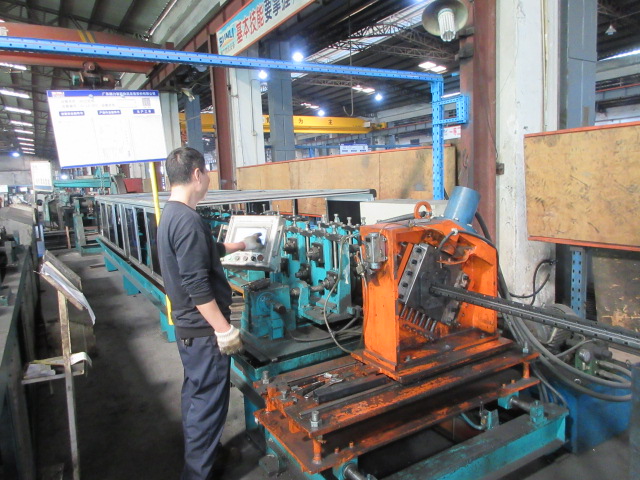
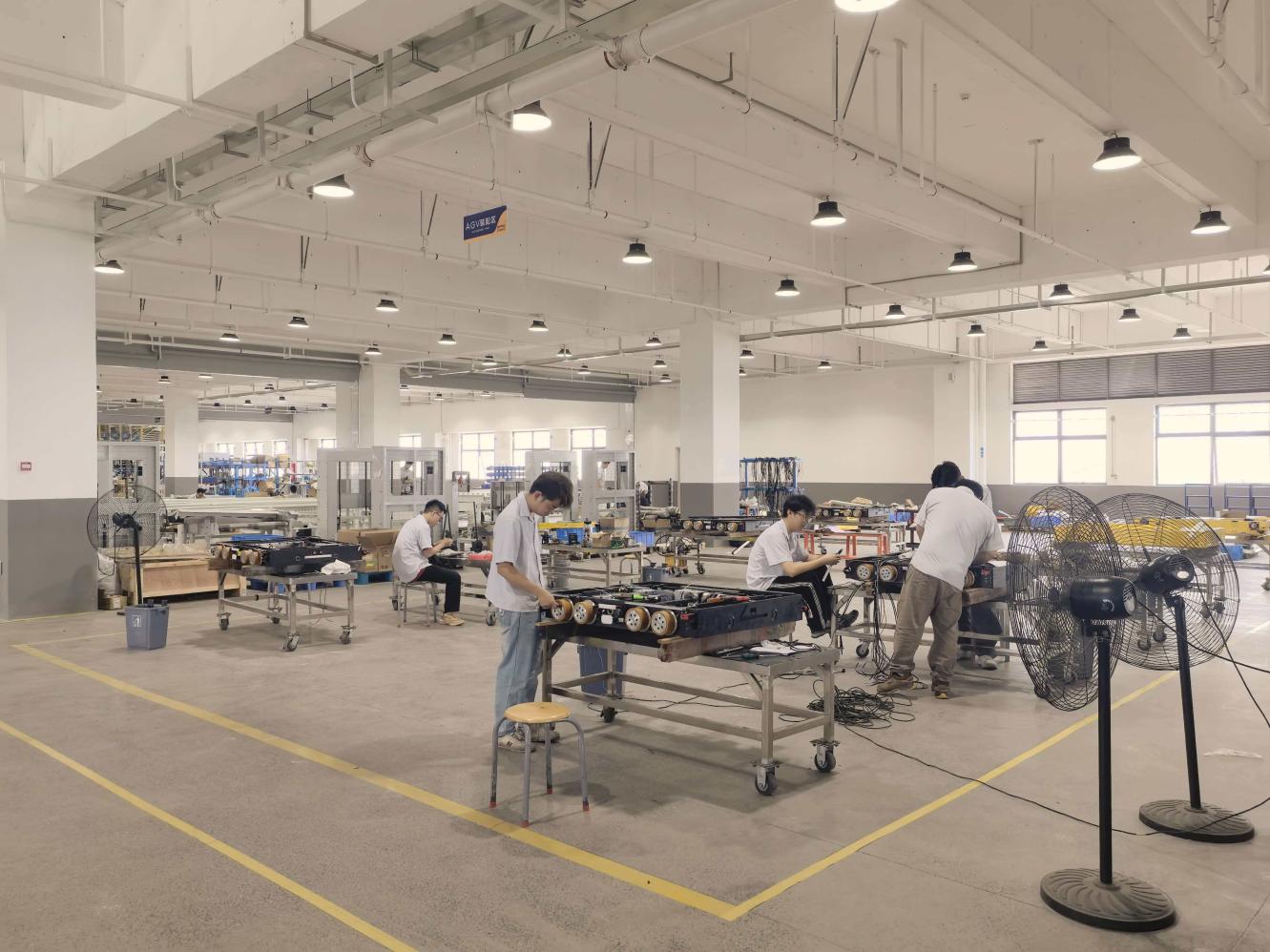
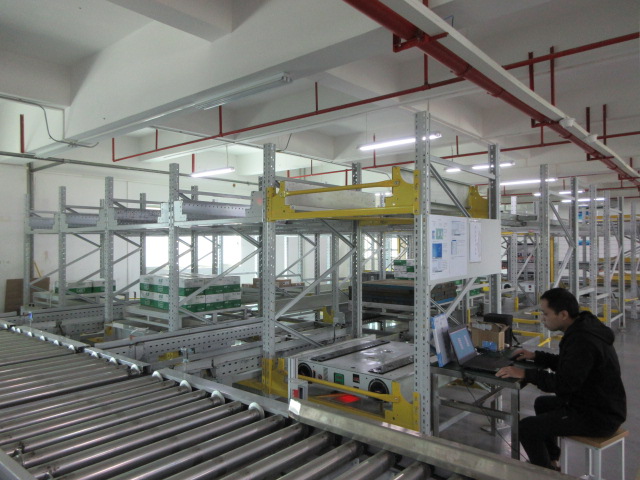
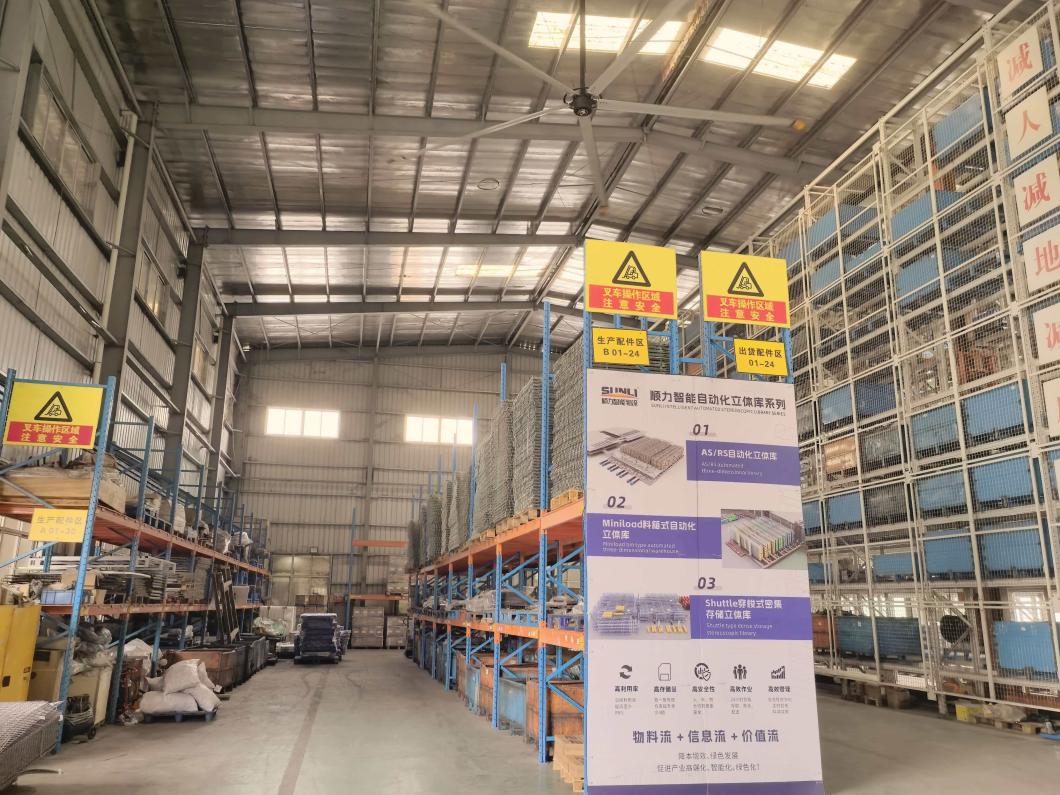
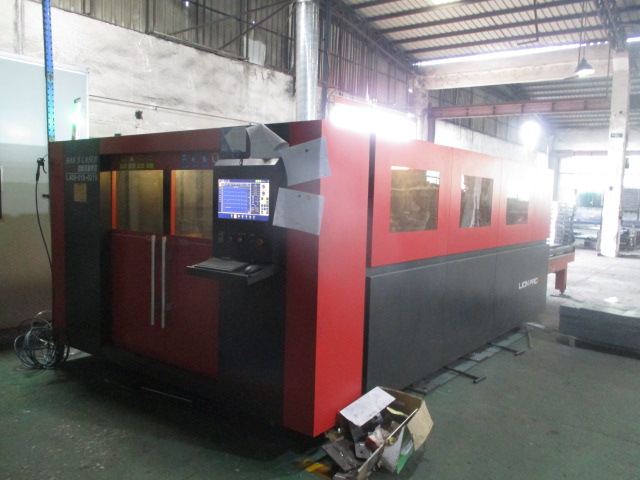
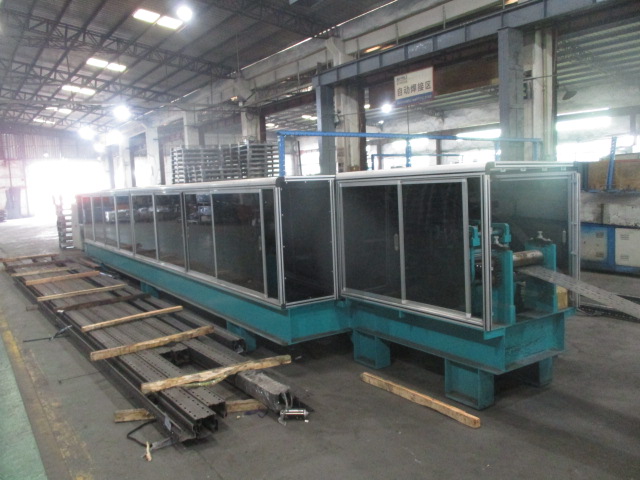
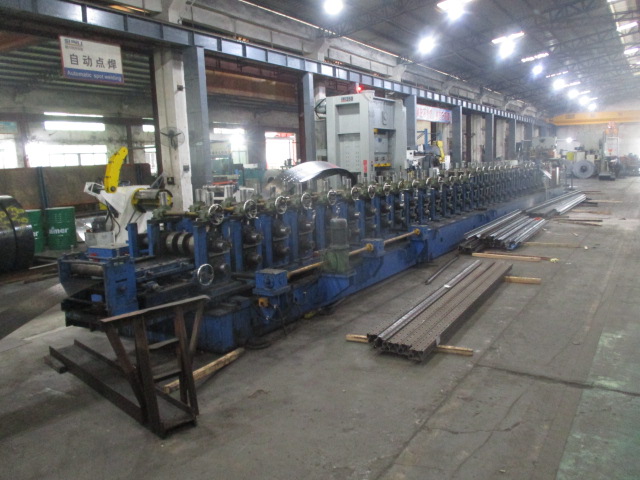
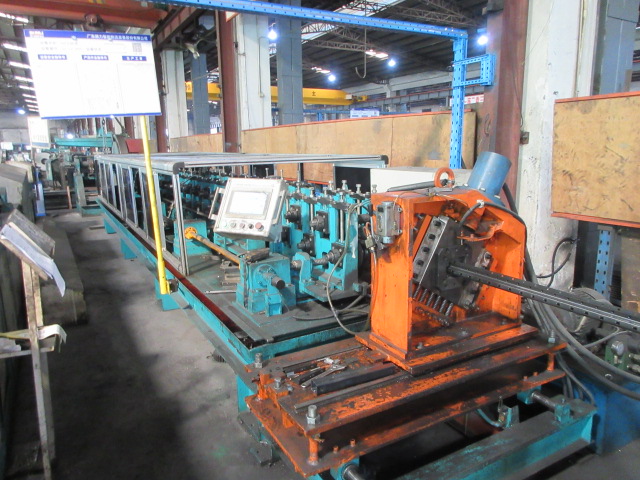
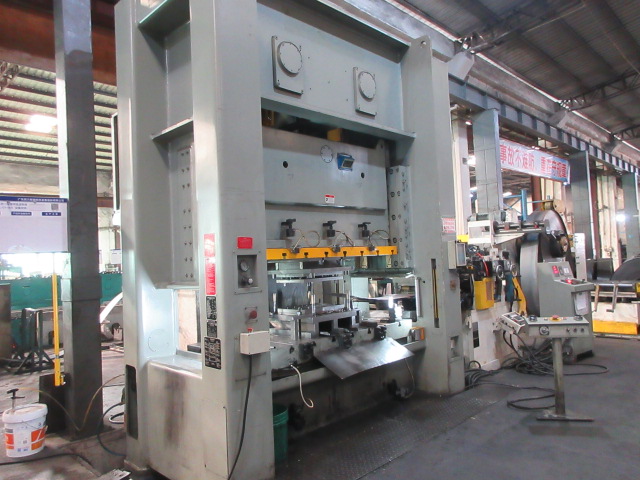
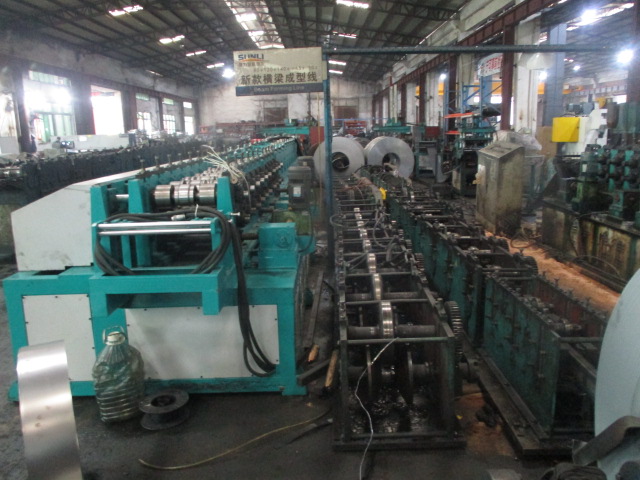
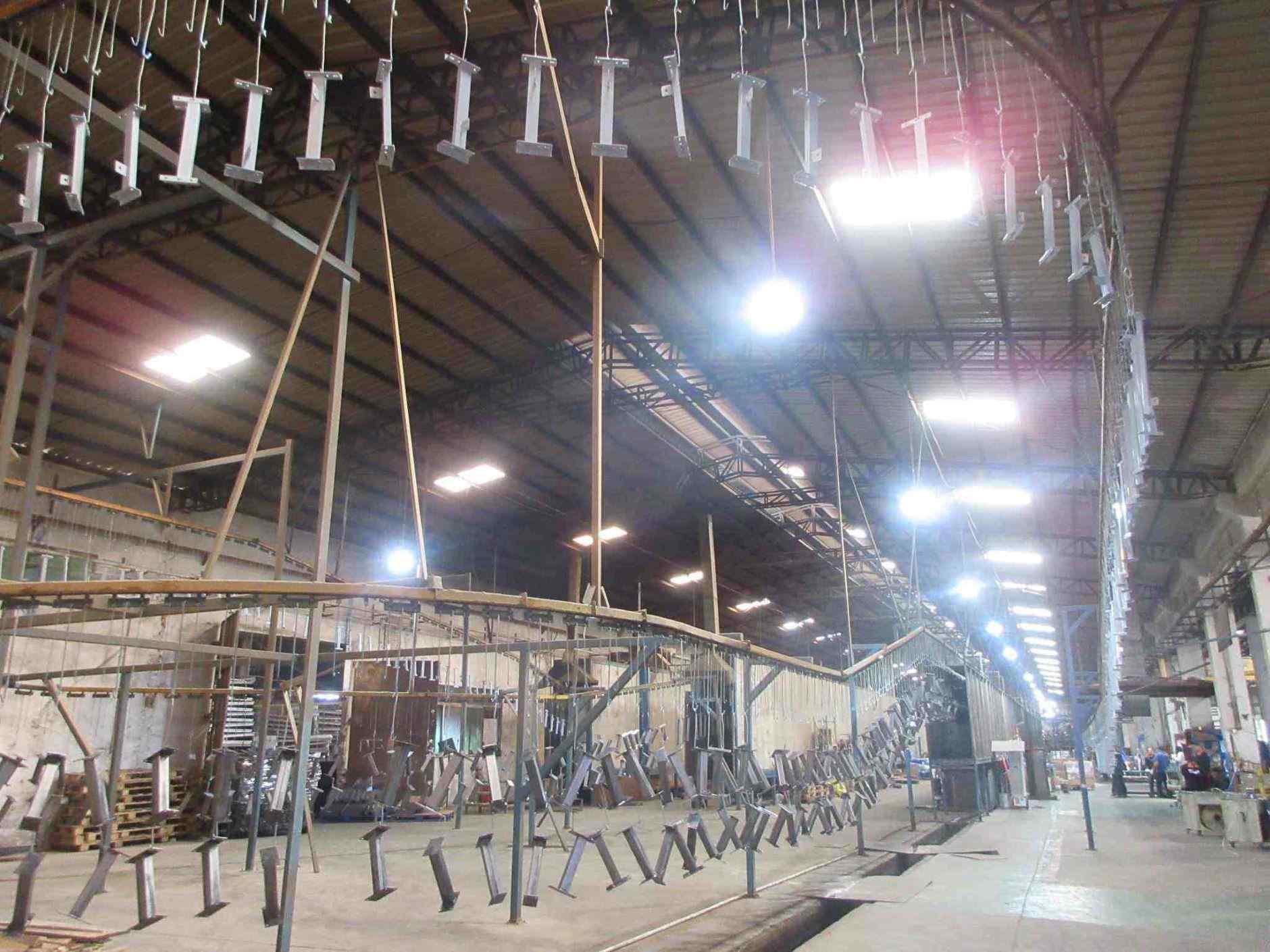
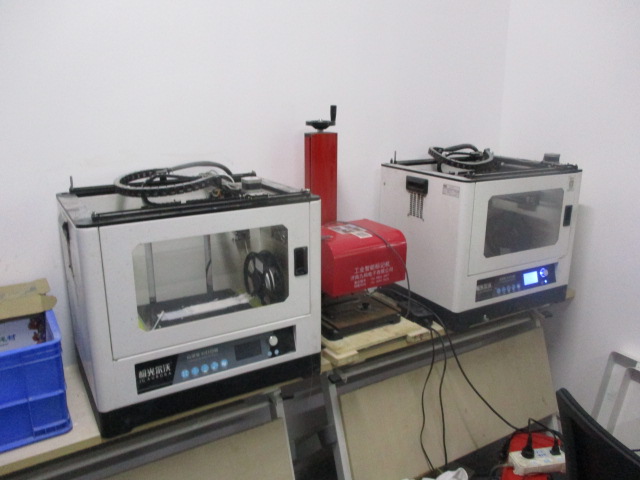
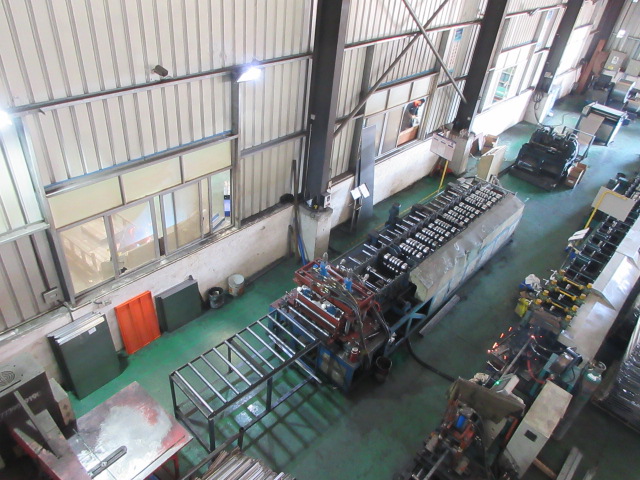
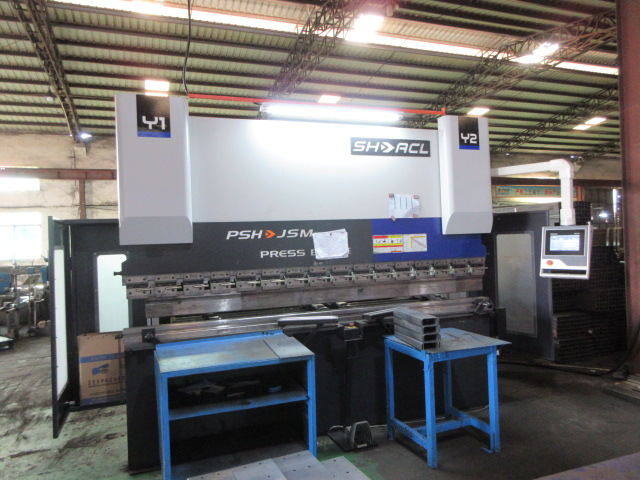
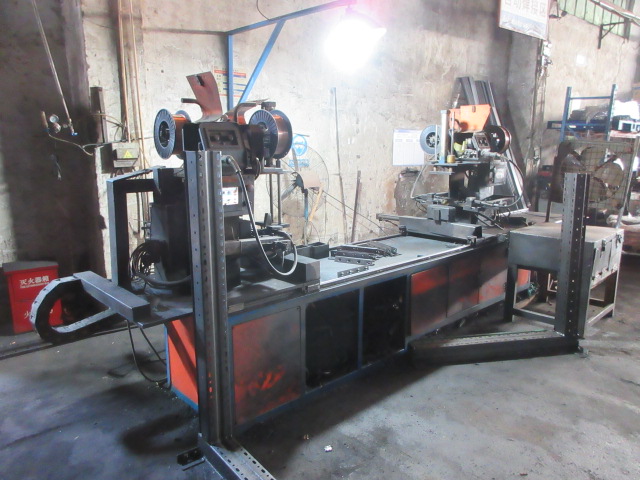
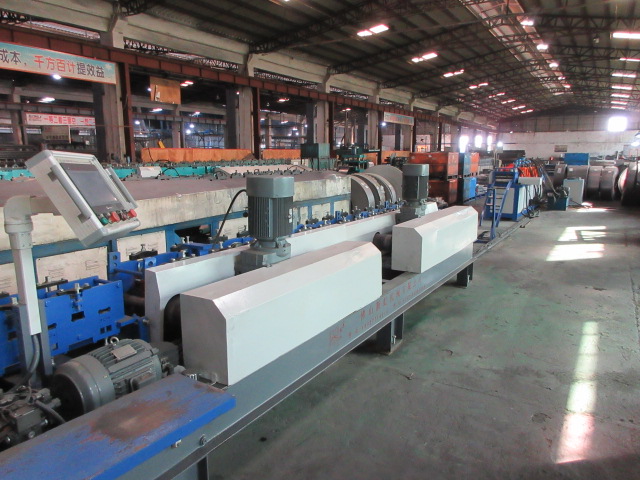
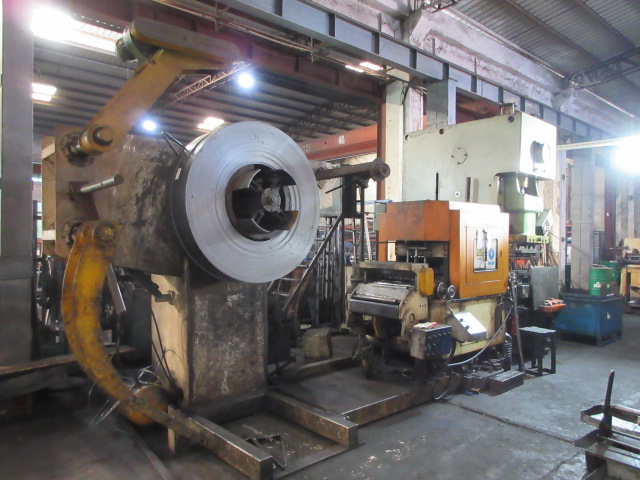
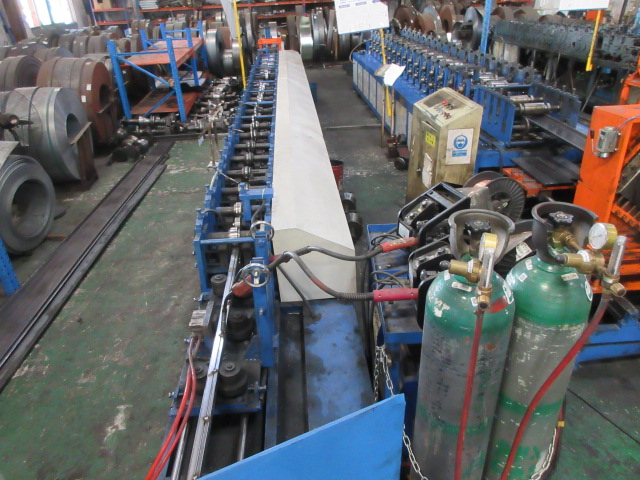
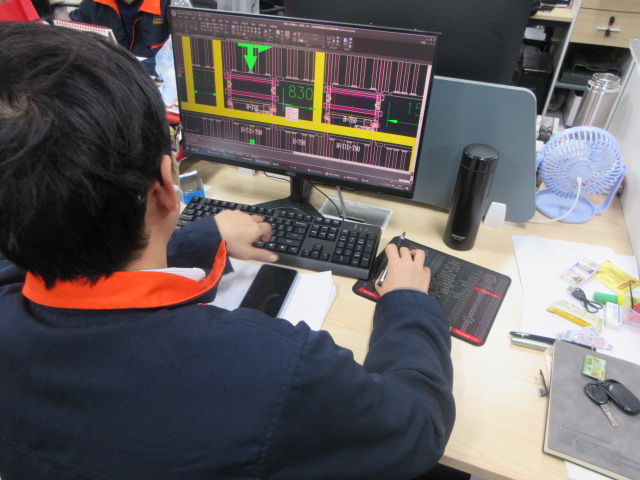
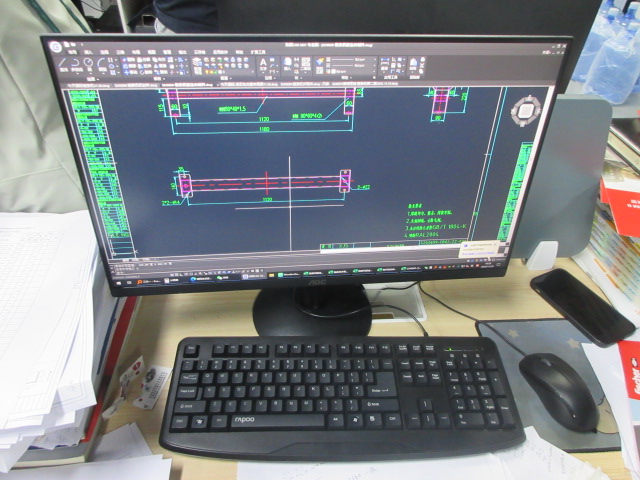
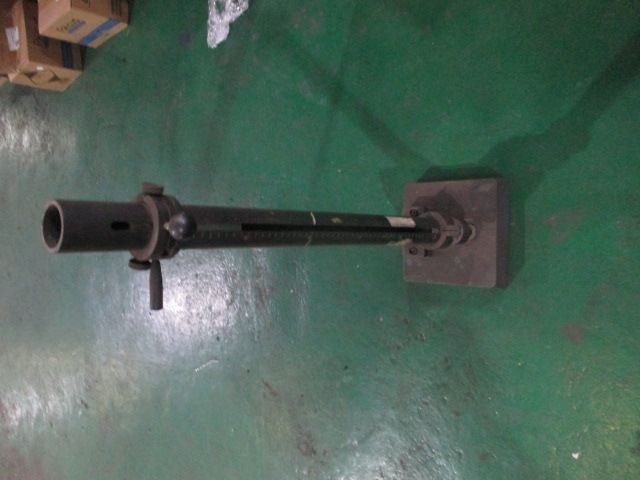
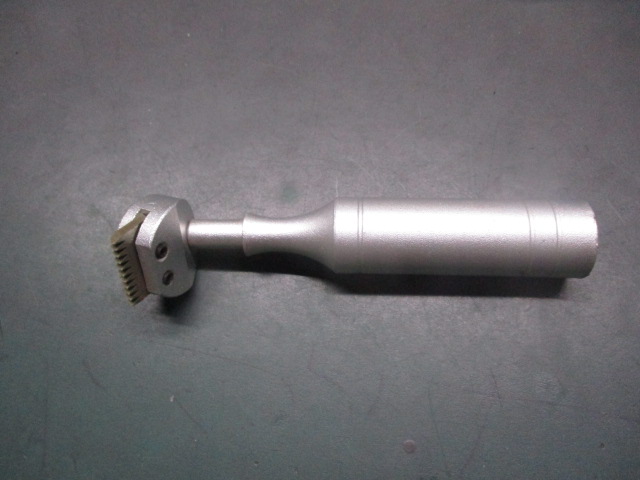
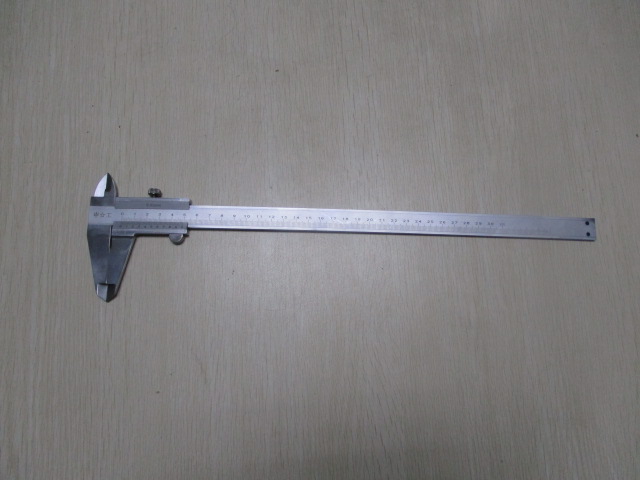
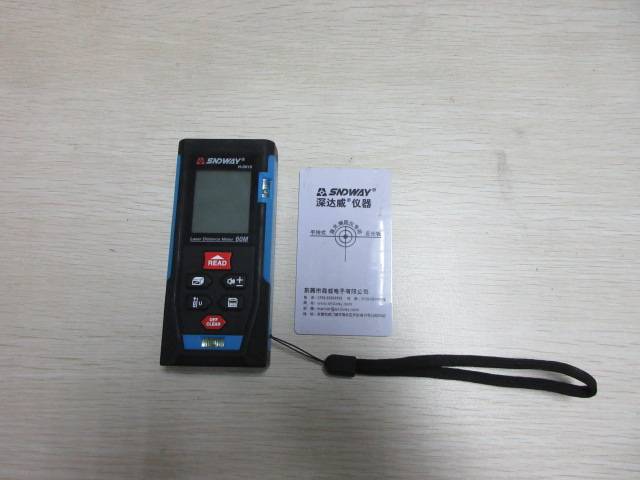
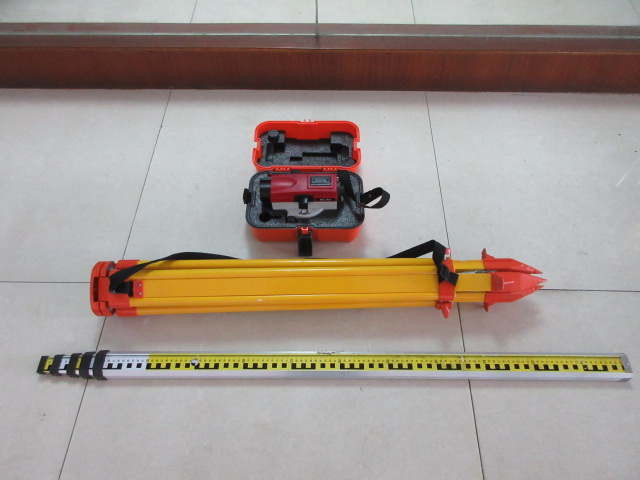
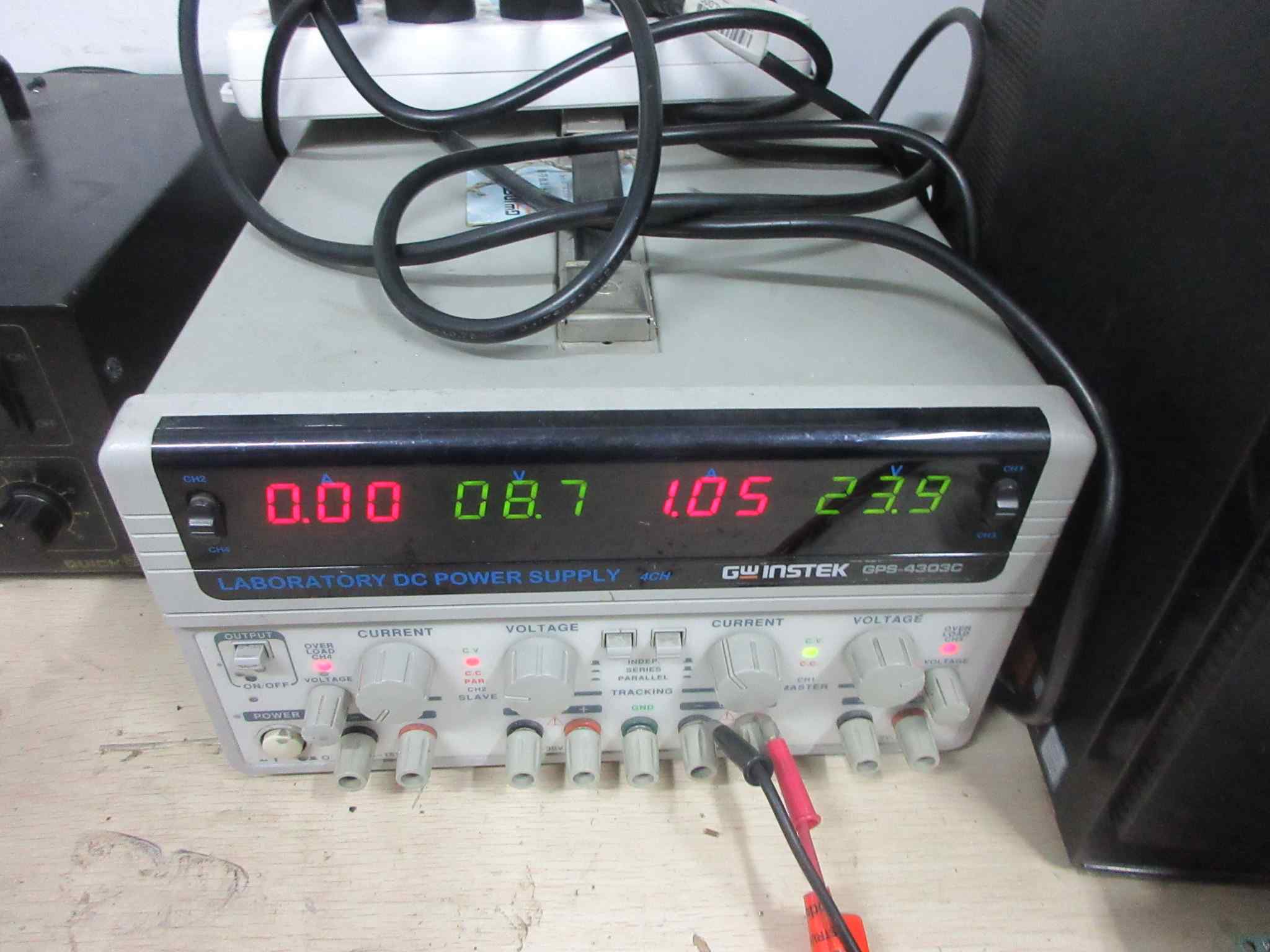
Our team of 35 QC professionals utilizes high-precision testing hardware to evaluate raw material integrity, coating metrics, and mechanical tolerances.

A comparative evaluation of static, dynamic, and fully automated storage systems designed for modern logistics hubs.
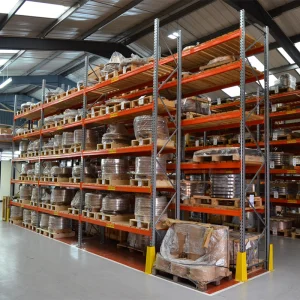
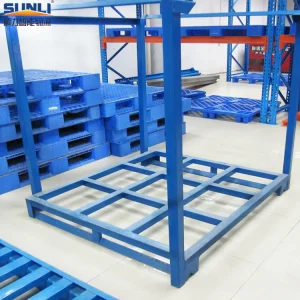
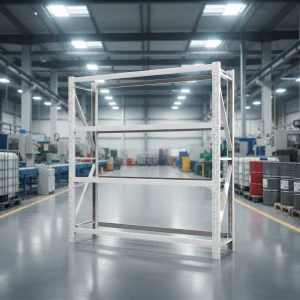
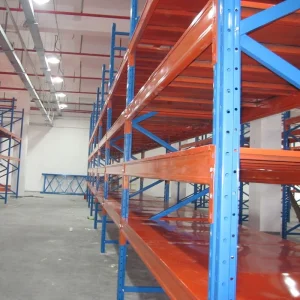
Selective pallet racking remains the most popular warehouse configuration due to its offering of 100% immediate accessibility (selectivity) to every single pallet. It operates with a bolted frame structure, allowing adjustable beam levels to suit shifting SKU heights. However, selective systems present a lower storage density, dedicating up to 60% of floor space to forklift access aisles.
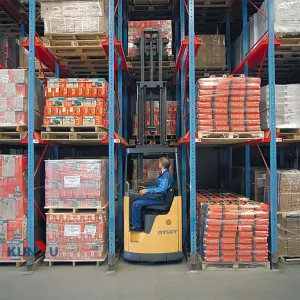
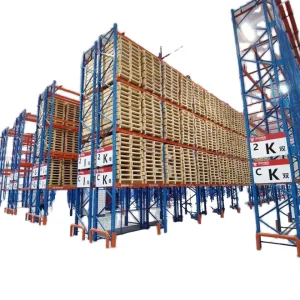
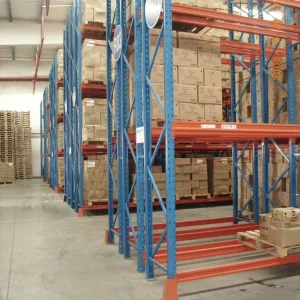
For operations with high-volume, low-SKU profiles, High-Density Systems like Drive-In and Double-Deep configuration provide optimal floor utilization. Drive-In racking operates on a FILO (First-In, Last-Out) principle, allowing forklifts to enter the racking lanes directly to place pallets on continuous support rails. Double-Deep selective configurations stack pallets two-deep, utilizing specialized deep-reach trucks to double vertical capacity without adding aisles.
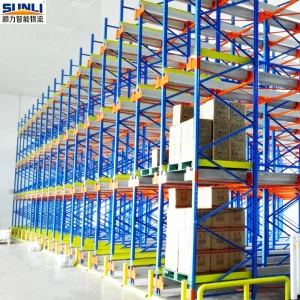
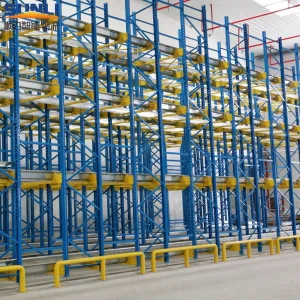
Radio Shuttle racking systems represent a semi-automated high-density storage breakthrough. Utilizing a self-powered electric shuttle cart controlled via remote or WMS interface, the system loads and retrieves pallets within deep storage tunnels. This eliminates the need for forklifts to enter the racking structure, drastically cutting cycle times, reducing structural damage risks, and maximizing vertical storage lanes.
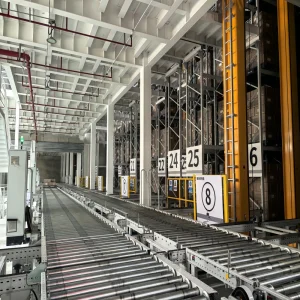
When combined into fully integrated AS/RS (Automated Storage and Retrieval Systems), material handling efficiency reaches its peak. High-load crane towers, laser-guided vehicle integration, and multi-directional shuttles manage vertical rack heights exceeding 30 meters. This automated subsystem dramatically reduces manual labor reliance while establishing continuous, error-free product flow.
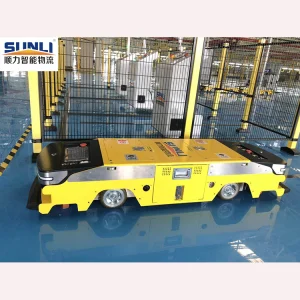
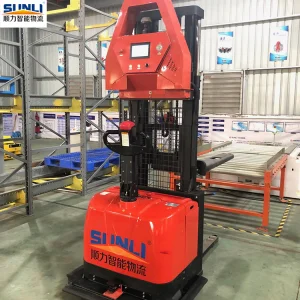
Modern industrial fulfillment hubs are increasingly moving away from manual material transport. Laser-Guided Vehicles (LGVs) and Automated Guided Vehicles (AGVs) form the dynamic layer of contemporary smart warehouses. These automated robots navigate the facility using safety lidar fields, onboard mapping, and reflector triangulation, allowing them to interface directly with pallet racking structures.
Our heavy-duty racking systems are engineered with physical alignment tolerances designed for robotic precision. Features such as guide rails, pallet centering stops, and durable structural steel uprights ensure that AGV forks and shuttle carts interface with millimeters of accuracy, avoiding collisions and maintaining warehouse safety.
To distribute material handling solutions globally, structural calculations must satisfy regional building codes. In the European Union, CE Certification verifies compliance with the Machinery Directive, Low Voltage Directive, and EN 15512 standards for steel static storage systems. In North America, structural performance must align with RMI (Rack Manufacturers Institute) and ANSI specifications.
Furthermore, seismic design plays a critical role. When deploying heavy-duty racks in active geological zones (e.g., portions of North America, the Middle East, or Southeast Asia), engineers must design custom baseplates, larger anchor bolts, and enhanced cross-bracing. Finite Element Analysis (FEA) is utilized to simulate seismic acceleration, ensuring that fully loaded racking structures remain structurally sound during ground movements.
Our vision for the next generation of smart, resilient, and highly sustainable material handling solutions.
Developing ultra-high-tensile steel cold-formed profiles capable of handling heavier dynamic loads with reduced mass, minimizing carbon footprint while maximizing elastic threshold limits under earthquake loading conditions.
Embedding smart load sensors and strain gauges within primary racking beams to provide facility operators with real-time deflection alerts, preventing structural overload events and enabling predictive maintenance.
Co-developing physical racking safety barriers, floor tracks, and software handshake APIs to seamlessly coordinate high-speed AS/RS crane corridors with multi-directional AGV forklift fleets.
Advancing hot-dip galvanization and VOC-free powder coatings designed to withstand aggressive chemical washes, deep-freeze environments, and highly humid warehousing conditions without structural decay.
Find technical answers regarding structural design parameters, international standard compliance, and project execution protocols.
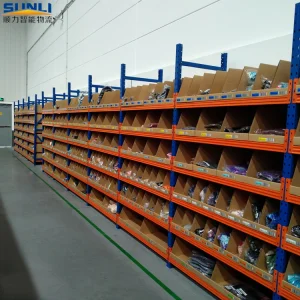
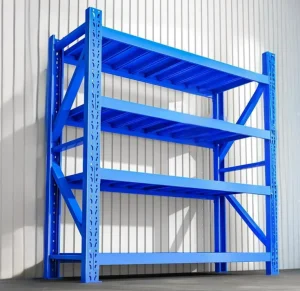
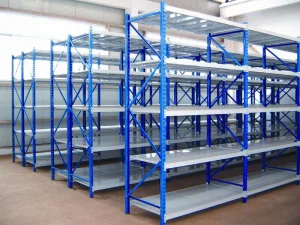
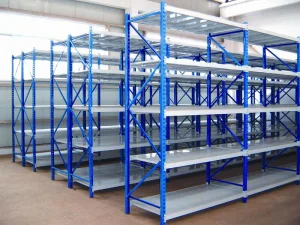
Explore our automated material transport systems, smart logistics interfaces, and high-precision medium-to-light load warehouse configurations.
 SunliRack