Explore our CE-certified structural steel storage racks, intelligent material handling robots, and automated warehouse interfaces designed for heavy-duty operational efficiency.
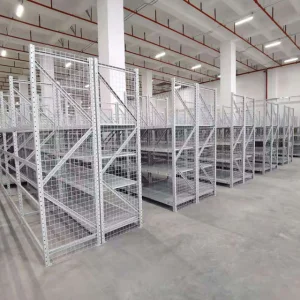
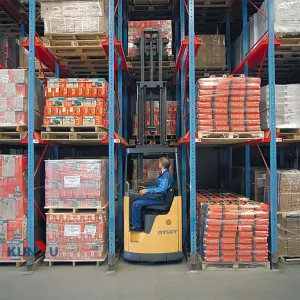
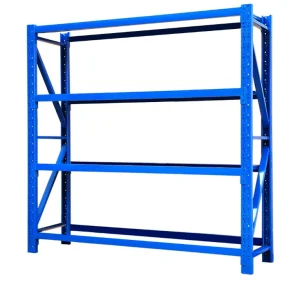
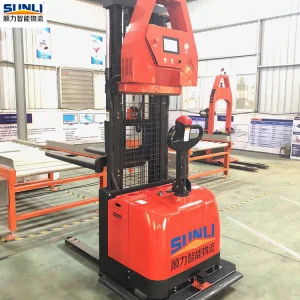
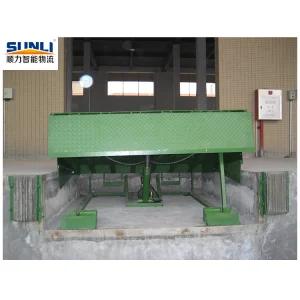
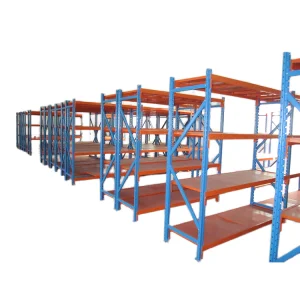
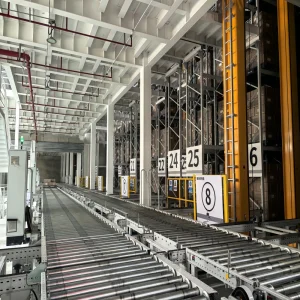
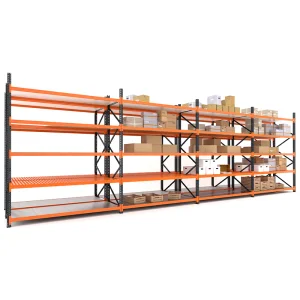
In the contemporary landscape of global logistics, raw warehouse space has transformed from a simple overhead cost into a strategic asset. The exponential growth of global e-commerce, combined with structural changes in the post-pandemic supply chain, has pushed physical warehouse densities to their absolute limits. In regions like North America, Western Europe, and rapidly industrializing zones in Southeast Asia and the Middle East, enterprises are no longer looking for standard metal shelves. They require high-precision, structural-grade, and CE Certified Utility Racks that integrate seamlessly with sophisticated automated material handling systems.
The global industrial racking market is currently experiencing a technological shift. According to recent industrial data, the demand for traditional static racking is growing at a moderate CAGR of 4.2%, whereas the demand for automated-compatible, dynamic, high-density racking—such as ASRS-ready pallet racks, drive-in systems, and multi-level mezzanine platforms—is accelerating at over 9.5% annually. The catalyst for this divergence is simple: land prices and construction times have made physical warehouse expansion financially restrictive. Storage optimization is the only viable path to scale.
High-density racking configurations must meet strict localized seismic design requirements (such as FEM, RMI, and EN standards) to safeguard human life and protect millions in inventory investment.
Selecting durable structural grade steel (such as Q235B or Q355B) and high-quality powder coatings reduces long-term maintenance costs and extends product lifespan by preventing corrosion and physical deformation.
Future-proof facilities rely on high-precision tolerances that enable automated storage and retrieval systems (AS/RS) and laser-guided autonomous vehicles (AGVs) to operate without mechanical interference.
Shenzhen Sunli Intelligent Logistics Equipment Co., Ltd. is a global leader in high-performance storage manufacturing.
Established in 2015, Shenzhen Sunli Intelligent Logistics Equipment Co., Ltd. is a leading manufacturer specializing in heavy-duty industrial racking and smart warehouse storage solutions. Operating from a modern production facility spanning 38,000 m², we leverage over 12 years of industry experience and 8 years of international trade expertise to serve global logistics and industrial sectors.
Our high-performance storage solutions generate an annual export revenue ranging between $18 million and $25 million, with core markets spanning North America, Western Europe, Southeast Asia, and the Middle East.
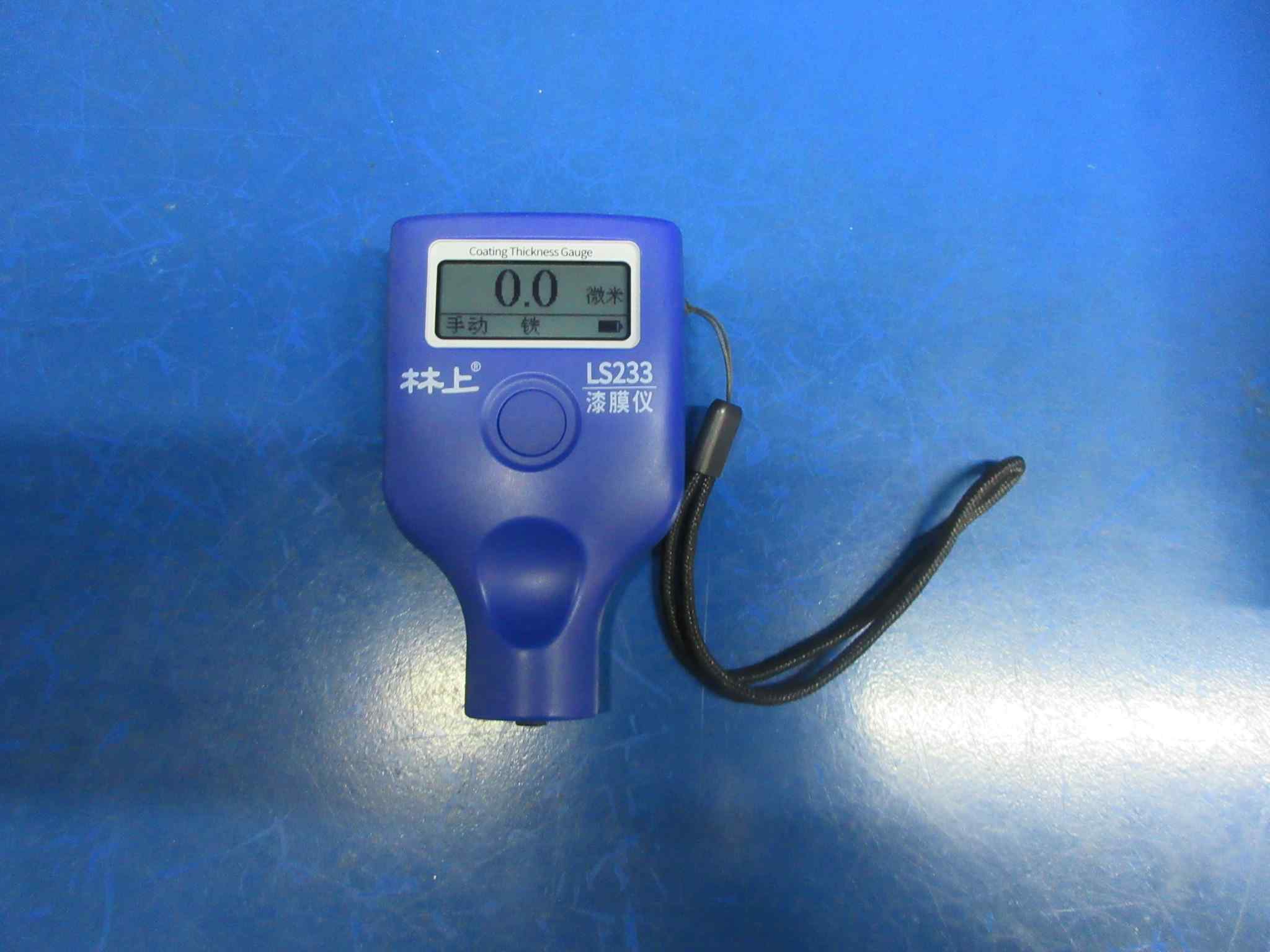
Our dynamic team of 35 dedicated QC professionals implements rigorous product inspection methods, including full raw material load-bearing analysis, high-precision weld seam testing, and comprehensive anti-corrosion powder-coating thickness checks. Driven by strong R&D capabilities, our team of 28 skilled R&D engineers continuously innovates to meet evolving supply chain requirements, introducing over 120 new products and structural improvements annually.
We offer extensive OEM/ODM custom options, including tailored load capacities, custom rack dimensions, color powder coatings, and fully integrated automated shuttle systems (AS/RS). Backed by a strong network of over 800 supply chain partners, we primarily partner with large-scale 3PL providers, industrial distributors, ecommerce logistics hubs, and global retail enterprises to deliver reliable, efficient, and scalable storage infrastructure worldwide.
Engineering a modern utility rack requires a balance of metallurgical selection, structural calculations, and precise mechanical tolerances. At Shenzhen Sunli, our engineering process begins with premium-grade Q235B carbon structural steel and Q355B high-strength low-alloy steel. These materials provide the ductility required for dynamic load distributions and ensure structural resilience under severe loading configurations.
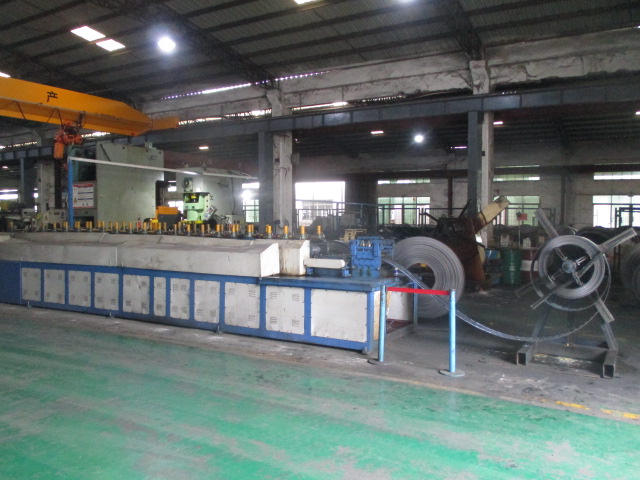
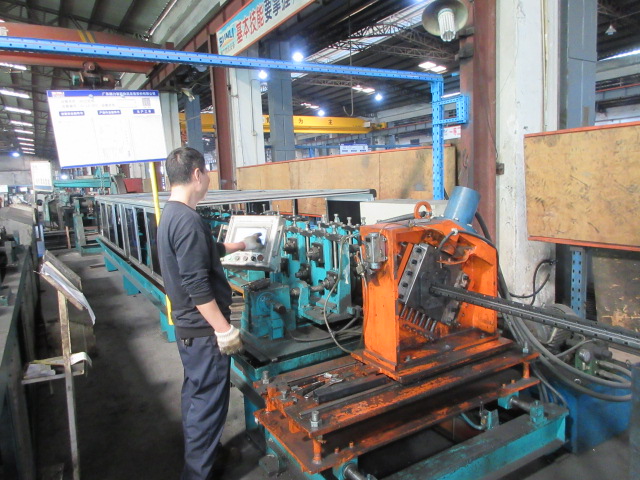
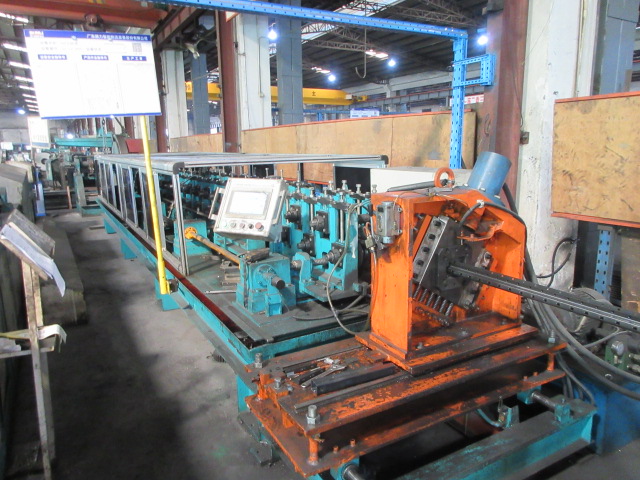
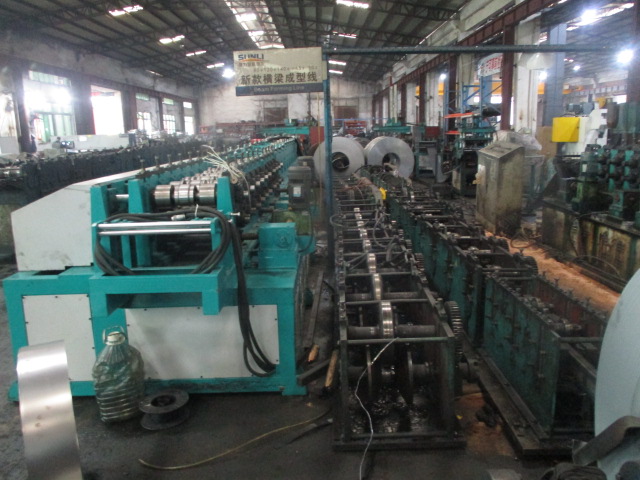
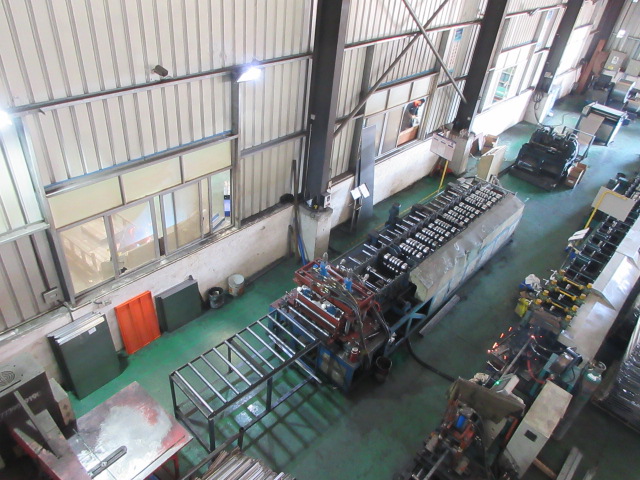
The difference between certified, premium structural steel and substandard alternatives lies in weldability and yield strength consistency. Substandard steel profiles exhibit micro-fractures during cold rolling, leading to catastrophic structural failures under nominal load limits. Our profiles undergo rigid cold-roll forming to create upright channels and box beams designed to distribute vertical and horizontal stress vectors uniformly.
| Mechanical Parameter / Specification | Q235B Carbon Steel Grade | Q355B High-Strength Alloy | Application Significance in Storage Systems |
|---|---|---|---|
| Yield Strength (Mpa) | 235 Min (under 16mm thick) | 355 Min (under 16mm thick) | Determines maximum allowable beam load without permanent bending deformation. |
| Tensile Strength (Mpa) | 370 - 500 | 470 - 630 | Defines the point of structural failure under extreme load stresses. |
| Elongation at Rupture (%) | ≥ 26% | ≥ 22% | Critical for seismic resistance, enabling the rack structure to absorb kinetic energy. |
| Carbon Equivalent (CEV) | ≤ 0.40% | ≤ 0.45% | Lower levels ensure flawless robotic and manual weld seam integrity. |
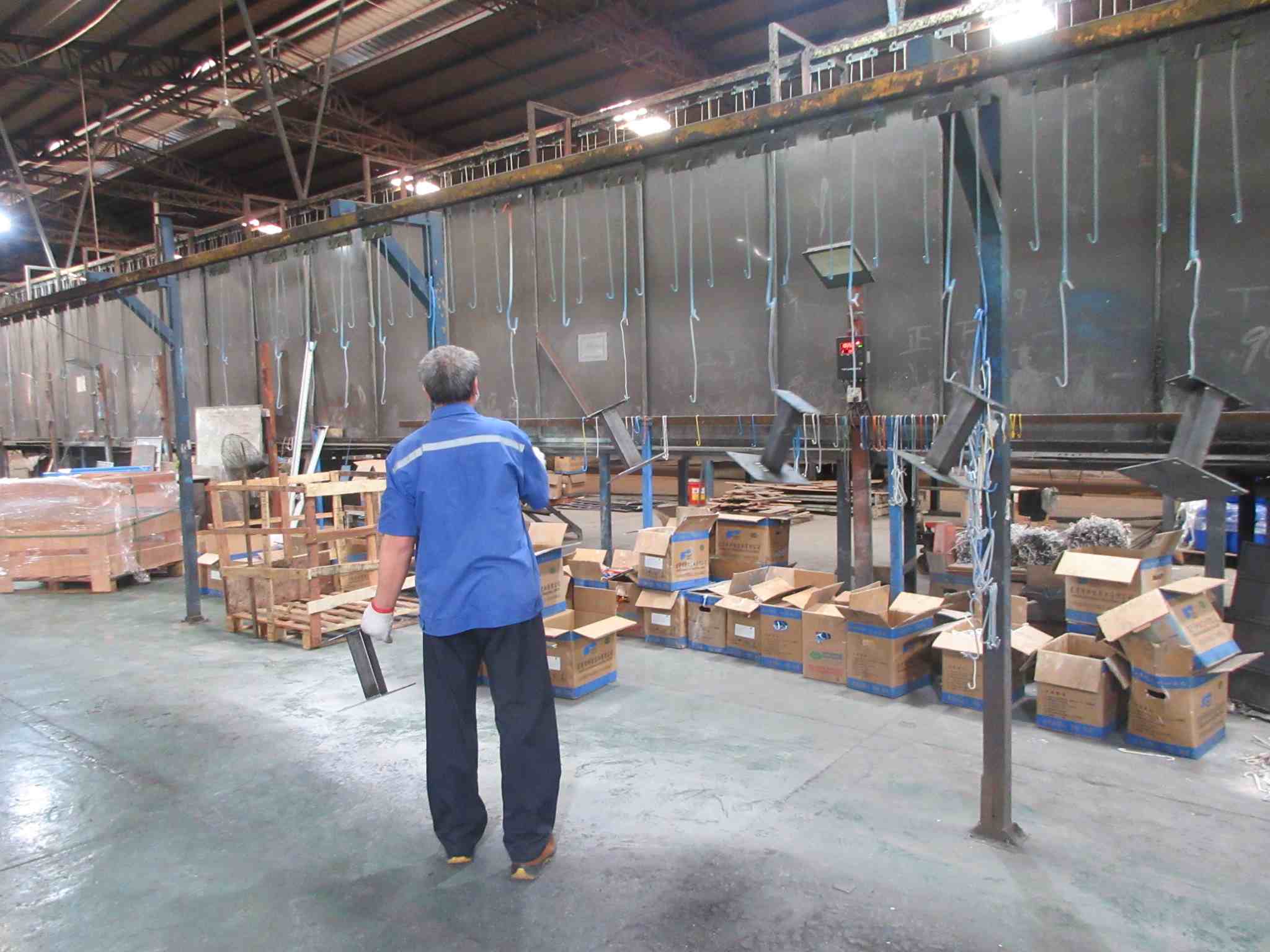
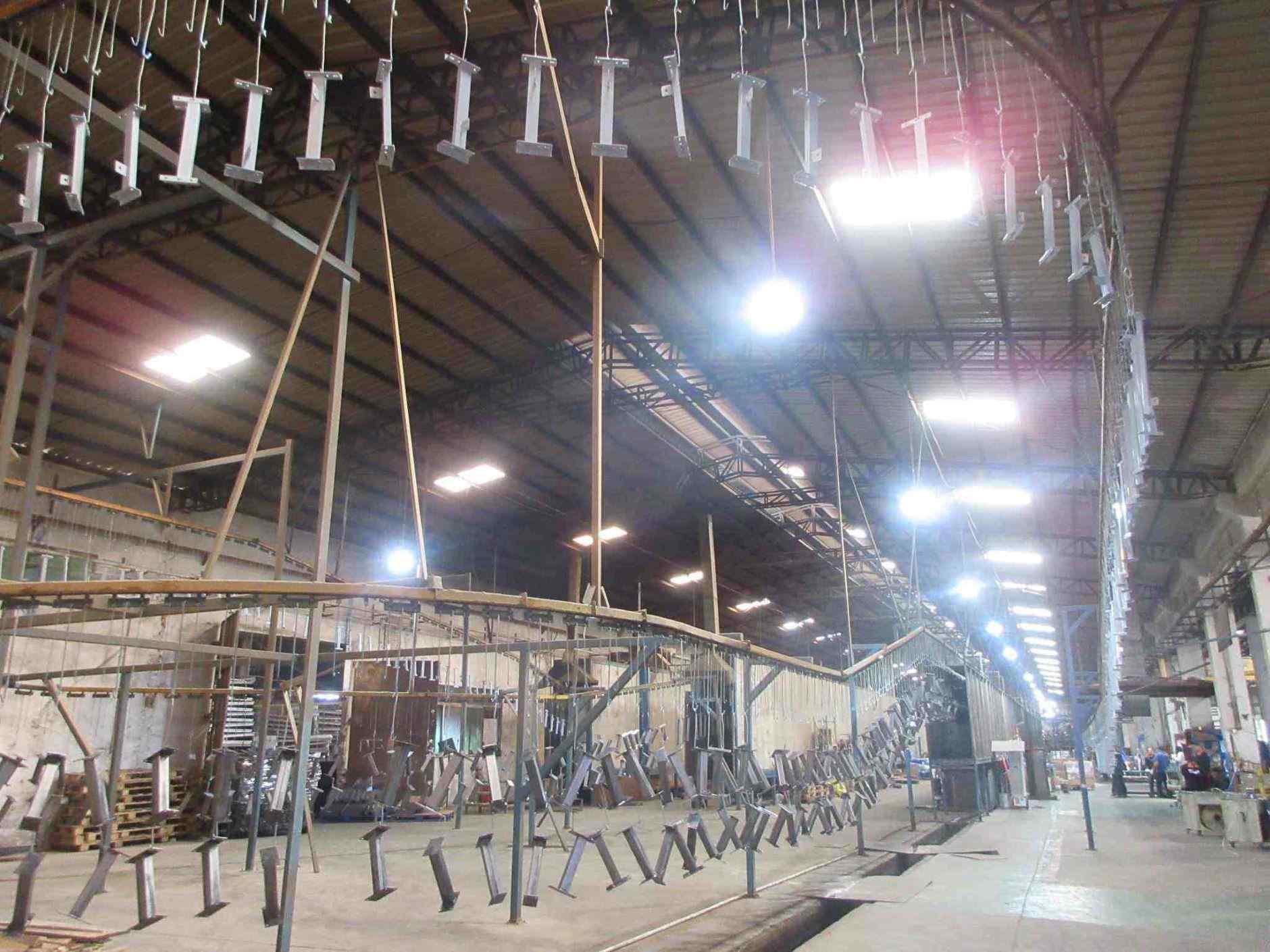
Moreover, the chemical preparation and surface finish are vital to long-term reliability. Our automated electrostatic spray lines apply an epoxy-polyester thermosetting powder coat to a thickness of 60 to 90 microns. This serves as a barrier against moisture, humidity, and volatile chemical vapors, keeping the structural core protected against oxidation and rust.
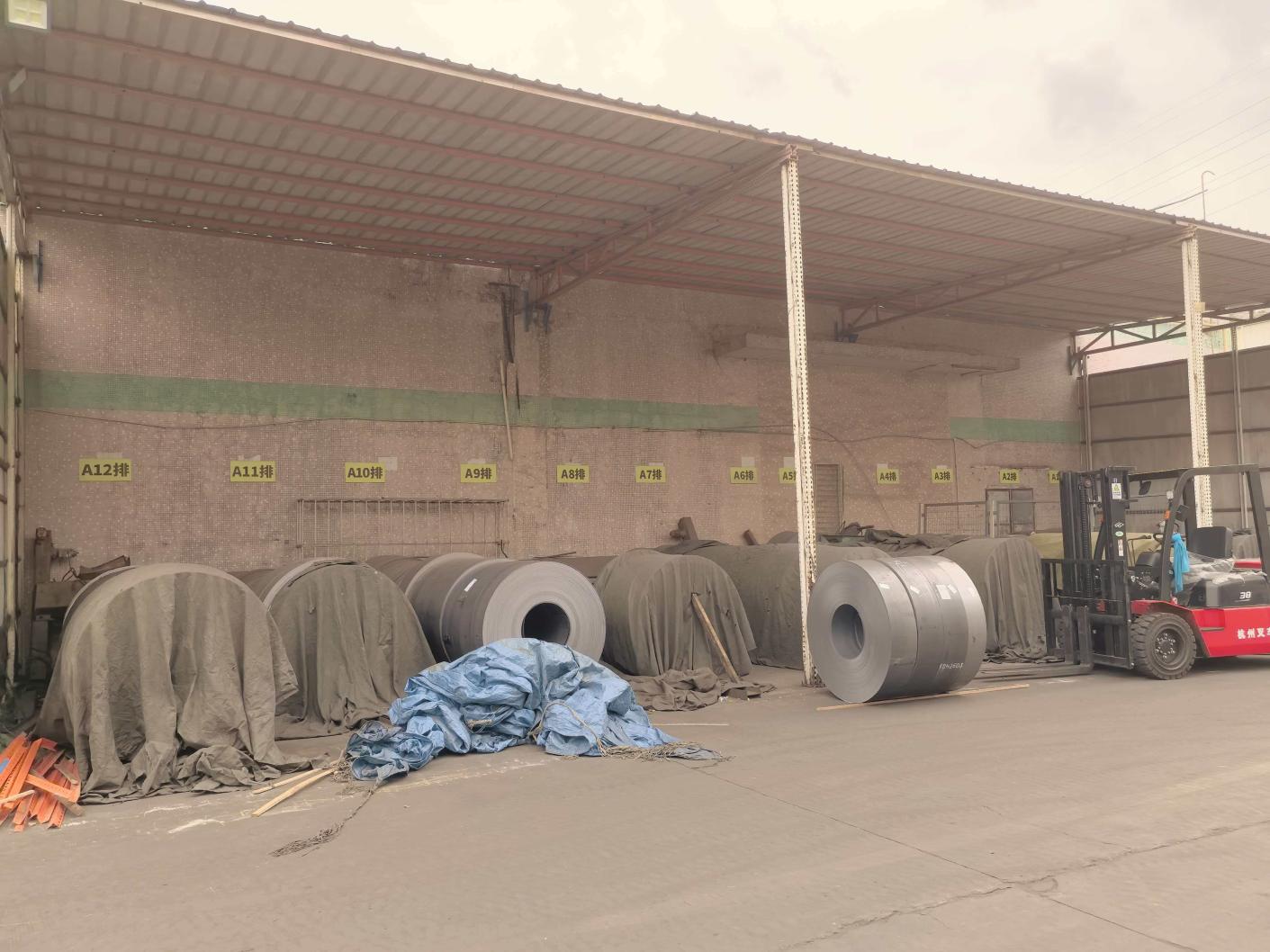
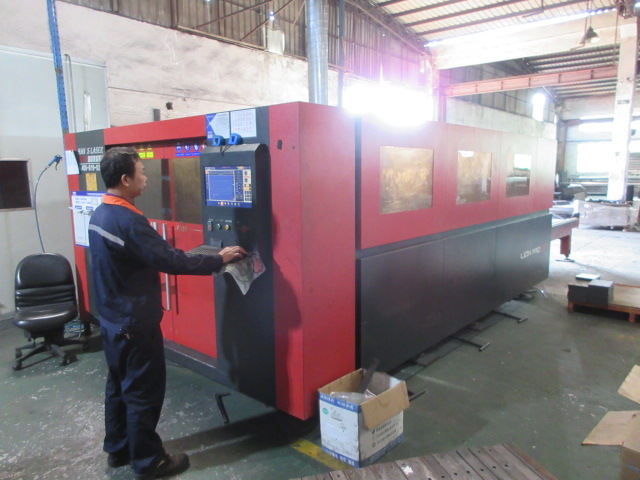
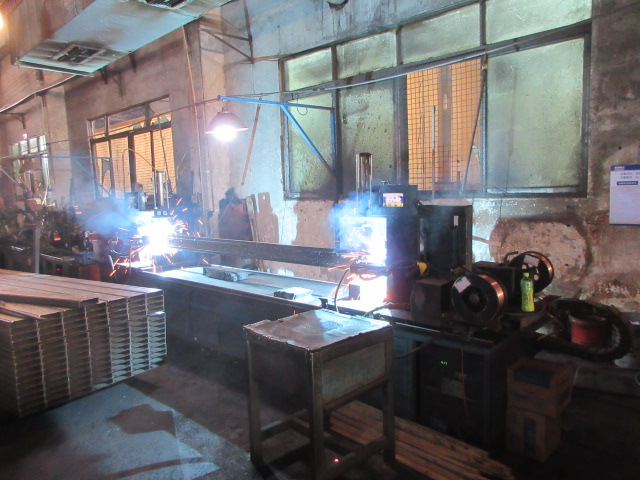
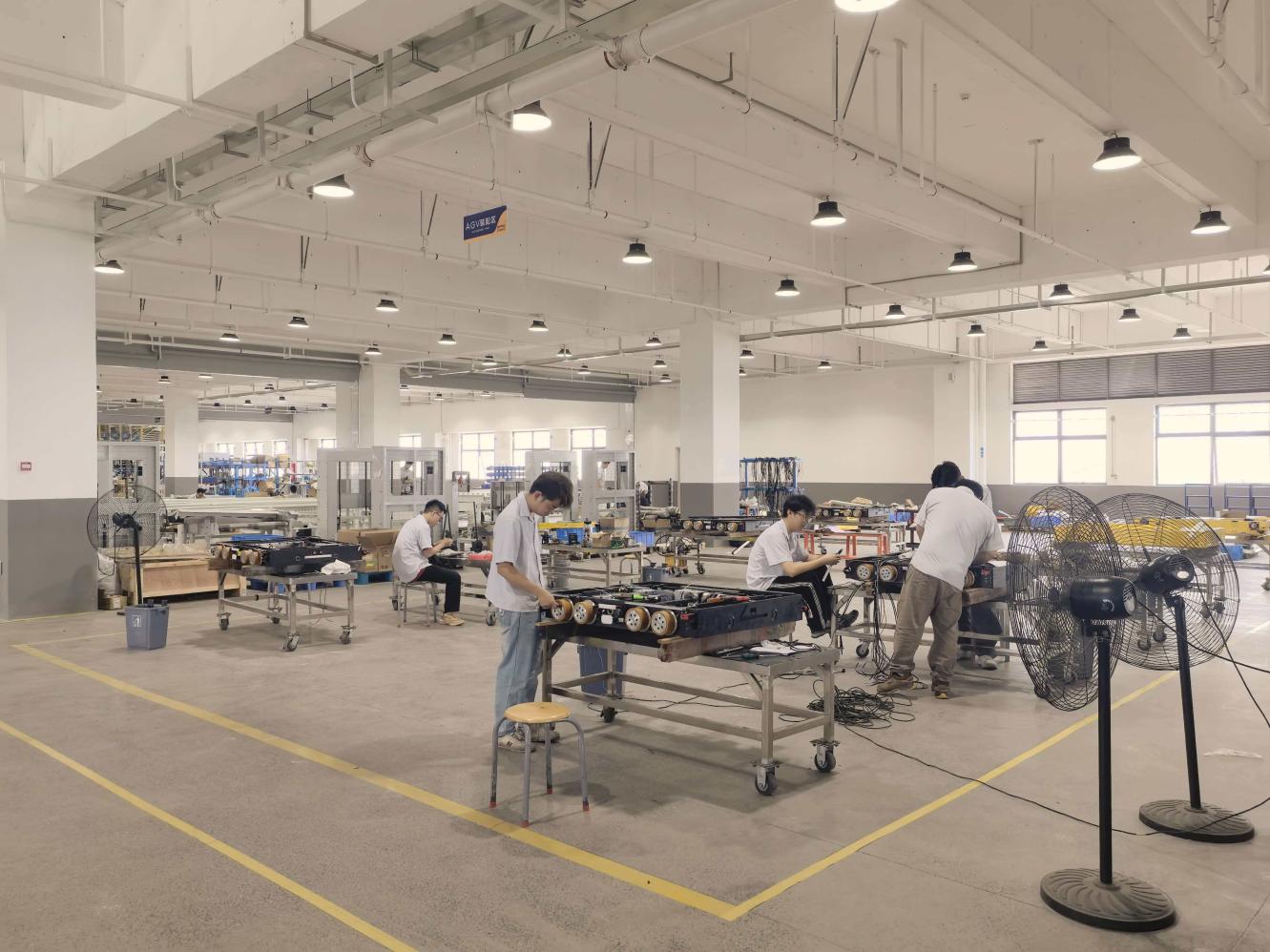
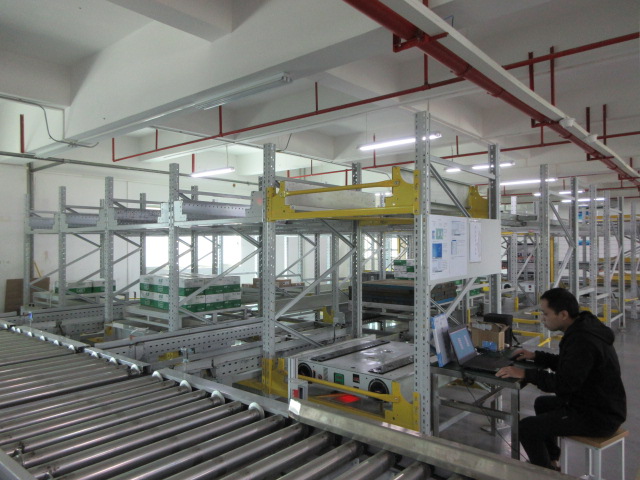
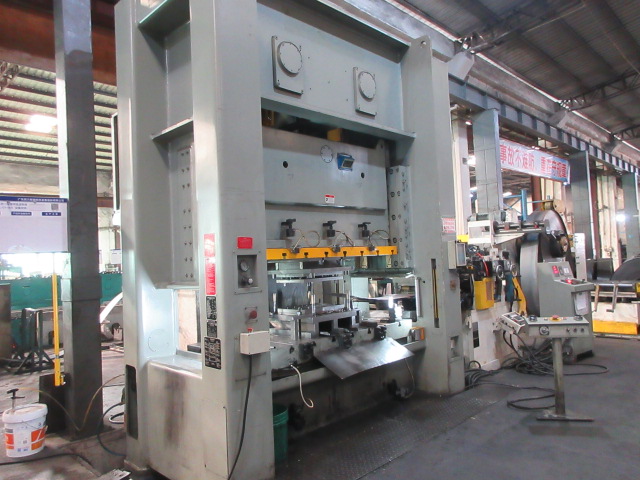
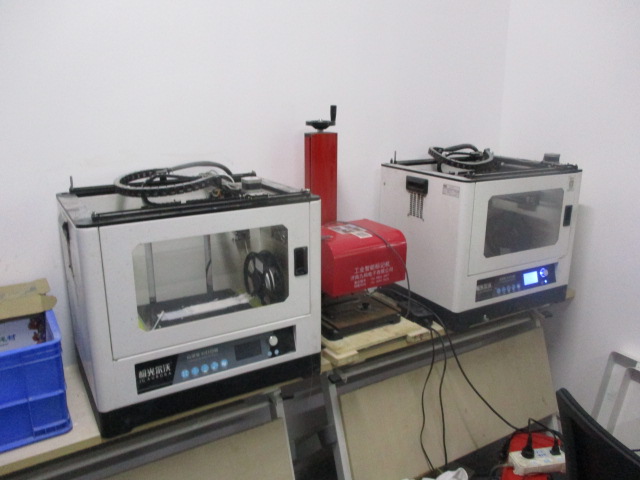
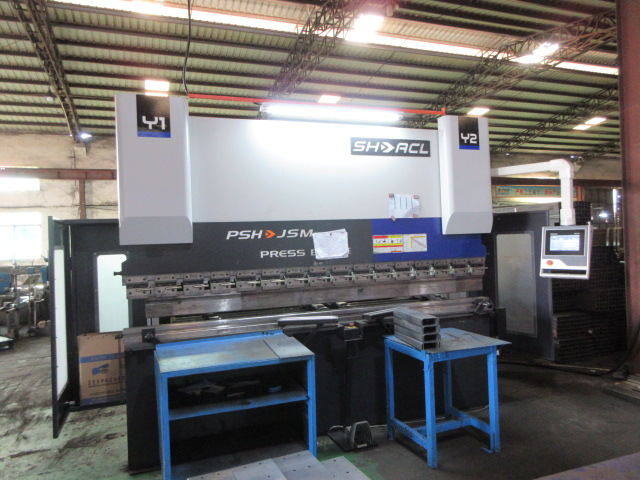
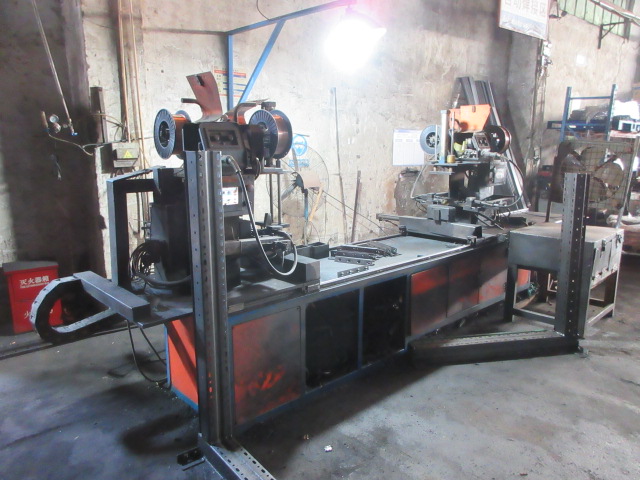
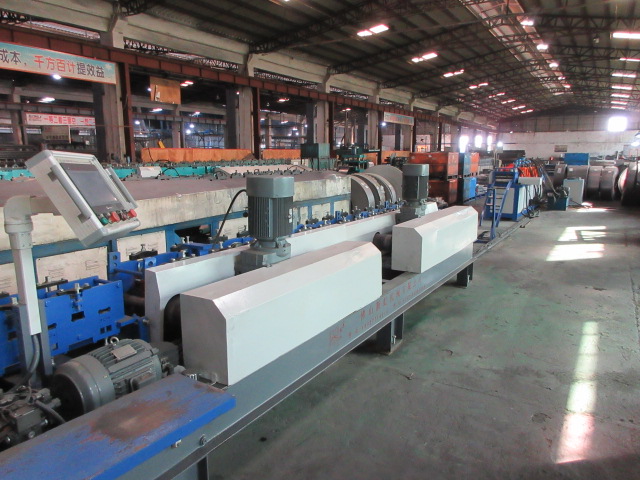
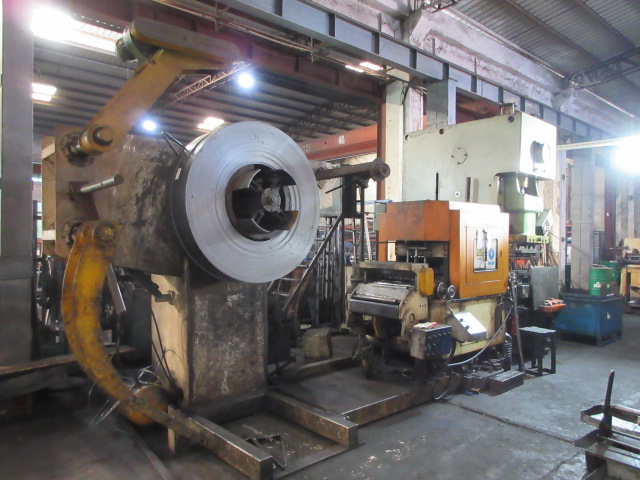
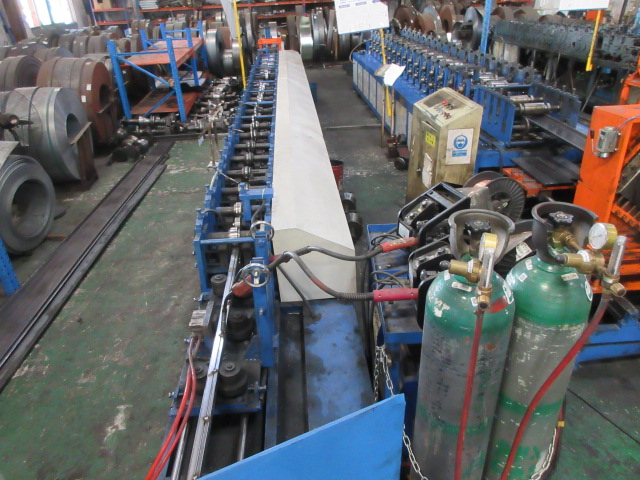
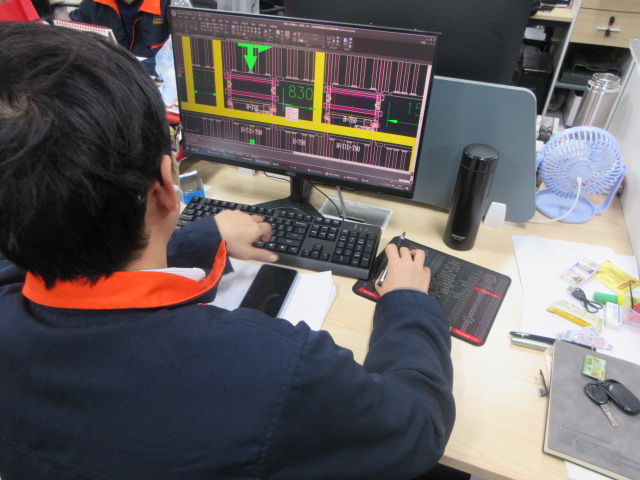
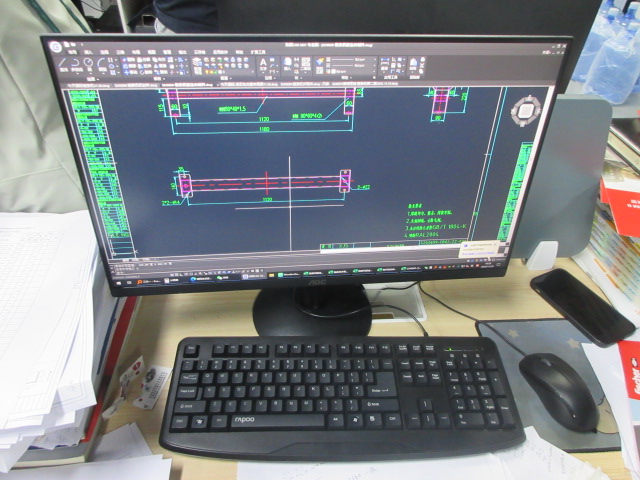
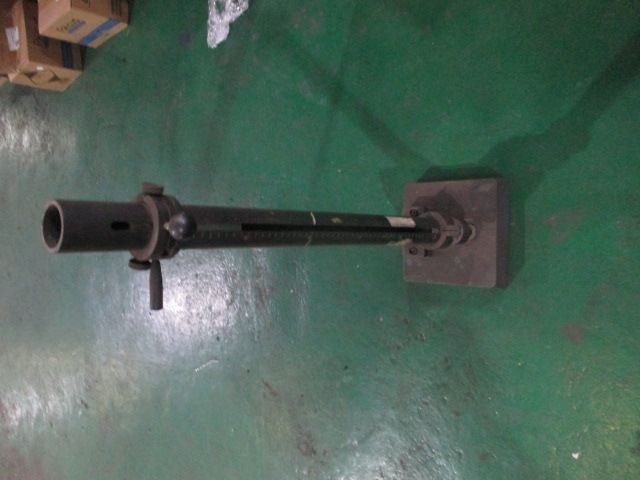
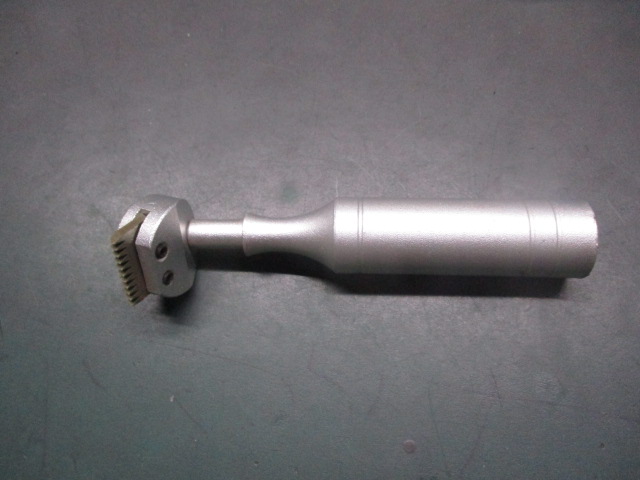
Step inside Sunli's 38,000 m² state-of-the-art facility and inspect the tooling, production lines, and quality control systems that drive our zero-defect policy.
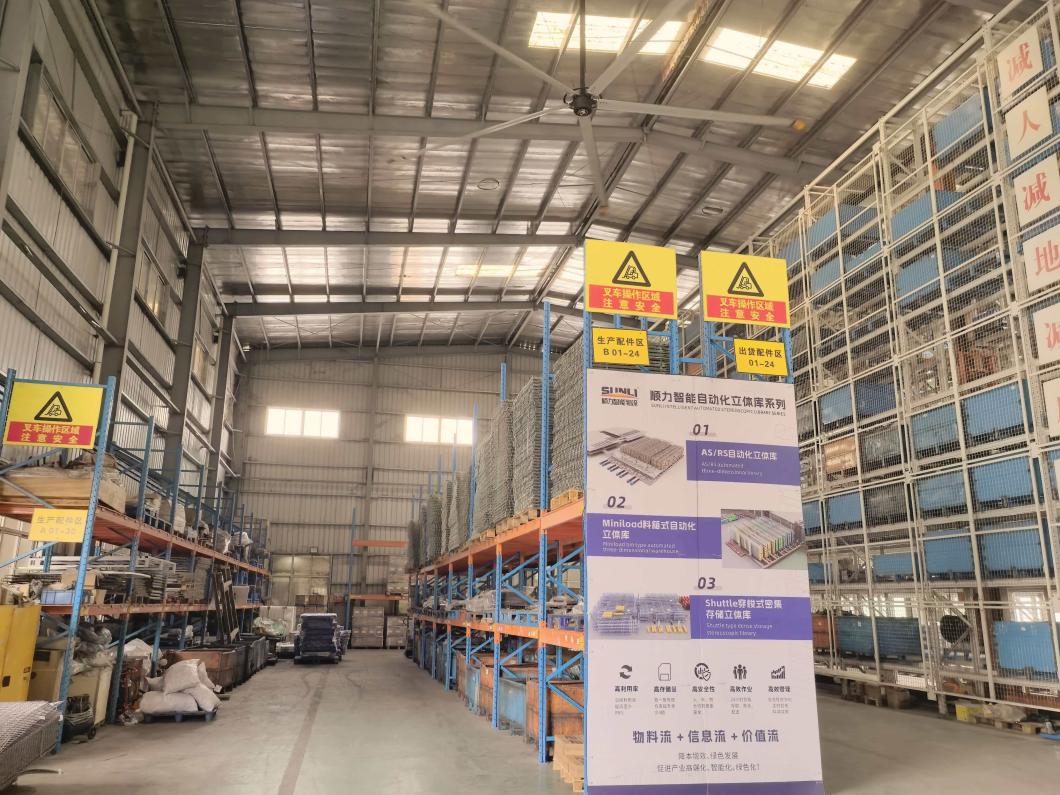
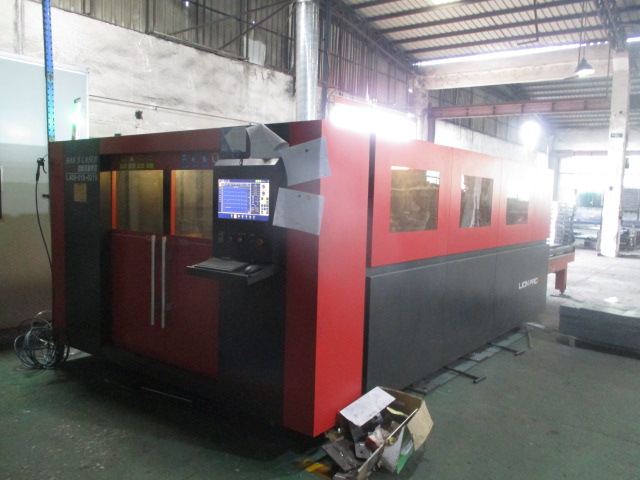
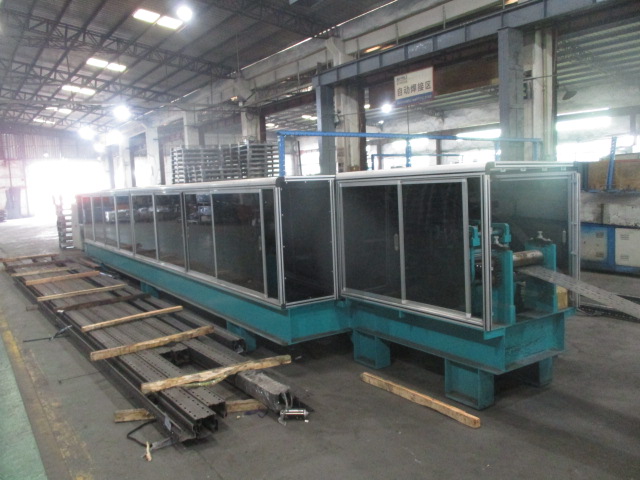
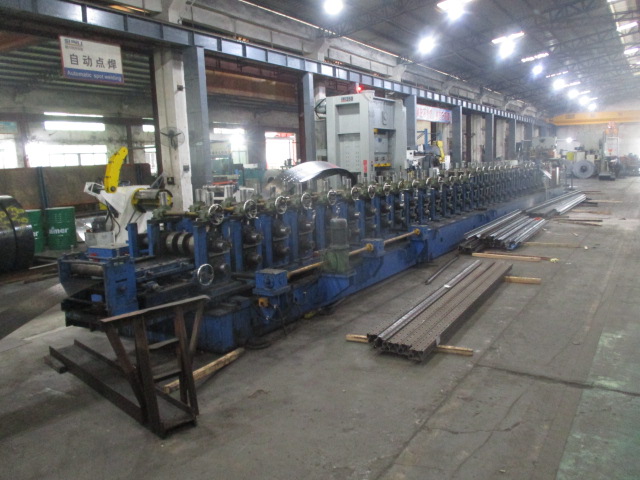
Navigating the nuances of European, American, and regional building codes in warehouse infrastructure.
A primary failure point in global procurement is purchasing structural systems that do not comply with local building and workplace safety regulations. For European markets, compliance with the CE Mark and adherence to code standards like EN 15512 (Steel static storage systems - Adjustable pallet racking systems - Principles for structural design) is mandatory. Without these certifications, warehouse operators risk structural shut-downs by labor authorities, voided insurance policies, and liability exposure in the event of an accident.
Similarly, for our partners in North America, we align manufacturing practices with the Rack Manufacturers Institute (RMI) specifications and American Institute of Steel Construction (AISC) codes. This ensures that every racking upright, safety beam lock, and baseplate anchor is calculated to satisfy localized seismic zone guidelines, wind uplift profiles (for outdoor storage structures), and slab load capacity requirements.
By implementing an integrated quality control strategy, Sunli resolves these issues before shipment. Our 35 QC professionals perform load test calculations, verify welding penetration using magnetic particle and ultrasonic testing, and issue trace reports for all raw material heats. We do not just build steel frames; we engineer structural solutions that align with regional regulatory standards.
The convergence of heavy steel structures, robotics, and intelligent warehouse management software.
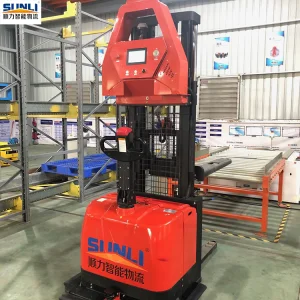
The modern warehouse is no longer static. It is a dynamic, high-speed ecosystem where steel racks serve as the physical network interface for autonomous vehicles and automated storage hardware. The integration of Automated Storage and Retrieval Systems (AS/RS), radio-controlled shuttle systems, and Laser Navigation AGVs requires racking manufacturing tolerances that are significantly tighter than traditional standards.
In standard selective pallet racking, beam deflection tolerances are typically set at L/200 (where L is the length of the span). However, in an automated crane-operated or shuttle warehouse, this tolerance must be limited to L/300 or L/400 to prevent sensors on the cranes or shuttle carts from misreading pick locations. A deviation of just 3 millimeters can cause automated shuttles to stall, halting downstream packaging and shipping workflows.
Manual forklift operations, standard beam connectors, basic cold-rolled upright columns. Tolerances engineered for slow to moderate stock rotation cycles.
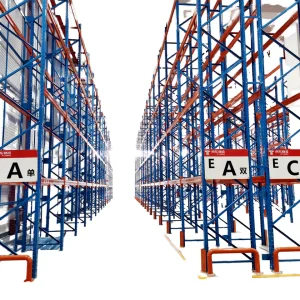
Integration of gravity-fed flow racks, high-density drive-in systems, and radio shuttles. Enhanced column protection and high-durability floor guideways.
Ultra-low deflection rack structures, sensor-based rail alignments, high-speed automated loading docks, and fleet-wide WMS synchronization.
Tailoring structural storage systems for specialized warehouse conditions and cold chain logistics.
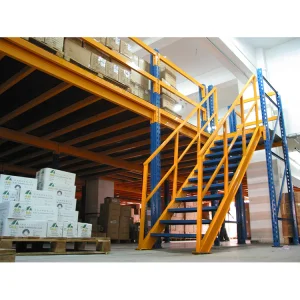
High-density selective pallet racking and multi-level mezzanines allow multi-tenant storage configurations, maximizing vertical footprint flexibility.
Specialized steel formulations (such as low-temperature-grade Q355D steel) resist thermal brittleness down to -30°C, preventing structural cracking.
Multi-tier mezzanine platforms paired with manual long-span shelving optimize order-picking workflows for high SKU volumes and fast turnaround times.
Answers to engineering, manufacturing, and shipping questions for global procurement managers.
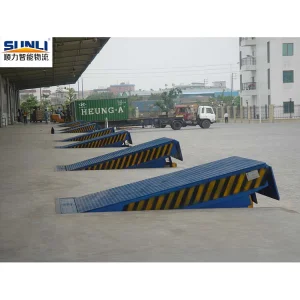
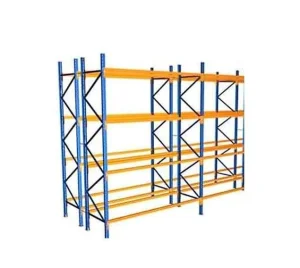
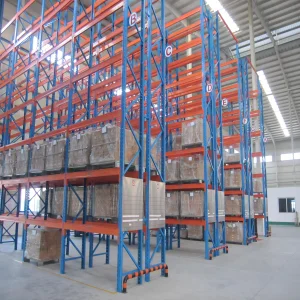
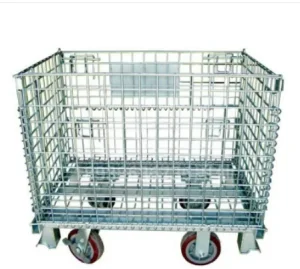
Our industrial product line includes selective high-density racking, multi-level platforms, dock levelers, and wire containment setups.
 SunliRack