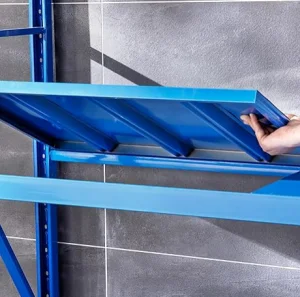
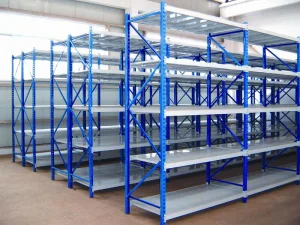
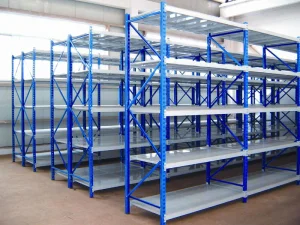
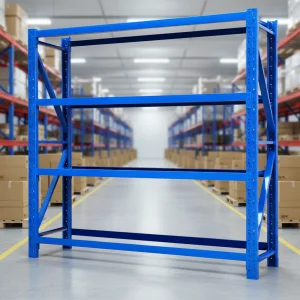
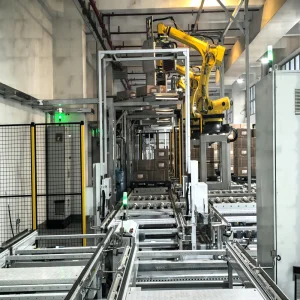
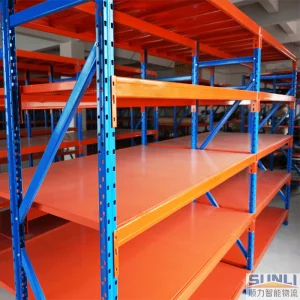
Discover our primary heavy-duty warehouse racking assemblies and automatic logistics equipment
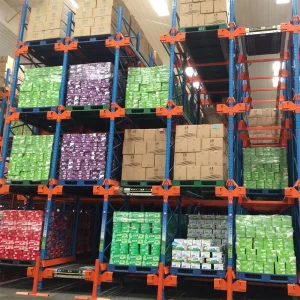
In modern supply chain management, optimizing cubic space while sustaining throughput efficiency is a vital challenge. Dynamic high-density storage systems, notably Push-Back Pallet Storage Systems, are key solutions to this challenge. While conventional selective pallet racks offer direct accessibility to every pallet, they require a high ratio of aisles to storage volume, limiting spatial efficiency. Push-back racking, operating on a Last-In, First-Out (LIFO) material flow principle, addresses this by utilizing nested, inclined carts that roll along structural steel rails. This layout stores pallets 2 to 6 deep, dramatically reducing traffic aisles and maximizing density.
As a major manufacturing hub, China has established a highly integrated supply chain for warehousing equipment. Companies like Shenzhen Sunli Intelligent Logistics Equipment Co., Ltd. represent the integration of advanced metallurgy, robotics, and structural engineering. We deliver warehousing systems designed to comply with international standards including the Rack Manufacturers Institute (RMI) and the European Federation of Materials Handling (FEM).
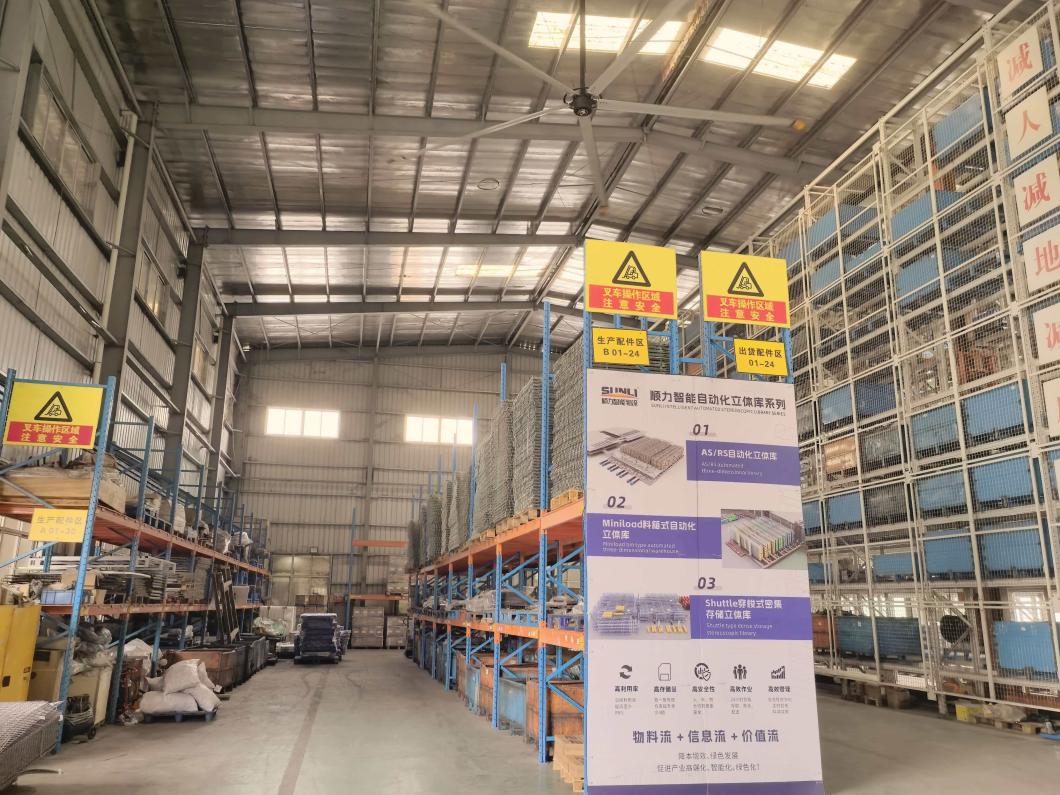
Founded in 2015, Shenzhen Sunli Intelligent Logistics Equipment Co., Ltd. is an established manufacturer specializing in heavy-duty industrial racking and smart warehouse storage systems. Operating from a modern production facility spanning 38,000 m², we leverage over 12 years of industry experience and 8 years of international trade expertise. Our annual export revenue ranges between $18 million and $25 million, serving core markets across North America, Western Europe, Southeast Asia, and the Middle East.
A push-back racking system uses a series of nested rolling carts resting on inclined rails within structural steel frames. The process is defined by gravity-assisted mechanics:
The engineering of push-back systems requires precise calculations. The incline of the rails must be carefully calibrated—typically between 1.5% and 3%—to balance gravity-flow speed with control, preventing pallets from rolling forward too quickly or hanging up inside the lane.
| Storage Type | Density Level | Selectivity | Material Flow | Forklift Damage Risk |
|---|---|---|---|---|
| Push-Back Racking | High (2-6 Pallets Deep) | Medium (1 SKU per lane) | LIFO (Last-In, First-Out) | Very Low (Forklift stays in aisle) |
| Selective Racking | Low (1 Pallet Deep) | 100% (High) | FIFO / LIFO (Flexible) | Medium (Frequent maneuvering) |
| Drive-In Racking | Very High (Up to 10+ Deep) | Low (Aisle-restricted) | LIFO | High (Forklift enters rack) |
| Pallet Flow / Gravity | High (20+ Pallets Deep) | Medium (1 SKU per lane) | FIFO (First-In, First-Out) | Low (Forklift stays in aisle) |
Manufacturing reliable racking systems requires precise engineering. At Shenzhen Sunli, we follow a strict quality management system at every step of production. Our 35 dedicated QC professionals conduct comprehensive material testing, weld seam analysis, and coating checks to ensure structural integrity and durability.
Our 28 skilled R&D engineers continuously refine designs, introducing over 120 new products and structural improvements annually to meet evolving industrial requirements. Below is an overview of our production stages and specialized machinery:
Undergoing strict quality assurance protocols across our 38,000 m² modern manufacturing facility
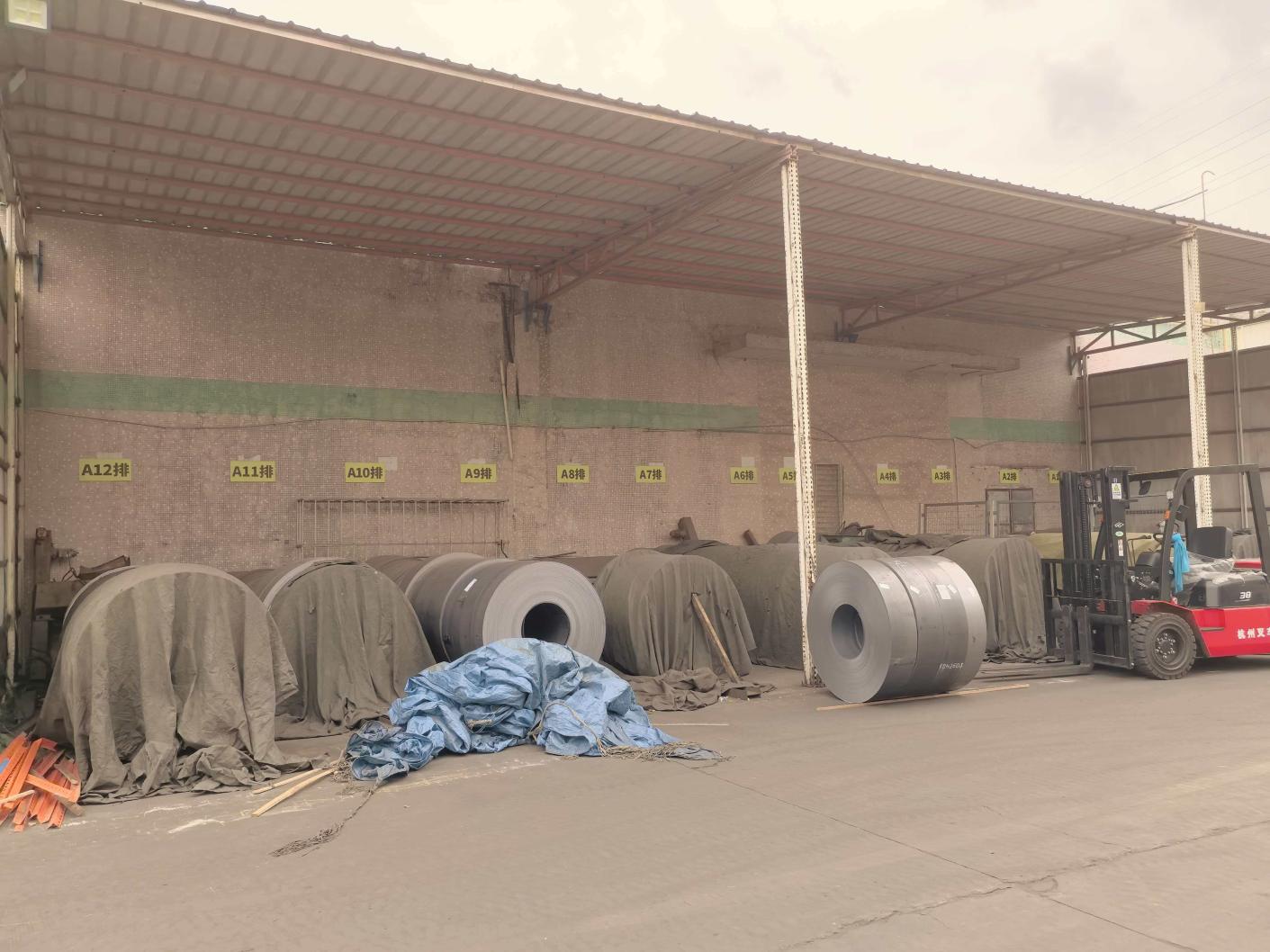
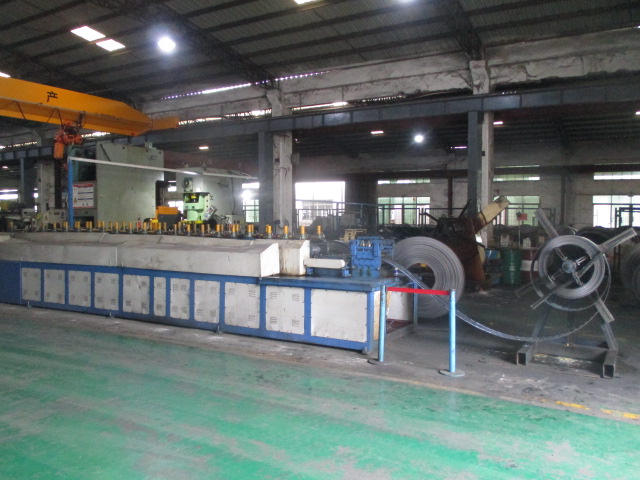
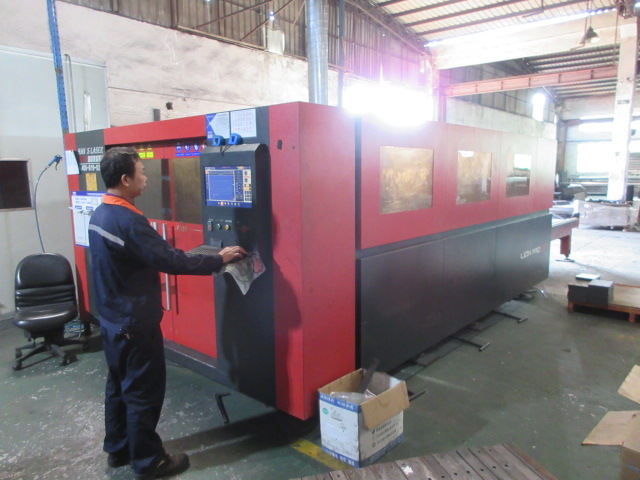
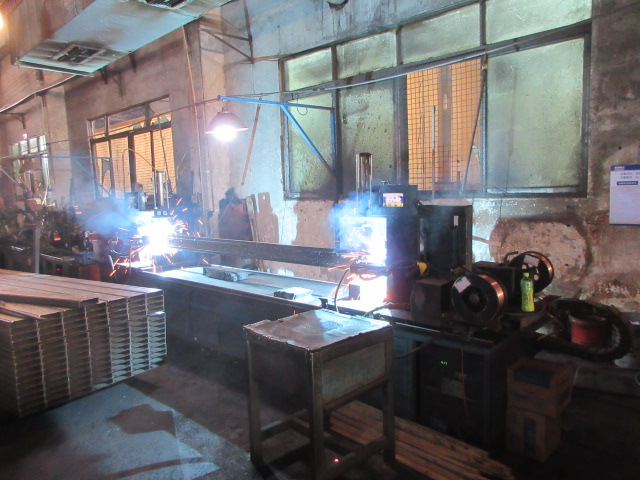
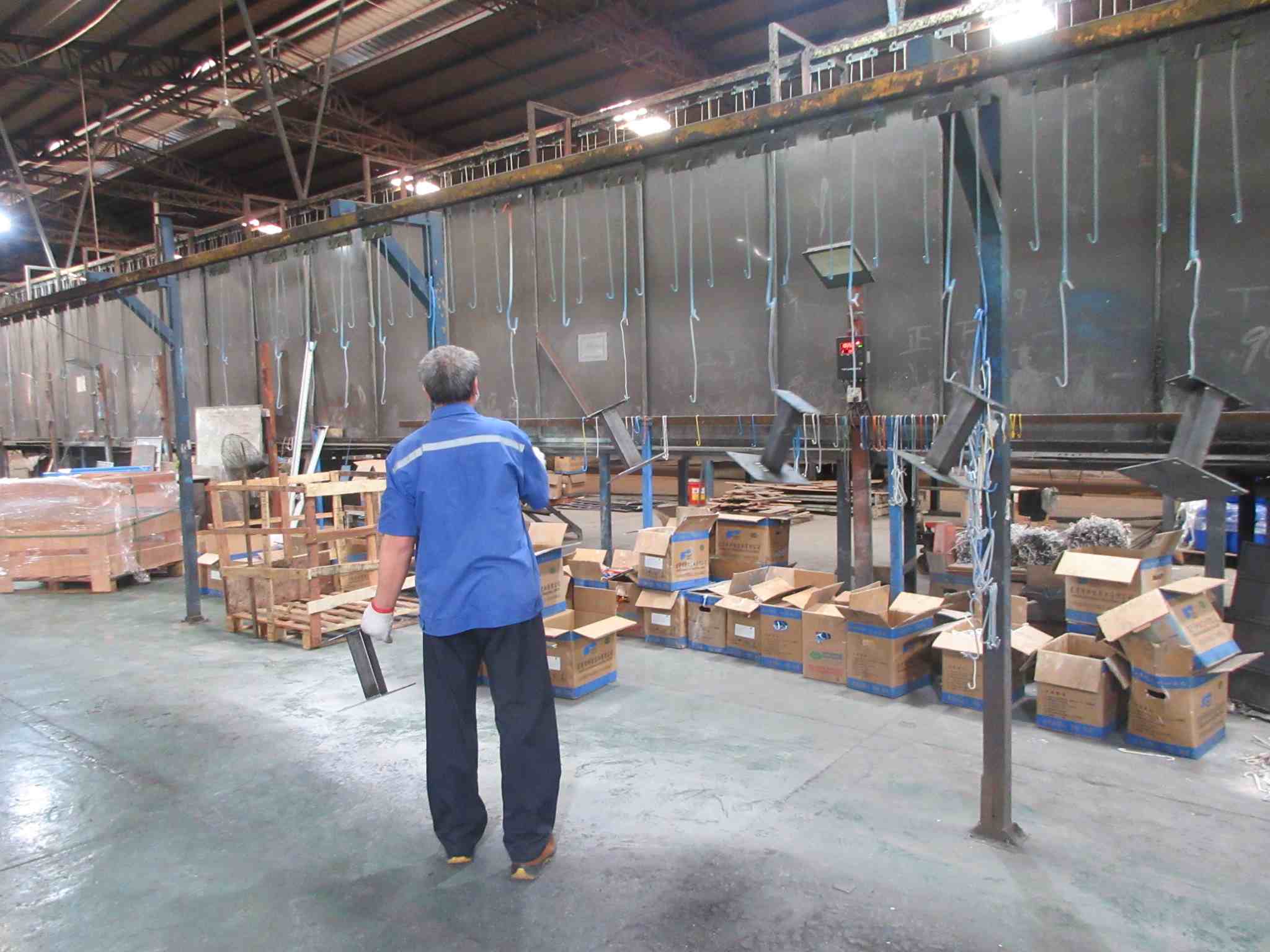
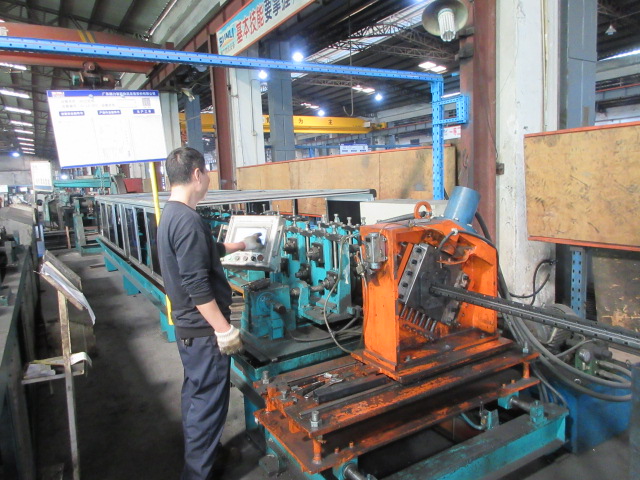
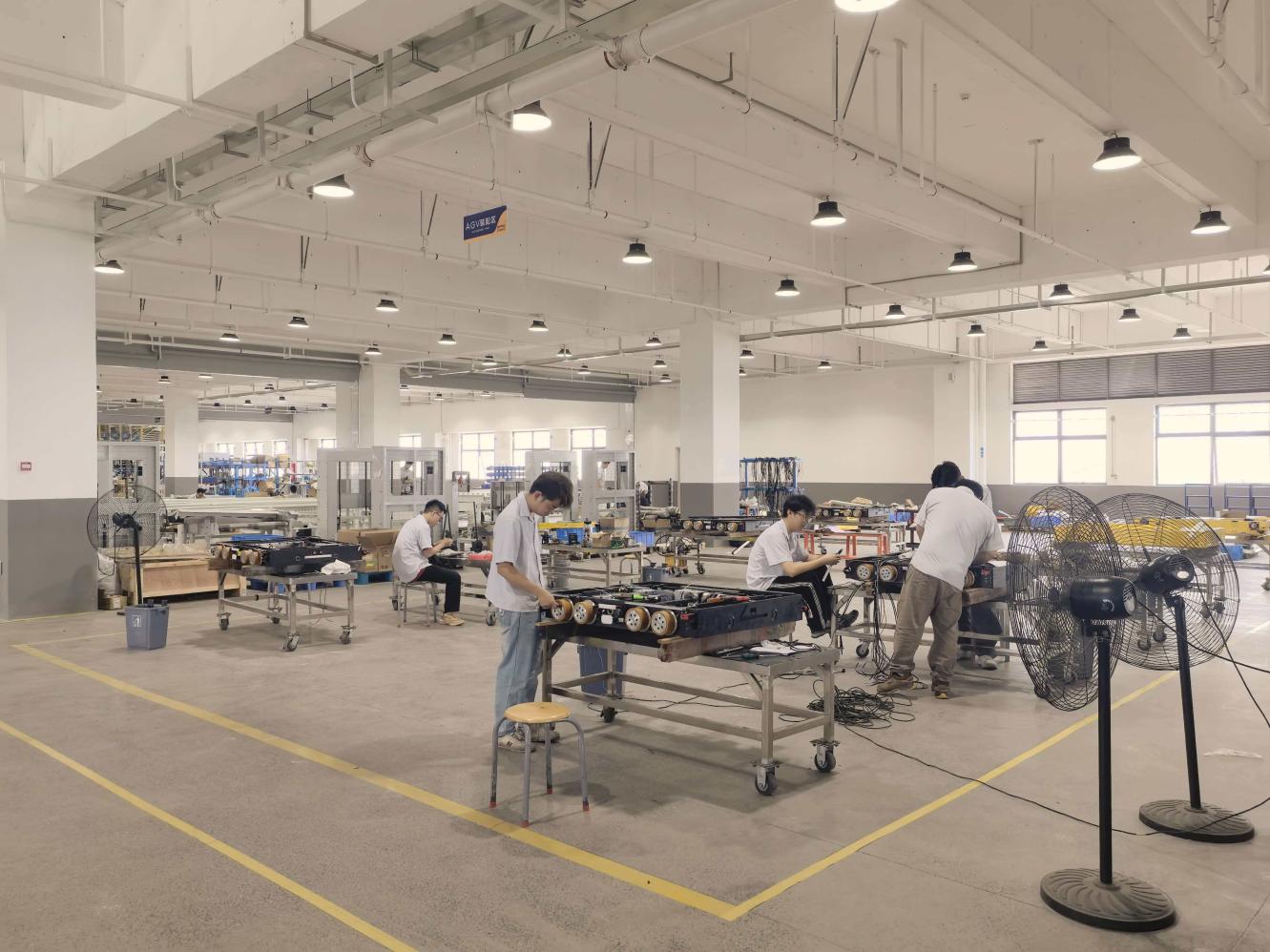
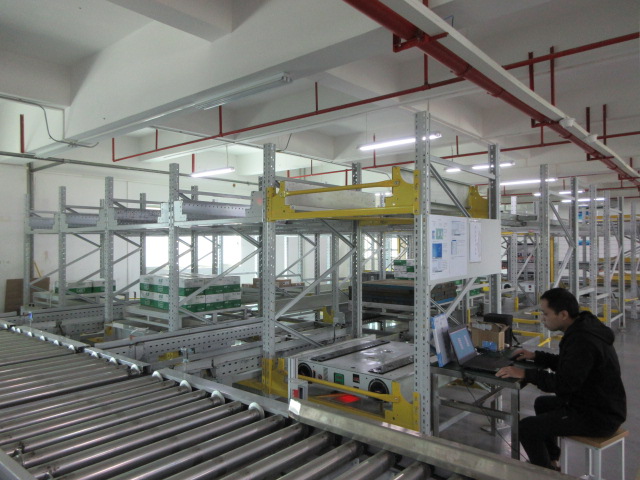
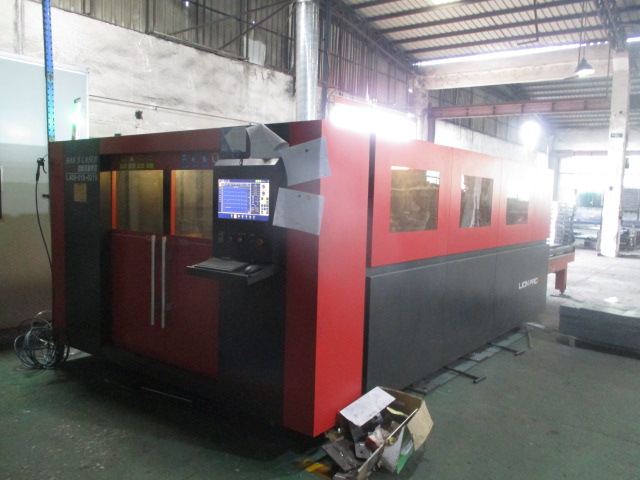
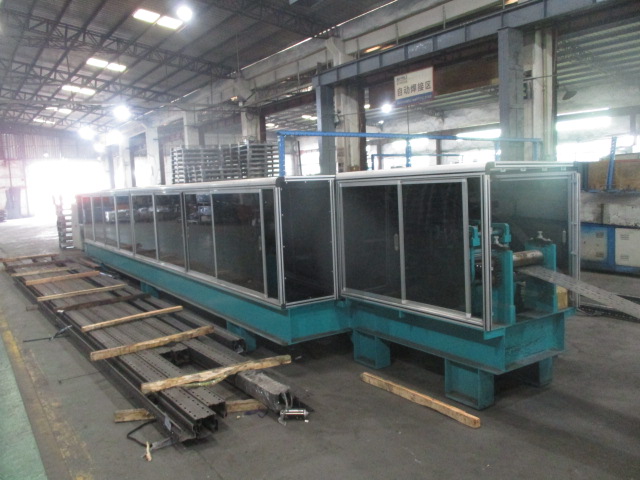
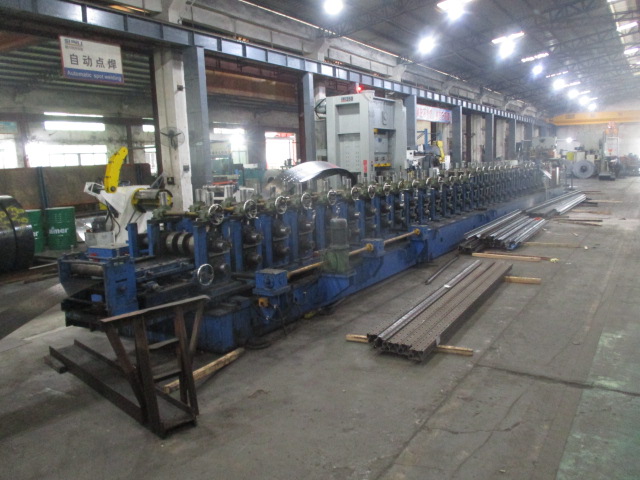
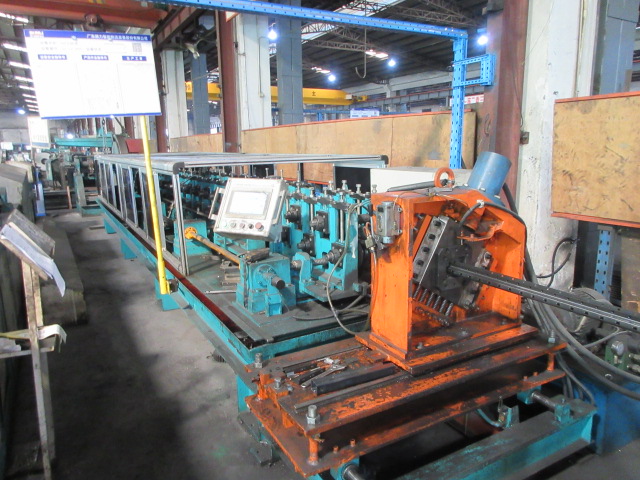
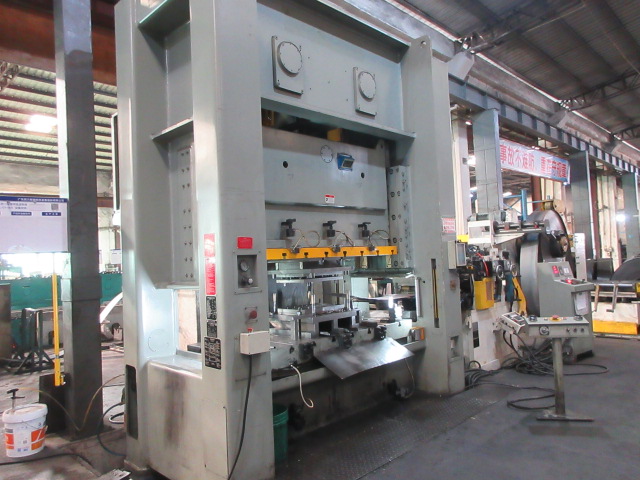
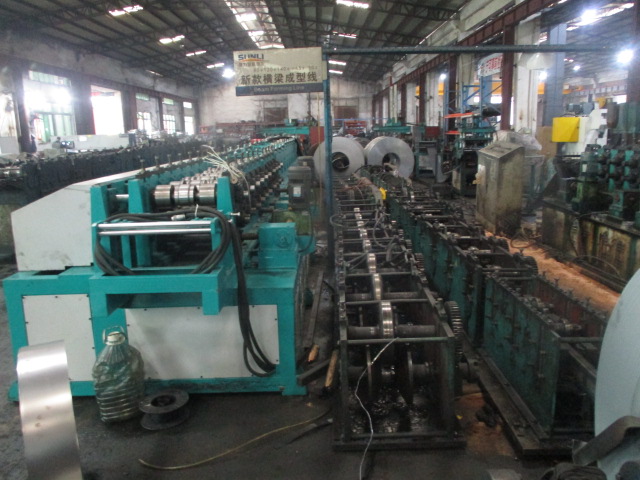
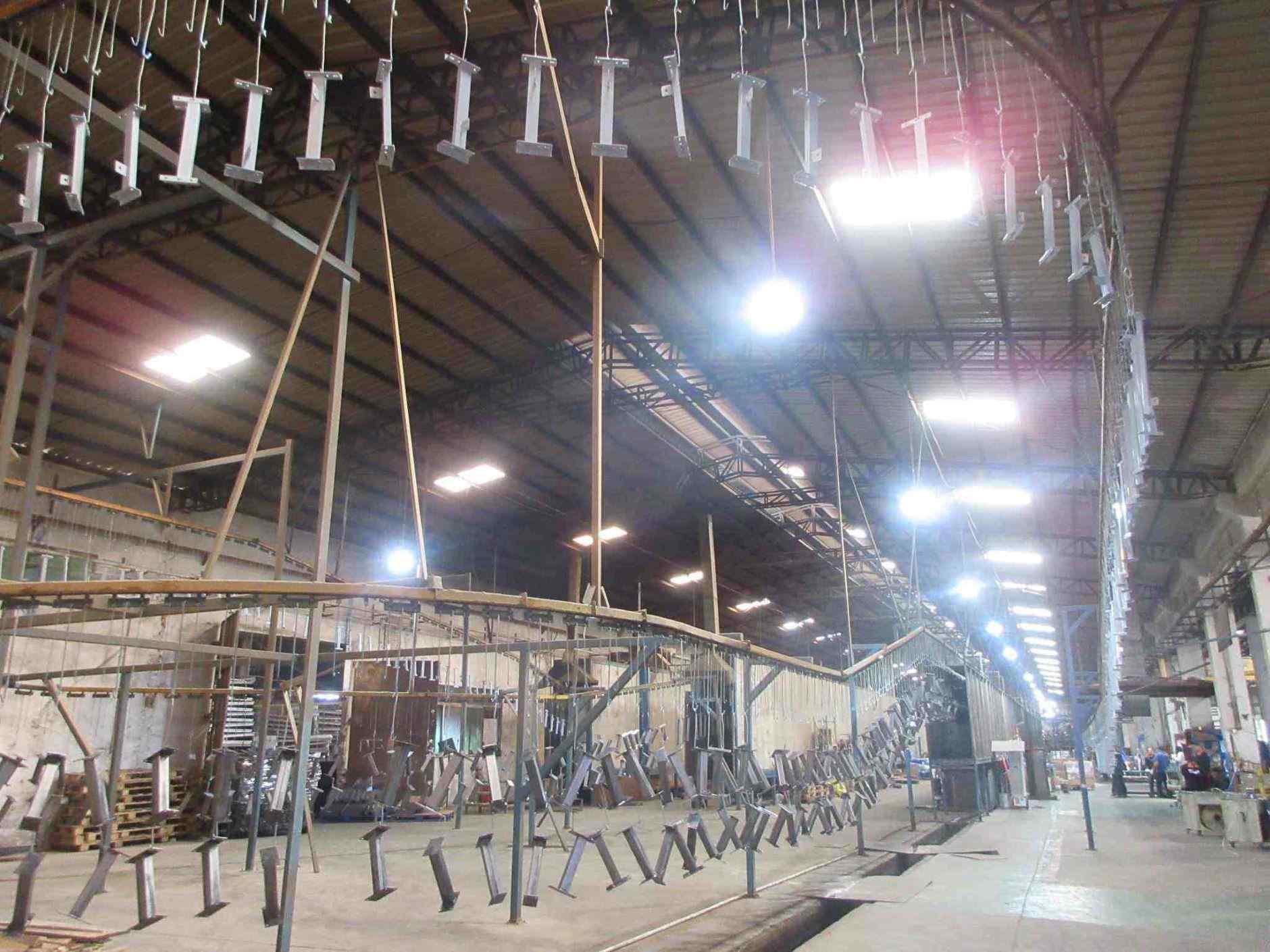
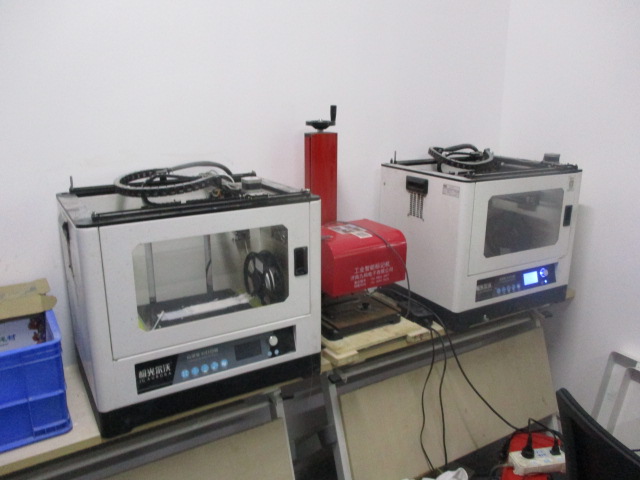
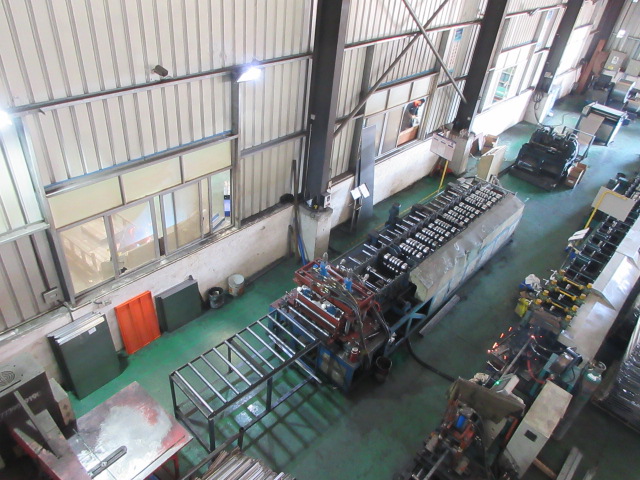
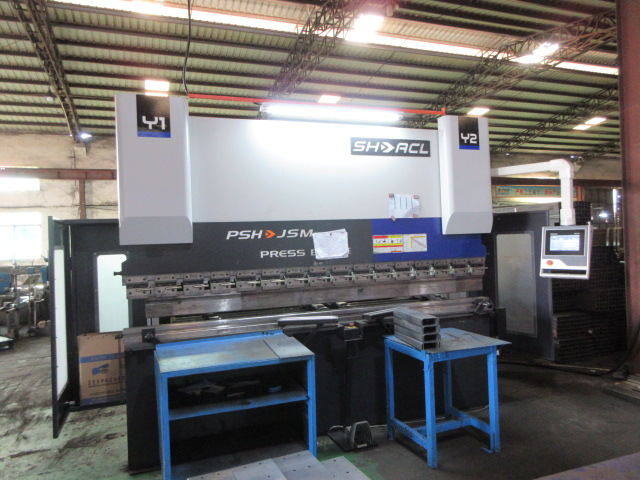
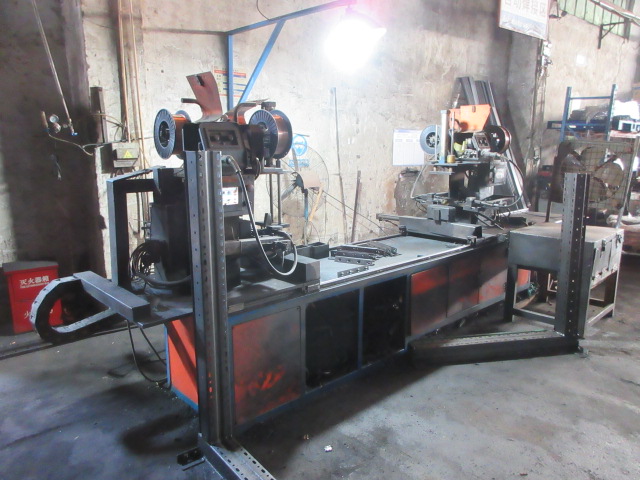
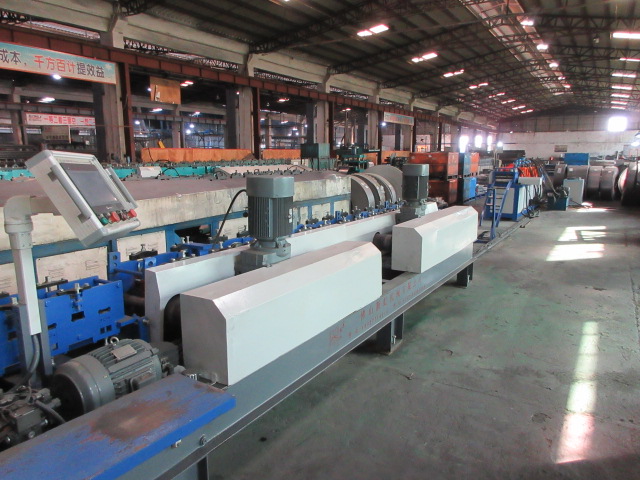
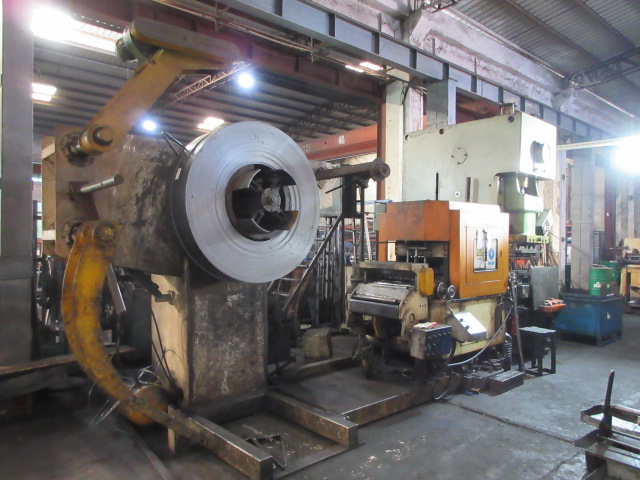
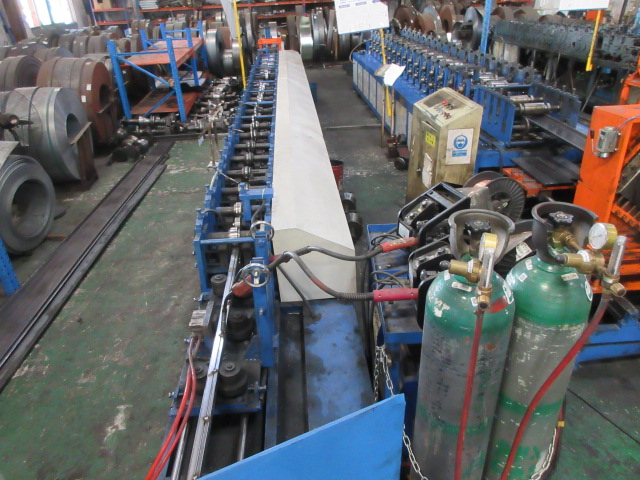
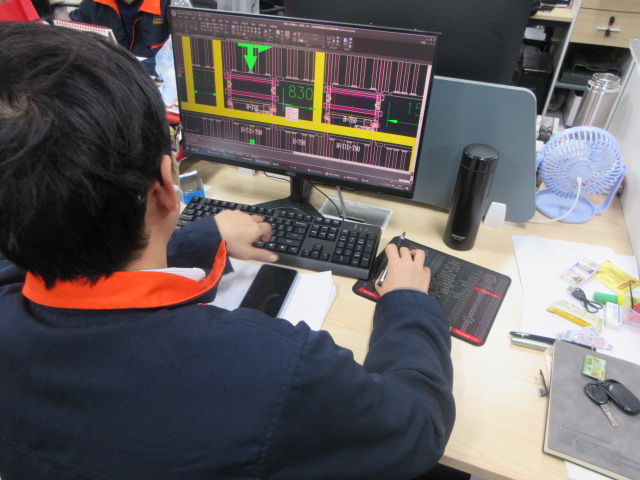
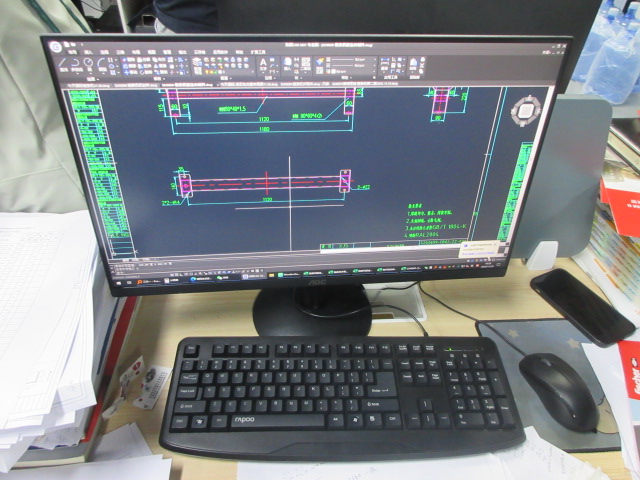
The durability of a dynamic rack system depends on its base material. Sunli racking structures are built using high-strength Q235B steel, a grade recognized for its yield strength and ductility. For specialized setups, Q345B steel is used to support higher static and dynamic loads under seismic conditions.
To prevent structural deformation under continuous load, key parameters must be calculated:
Push-back racking frames are designed using finite element analysis (FEA) to simulate dynamic loads and seismic activity. We apply specialized frame bracing patterns and heavy-duty floor anchor plates to isolate shear stresses and protect structural connections from forklift collisions.
Global demand for high-density racking has increased, driven by rising warehouse lease costs, labor shortages, and the growth of e-commerce. Logistics providers are shifting from selective storage layouts to dynamic systems to optimize space utilization.
High-Density Optimization: In urban logistics hubs where land values are high, optimizing storage volume per square meter is essential. Push-back systems can increase warehouse capacity by 70% to 90% compared to standard selective setups, offering a cost-effective alternative to physical building expansion.
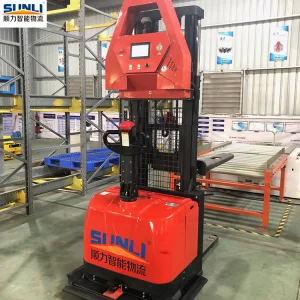
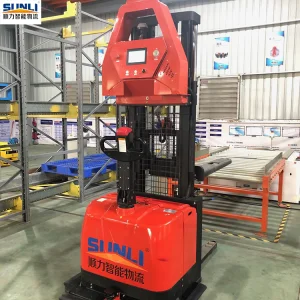
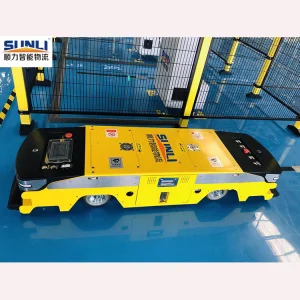
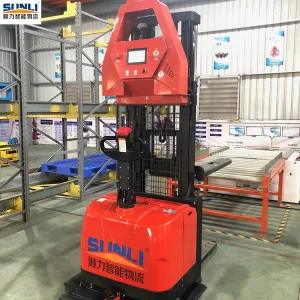
Semi-Automation Integration: Modern push-back systems are increasingly used alongside Automated Guided Vehicles (AGVs) and autonomous laser-guided forklifts. Laser-navigated lifts place pallets directly onto the nesting carts, combining mechanical gravity-fed storage with robotic logistics.
Loads are stored and retrieved from a single aisle, reducing forklift travel time and increasing overall warehouse throughput.
Each storage lane can accommodate different SKUs, providing greater inventory flexibility than traditional drive-in systems.
Because forklifts operate outside the rack structure, structural damage is reduced, lowering maintenance and repair expenses.
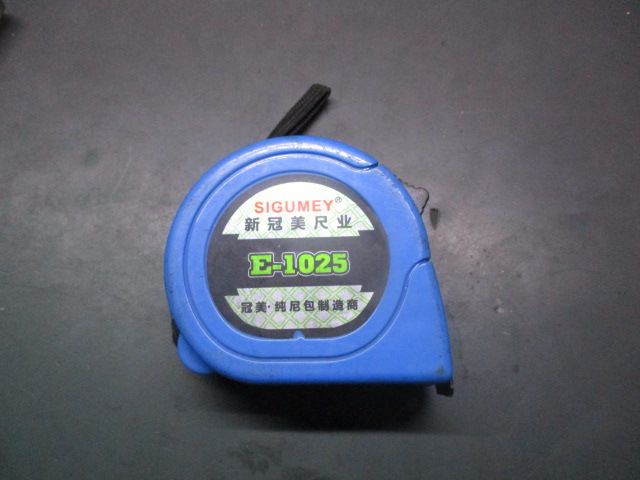
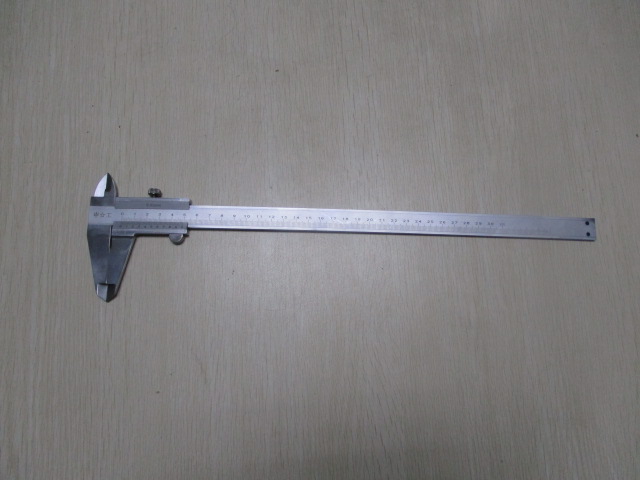
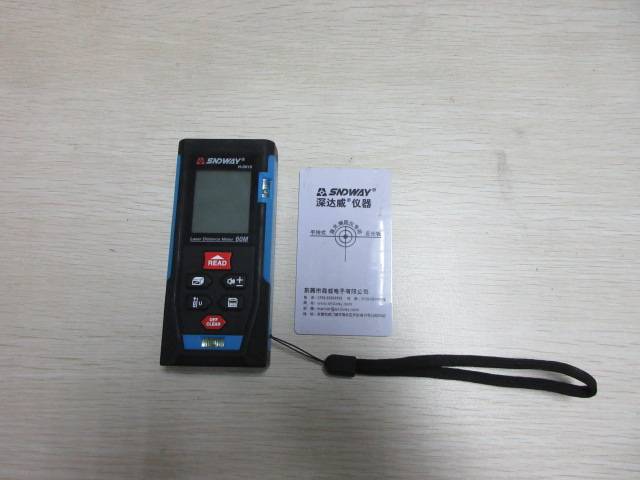
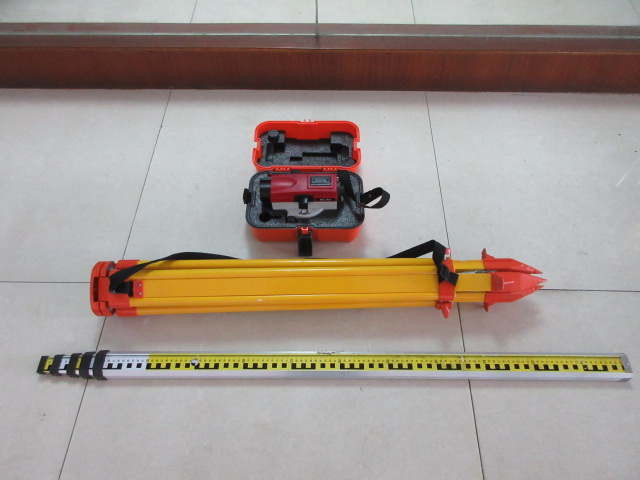
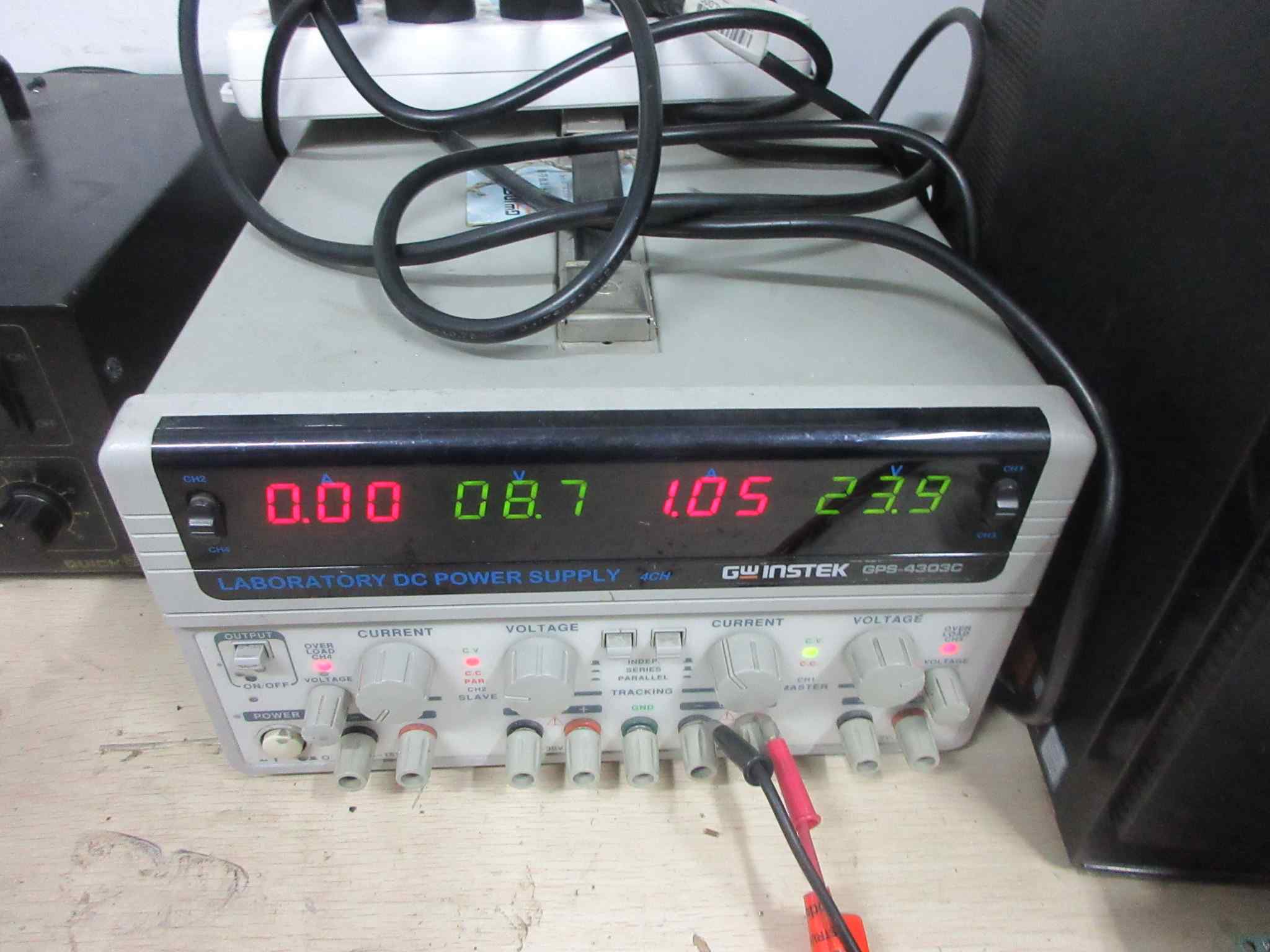
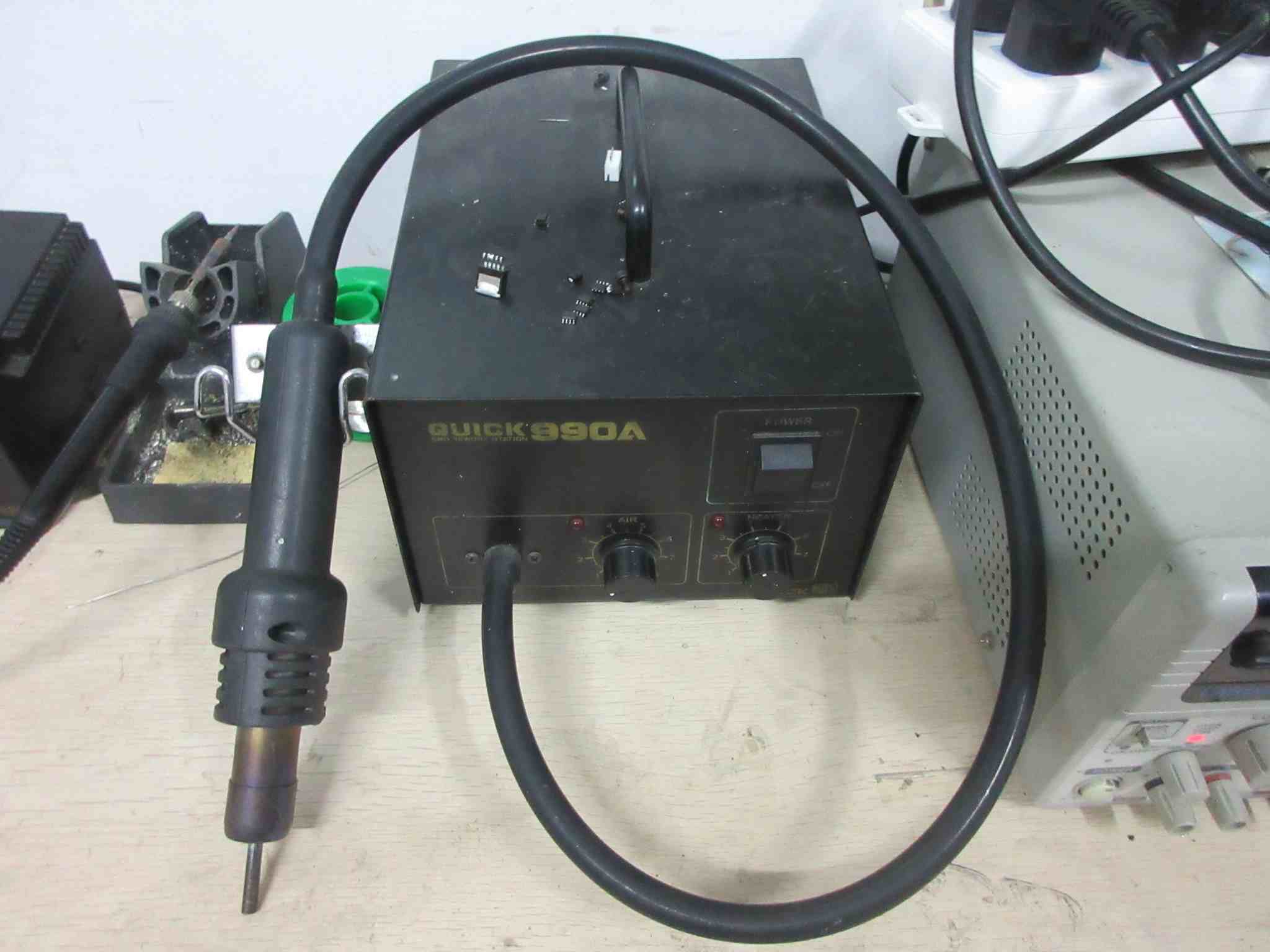
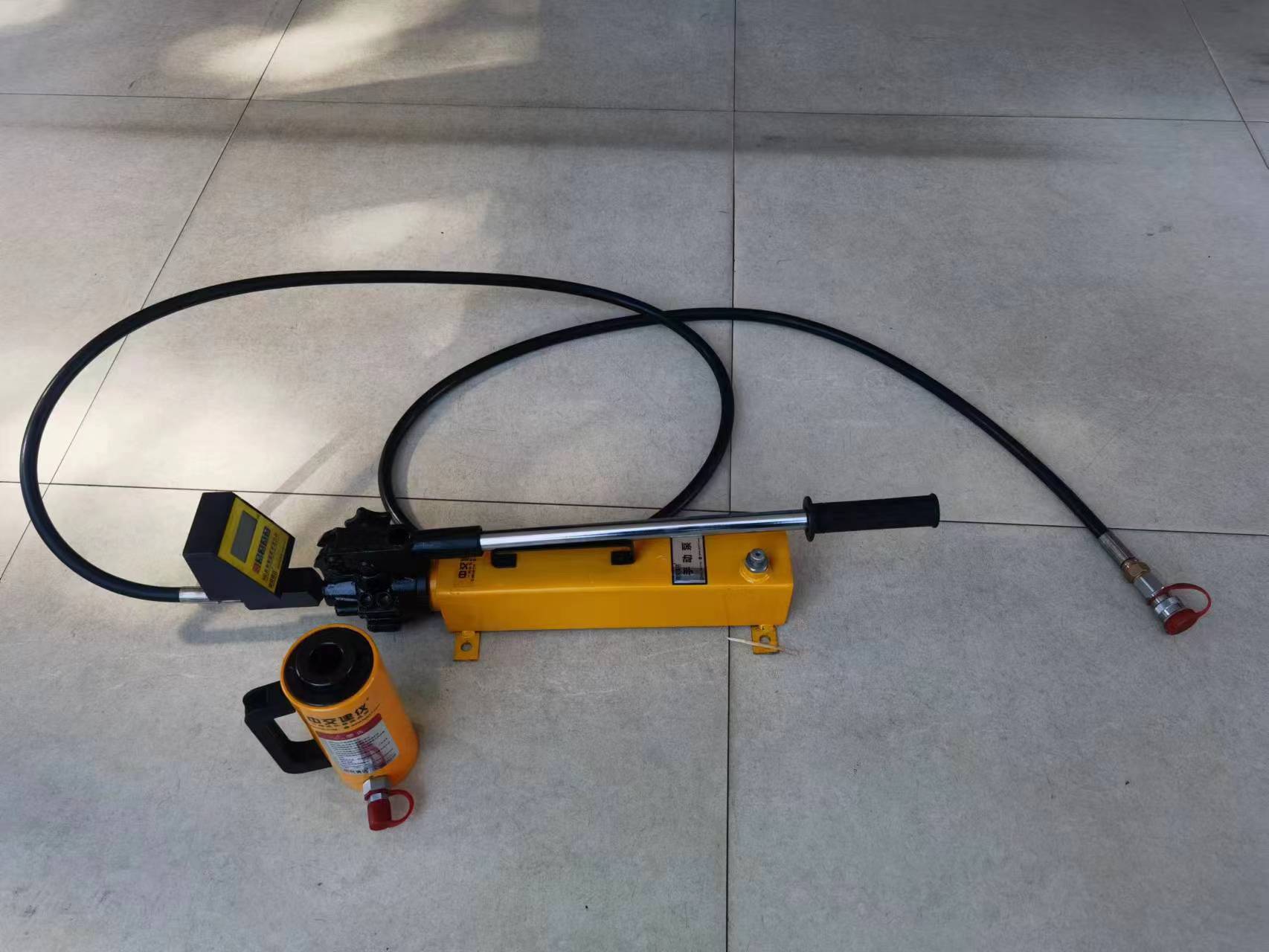
To ensure safety and performance under high static loads, every production run at Sunli undergoes strict testing. Below is an overview of the key testing equipment and quality checks used in our facility to verify weld strength, coating thickness, and physical tolerances:
Our 35 QC inspectors run mechanical and chemical analyses to guarantee standard compliance
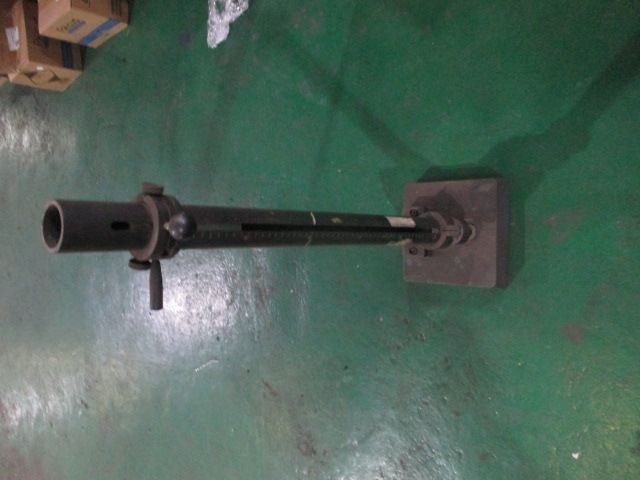
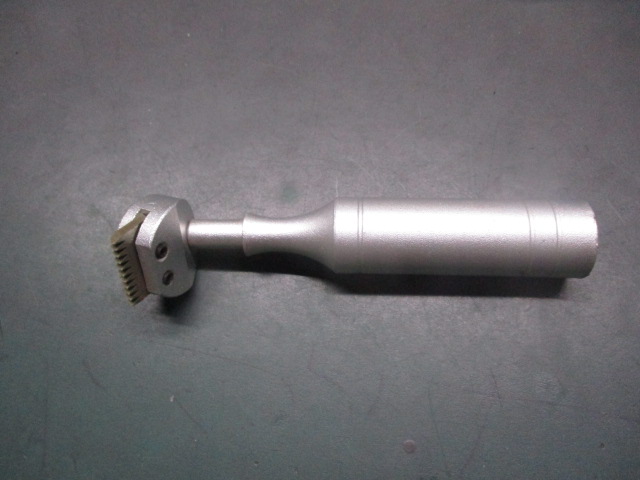
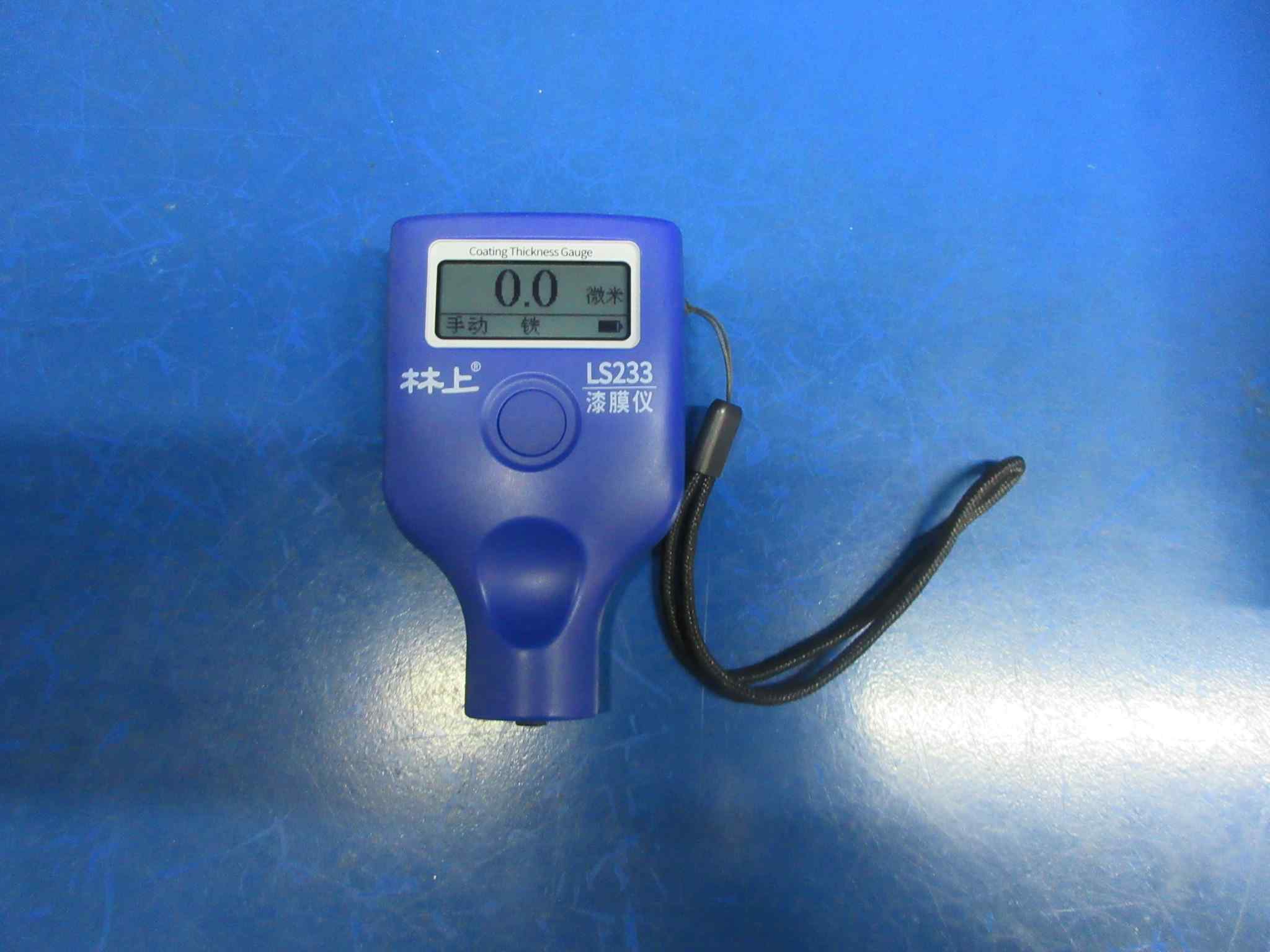
Selecting the right warehouse racking system requires an understanding of mechanical design, load dynamics, and safety standards. Below are answers to common engineering questions regarding the application and deployment of push-back storage systems:
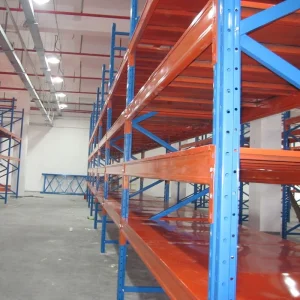
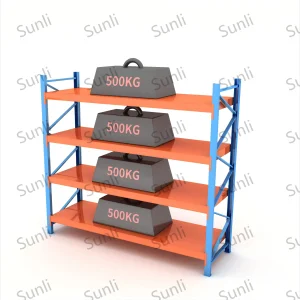
Explore our full selection of medium to heavy-duty shelving, racking, and automated logistics systems
 SunliRack