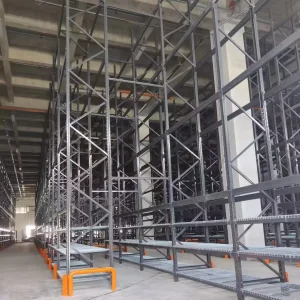
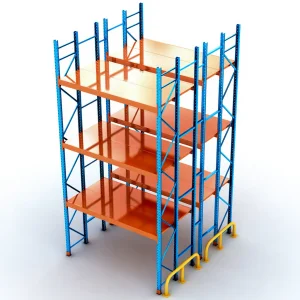
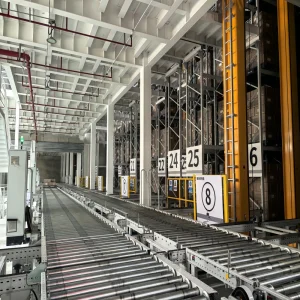
In the contemporary globalized economy, storage systems are no longer passive depots. They have transformed into vital hubs that directly impact structural logistics throughput, inventory accuracy, and supply chain resilience. Urbanization, rising industrial land values, and the exponential growth of e-commerce are driving a significant structural transition toward high-density, automated storage configurations. Industrial operators are prioritizing physical space optimization alongside capital expenditure performance, structural safety, and long-term asset scalability.
Shenzhen Sunli Intelligent Logistics Equipment Co., Ltd., established in 2015, stands at the absolute vanguard of this industrial revolution. Operating from our advanced 38,000 m² manufacturing facility, we leverage over 12 years of core industry engineering experience and 8 years of international trade execution to engineer, test, and ship high-grade steel structures and intelligent warehousing frameworks worldwide. With an annual export volume ranging from $18 million to $25 million, our solutions are trusted in North America, Western Europe, Southeast Asia, and the Middle East.
Enterprise procurement professionals and logistics engineers face severe operational risks when sourcing industrial storage arrays. Failures resulting from structural deflection, sub-par welding, or poor seismic calculations can lead to catastrophic warehouse collapses, inventory destruction, and severe liability. For this reason, global supply chain operators utilize rigorous selection frameworks, emphasizing the following core engineering standards:
High-grade structural carbon steels (such as Q235B and Q345B) are critical to ensuring high load capacity. These steels deliver predictable yield strengths and elongations, allowing racking systems to support high loads under dynamic movements without failure.
Racking systems deployed in seismic zones must comply with standard regulations such as FEM 10.2.02, RMI (Rack Manufacturers Institute), and EN 15512. The engineering calculations must account for local horizontal forces, live loads, and floor-anchoring configurations.
Whether in cold-storage environments (-30°C) or high-humidity ports, storage steel requires high-grade finishing. Multi-stage electrostatic powder coating (epoxy-polyester) and hot-dip galvanization ensure long-term resistance to mechanical friction and chemical attack.
At Sunli, we leverage our 35-person QC Department to verify that every component conforms to these strict procurement metrics. From full steel raw material load-bearing testing to computerized cross-cut paint adhesion testing, we eliminate manufacturing variance before our products reach the shipping port.
Operating a vertically integrated facility allows Sunli to provide extreme customization (OEM/ODM) while maintaining tight control over production lead times and structural tolerances. Our factory floor utilizes Automated Robotic Welding Lines, High-Precision Roll-Forming Mills, and continuous Pre-treatment Electrostatic Spray Lines. Below is an overview of our production stages and specialized quality inspection laboratories, featuring the actual machinery and testing systems utilized in our daily operations:
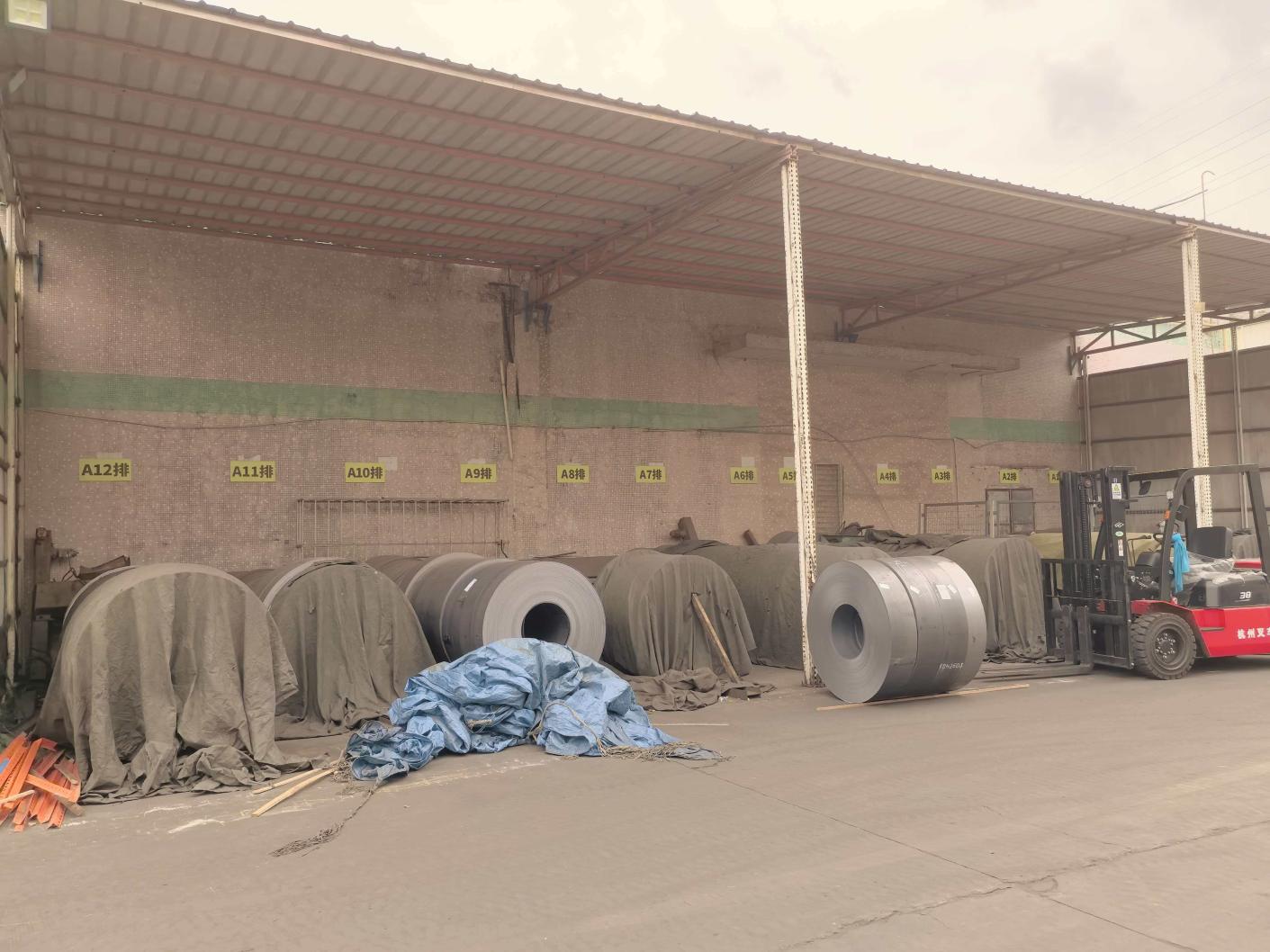
Raw Material
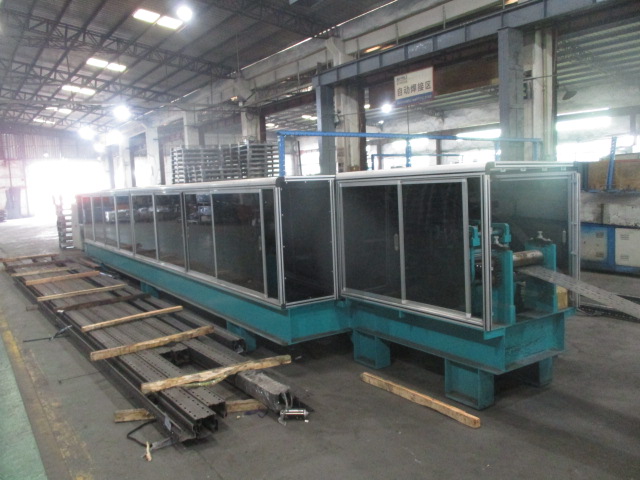
Neutralupright Rolling Line
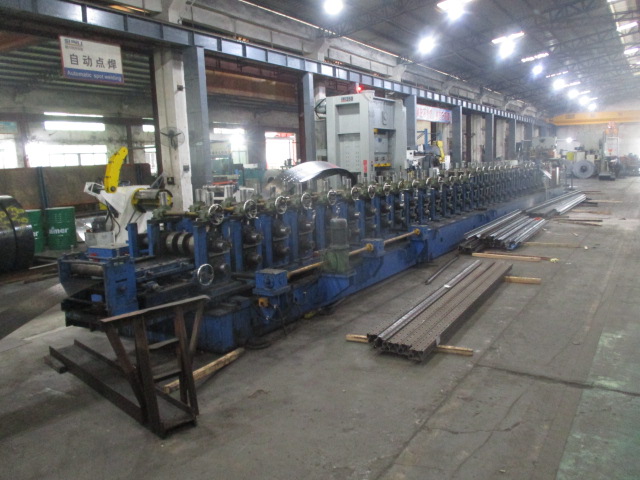
Medium-duty Upright Line
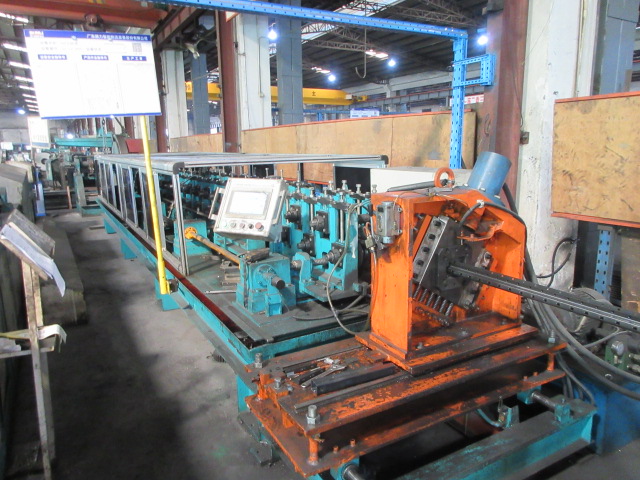
Light-duty Upright Line
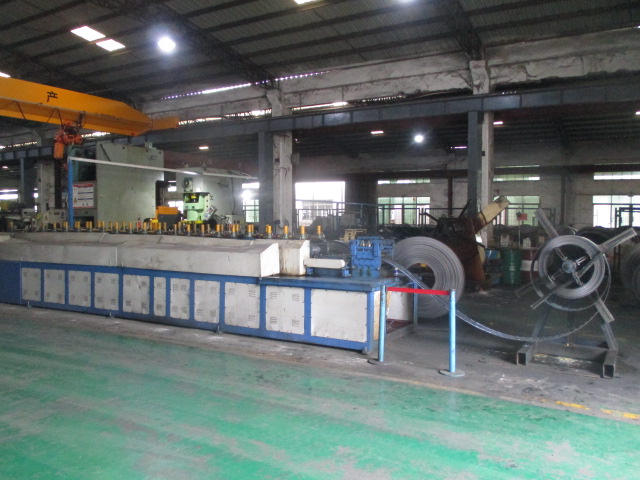
Rolling Line
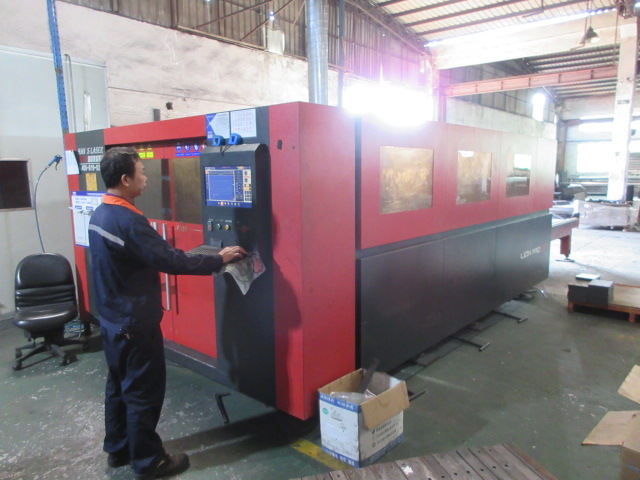
Cutting
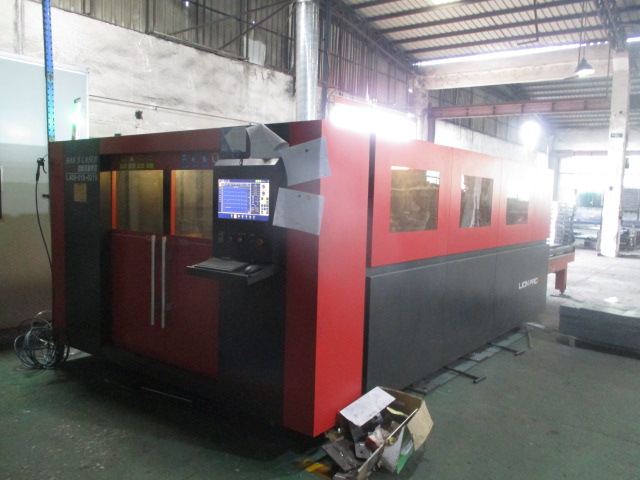
Cutting Machine
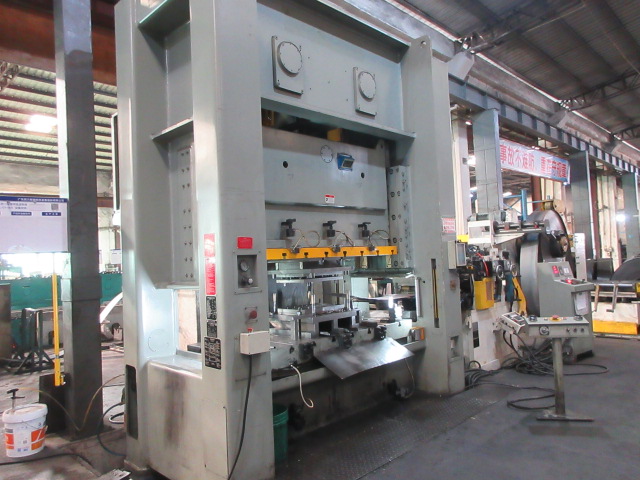
Puncher Machine
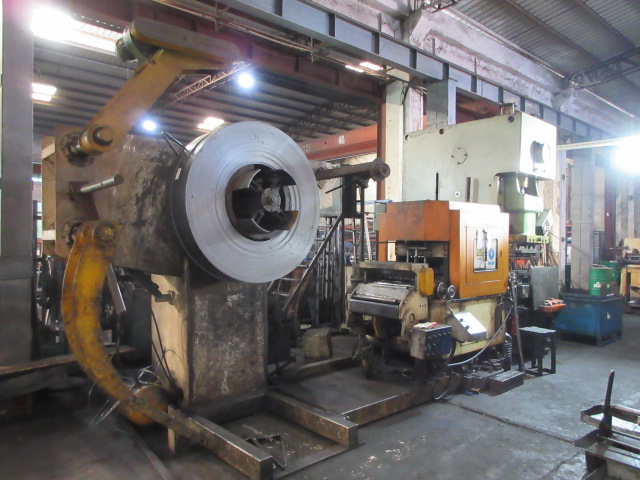
Punching Press
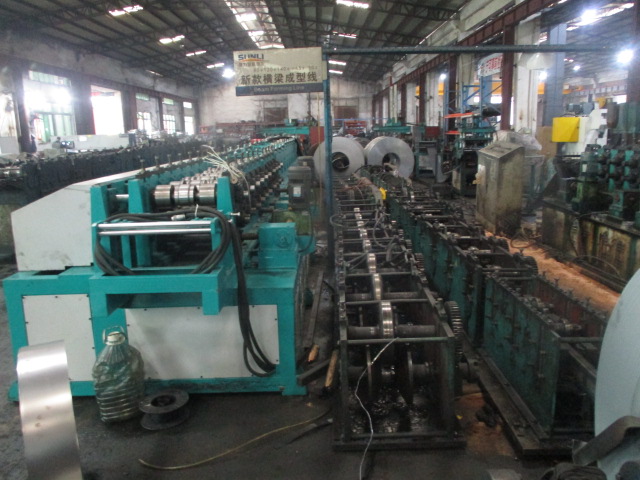
Beam Forming Line
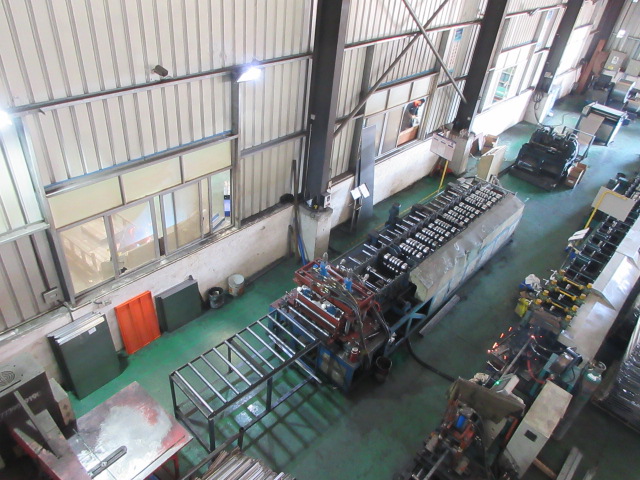
Steel Laminate Machine
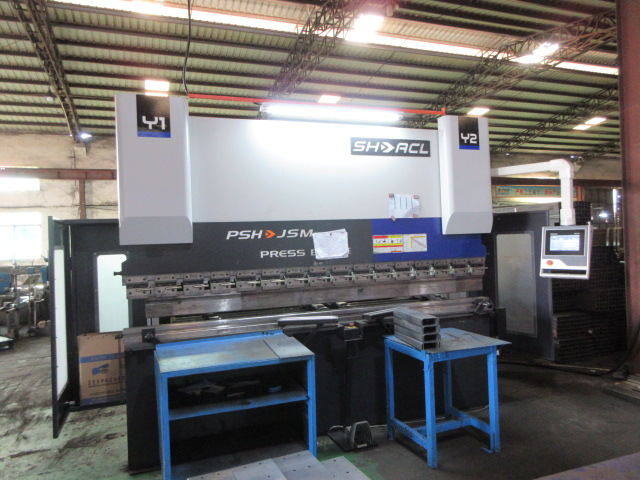
Press Brake Machine
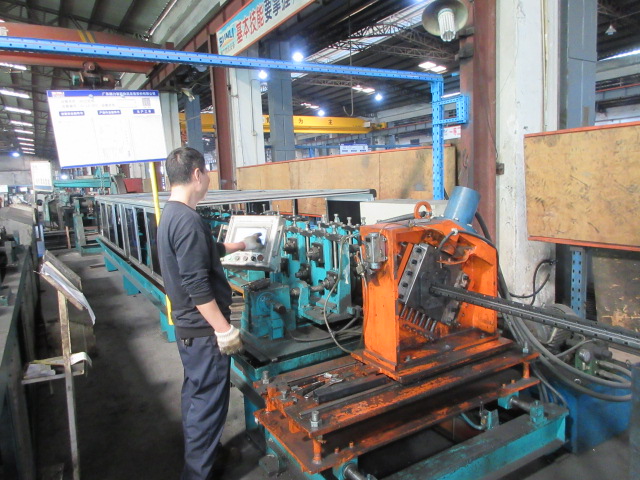
Molding
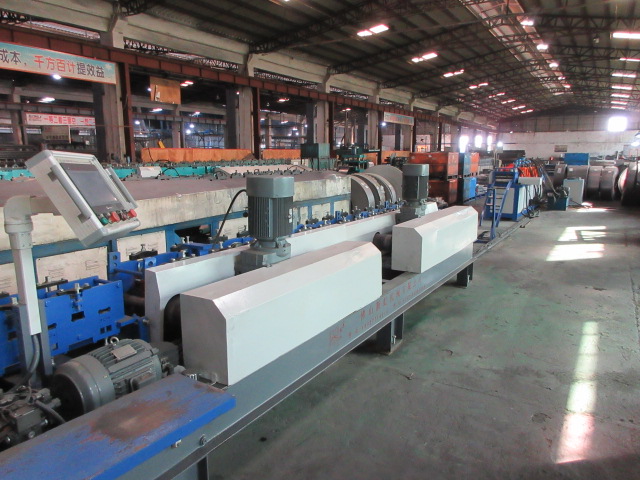
Multi Crossing Beam Line
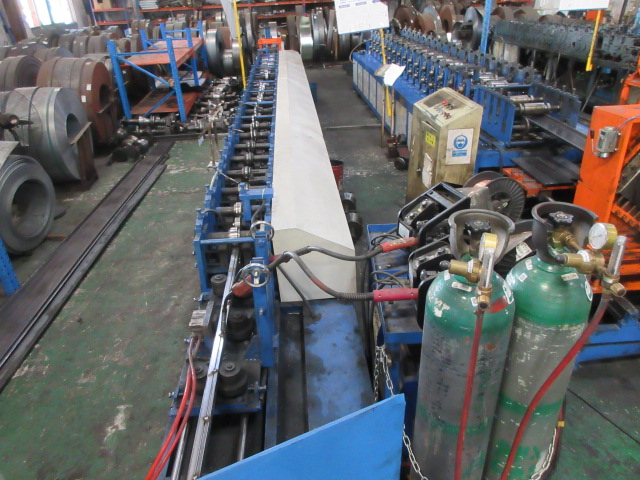
Stepped Beam Line
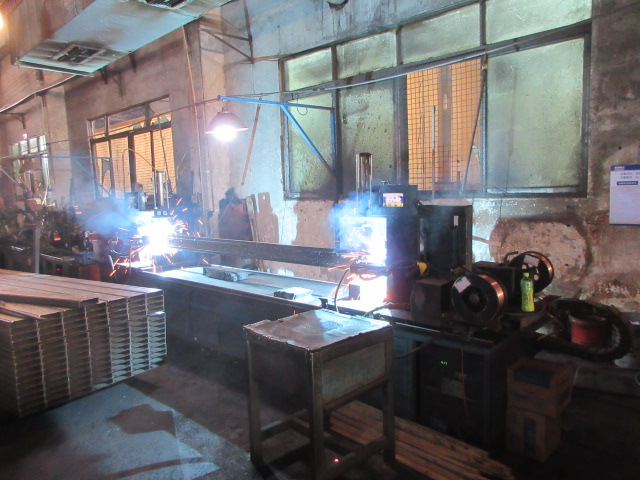
Automatic Welding
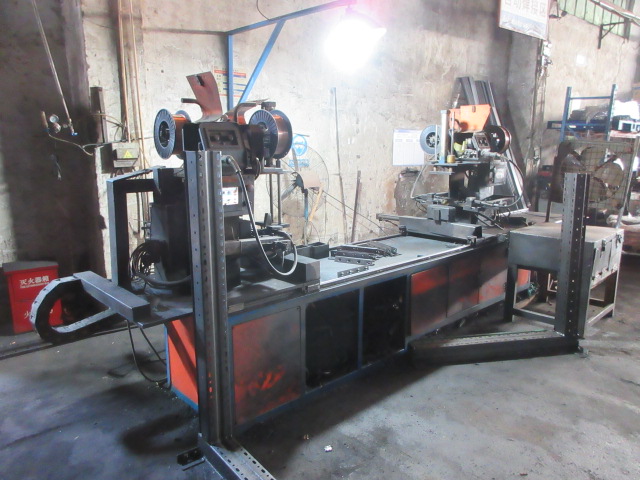
Welding Robot
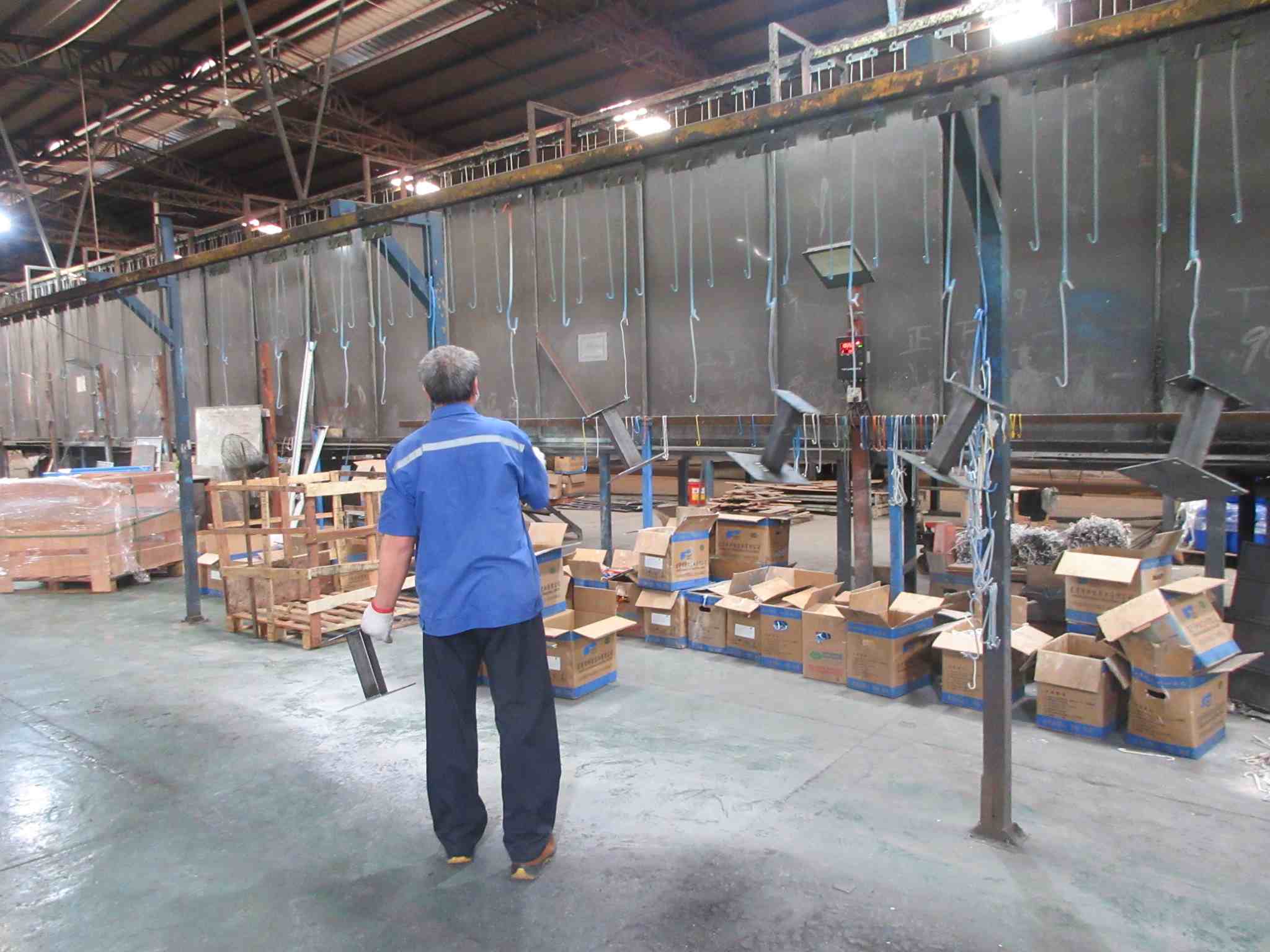
Spray Coating Line
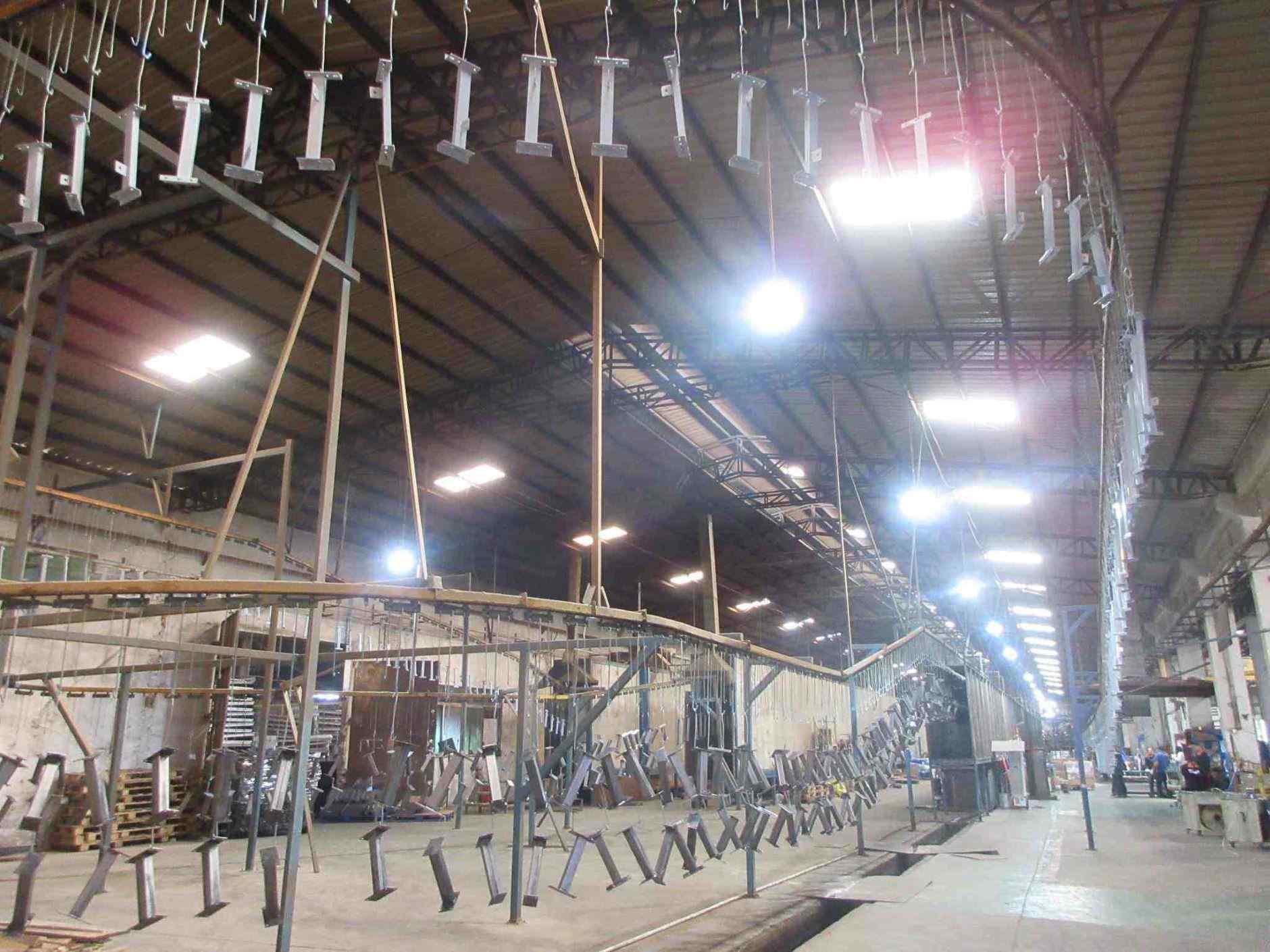
Powder Coating Station
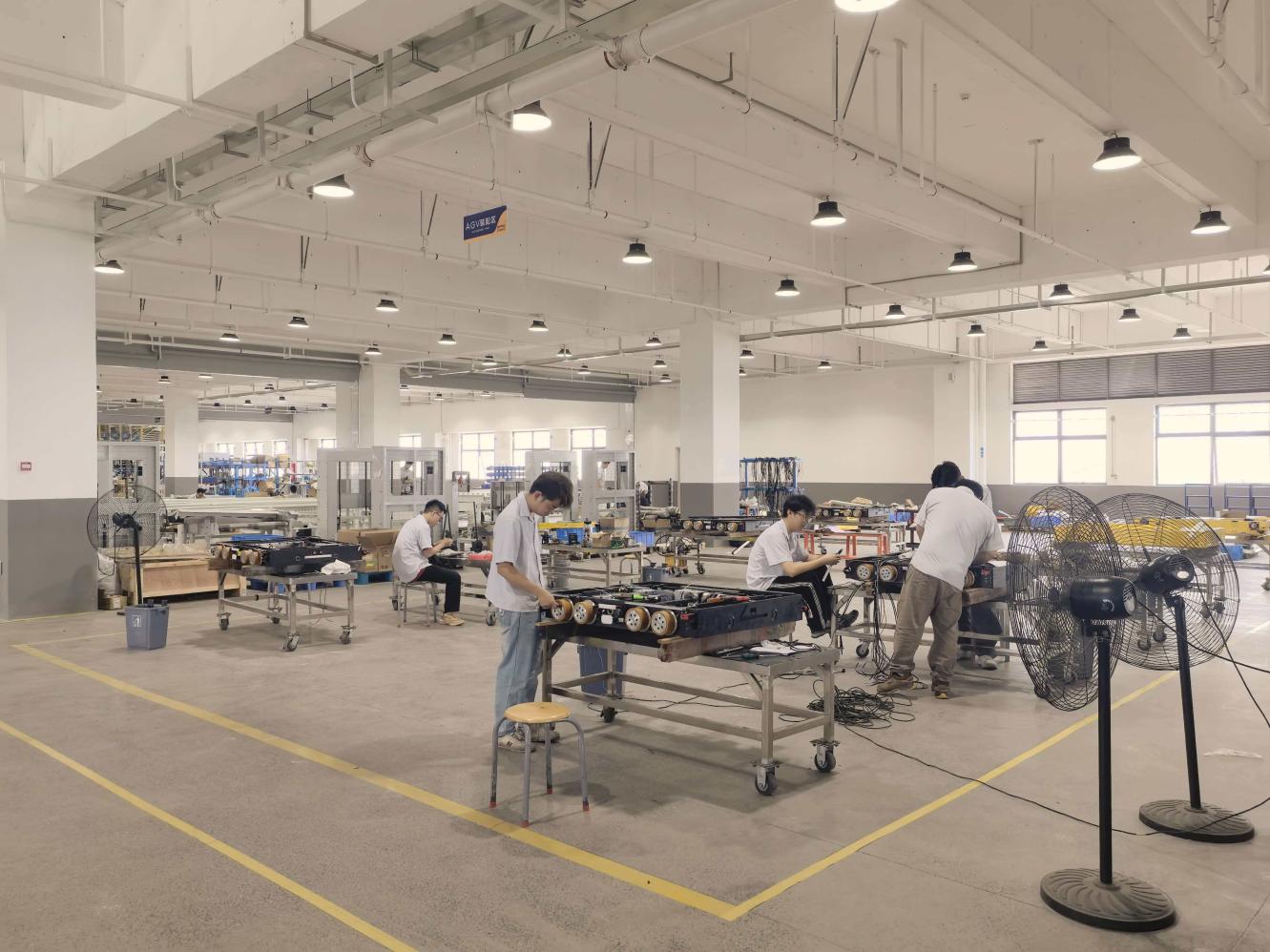
Assembly
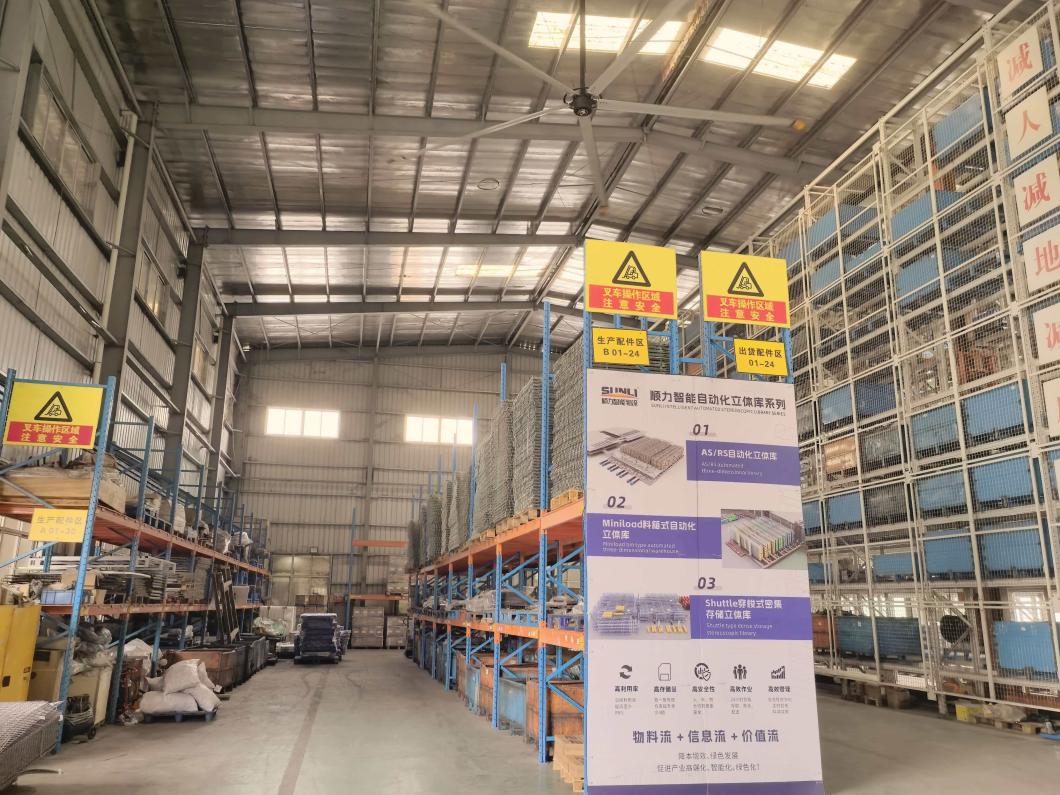
Storage
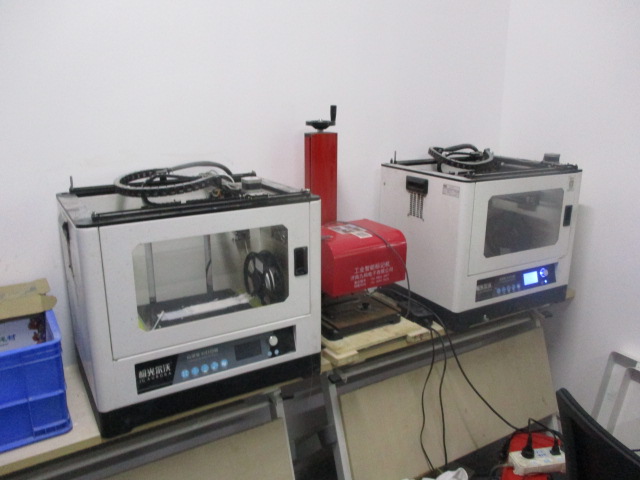
3D Prototyping Printer
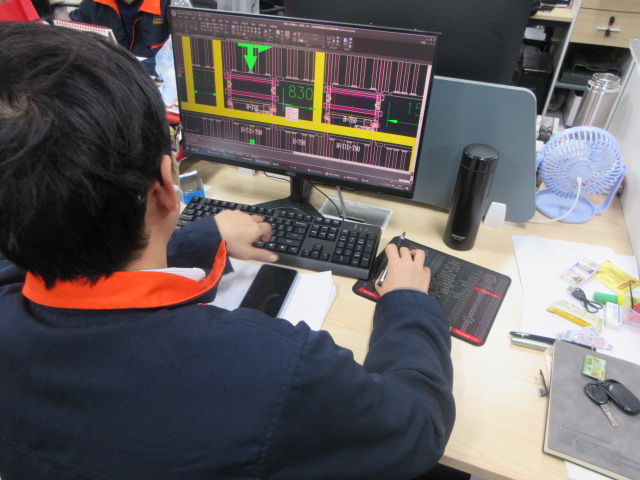
CAD/CAE Drafting
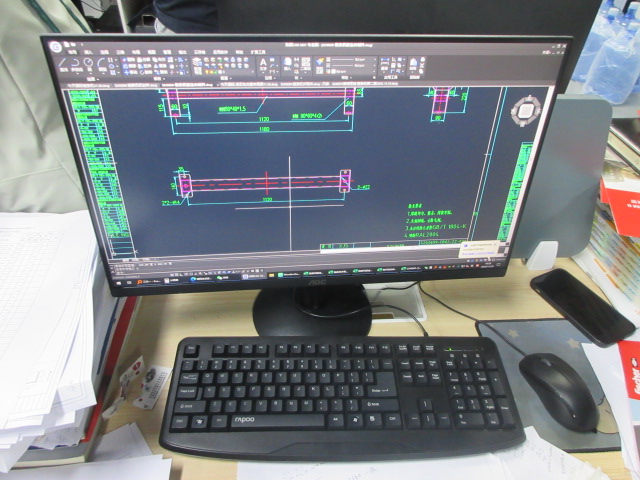
FEA Stress Simulation
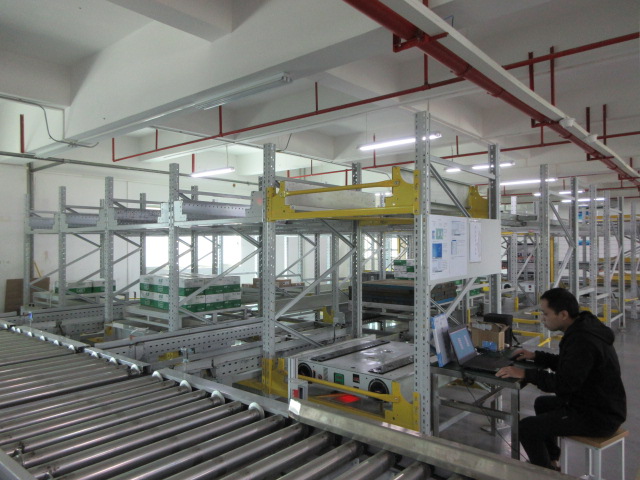
Load-bearing Testing
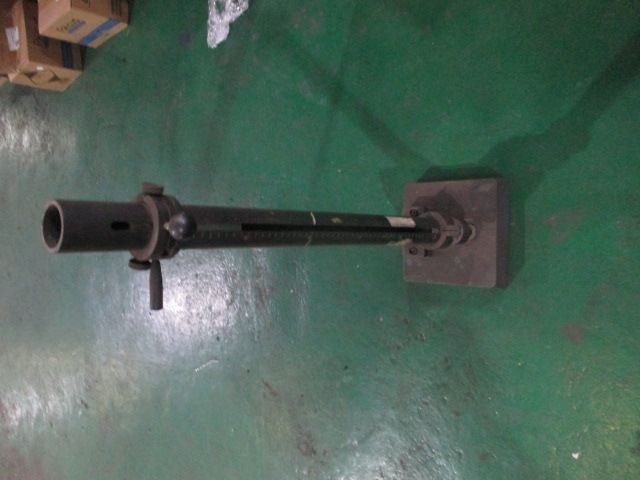
Impact Tester
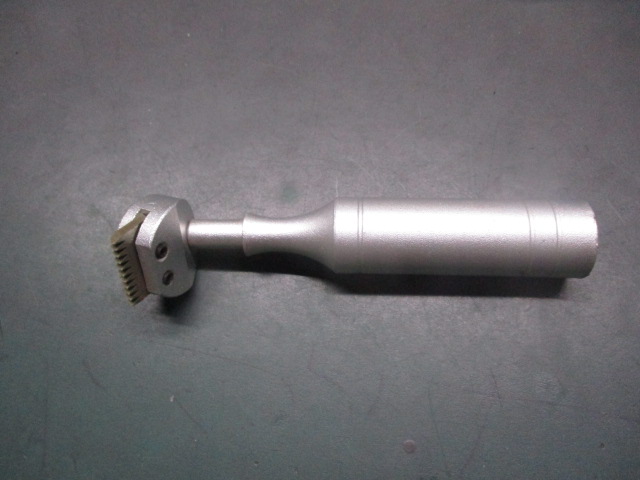
Adhesion Cross-cut Tester
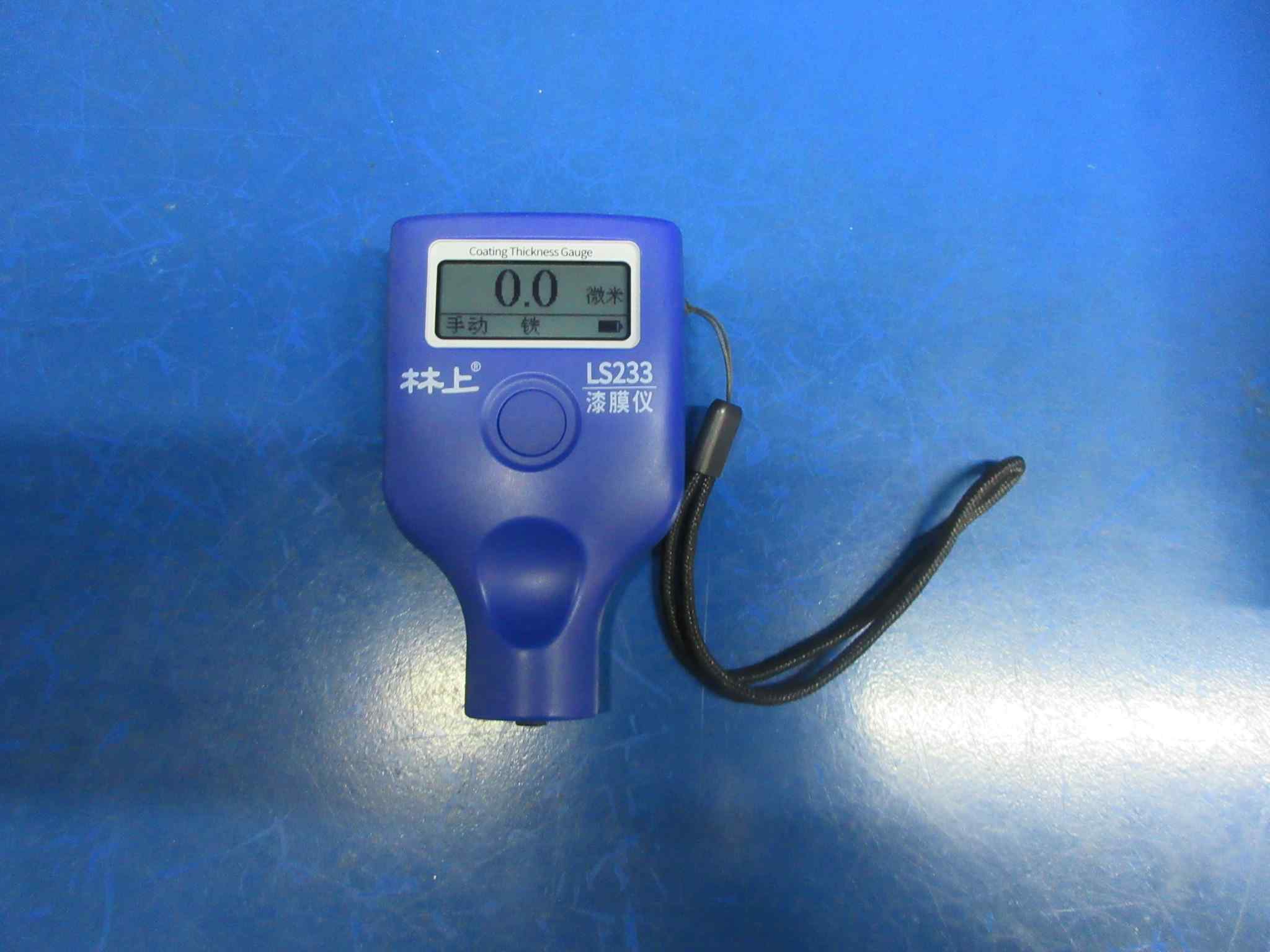
Coating Thickness Tester
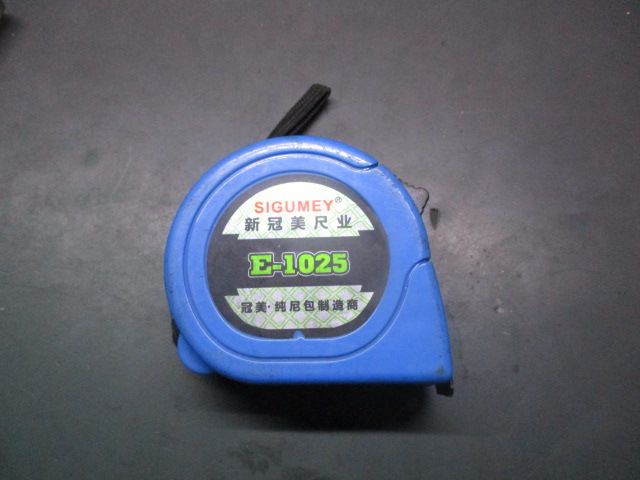
Metal Tape Metrology
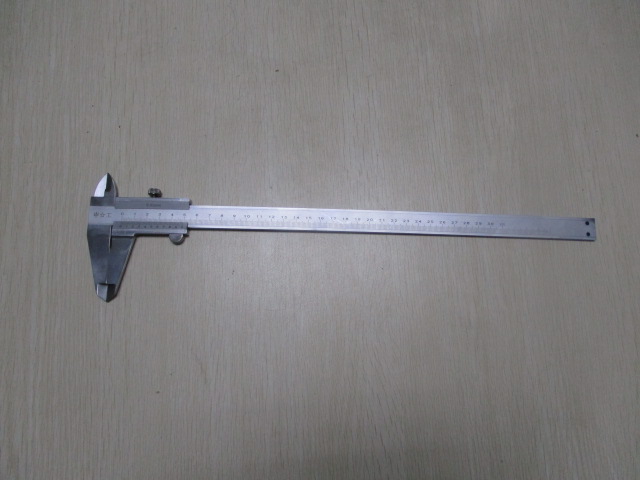
Precision Micrometer
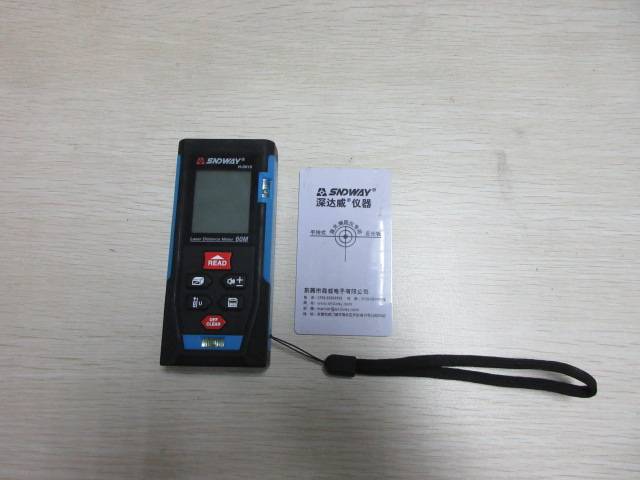
Laser Distance Ruler
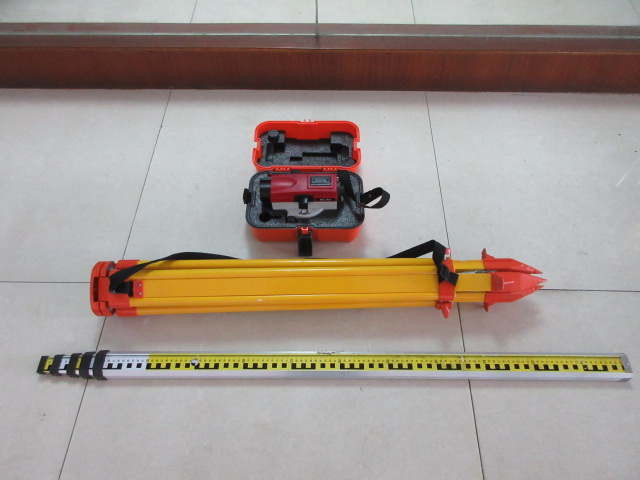
Precision Level Instrument
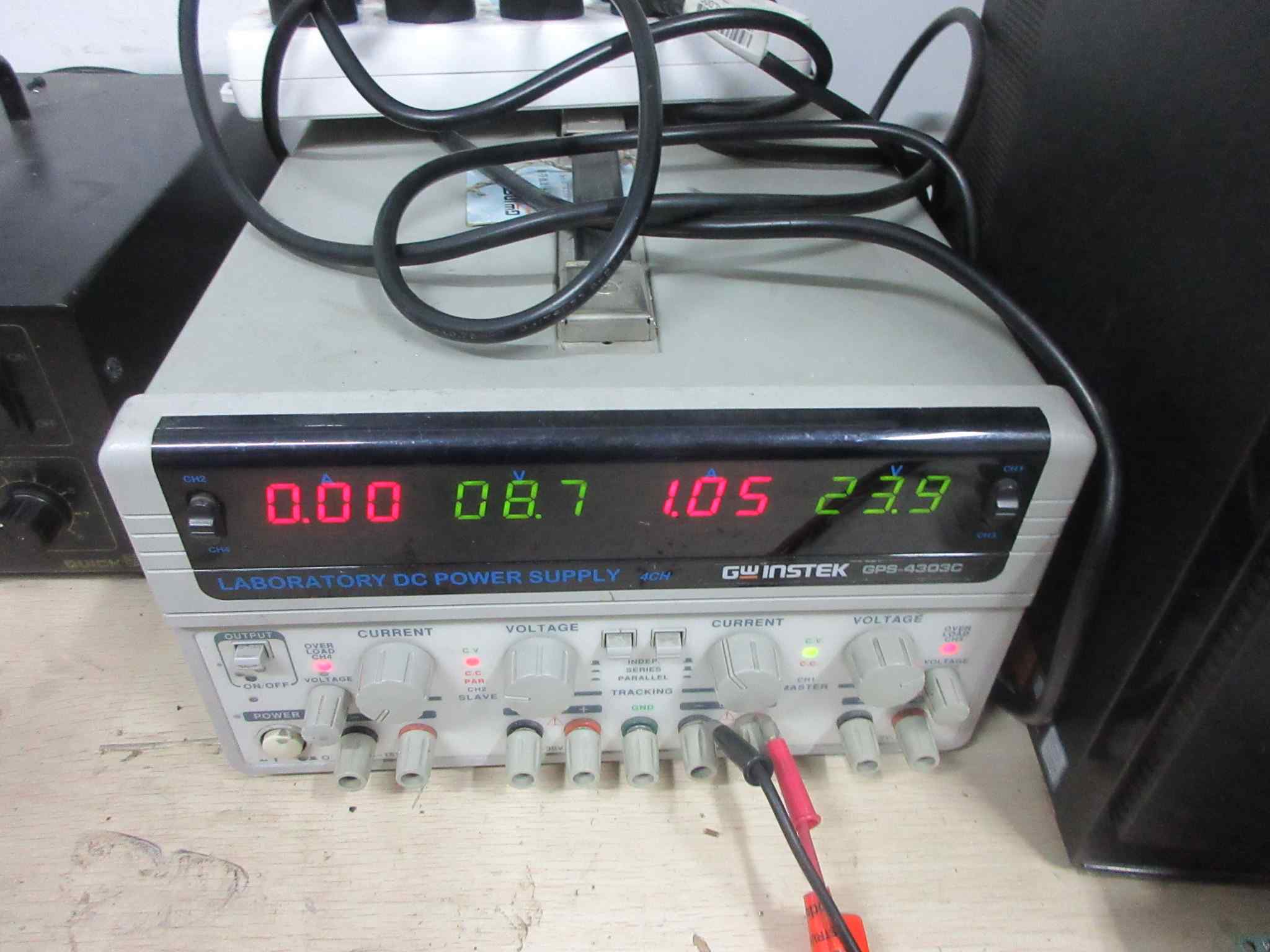
Laboratory DC Power Supply
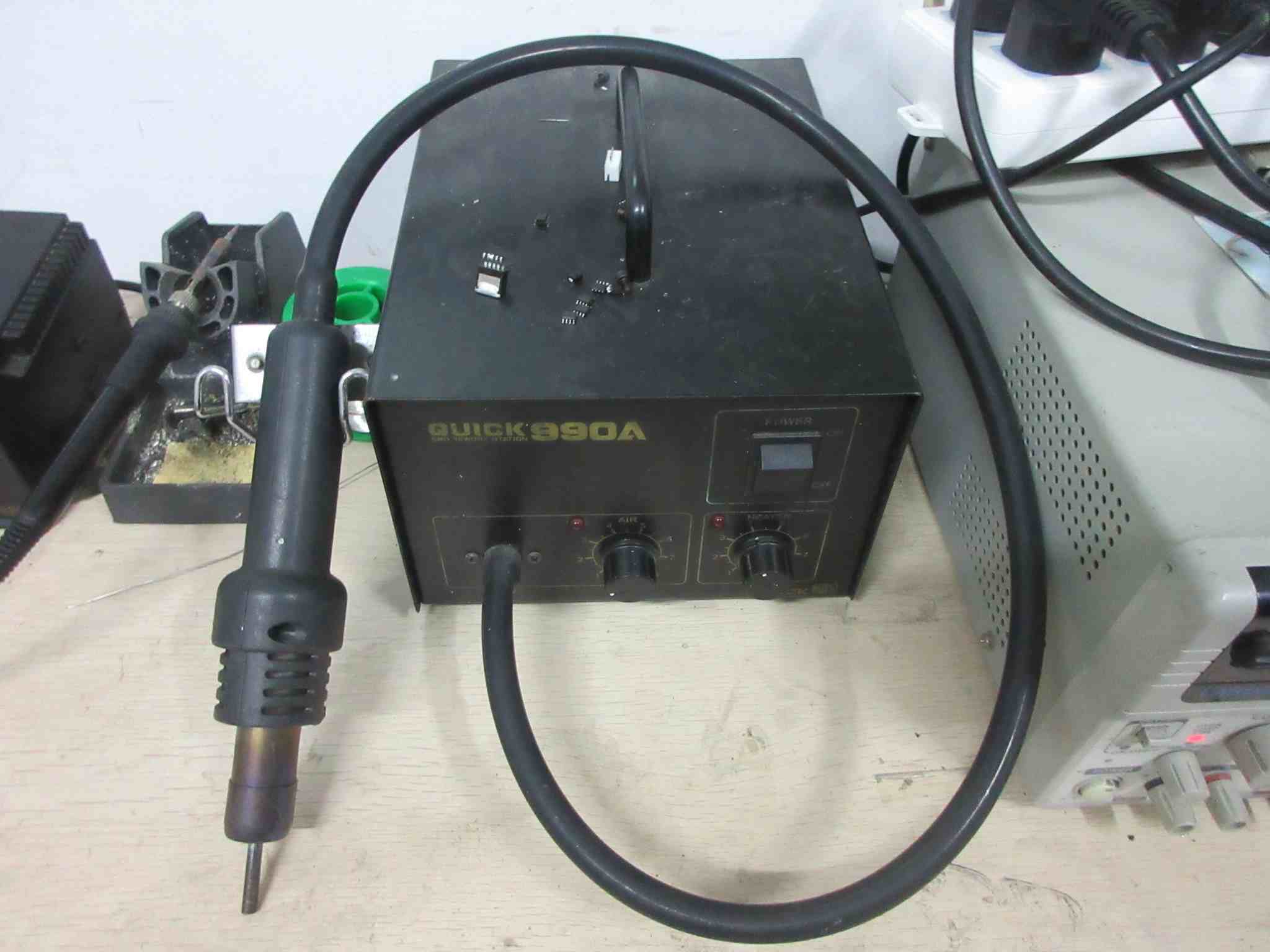
Testing Heat Gun
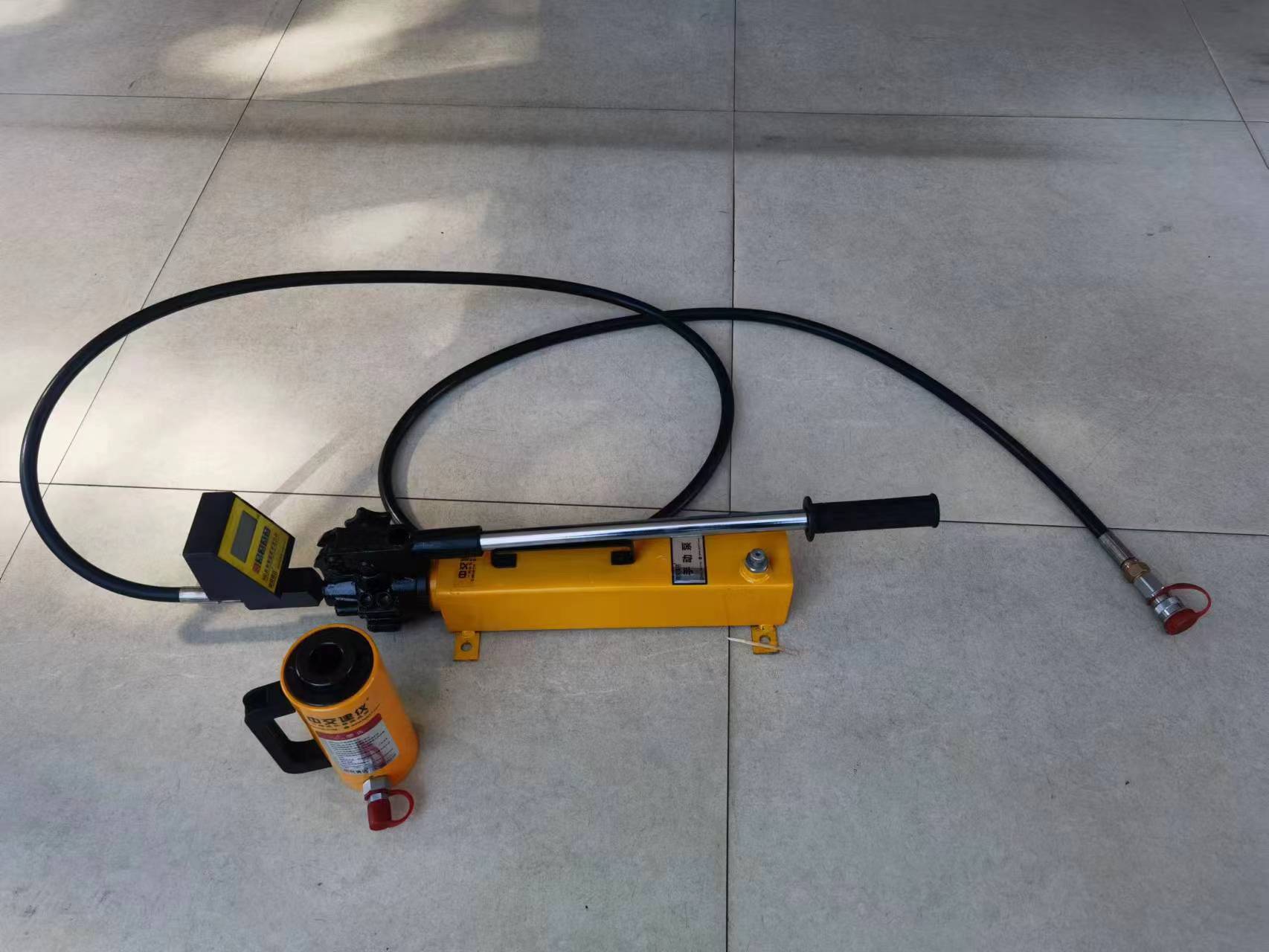
Digital Bolt Drawing Inst.
In the wake of recent global supply chain shocks, industrial procurement managers have refocused on "supply chain resilience" rather than purely buying at the lowest cost. A manufacturer’s proximity to premium metallurgical processing centers, structural coating suppliers, and deep-water ports directly determines their capacity to execute orders on schedule. The Shenzhen-Dongguan-Guangdong industrial cluster represents the most robust logistics equipment manufacturing ecosystem globally. It offers immediate access to cold-rolled steel coils, standardized hardware, and raw materials, protected from localized market shortages.
Sunli sits at the center of this industrial infrastructure. Backed by a strong network of over 800 supply chain partners, we source raw materials under long-term contract pricing. This configuration insulates our customers from sudden steel price inflation. Additionally, our R&D department consisting of 28 skilled design and structural engineers introduces over 120 new configurations and structural design improvements annually. This active development cycle ensures our systems remain compatible with new material handling innovations, automated shuttles, and modern forklift platforms.
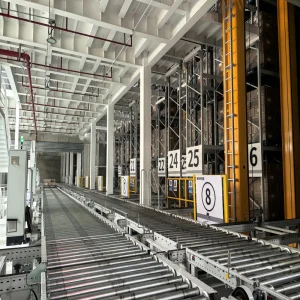
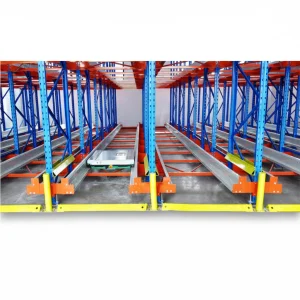
Modern distribution facilities are increasingly moving away from manual static racking systems to mitigate rising labor costs and maximize vertical space. Integrating Automated Storage and Retrieval Systems (AS/RS), bi-directional shuttle systems, and Autonomous Guided Vehicles (AGVs) allows operations to achieve up to 400% higher storage density compared to selective racking. Sunli's engineering team designs and manufactures turnkey structures that integrate seamlessly with automation, meeting tolerances within ±1.5mm to ensure collision-free robot travel.
Industrial storage configurations are determined by the specific demands of the environment in which they are deployed. A standard system configured for ambient consumer goods will fail if placed in a sub-zero cold storage chamber or chemical processing plant. Below, we break down the operational requirements of key industries where Sunli's systems are deployed:
Operational Challenges: High volume of SKUs, rapid picking cycles, and frequent reorganization.
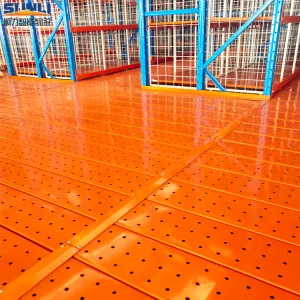
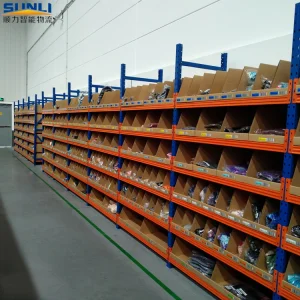
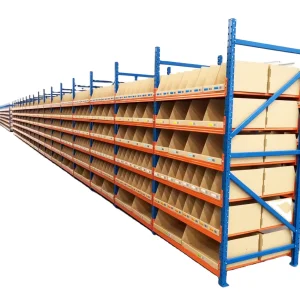
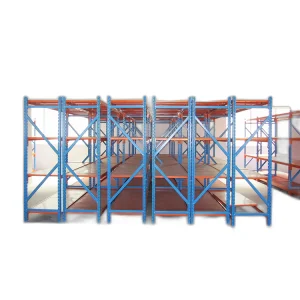
Solution: Pick modules combined with multi-tier mezzanine floor platforms, integrating gravity flow shelves and conveyor runways to optimize pick rates.
Operational Challenges: High refrigeration energy costs require maximum density; materials must withstand temperatures down to -30°C without embrittlement.
Solution: Double-deep racking, drive-in systems, or mobile rack setups using specialized low-temperature structural steels.
Operational Challenges: Heavy and irregular loads, high risk of impact from heavy forklifts.
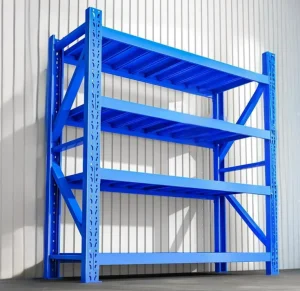
Solution: Heavy-duty selective pallet racks or cantilever racking. These systems are outfitted with structural upright protectors, guide rails, and high-strength base plates.
 SunliRack