High-density engineering components, automated guided vehicles, and structural protections optimized for modern warehousing operations.
How dynamic storage systems are transforming supply chains, decreasing warehousing footprints, and optimizing intralogistics throughput.
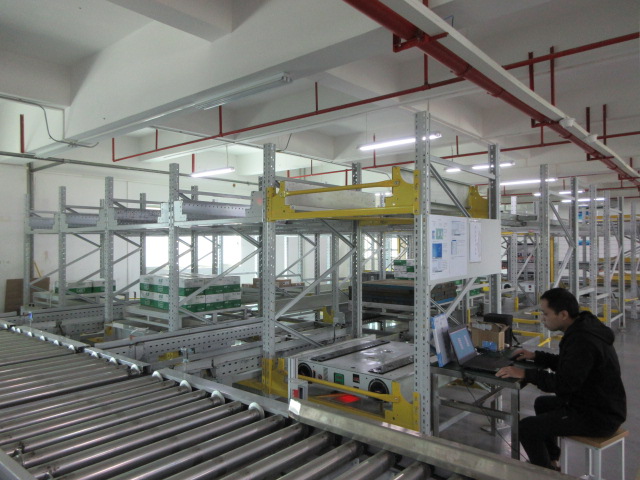
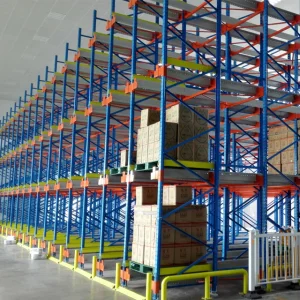
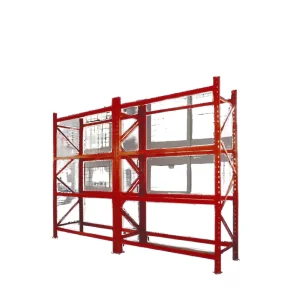
In the era of hyper-optimized supply chains, standard static shelving no longer satisfies the dynamic demands of global commerce. Globally, industries are converting to Gravity Flow Racking Systems—commonly referred to as Pallet Flow or Carton Flow systems—to utilize natural kinetic forces. By utilizing gravity to glide pallets down pitched runways from the loading point (entry) to the retrieval face (exit), businesses achieve unmatched throughput speeds while reducing handling equipment footprints.
As space acquisition costs skyrocket across metropolitan regions in North America and Western Europe, gravity flow systems emerge as the primary high-density option. Because they minimize access aisles and maximize vertical volume utilization, these setups can reduce physical footprints by up to 50% compared to traditional selective racking layouts.
For sectors processing perishable products, chemicals, pharmaceuticals, and fast-moving consumer goods (FMCG), preserving the strict FIFO (First-In, First-Out) structure is not optional. It is a critical operational standard. Gravity racking inherently guarantees FIFO execution because the first pallet loaded on the input lane is mechanically routed to the unloading face first.
This design virtually eliminates human tracking errors, simplifies lot trace routines, and minimizes obsolescence overheads. Consequently, quality control and compliance teams globally prioritize dynamic flow structures over drive-in racking layouts to guarantee strict cycle rotations.
A deep dive into the mechanical components, kinetic speed limits, structural materials, and engineering dynamics that sustain dynamic performance.
Engineering a functional pallet flow system requires precise management of kinetic energy. Pallets traversing a flow lane generate gravitational acceleration. If left unchecked, this speed causes severe collisions with structural frames or forklift forks at the unloading side. To avoid structural failure, the incline angle of the runways must be configured exactly between 3% and 4%, depending on the target pallet weight profiles (usually ranging from 500kg to 1500kg per pallet).
To control this motion, manufacturers install centrifugal brake rollers at calculated spacing throughout the lane. These rollers apply resistive force proportional to the pallet velocity, ensuring that velocities do not exceed 0.3 meters per second. Additionally, heavy-duty separator mechanisms are installed at the lane discharge face to isolate the front pallet from the hydraulic pressure of subsequent pallets, permitting safe, friction-free forklift extraction.
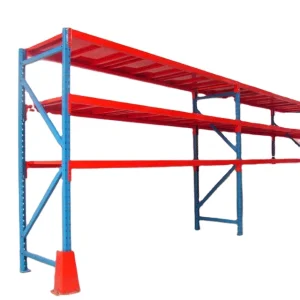
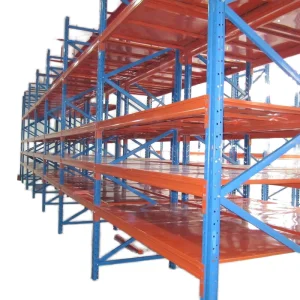
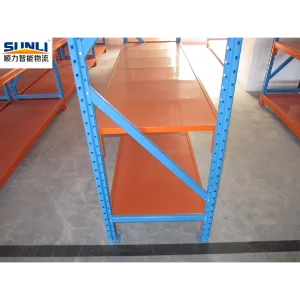
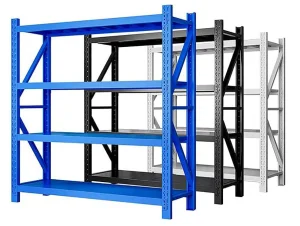
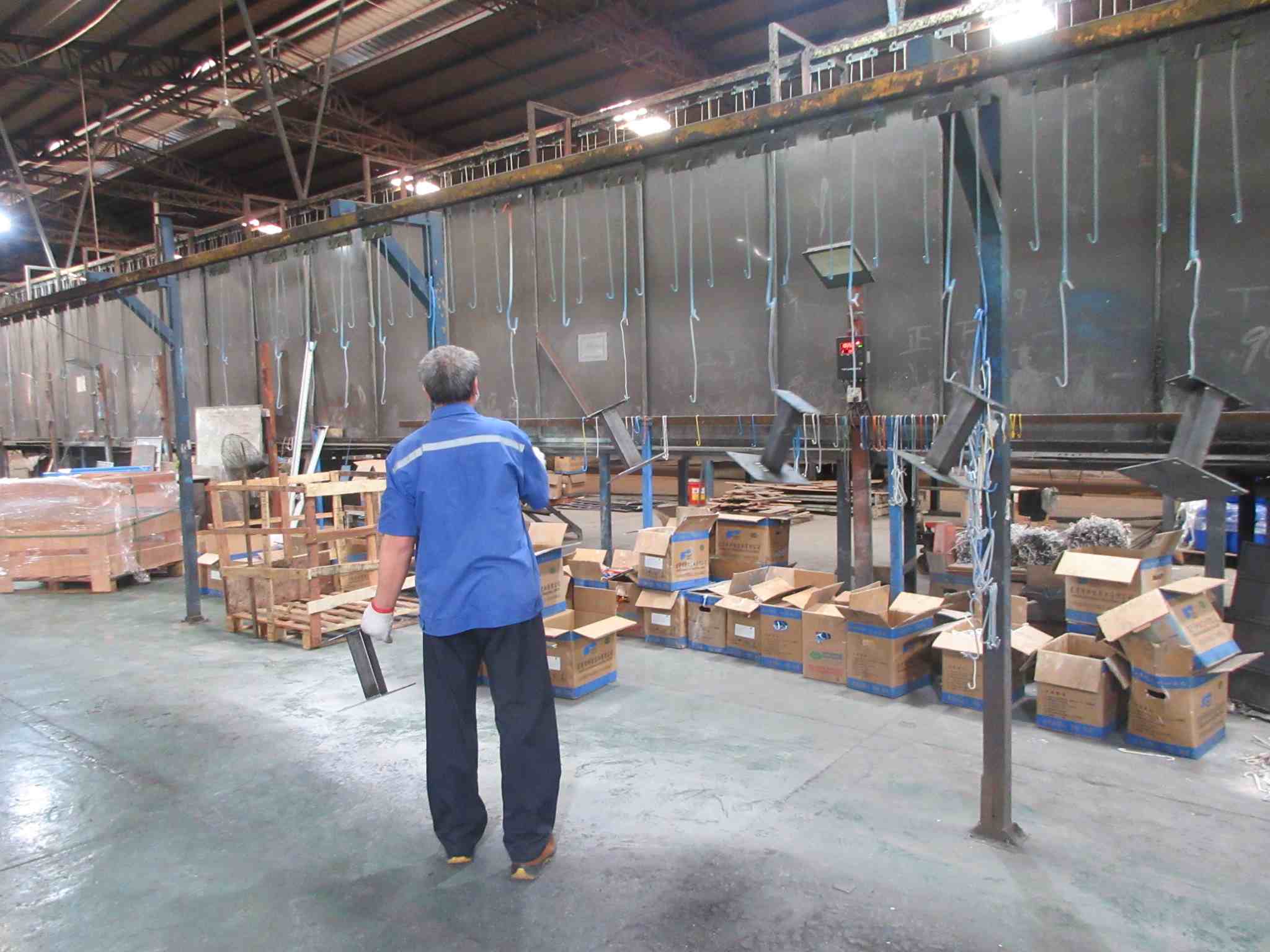
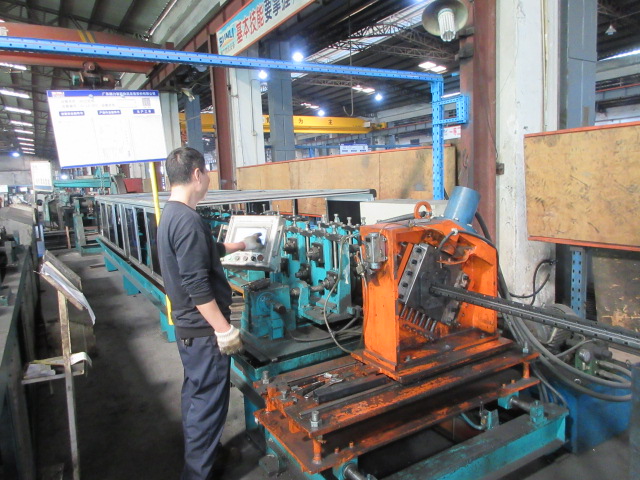
The structural columns and beams must withstand massive dynamic loads. Sunli uses structural cold-formed Q235B and high-strength Q355B steel to balance material flex and load-bearing performance. Advanced roll-forming lines shape steel upright profiles with a precision profile tolerance within 0.5mm, ensuring vertical tracking consistency. Powder coating processes apply a corrosion-resistant electrostatic layer designed to withstand moisture in ambient facilities and prevent metal embrittlement in sub-zero cold-storage setups.
Established in 2015, Sunli is a premier global innovator in heavy-duty industrial racking and automated intelligent warehouse storage solutions.
Operating from a state-of-the-art production facility spanning 38,000 m², we leverage over 12 years of industry experience and 8 years of international trade expertise to serve global logistics and industrial sectors. Our high-performance storage solutions generate an annual export revenue ranging between $18 million and $25 million, with core markets spanning North America, Western Europe, Southeast Asia, and the Middle East.
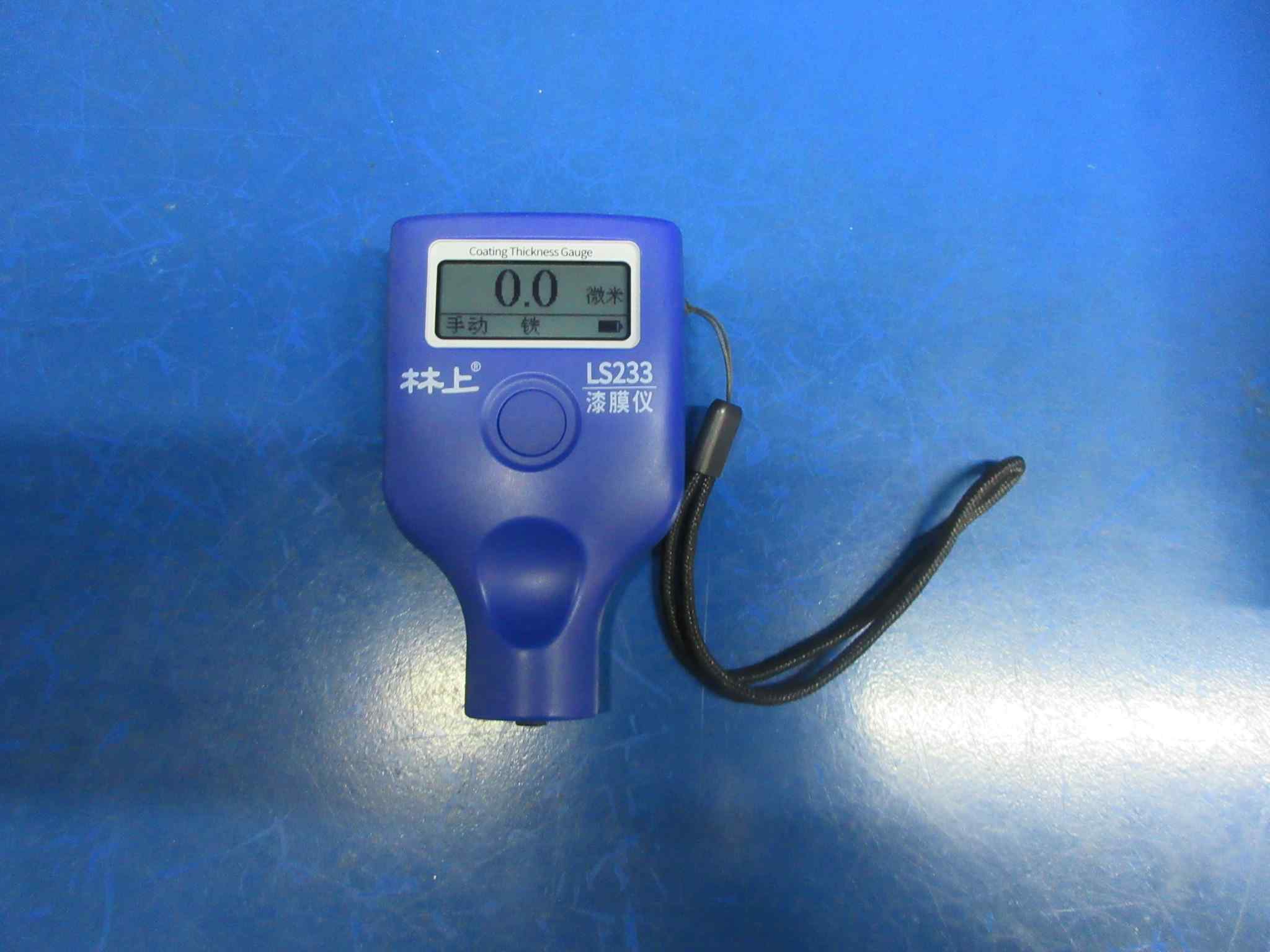
Quality and precision are central to our operations. Our dynamic team of 35 dedicated QC professionals implements rigorous product inspection methods, including full raw material load-bearing analysis, high-precision weld seam testing, and comprehensive anti-corrosion powder-coating thickness checks. Driven by strong R&D capabilities, our team of 28 skilled R&D engineers continuously innovates to meet evolving supply chain requirements, introducing over 120 new products and structural improvements annually.
We offer extensive OEM/ODM custom options, including tailored load capacities, custom rack dimensions, color powder coatings, and fully integrated automated shuttle systems (AS/RS). Backed by a strong network of over 800 supply chain partners, we primarily partner with large-scale 3PL providers, industrial distributors, ecommerce logistics hubs, and global retail enterprises to deliver reliable, efficient, and scalable storage infrastructure worldwide.
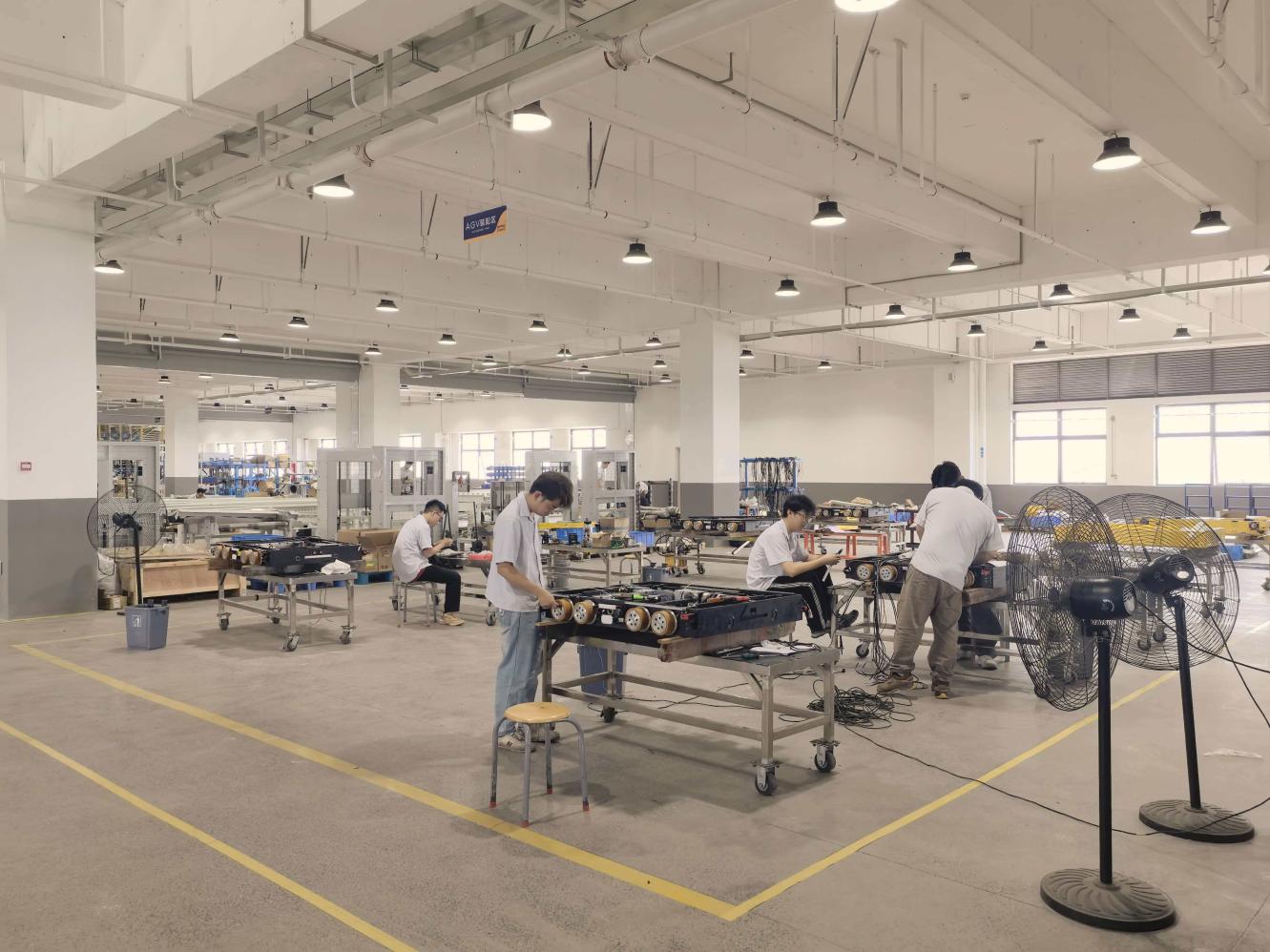
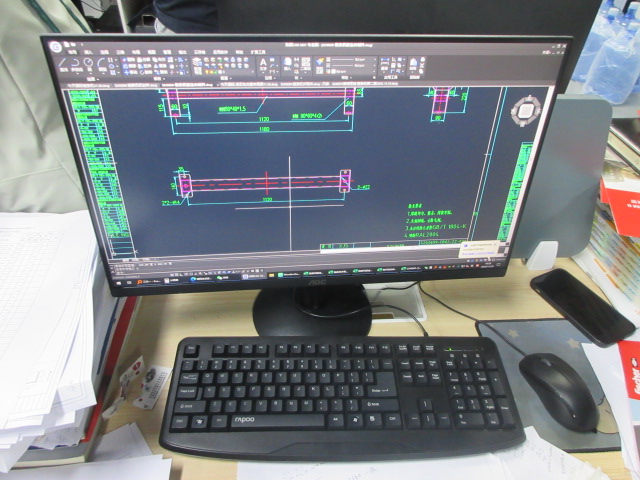
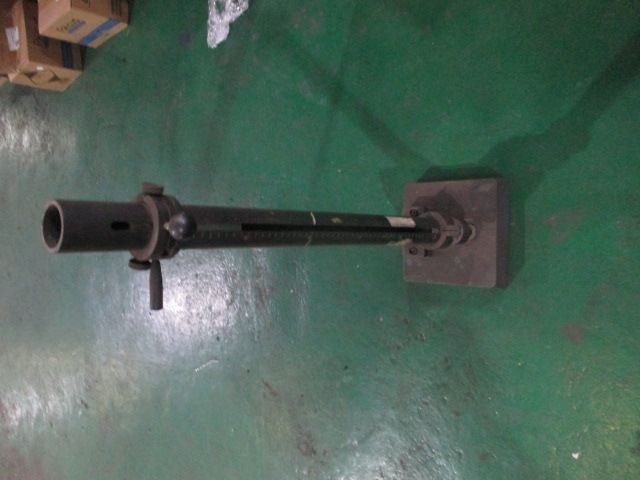
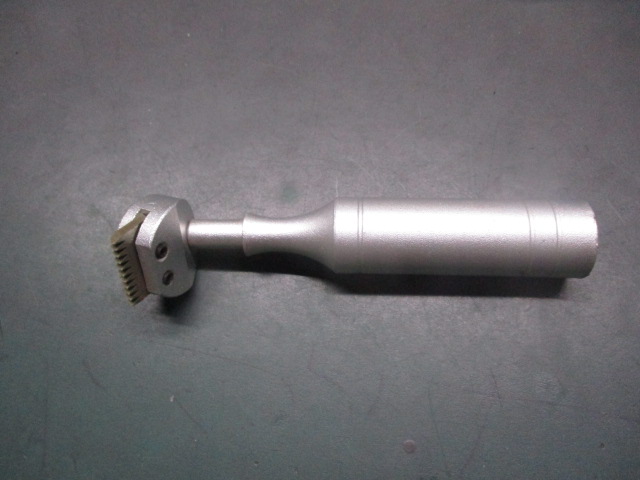
A transparent look at our specialized manufacturing processes, roll-forming units, automated assembly systems, and chemical-adhesion testing tools.
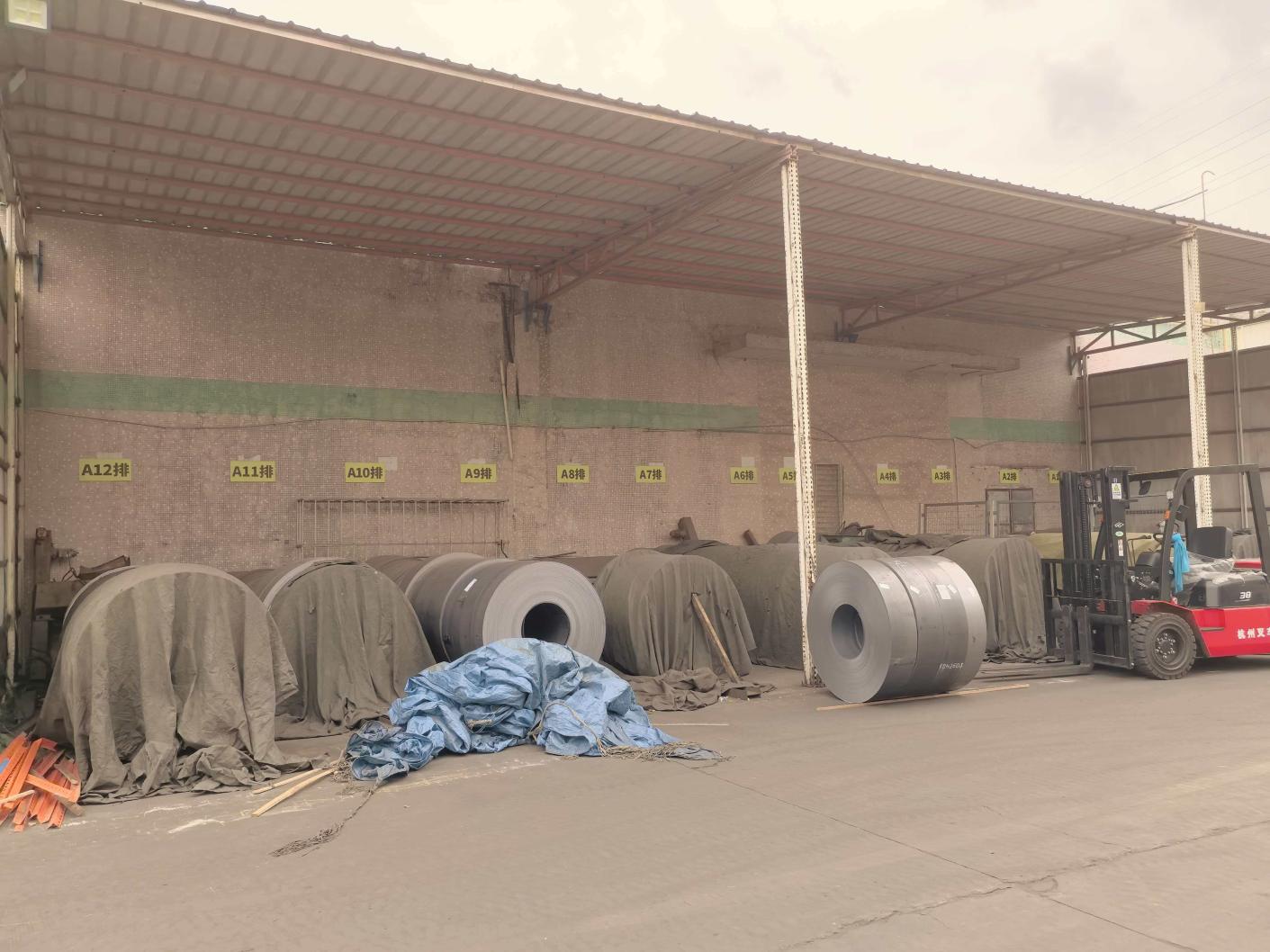
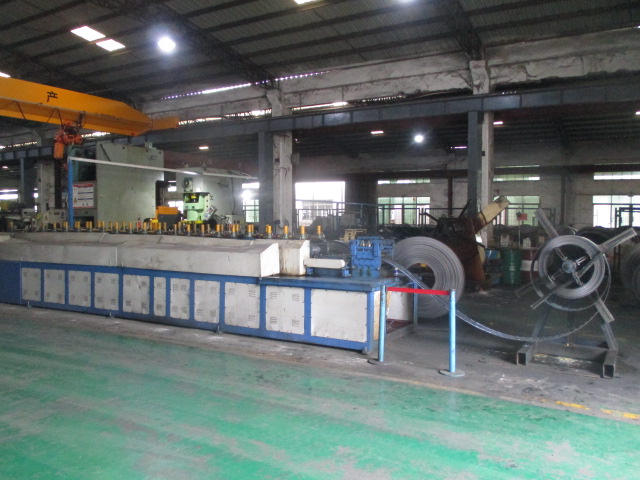
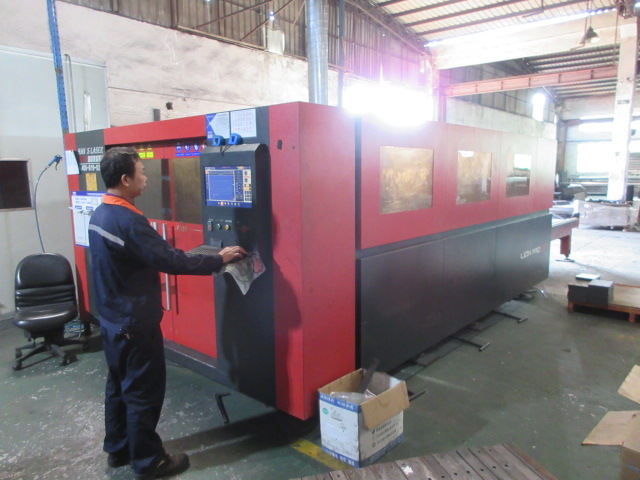
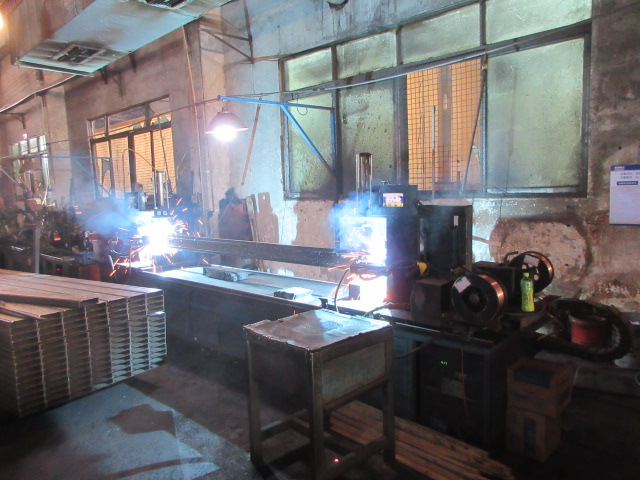
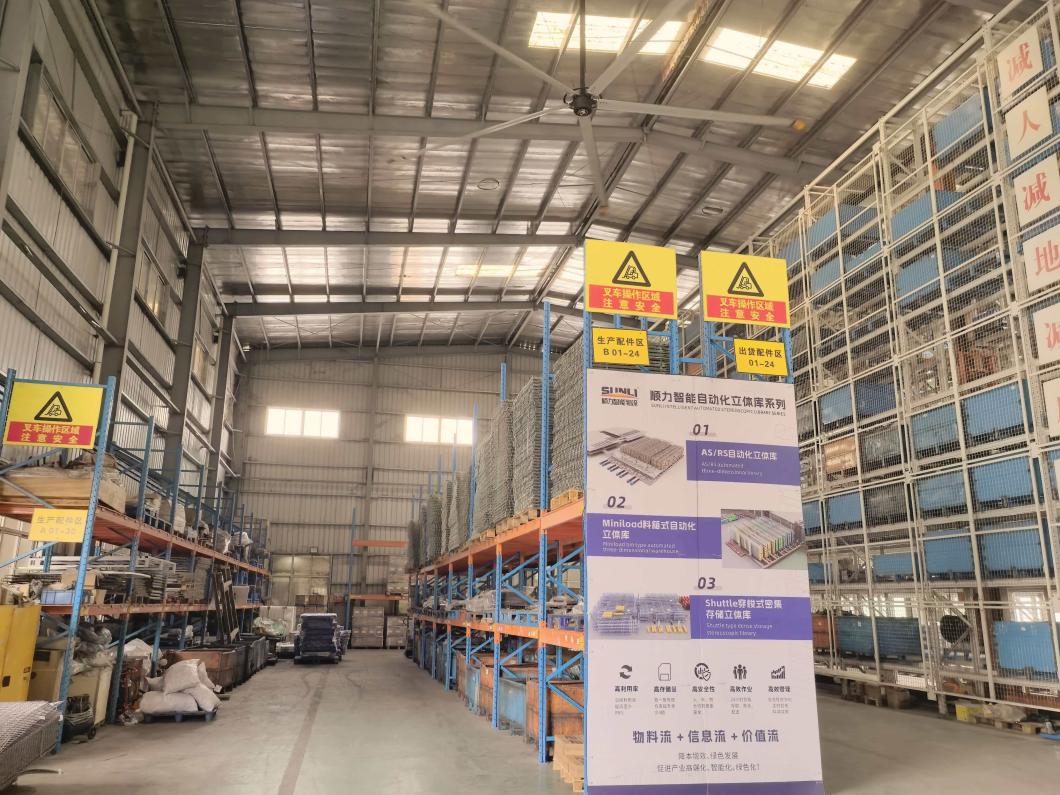
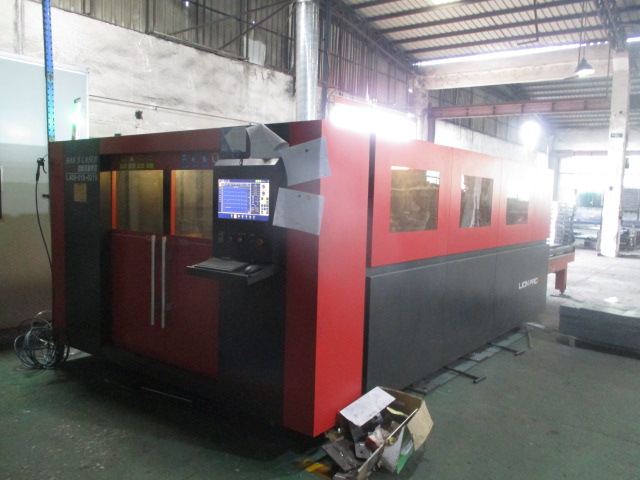
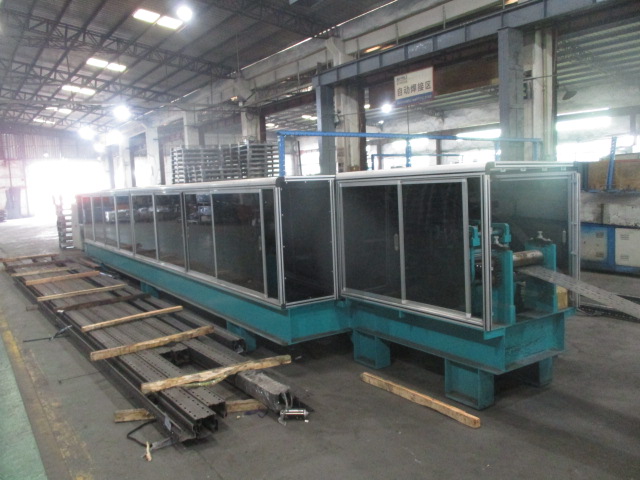
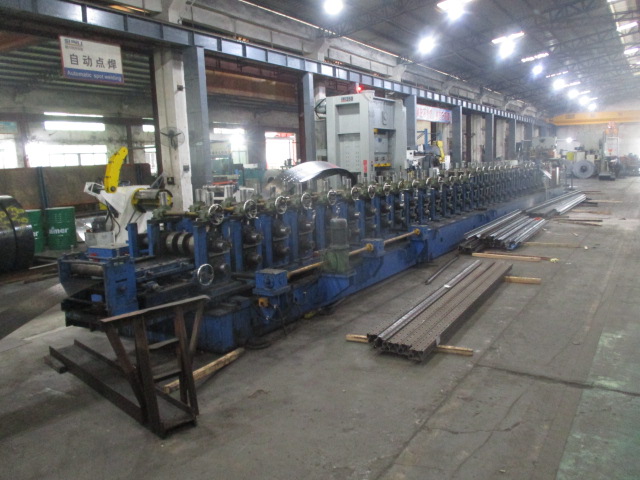
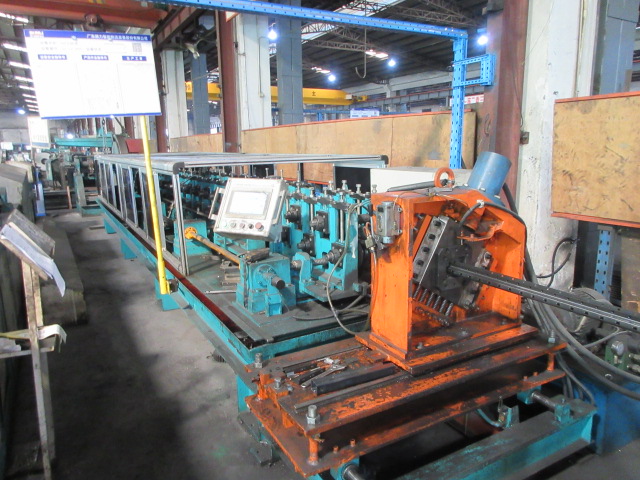
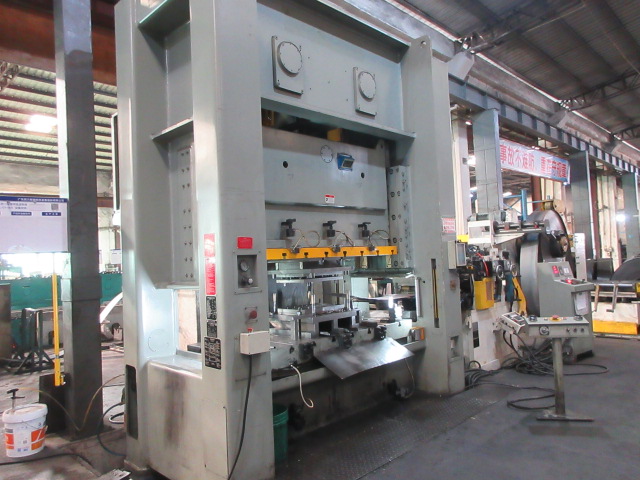
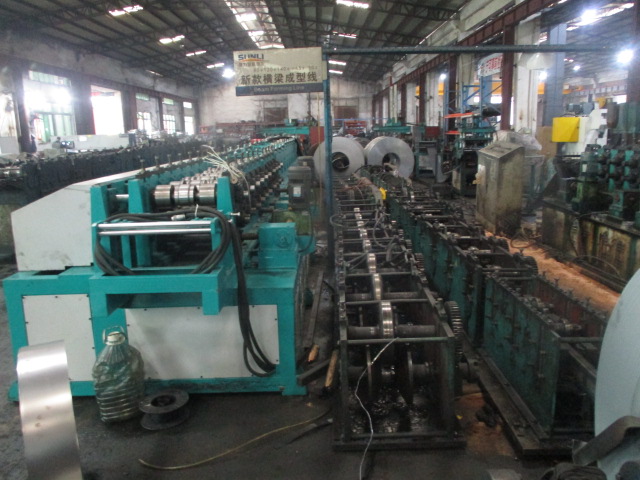
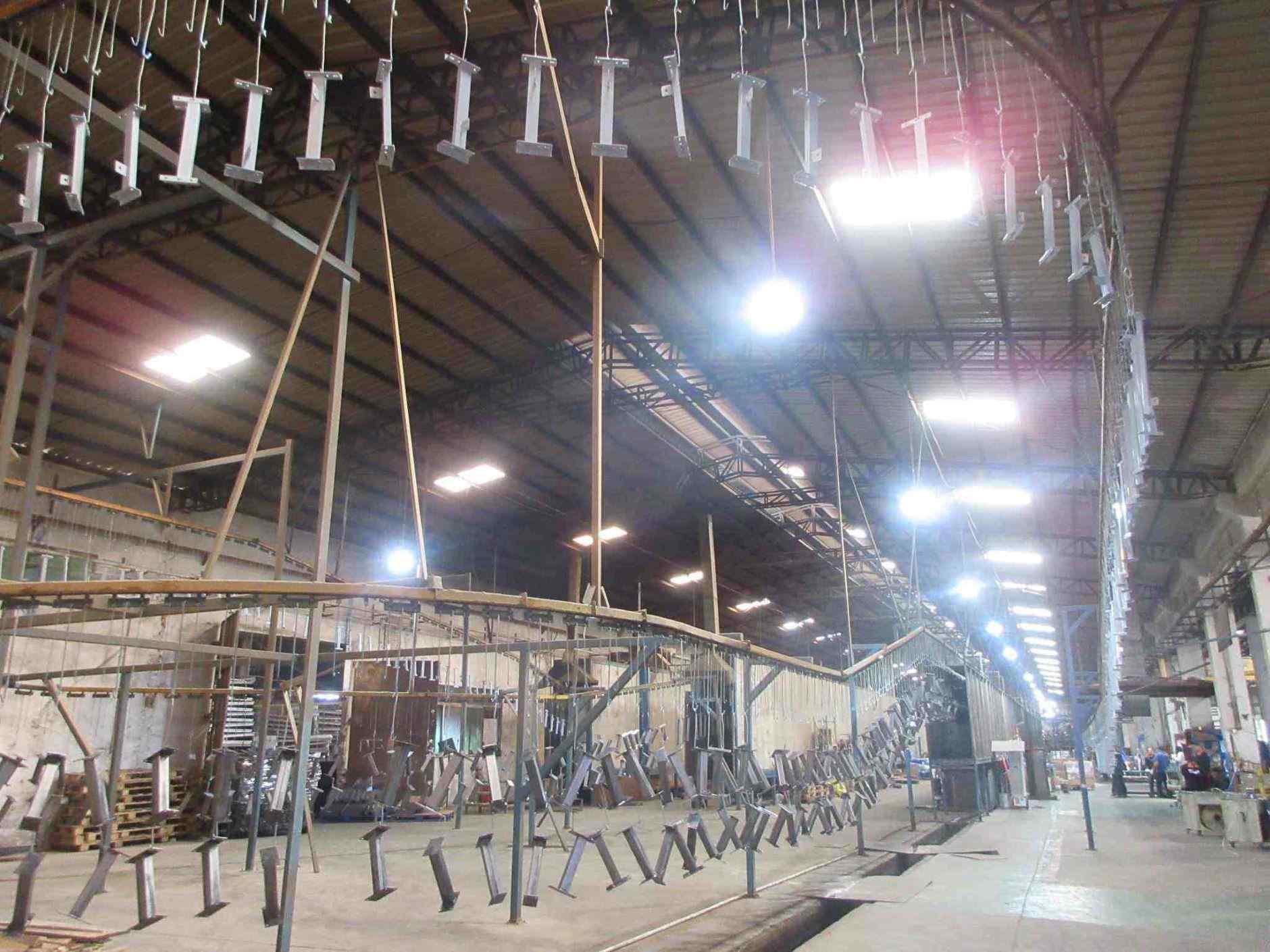
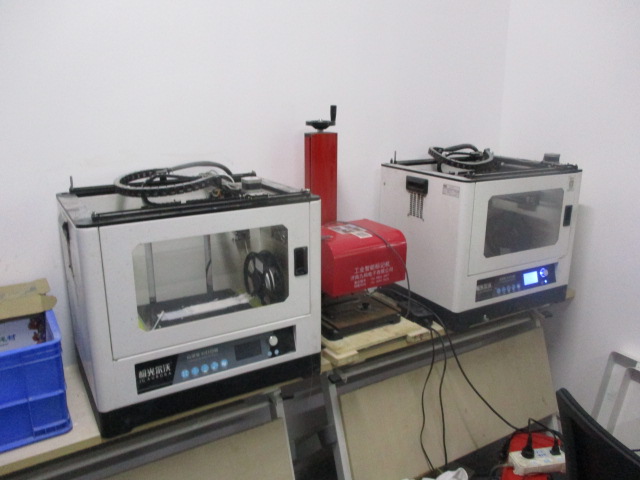
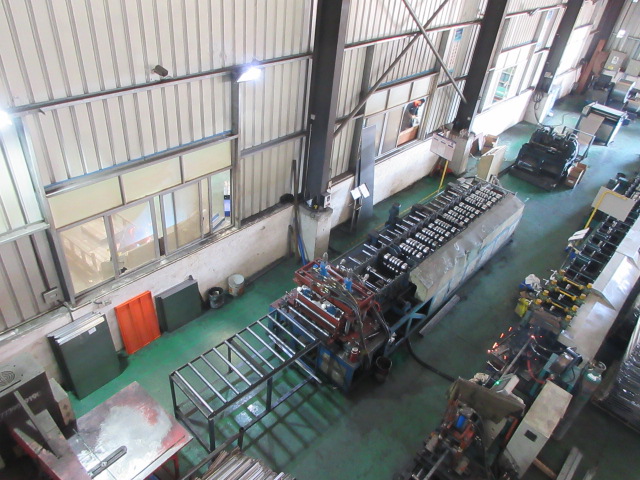
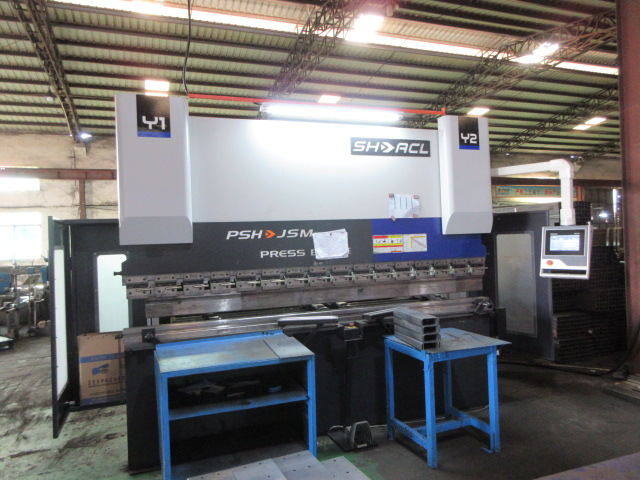
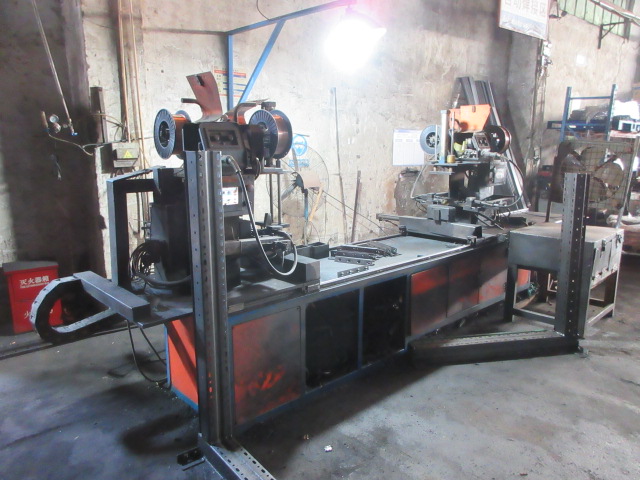
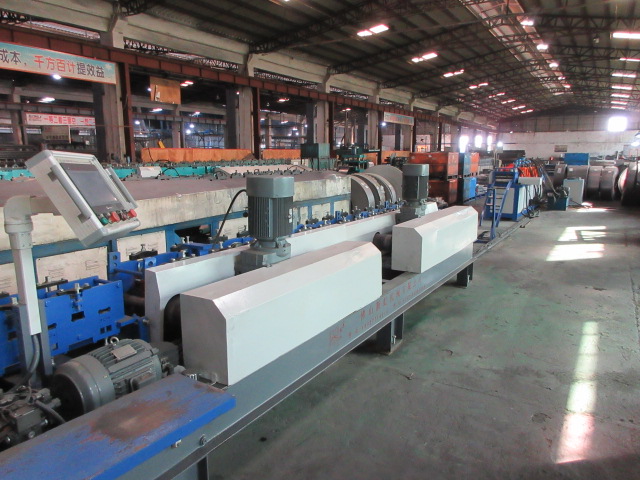
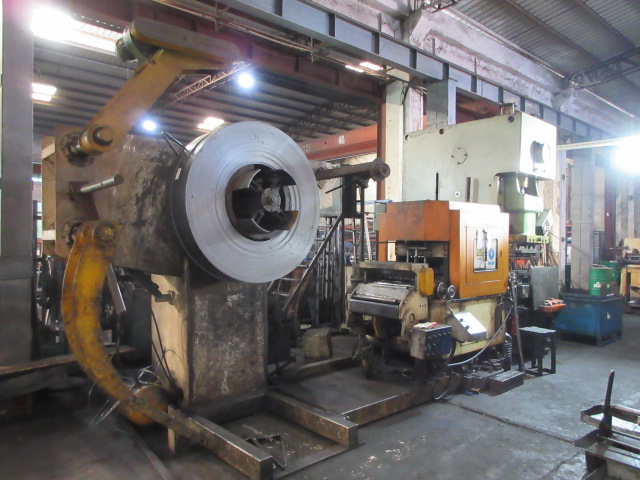
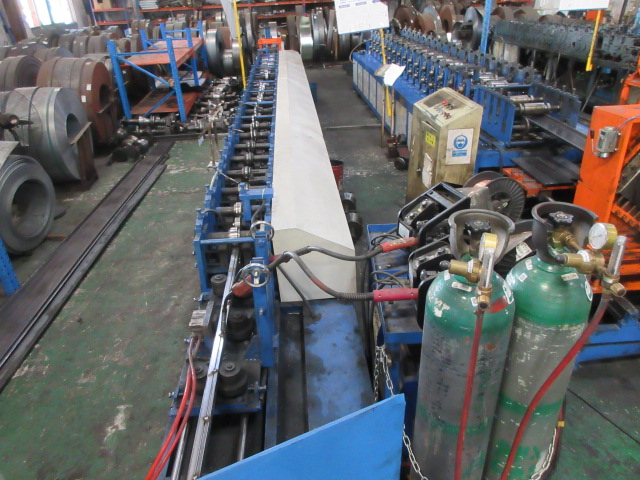
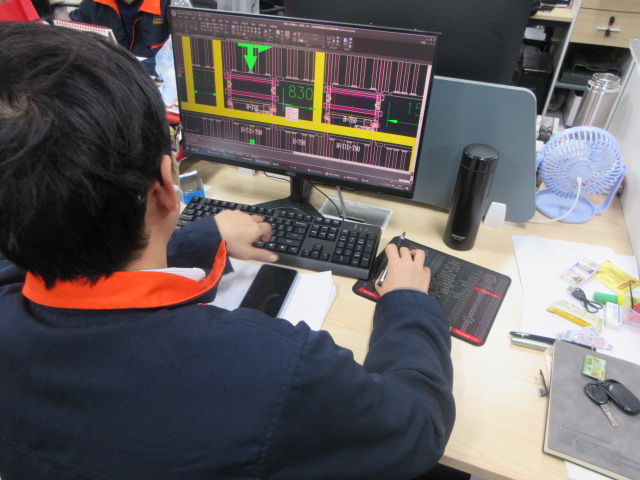

Custom-engineered systems tailored to address distinct layout challenges, temperature profiles, and speed requirements across global sectors.
In cold storage warehouses, heating and energy costs are primary operational constraints. Selective racking systems waste refrigerated cubic space with excessive aisles. Gravity flow racking concentrates storage volume into a dense block, drastically reducing cooling losses. Sunli uses low-temperature specialty lubricants for internal brake bearings, ensuring consistent rotational speeds down to -30°C without freezing or jamming.
FMCG distribution hubs process massive, continuous pallet flows daily. Flow lanes combined with automated replenishment cycles provide a seamless logistics environment. Pallets loaded at the rear move smoothly to the dispatch face without forklift entry, protecting rack columns and reducing structural damage risks.
Just-in-time (JIT) manufacturing requires components to arrive at the production line in a precise sequence. Carton flow and gravity flow configurations support immediate inventory staging, keeping the picking area continuously supplied with components. This minimizes transit times, controls manual handling, and helps maintain lean manufacturing metrics.
Pharmaceutical logistics require strict batch isolation and expiration controls. Because gravity systems enforce mechanical FIFO flow, lot verification and quarantine procedures can be handled per lane. The separation mechanisms ensure older batches are cleared first, helping operators comply with strict regulatory guidelines.
Our engineering division's vision for combining dynamic gravity flow infrastructure with advanced digital intelligence systems.
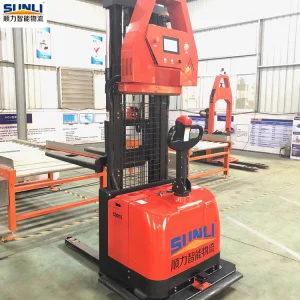
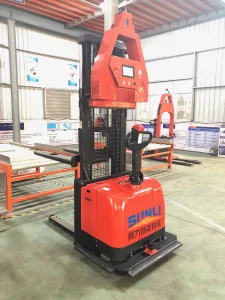
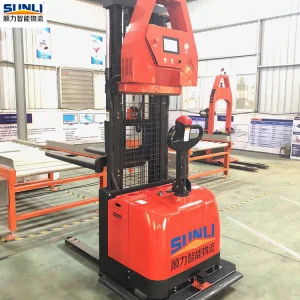
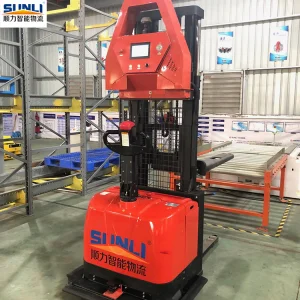
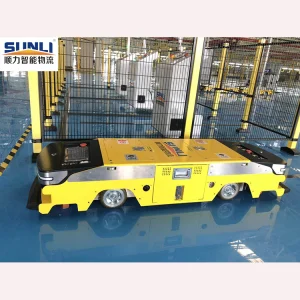
The next era of storage design focuses on integrating dynamic racks with laser-guided automated guided vehicles (AGVs), such as the SUNLI SL-AGV-1000BY-01. When loading and unloading are managed by automated fleets, gravity flow systems serve as efficient accumulation lanes. Sensors at the input and output faces coordinate with warehouse control systems (WCS) to dispatch AGVs for pallet retrieval the moment a lane updates, eliminating human transit wait times.
We are developing smart rollers equipped with internal piezoelectric micro-generators. As pallets pass over, these rollers power small wireless transmitters that communicate rotational speed, vibration, and temperature data to the cloud. This enables maintenance crews to identify worn brake rollers before a mechanical failure occurs, ensuring uninterrupted operation.
Direct technical answers to design questions from warehouse managers, safety engineers, and logistics procurement directors.
The industry standard incline angle is between 3% and 4% (approximately 1.7 to 2.3 degrees). This slope provides enough gravity to move standard pallets weighing 500kg to 1500kg while preventing excessive velocity buildup that could cause structural impact damage.
We install centrifugal brake rollers at calculated intervals along the track. These rollers apply dynamic mechanical resistance proportional to the pallet speed, keeping the descent velocity below 0.3 meters per second for safe operation.
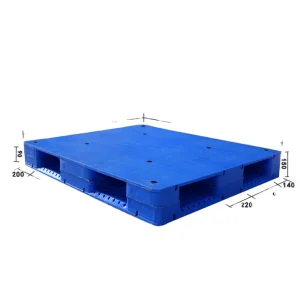
Yes, high-quality flat-top plastic pallets (such as our Euro Flat Top HDPE models) are compatible, provided the runner base is structural and flat. We recommend test-rolling specific plastic pallets to verify rolling resistance coefficient variances prior to final installation.
We supply heavy-duty powder-coated steel column protectors (such as Model SL-P001) that shield the vulnerable lower uprights. These guards absorb and redirect the kinetic energy of forklift impacts, preventing structural buckling and frame failure.
No. Pure gravity flow systems are fully mechanical and rely on gravity to move pallets. This reduces energy consumption, eliminates wiring costs, and makes them suitable for explosion-proof and cold-storage environments.
High-durability racking configurations, corrosion-resistant shelving units, and automated intralogistics components.
 SunliRack