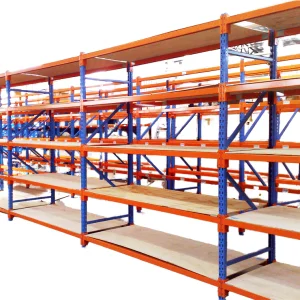
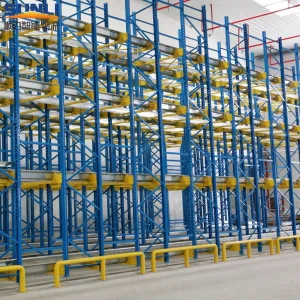
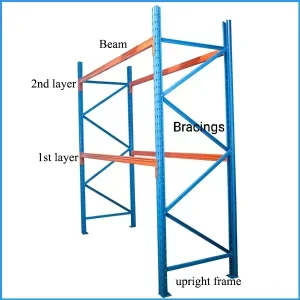
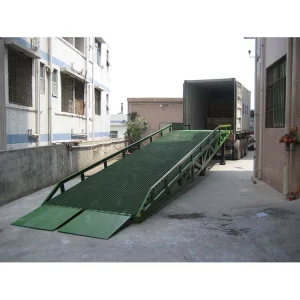
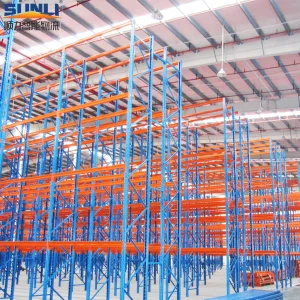
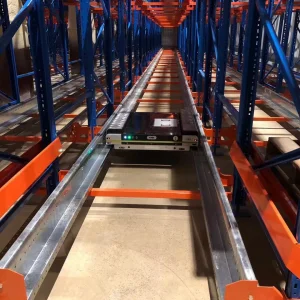
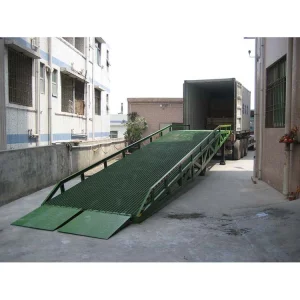
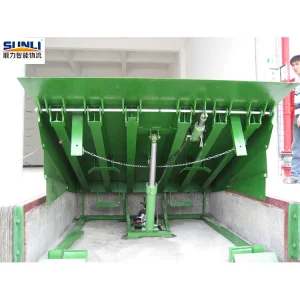
High-capacity gravity flow racking, mobile docks, and shuttle systems engineered to streamline storage density, increase throughput, and implement strict FIFO (First-In, First-Out) warehouse strategies.
In modern industrial logistics, storage density and throughput efficiency have emerged as critical differentiators. Global supply chains face rising real estate costs, volatile labor markets, and the continuous acceleration of e-commerce delivery expectations. In this high-stakes environment, Pallet Flow Storage (also known as Gravity Flow Racking) has transitioned from a niche structural configuration into a cornerstone technology for lean, high-density warehousing.
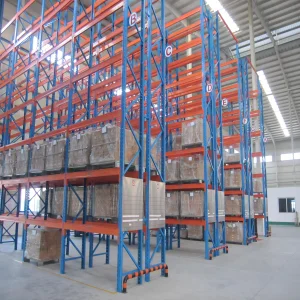
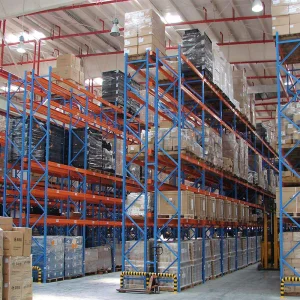
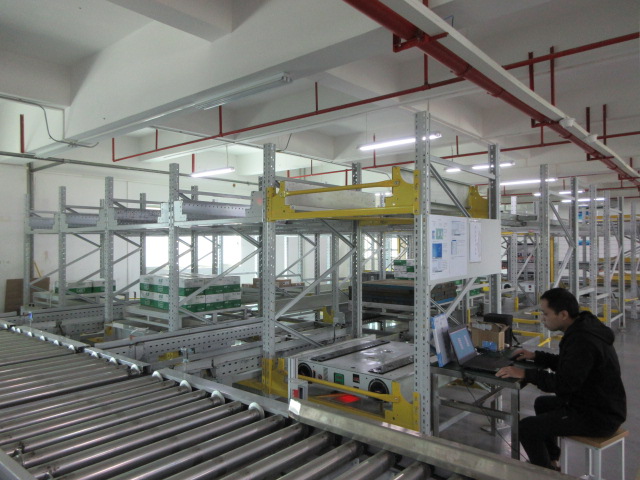
Operating on a dynamic gravity-fed mechanism, pallet flow racking systems utilize slightly inclined wheel or roller lanes. When a pallet is loaded from the replenishment face (the rear), it glides safely under controlled acceleration toward the picking face (the front). This setup inherently enforces a strict First-In, First-Out (FIFO) inventory cycle. By eliminating redundant access aisles required by traditional selective pallet racks, gravity flow installations reduce the necessary floor space footprint by up to 60%, while simultaneously decreasing energy costs and forklift travel times.
Across North America, Western Europe, and Asia-Pacific, cold chain logistics, pharmaceutical fulfillment centers, and high-velocity food and beverage distributors have widely integrated dynamic storage systems. The surge in temperature-controlled warehousing, where operational costs per square meter are exceptionally high, has made maximizing spatial cubage a priority. Consequently, the reliance on high-load, heavy-duty dynamic gravity flow configurations has grown exponentially.
China has long stood as the global epicenter for heavy industrial roll forming and automated steel fabrication. China's top pallet flow storage factories command an unparalleled competitive advantage through direct access to raw material resources, comprehensive supply chain integration, and precision engineering capabilities. Key operational strengths include:
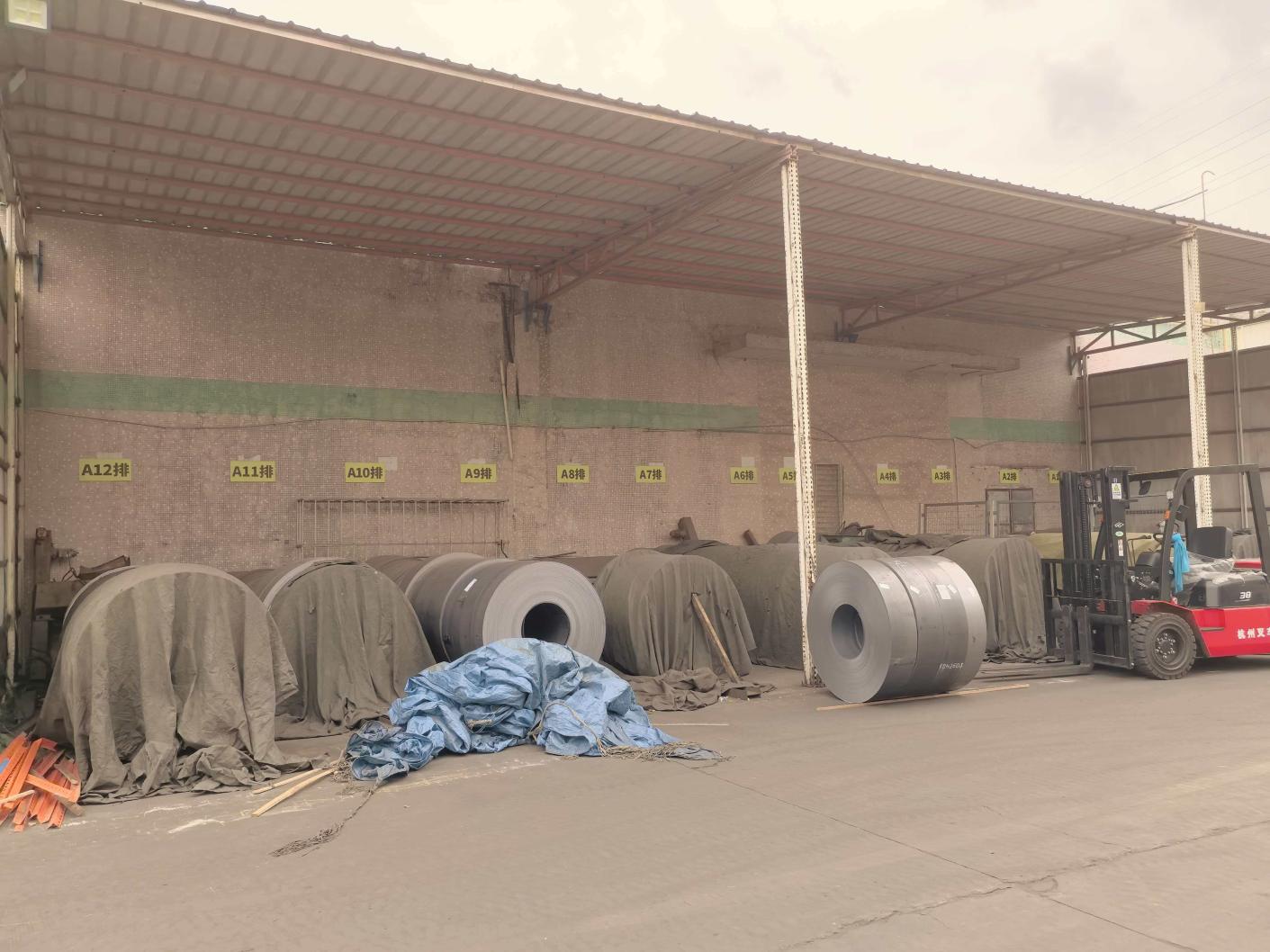
Utilizing certified Q235B and Q355B structural steel, Chinese manufacturers guarantee high yield strength, optimal load characteristics, and structural resilience in seismic zones.
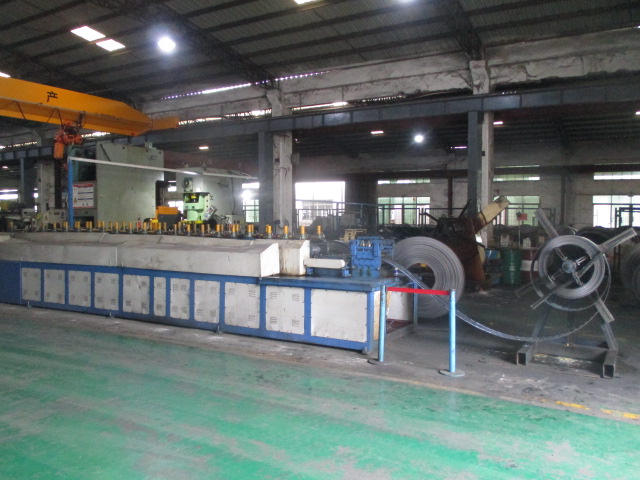
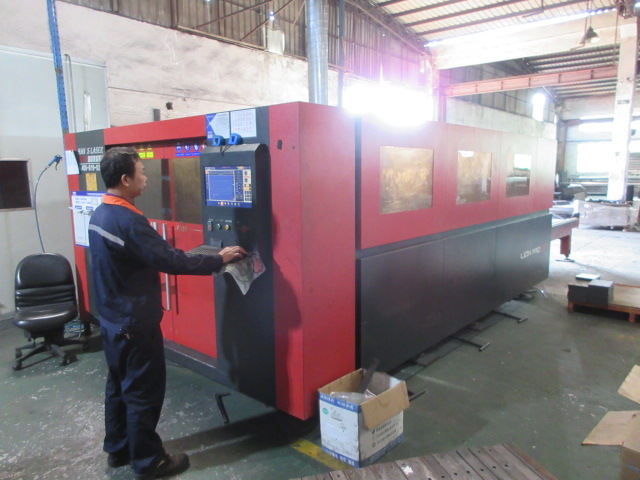
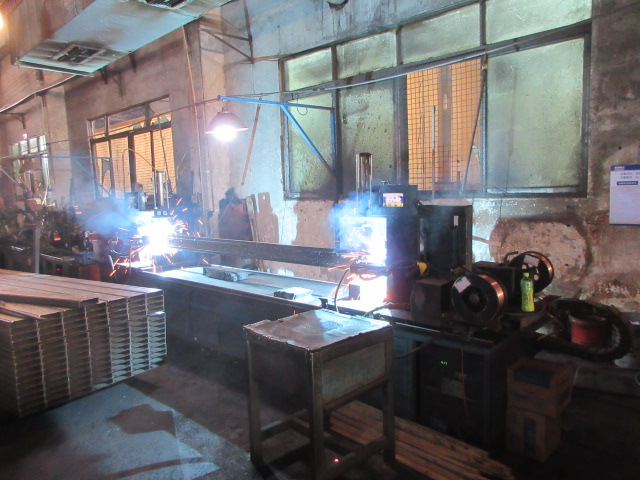
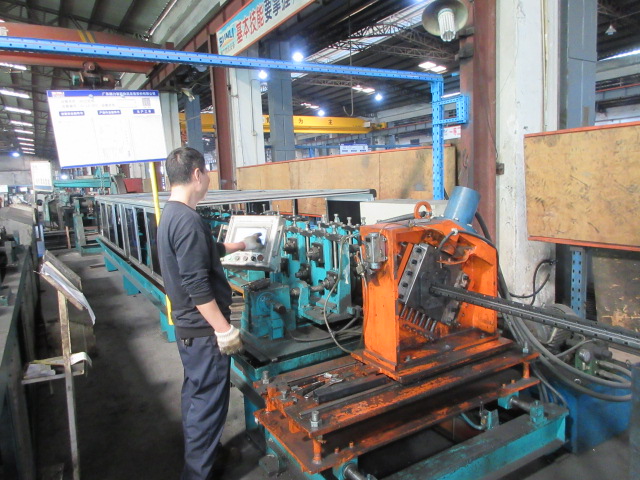
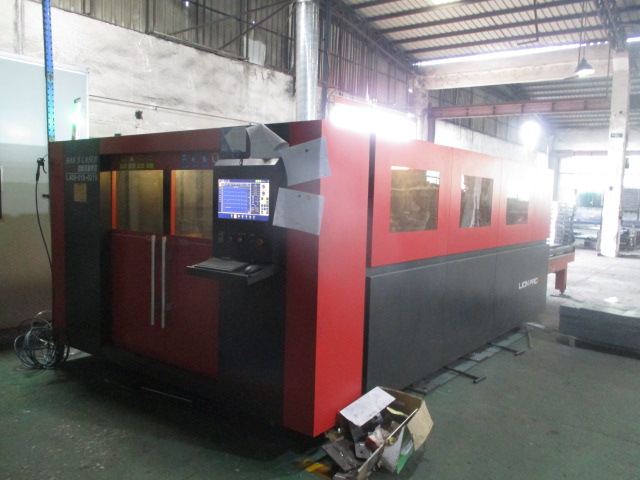
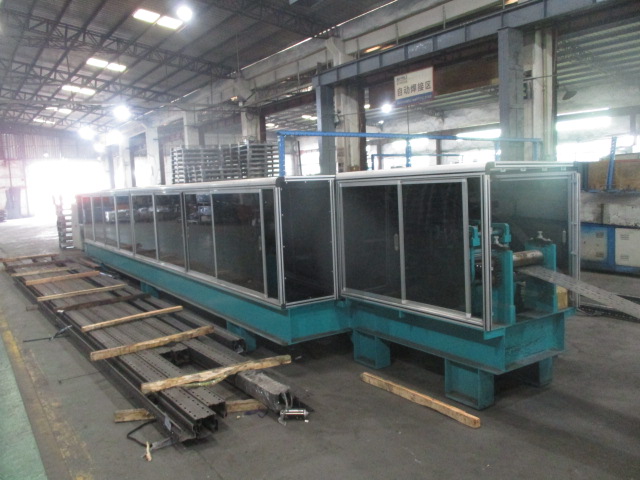
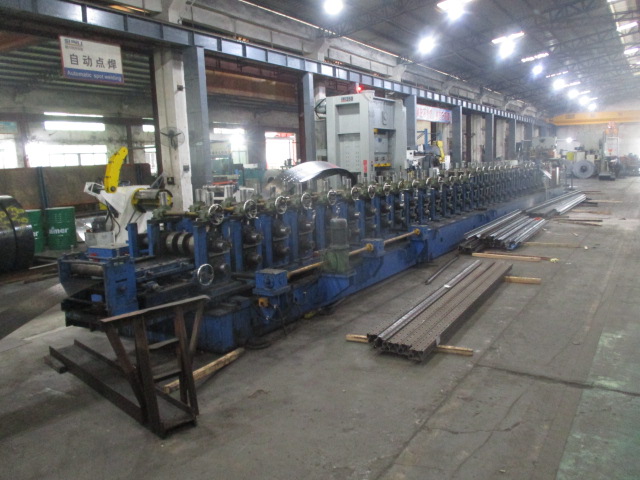
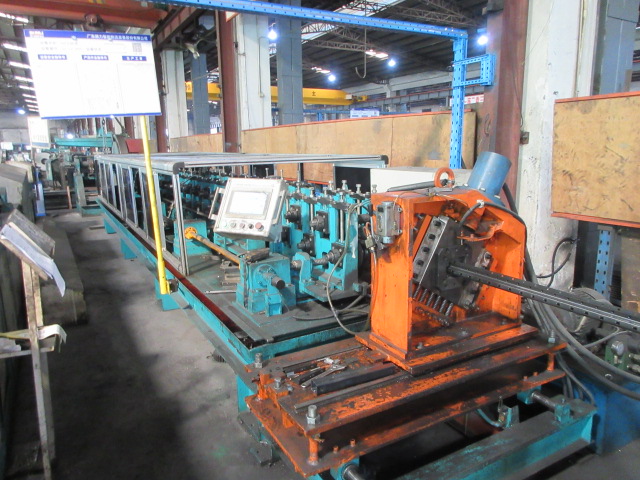
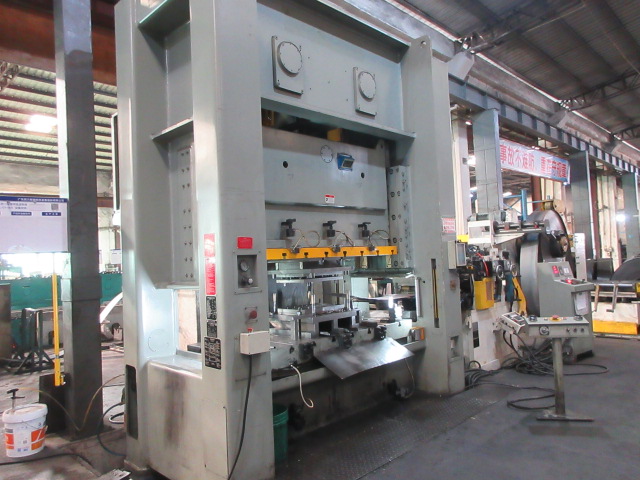
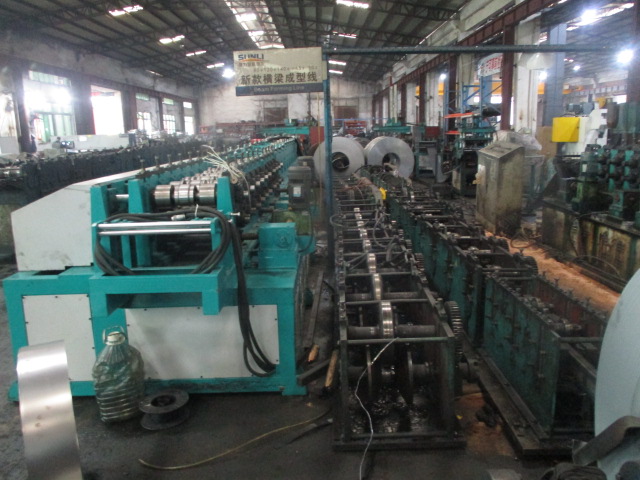
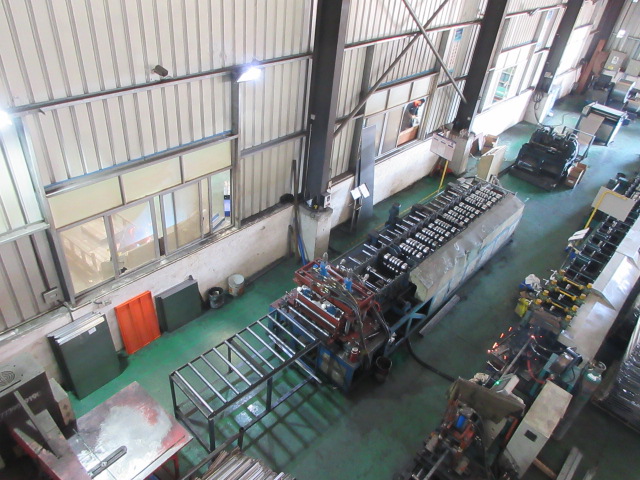
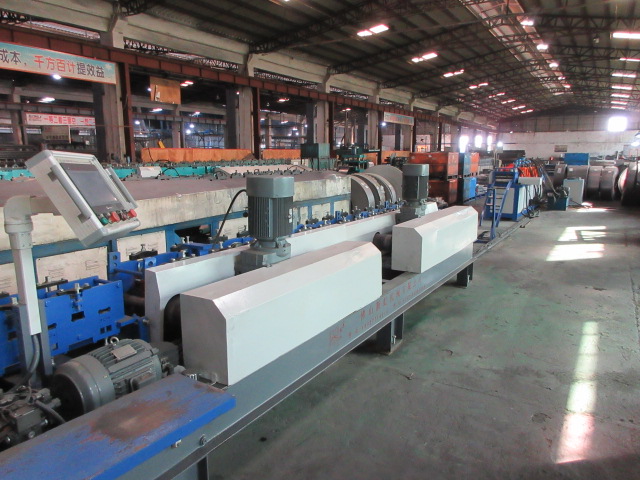
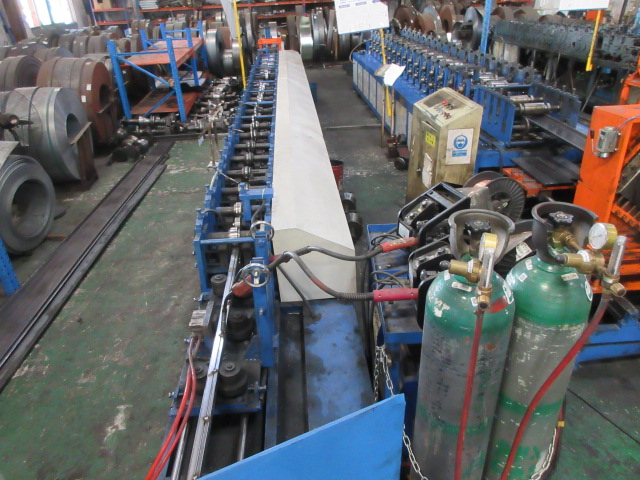
From continuous CNC punching and cold-roll forming to automated robotic welding, digital production lines ensure tight dimensional tolerances down to the millimeter.
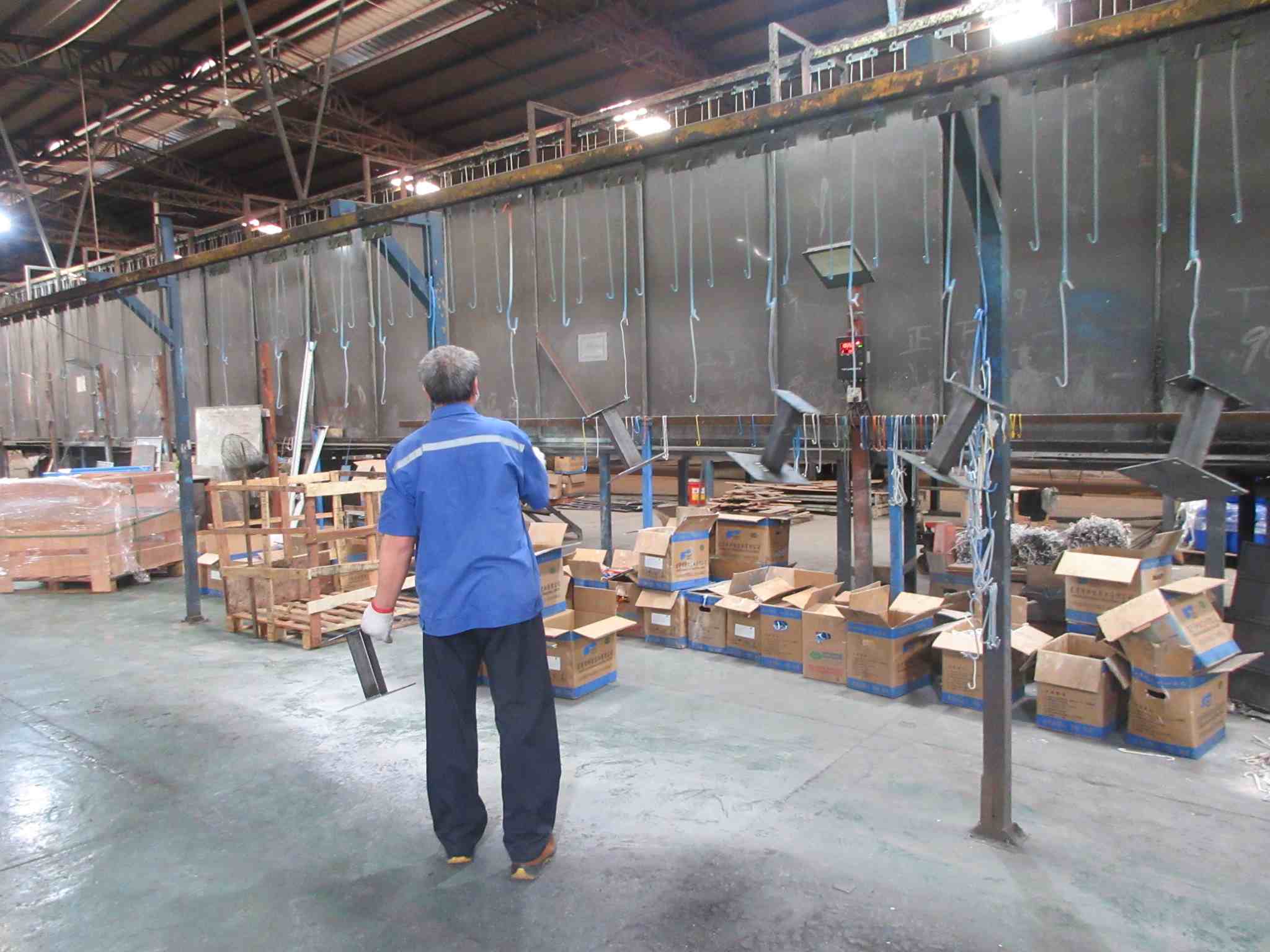
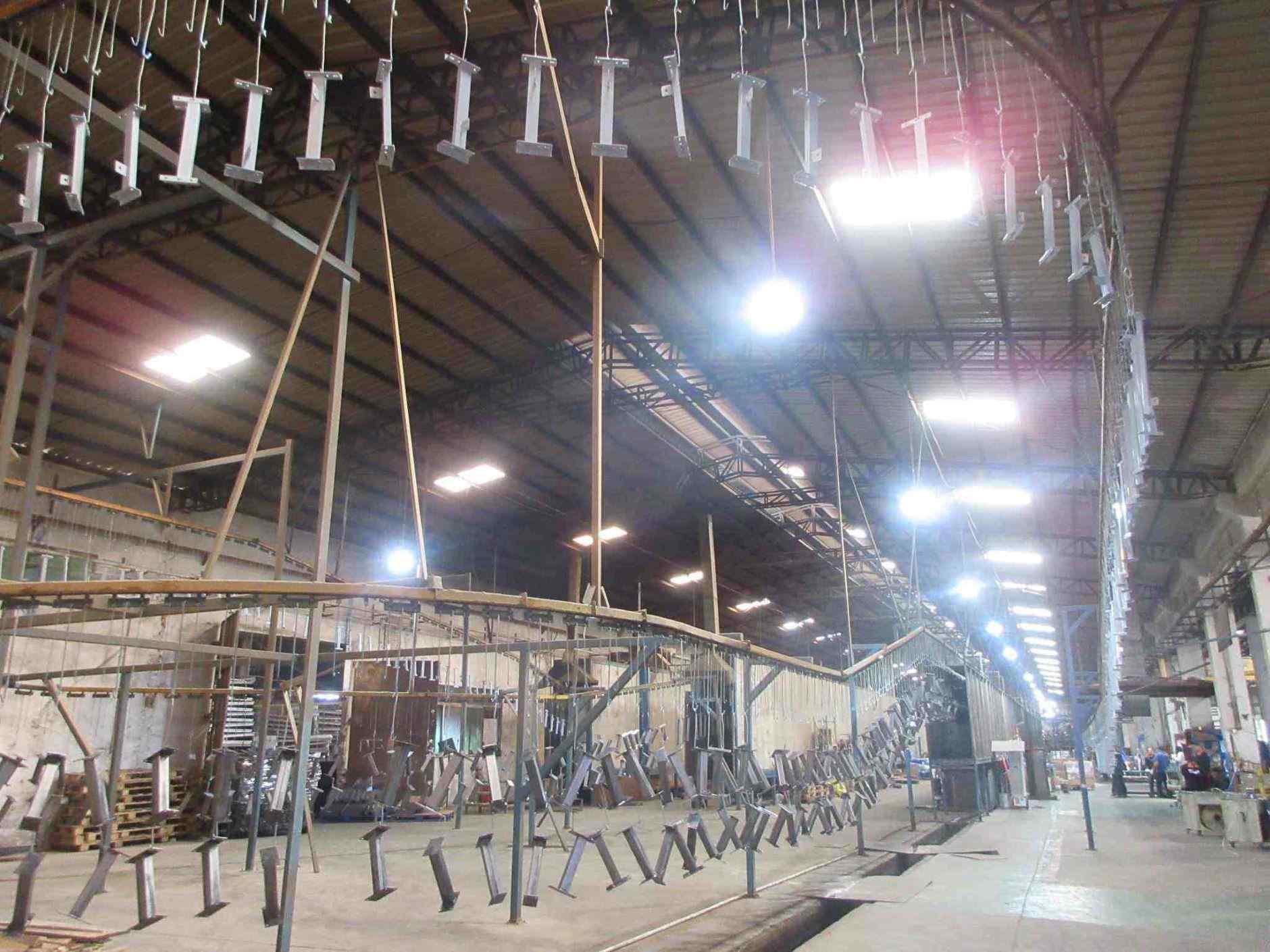
Electrostatic powder-coating systems provide uniform surface thickness, delivering reliable anti-corrosion, wear resistance, and long service life in deep-freeze settings (-30°C).
Furthermore, China's extensive logistics network guarantees seamless shipping, customs clearance, and port-to-port delivery. This allows international enterprises to implement large-scale material handling projects on schedule and within budget, with minimal lead times.
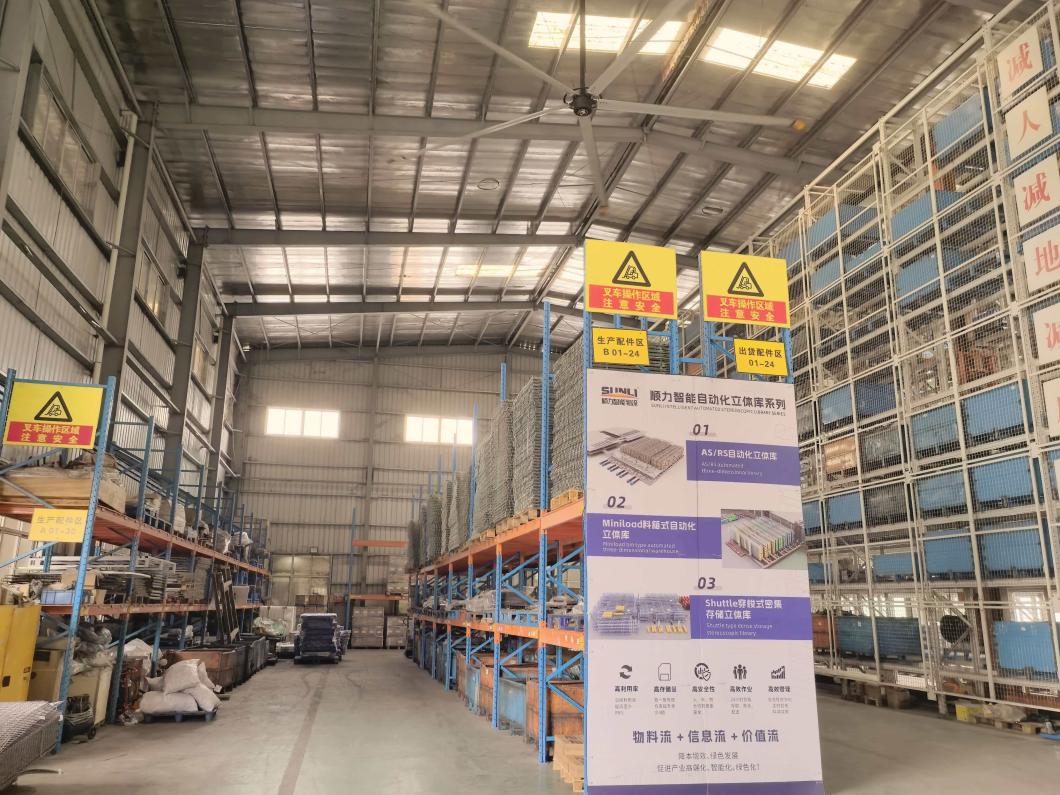
Established in 2015, Shenzhen Sunli Intelligent Logistics Equipment Co., Ltd. is a leading manufacturer specializing in heavy-duty industrial racking and smart warehouse storage solutions. Operating from a modern production facility spanning 38,000 m², we leverage over 12 years of industry experience and 8 years of international trade expertise to serve global logistics and industrial sectors. Our high-performance storage solutions generate an annual export revenue ranging between $18 million and $25 million, with core markets spanning North America, Western Europe, Southeast Asia, and the Middle East.
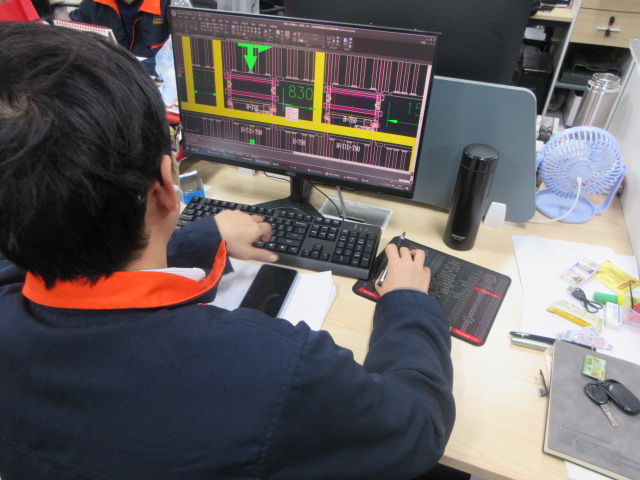
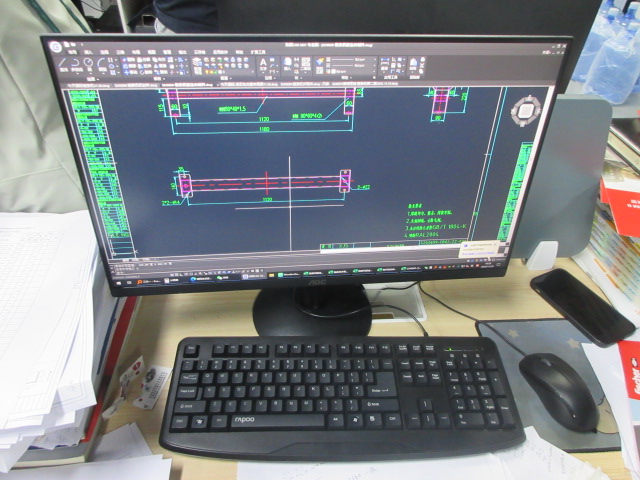
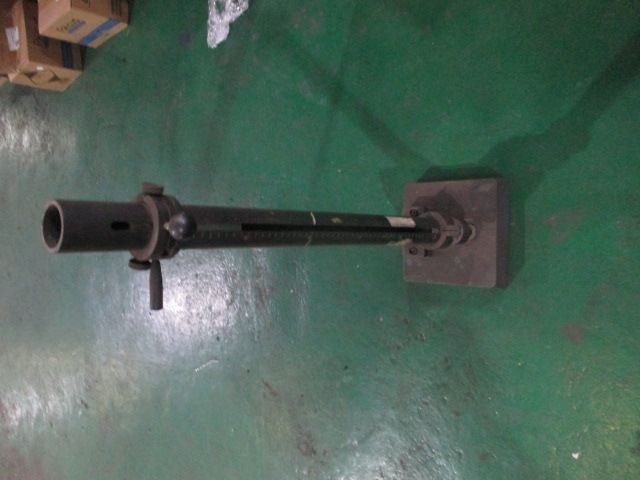
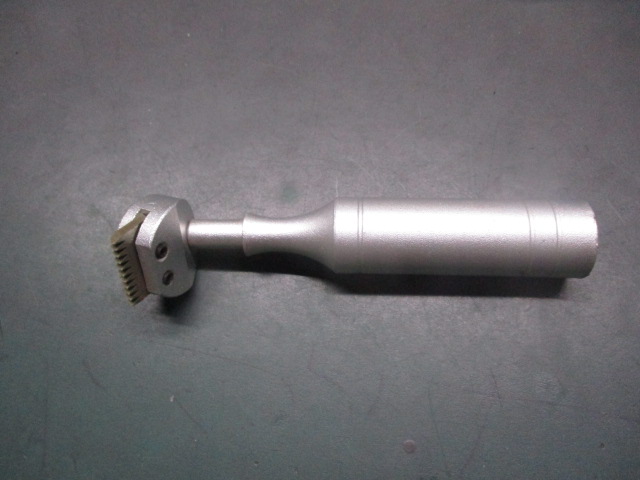
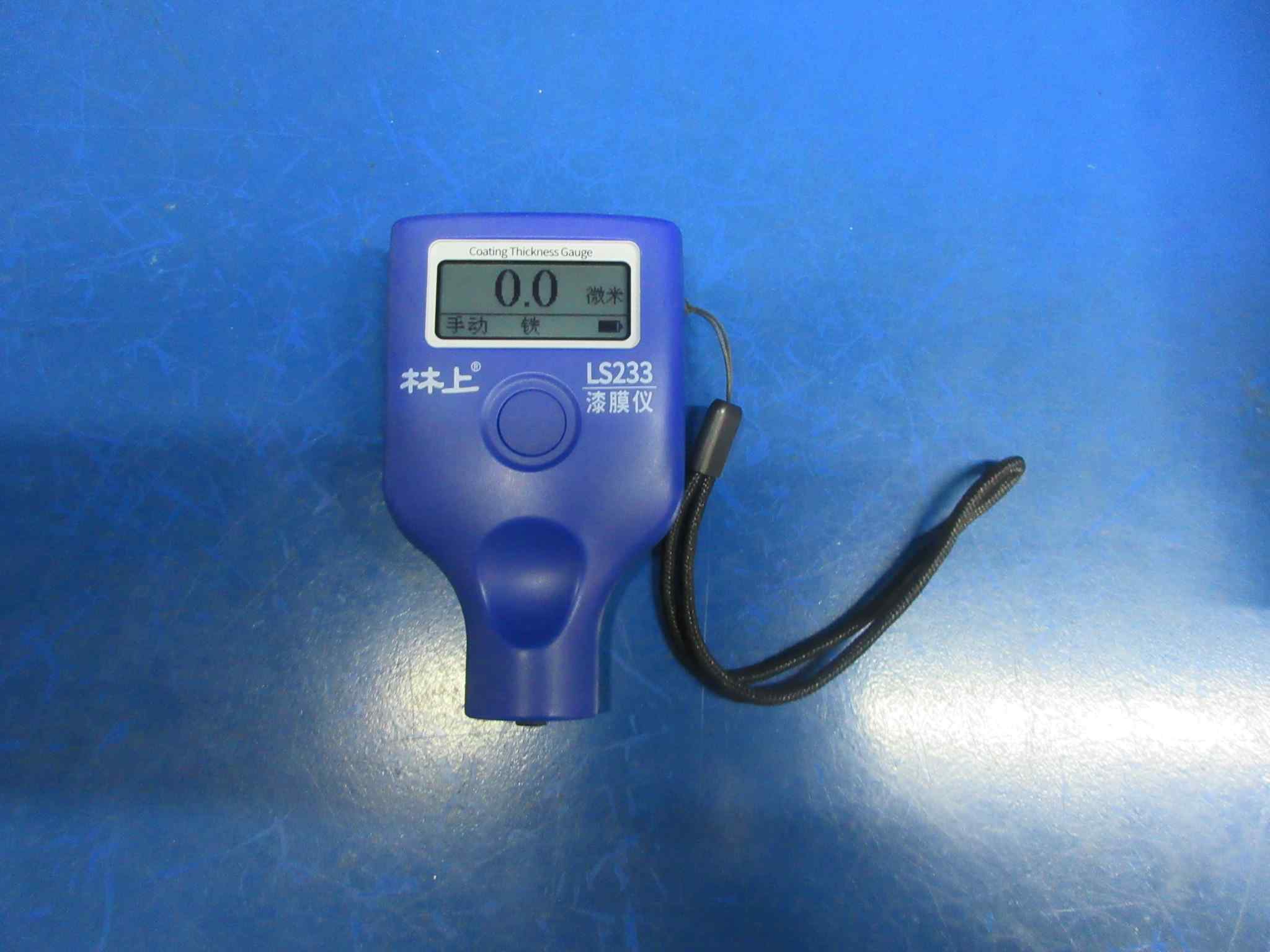
Quality and precision are central to our operations. Our dynamic team of 35 dedicated QC professionals implements rigorous product inspection methods, including full raw material load-bearing analysis, high-precision weld seam testing, and comprehensive anti-corrosion powder-coating thickness checks. Driven by strong R&D capabilities, our team of 28 skilled R&D engineers continuously innovates to meet evolving supply chain requirements, introducing over 120 new products and structural improvements annually.
We offer extensive OEM/ODM custom options, including tailored load capacities, custom rack dimensions, color powder coatings, and fully integrated automated shuttle systems (AS/RS). Backed by a strong network of over 800 supply chain partners, we primarily partner with large-scale 3PL providers, industrial distributors, ecommerce logistics hubs, and global retail enterprises to deliver reliable, efficient, and scalable storage infrastructure worldwide.
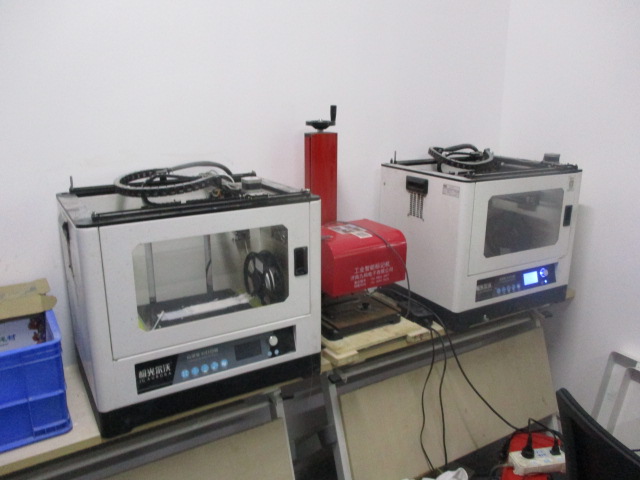
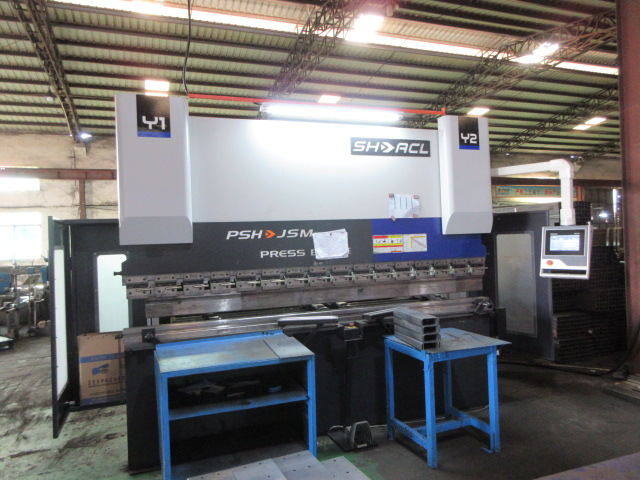
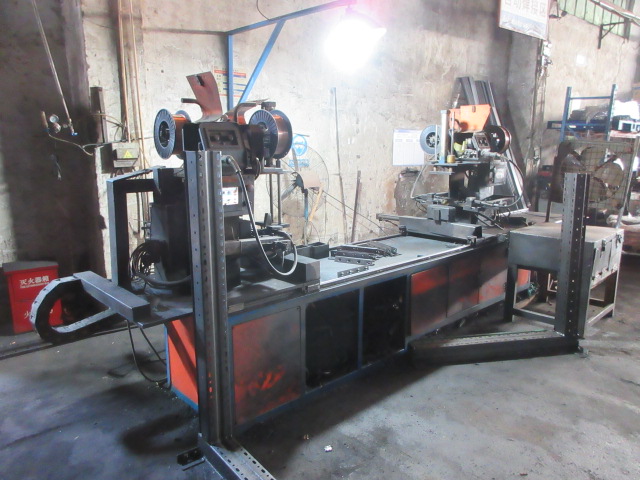
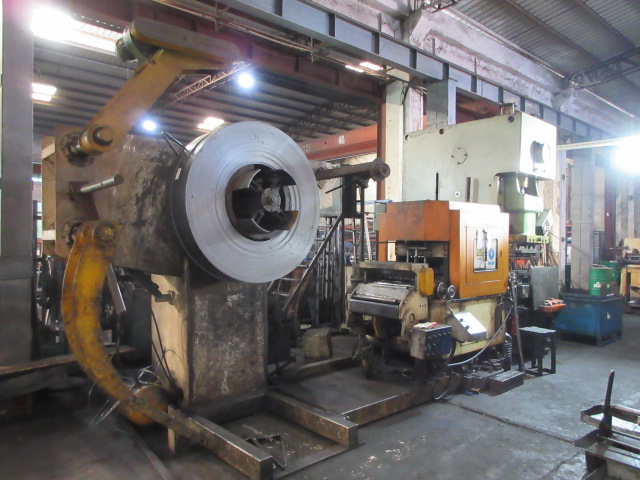
We operate advanced cold-roll forming, precision stamp press, automated welding, and electrostatic powder coating systems, paired with a fully equipped quality assurance lab to maintain industry-standard structural certifications.
The operational logic of a dynamic pallet flow racking system makes it suited for specific, high-intensity warehousing use cases. Here are the primary industries where gravity-fed systems deliver the highest return on investment:
Cold storage facilities incur high operating costs. Maximizing cube space is crucial to minimizing refrigeration energy loss. Pallet flow racking provides deep-lane configurations (up to 20 pallets deep or more) that reduce access aisles. Its gravity-driven system requires no electrical wiring within the lanes, eliminating safety hazards in cold environments.
For inventory with strict shelf-life limits, a FIFO flow system is critical. Pallet flow storage prevents stock expiration issues by automatically routing older products to the retrieval face first, streamlining high-volume order picking.
In just-in-time (JIT) manufacturing, production lines rely on organized parts staging. Pallet flow lines act as dynamic buffers, feeding heavy bins or standard pallets containing components directly to the assembly area without constant forklift support.
When sourcing industrial gravity flow storage, procurement teams should evaluate structural design and safety engineering. Systems must comply with structural design codes, including the RMI (Rack Manufacturers Institute) specifications in North America and FEM 10.2.02 standards in Europe.
| Performance Parameter | Technical Requirement | Operational Outcome |
|---|---|---|
| Material Standard | Q235B / Q355B Steel | High yield strength, optimal structural capacity under static and dynamic loading. |
| Standard Track Slope | 3% to 4% (Adjustable) | Ensures reliable gravity movement for standard wooden and plastic pallets. |
| Speed Controllers | Centrifugal Braking Rollers | Regulates descent velocity below 0.3 m/s, preventing impacts at the pick face. |
| Corrosion Mitigation | 60-90µm Powder Coating | Resistant to humidity, chemicals, and temperature shifts (-30°C to +50°C). |
| System Integration | Dynamic Separators | Isolates the pick pallet from rear line pressure for safe extraction. |
In addition, checking roller bearings, frame welding quality, and baseplate anchorage configurations helps ensure the long-term reliability and safety of the racking system under heavy loads.
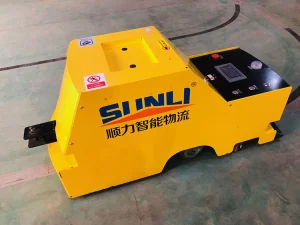
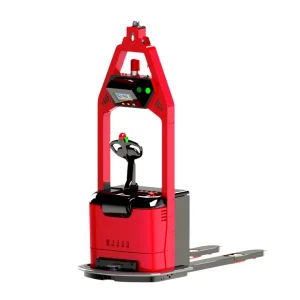
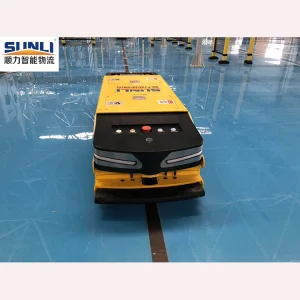
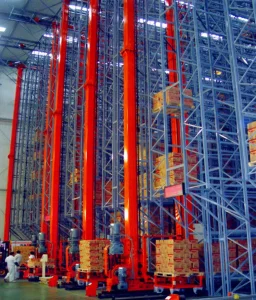
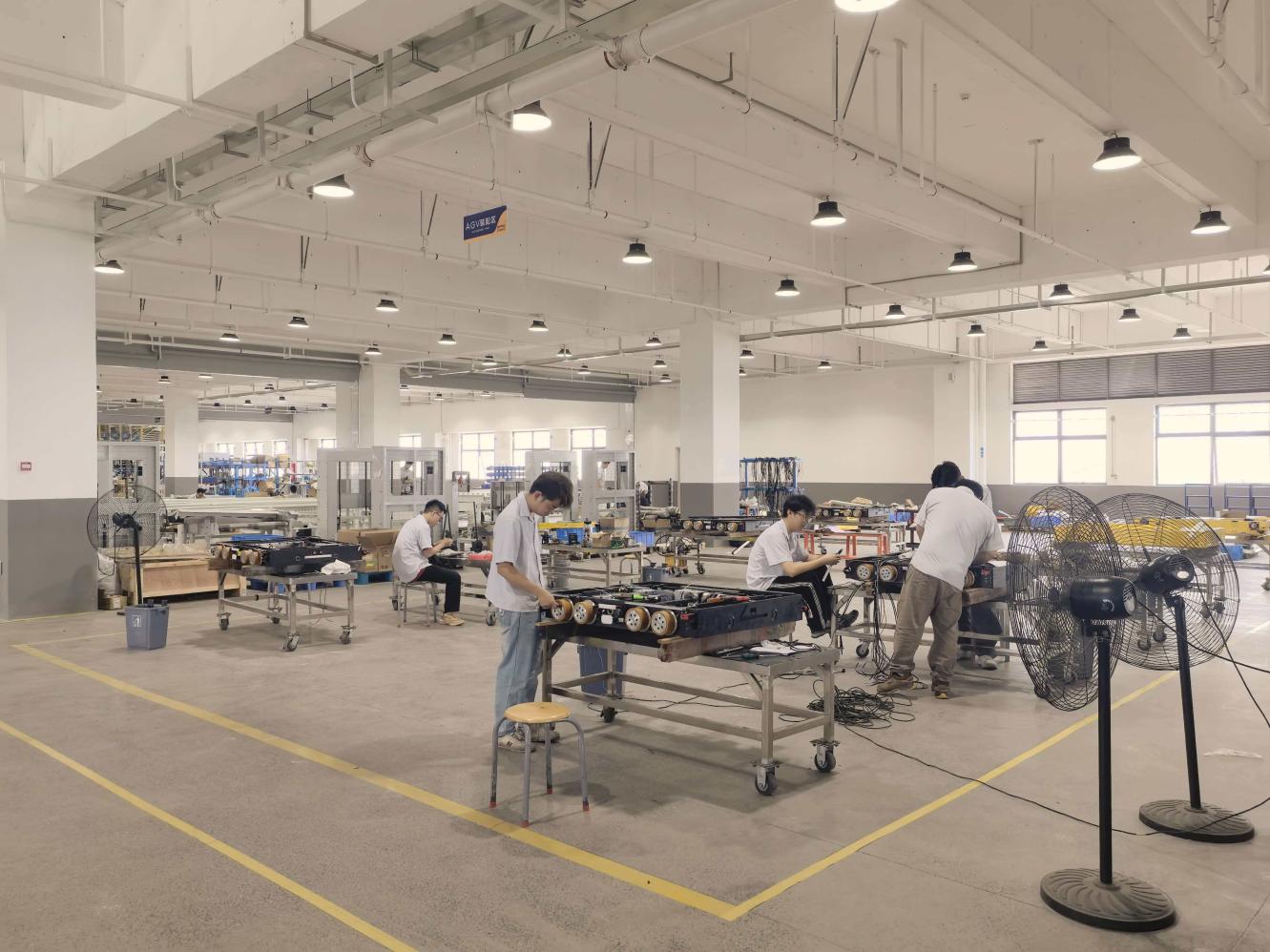
The material handling sector is shifting toward smart warehouses. Modern facilities are increasingly integrating gravity flow lanes with computerized dispatch systems, Automated Guided Vehicles (AGVs), and Automated Storage and Retrieval Systems (AS/RS).
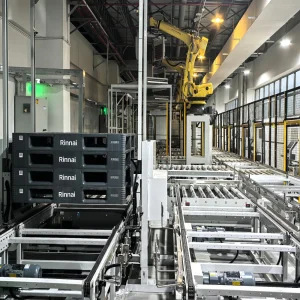
In these modern configurations, AGVs or laser-guided forklifts place pallets at the replenishment point. The inventory flows down the lanes to the picking face, where an automated stacker crane or custom shuttle system retrieves it. Connecting mechanical gravity lanes with robotic material handling creates a cost-effective, high-throughput hybrid automated warehouse system.
Expand your operational capabilities with automated material transport units, heavy-duty AGVs, laser-guided forklifts, and integrated intelligent warehousing solutions.
 SunliRack