Engineered for extreme load-bearing, vertical density maximization, and high-efficiency material handling.
Established in 2015, Shenzhen Sunli Intelligent Logistics Equipment Co., Ltd. has grown to become a leading global designer, manufacturer, and exporter of heavy-duty industrial racking and integrated smart warehouse storage systems. Anchored by a state-of-the-art production base spanning 38,000 m², we blend over 12 years of structural engineering expertise with 8 years of international B2B trade excellence. Our annual export footprint ranges between $18 million and $25 million, servicing major industrial sectors throughout North America, Western Europe, Southeast Asia, and the Middle East.
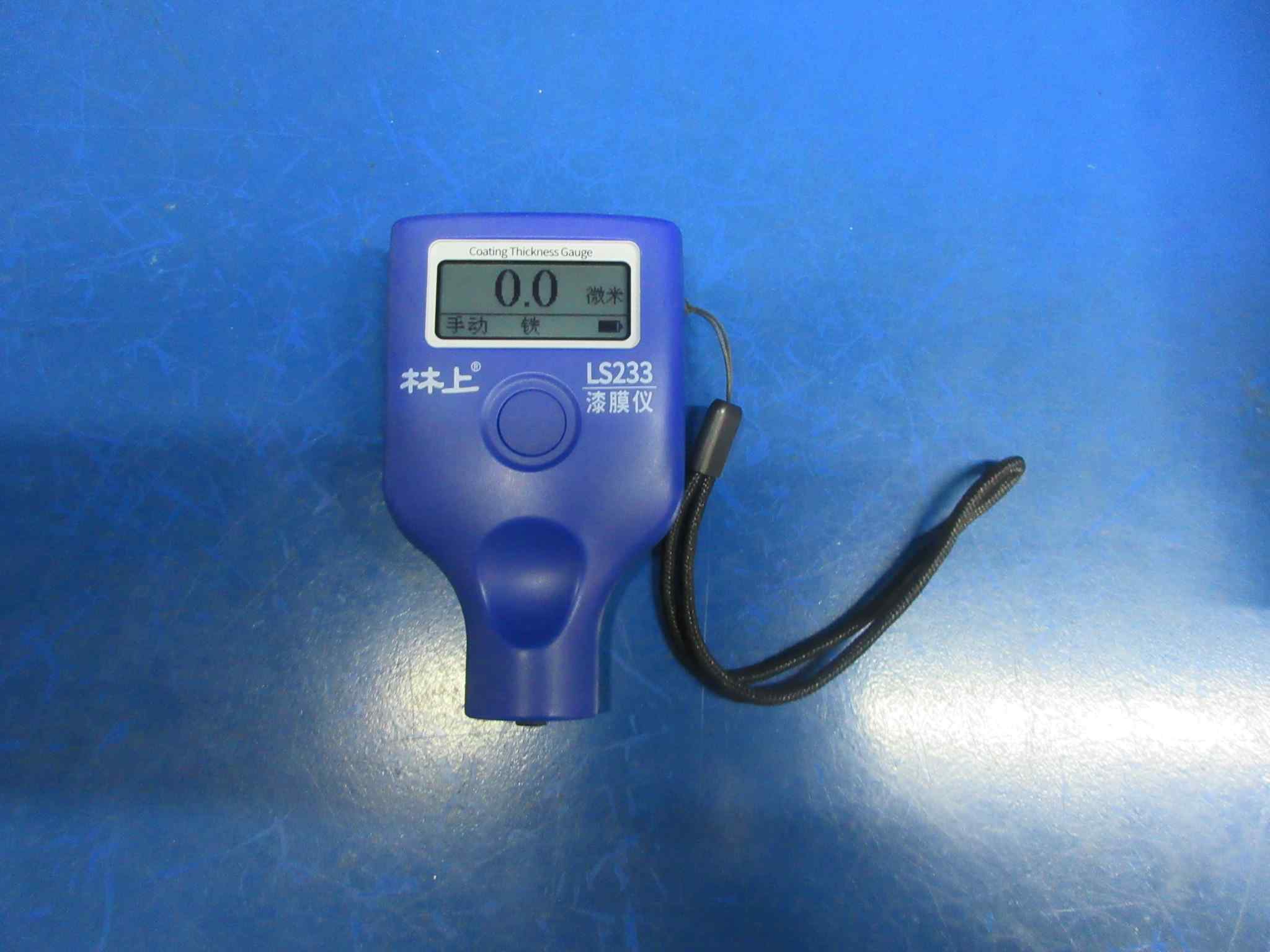
We pride ourselves on technical rigor. Supported by 28 structural and mechanical R&D engineers, we continuously optimize steel configuration designs to introduce over 120 customized new products and structural improvements annually. Our dynamic 35-member quality assurance team monitors all production stages—ranging from raw material load analysis to weld structural integrity and powder-coating thickness uniformity. This guarantees that all structural storage platforms comply with the highest standards of stability, safety, and productivity.
How modern enterprises evaluate heavy-duty structural stability and system compatibility.
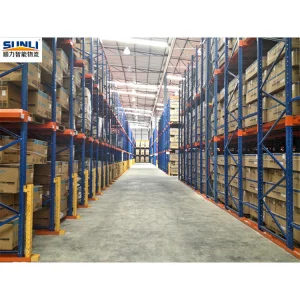
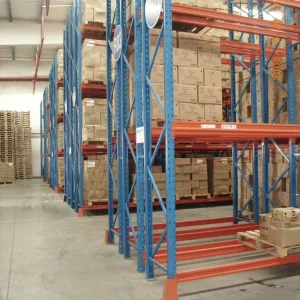
Evaluating standard pallet spacing versus high-density automated shuttle systems. Transitioning from selective configurations to Drive-In or 4-Way Shuttle arrays saves up to 60% floor space.
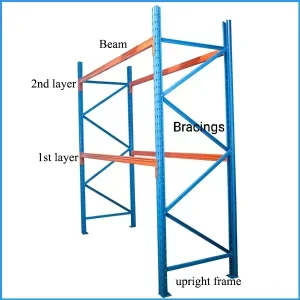
Ensuring compliance with local seismic regulations and load requirements. The integration of high-precision cold-rolled upright columns ensures stability under dynamic and static stress loads.
Analyzing product accessibility and rotation speeds. Our systems accommodate standard selective indexing, radio shuttle handling, and automated warehouse crane interfaces seamlessly.
Adapting storage infrastructure to the functional challenges of global industrial applications.
Cold rooms demand dense footprint configurations to minimize thermal cooling energy waste. Our high-density dynamic racking, including Drive-In systems and Radio Shuttles, works at temperatures as low as -30°C. Robust powder-coated steel finishes resist corrosion from rapid condensation cycles.
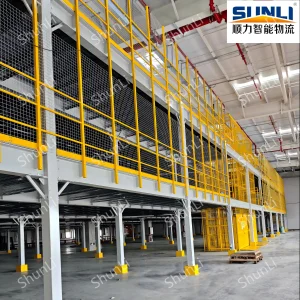
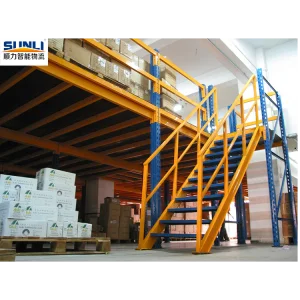
E-commerce hubs require rapid product indexing, dynamic inventory control, and multi-level vertical mezzanine flooring. High-strength steel mezzanine solutions allow operations to scale vertically, tripling packing and order preparation floor area without extending the outer warehouse footprint.
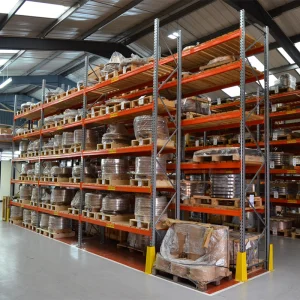
Heavy tooling, machinery components, and automotive raw materials require specialized, high-load capacities. Engineered bolted-frame selective racks, customized to support over 4,000kg per level, feature durable steel wire decking, heavy-duty guide rails, and protective barrier posts to prevent impact damage.
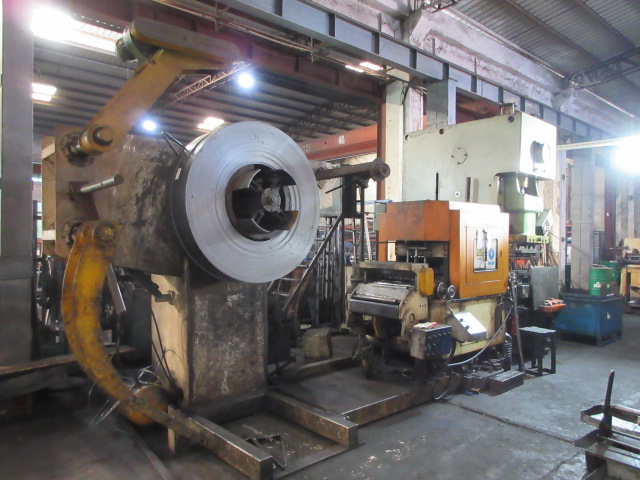
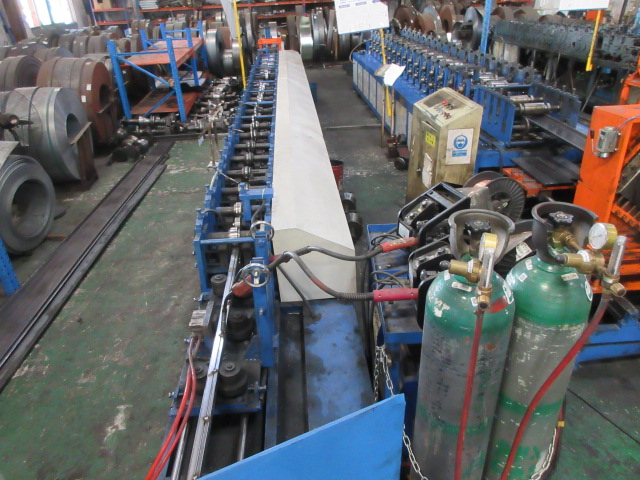
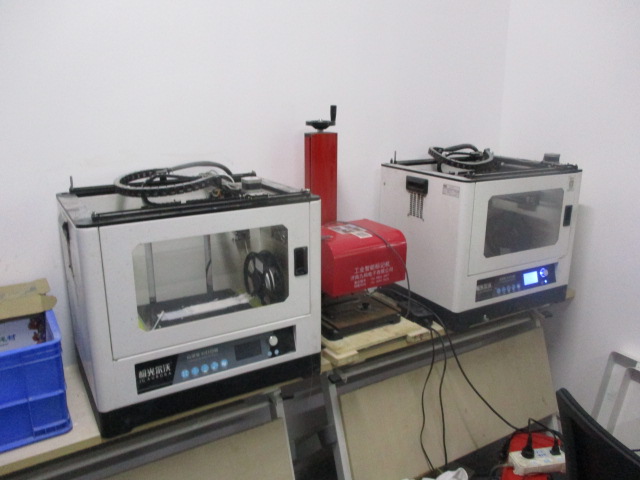
Precision manufacturing executed across our modern 38,000 m² automated facility.
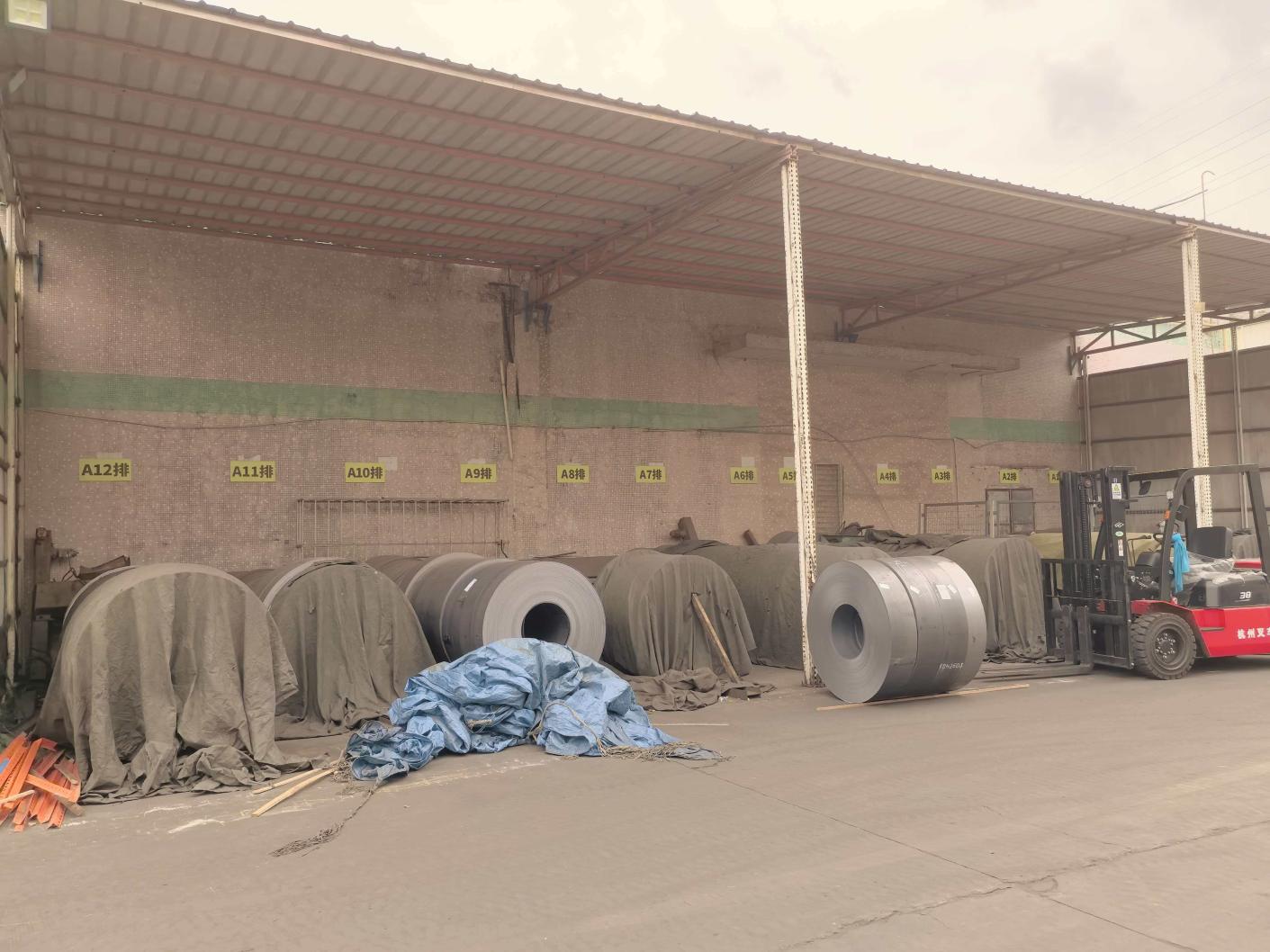
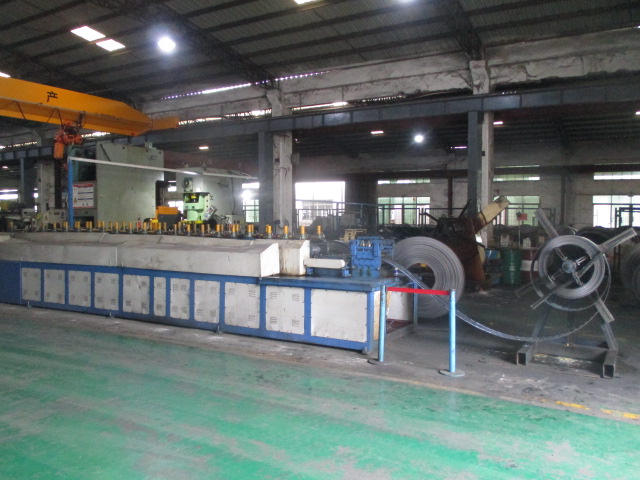
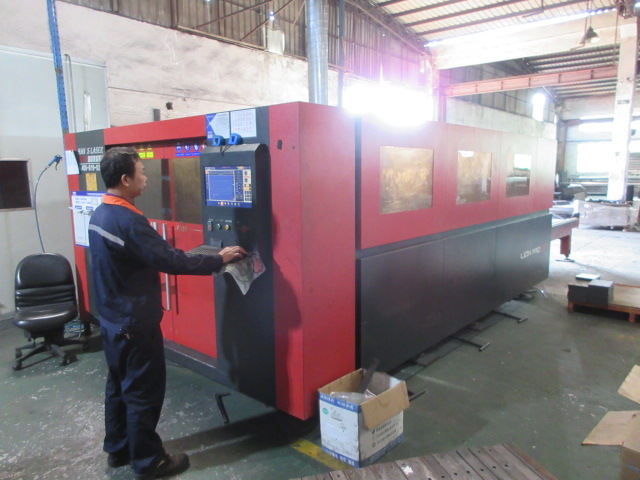
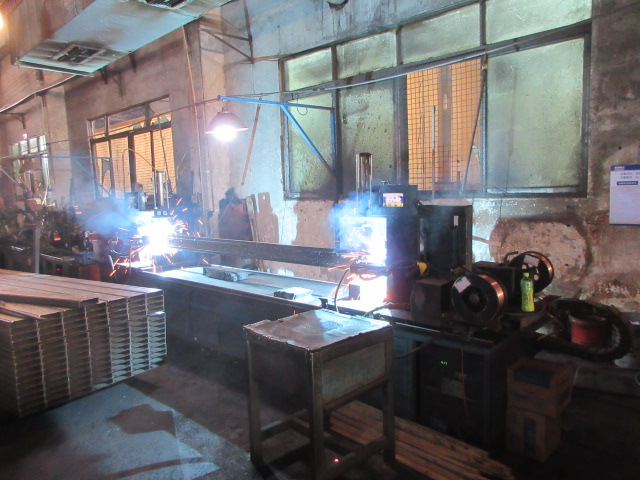
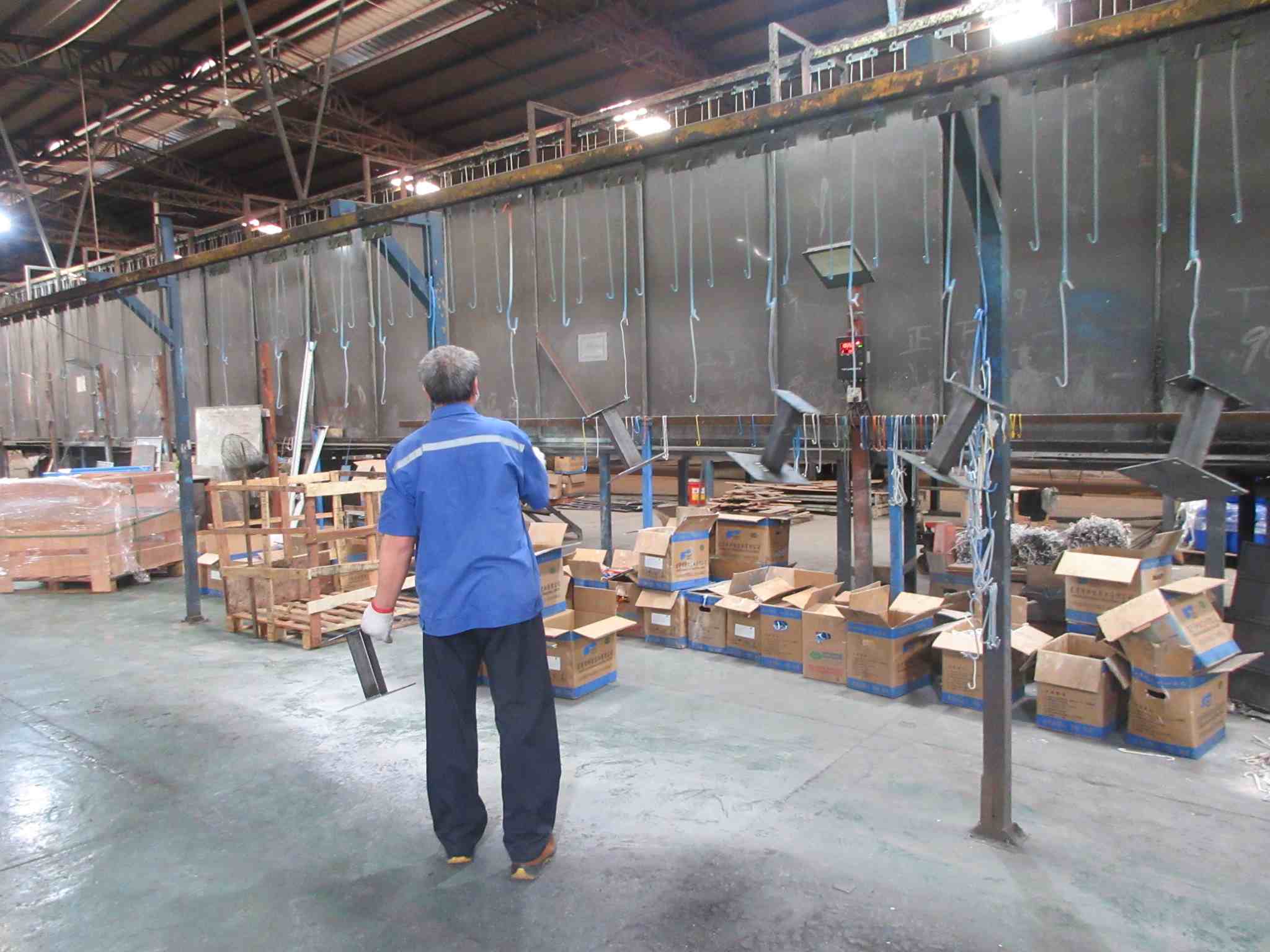
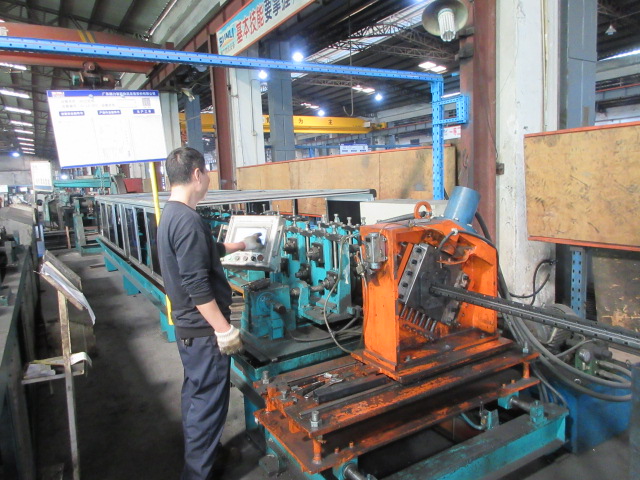
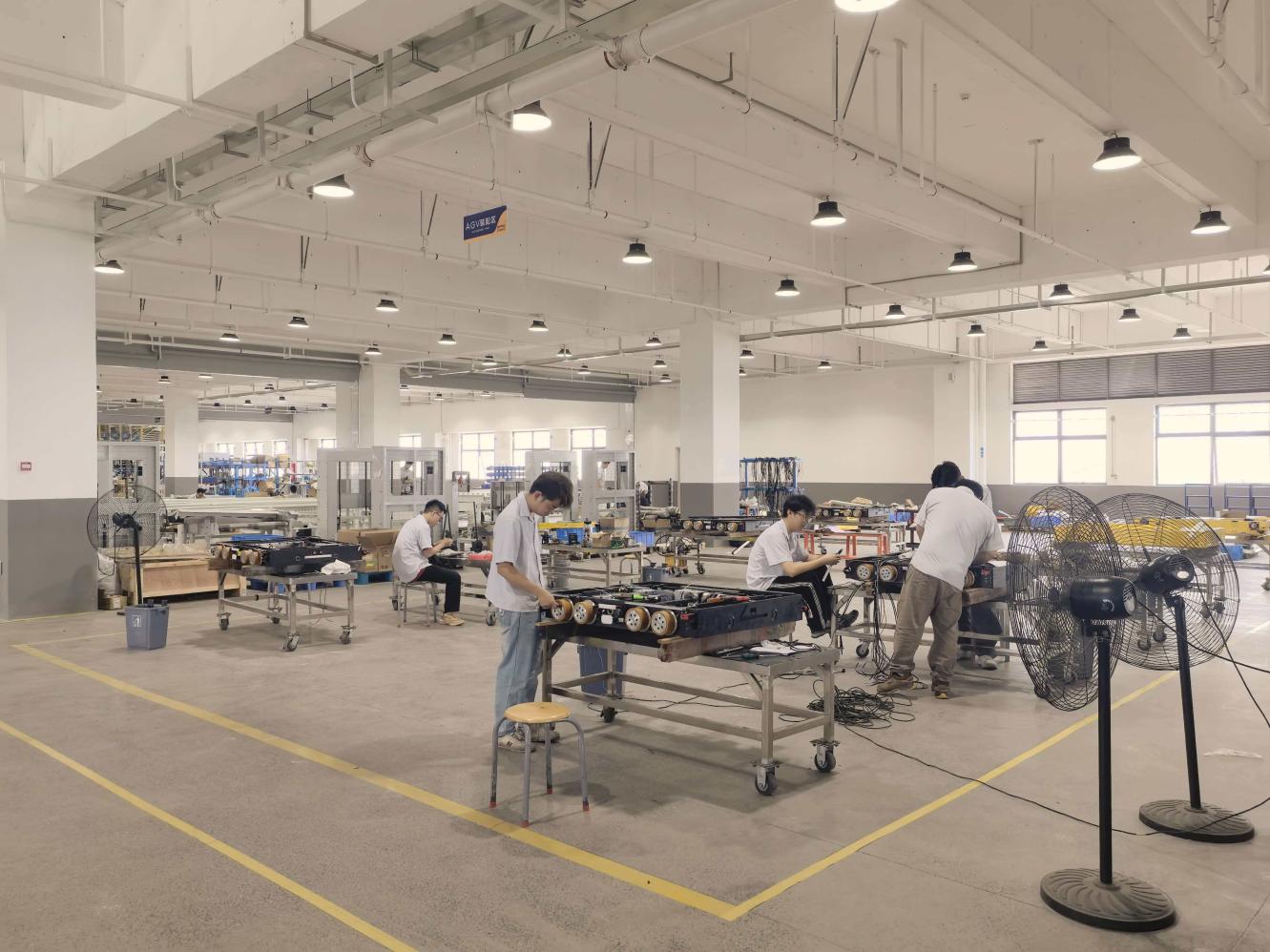
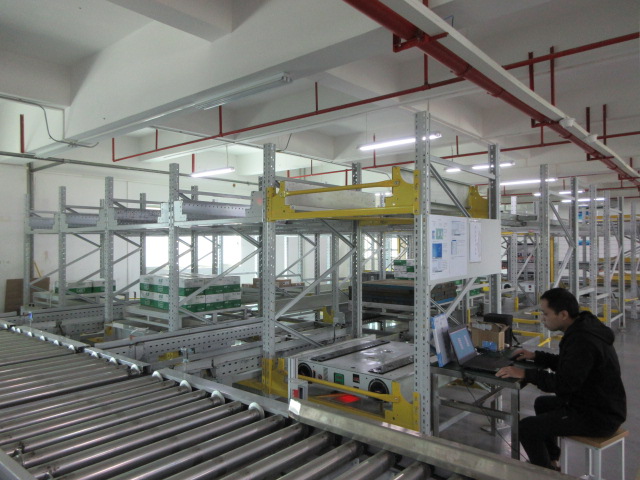
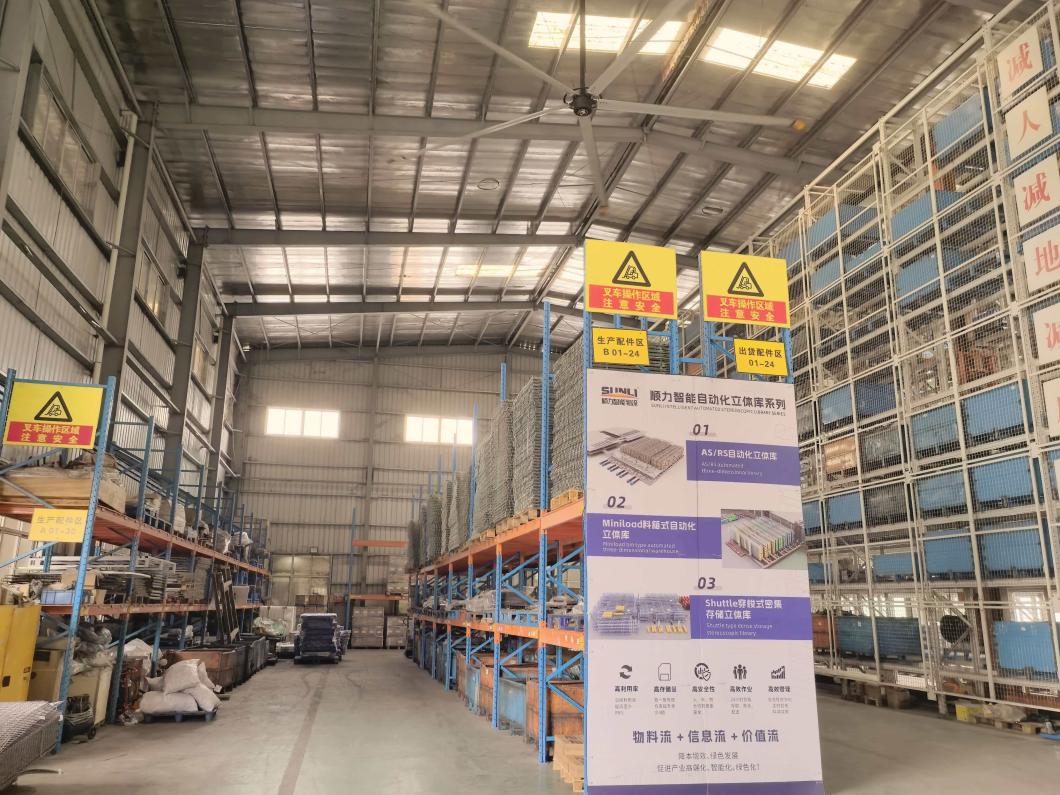
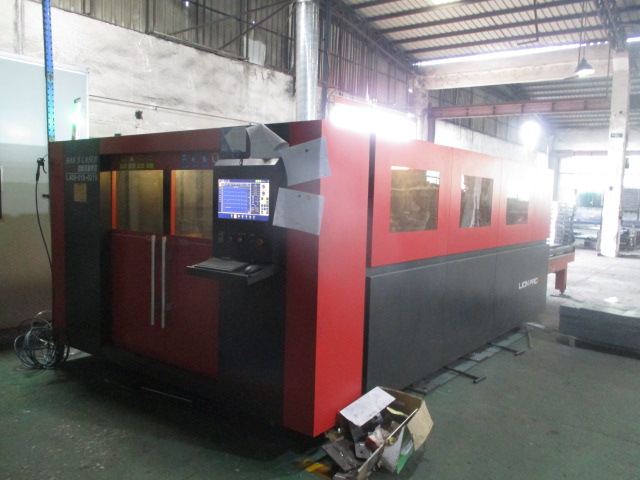
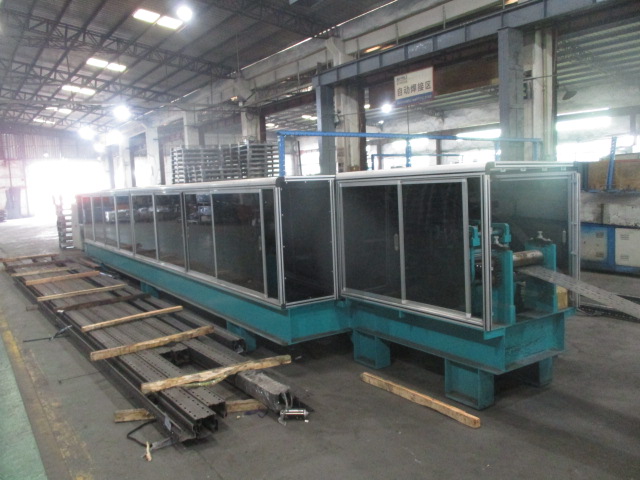
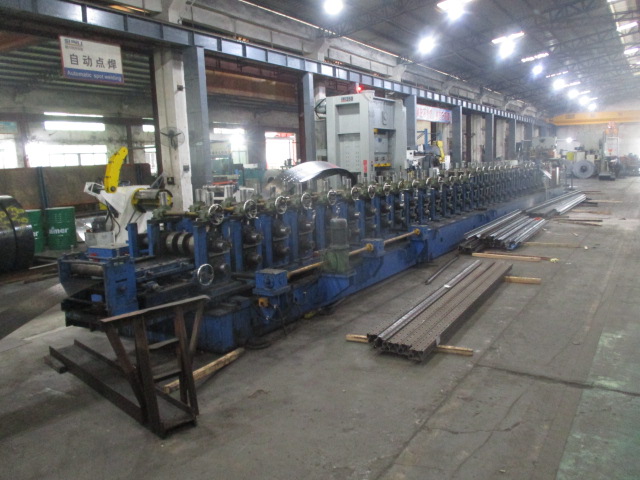
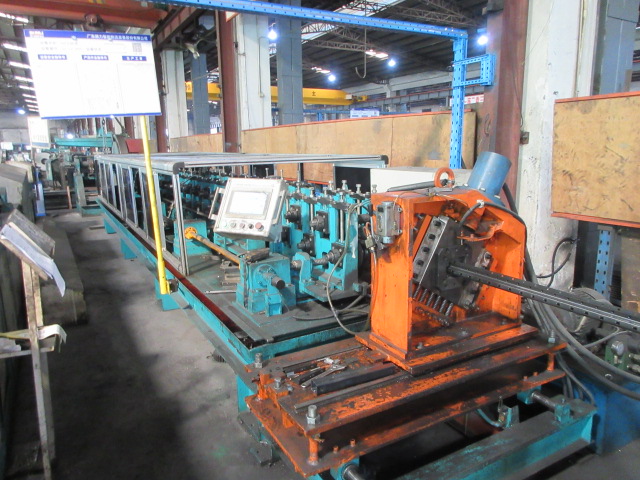
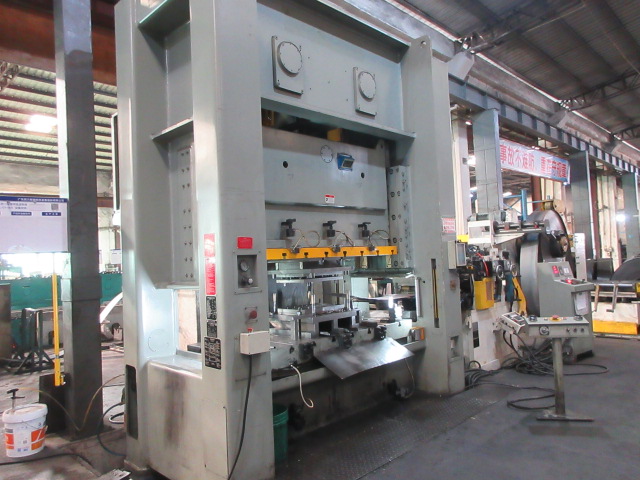
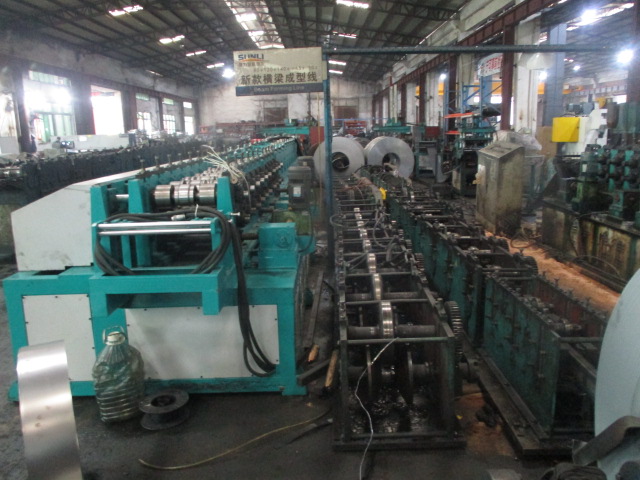
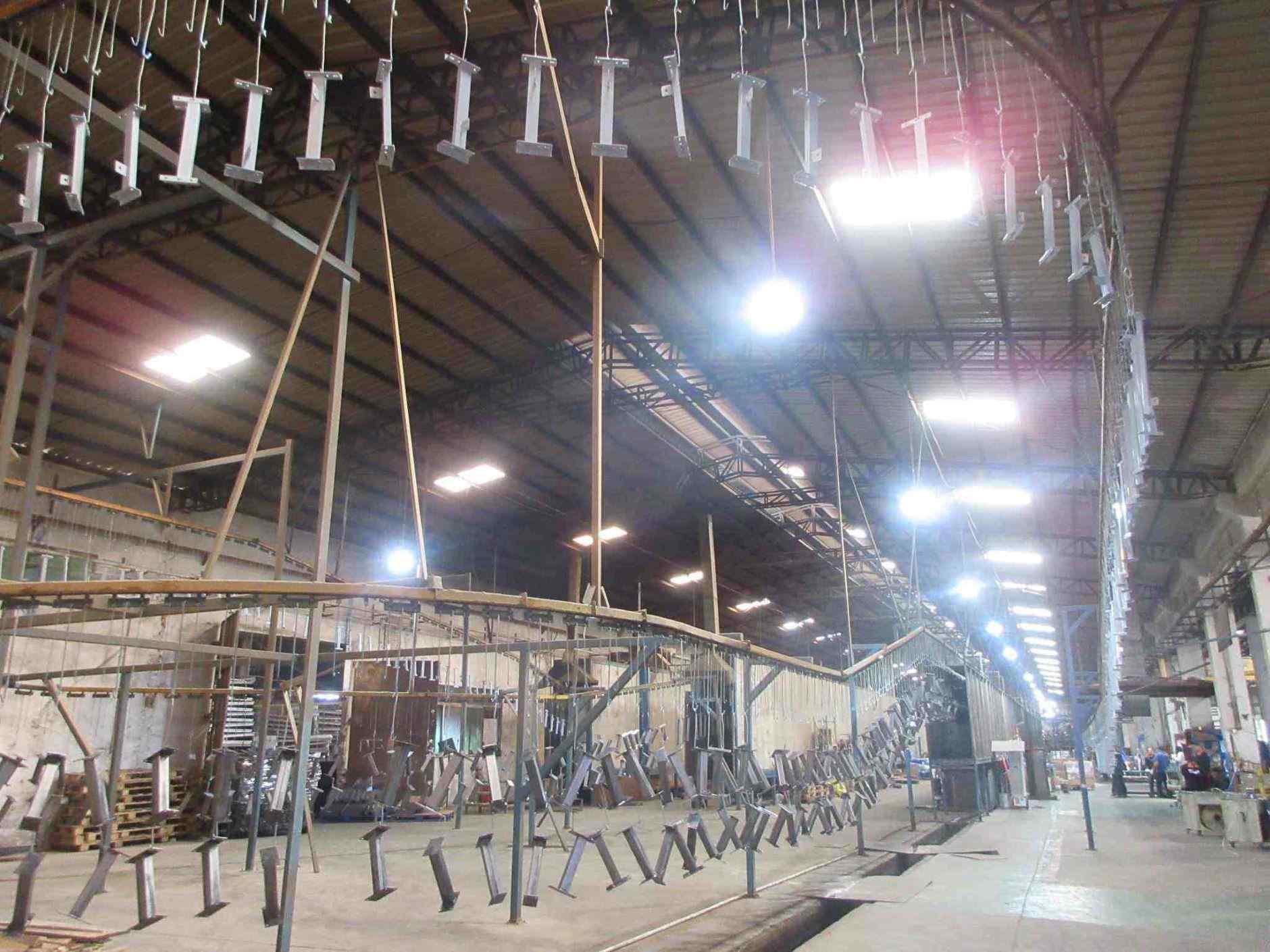
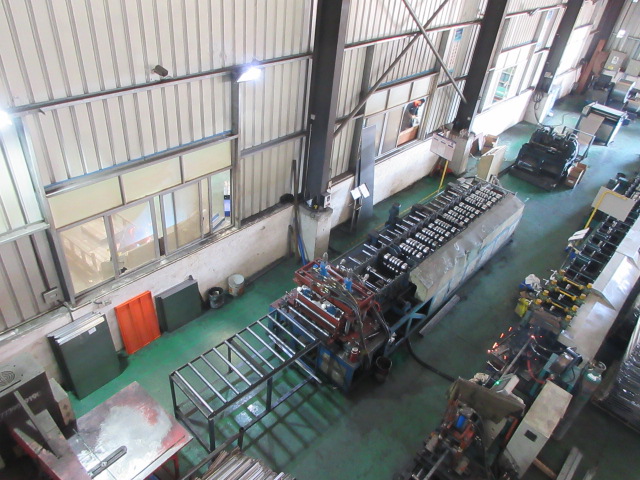
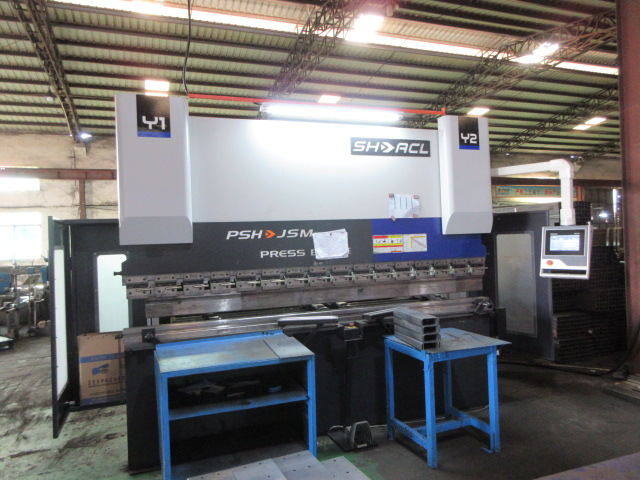
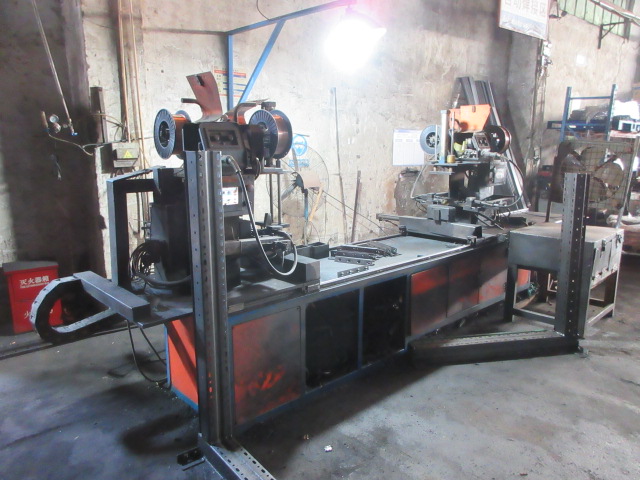
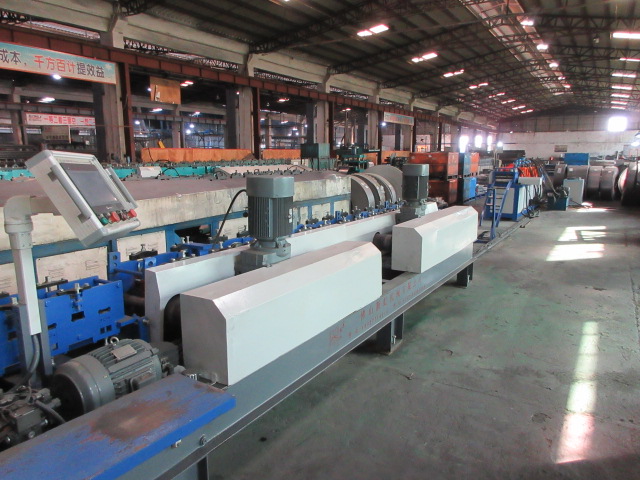
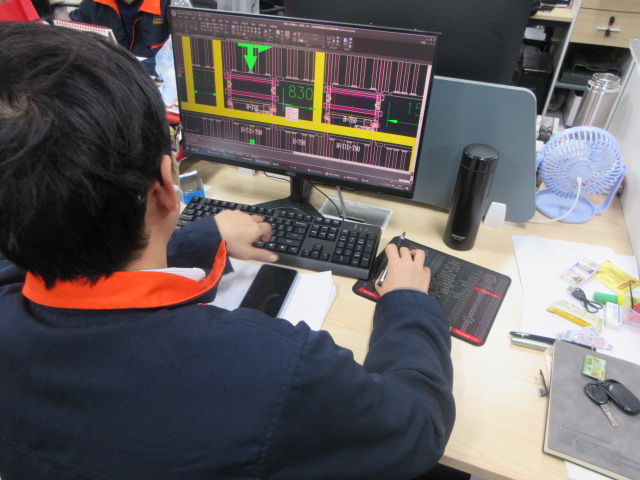
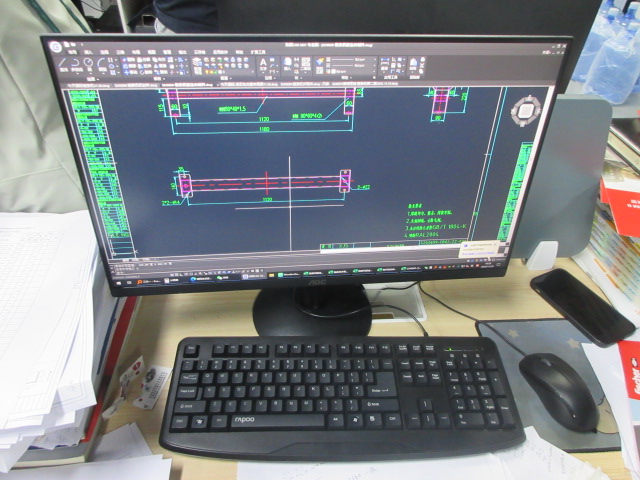
Strict compliance validation executed by 35 dedicated QC professionals.
How structural innovation and digital intelligence are redefining spatial logistics efficiency.
The global warehousing industry is undergoing a transition from passive storage arrays to active logistics ecosystems. At Shenzhen Sunli, our technology roadmap focuses on three main developments: structural optimization, dynamic automation, and predictive reliability.
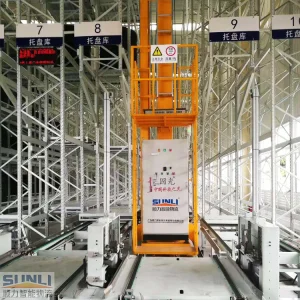
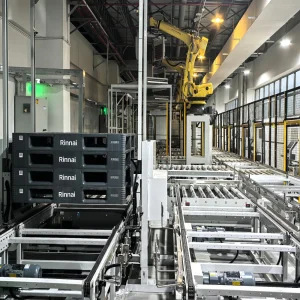
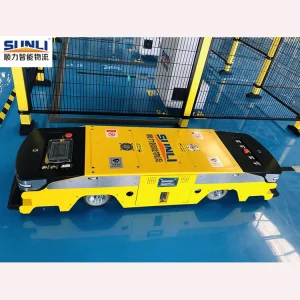
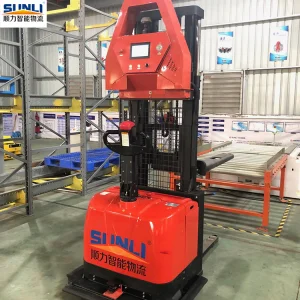
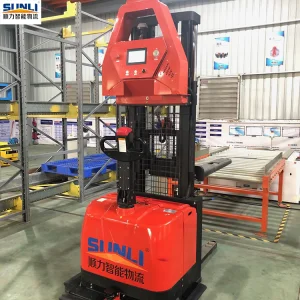
By leveraging advanced Finite Element Analysis (FEA) software, our engineering team optimizes steel profiles, reducing dead weight while maintaining maximum load capacities. This engineering approach reduces shipping costs and the environmental footprint of large steel structures. Simultaneously, we are expanding research into automated material transport, focusing on integration between Laser-Guided AGVs, 4-Way Radio Shuttles, and AS/RS systems. These integrations allow warehouses to transition toward dark operations, optimizing energy use and maximizing volumetric space.
Over the next decade, we aim to integrate internet-of-things (IoT) strain sensors directly into critical structural load positions. This innovation will enable facility managers to monitor structural stress in real-time, receiving automated alerts for overloading or accidental impact damage to prevent system failures before they occur.
Moving beyond basic two-way shuttles, our future fleet operates along coordinate grids, shifting lanes independently to optimize sorting paths and resolve throughput bottlenecks.
Embedded strain gauges and vibration nodes transmit load performance data, enabling preventative maintenance and immediate warnings of operational impacts.
By reducing structural steel mass and optimizing layouts for automated cold storage environments, we help facilities lower overall cooling and operating emissions.
Aligning structural designs with global safety mandates and regional building codes.
Global supply chains require strict adherence to local structural and safety rules. All storage systems manufactured by Shenzhen Sunli conform to international engineering standards, including European CE certification, FEM 10.2.02 racking standards, and the American RMI specification. This design alignment ensures smooth building approval processes and safety clearances in foreign jurisdictions.
Furthermore, our engineering teams customize solutions to address local geographic hazards, such as seismic activity. For projects in high-activity zones, we use thicker steel columns, wider base plates, and heavy-duty seismic bracing to absorb ground energy. We also offer localized installation support, detailed layout documentation, and step-by-step video guidance to help local field crews assemble structures correctly and safely.
Answers to critical design, safety, and integration questions for warehousing professionals.
Static load capacity refers to the weight rating of a bay when products are stationary on the support beams. Dynamic load capacity accounts for the extra kinetic forces exerted during loading and unloading by forklifts or automated cranes. Designers calculate dynamic load ratings with safety factors (typically 1.5 to 1.8) to prevent structural warping during fast operations.
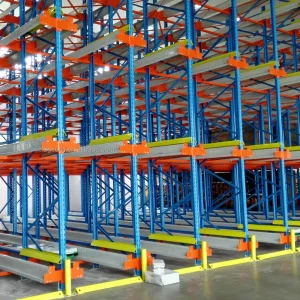
While standard Drive-In racking offers high density, it requires operators to drive forklifts directly into the rack structure, increasing the risk of frame damage and limiting sorting speeds. 4-Way Radio Shuttle systems place automated carts in the rack structure. These carts move loads dynamically across both axes, accelerating throughput and protecting upright frames from forklift collisions.
ESD powder coatings prevent the buildup of static electricity across structural metal frames. In microelectronic and cleanroom storage, electrostatic discharges can damage sensitive components. Implementing dissipative ESD finishes controls static grounding, protecting inventory from electrical damage.
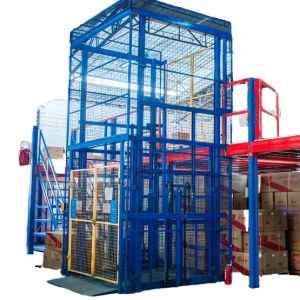
Mezzanine systems require careful engineering regarding slab load capacity, column layouts, stair access, and safety gates. Designers analyze floor deflection under dead and live loads, ensuring compliance with local egress paths and emergency fire safety regulations.
AS/RS integration allows cold storage rooms to operate with higher vertical density, reducing the total volume of air requiring refrigeration. By eliminating human entry paths, cold air loss from door openings is minimized, lowering energy consumption by 30% to 40% compared to traditional manual storage setups.
Procurement teams should check for CE certification (Europe), ANSI/RMI compliance (US), and AS4084 certification (Australia). These credentials verify that the structural steel grades, welding processes, and load calculators meet international engineering standards for long-term safety.
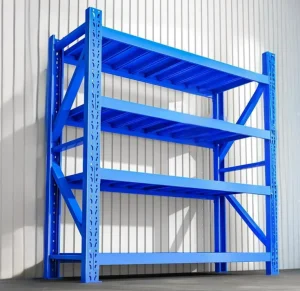
From manual steel shelving to intelligent AGV equipment, we supply customizable systems for every warehouse setup.
 SunliRack