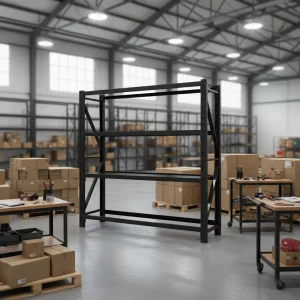
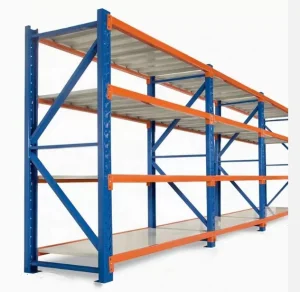
Industrial-grade warehouse racking and heavy load storage solutions designed for structural integrity and high density integration.
Established in 2015, Shenzhen Sunli Intelligent Logistics Equipment Co., Ltd. is a leading manufacturer specializing in heavy-duty industrial racking and smart warehouse storage solutions. Operating from a modern production facility spanning 38,000 m², we leverage over 12 years of industry experience and 8 years of international trade expertise to serve global logistics and industrial sectors. Our high-performance storage solutions generate an annual export revenue ranging between $18 million and $25 million, with core markets spanning North America, Western Europe, Southeast Asia, and the Middle East.
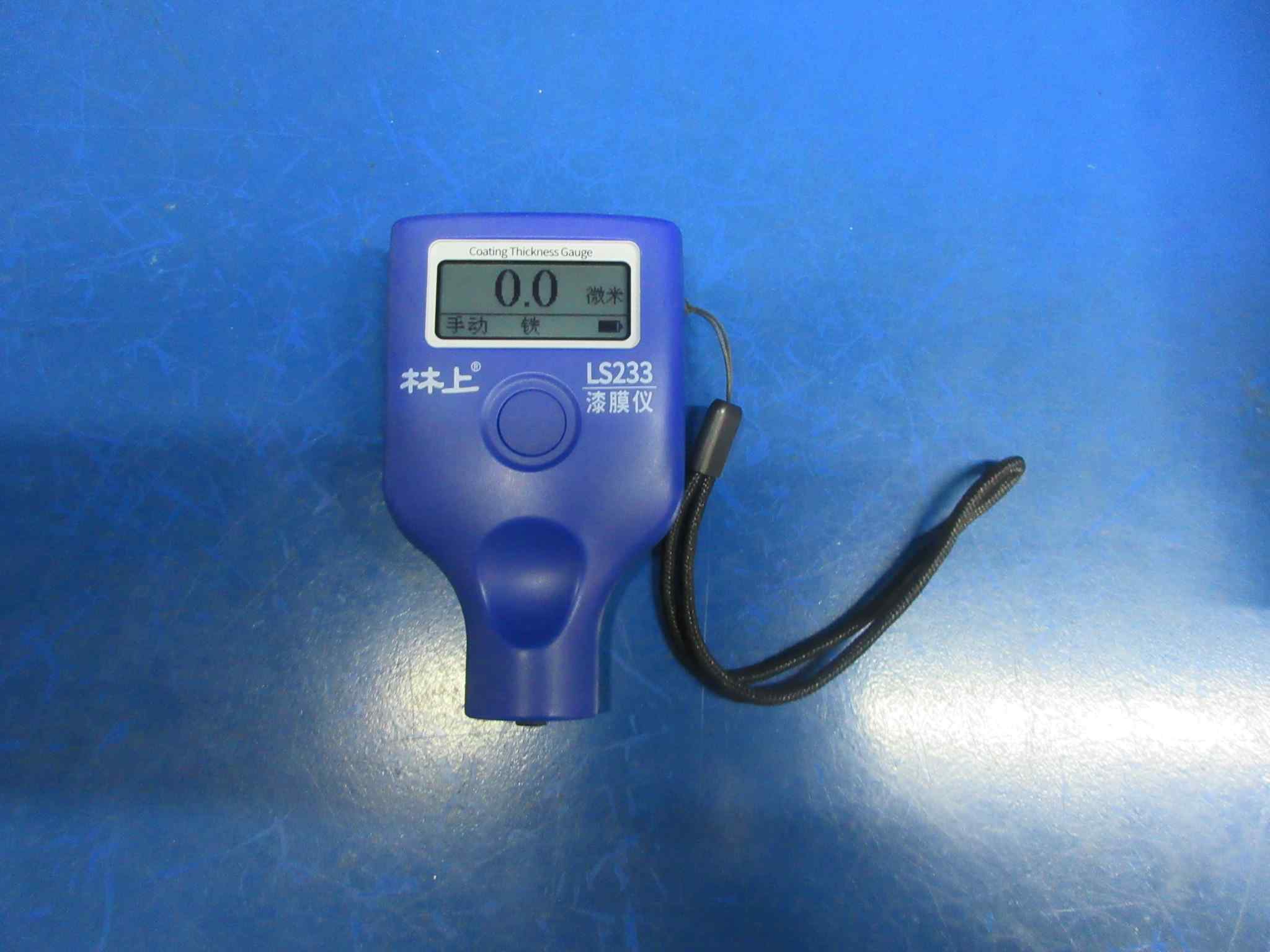
Quality and precision are central to our operations. Our dynamic team of 35 dedicated QC professionals implements rigorous product inspection methods, including full raw material load-bearing analysis, high-precision weld seam testing, and comprehensive anti-corrosion powder-coating thickness checks. Driven by strong R&D capabilities, our team of 28 skilled R&D engineers continuously innovates to meet evolving supply chain requirements, introducing over 120 new products and structural improvements annually.
We offer extensive OEM/ODM custom options, including tailored load capacities, custom rack dimensions, color powder coatings, and fully integrated automated shuttle systems (AS/RS). Backed by a strong network of over 800 supply chain partners, we primarily partner with large-scale 3PL providers, industrial distributors, ecommerce logistics hubs, and global retail enterprises to deliver reliable, efficient, and scalable storage infrastructure worldwide.
In the domain of modern warehouse engineering, heavy-load racking systems are no longer treated as passive metal structures. Instead, they are active mechanical assemblies subject to complex static, dynamic, and seismic forces. Selecting or design-optimizing heavy racking requires a deep understanding of metal science, cold-rolled steel profile mechanics, and structural safety margins.
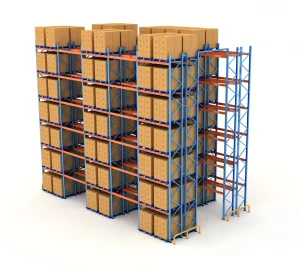
The foundation of any high-capacity racking system lies in the physical properties of the steel profiles used. Standard structural steel (like Q235B or Q355B in Chinese standards, corresponding to ASTM A36 and S355JR respectively) must undergo specialized cold roll-forming processes. Cold roll-forming changes the grain boundary structure of the steel, significantly raising its yield point and load capacity. This is critical for vertical uprights and horizontal loading beams that support individual pallets weighing up to 2000 kg and beyond.
Our engineering team performs structural simulation models using Finite Element Analysis (FEA). This process simulates structural behavior under maximum static weight capacity and high stress factors, ensuring that structural deflection rates remain strictly within the L/200 deflection limit defined by the Rack Manufacturers Institute (RMI) standards.
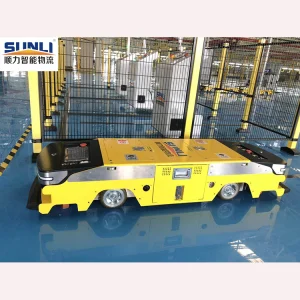
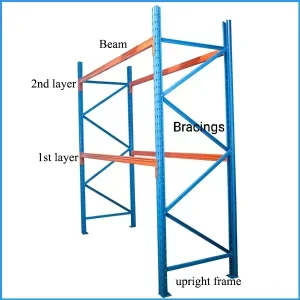
For modern multi-level storage racking systems, designers must calculate dynamic loads induced by automated material handling equipment (such as AGVs, stacker cranes, and high-reach forklifts). Furthermore, in seismically active regions, the racking system must withstand lateral shear forces. This is accomplished through advanced diagonal bracing, heavy-duty floor baseplates, and high-tensile anchor bolts.
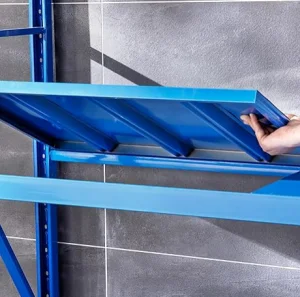
Our manufacturing protocols ensure that the steel rack connectors and upright profiles feature high-precision punch patterns. This guarantees tight locking tolerances, mitigating the risk of dynamic load displacement. Upright columns are protected by structural guards, reducing structural impact damage from warehouse vehicle maneuvers.
Each heavy-duty rack structure we deploy is designed with a safety factor of 1.5 to 1.8. This safety factor ensures that even under accidental overload conditions, dynamic shock impacts from forklift operations, or minor structural misalignments, the load-bearing components maintain structural integrity to prevent localized column collapsing or systemic failure.
Our 38,000 m² factory operates fully automated roll-forming lines, advanced robotic welding centers, and standardized quality-testing laboratories.
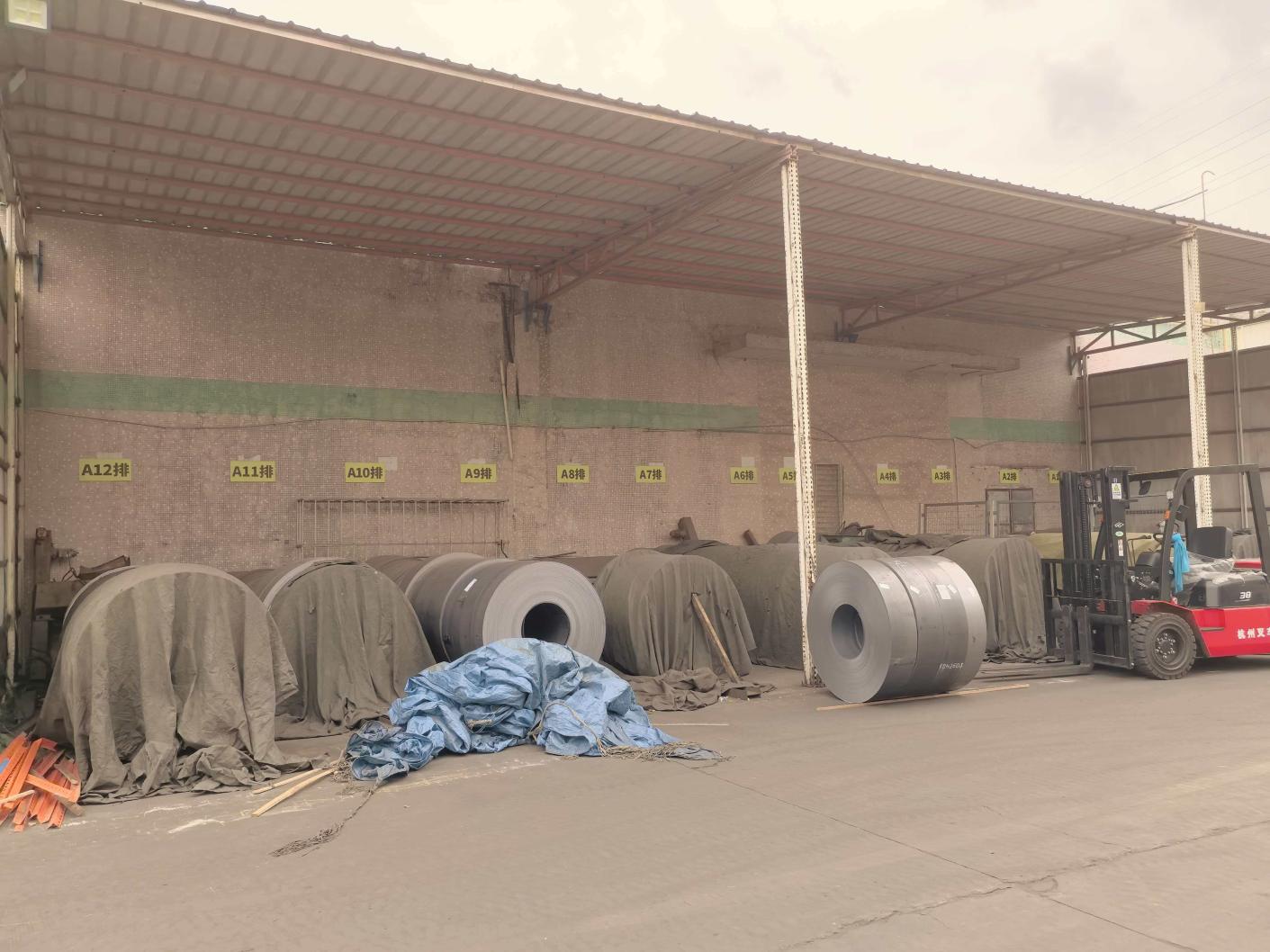
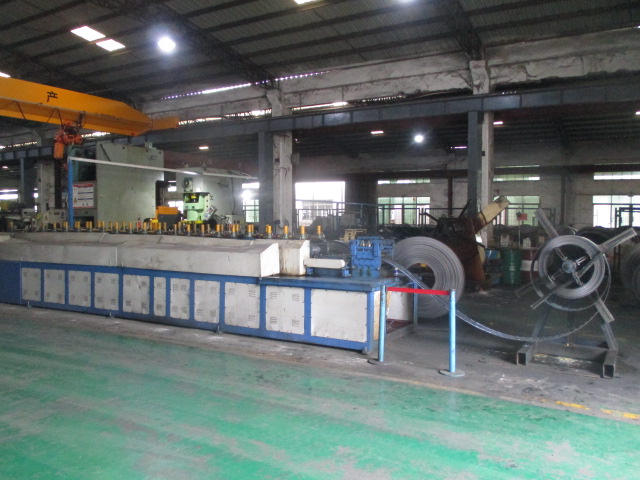
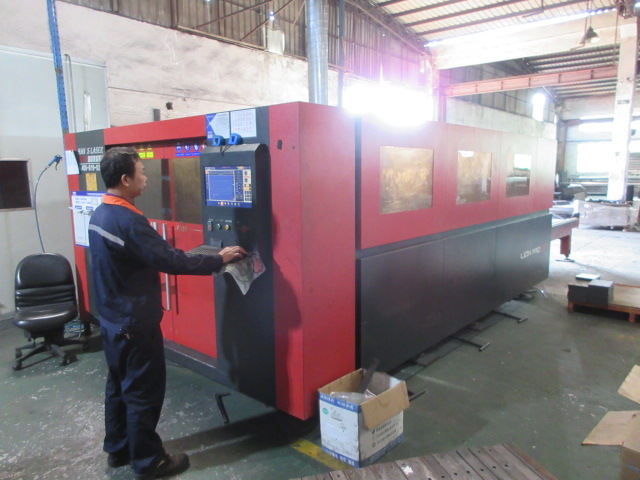
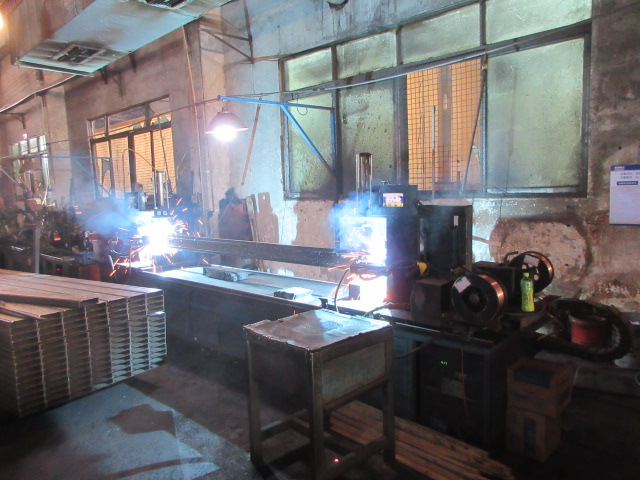
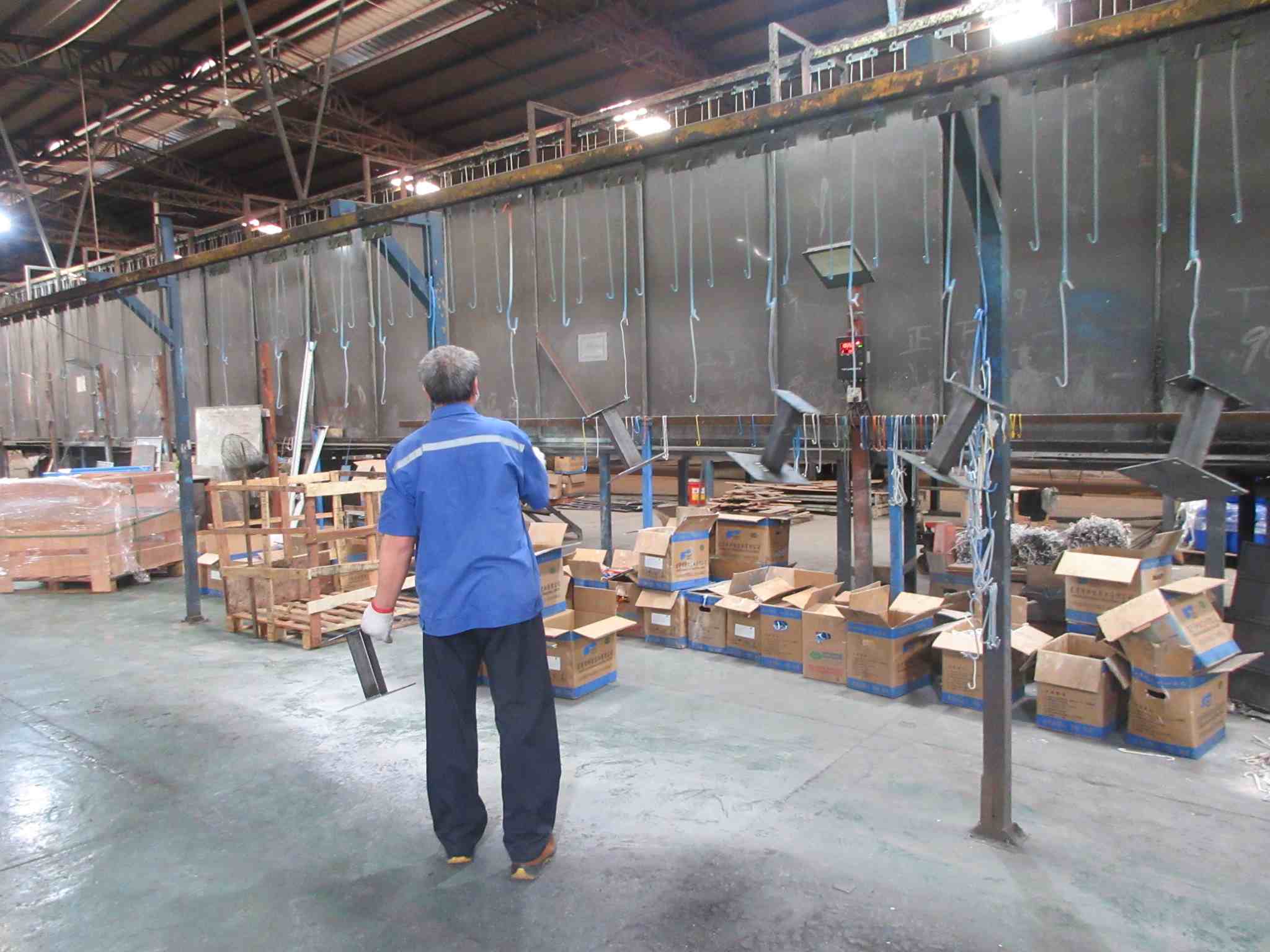
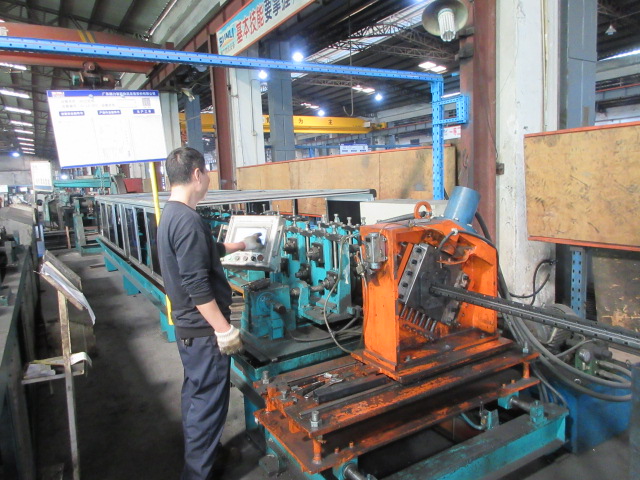
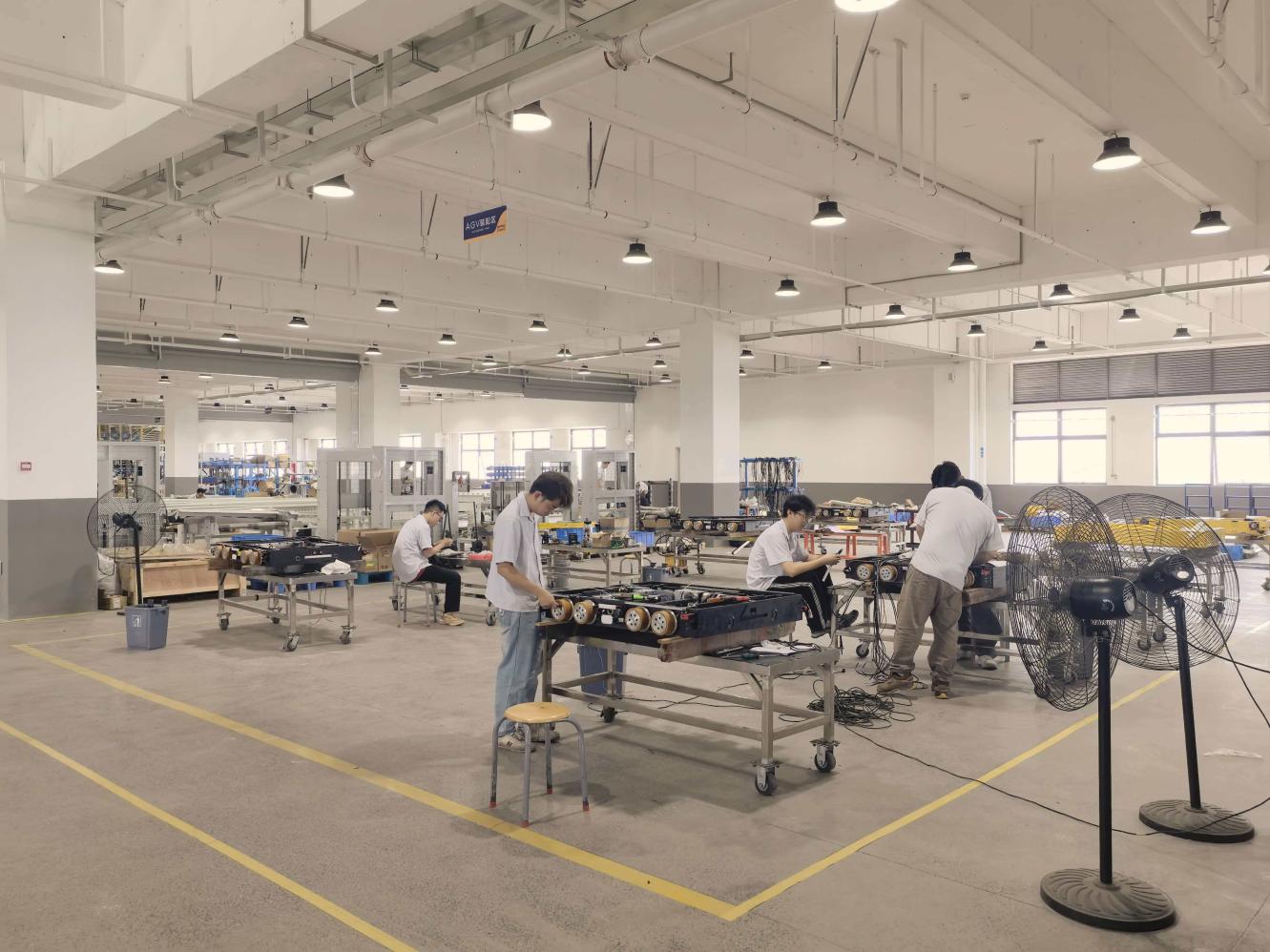
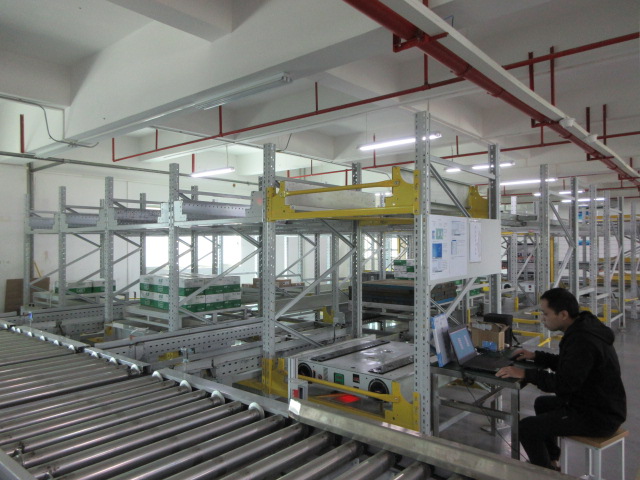
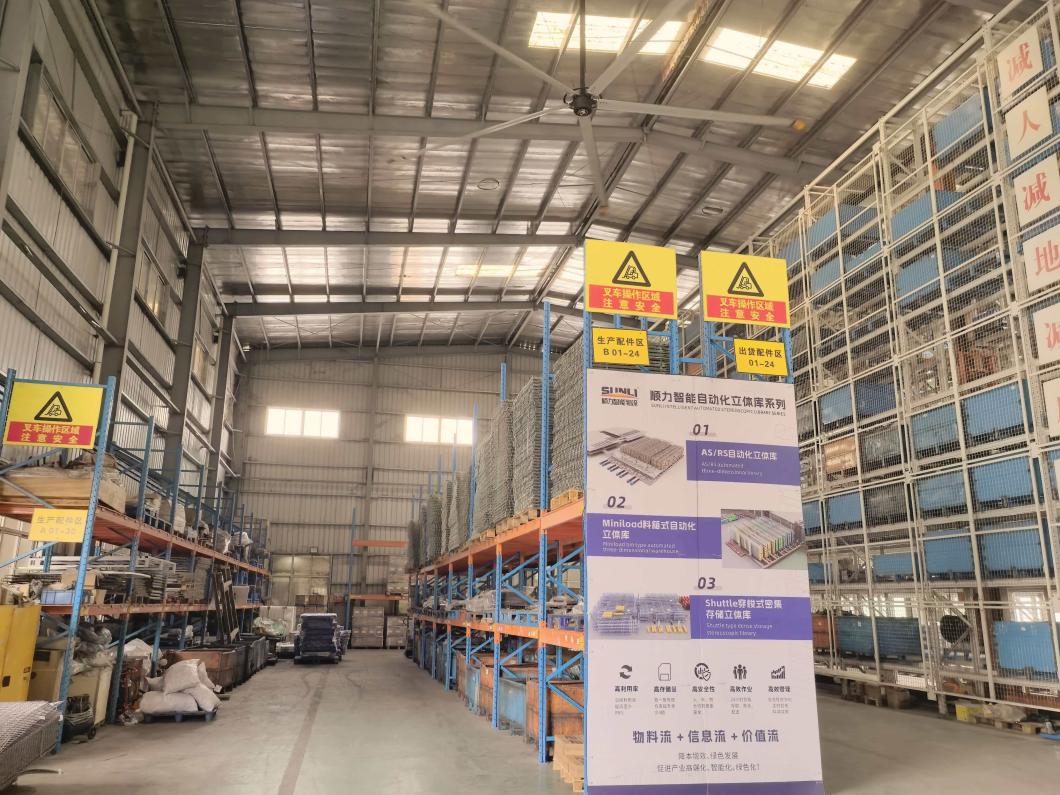
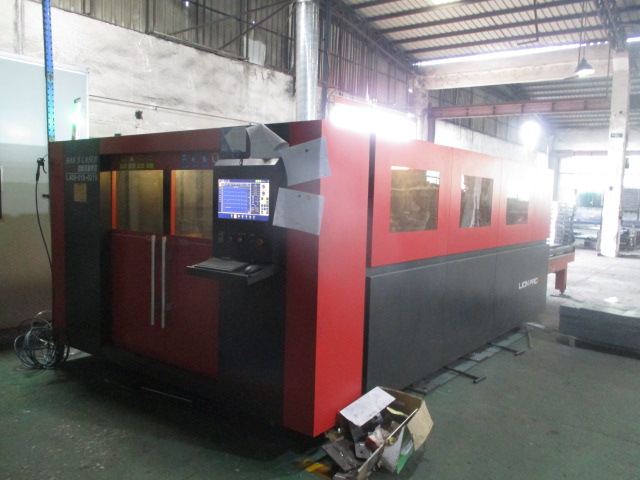
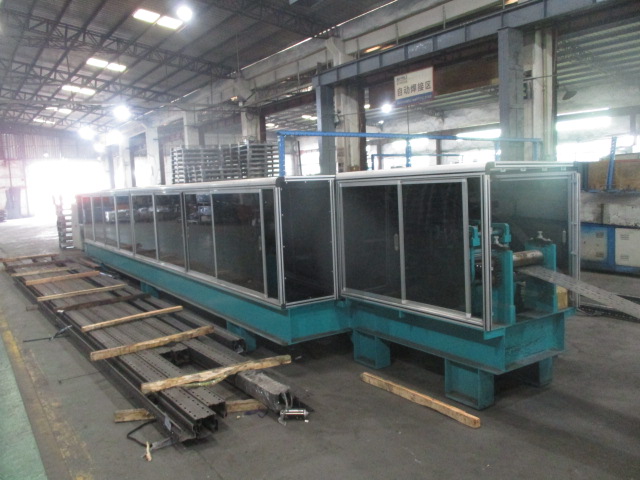
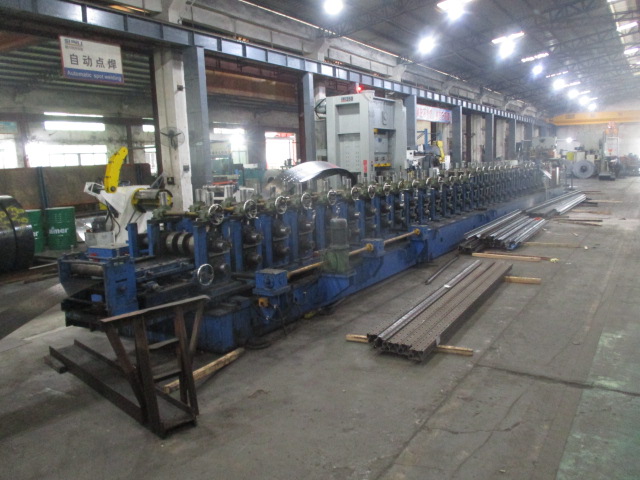
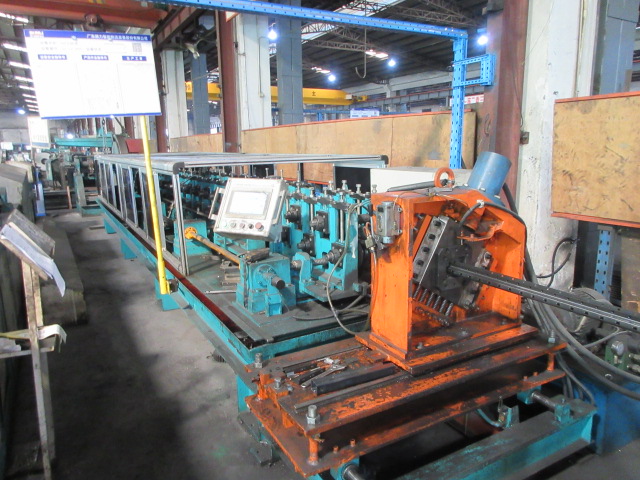
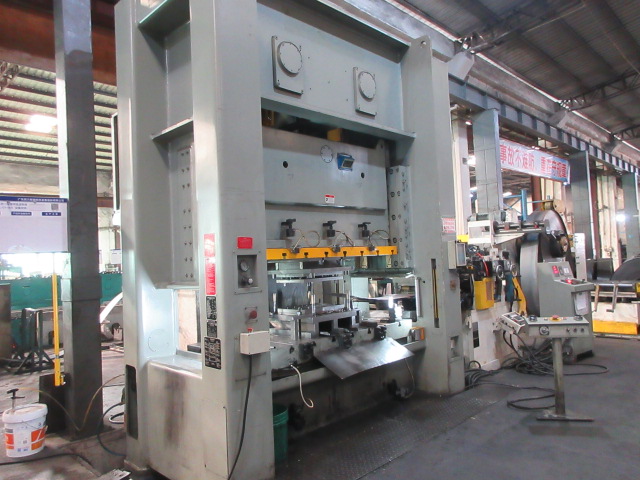
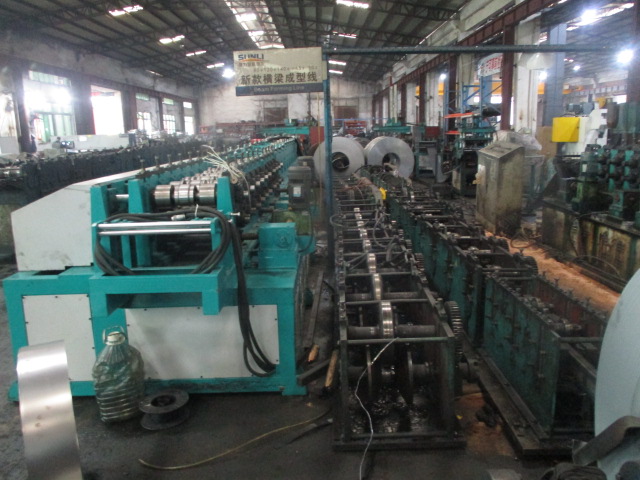
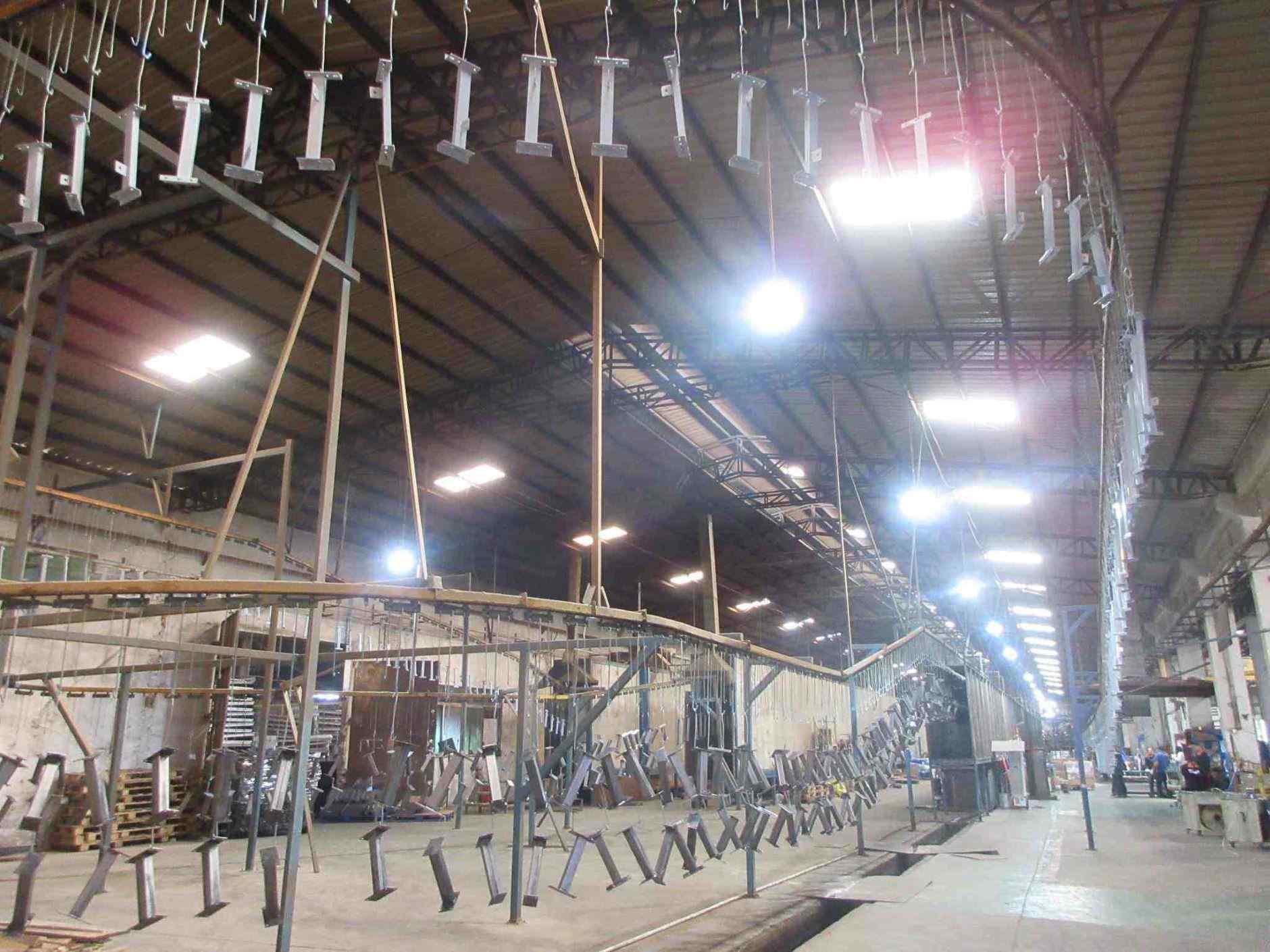
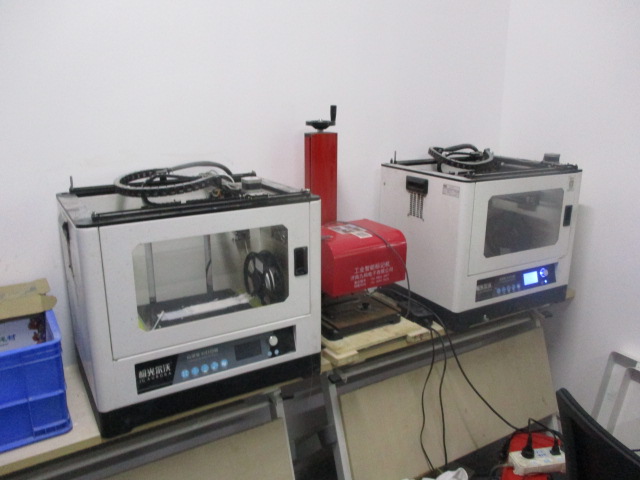
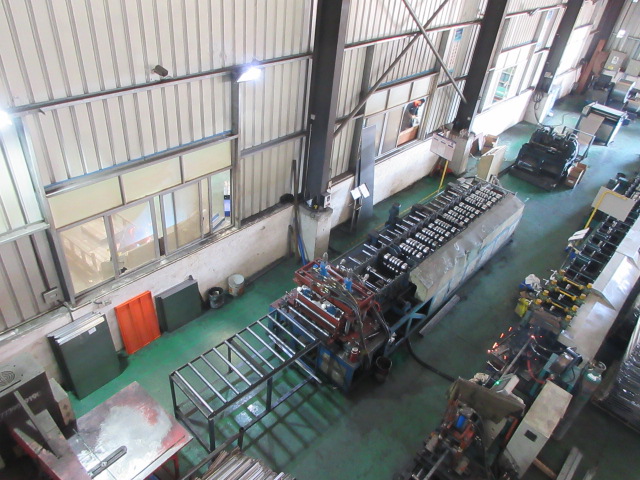
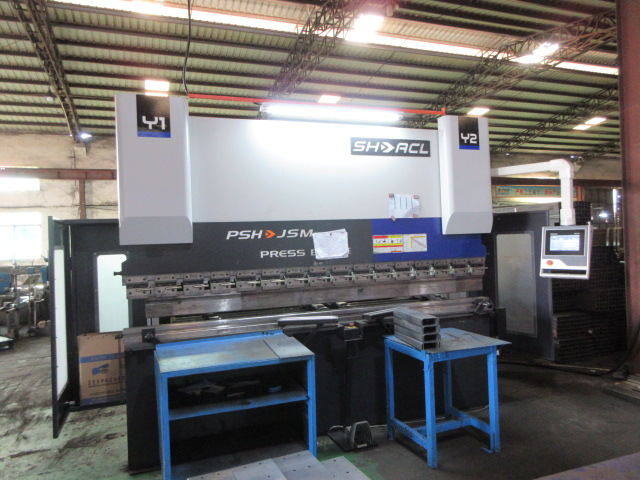
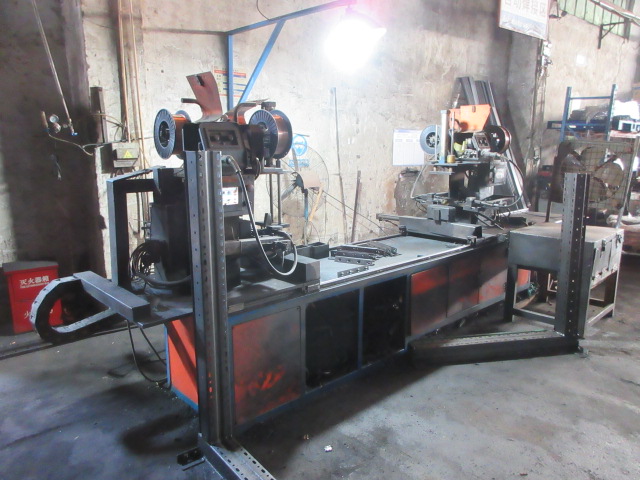
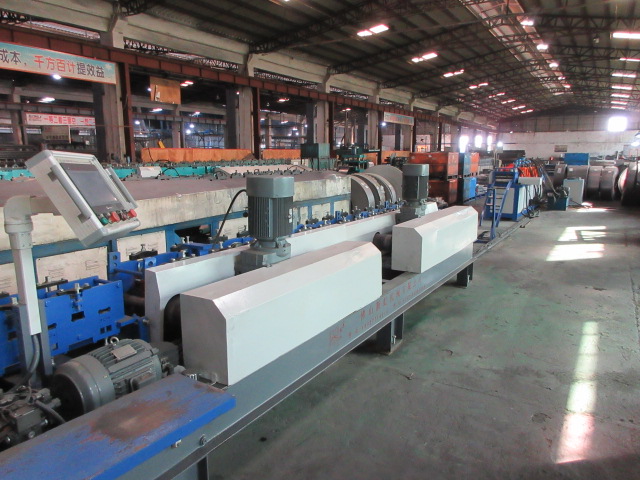
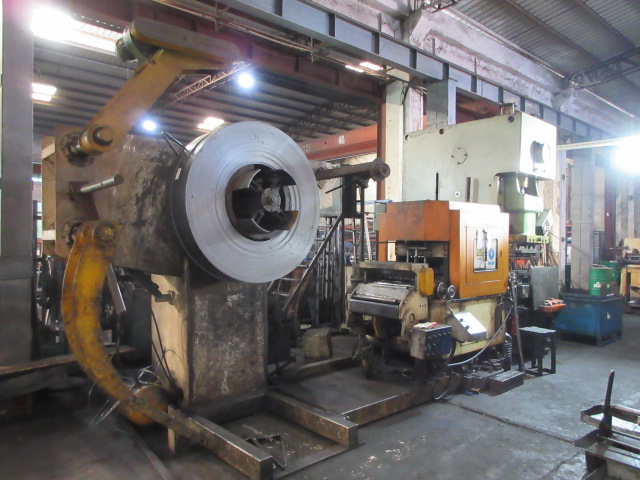
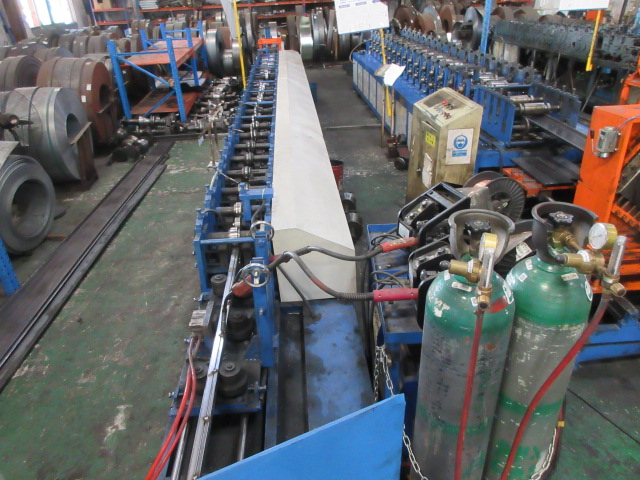
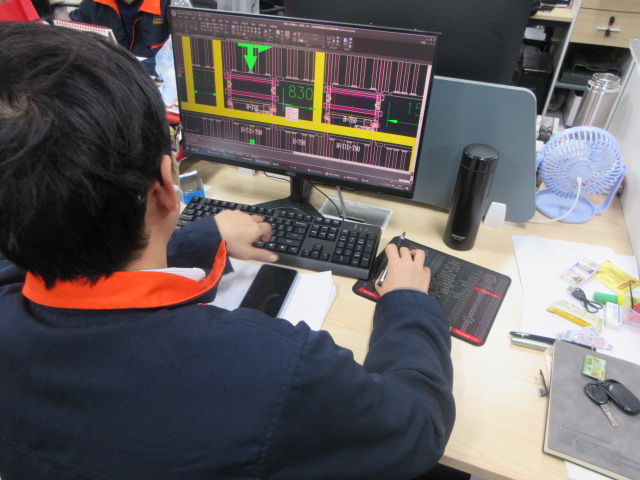
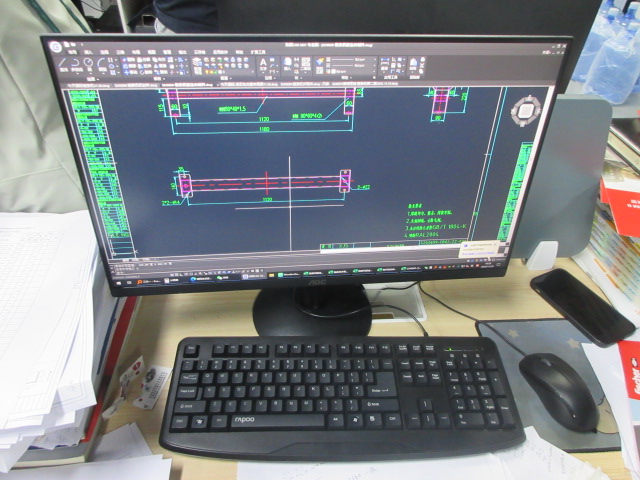
Continuous testing ensures every structural component exceeds global building and safety specifications. We deploy the following laboratory equipment for full traceability:
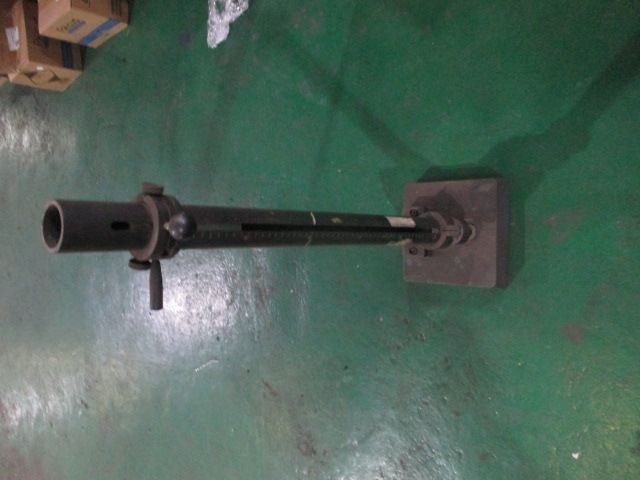
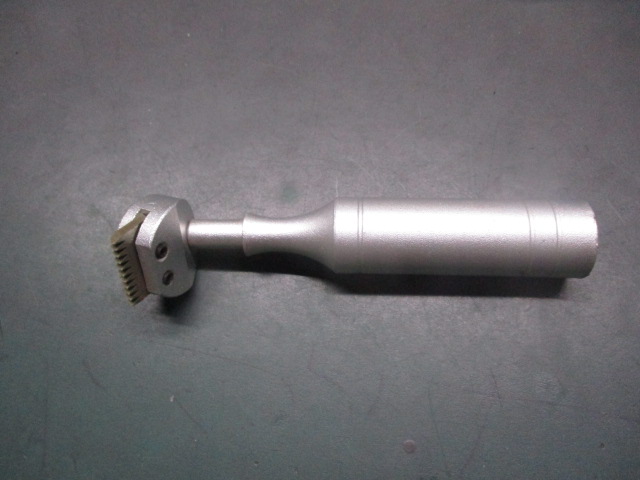
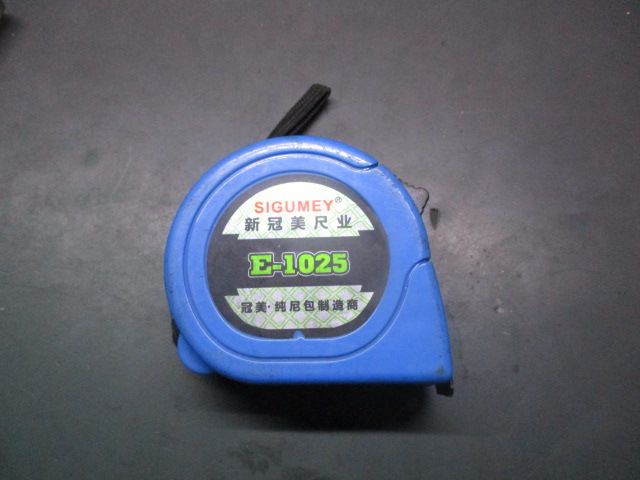
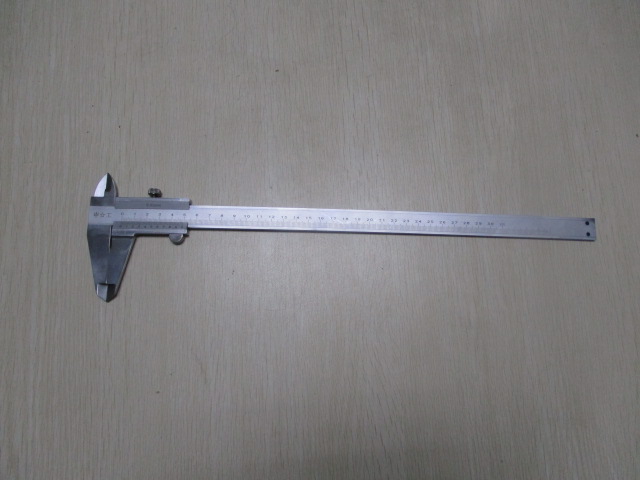
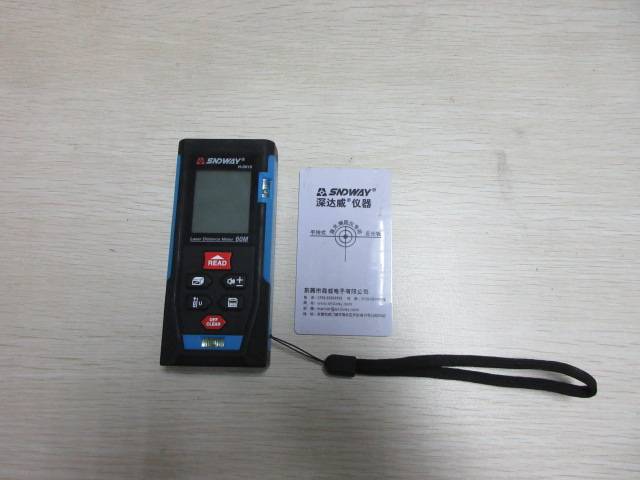
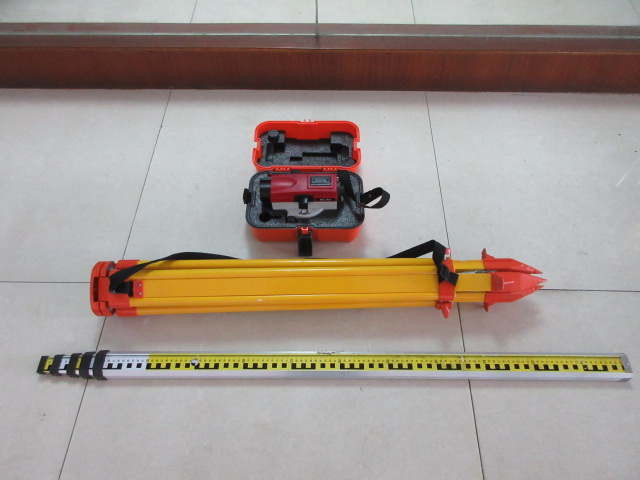
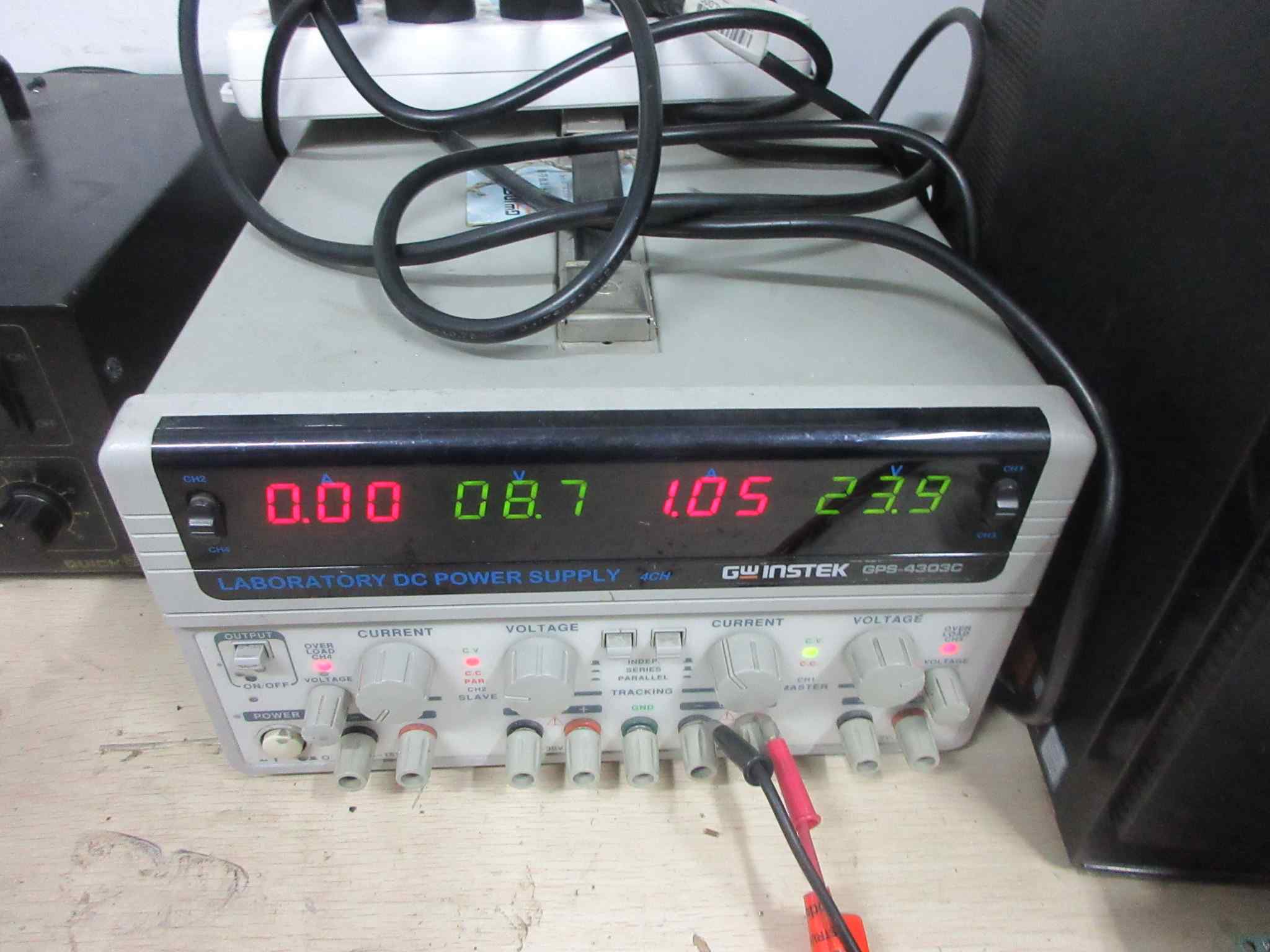
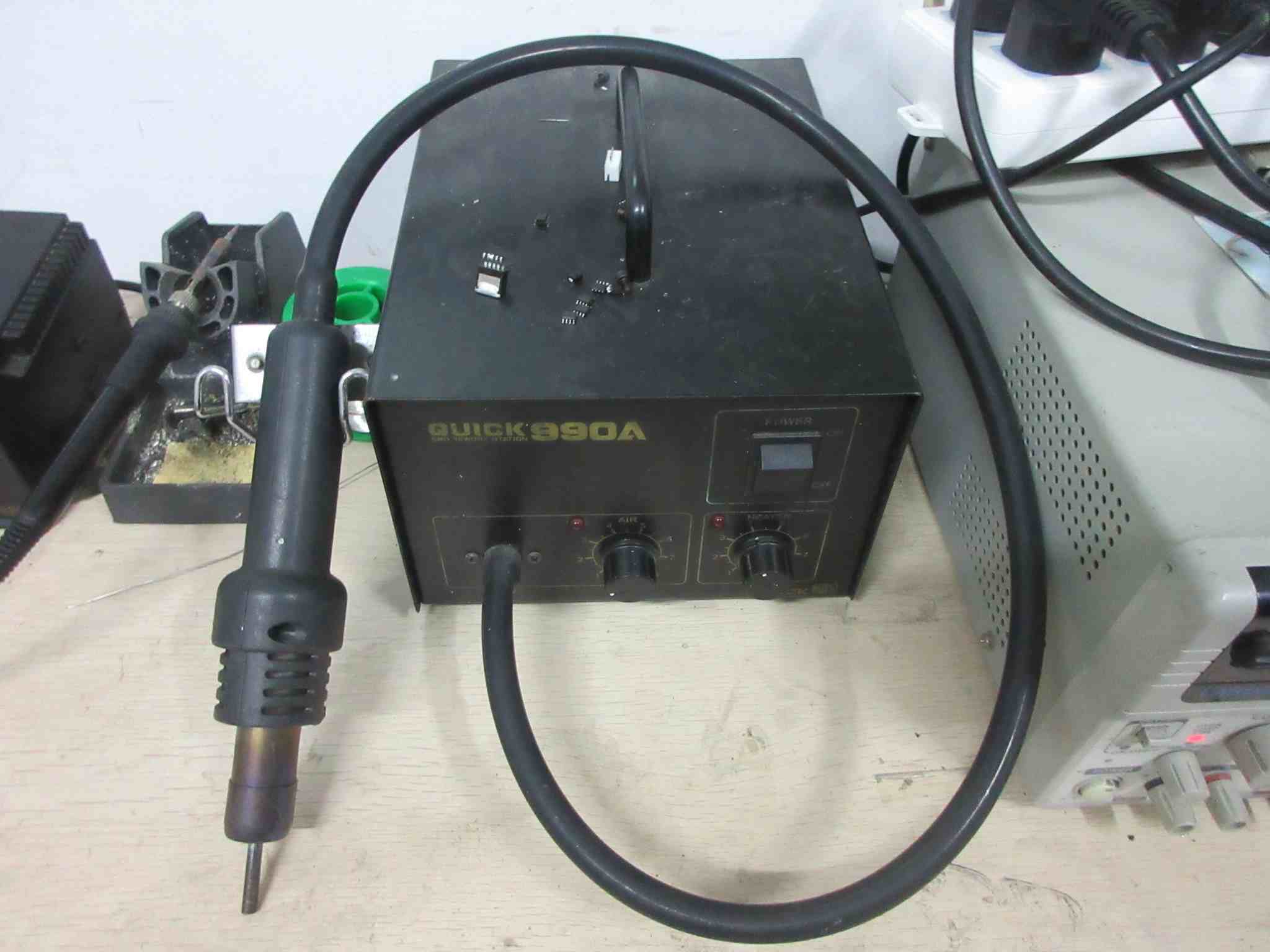
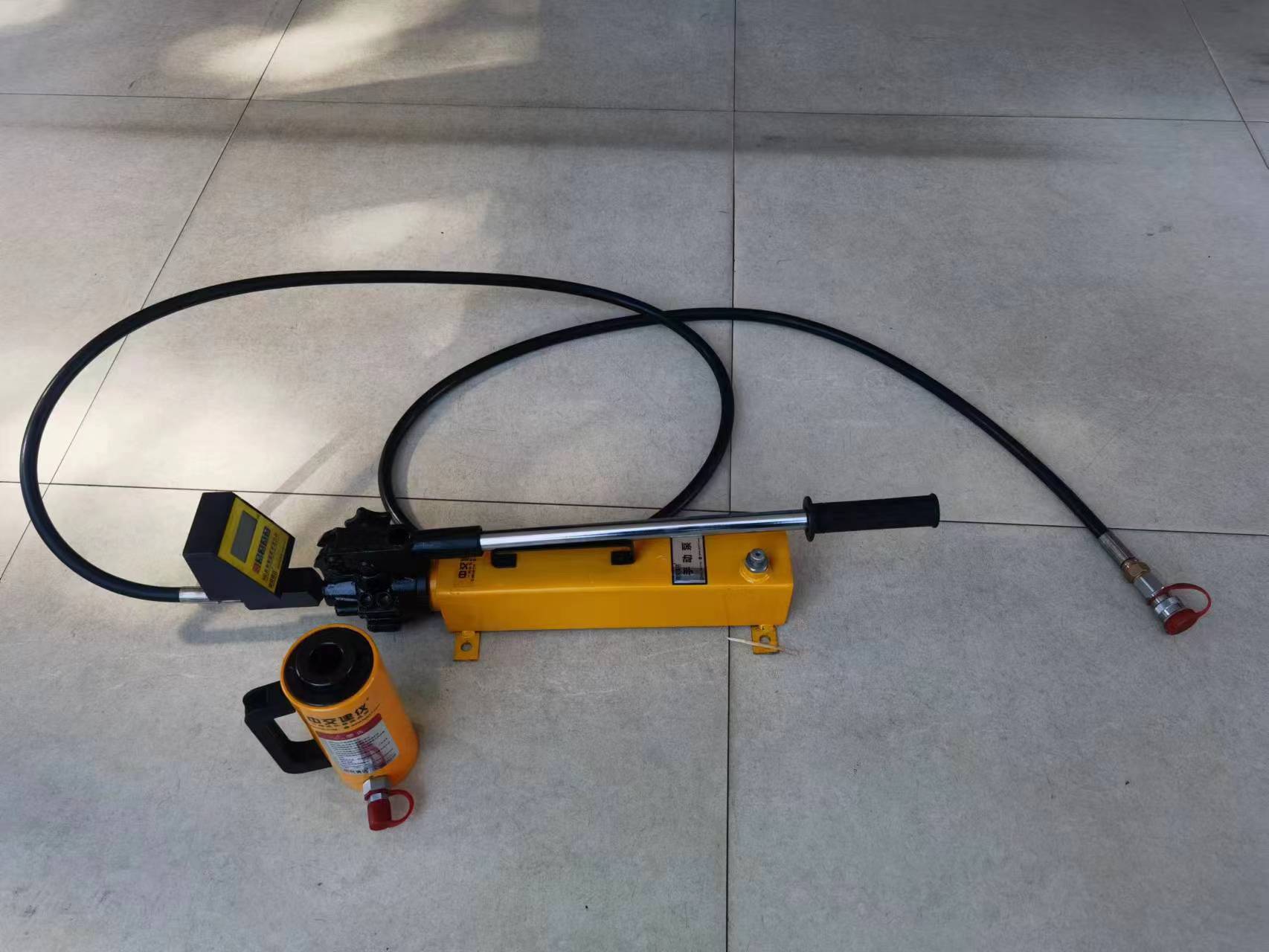
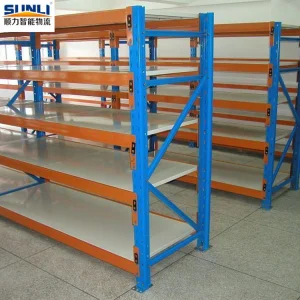
Industrial storage requirements vary vastly depending on product rotation speeds, ambient environments, and space optimization goals. We design customized structures to meet these specific operational profiles:
Under freezing environments (down to -30°C), structural steel can experience low-temperature embrittlement, posing structural failure risks. We utilize specialized alloy variations and dual-layer hot-dip galvanized or epoxy powder-coating treatments. These coatings preserve ductility and resist chemical cleaning corrosion, providing safe performance in food, beverage, and medical storage sectors.
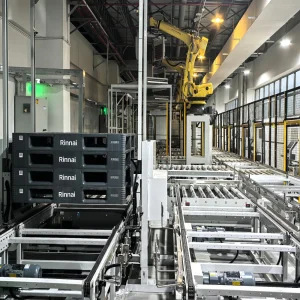
Automation demands micro-millimeter precision. Traditional storage racks allow minor flex tolerances that can confuse automated crane sensors or shuttle guides. Our AS/RS structural lines maintain strict tolerances (+/-1.5mm overall dimensional variation) to align seamlessly with PLC crane interfaces and high-speed multi-shuttle tracks.
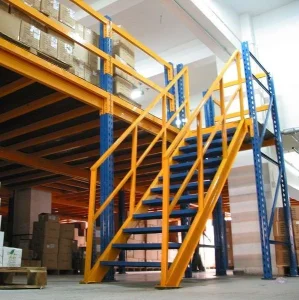
E-commerce warehouses manage thousands of SKUs requiring fast foot-picking access combined with high-overhead bulk storage. Our engineered mezzanine systems (like the SL-ME030 platform) double the usable square footage by adding high-tensile elevated flooring supported by heavy-duty columns. This permits simultaneous ground floor picking and elevated pallet storage.
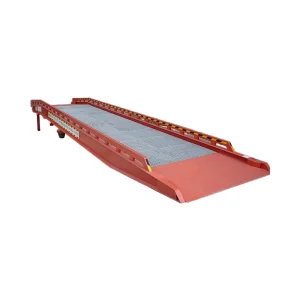
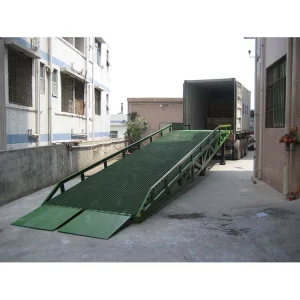
For industrial shipping facilities handling extremely heavy loads (such as automotive assemblies, construction machinery, and steel rolls), safe load movement is vital. Our heavy-duty vertical lifts, yard ramps, and forklift dock ramps support loads from 10 tons to 15 tons, allowing forklifts to transition between dynamic shipping bays and static racking structures without structural deflection.
As logistics systems transition from manual handling to intelligent AI optimization, our engineering roadmap aligns with these core technological shifts:
Expanding the usage of chromium-free pre-treatments and low-temperature curing powder coatings. This reduces manufacturing energy consumption by 15% while improving salt spray corrosion resistance to over 1000 hours for maritime shipping and high-humidity tropical warehouse facilities.
Developing structural sensors integrated into critical column bases and crossbeams. These IoT strain gauges communicate structural stress and deflection data to the WMS (Warehouse Management System), alerting operations of overload events or structural deformation before damage occurs.
Engineering smart rack interfaces designed for high-density navigation. The rack structures will features retroreflective and visual navigation landmarks, allowing forklift-free autonomous robotic swarms to safely align and pick payloads under high-velocity turnaround requirements.
Exporting structural steel globally requires compliance with regional construction codes and product liability standards. A failure to match local structural standards can result in delayed occupancy permits or legal liabilities during warehouse audits.
Our 8 years of international trade operations enable us to handle DDP, CIF, and FOB shipments. We provide structural drawings and calculation books required for local warehouse engineering stamps. Additionally, our global network of field installation partners ensures that your racking is assembled to local safety standards.
Common questions from warehouse designers, plant managers, and procurement officers regarding industrial heavy racking design.
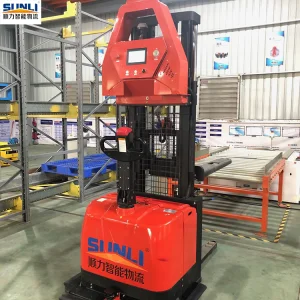
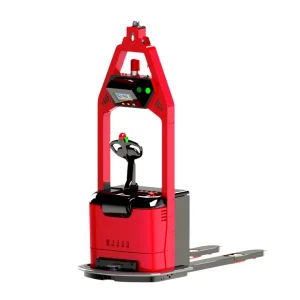
Integrate physical storage structures with intelligent transport machinery for a fully automated fulfillment system.
 SunliRack