Leveraging engineering excellence to deliver robust mechanical structures, high-capacity stacking frames, and intelligent mobile carriers for high-throughput logistics.
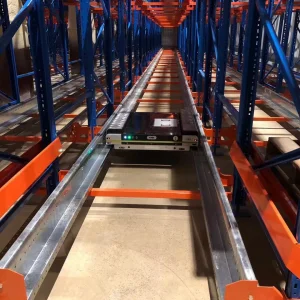
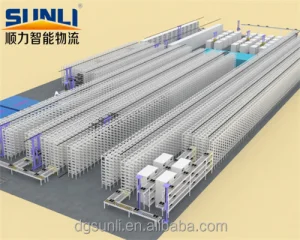
Modern logistics ecosystems are facing unprecedented real estate costs, labor shortages, and demand for faster throughput cycles. To stay competitive, globally active enterprises are moving away from traditional selective racking systems toward automated high-density storage. Among these systems, Radio Shuttle Storage has emerged as the definitive standard for density optimization, combining structural mechanical robustness with agile, semi-automated deep-lane pallet shuttle technology.
As a premier OEM/ODM manufacturer, Shenzhen Sunli Intelligent Logistics Equipment Co., Ltd. addresses these macro challenges. By implementing automated radio shuttle racking, operations can reclaim up to 85% of underutilized vertical and horizontal airspace. This technology removes the necessity of forklift access aisles inside the racking block, minimizing forklift collision risks and significantly speeding up the retrieval processes in both LIFO (Last-In, First-Out) and FIFO (First-In, First-Out) configurations.
Procurement directors and warehouse consultants must make informed technical choices based on operational throughput, pallet variations, and budget constraints. Below is a structural engineering comparison outlining the operational paradigms of our shuttle designs.
Operates within a single lane along a linear track, optimized for bulk storage with high-volume SKUs. The shuttle moves pallets from the loading dock to the deepest available slot in the lane. Ideal for dedicated batch production and cold chain applications where lane segregation is uniform.
Engineered for complex dynamic fulfillment centers. The shuttle traverses both longitudinal lanes and cross-aisles, allowing automated transfer between rows without manual forklift repositioning. Minimizes labor requirements and maximizes cross-docking efficiency.
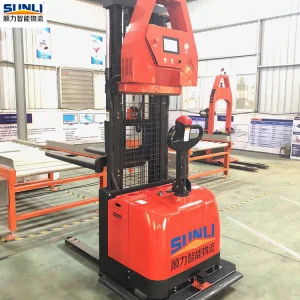
Equipped with obstacle sensors, anti-collision bumpers, and highly reliable Lithium Iron Phosphate (LiFePO4) power cells, enabling continuous 8+ hour duty cycles. Includes automatic charging features to ensure safe and continuous warehouse uptime.
Shenzhen Sunli Intelligent Logistics Equipment Co., Ltd. is a trusted partner for global supply chains. With modern equipment, advanced machinery, and rigorous quality inspection protocols, we deliver durable structural components designed for long-term load-bearing reliability.
We provide comprehensive OEM/ODM customization services. Every rack dimension, load capacity configuration, and vertical profile is engineered to match localized seismic regulations, ambient temperature settings, and target unit-load specifications.
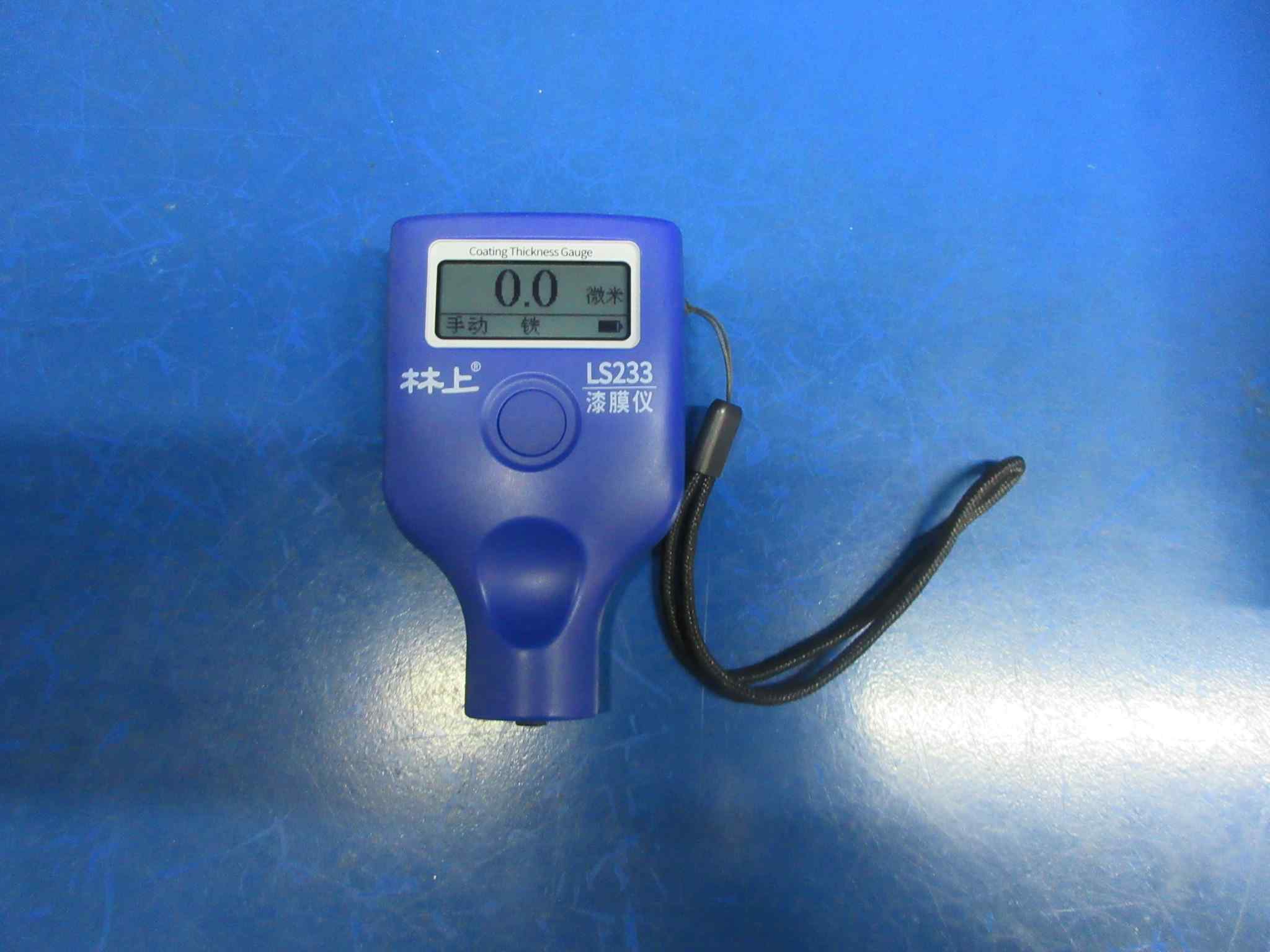
Our team of 35 QC professionals checks raw materials and finished welds. We execute raw steel load testing, weld defect checks, and powder coating thickness tests to prevent structural failure risks under high loads.
Supported by over 800 supply chain partners, we coordinate with 3PL providers, industrial equipment distributors, e-commerce hubs, and retail enterprises to ensure smooth logistics installations.
Our manufacturing facility uses advanced roll forming, welding, and laser processing lines to maintain tight structural tolerances for high-density racking components.
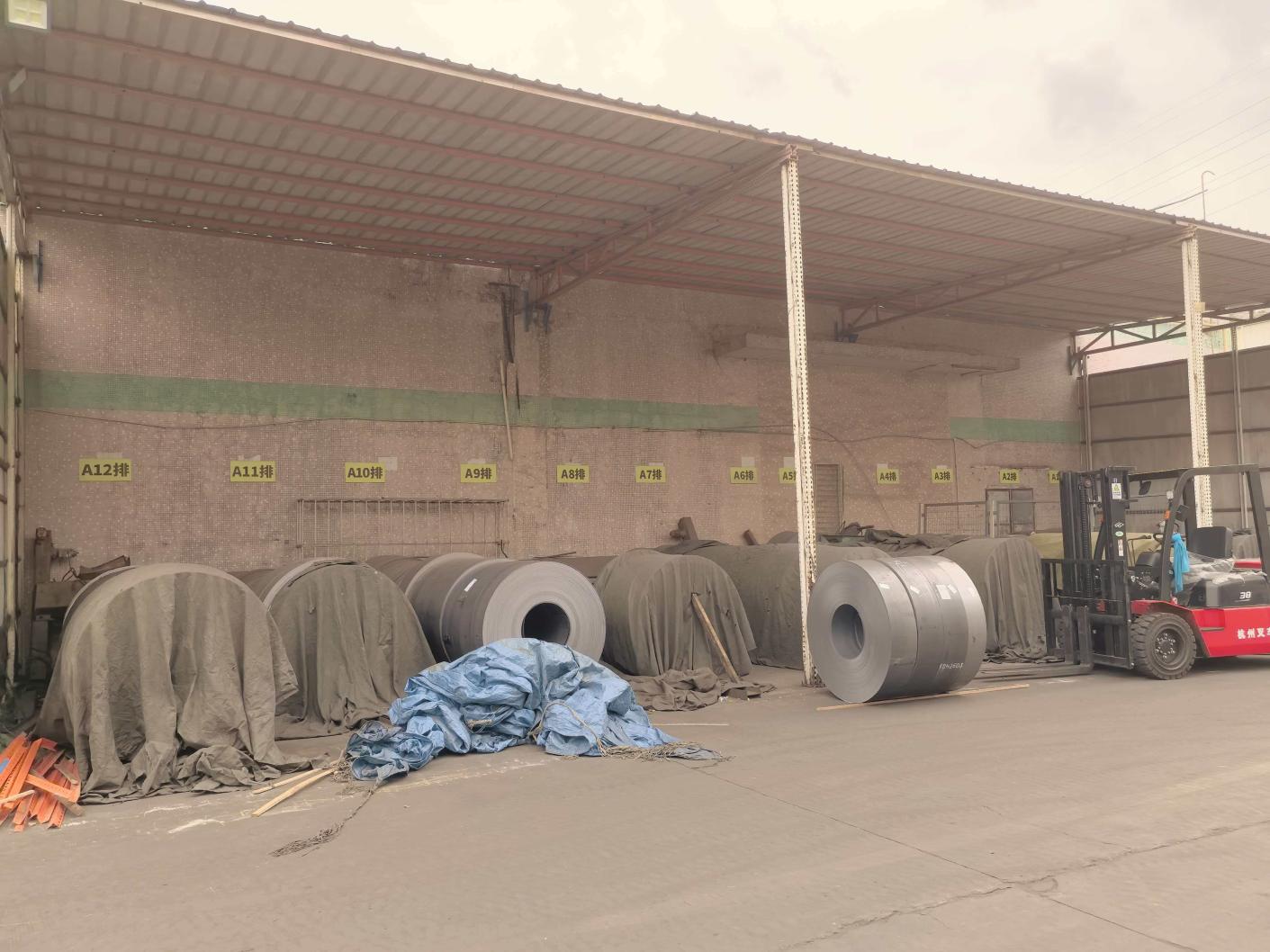
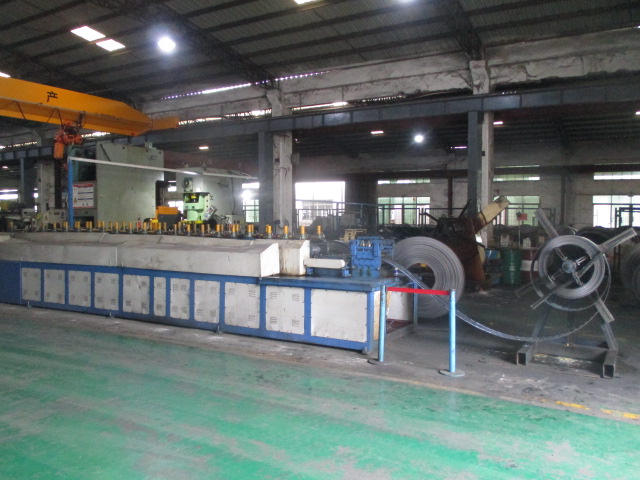
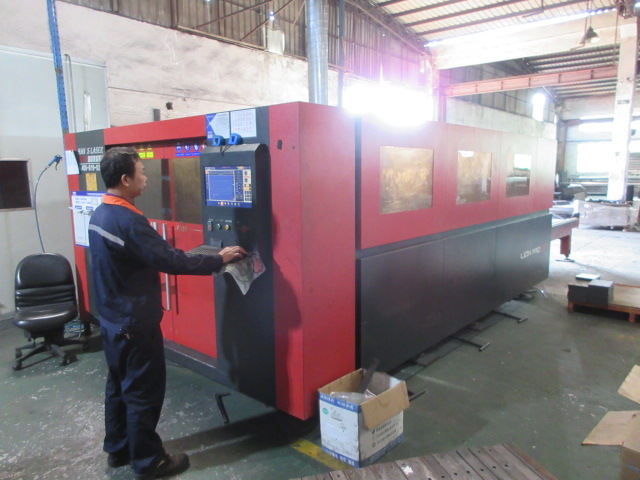
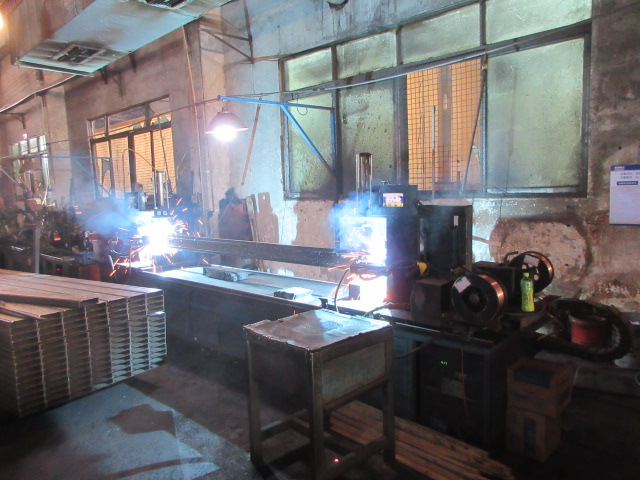
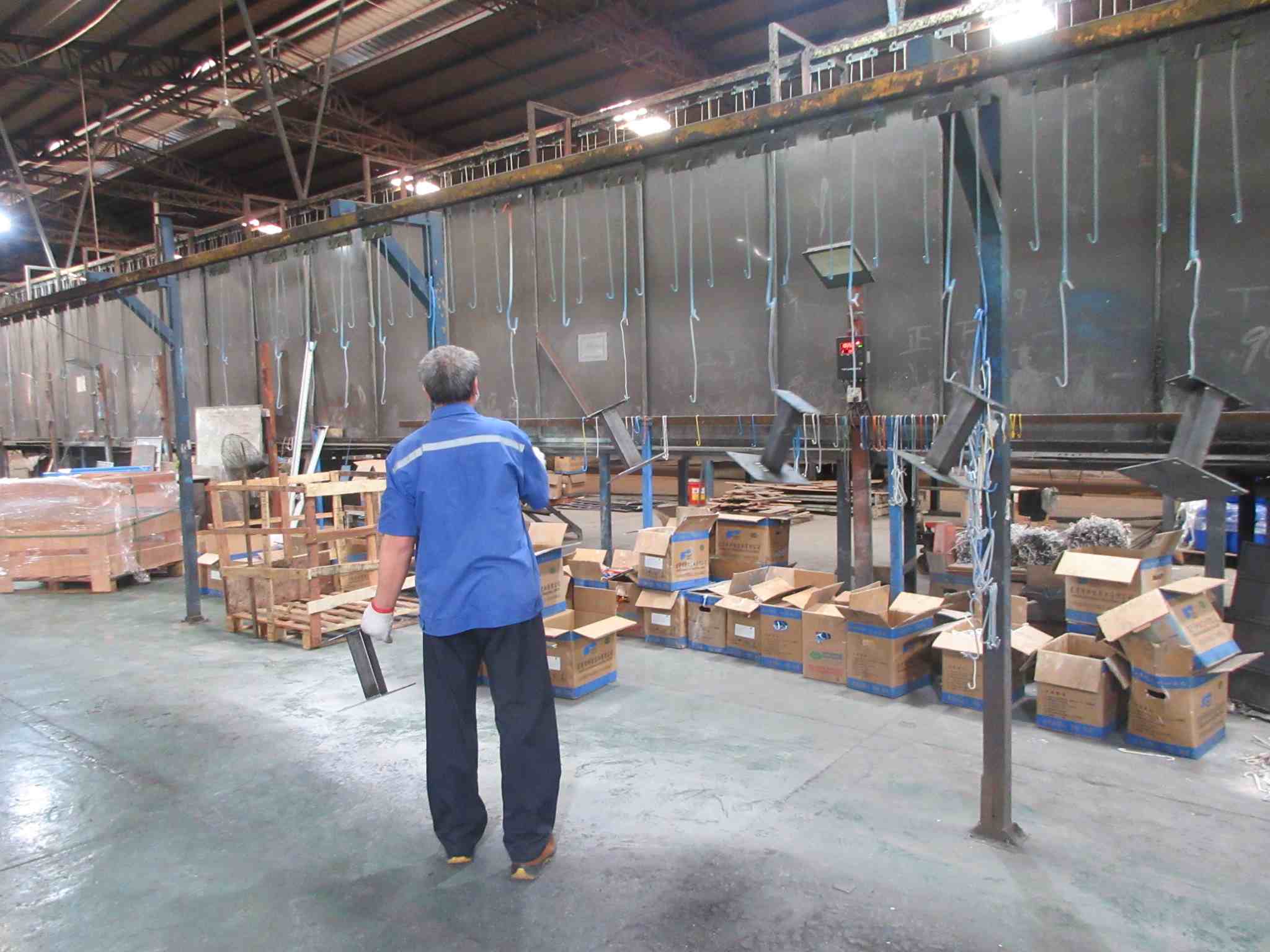
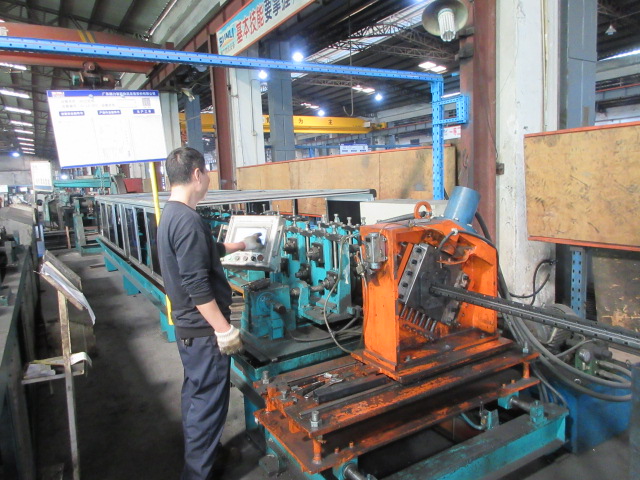
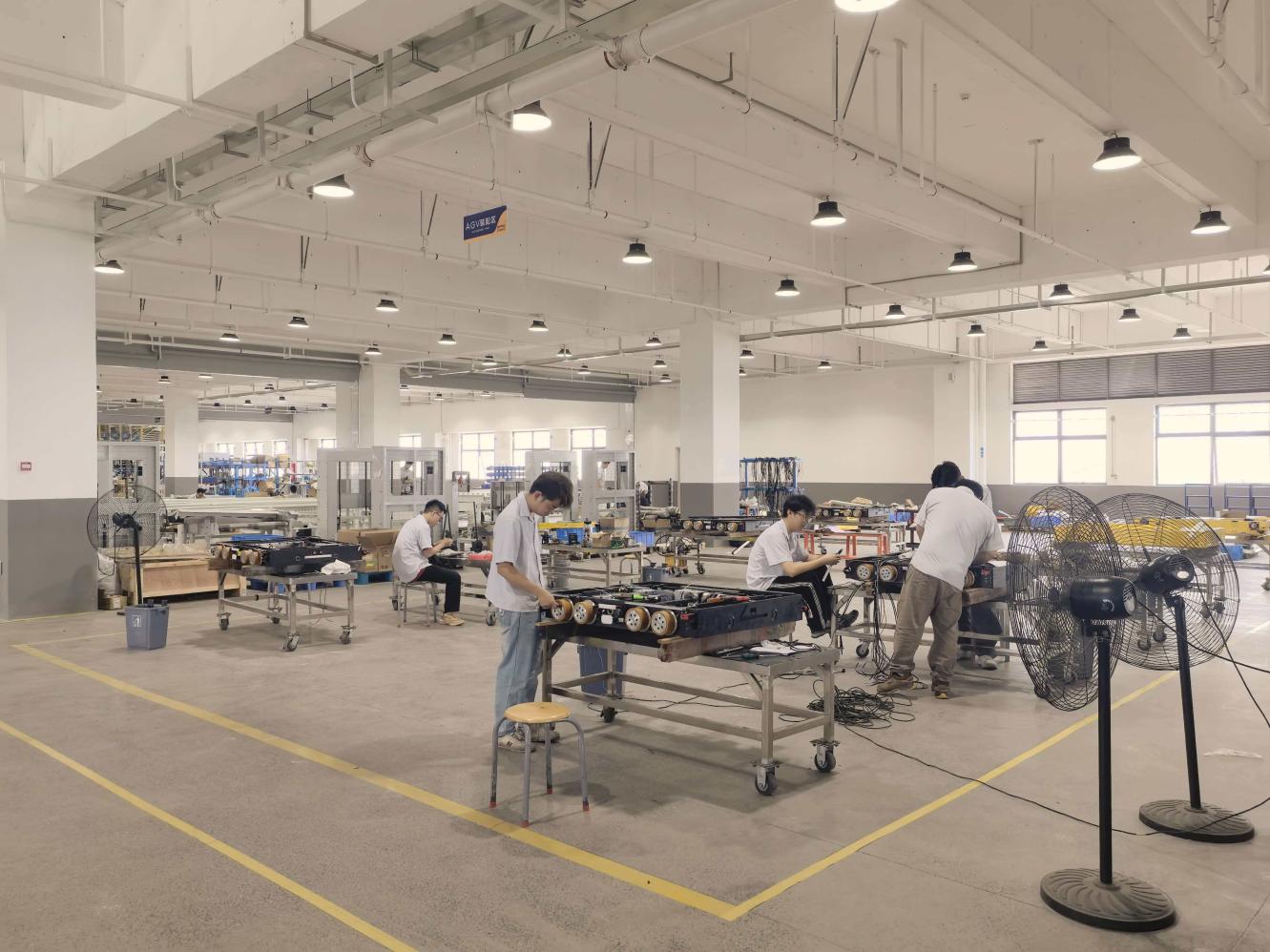
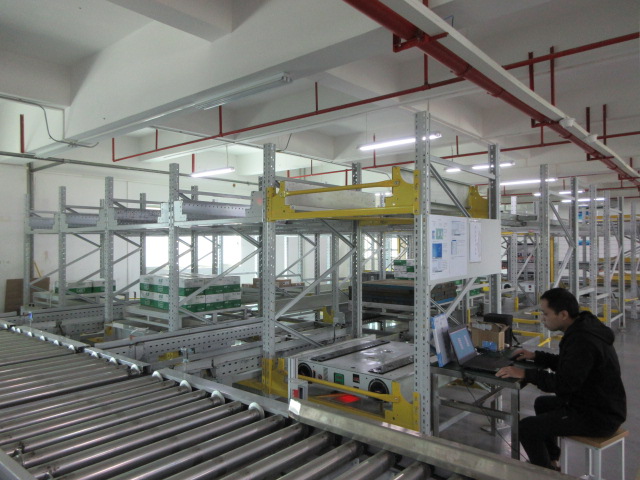
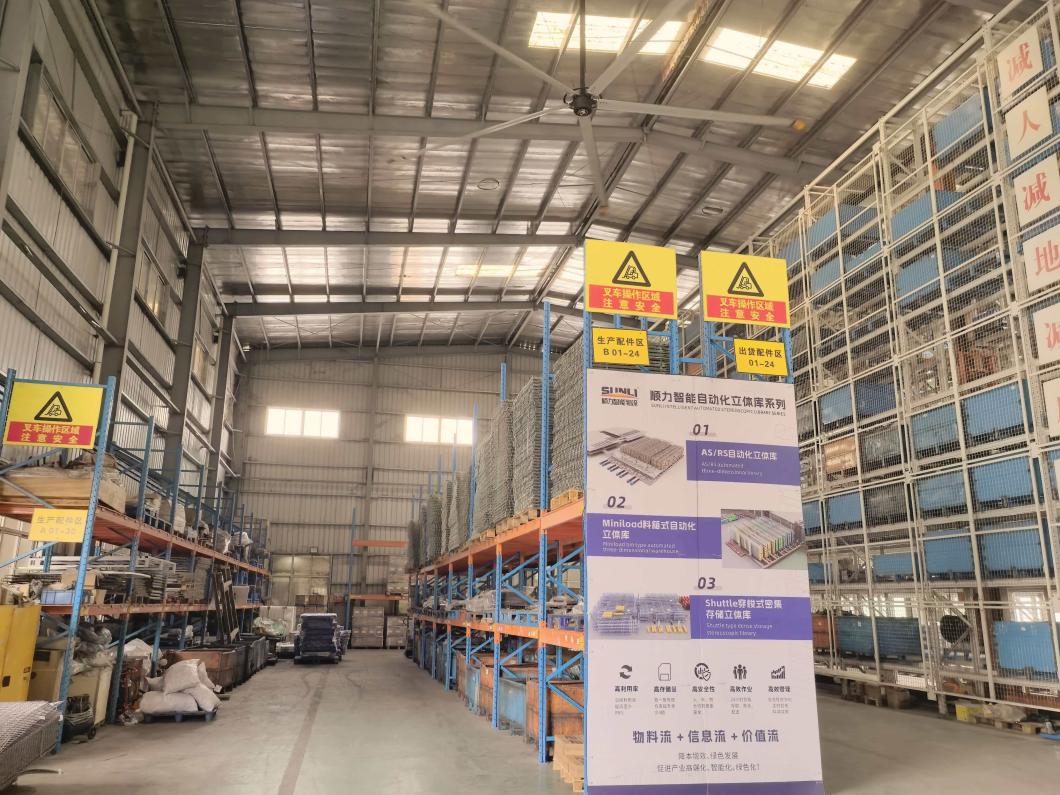
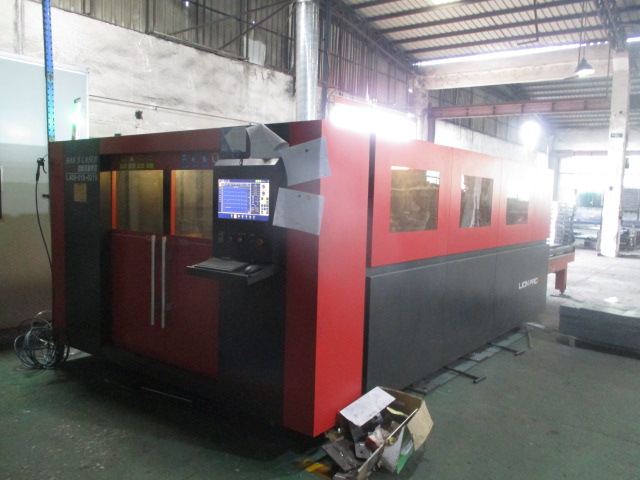
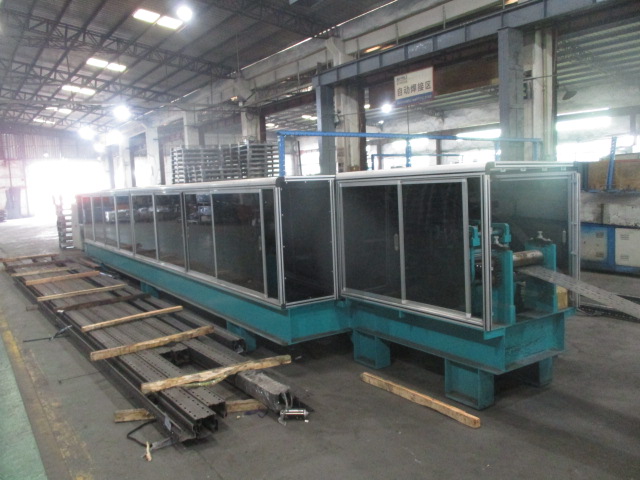
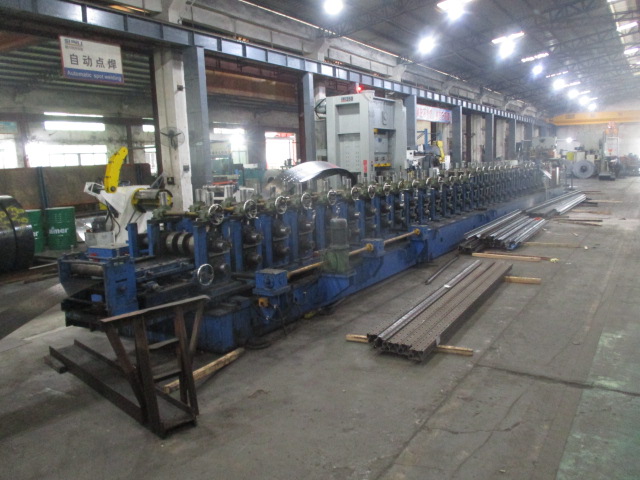
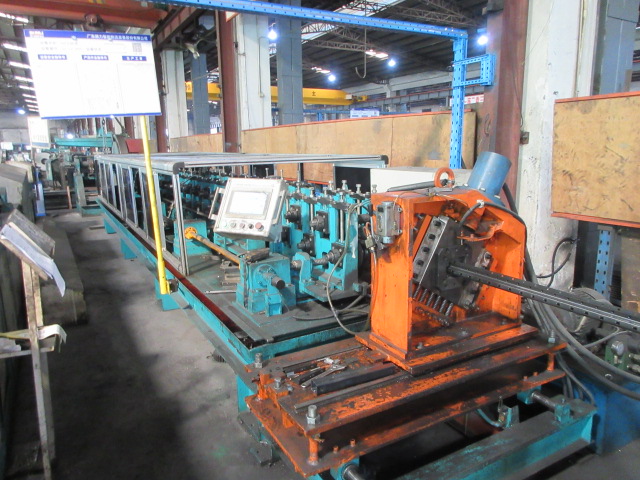
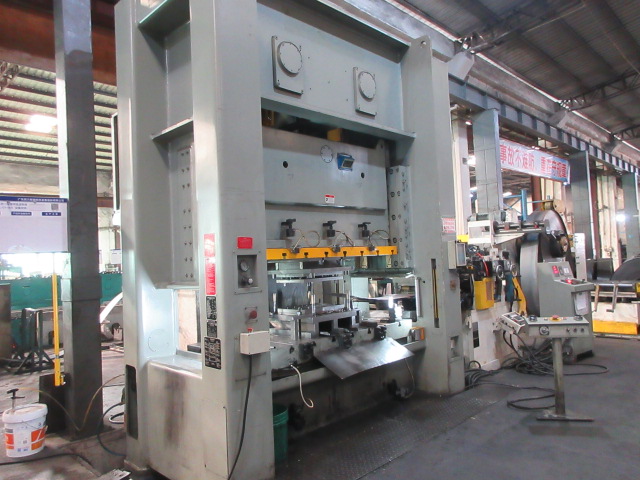
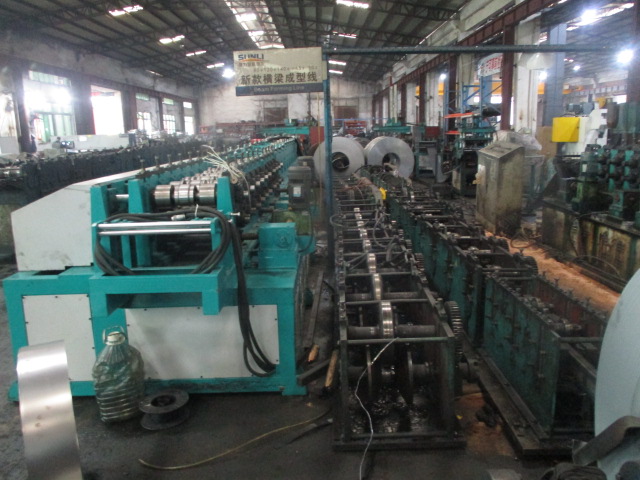
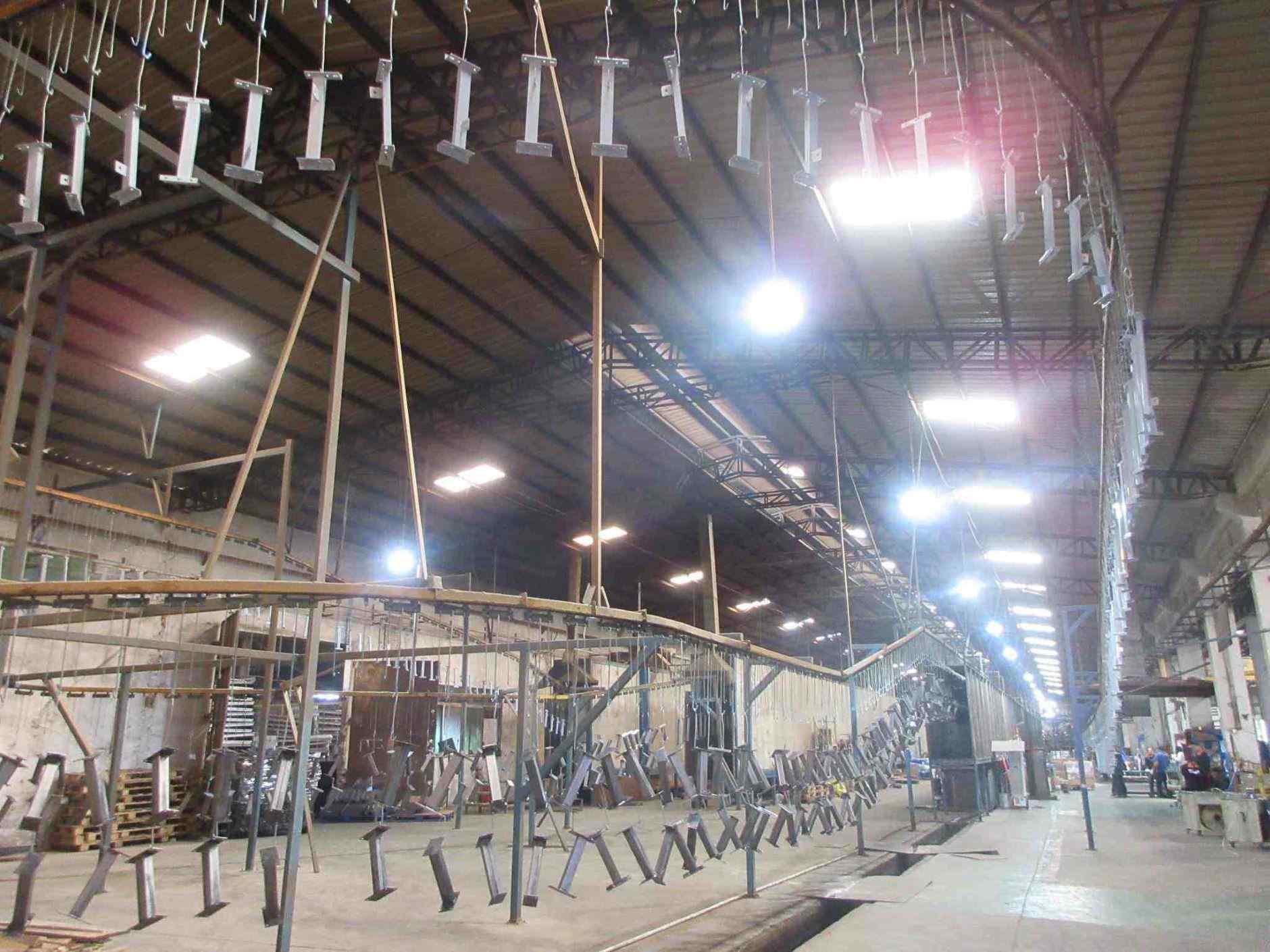
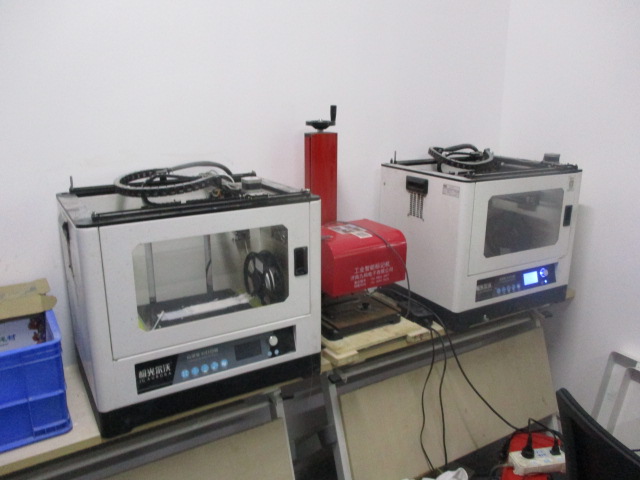
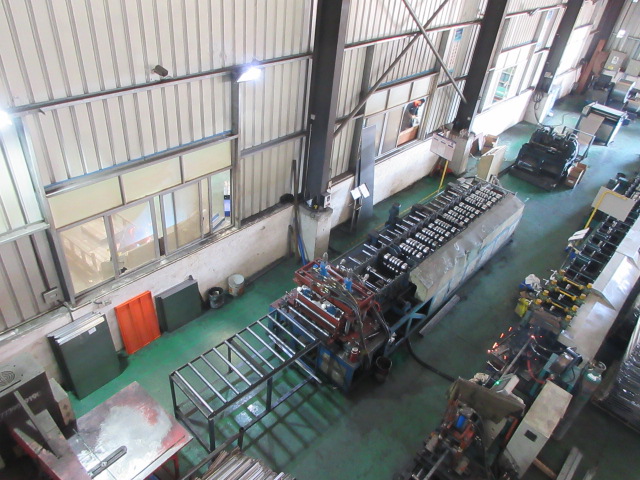
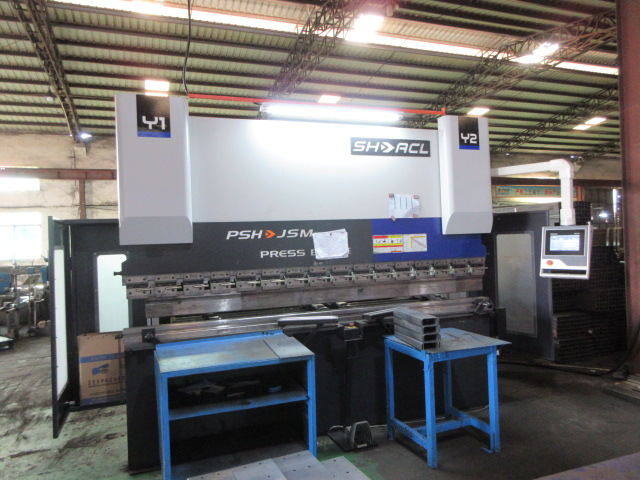
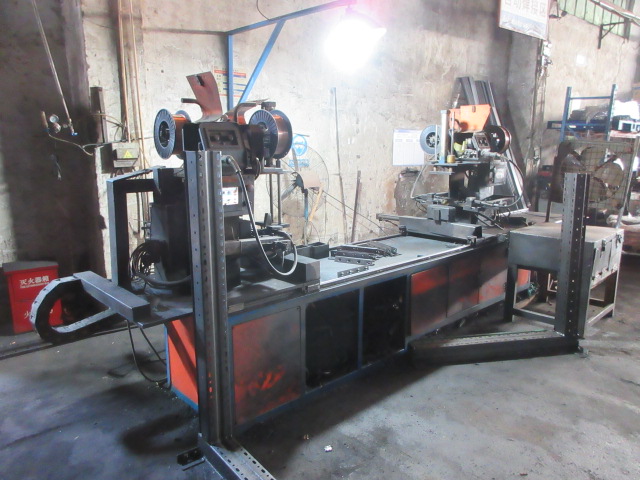
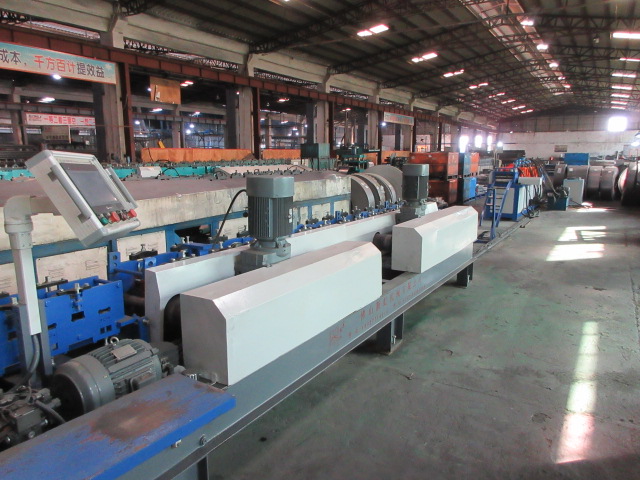
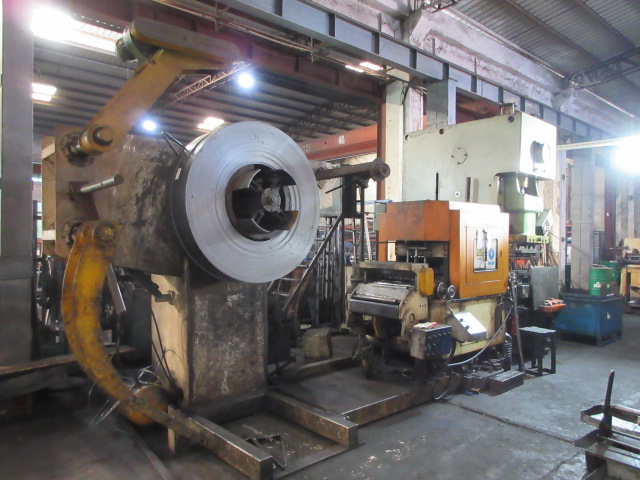
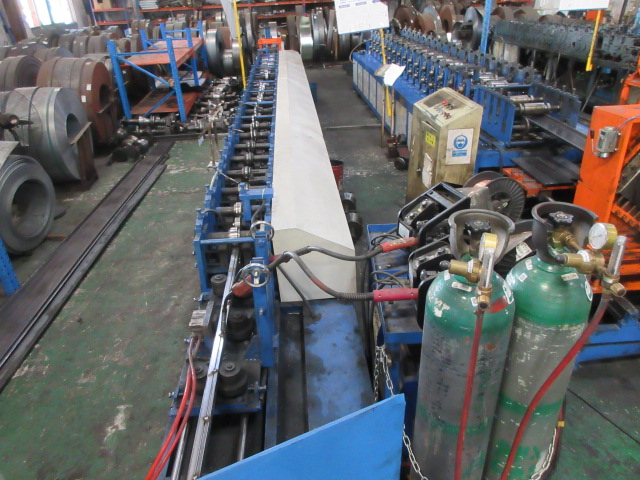
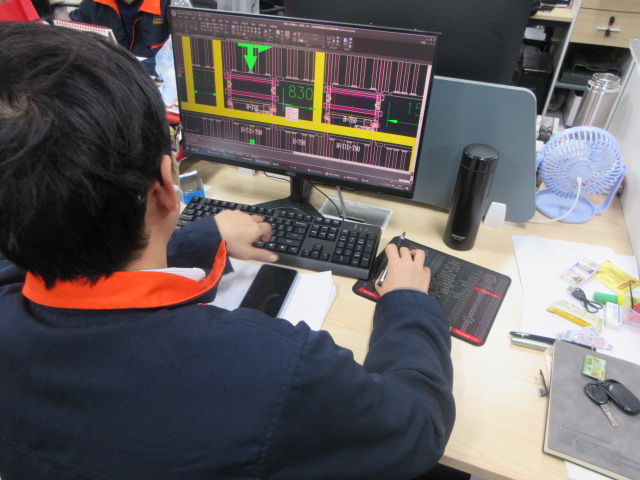
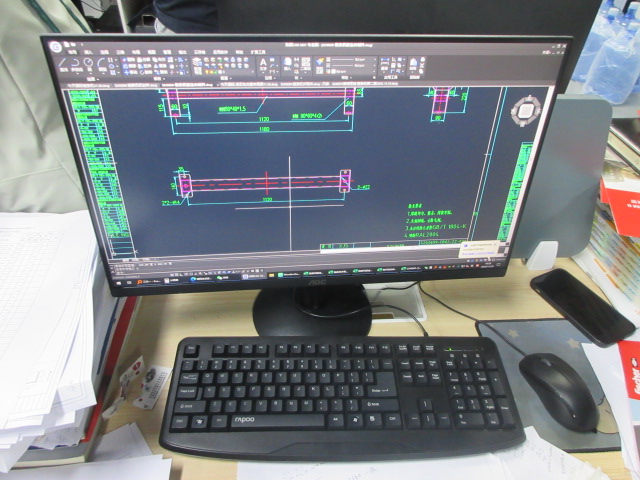
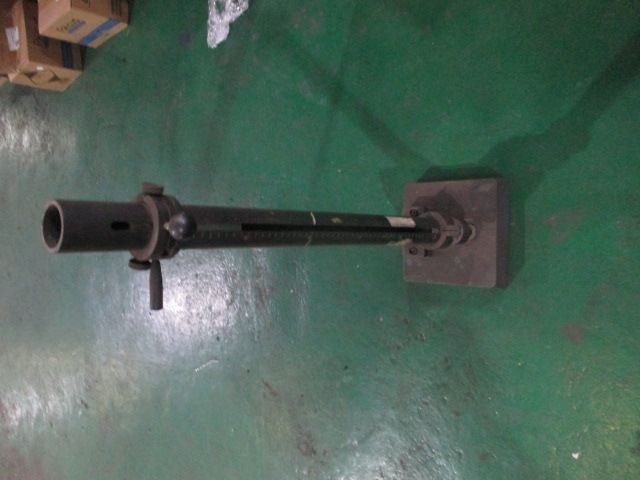
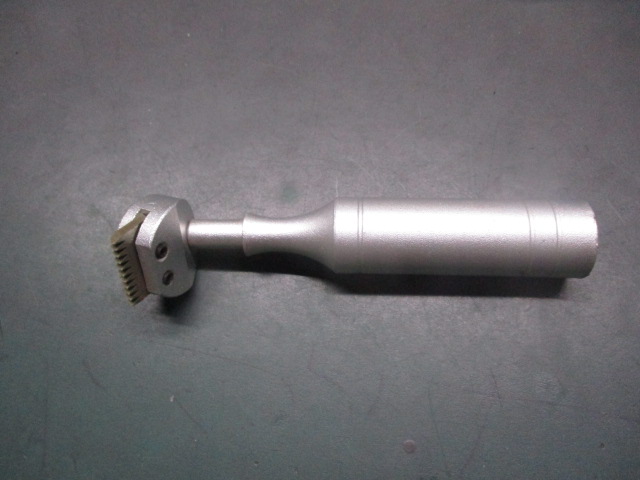
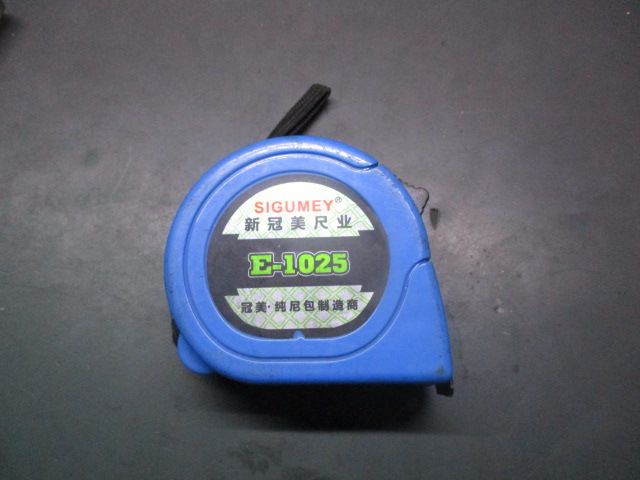
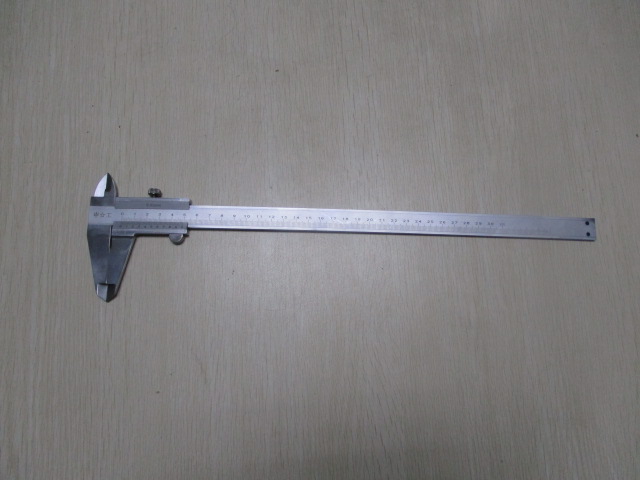
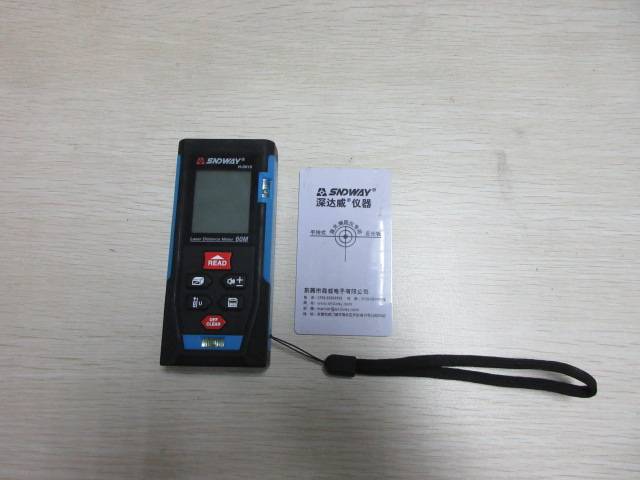
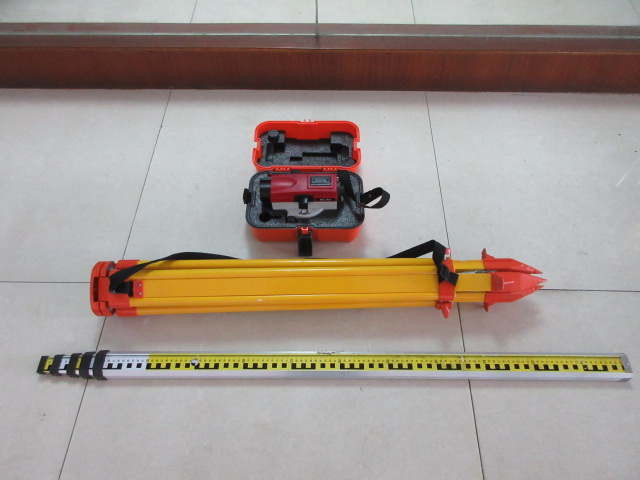
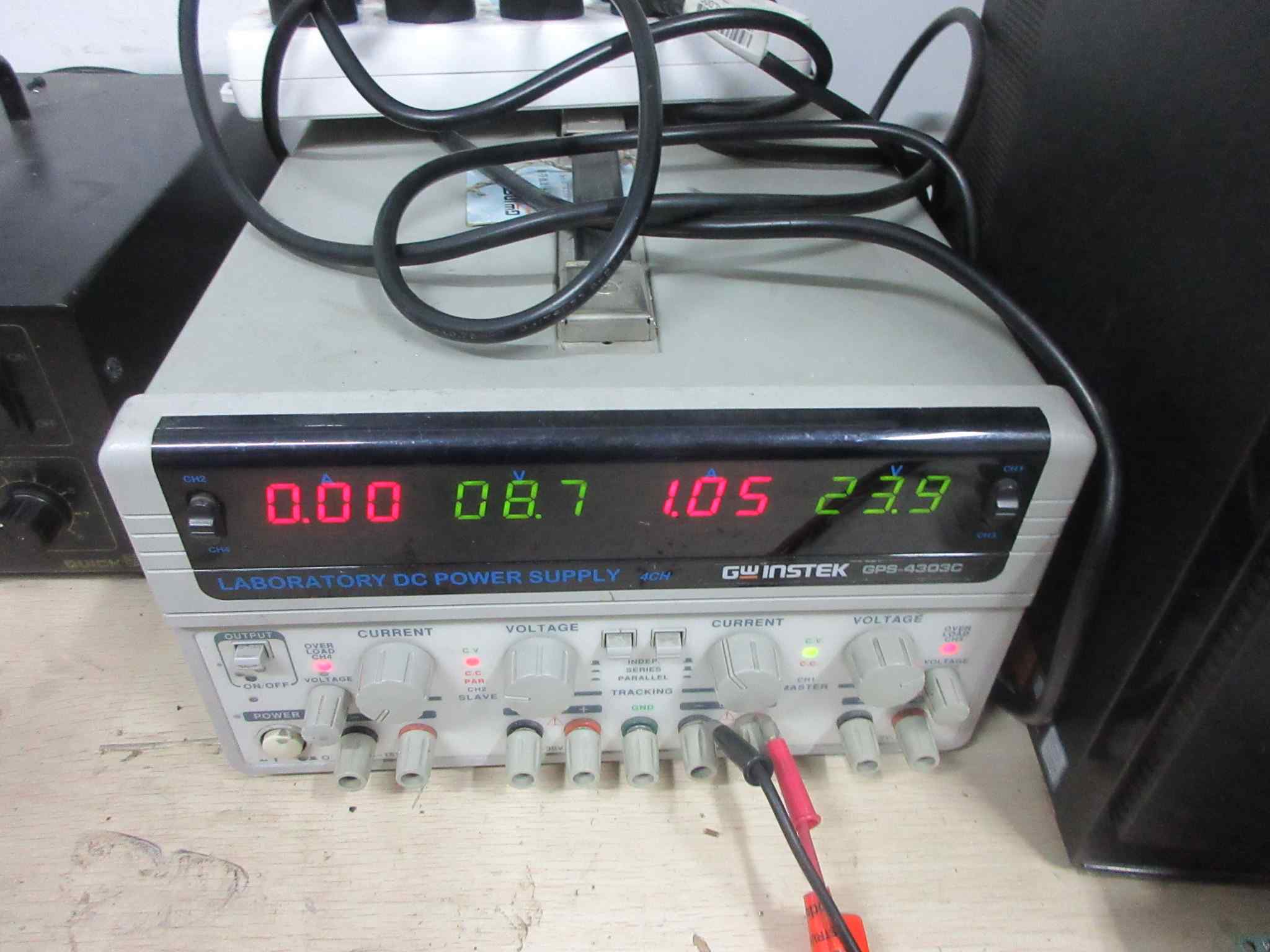
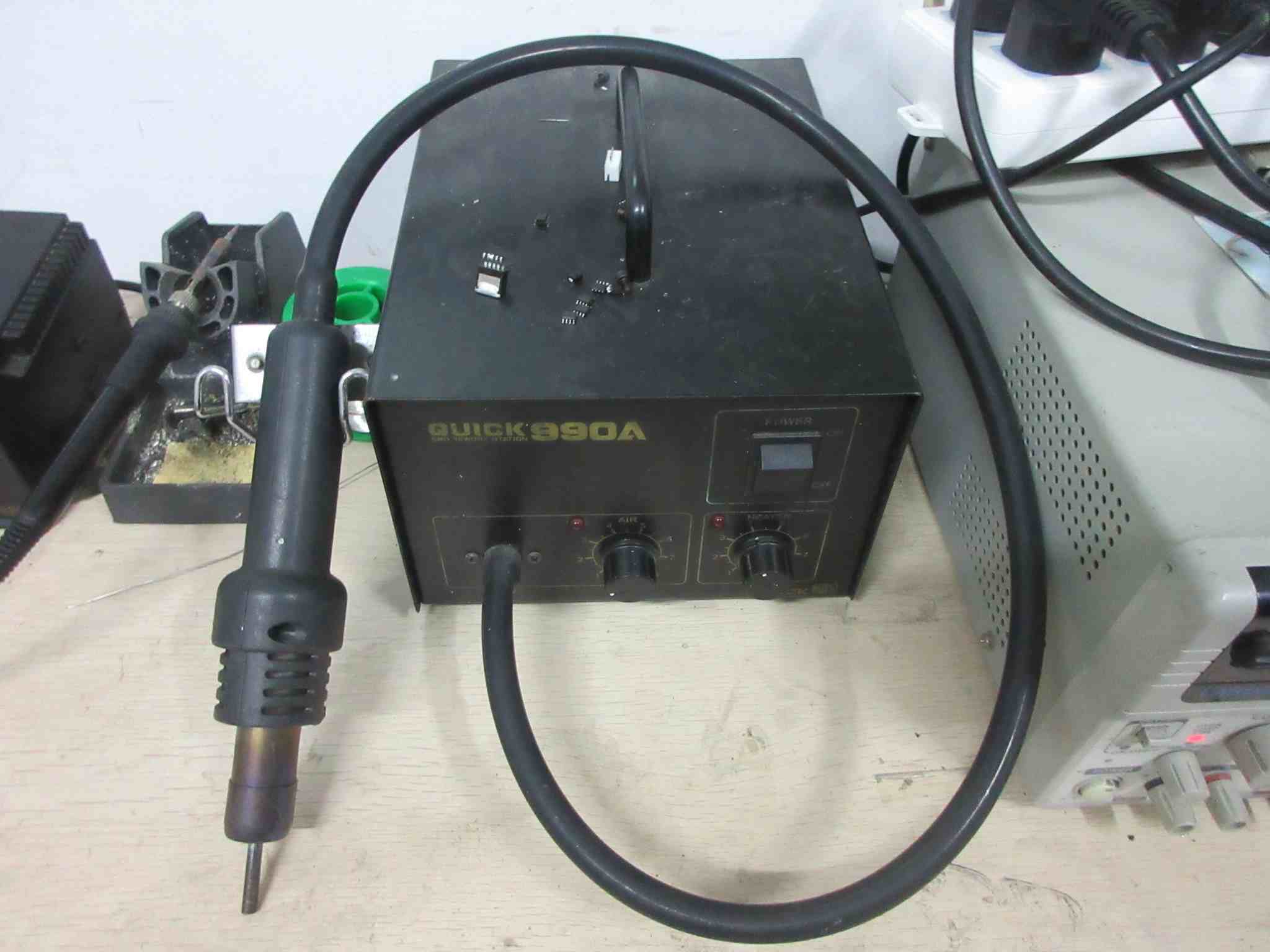
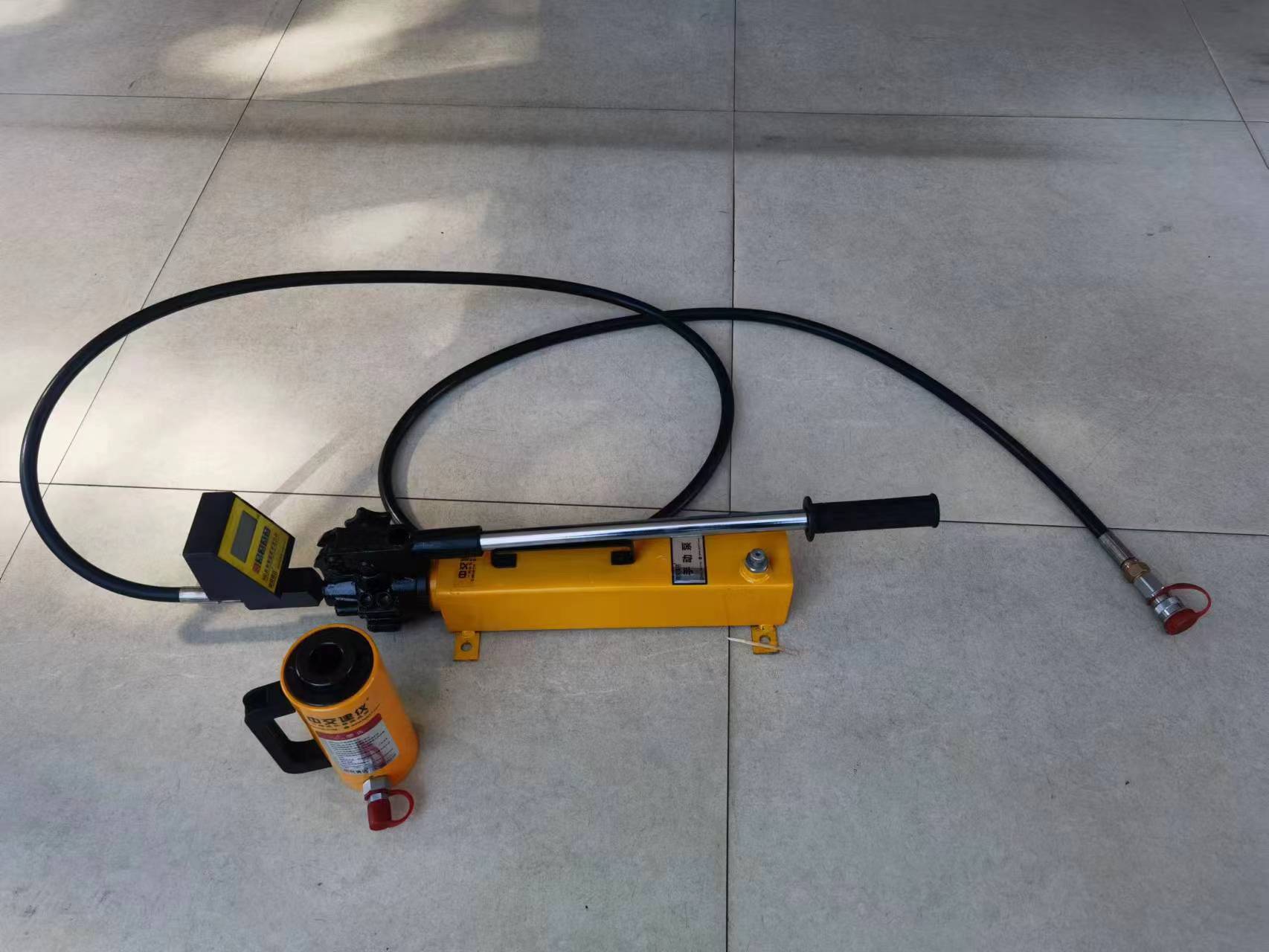
Our metrology and physical testing laboratory utilizes high-precision instruments to verify racking structural integrity, finish adhesion, and electrical performance before dispatch. Below are the key instruments and methods deployed by our quality assurance teams:
Selecting an industrial racking and shuttle system requires evaluating long-term capital efficiency, supply chain stability, and total cost of ownership. Investing in automated shuttle storage helps balance capital expenditure (CapEx) against long-term operational savings (OpEx).
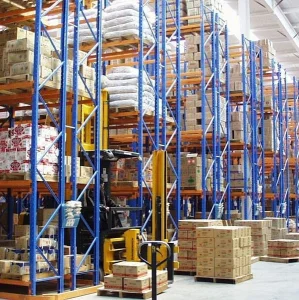
By minimizing forklift access aisles, radio shuttle racking increases pallet capacity within the same footprint. For companies in high-rent logistics nodes across North America and Western Europe, this optimization can defer the need for capital-intensive new warehouse construction.
Forklifts deposit pallets at the aisle face, leaving the shuttle to handle deep-lane placement. This operational flow reduces travel distances for lift trucks, lowering maintenance requirements, fuel or battery consumption, and accidental impact risks to the racking frames.
Radio shuttles operate at speeds up to 1.2 m/s loaded. This capability enables rapid replenishment and dispatch cycles, making it suitable for high-velocity operations like e-commerce logistics hubs, food processing units, and automotive parts hubs.
Different industries require specialized storage configurations. Our engineering team designs tailored solutions to address unique regulatory, temperature, and material handling requirements across major industrial sectors.
In sub-zero temperatures (down to -25°C), warehouse volume must be optimized to control cooling costs. Our cold-storage shuttle configurations feature condensation protection, low-temperature lubricants, and specialized battery heating elements to maintain performance in cold environments.
Fast-moving consumer goods require structured inventory management. Our shuttle systems support both FIFO and LIFO dispatch rules. The software integrates with existing WMS/WCS systems to provide real-time updates on inventory locations and stock counts.
Handling heavy chemicals requires strict safety controls. We manufacture heavy-duty steel racks with durable galvanized or epoxy powder finishes. Optional explosion-proof components are available to meet regulatory safety standards in hazardous material storage zones.
We continuously refine our automation products. Our technology roadmap focuses on software integration, equipment autonomy, and predictive monitoring systems to enhance high-density storage efficiency.
We develop control interfaces to connect our radio shuttles with Autonomous Mobile Robots (AMRs) and Automated Guided Vehicles (AGVs). This integration enables automated transfer from dock doors to storage lanes without human intervention.
Integrating IoT vibration sensors, temperature probes, and cycle counters on shuttle units allows for proactive fleet monitoring. Data feeds directly into WCS platforms, enabling maintenance planning before mechanical wear affects operations.
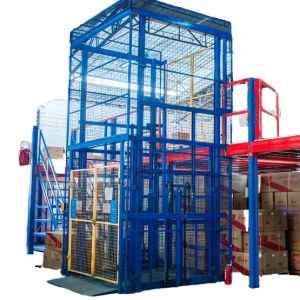
Our upcoming four-way intelligent shuttle systems will feature vertical lifts, enabling dynamic pathing across multiple rack levels to maximize slot utilization and throughput efficiency.
Industrial storage systems must comply with local safety and engineering codes to ensure operational safety and pass regulatory inspections. Shenzhen Sunli Intelligent Logistics manufactures all storage structures in compliance with key international standards:
Racks are calculated under European limit state design codes, incorporating specific structural tolerances, load factors, and deflection testing parameters.
Compliance with the Rack Manufacturers Institute specifications, ensuring raw steel properties and frame profiles satisfy North American load requirements.
Structural components are engineered to meet Australian racking and structural standards, including required load safety labels and deflection limits.
Using Finite Element Method (FEM) software, our engineering team custom-calculates baseplate and anchor bolt specifications for seismic-active zones globally.
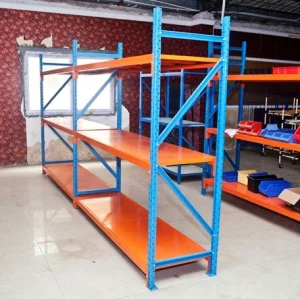
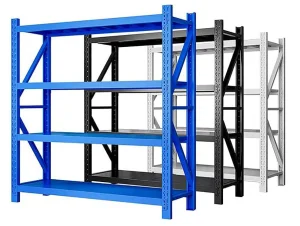
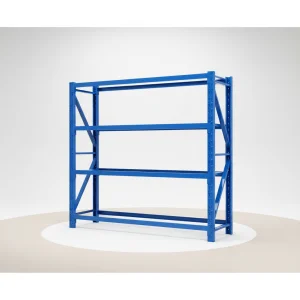
Explore our full line of industrial shelving, heavy-duty racking, and automated warehouse management products, designed for high durability and structural performance.
Get answers to technical and engineering questions about implementing, sizing, and operating high-density radio shuttle storage systems.
Our standard radio shuttle systems are engineered to handle structural pallet loads ranging from 500 kg up to 1,500 kg per pallet unit. Heavy-duty custom configurations can be designed to support loads up to 2,000 kg per pallet unit, utilizing reinforced cold-rolled profiles and heavy-duty structural guide rails.
Yes. We supply specialized low-temperature radio shuttles designed to operate down to -25°C. These units include specialized internal electronics protection, condensation-resistant structural components, low-temperature lubricants, and heated battery compartments to maintain power efficiency in freezing environments.
The radio shuttle communicates via industrial-grade 2.4GHz RF or 5GHz Wi-Fi networks. Operators issue travel, pick, and drop instructions using a handheld RF remote control or via tablet-based interfaces connected directly to a Warehouse Control System (WCS) or Warehouse Management System (WMS).
Each shuttle unit features dual laser obstacle scanners, mechanical side-guide rollers, emergency power cutoffs, anti-slide sensors, and acoustic/visual alarms to ensure safe operation. The shuttle automatically stops if an obstacle, incorrect pallet size, or track misalignment is detected.
Our shuttles are powered by high-capacity Lithium Iron Phosphate (LiFePO4) battery packs, which offer over 2,000 charging cycles. A single charge provides 8 to 10 hours of continuous operation under typical workloads, and the batteries feature plug-and-play quick-change design to support multi-shift operations.
 SunliRack