Explore high-precision smart AGVs, ASRS systems, and heavy-duty structural racking designed for next-generation distribution hubs.
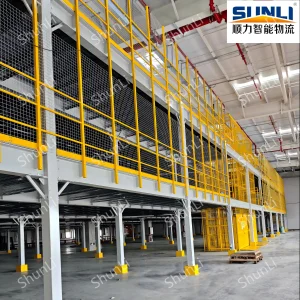
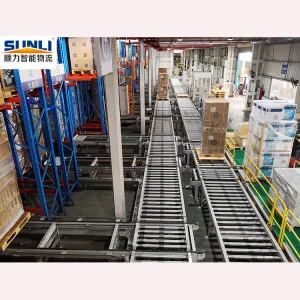
Understanding the transition from static warehousing to smart cyber-physical distribution networks.
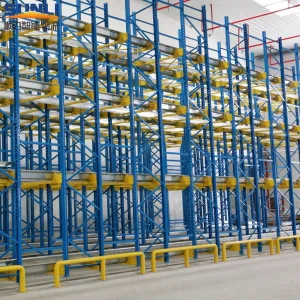
The global warehousing paradigm is undergoing an unprecedented structural transition. Rising real estate cost pressures, strict labor regulations, and the proliferation of high-throughput e-commerce demands have driven global supply chain managers to redesign their core infrastructure. Moving away from traditional space-inefficient floor storage, the modern distribution facility relies on smart structural engineering combined with robotic systems. To maintain profitability, businesses are evaluating industrial storage systems based on volumetric storage optimization, safety compliance, structural lifecycle, and technical support localization.
Leading global engineering consultants categorize suppliers based on their capability to design systems that satisfy international regulatory frame specifications, including ANSI/RMI MH16.1 in North America and the FEM 10.2.02 codes in Europe. Finding a reliable supplier capable of navigating these structural requirements while managing global steel supply chain disruptions is crucial for large-scale logistics operations, heavy manufacturers, and third-party logistics (3PL) providers.
Advancing smart manufacturing pipelines and heavy-duty logistics solutions globally.
Established in 2015, Shenzhen Sunli Intelligent Logistics Equipment Co., Ltd. has positioned itself as an industry leader in heavy-duty racking and automated storage solutions. Utilizing a modern, automated manufacturing plant encompassing 38,000 m², the enterprise translates over 12 years of specialized industry experience and 8 years of international trade operations into robust infrastructure systems for global clients. With annual export revenues ranging between $18 million and $25 million, Sunli designs, tests, and deploys structural systems across North America, Western Europe, Southeast Asia, and the Middle East.
A core differentiator of Sunli's engineering workflow is its dynamic quality control division. The company's dedicated department of 35 QC professionals oversees structural integrity from raw sheet receipt to final product shipment. Material characterization tests, high-precision non-destructive weld testing, and powder coat thickness validation ensure compliance with international structural standards. Supported by 28 R&D engineers, Sunli designs and tests over 120 new products and optimized structural components every year to meet evolving safety requirements and performance standards.
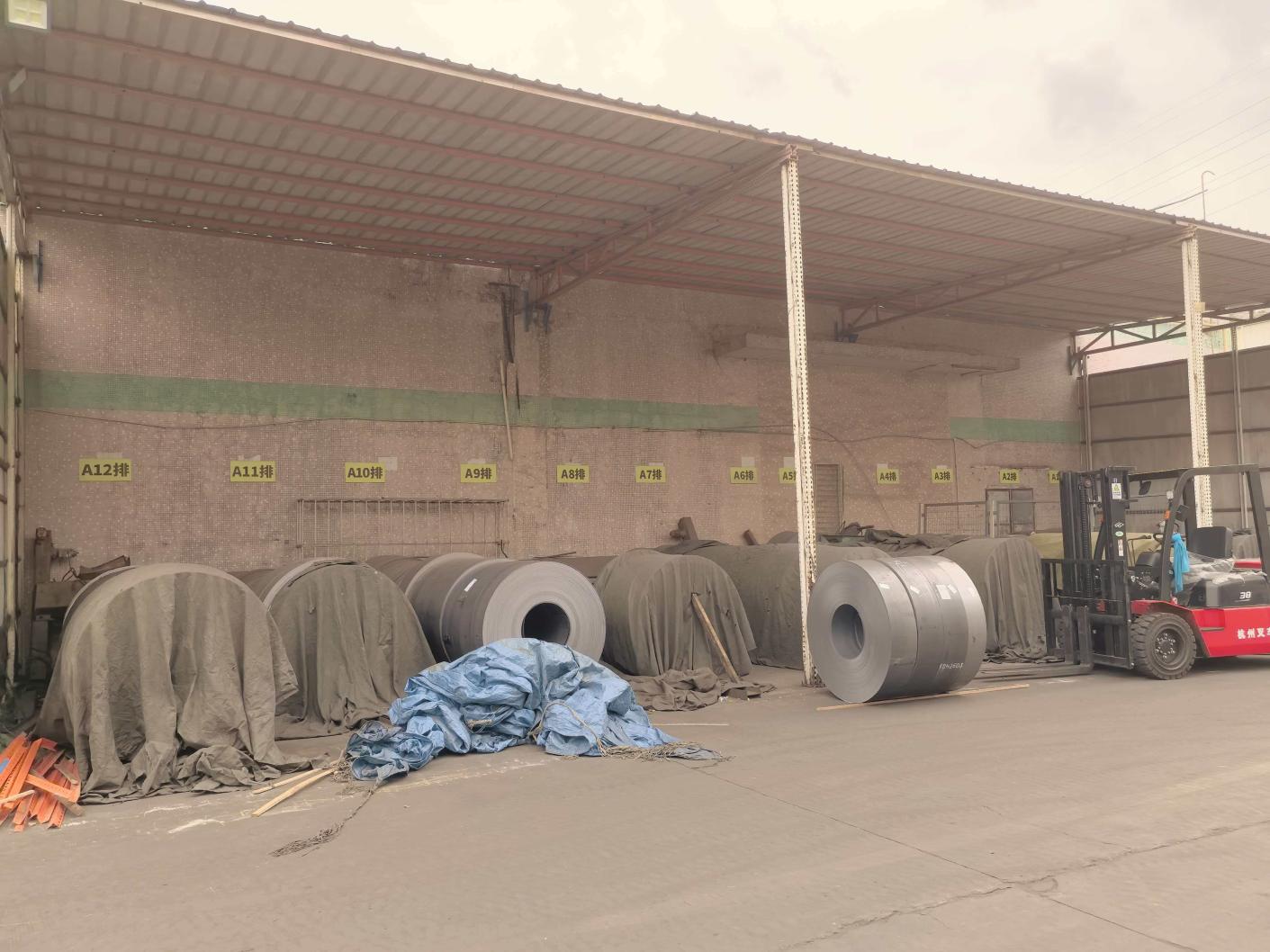 Raw Material
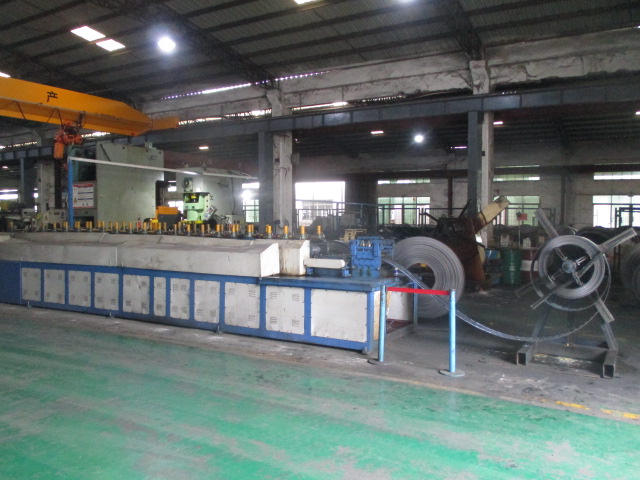 Rolling Line
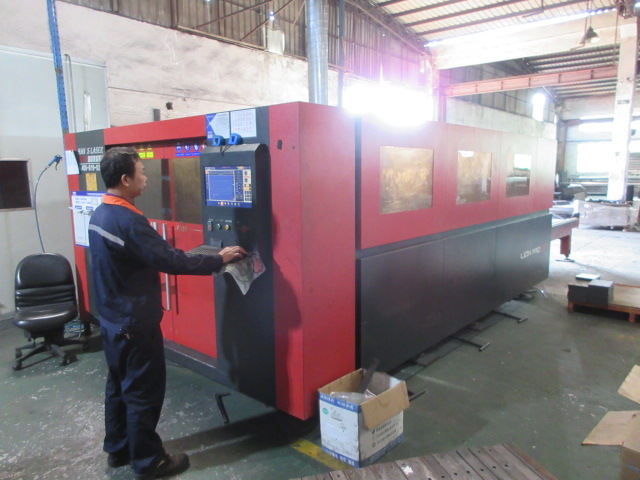 Cutting
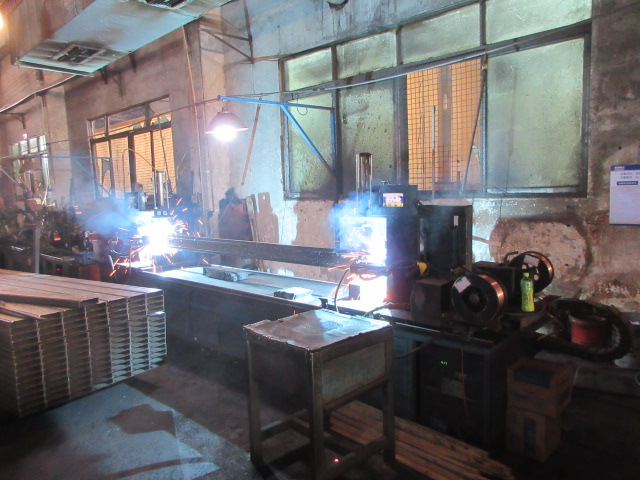 Automatic Welding
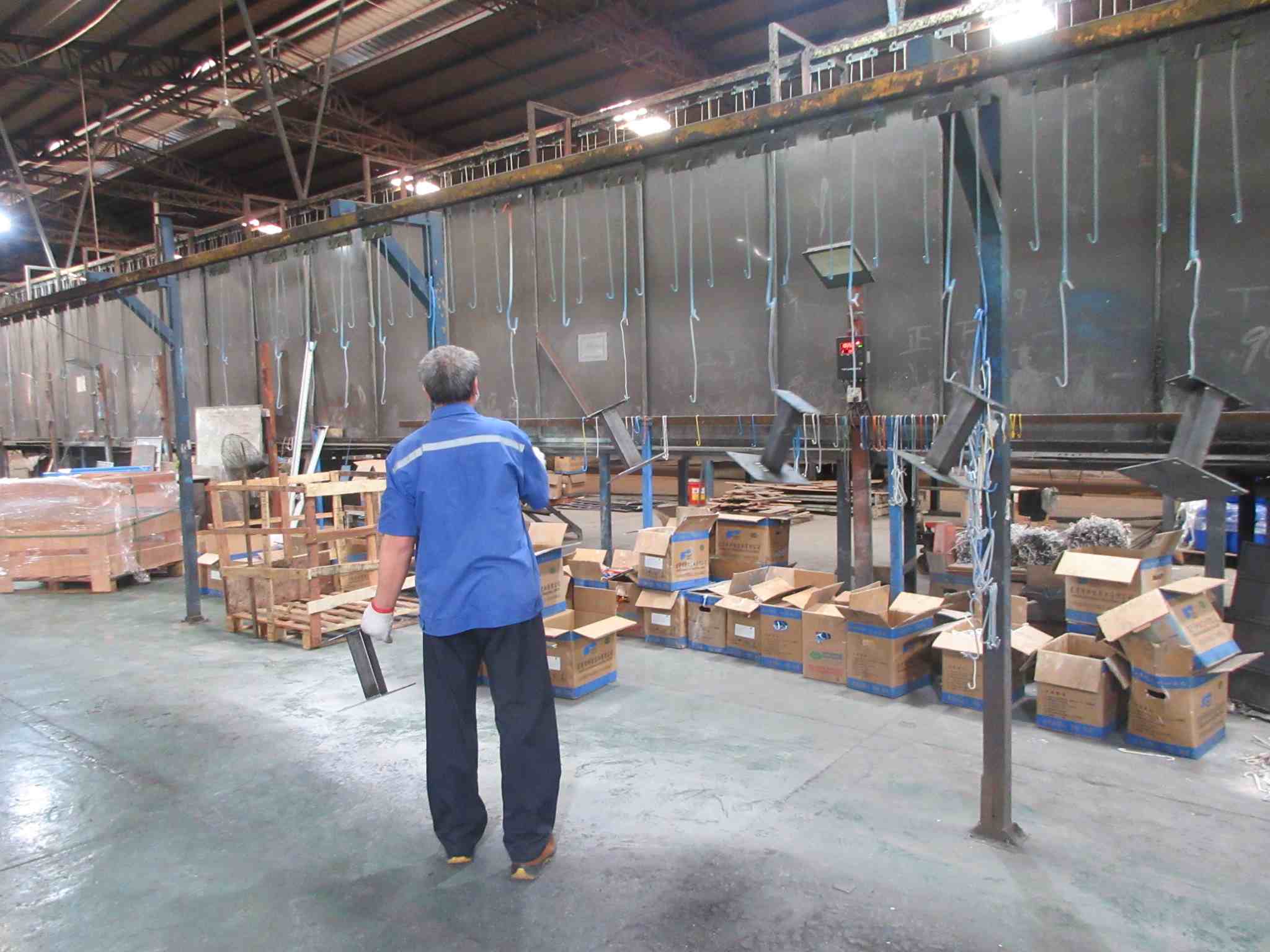 Spray Coating Line
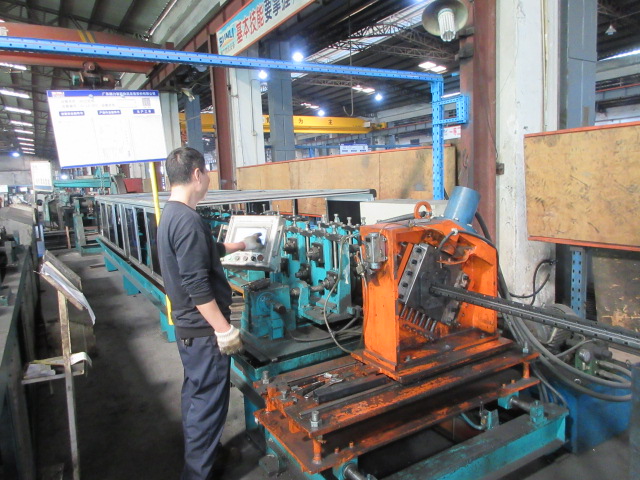 Molding
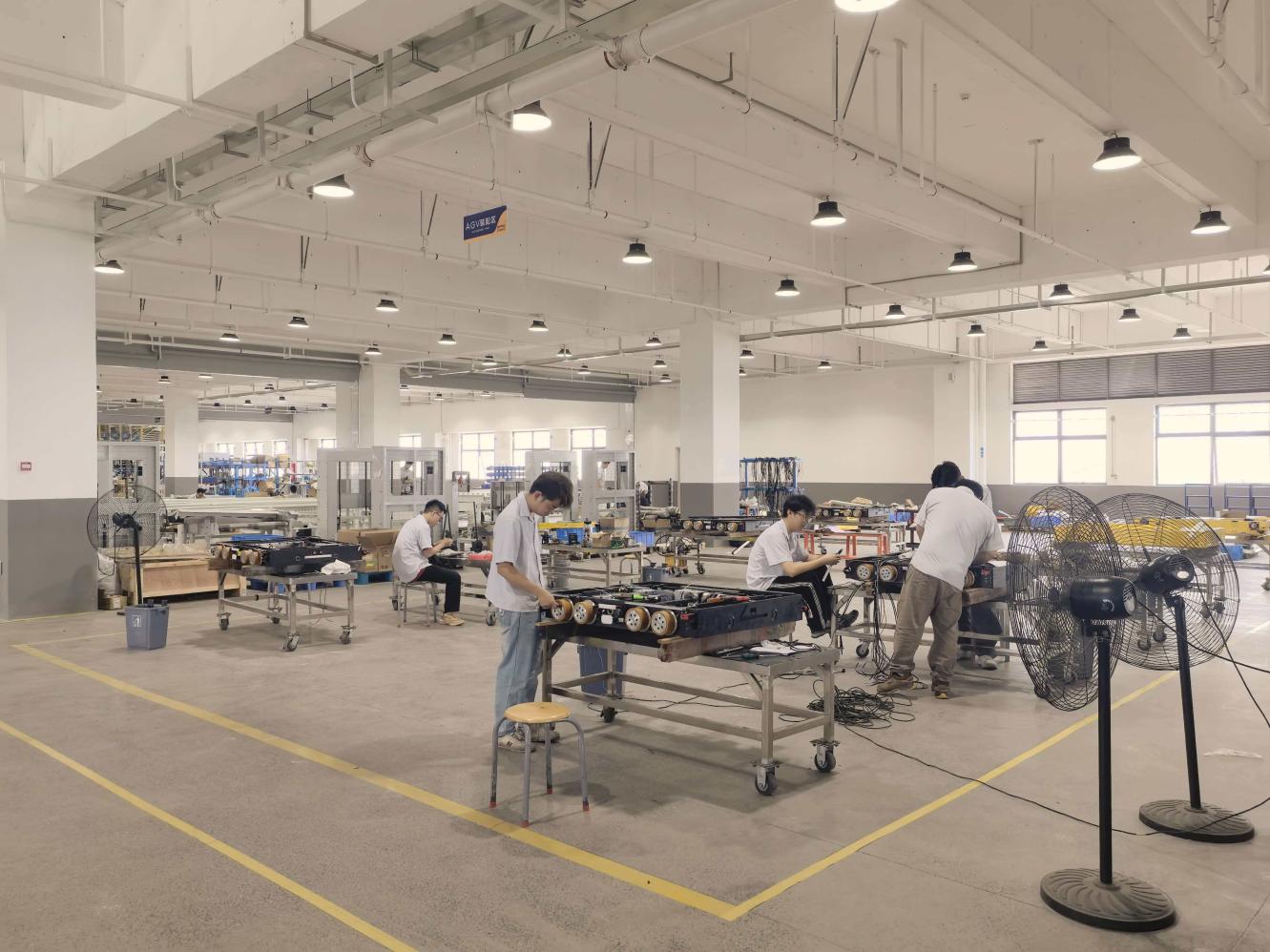 Assembly
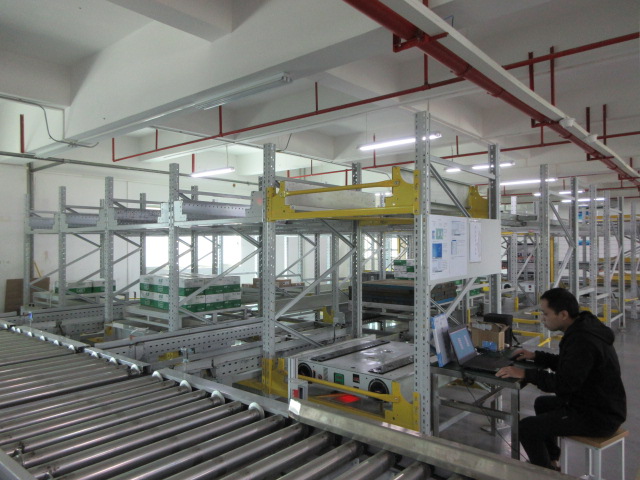 Testing
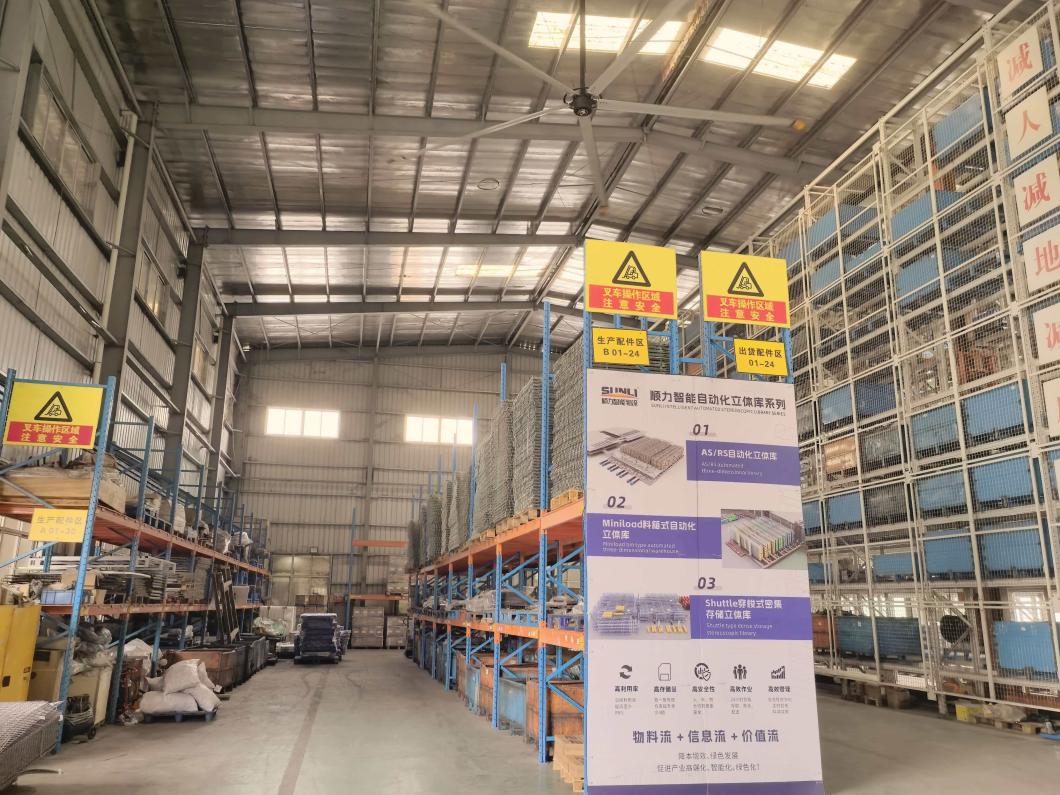 Storage
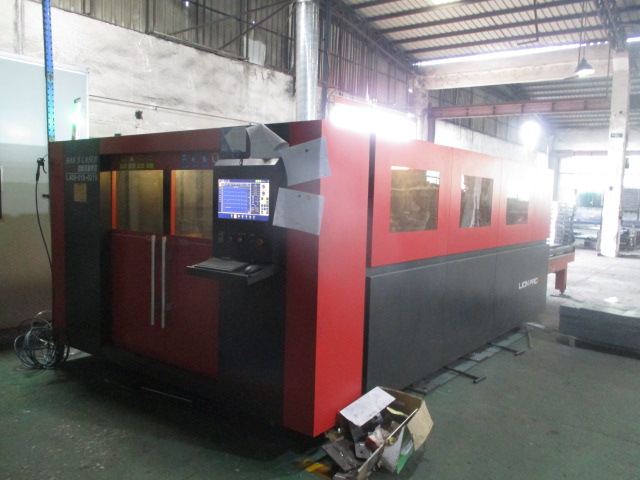 Cutting Machine
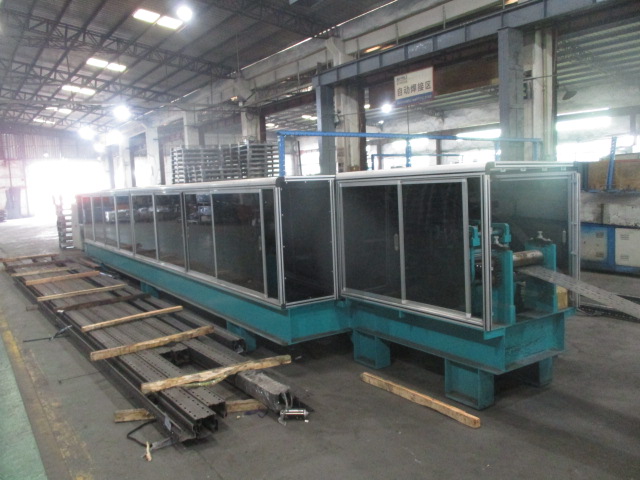 Neutralupright Rolling Line
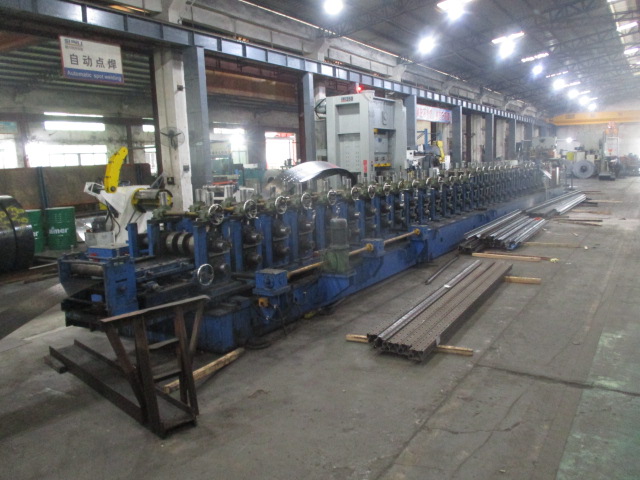 Medium-duty Upright Rolling Line
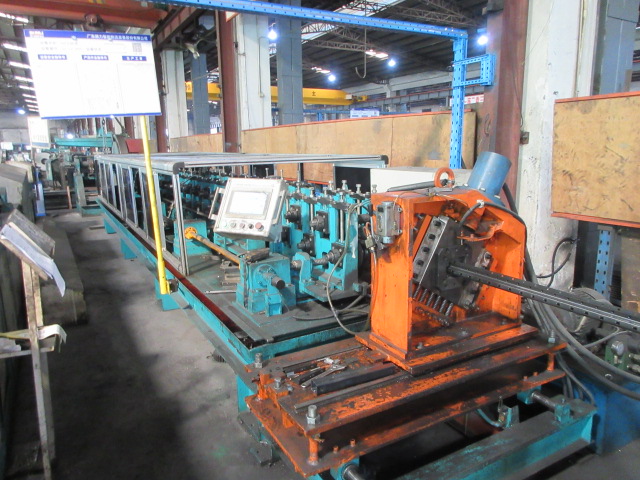 Light-duty Upright Rolling Line
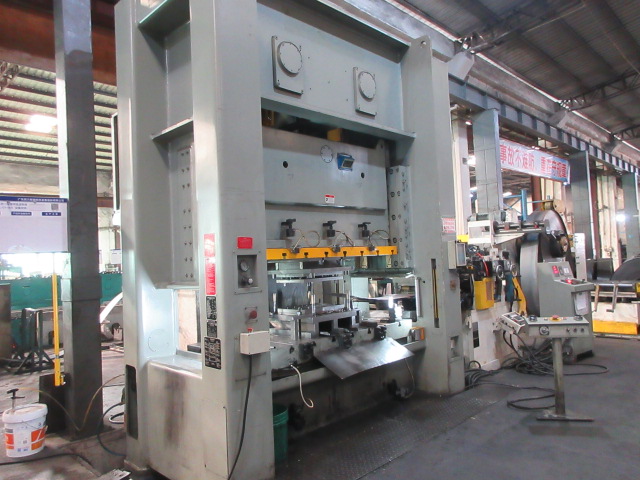 Puncher Machine
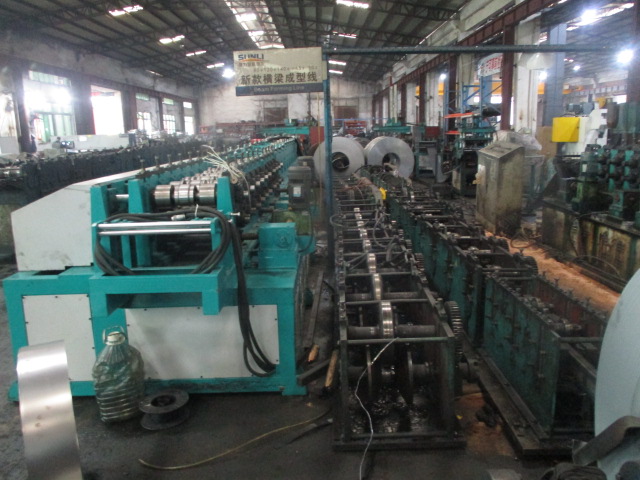 Beam Forming Line
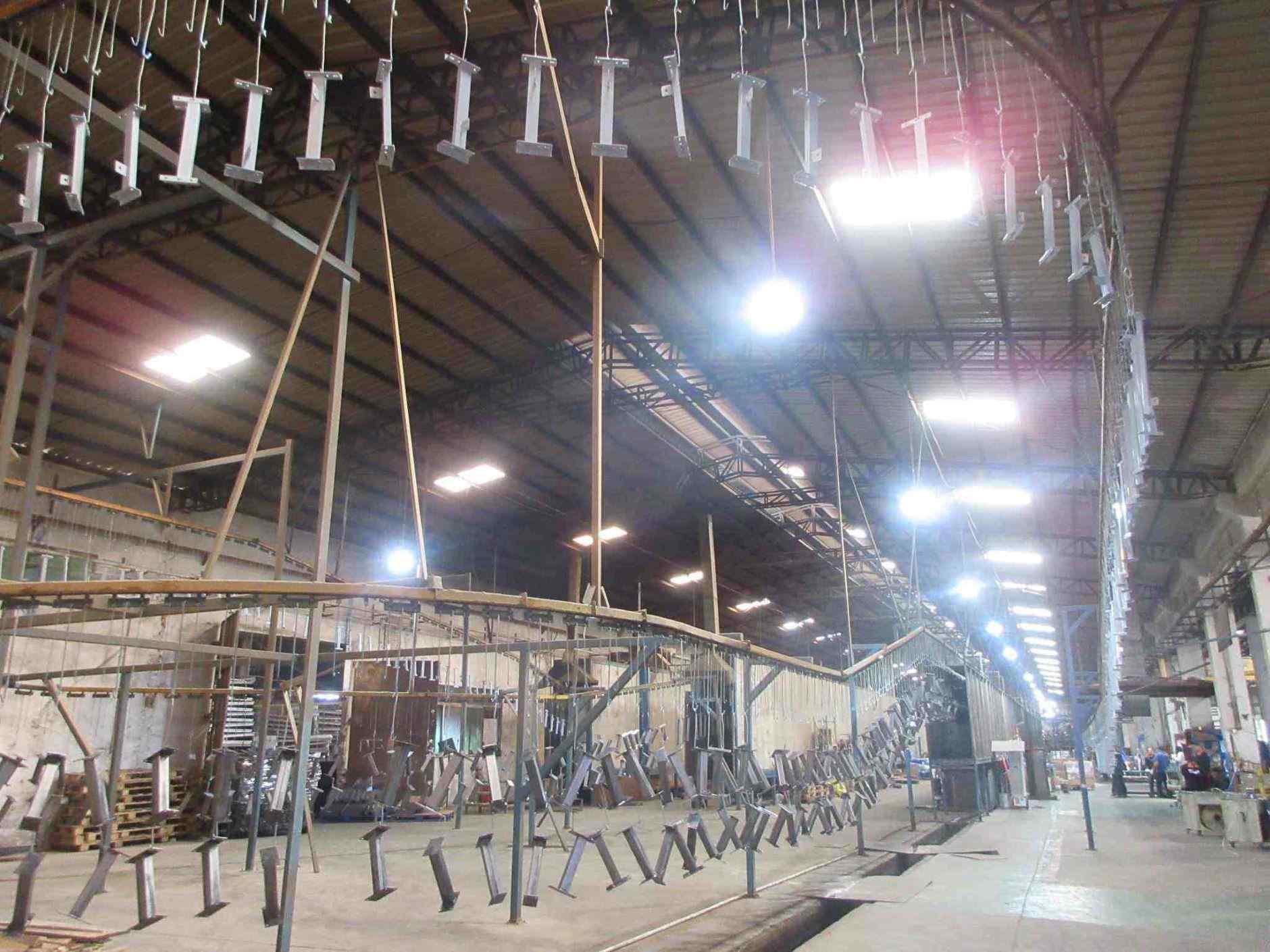 Spray Coating Line
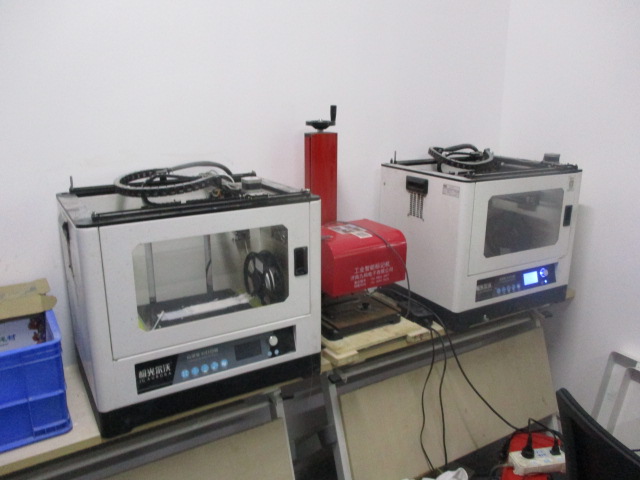 3D Printer
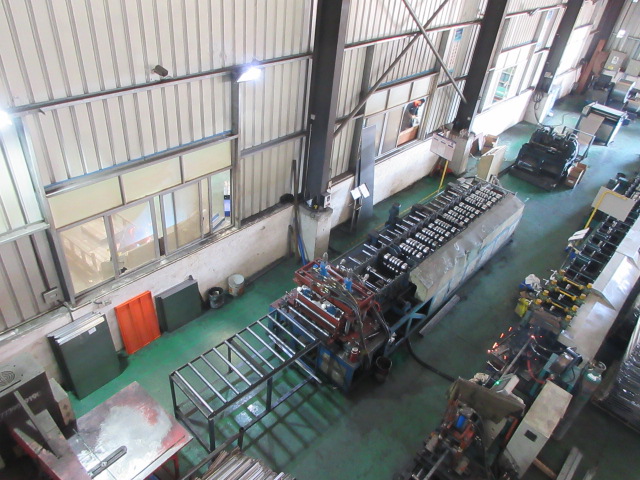 Steel Laminate Machine
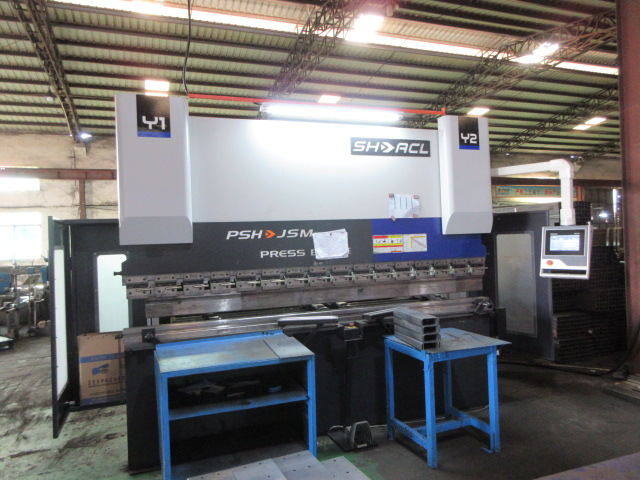 Press Brake Machine
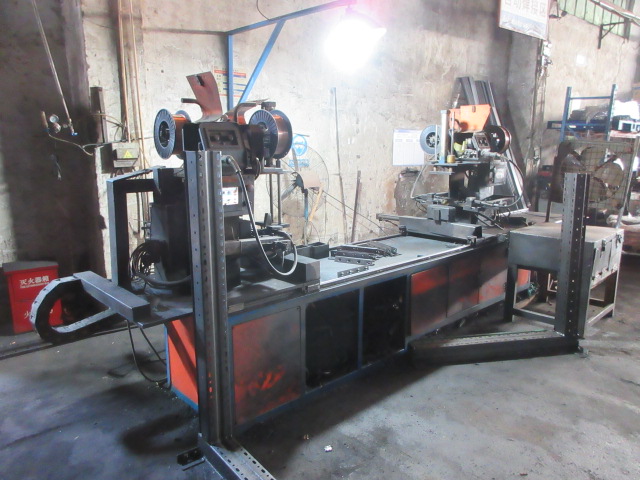 Automatic Welding Machine
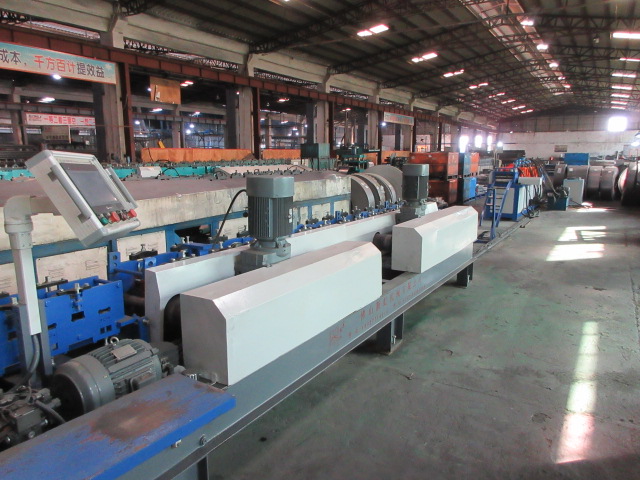 Multi Crossing Beam Line
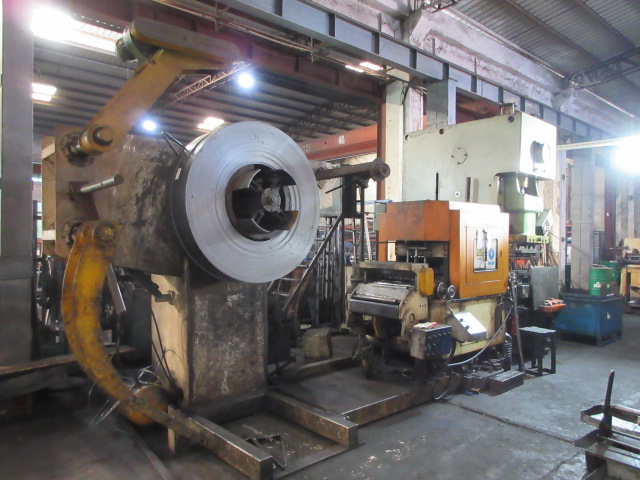 Punching Press Machine
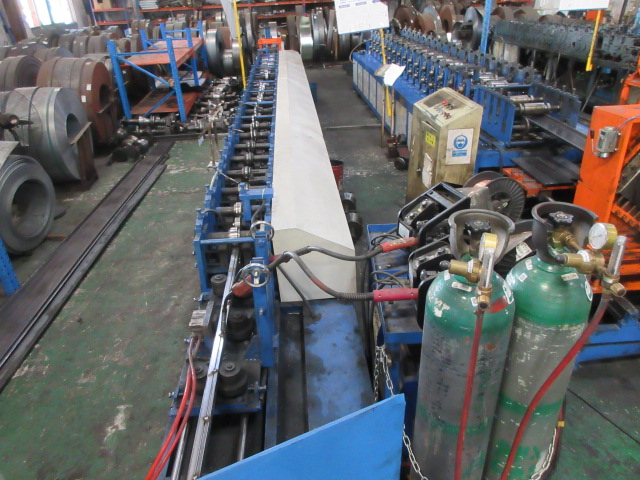 Stepped Beam Line
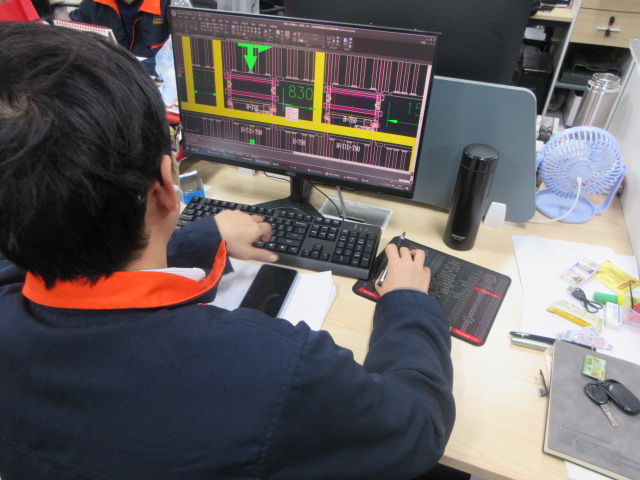 Drawing
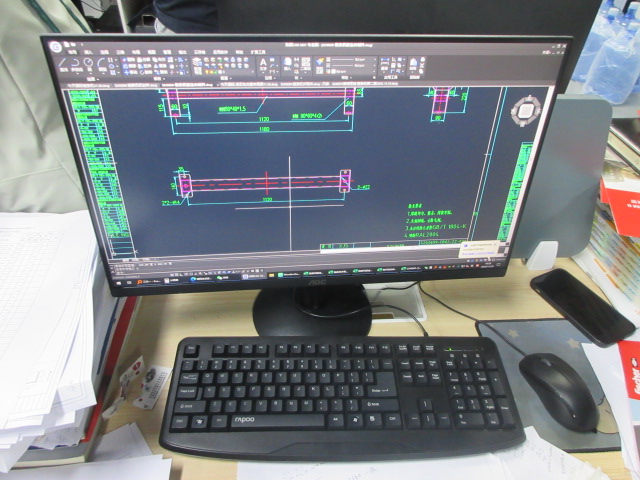 Computer Design
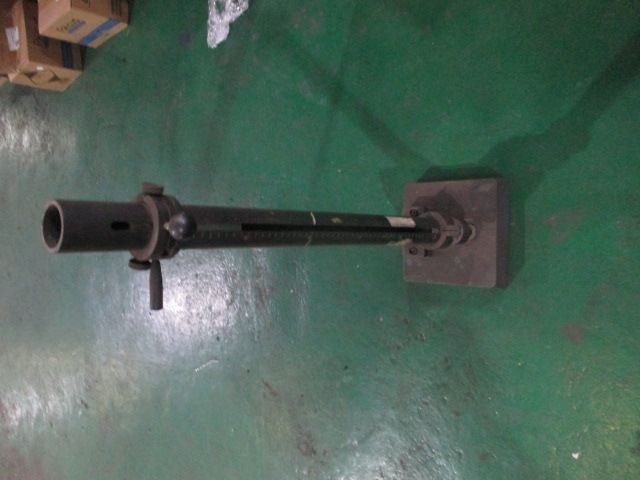 Impact Tester
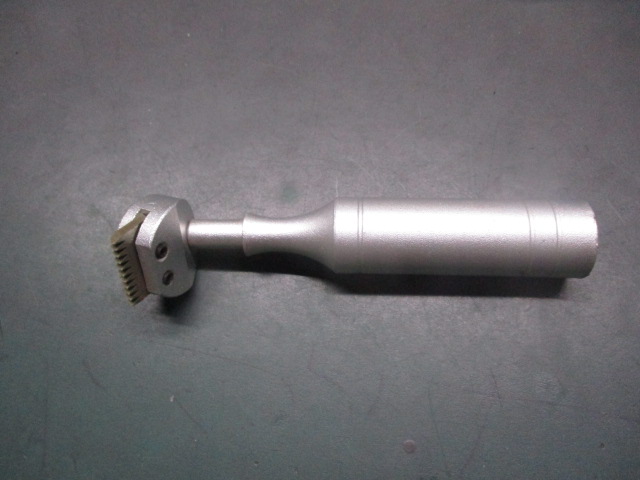 Cross-cut Tester
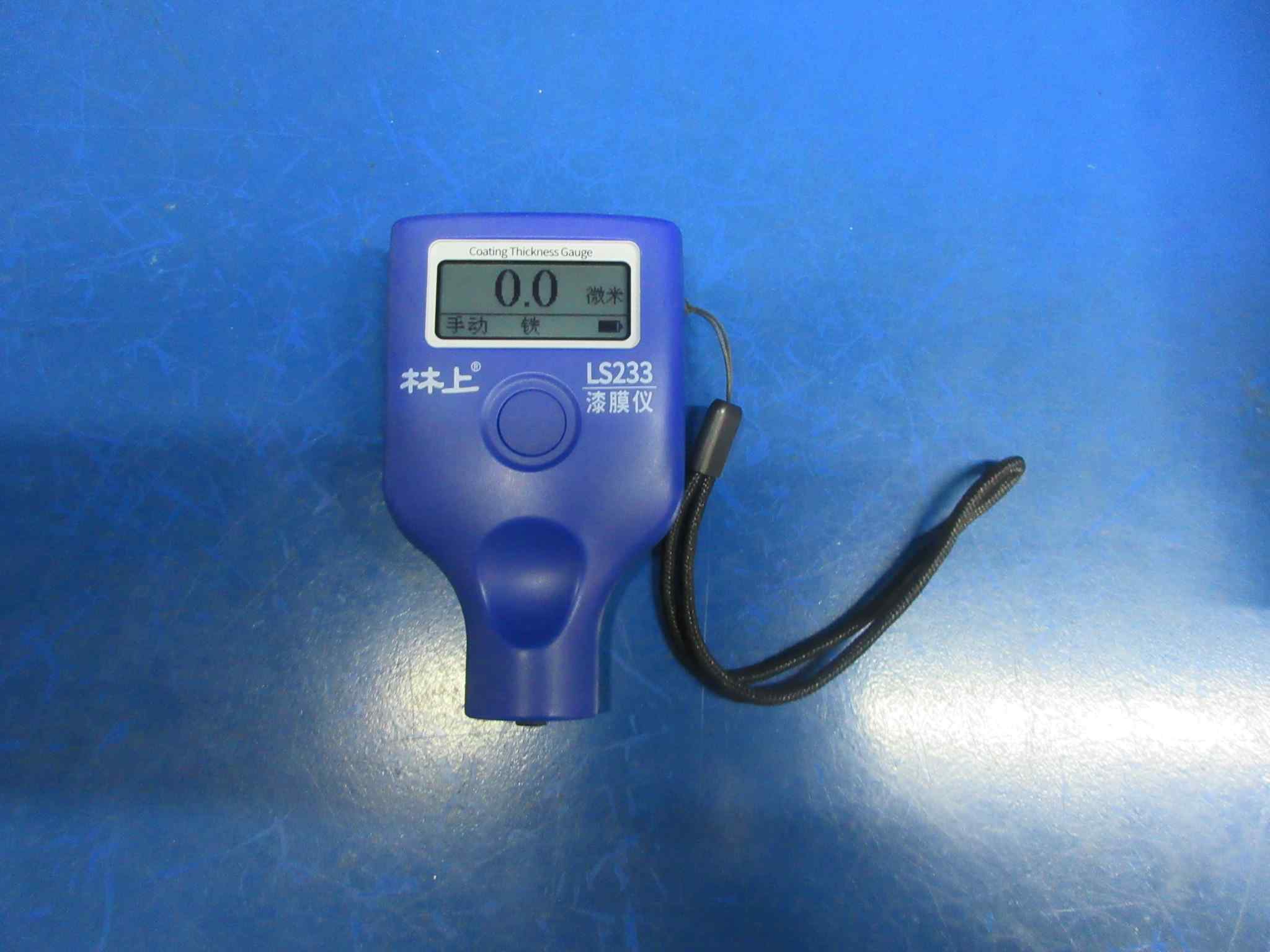 Coating Thickness Tester
 Metal Tape Calibration
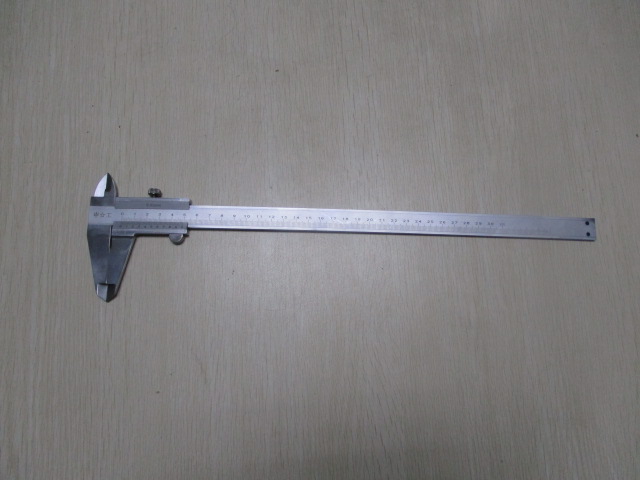 Micrometer
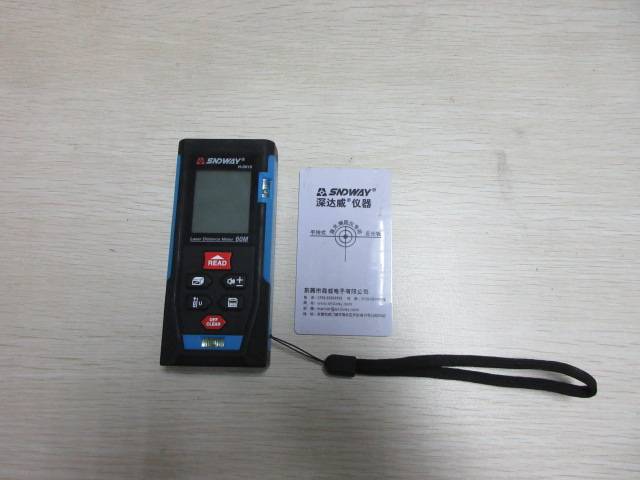 Laser Ruler
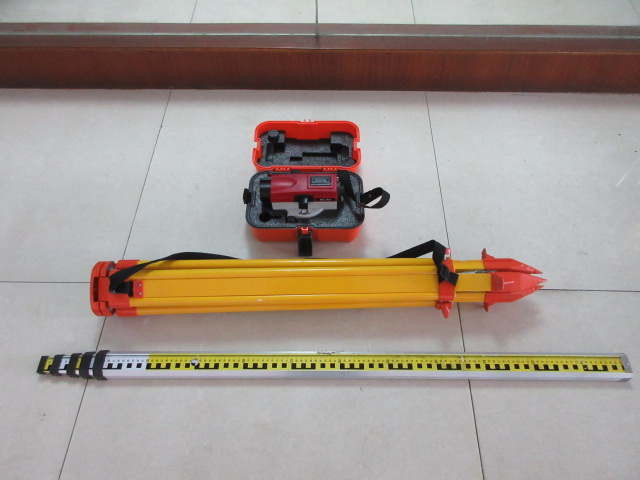 Level Instrument
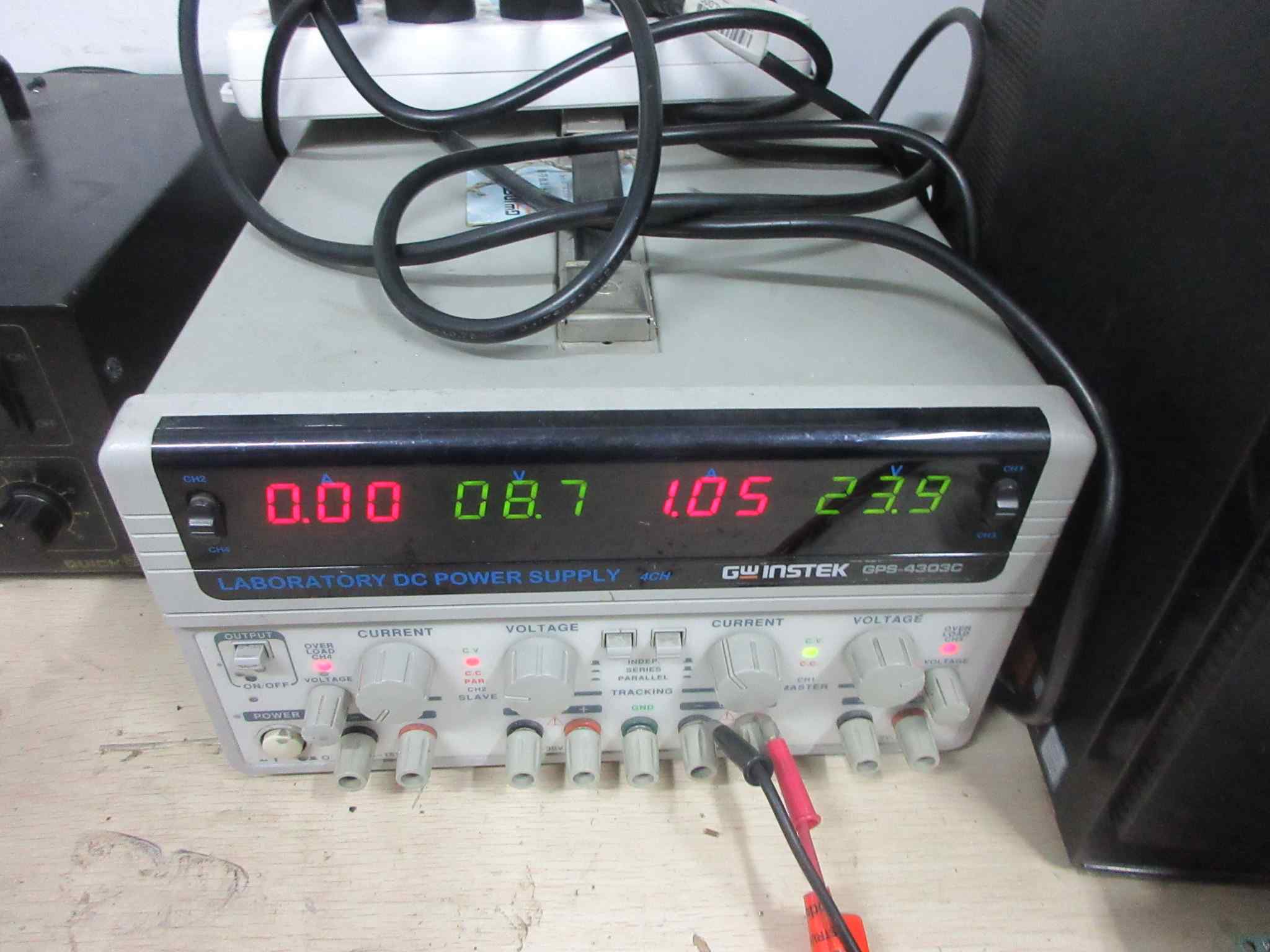 Laboratory DC Power Supply
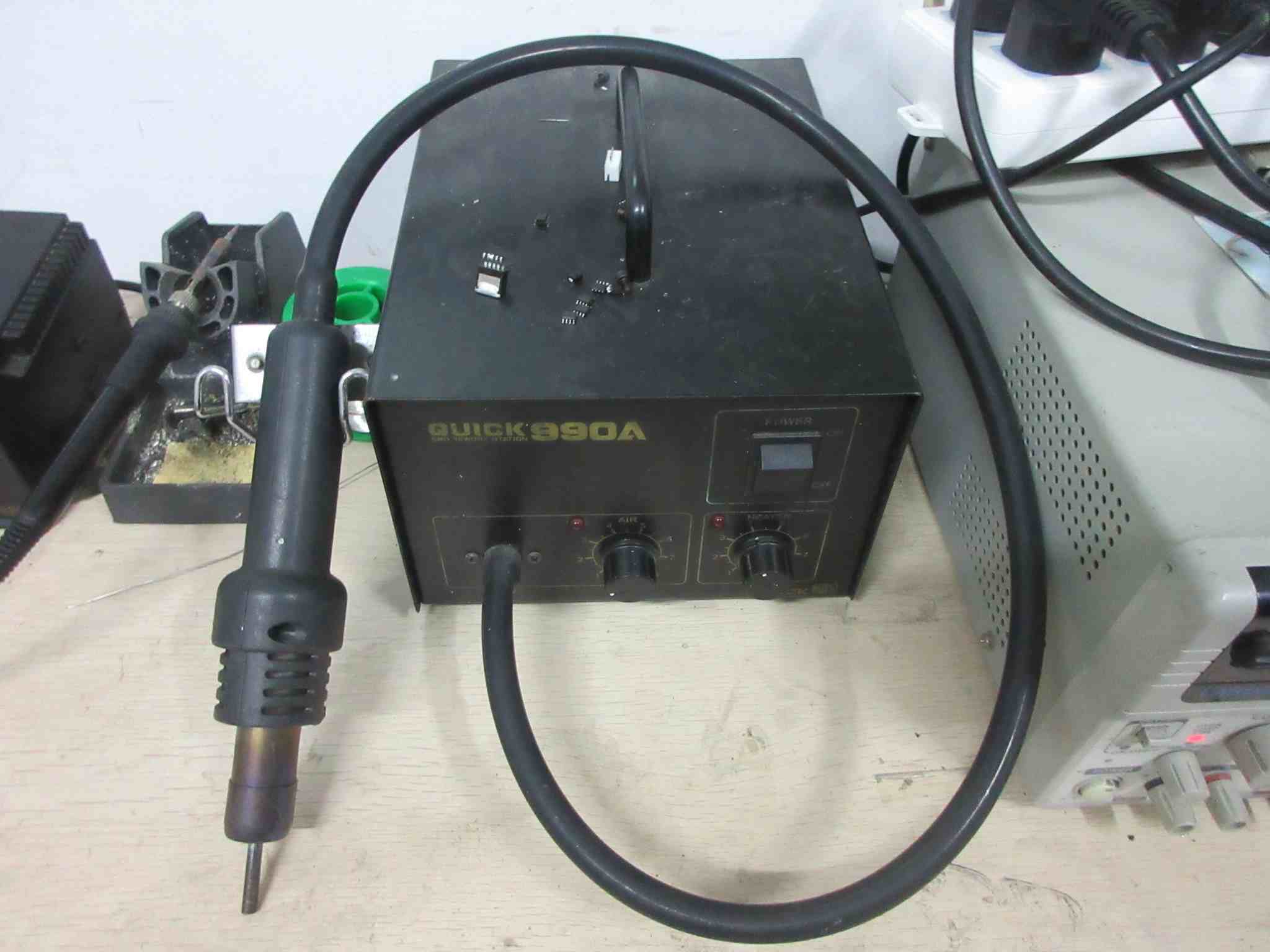 Heat Gun
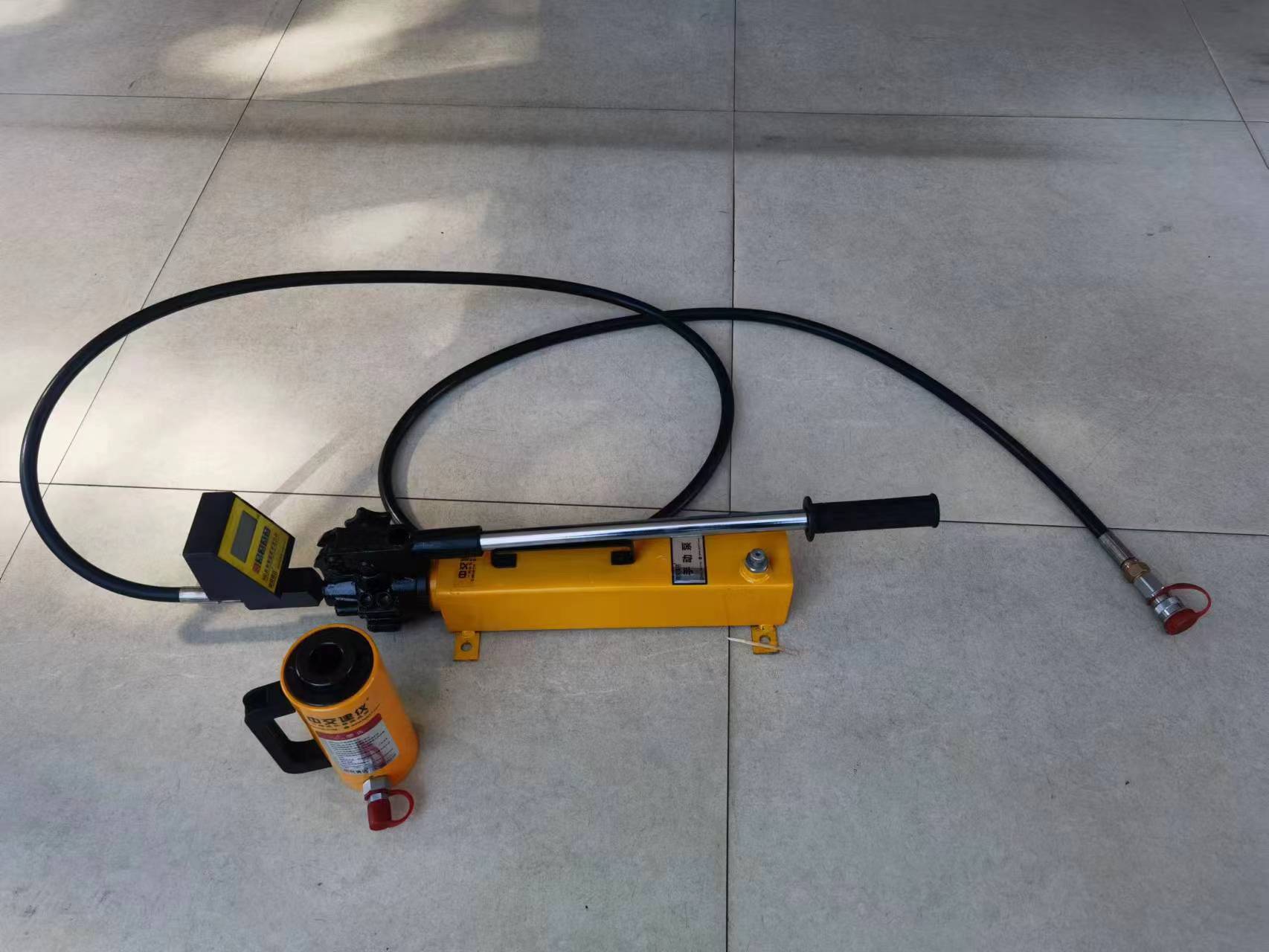 Bolt Drawing Tester
What distinguishes top-tier manufacturers from standard fabrication shops.
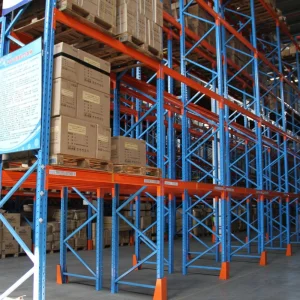
Compliance is the foundation of high-bay racking safety. Top-tier manufacturers verify designs using Finite Element Analysis (FEA) to confirm performance under static, dynamic, and seismic conditions in accordance with RMI and FEM specifications.
Leading suppliers leverage networks of upstream steel providers to secure premium cold-rolled steel grades (like Q235B and Q345B) at stable prices. Sunli's network of over 800 supply chain partners ensures consistent material supply.
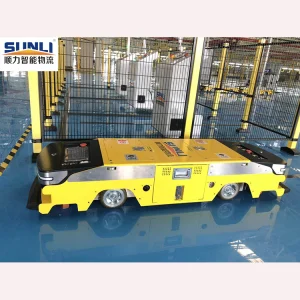
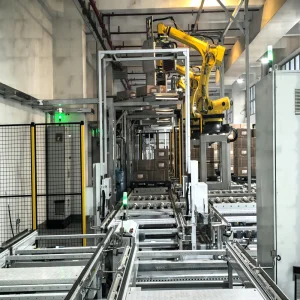
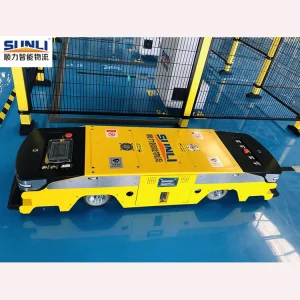
Modern distribution centers combine steel racking with automated machines. Suppliers must possess the capabilities to manufacture and integrate structural frames with automated shuttle systems, stacker cranes, and AGVs.
Adapting industrial storage infrastructure to meet specific regional regulations and environmental conditions.
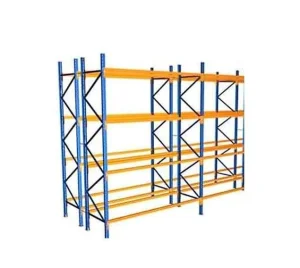
Industrial storage systems deployed along the Pacific Coast of North America must comply with strict seismic regulations. Racks must be designed to withstand horizontal and vertical forces caused by seismic movement. Sunli's engineering division addresses this by utilizing custom-engineered baseplates, oversized anchor bolts, and heavy-duty frame designs. High-ductile carbon steel grades and automated welding techniques protect structural integrity and prevent collapse under seismic stress.
Cold storage facilities (-25°C to -30°C) require careful consideration of material properties. Standard carbon steel can undergo low-temperature embrittlement, increasing the risk of structural failure under impact. To prevent this, Sunli uses low-temperature alloy steels and specialized galvanized surface treatments. These materials maintain impact toughness in cold conditions, ensuring safety in automated cold-chain systems like AS/RS and Radio Shuttle configurations.
Logistics facilities in humid, coastal, or tropical regions face elevated risks of metal oxidation and rust, which can compromise structural integrity. Sunli addresses this by using hot-dip galvanizing treatments and applying corrosion-resistant powder coatings. Coating thicknesses are monitored to meet international anti-corrosion standards. These surface treatments extend the service life of structural components in challenging environments.
Connecting structural racking with automated systems for efficient logistics management.
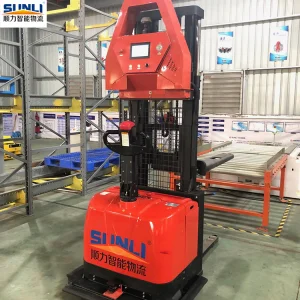
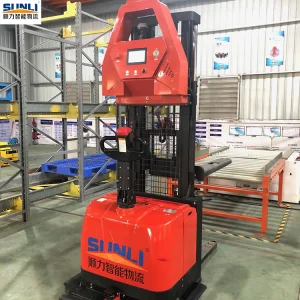
The warehousing industry is transitioning from manual handling to automated, intelligent logistics systems. This shift is driven by the integration of structural steel racking with robotic material handlers, automated guided vehicles (AGVs), and smart warehouse control software. Sunli is at the forefront of this evolution, designing racking systems that integrate with autonomous vehicles and automated storage technologies.
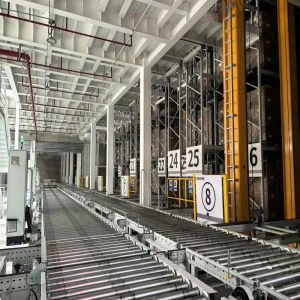
High-bay automated systems (AS/RS) require strict manufacturing tolerances. Unlike traditional racking, where minor deviations can be accommodated manually, automated systems require precise alignment to prevent component interference. Sunli uses automated roll-forming machines and robotic welding systems to produce structural frames within tight tolerances. This level of precision is critical for the smooth operation of high-speed stacker cranes and shuttle systems.
In addition to structural precision, automated warehouses utilize intelligent software systems (WMS and WCS) to optimize material flows. Racking layouts are designed to support rapid picking, replenishment, and inventory tracking. By combining structural design with automated material handling equipment, modern warehouses can achieve higher storage densities, faster processing times, and lower operating costs.
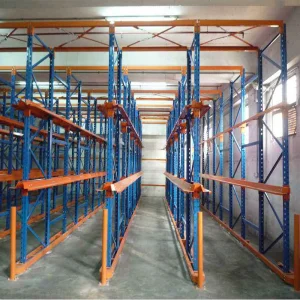
Explore our range of heavy-duty storage racks, automated shuttle configurations, and industrial transport AGVs.
Technical answers to critical procurement, compliance, and design queries.
The choice depends primarily on throughput dynamics, SKU diversity, and budget constraints. Radio Shuttle systems offer higher selectivity and automation levels, allowing for semi-automated, high-density storage that supports both FIFO (First-In, First-Out) and LIFO (Last-In, First-Out) models. They minimize forklift travel distance and reduce structural damage. Pallet Flow racks rely on gravity lanes, which are ideal for high-throughput FIFO setups with limited SKU variance but have higher maintenance needs and steeper initial costs due to the required rollers and braking systems.
In seismic zones (such as parts of North America and Japan), racking must be designed as building-like structures under building codes (like IBC and ASCE 7). Key modifications include using thicker baseplates, increased anchoring depth, heavier bracing profiles, and high-tensile steel grades (like Q345B). Finite Element Analysis (FEA) must simulate dynamic seismic forces to verify that structural connections can absorb energy and prevent collapse during an earthquake.
Load capacities are verified through a combination of engineering calculation and physical testing. Quality control procedures include tensile testing of raw steel coils, weld seam penetration inspection, and load-bearing deformation tests on finished beams and frames. Leading manufacturers like Sunli utilize dedicated laboratories equipped with specialized testing instruments, including digital bolt drawing instruments, to confirm that all components meet safety factors before delivery.
Powder coating protects steel components from humidity, chemical exposure, and physical wear. Insufficient coating thickness can lead to premature rust and structural weakness. Coating quality is monitored using cross-cut testers to check adhesion and electromagnetic thickness gauges to verify coverage meets industry standards.
Integrating physical racking with AGVs requires precise dimensional tolerances, proper sensor alignment, and software coordination. The racking must be manufactured within tight tolerances to ensure reliable pallet placement by automated forklifts. Reflector plates or magnetic tape may need to be integrated into the racks to assist with vehicle positioning. Finally, the facility's Warehouse Control System (WCS) coordinates movements between the automated vehicles and the storage locations.
 SunliRack