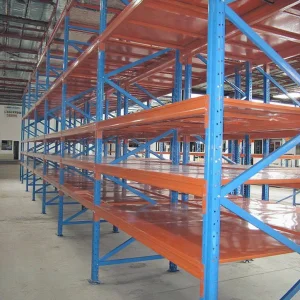
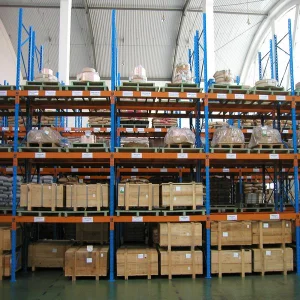
Modern supply chains demand more than simple storage. In the era of instant order fulfillment, omnichannel retail, and dynamic heavy manufacturing, industrial storage systems serve as the structural backbone of high-capacity logistics. The definition of utility shelves has expanded from standard commercial shelving to load-engineered, high-performance static and semi-automated racking systems. Global enterprise clients no longer look for simple commodity racking; they require highly specialized manufacturers capable of delivering structural integrity, high seismic resistance, and smart logistical integration.
Information Gain Insight: While typical B2B directories list basic dimensional configurations, true industrial efficiency relies on material grade analysis (such as premium cold-rolled Q235B steel), custom-designed profile structural deflection values, and anti-corrosion chemical configurations optimized for specific relative humidity environments.
Choosing the correct utility shelves manufacturer is a strategic engineering decision that directly impacts operational safety, spatial utilization rates, and long-term capital expenditure efficiency. This industry whitepaper outlines the structural technology, processing requirements, and supply chain characteristics that define market leaders in the warehousing space.
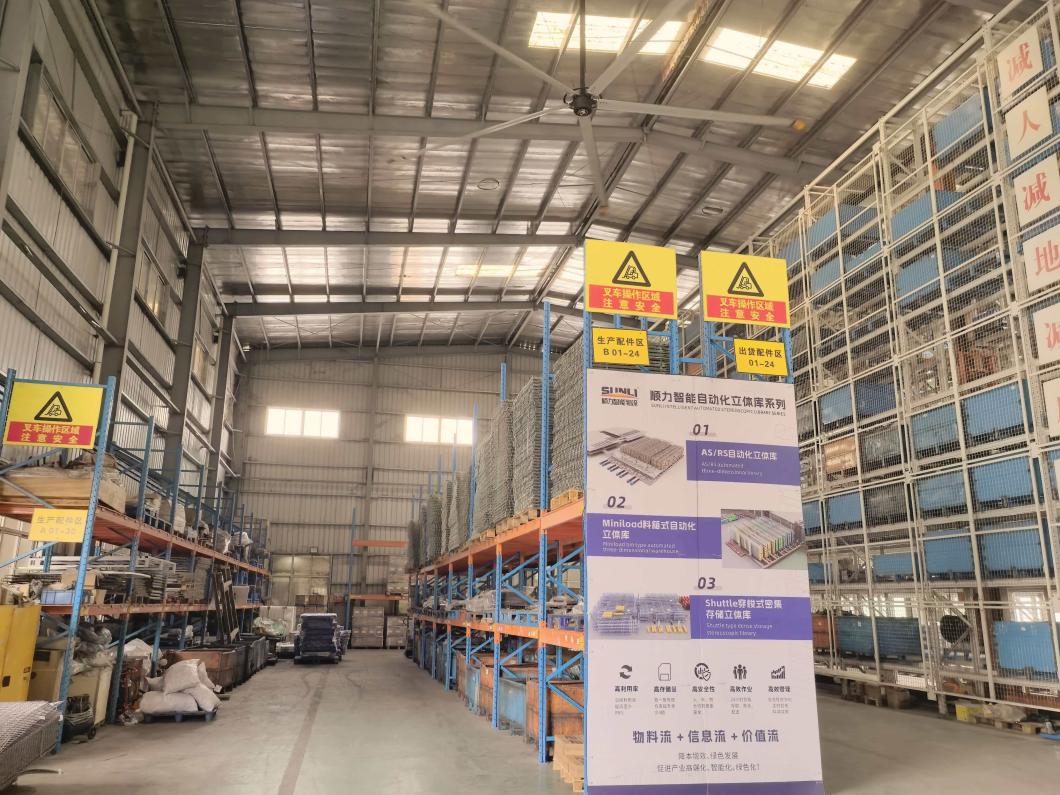
Established in 2015, Shenzhen Sunli Intelligent Logistics Equipment Co., Ltd. has established itself as an innovative force in the manufacturing of heavy-duty industrial racking and smart warehouse storage systems. Operating from a state-of-the-art facility spanning 38,000 m², the company combines over 12 years of industry engineering experience with 8 years of specialized international trade expertise. This structural focus has enabled Sunli to build a dynamic global supply presence, serving primary corridors across North America, Western Europe, Southeast Asia, and the Middle East, with annual export revenues ranging from $18 million to $25 million.
Sunli’s engineering capabilities are supported by 28 skilled R&D engineers and 35 dedicated QC professionals. This deep technical foundation ensures that all structural configurations, load calculations, and automation integrations comply with international safety regulations, including CE and ISO9001 certifications. Sunli utilizes a network of over 800 supply chain partners to deliver turnkey OEM/ODM services for third-party logistics (3PL) providers, global retail centers, industrial distributors, and e-commerce fulfillment hubs.
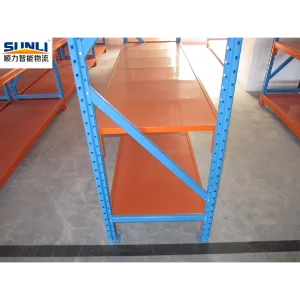
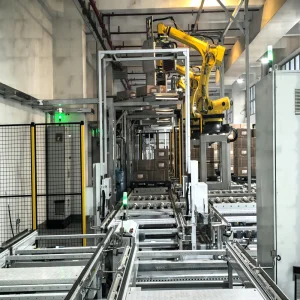
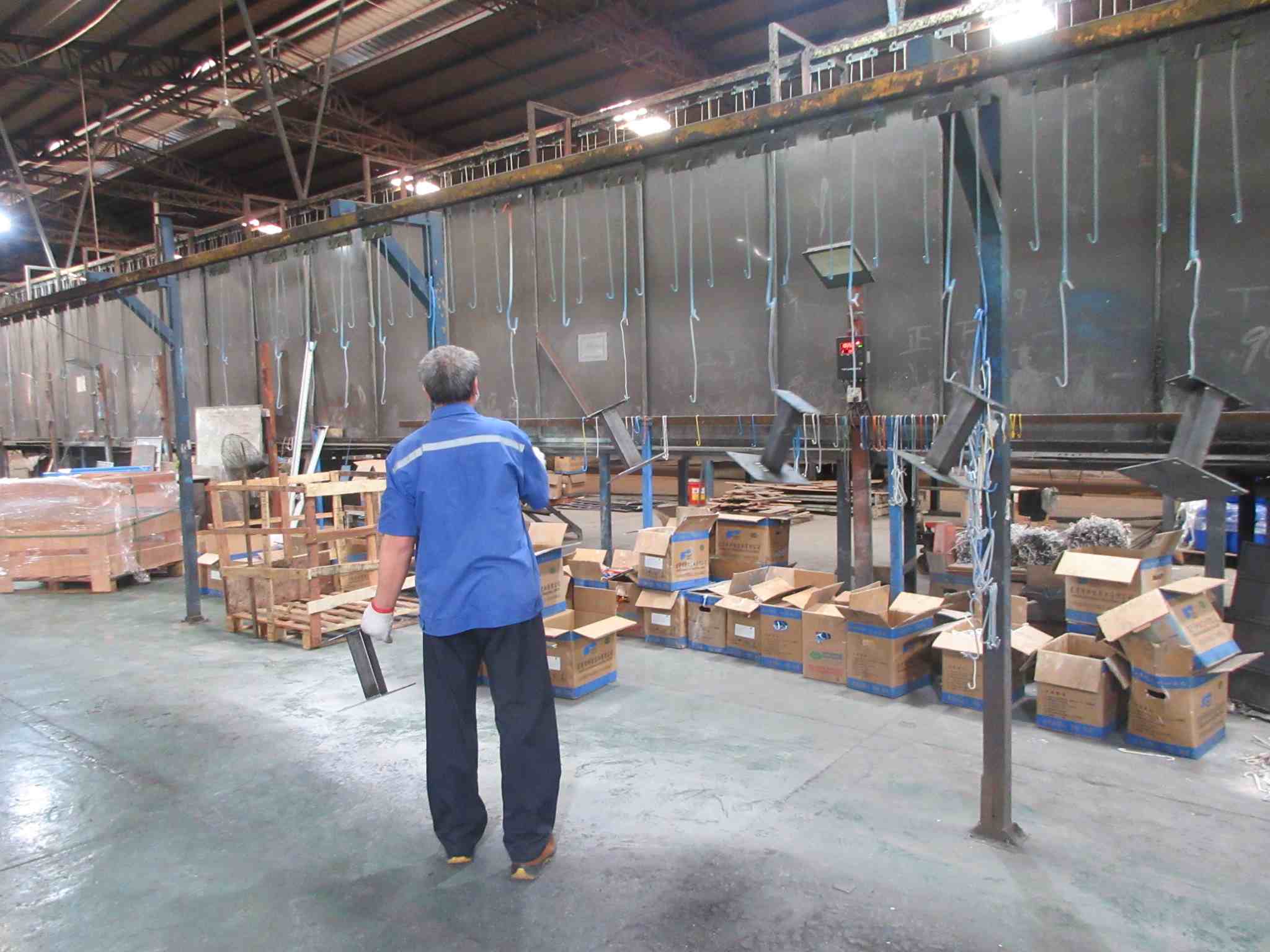
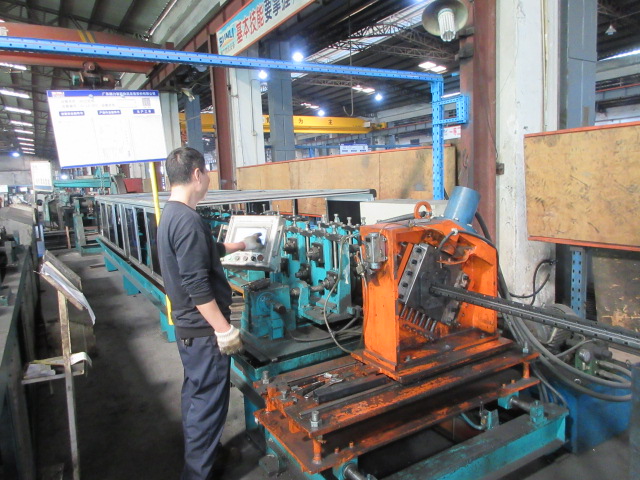
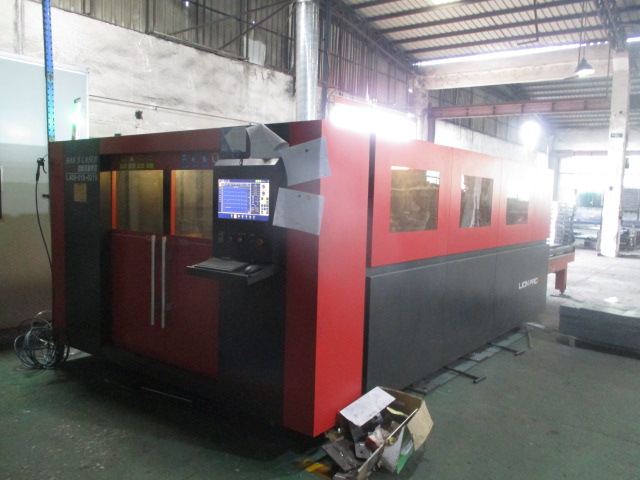
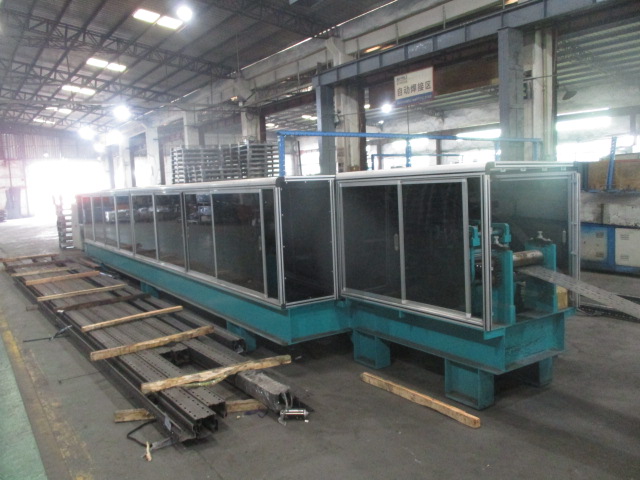
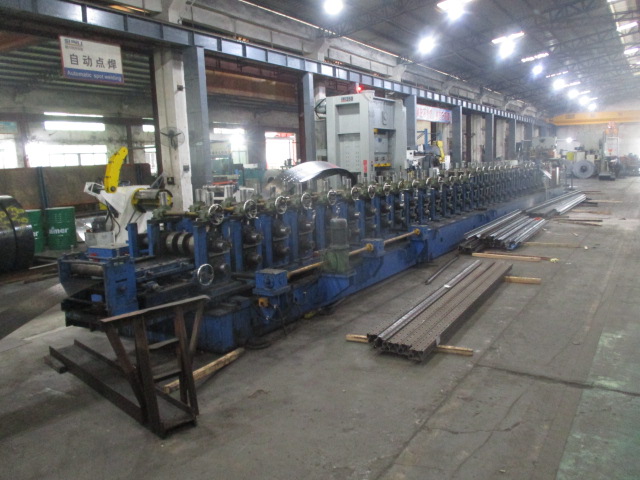
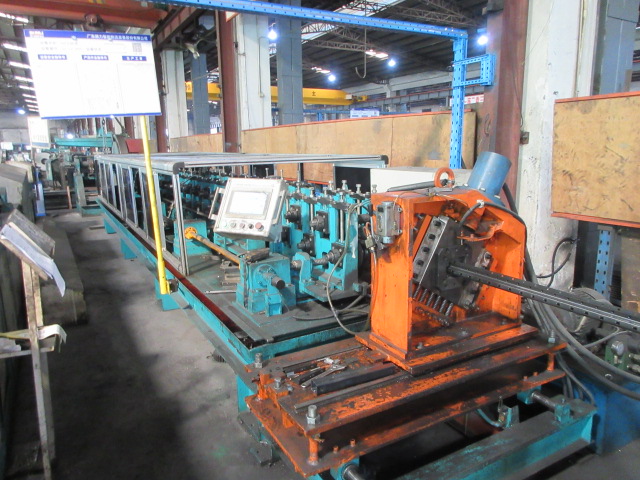
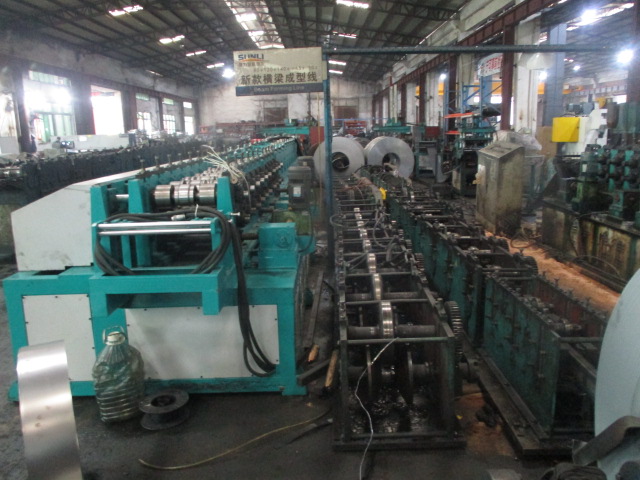
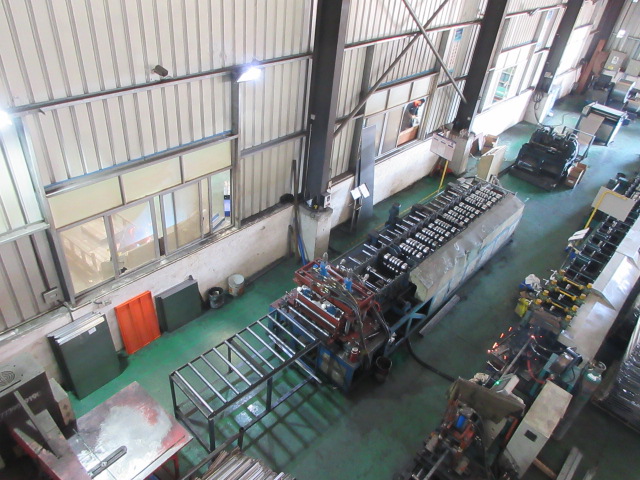
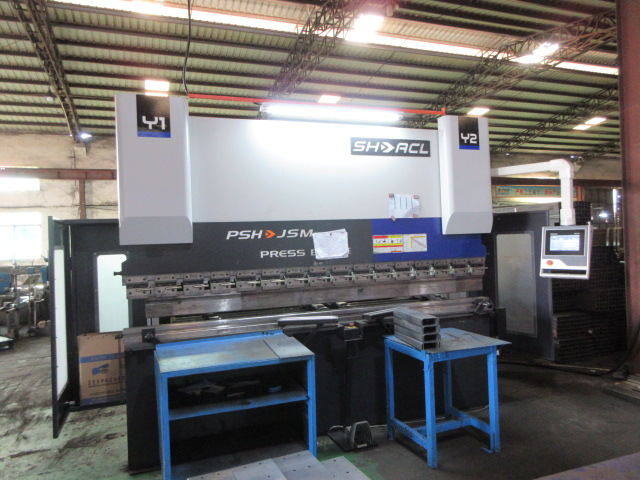
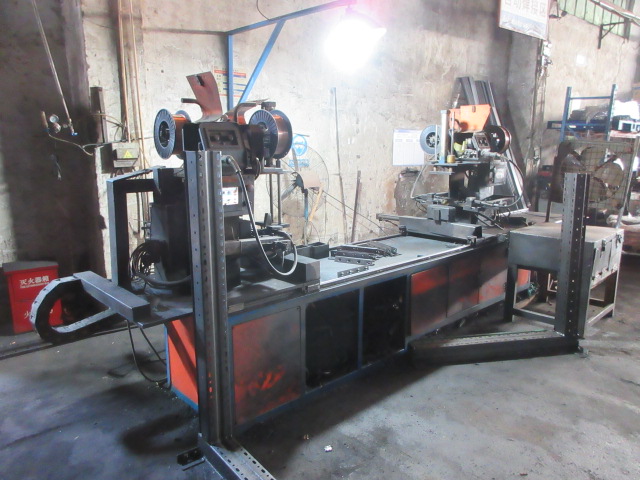
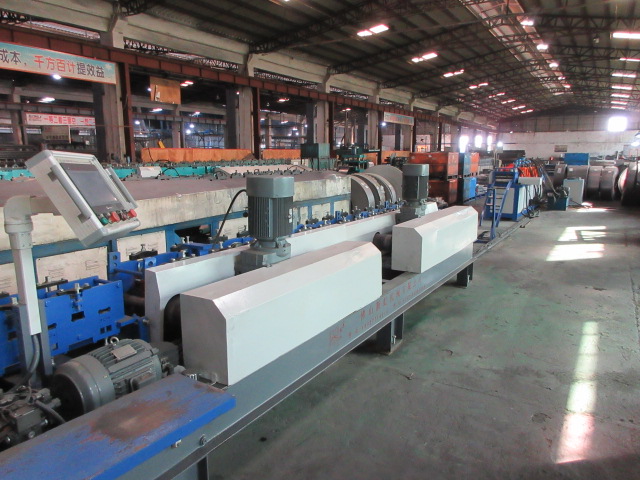
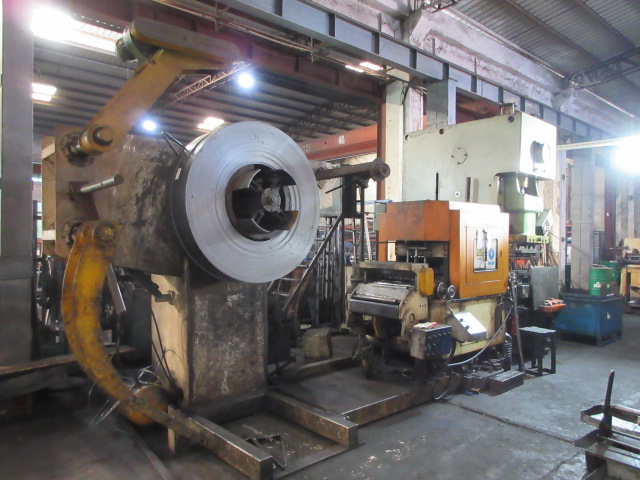
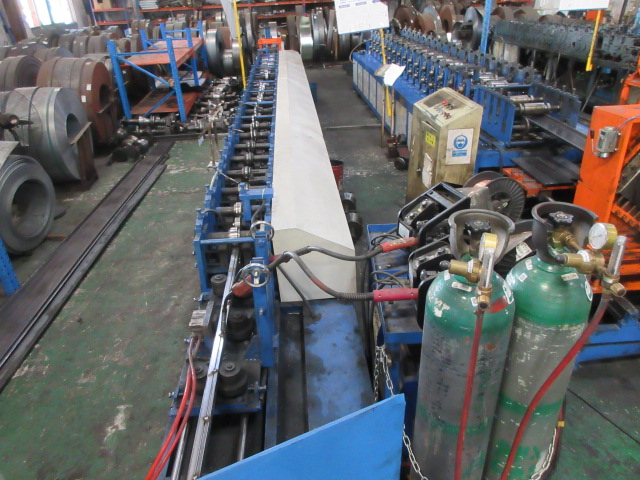
The manufacturing process of utility and pallet shelves requires strict metallurgical precision and structural tolerances. Shenzhen Sunli utilizes Factory 4.0 automation principles within its manufacturing loops to deliver high-quality steel structures consistently. Automated rolling lines, CNC punching stations, and robotic structural welding processes minimize the risk of micro-defects in load-bearing frames.
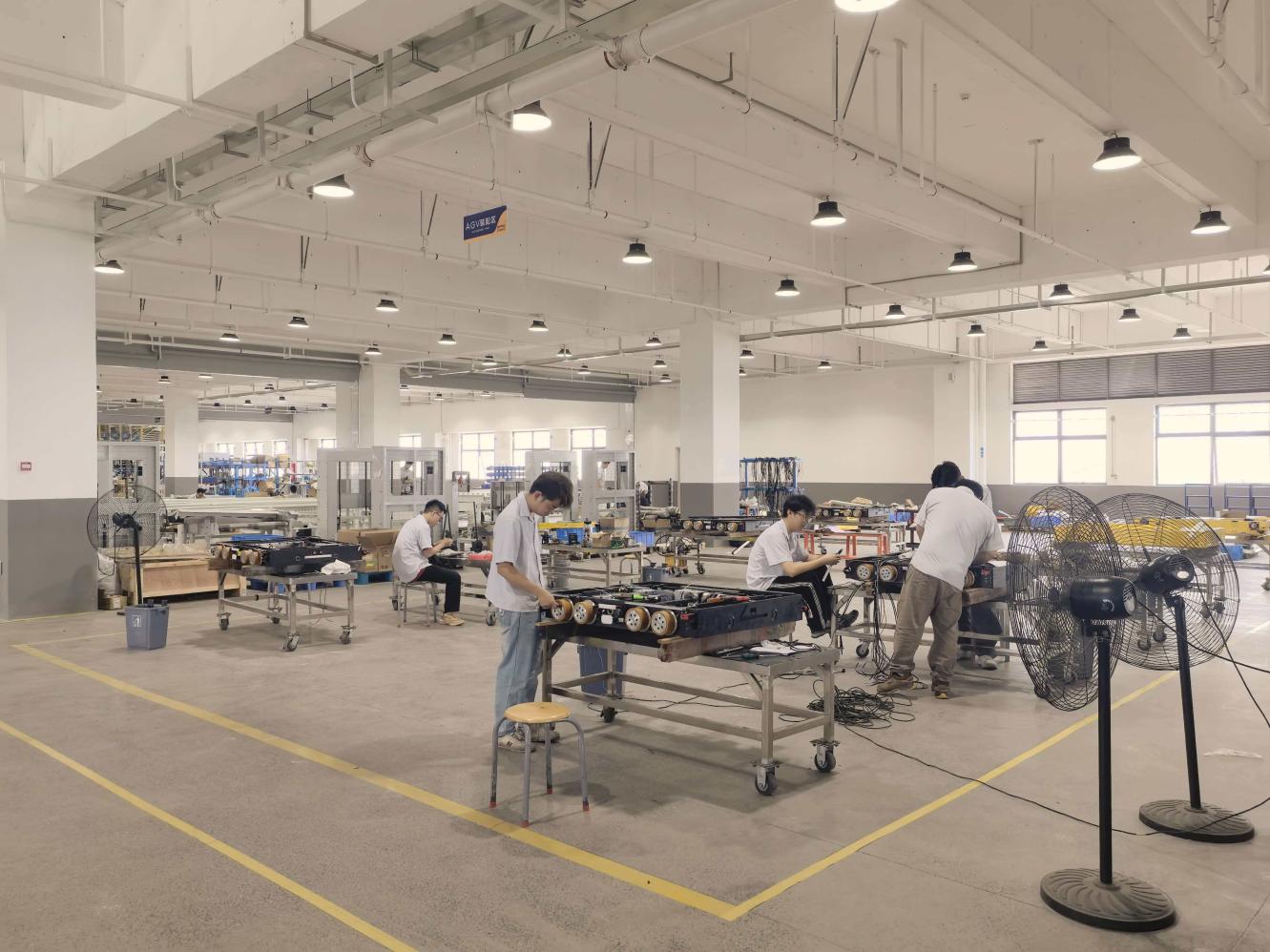
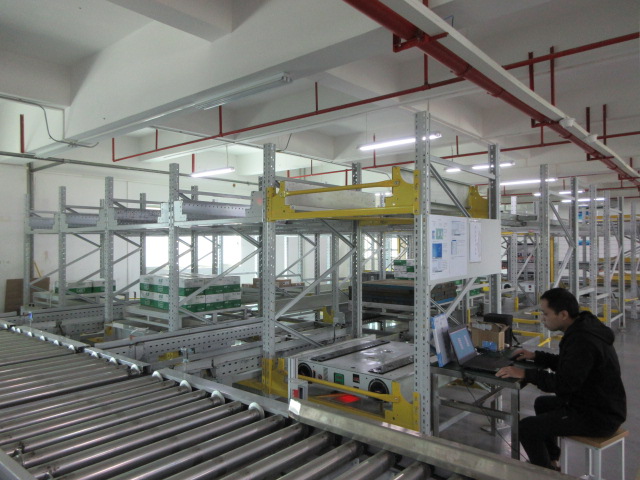
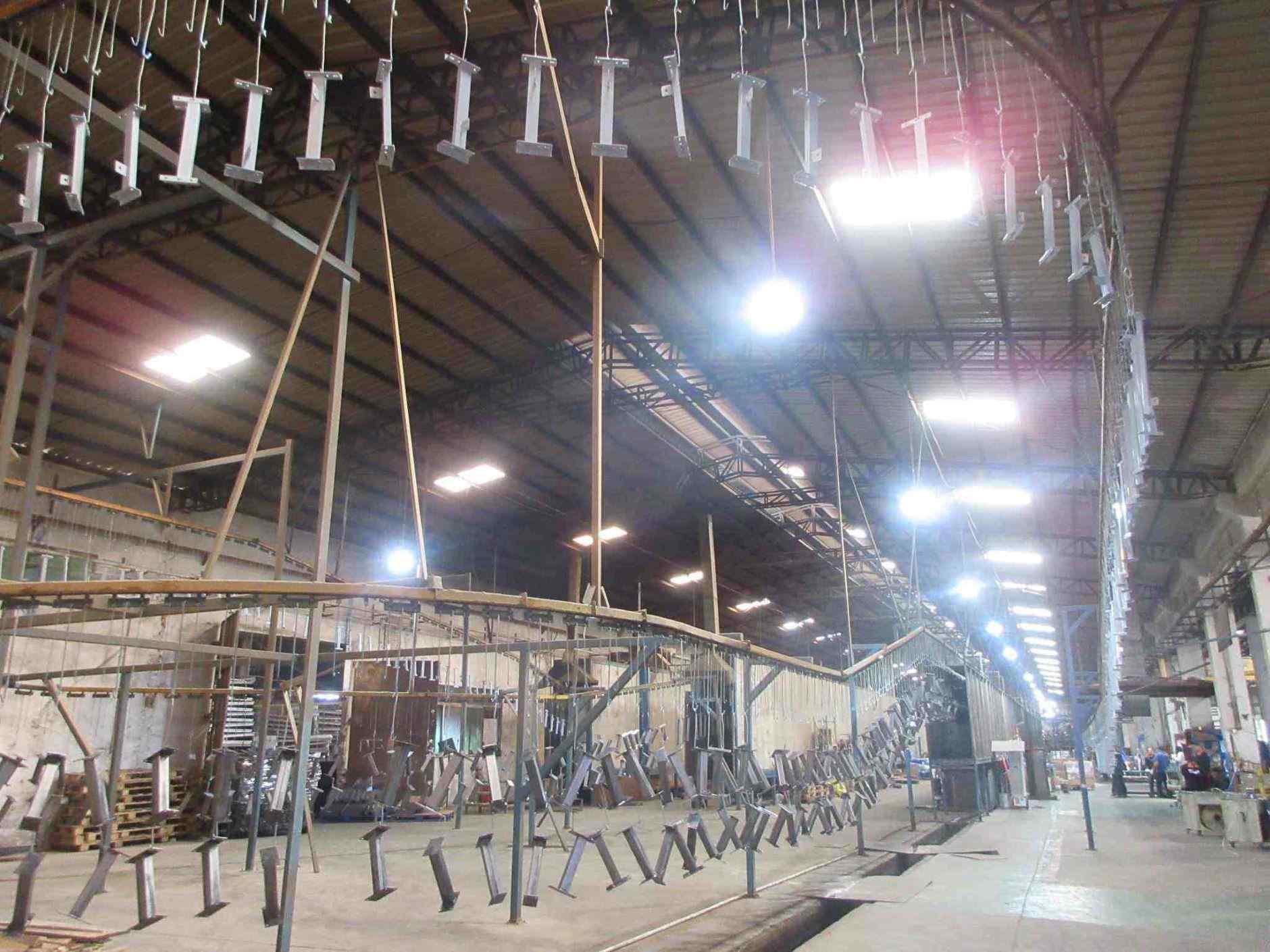
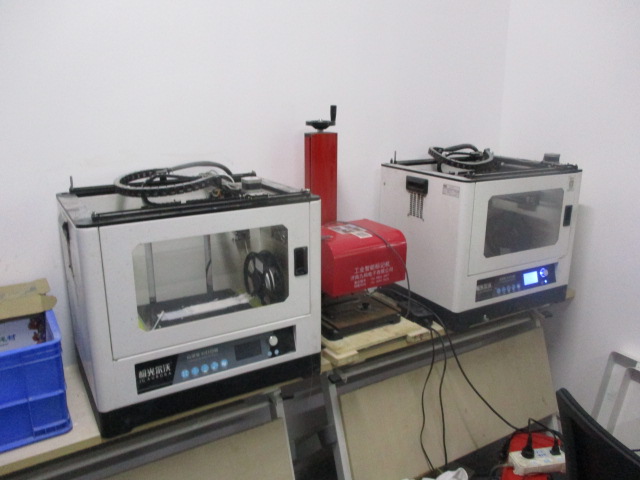
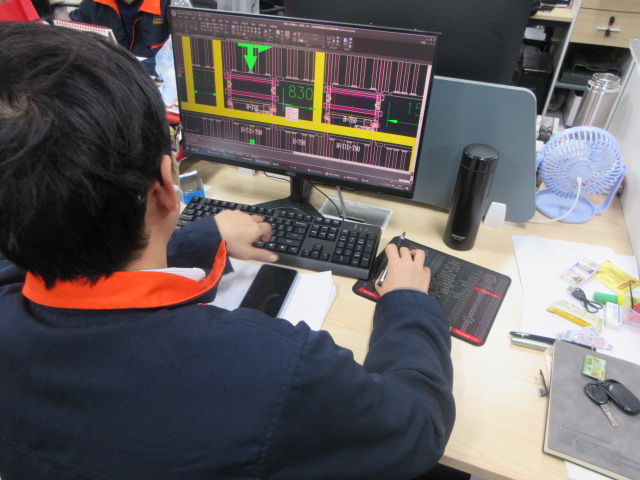
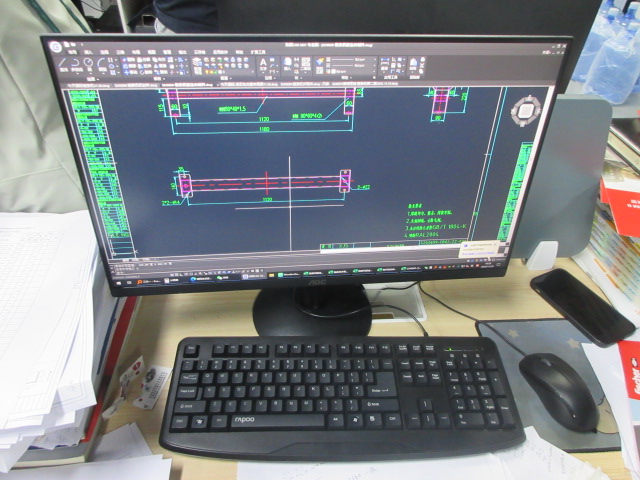
To provide complete supply chain visibility, here is the structural breakdown of Sunli's internal manufacturing steps, tracking from raw steel receipt to final product distribution:
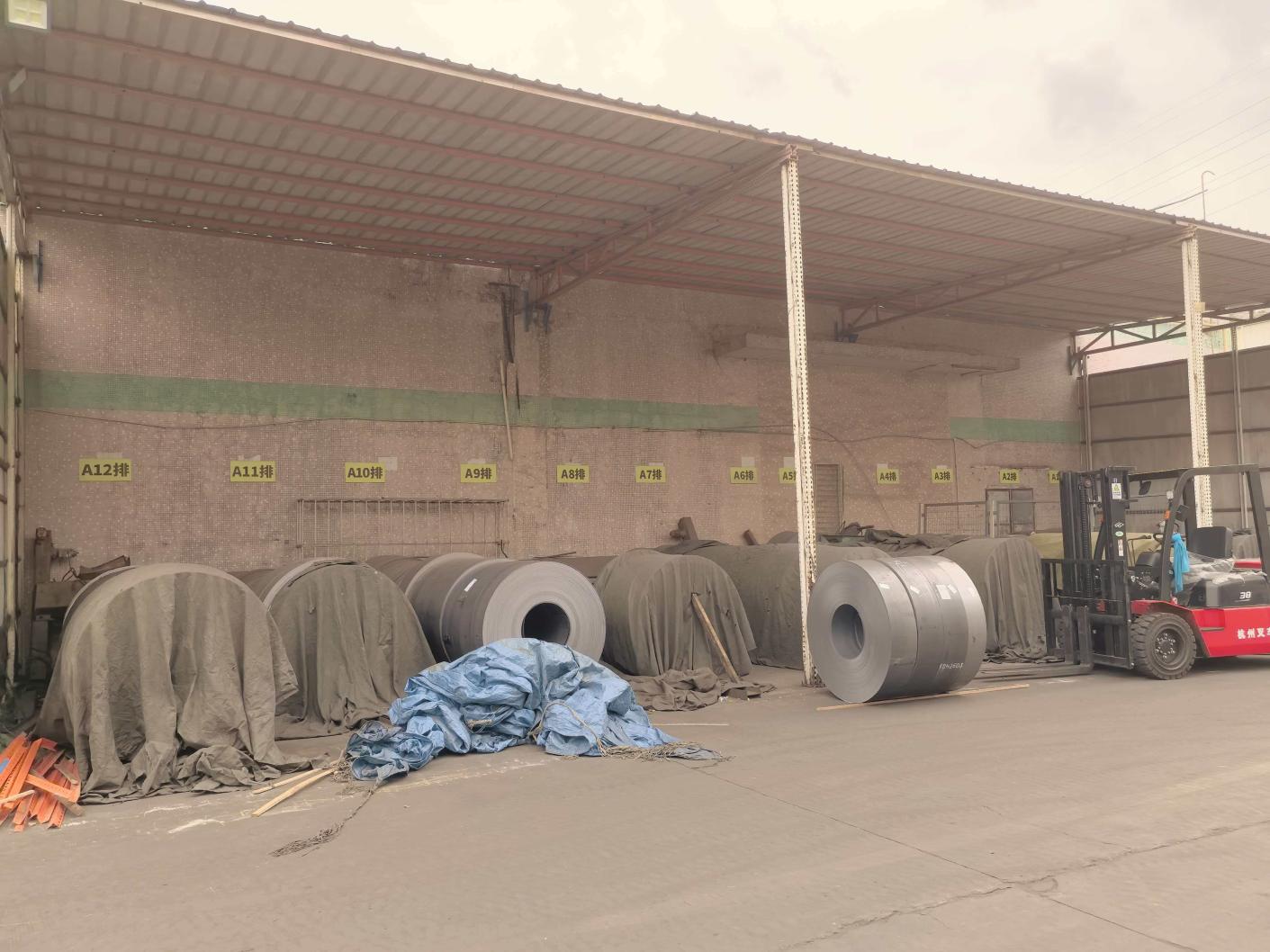
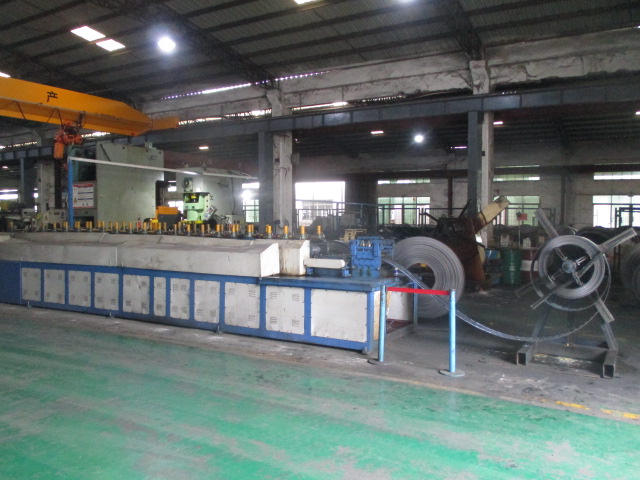
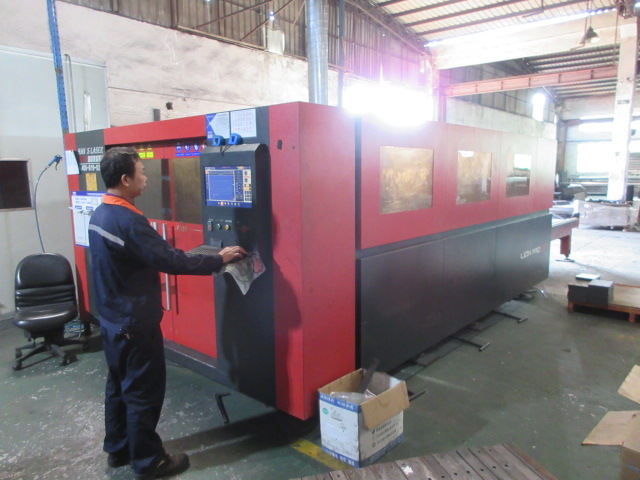
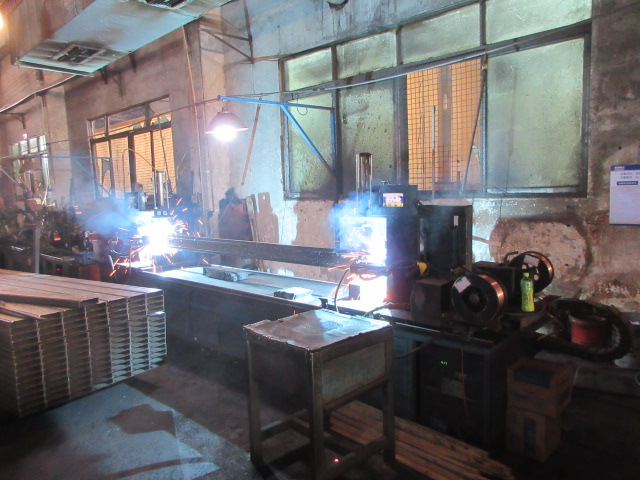

Industrial storage configurations must adapt to the unique operating standards, thermal challenges, and loading parameters of specific industrial verticals. Sunli designs tailored configurations to match these micro-climates and logistics workflows:
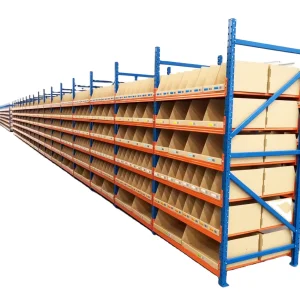
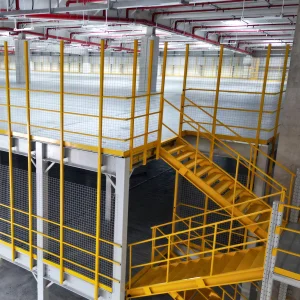
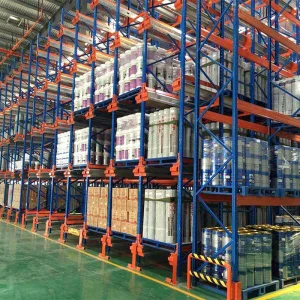
Requires dynamic modularity. High-turnover fulfillment centers rely on selective racking combined with multi-level mezzanine systems to maximize cubic space while allowing direct access to every SKU.
Requires structural materials capable of handling thermal contraction down to -30°C. High-density shuttle racking systems minimize the footprint of refrigerated areas, lowering energy requirements.
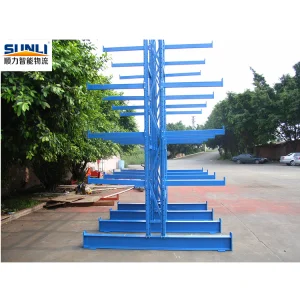
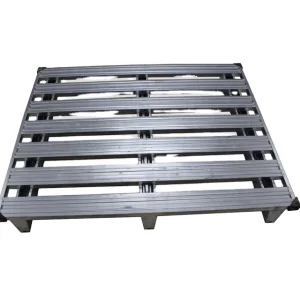
Requires load-bearing configurations that support heavy steel coils, machinery parts, and tooling dies. Standard solutions include structural steel cantilever shelving and custom pallet interfaces.
Industrial storage is moving away from static steel structures. The industry is transitionining to smart, cyber-physical storage networks where the racking functions as a integrated component of warehouse management systems (WMS). The technology roadmap focuses on three main developments:
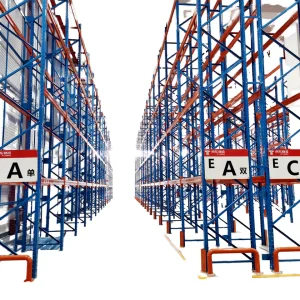
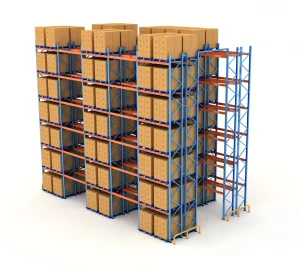
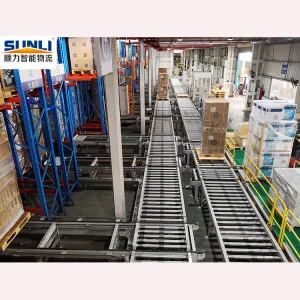
1. Automated Storage and Retrieval Systems (AS/RS Integration): High-bay racking structures now routinely exceed 30 meters in height, demanding tight dimensional tolerances. These structures integrate with automated cranes and shuttle vehicles to handle goods without manual intervention.
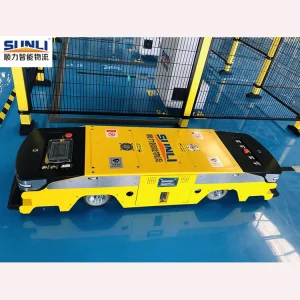
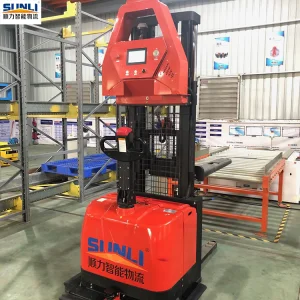
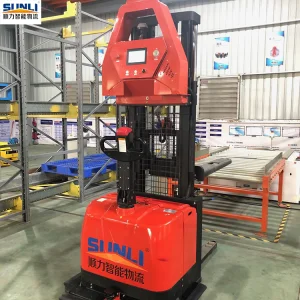
2. Intelligent AGV & AMR Fleet Deployment: Modern warehouses utilize Laser-Guided Vehicles (AGVs) and Autonomous Mobile Robots (AMRs) to move pallets to and from the racking. This reduces human labor costs and lowers the risk of structural forklift impacts on racking frames.
3. Smart Storage Infrastructure: The integration of weight-sensing load cells and IoT sensors directly within structural beams allows for real-time monitoring of weight distribution, preventing overloaded frames and warning operators of structural shifts.
Sunli’s engineering roadmap is aligned with these developments. The company continuously upgrades its structures to support automated shuttle platforms, multi-level logistics, and automated AGV paths, ensuring compatibility with modern automated facilities.
When procurement managers buy heavy industrial storage, they evaluate strict safety parameters, engineering calculations, and quality standards to manage liability and operational risks:
Racking must use high-strength carbon structural steel (such as Q235B or Q345B) certified by mill test reports (MTR). This guarantees the steel maintains its yield strength under maximum rated loads.
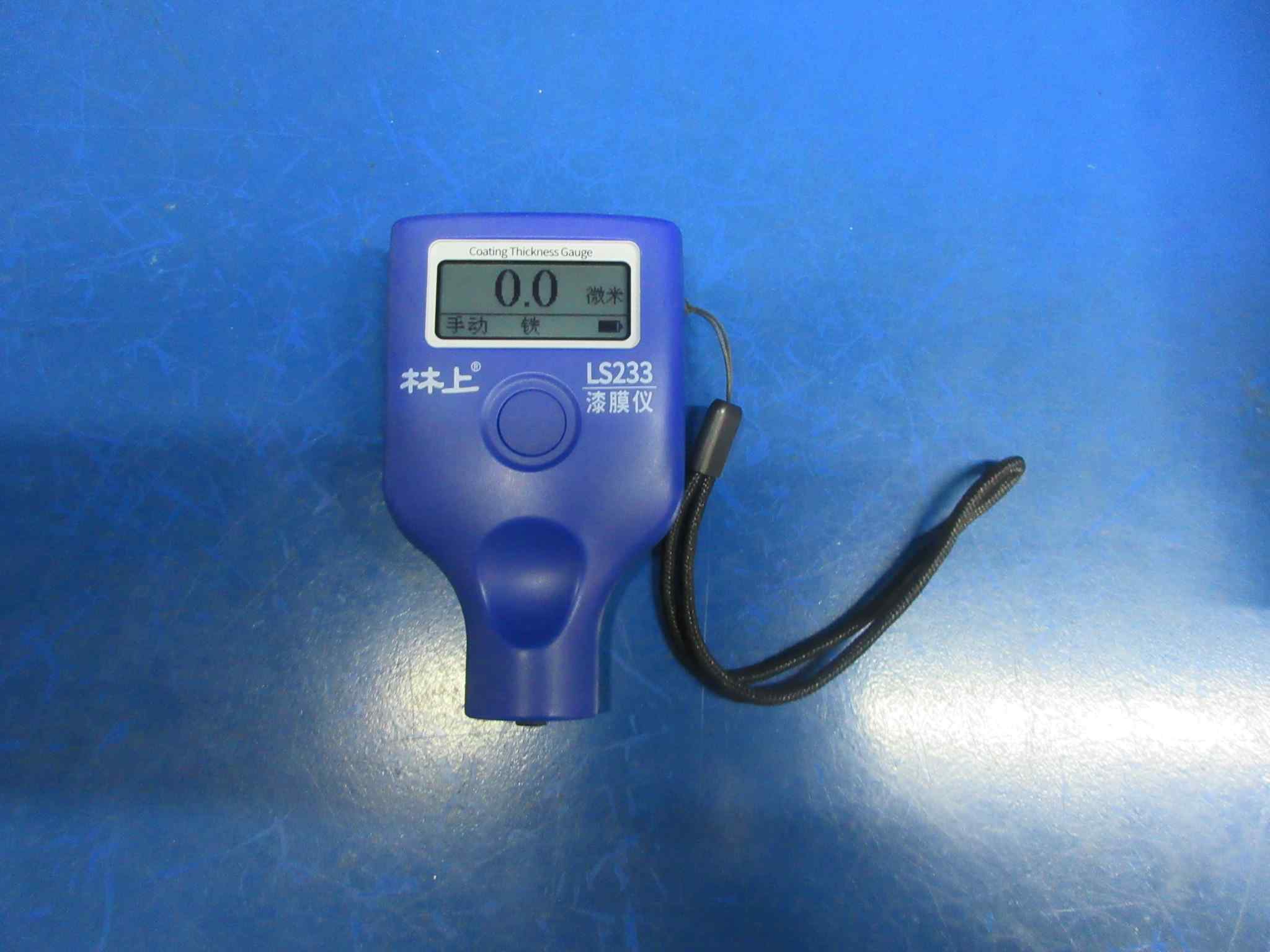
A multi-stage powder coat process is necessary to protect against corrosion. Quality controls require cross-cut testing, impact tests, and dry film thickness (DFT) checks to ensure coating durability.
Manufacturers must supply engineering calculations that show safety factors (typically 1.5 to 1.8) and structural design compliance with industry standards like RMI or EN 15512.
Because structural standards vary by region, Sunli provides localized engineering support to ensure installations comply with local building regulations and safety codes. This includes structural calculations for seismic zones in Western Europe and structural configurations that meet North American fire codes (NFPA 13 regulations for flue space and sprinkler layouts).
Sunli’s international trading teams handle transport logistics, custom documentation, and on-site assembly instructions. The company supports large-scale global projects by delivering engineered component drawings, structural layouts, and field inspection templates directly to local installation contractors.
 SunliRack