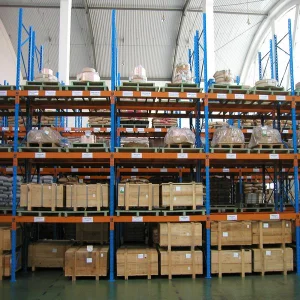
As the primary gateway for transpacific trade, the Greater Los Angeles area—spanning the Port of Los Angeles, the Port of Long Beach, and the vast Inland Empire logistics corridor—represents the highest demand and tightest capacity warehousing market in North America. With land costs at historic highs and industrial vacancy rates remaining critically low, supply chain operators must maximize volumetric efficiency without compromising structural safety.
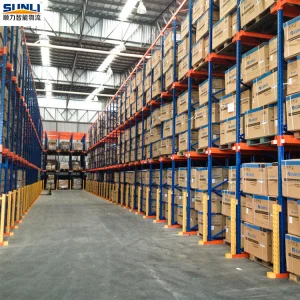
For companies handling high-volume, low-SKU product portfolios, traditional selective racking wasting valuable real estate on access aisles is no longer economically viable. Drive-In Pallet Racking systems compress storage footprints by enabling forklifts to drive directly into the racking bays. This system eliminates multiple traffic aisles, allowing for up to an 80% increase in storage capacity compared to standard configurations.
In Southern California's cold storage facilities, beverage distribution hubs, and bulk consumer goods warehouses, this high-density layout translates directly into lower operating overheads per pallet position.
Building structures in Los Angeles County requires strict compliance with the California Building Code (CBC) and localized municipal approvals like LADBS (Los Angeles Department of Building and Safety). Seismic activity in the region necessitates rigorous dynamic analysis.
Our drive-in pallet racking systems are engineered to withstand severe seismic forces, featuring heavy-duty anchor footings, high-ductile steel formulations, rigid top-tie configurations, and double-sided structural bracing designed to conform strictly to the Rack Manufacturers Institute (RMI) MH16.1 specification.
Engineered for extreme loading capabilities, high-turnover cargo, and integration with modern material handling systems.
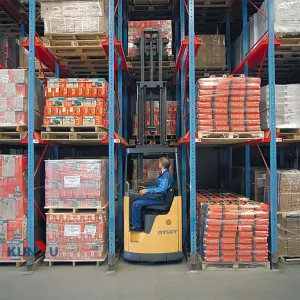
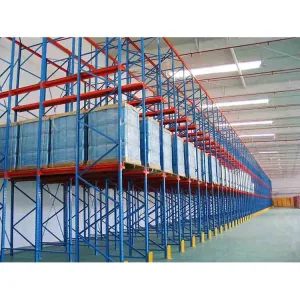
Designing a stable, high-capacity drive-in racking system involves evaluating structural dynamics, load distributions, forklift clearances, and cycle speeds.
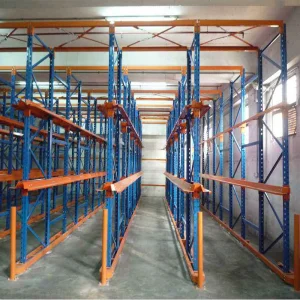
Unlike selective racking where pallets rest on horizontal beams, drive-in systems utilize continuous support rails. These rails run along the depth of the bay, supported by cantilever arms extending from the vertical uprights. The upright profiles must be engineered with cold-rolled steel geometry to resist torsional forces caused by deep bay loading and frequent forklift traffic.
Standard drive-in racking operates on a Last-In, First-Out (LIFO) inventory management protocol. One single entry/exit channel serves both loading and extraction phases. For cold storage and food logistics in SoCal where expiration date control is vital, drive-through systems (incorporating entry channels on both ends to achieve FIFO) are implemented to prevent product spoilage.
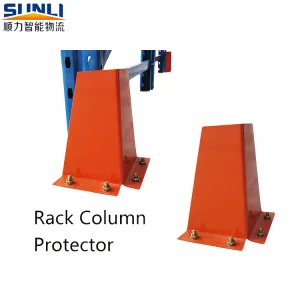
Because forklifts navigate inside the structural bays, the risk of accidental collision with vertical columns increases. Robust impact protection is non-negotiable. Our configurations feature heavy-duty steel rack column protectors, base anchors, and guide rails on the floor level to align forklifts securely within the racking channels, mitigating upright collapse risks.
Racking structures in Los Angeles, Anaheim, Riverside, and Ontario must accommodate high seismic design categories (Categories D through F). Designing racking for these areas demands consideration of structural steel yield strengths, heavy anchoring, and the following engineering parameters:
Established in 2015, Shenzhen Sunli Intelligent Logistics Equipment Co., Ltd. is a global developer of heavy-duty industrial racking and automated warehouse storage solutions. Operating from a modern production facility spanning 38,000 m², we leverage over 12 years of industry experience and 8 years of international trade expertise.
Quality control is critical for safe industrial operations. Our dynamic QC team implements rigid product inspection workflows including raw material load-bearing testing, high-precision weld seam non-destructive analysis, and anti-corrosion powder-coating cross-cut testing. Our engineering team continuously innovates to meet evolving global supply chain demands, delivering over 120 new products and structural improvements annually.
We offer custom solutions tailored to your operational specifications. From specialized load capacities and non-standard pallet rack configurations to custom powder coatings and fully integrated radio shuttle systems, our engineering team utilizes modern CAD/3D modeling tools to prepare detailed proposals for approval by local authorities in Los Angeles and the broader USA.
Take a virtual tour of our 38,000 m² factory. Discover the precision-machined steps that transform high-strength steel coils into high-density storage frameworks.
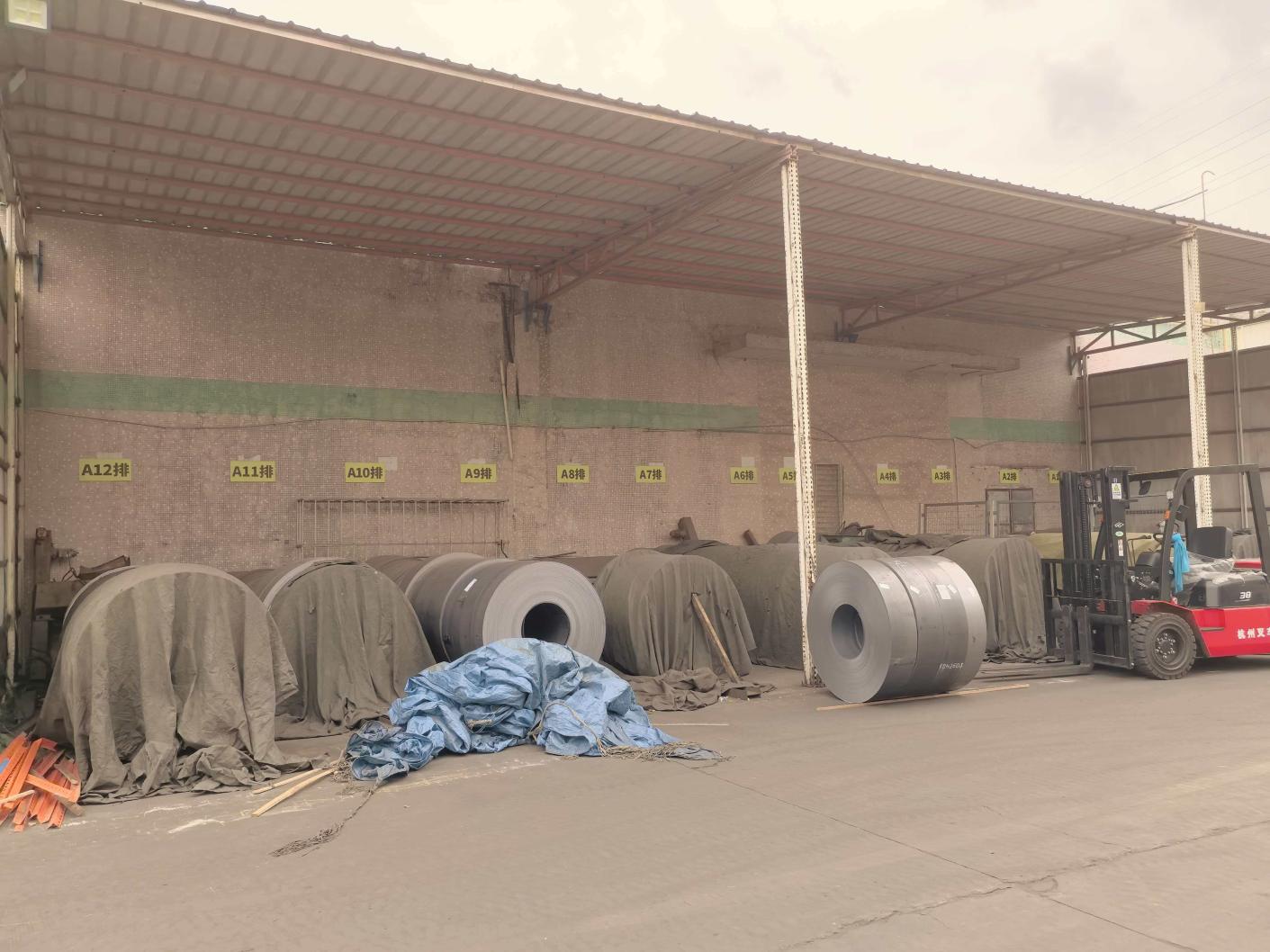
Raw Material Control
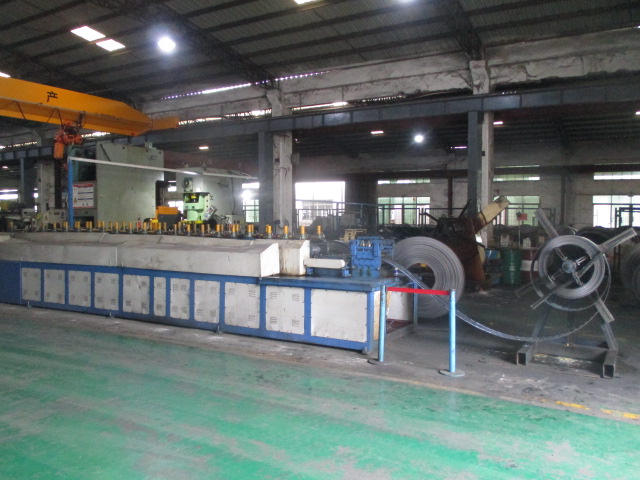
Continuous Rolling Line
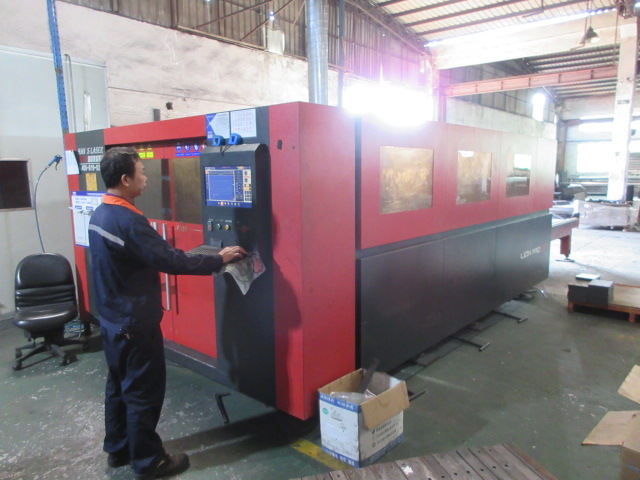
Laser Cutting Section
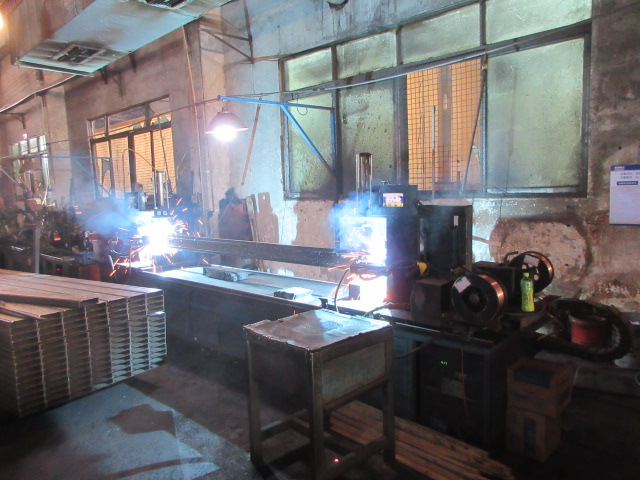
Robot Automatic Welding
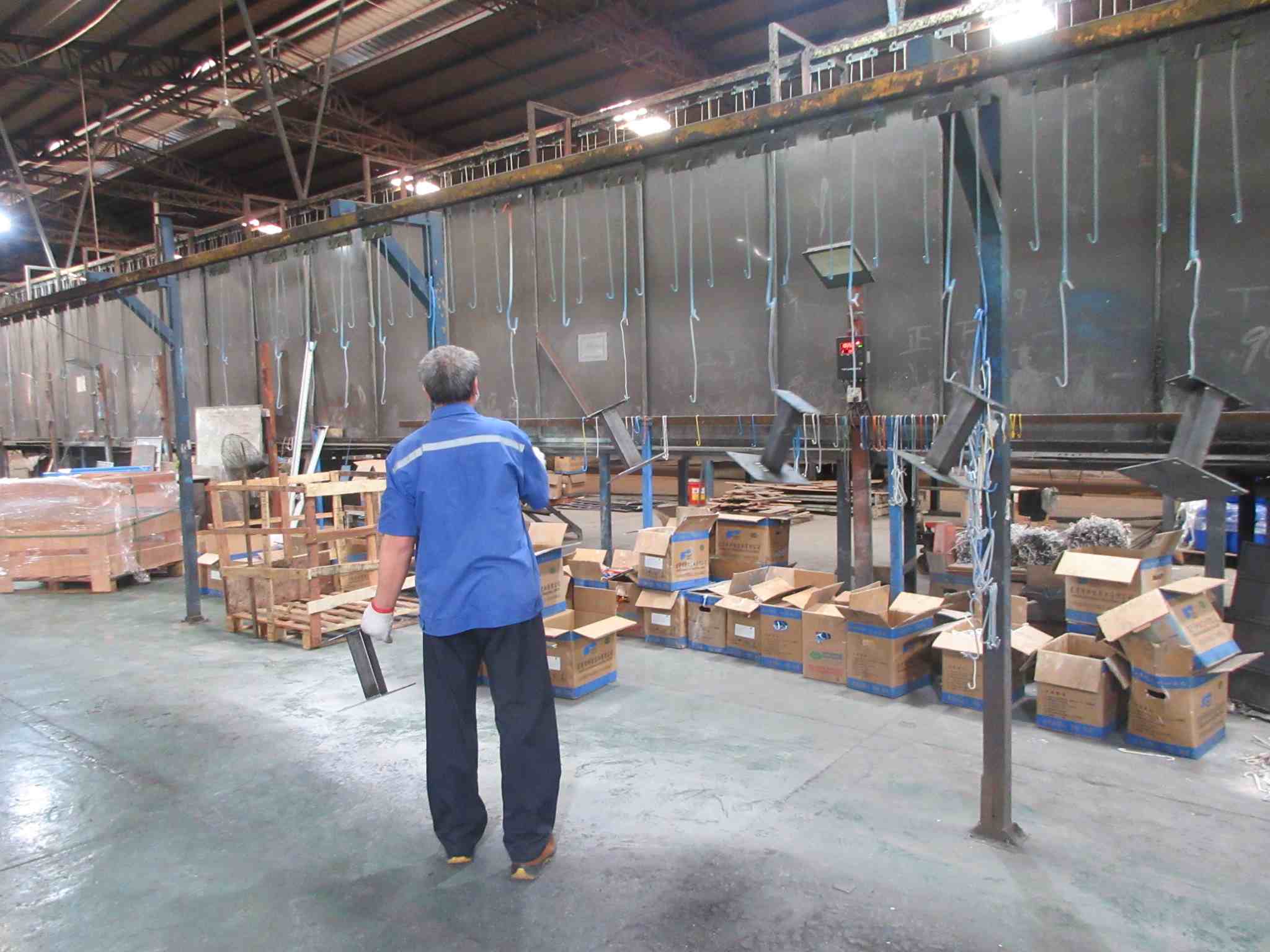
Spray Coating Line
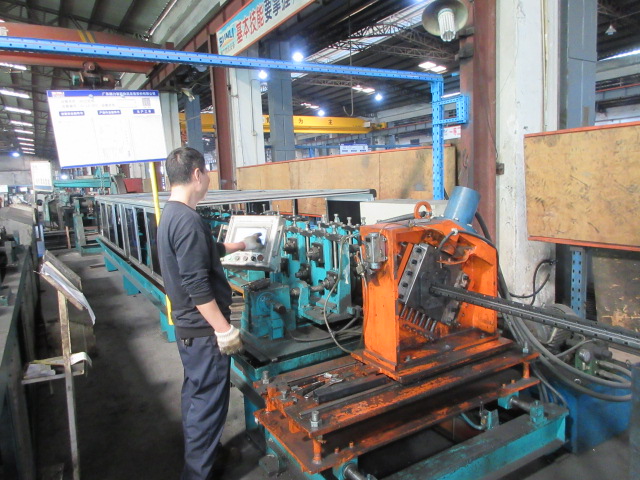
Precision Molding
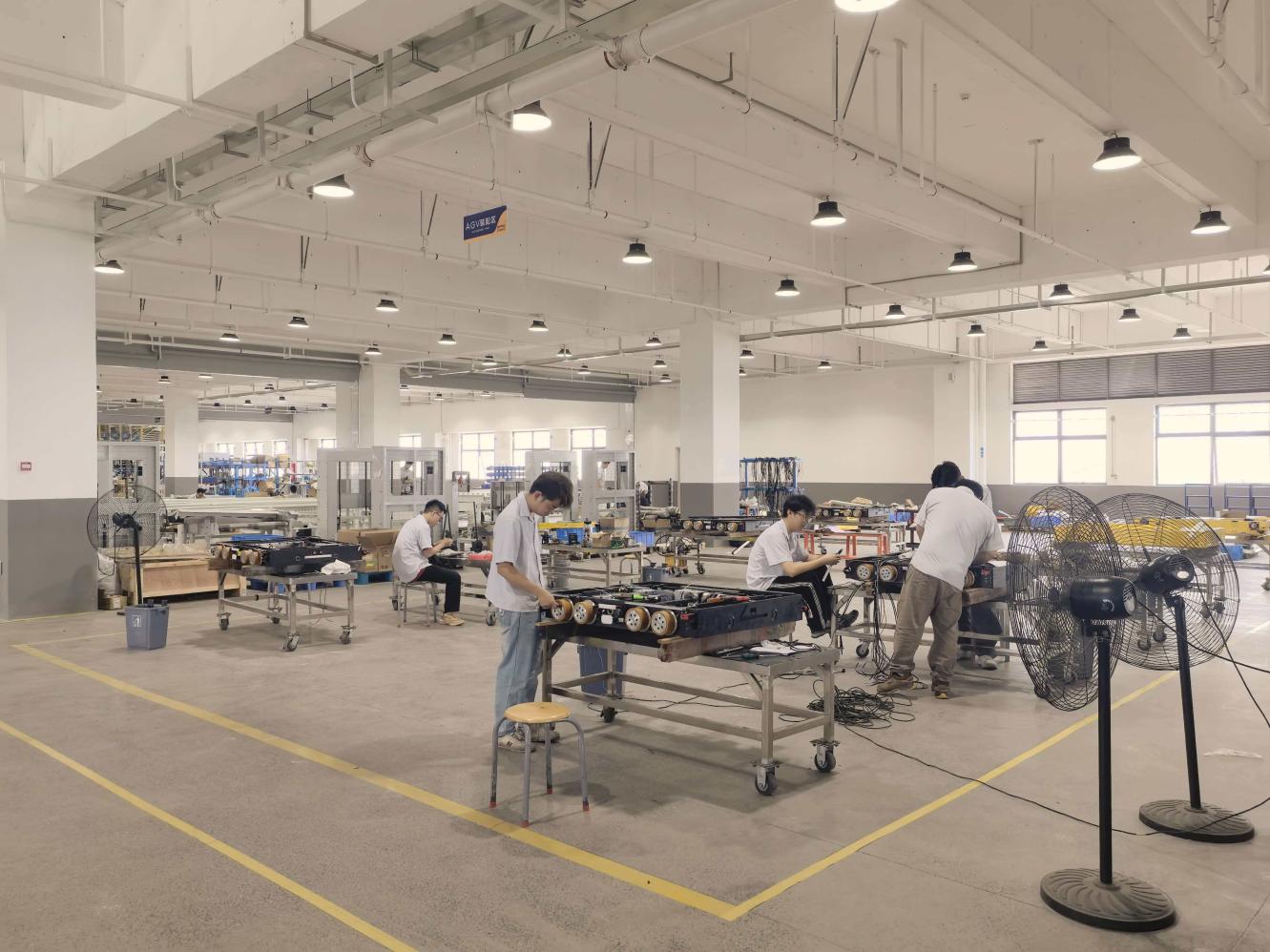
Assembly Department
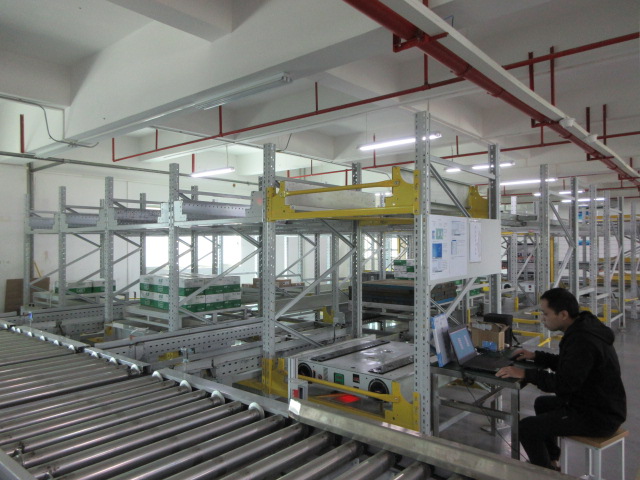
Structural Loading Test
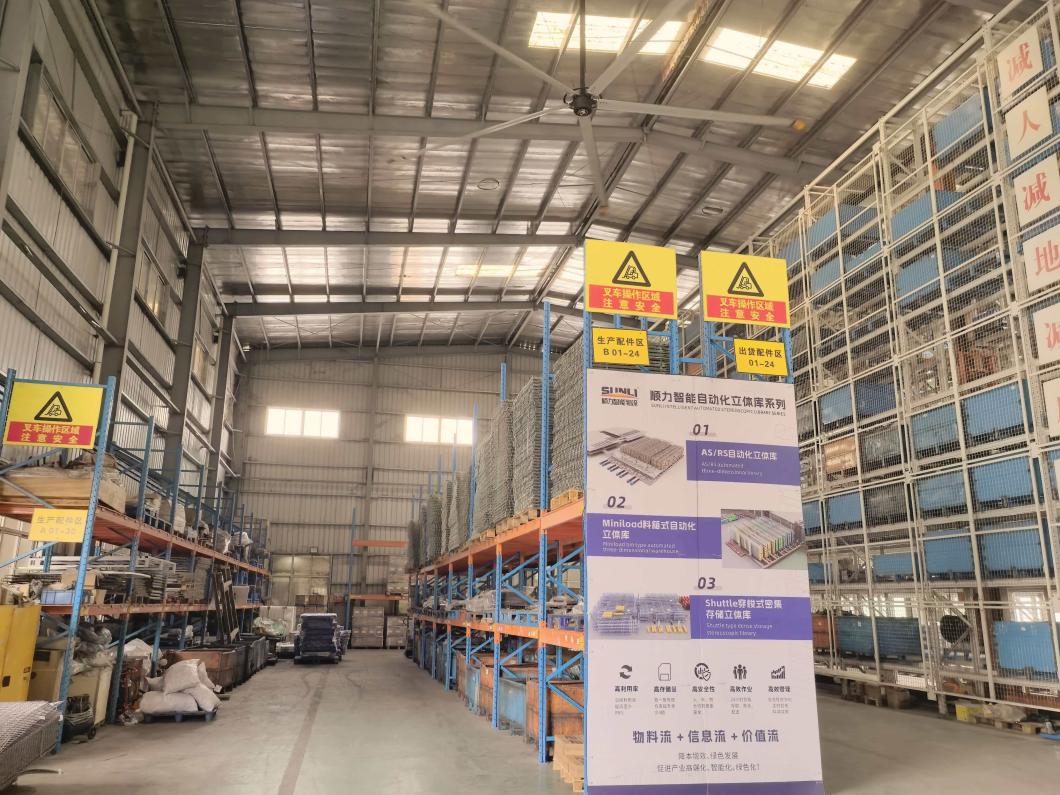
Organized Raw Material Storage
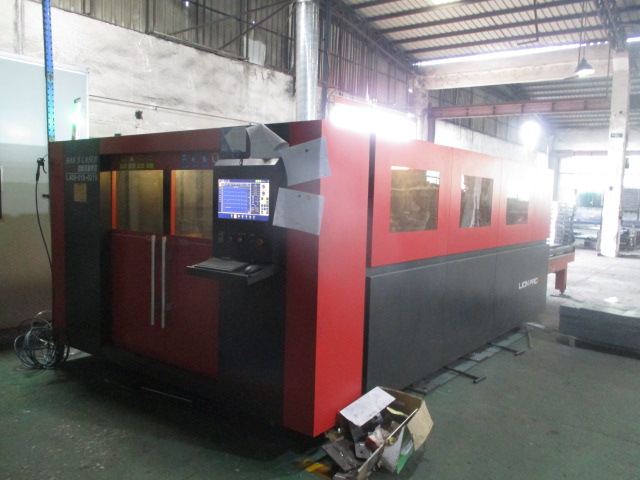
High-Speed Cutting Machine
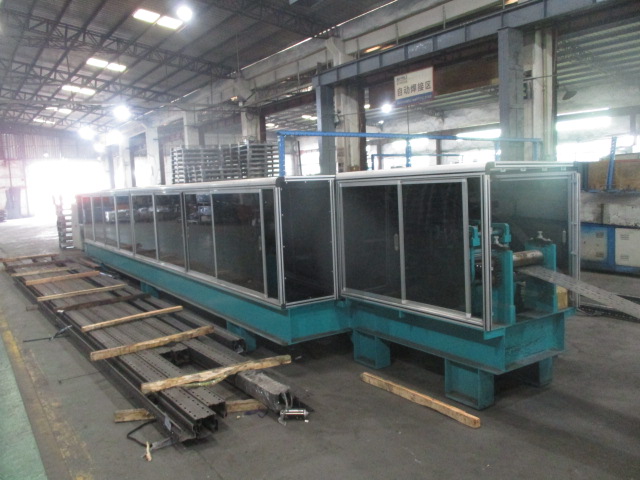
Neutralupright Rolling Line
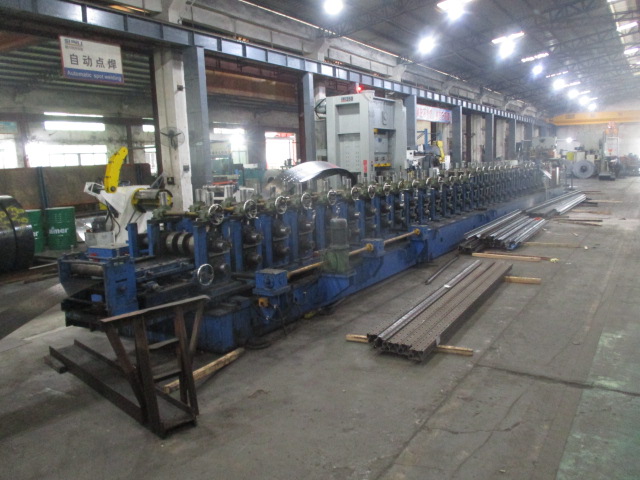
Medium Upright Rolling Line
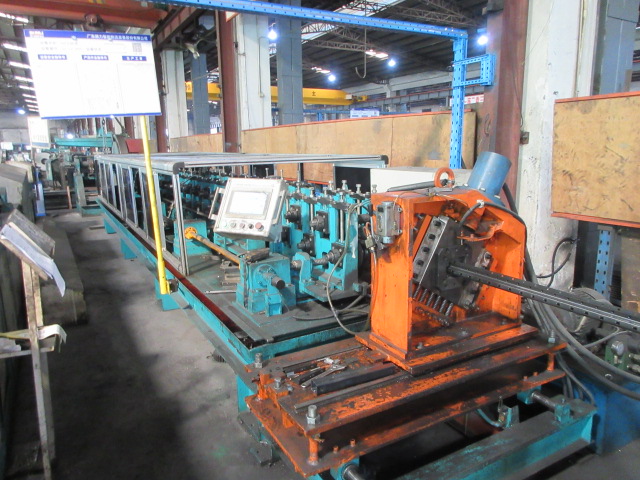
Light Upright Rolling Line
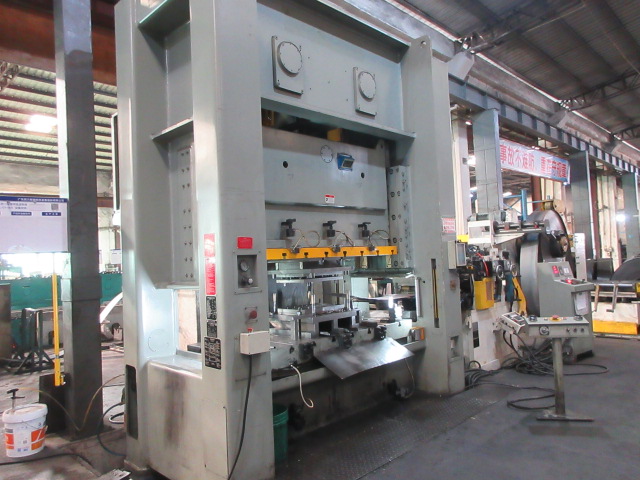
Multi-Tonnage Puncher
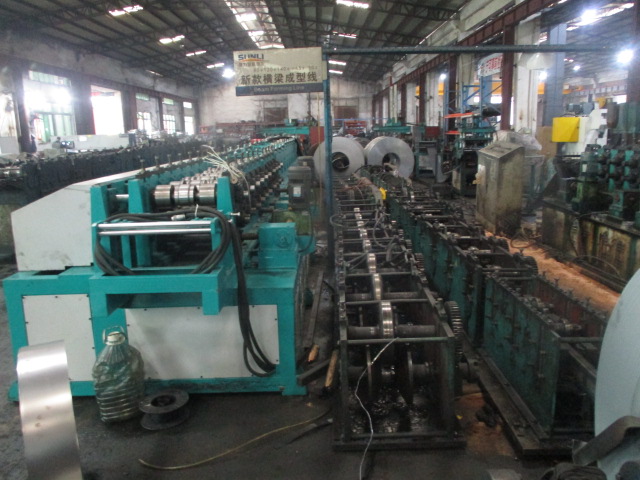
High-Density Beam Forming
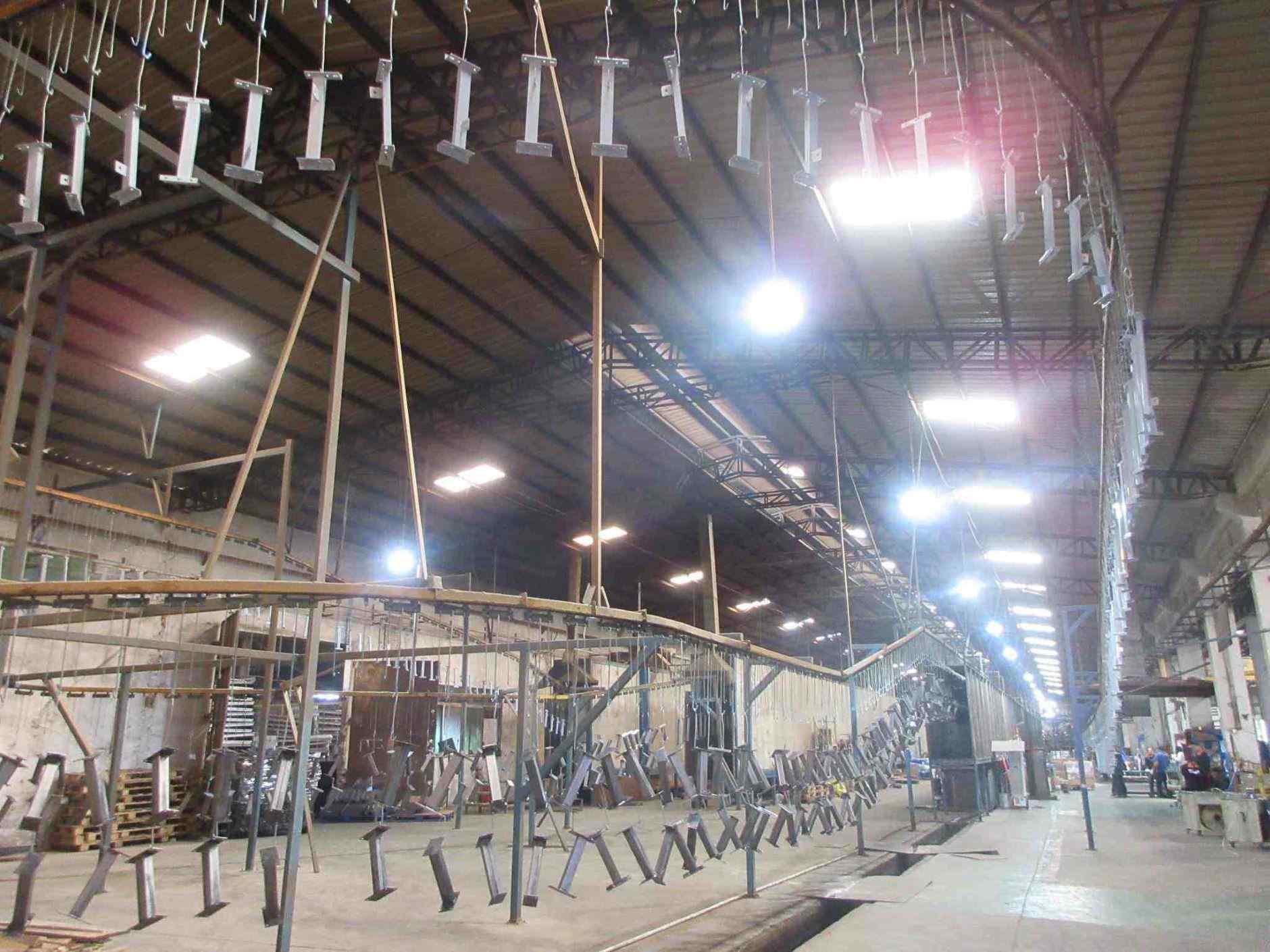
Dual-Powder Spray Line
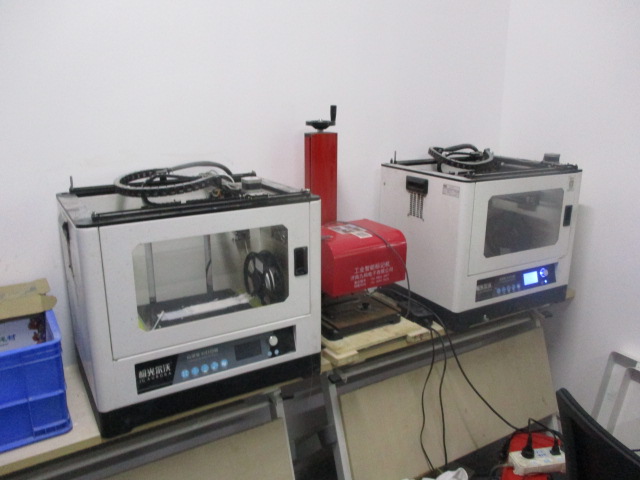
Rapid Prototyping 3D Printer
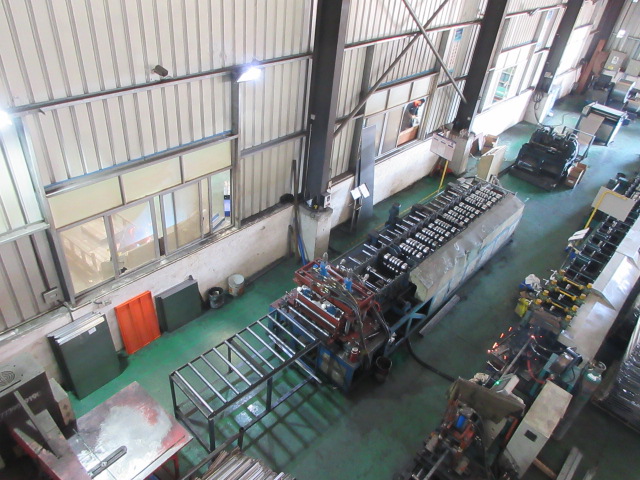
Steel Laminating Line
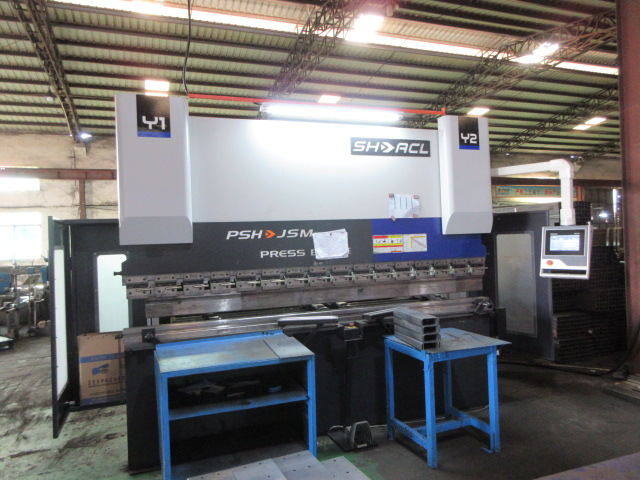
CNC Press Brake Machine
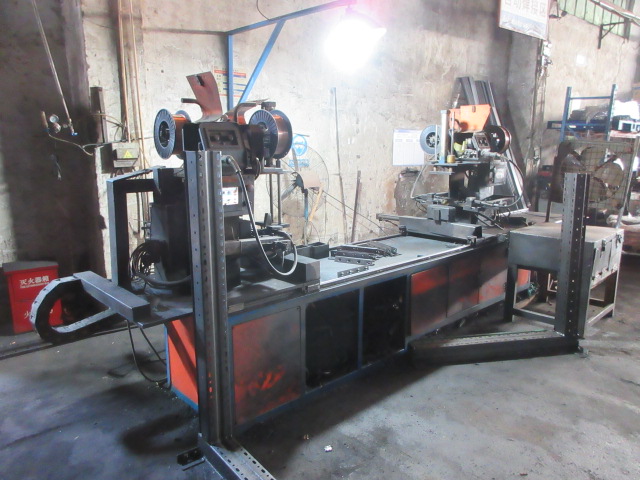
Multi-Axis Welding Station
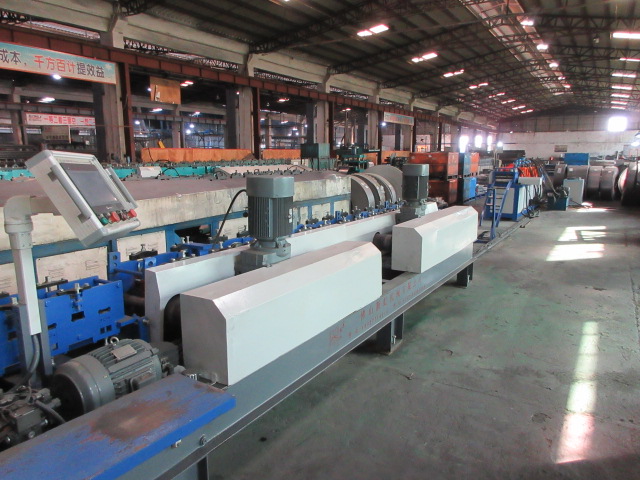
Multi Crossing Beam Line
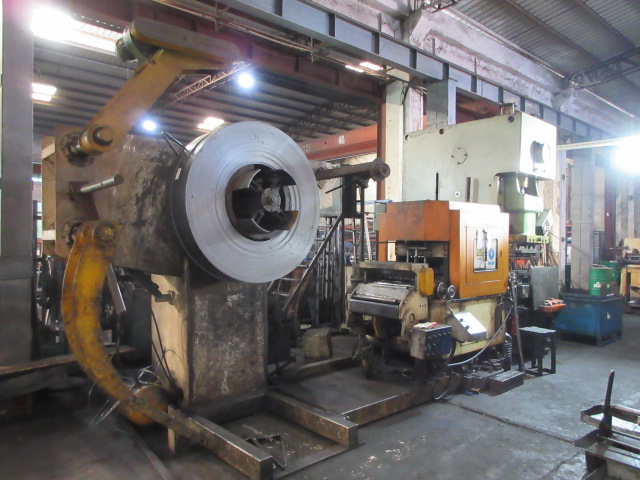
Heavy Punching Press
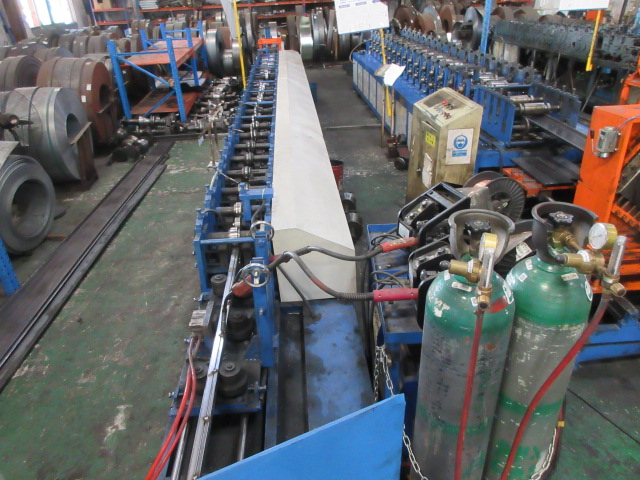
Stepped Beam Roll Forming
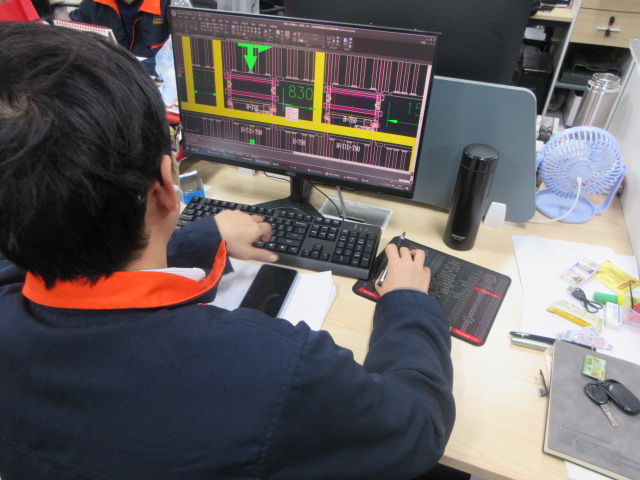
Seismic-Load 3D CAD Design
We maintain an in-house quality control laboratory to ensure compliance with global regulatory standard agencies.
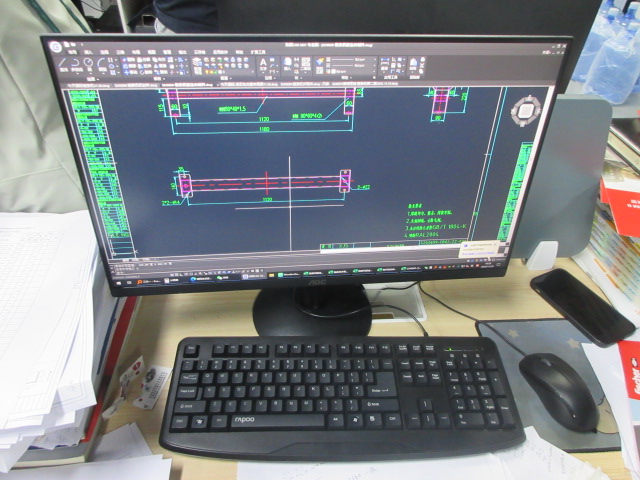
Computer Structural FEA
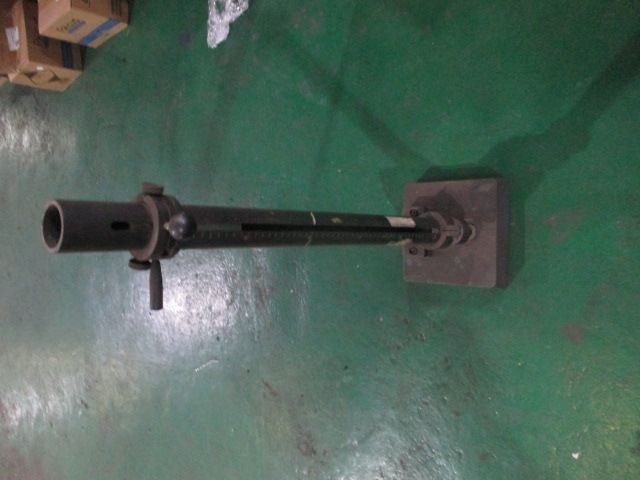
Coating Impact Tester
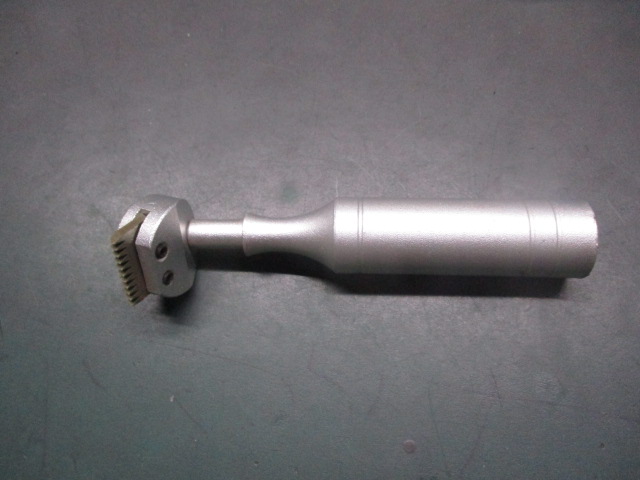
Powder Coating Cross-cut
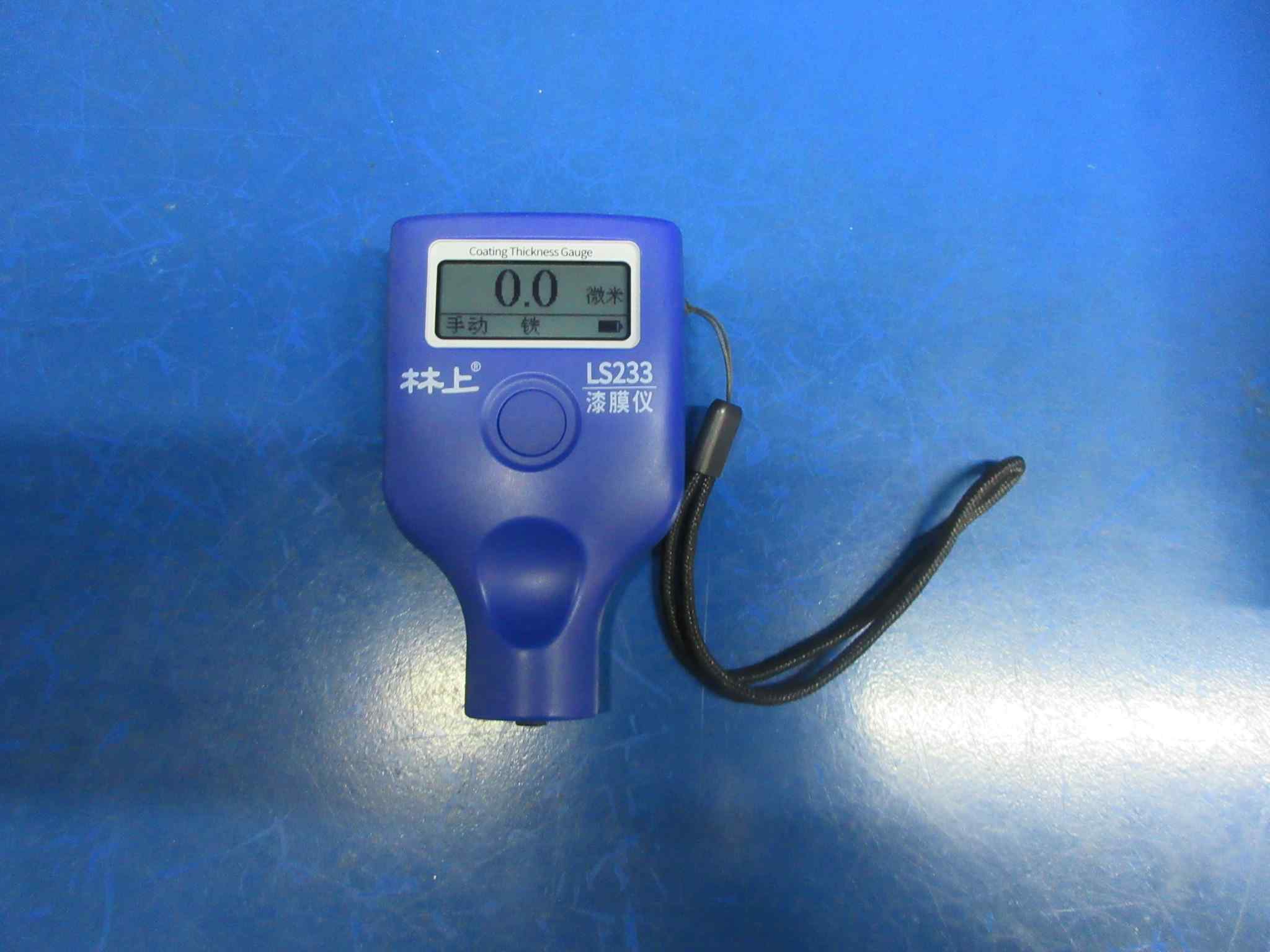
Coating Thickness Tester
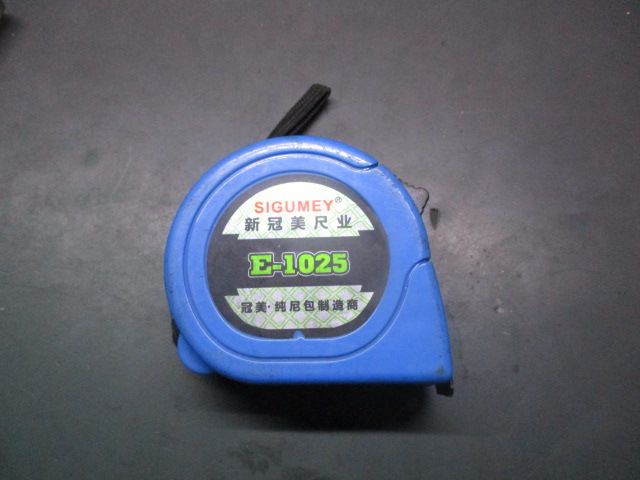
Precision Metal Tape Calibration
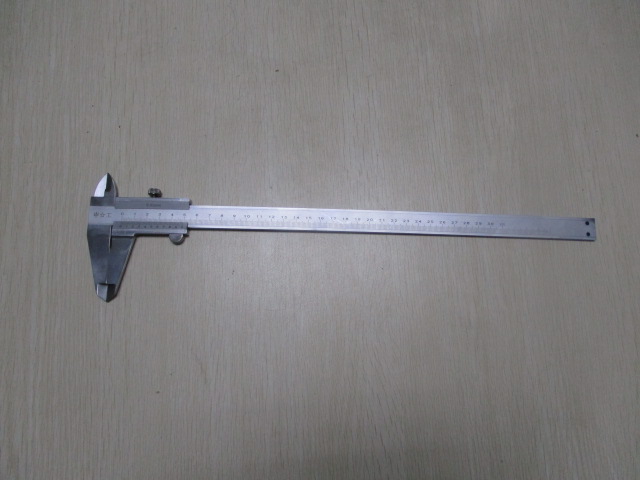
Micrometer Thickness Gauge
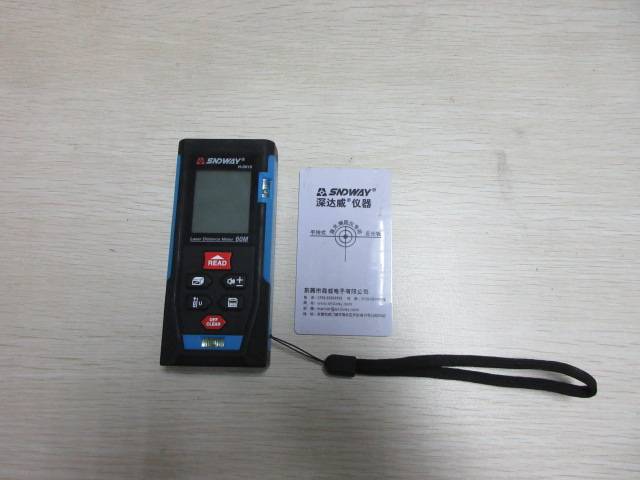
Laser Length Measurement
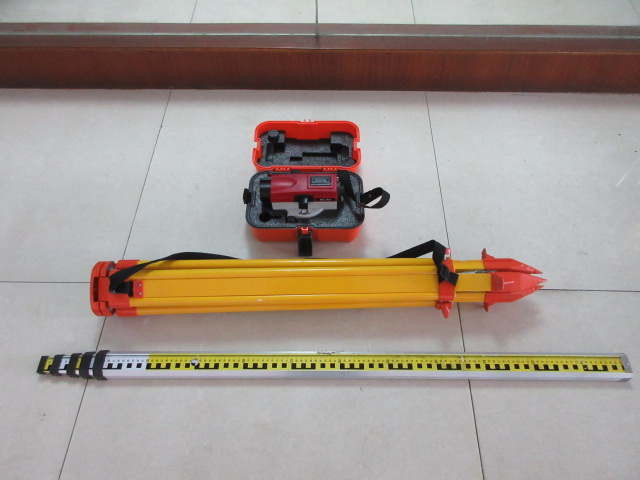
Laser Level Alignment Tool
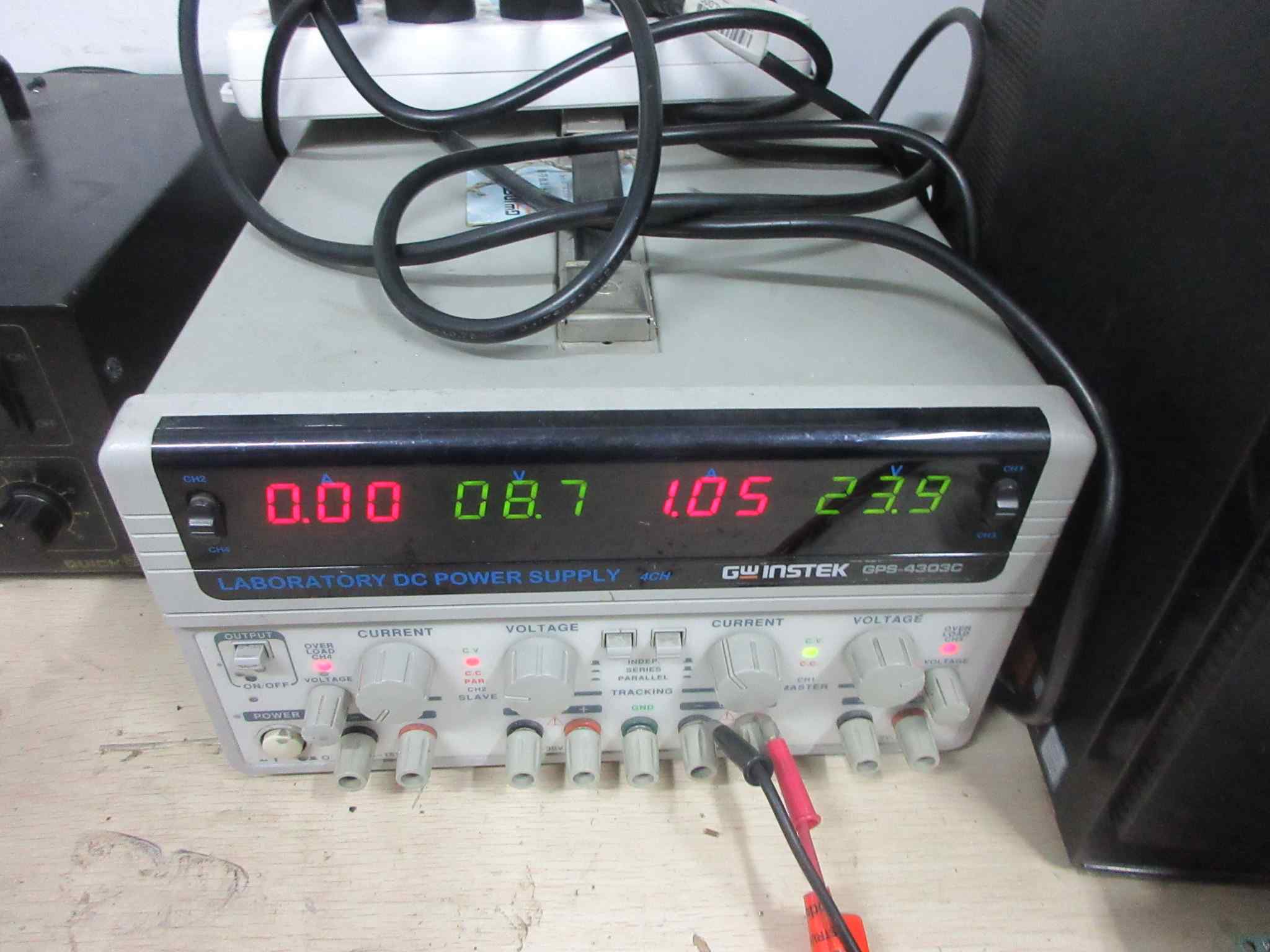
Lab DC Power Analyzer
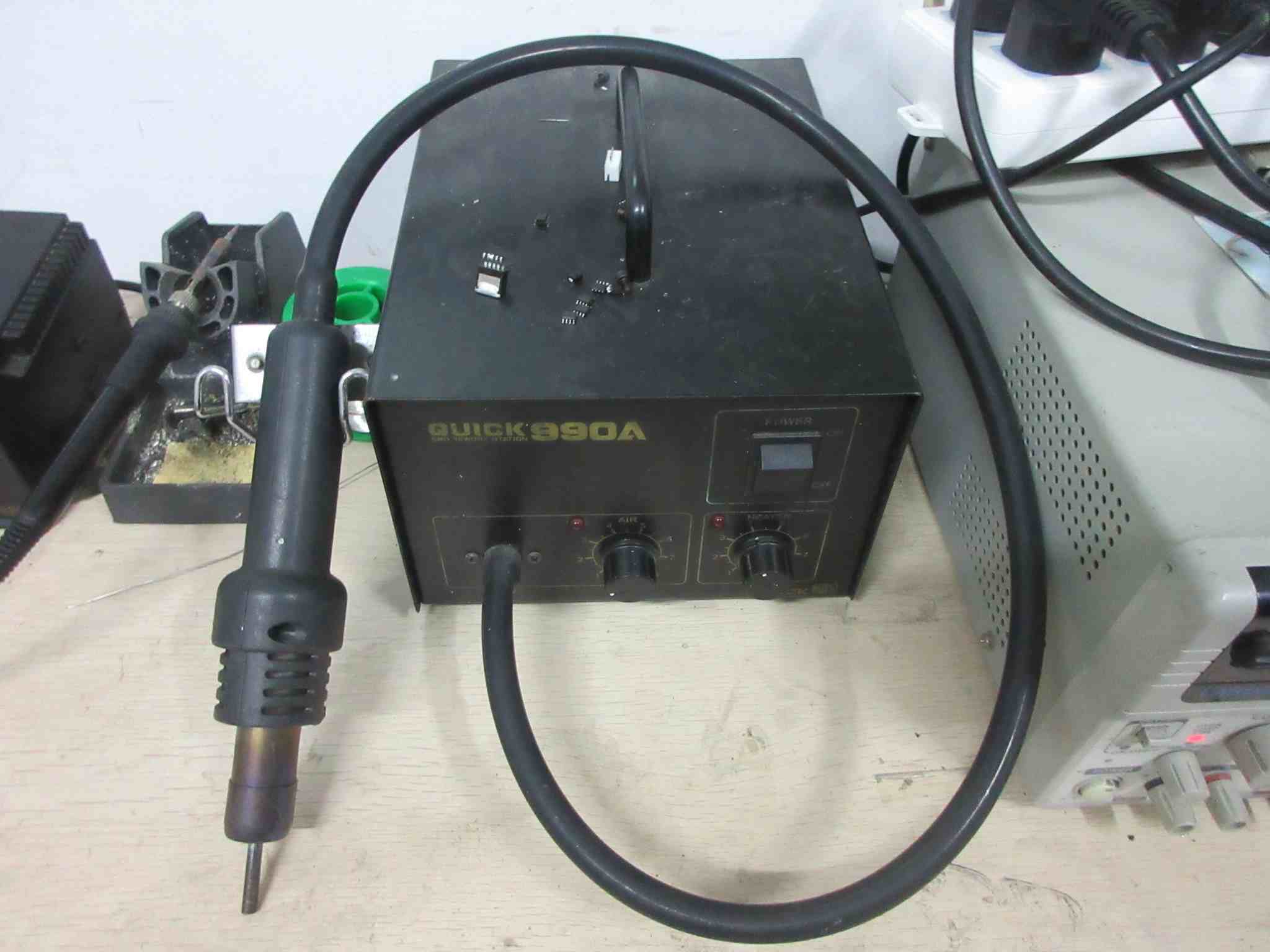
Thermal Testing Heat Gun
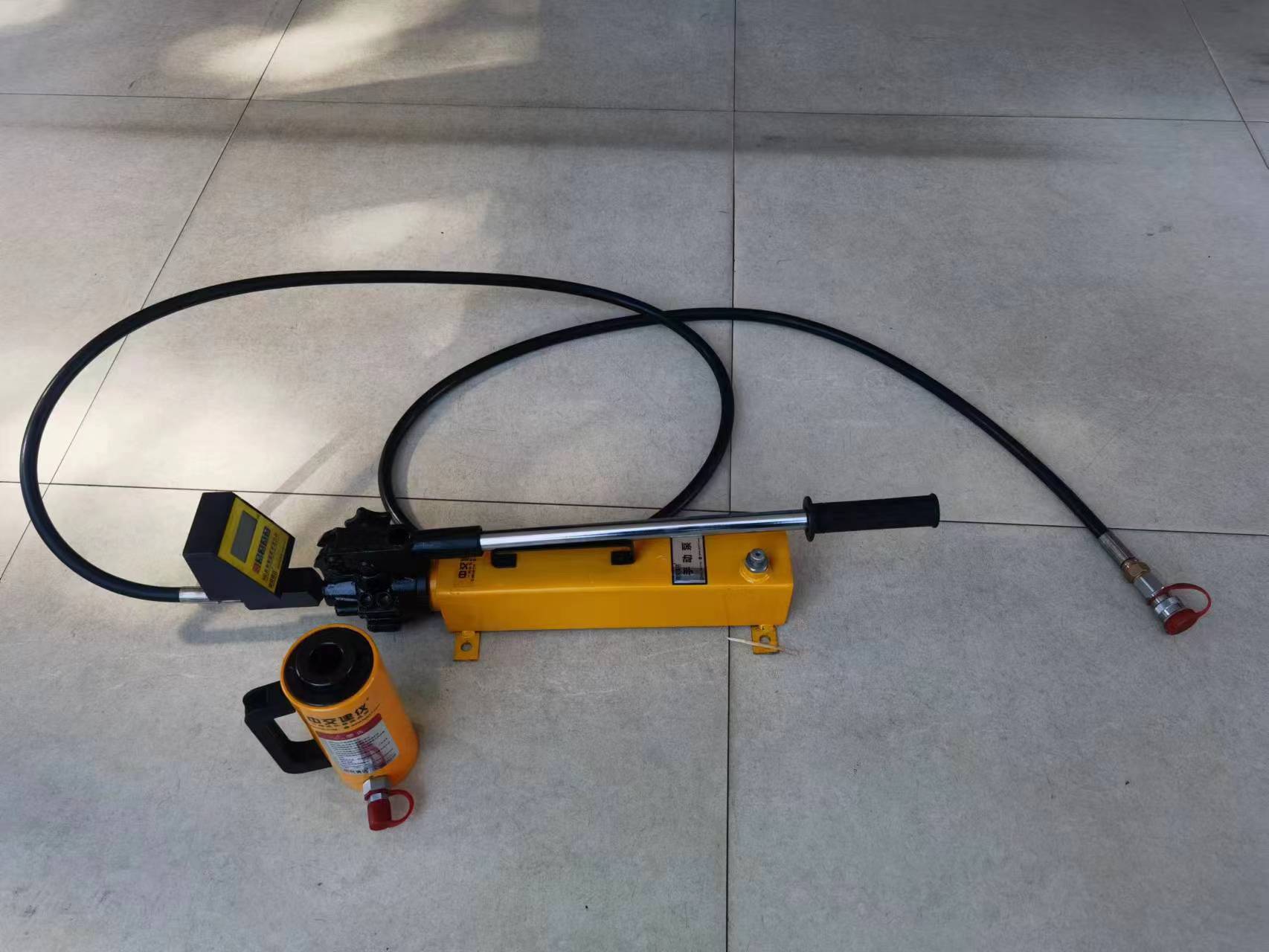
Anchor Bolt Tensile Draw Tester
Standard products and customized configurations engineered for high-density space utilization.
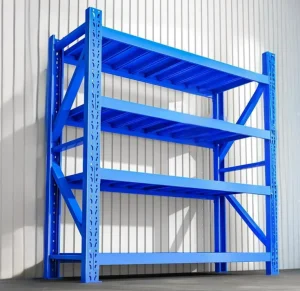
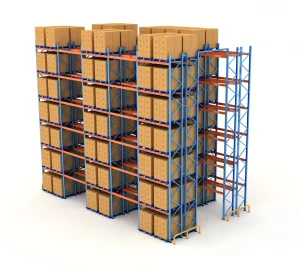
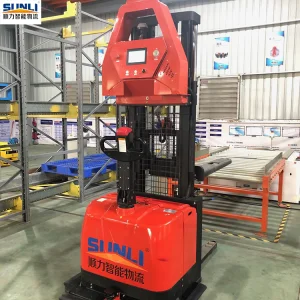
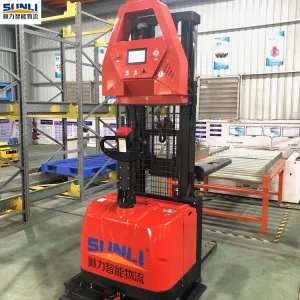
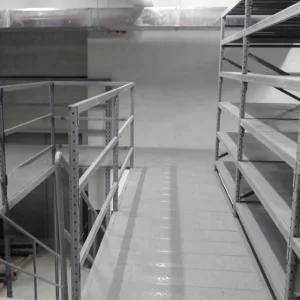
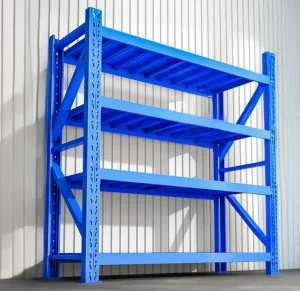
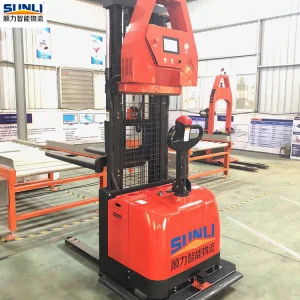
How direct purchasing from a scale manufacturer offsets rising regional logistics overheads and ensures on-spec execution.
Operating in Shenzhen, China, positions our facility minutes from global container ports, enabling direct shipping pathways to the Port of Los Angeles and Port of Long Beach. We coordinate with local US customs brokers and ocean liners to manage deliveries straight to your Southern California distribution site, eliminating middle-man logistics costs.
Standard pre-fabricated racking systems often struggle to meet the layout efficiency requirements of modern logistics buildings. Our engineering team designs rack heights, arm lengths, structural ties, and frame depths to match your exact forklift profiles and load dimensions. This minimizes rack damage risk and maximizes layout efficiency.
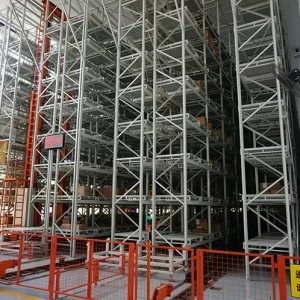
As warehouse space demands evolve, our systems scale from static drive-in storage to automated configurations.
Traditional static drive-in pallet racking provides density for low-rotation goods, maximizing pallet positions while lowering capital expenditure compared to automated configurations.
By placing shuttle tracks onto structural pallet support rails, operators convert manual drive-in channels into semi-automated Radio Shuttle systems. This limits forklift interior routing, boosting safety and cycle speeds.
Fully automated stacker cranes (AS/RS) combine dense storage configurations with robotic pallet retrieval, reducing labor dependencies in key metropolitan markets like Southern California.
Technical answers to operational, design, and regulatory compliance queries for Southern California industrial projects.
 SunliRack