Maximizing Storage Densities & Dynamic Intralogistics Efficiency in Germany's Largest Port Hub and Global Logistics Networks
Get Hamburg Project Design & QuoteEngineered for high throughput, precise FIFO workflow management, and maximum floor-space utilization in demanding industrial warehouse settings.
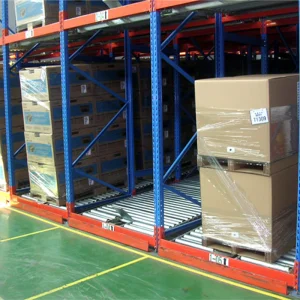
Perfect for Northern Germany's temperature-controlled logistics centers.
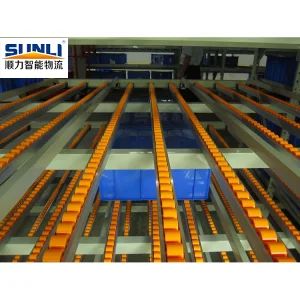
Excellent tool for e-commerce picking lines and assembly zones.
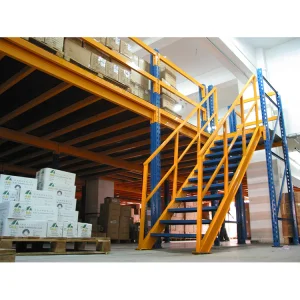
Double your warehouse volume without extending ground footprints.
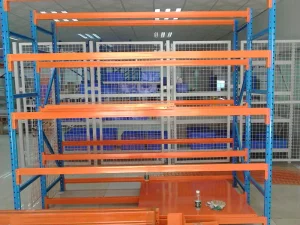
Adaptable multi-layer system constructed with premium cold-rolled steel.
How the Port of Hamburg's logistics topography is driving demand for advanced high-density storage solutions.
Hamburg, the "Gateway to the World," represents the logistics beating heart of Northern Europe. As Germany’s largest seaport and the third-busiest container port in Europe, the Hamburg metropolitan region hosts thousands of Third-Party Logistics (3PL) providers, global shippers, and heavy industrial operations. In this high-velocity port economy, real estate values are exceptionally high, making land utilization efficiency a key competitive driver for warehousing operations.
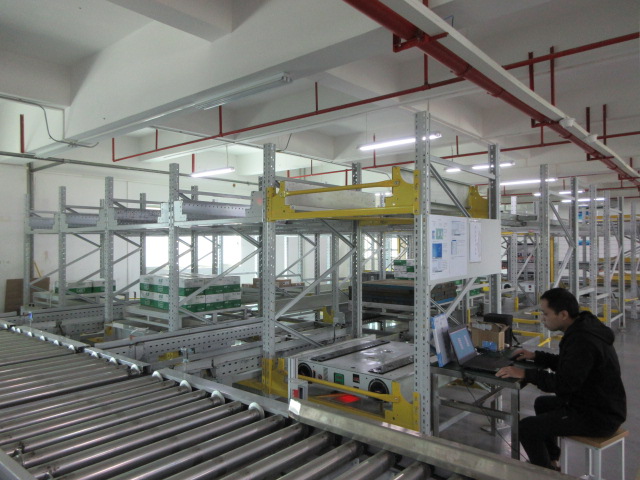
Modern storage facilities in districts like Waltershof, Wilhelmsburg, and Billbrook face the challenge of maximizing throughput within constrained footprints. Traditional selective racking leaves up to 60% of warehouse volume dedicated to forklift aisles. In contrast, Gravity Sliding Rack systems (Pallet Flow Racks) leverage incline-roller tracks to store pallets in deep lanes (often 10 to 20 pallets deep), utilizing gravity to feed pallets automatically to the pick face.
By transitioning to gravity sliding systems, Hamburg distributors achieve key structural improvements:
Comparison of space occupancy and utility overheads in major logistics corridors:
| System Type | Space Utility | FIFO Rate | Forklift Travel |
|---|---|---|---|
| Selective Racking | 35-40% | Medium | High (Aisle-heavy) |
| Gravity Flow | 75-85% | 100% (Strict) | Minimal (Ends only) |
| Drive-In Systems | 60-70% | LIFO Only | Medium-High |
Data compiled based on average Northern German logistics warehouse profiles, optimizing for high turnover volumes.
How Shenzhen Sunli Intelligent Logistics Equipment ensures compliance with EN Standards and European safety directives.
All designs strictly comply with CE, ISO9001, and EN 15512 static calculation standards. Steel materials are sourced from top-tier national mills featuring premium Q235B carbon steel composition.
Equipped with customizable smart braking rollers and automatic separation locks to decelerate cargo and prevent dangerous pallet pile-ups at discharge faces.
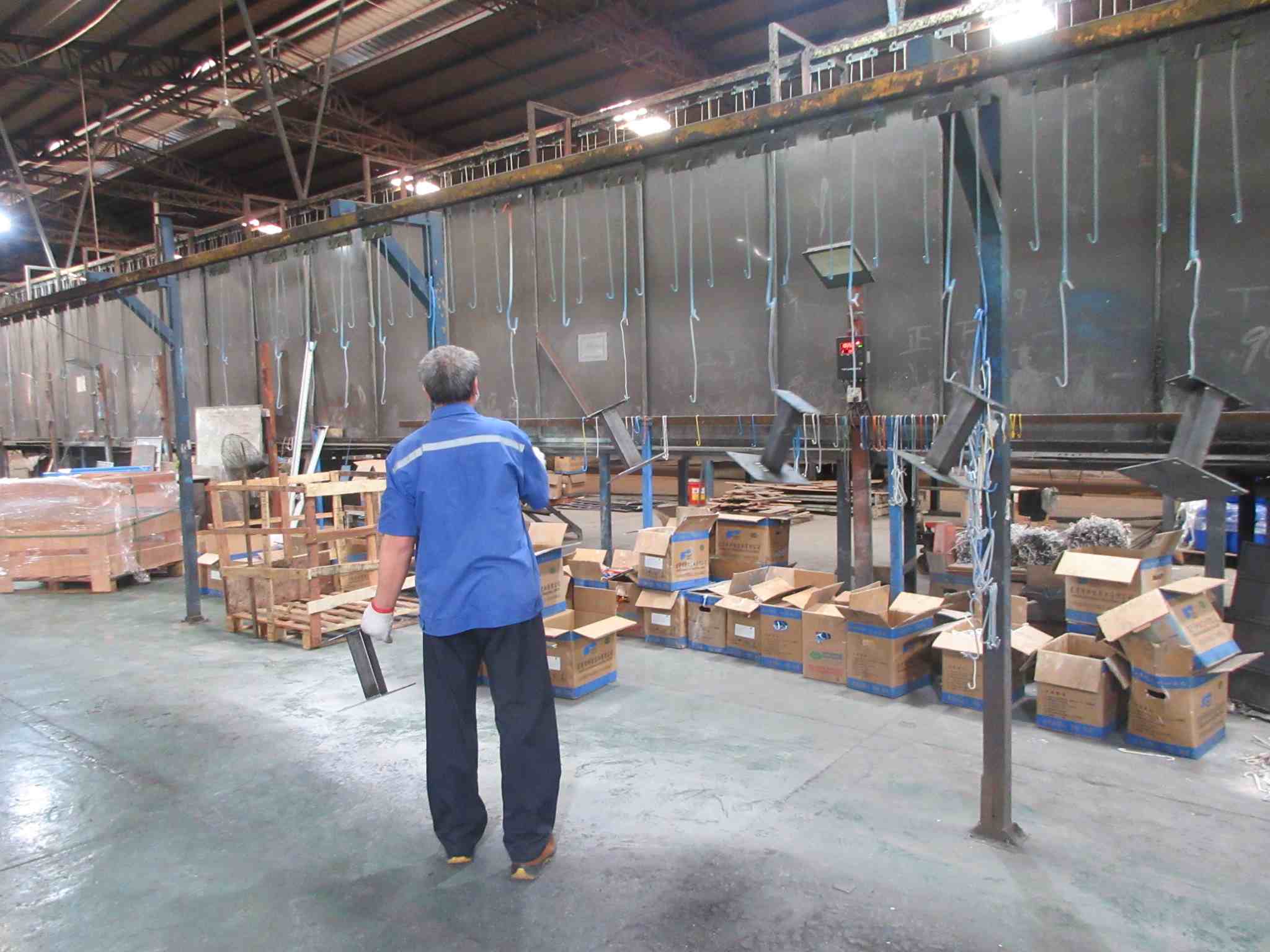
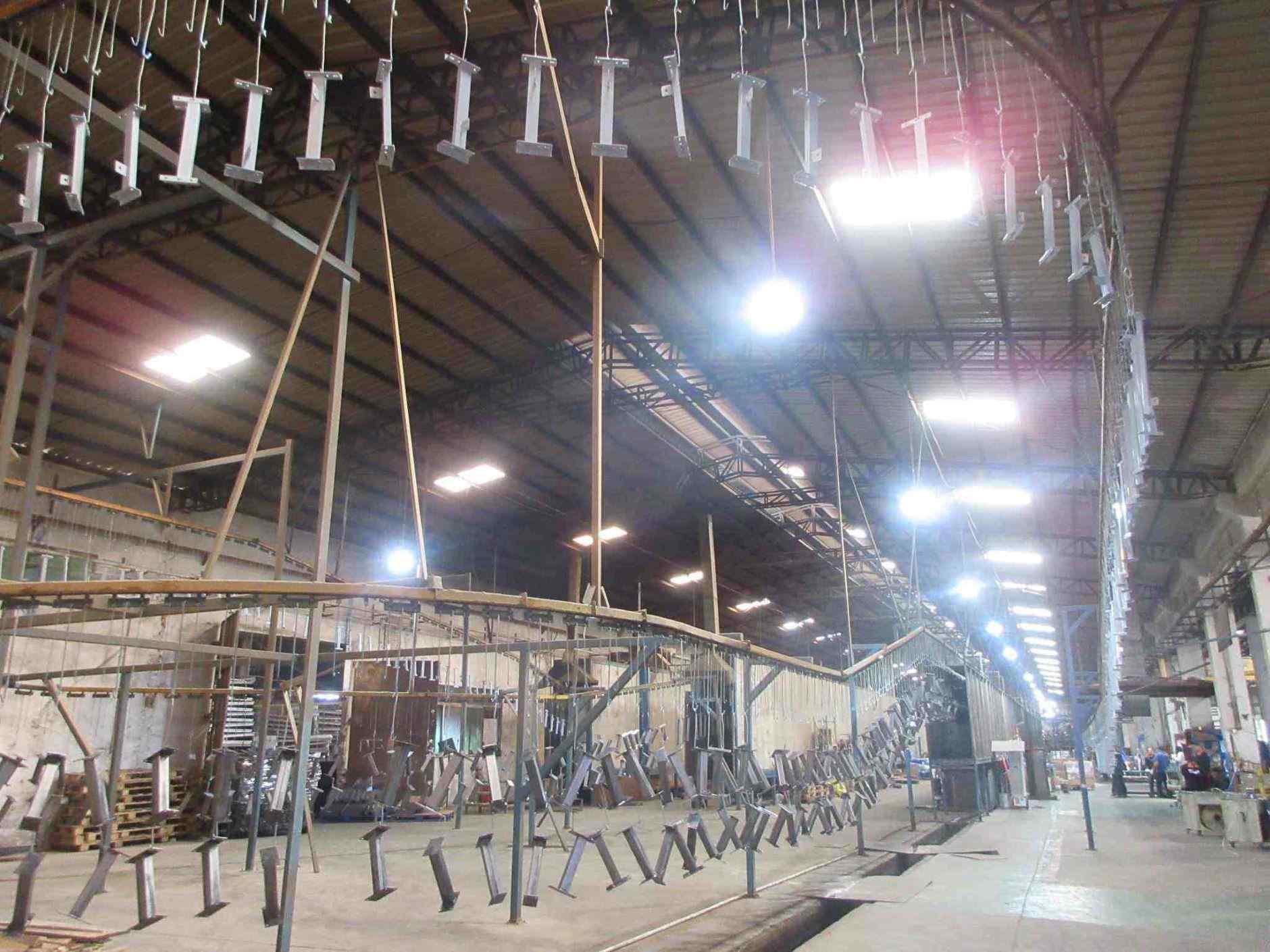
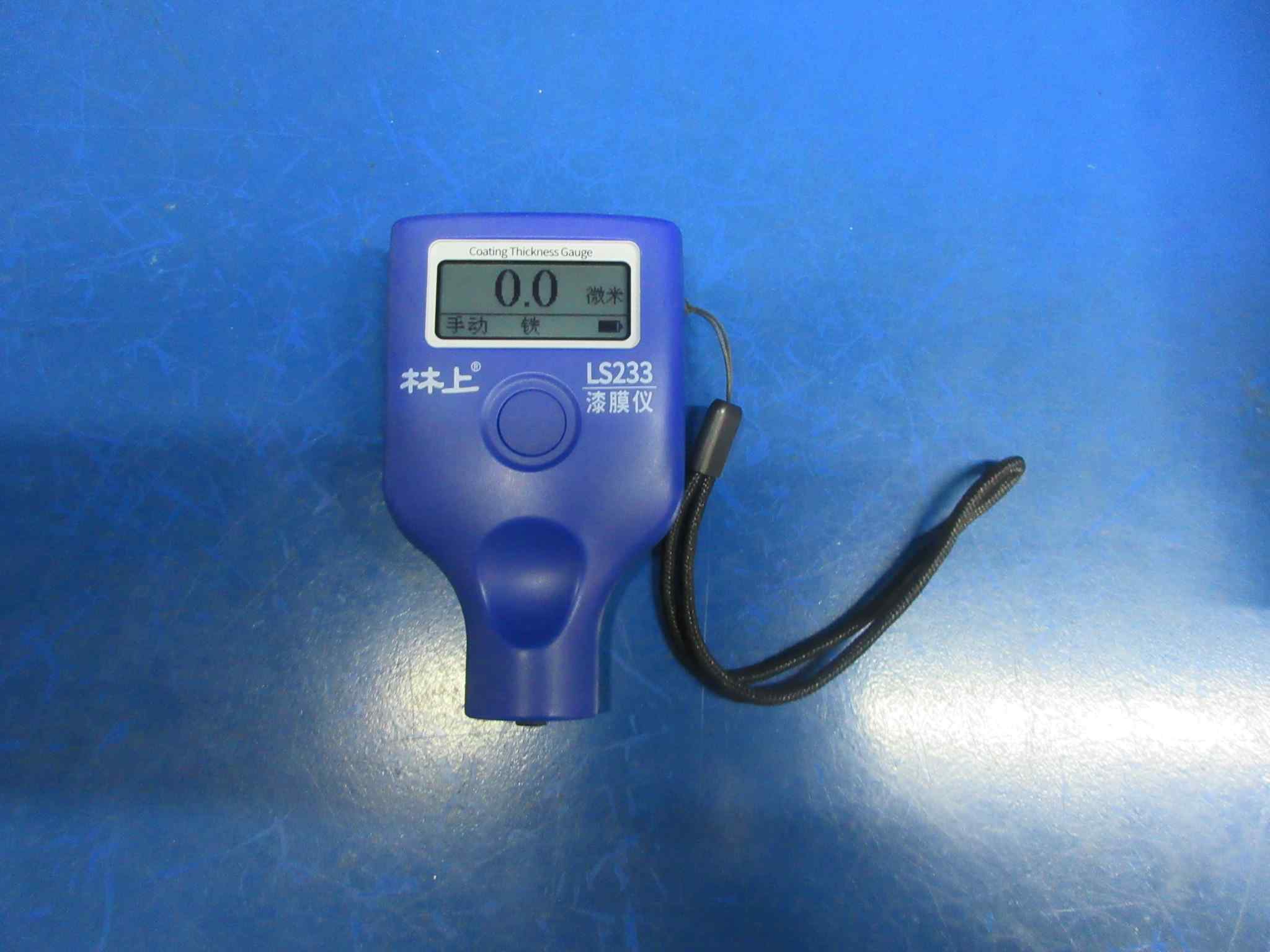
Anti-corrosion powder coatings undergo salt spray tests and coating thickness tests, ensuring longevity in high-humidity seaport corridors and deep freeze environments.
Analyzing cost-efficiency, fabrication speeds, and quality assurance workflows that define Chinese high-density rack engineering.
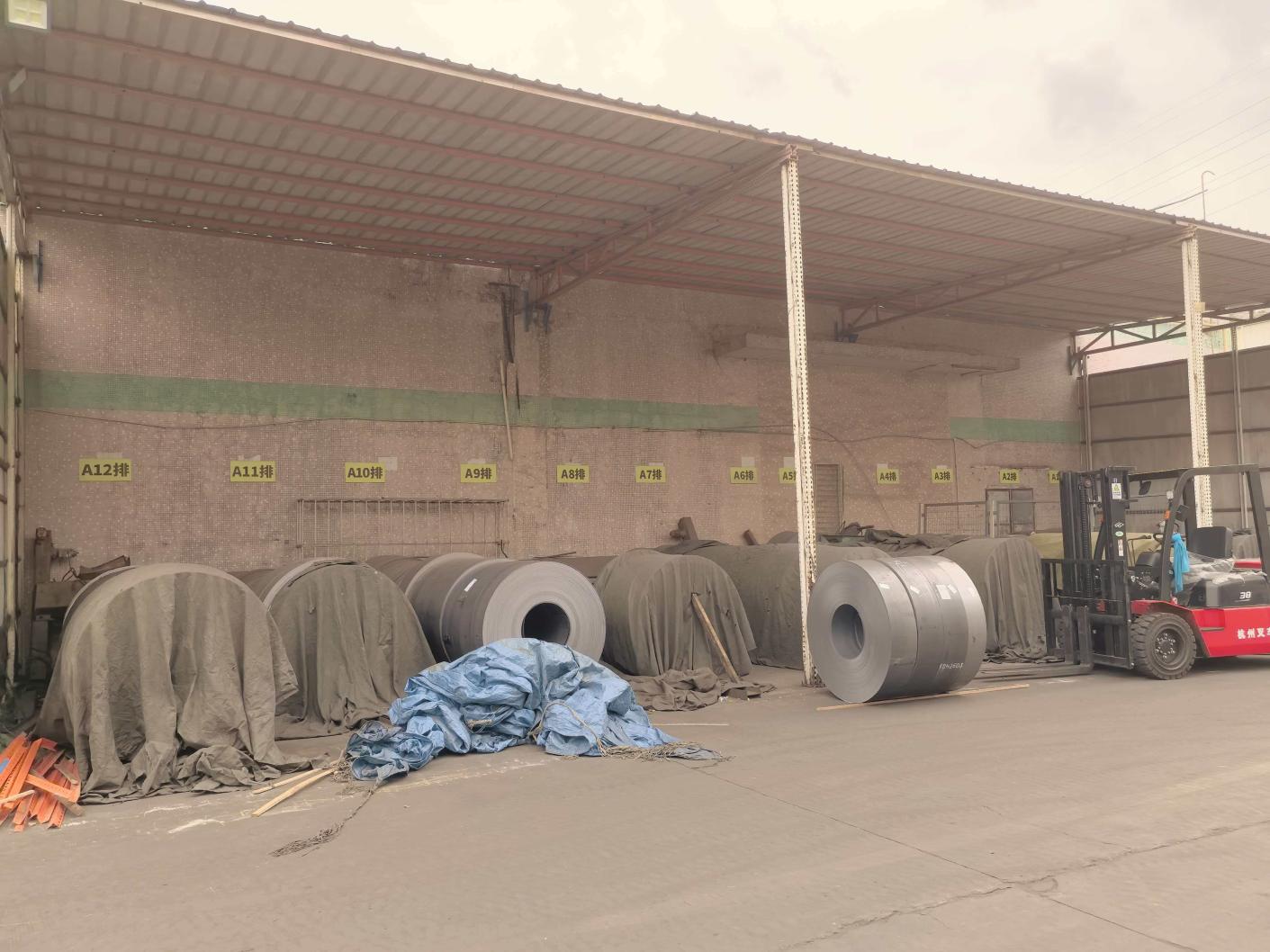
Procuring warehouse racking internationally requires a deep understanding of manufacturing dynamics. Racking structural systems represent a significant raw steel material cost. Shenzhen Sunli Intelligent Logistics Equipment leverages China’s mature industrial clusters, which provides direct access to high-grade metallurgical resources (specifically Q235B and Q355B structural steel). This localization guarantees both supply continuity and cost insulation against regional supply chain shocks.
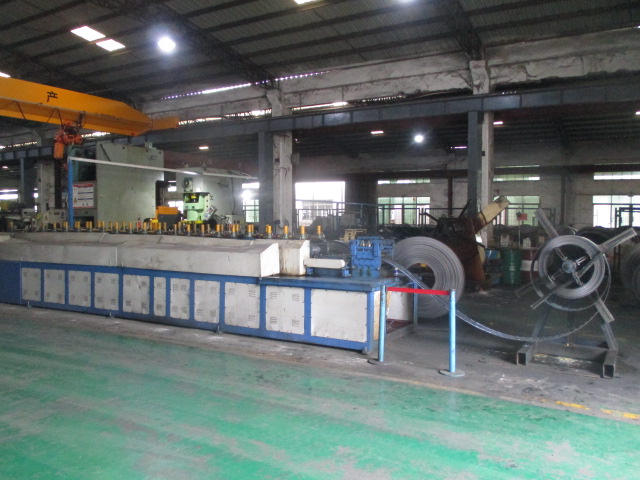
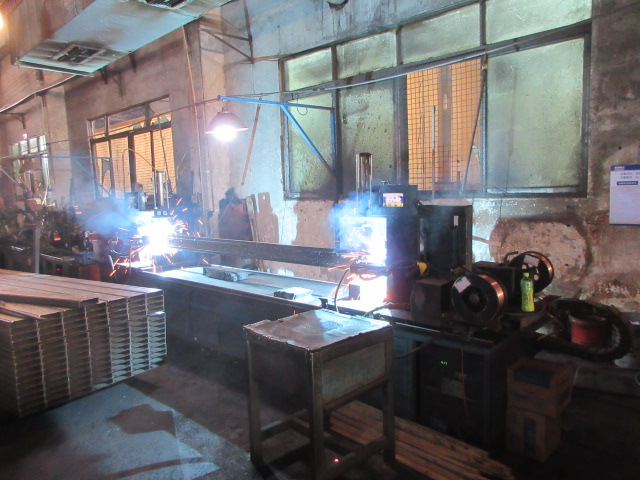
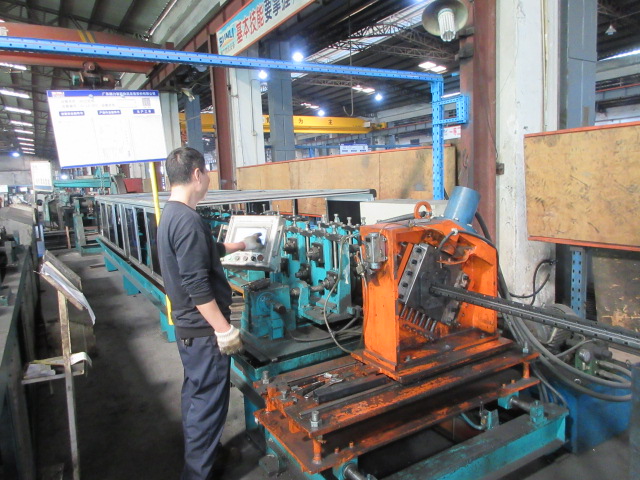
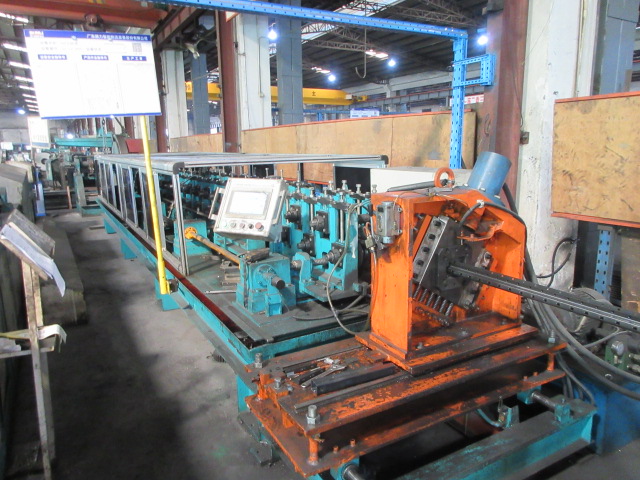
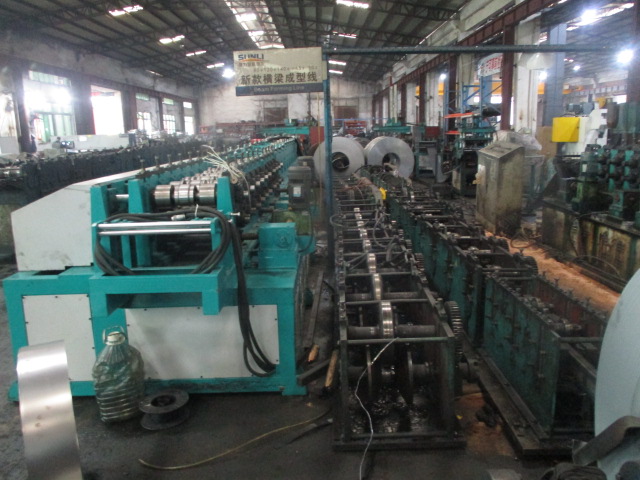
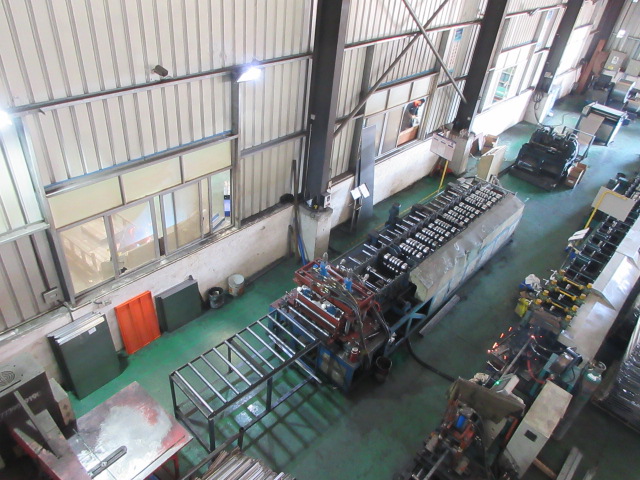
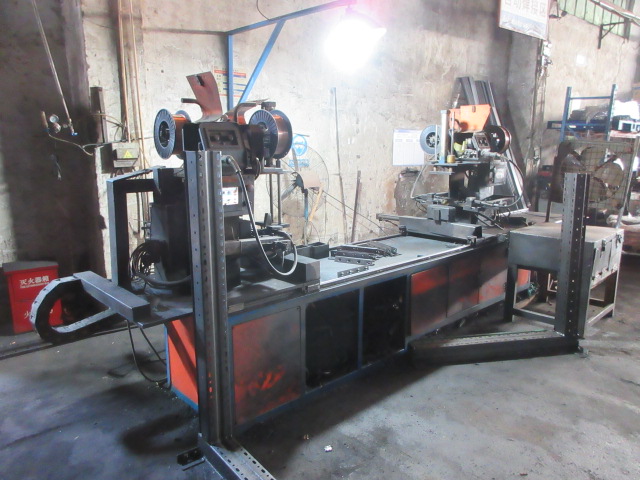
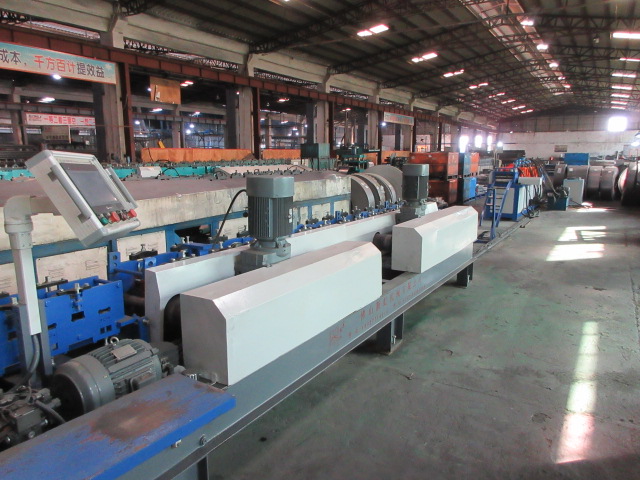
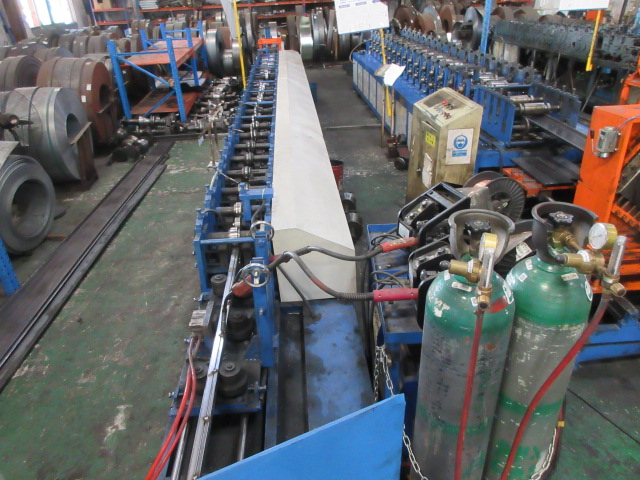
Furthermore, automation in fabrication lines defines the Chinese export advantage. With advanced automatic roll-forming lines, multi-crossing beam production networks, and robotic welding platforms, our output achieves structural tolerances far exceeding manual cold-rolling processes. This high level of repeatability is critical for gravity sliding racks, where a fraction of a millimeter deviation in rail alignment can cause dynamic drag or lock-ups on pallet roller lanes.
Our Quality Control (QC) protocols address the strict demands of European buyers:
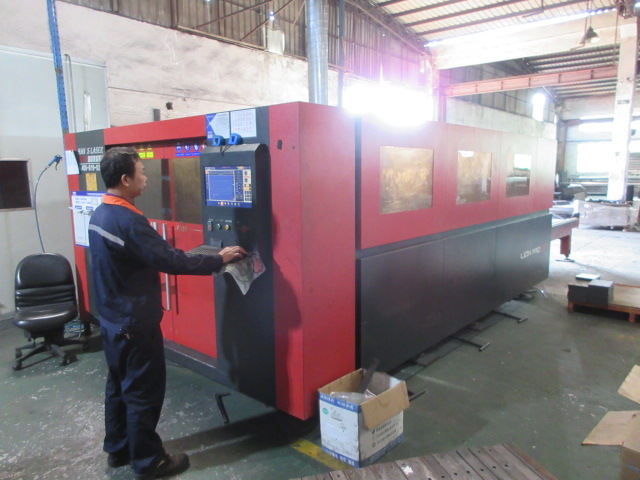
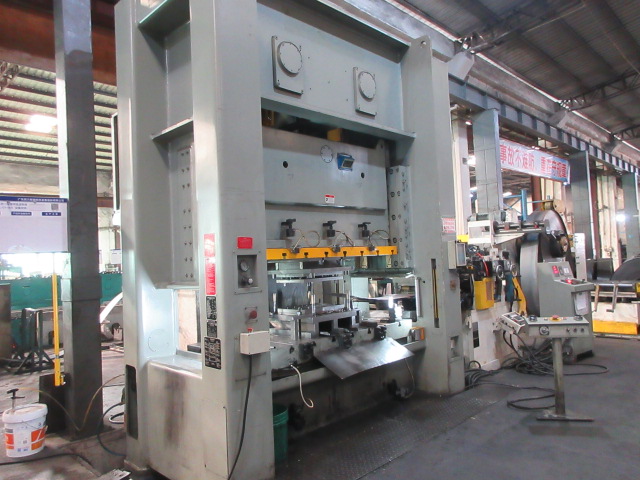
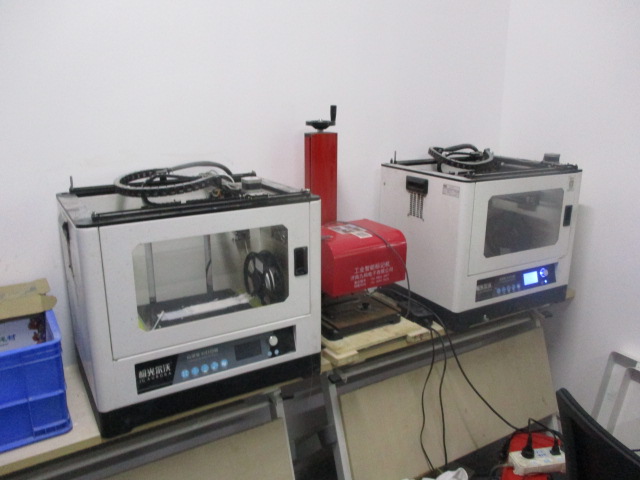
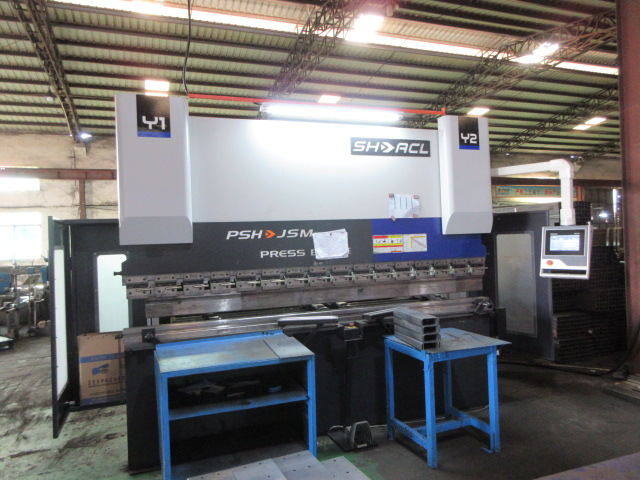
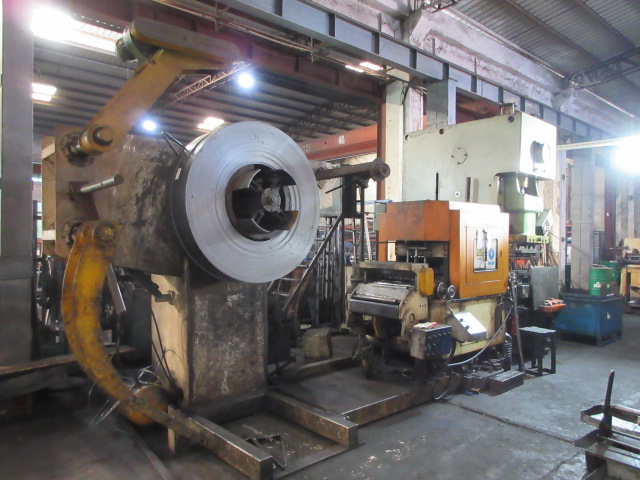
At Shenzhen Sunli, we house dedicated rolling lines for light, medium, and heavy-duty profiles. Our CNC stamping presses and automatic welding lines ensure that connection clips, baseplates, and beams fit together perfectly at the installation site, reducing installation times by up to 30% for local German contracting crews.
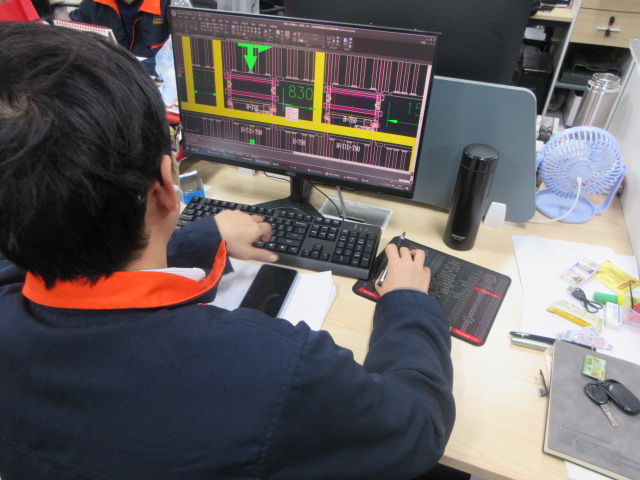
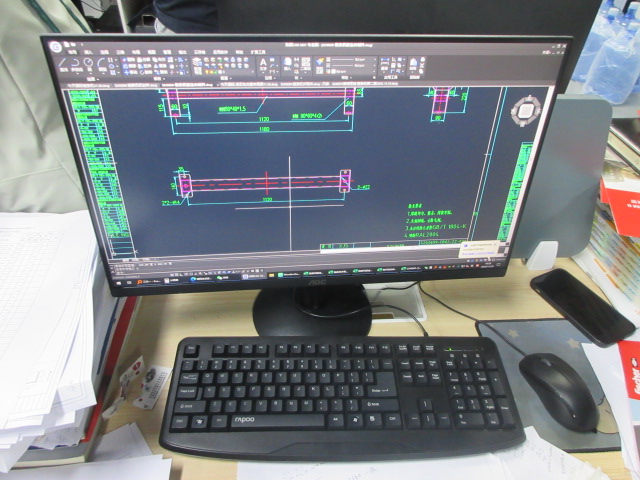
By bypassing middle-man trading companies, we pass direct factory pricing to German logistics engineers, bridging the gap between bespoke engineering and cost efficiency. Our experienced engineering division collaborates closely with your teams, developing full CAD layouts and 3D structural drawings that streamline local municipal approvals in Hamburg.
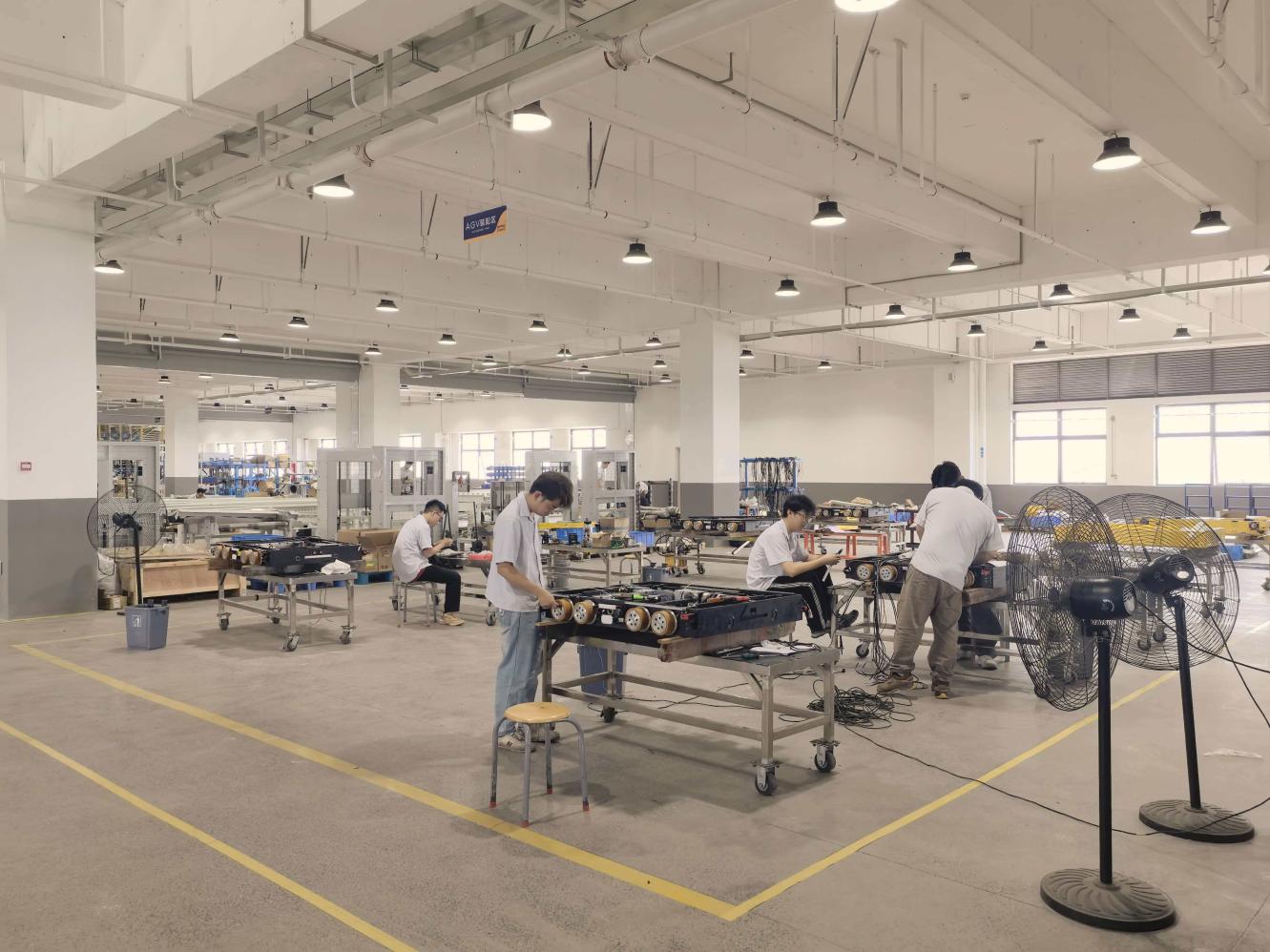
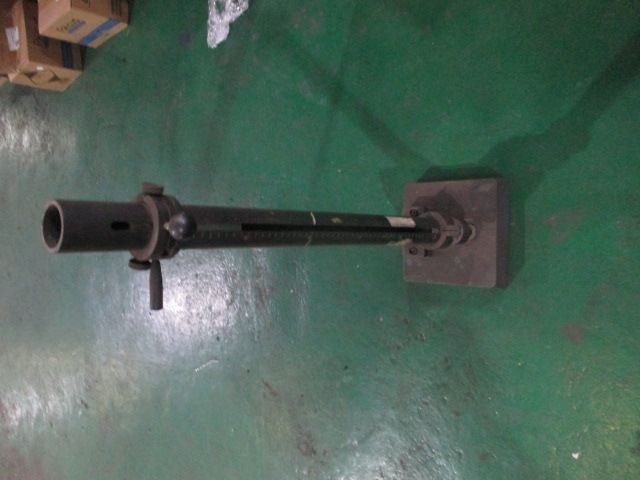
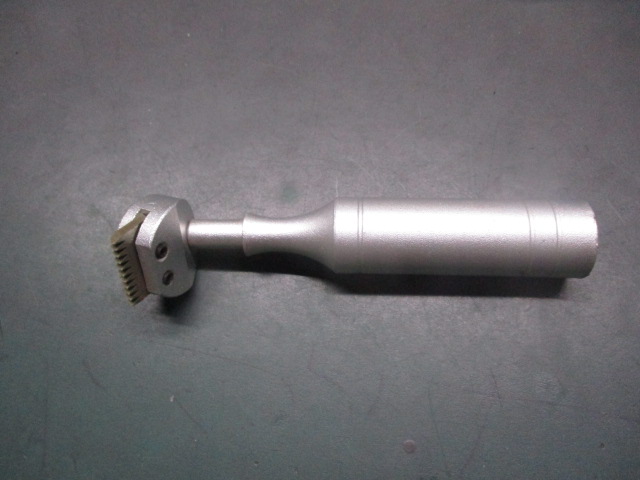
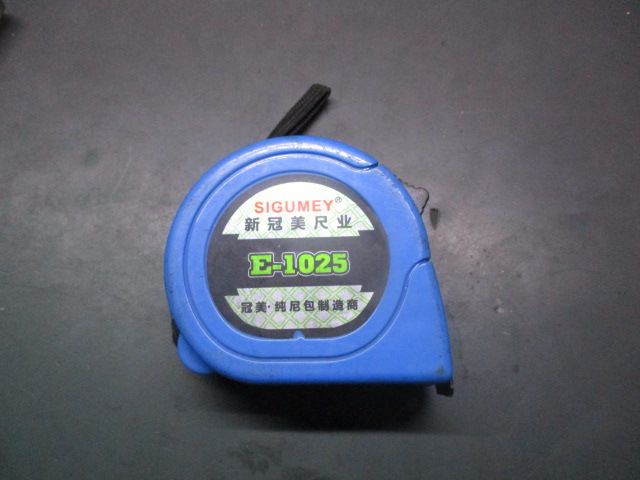
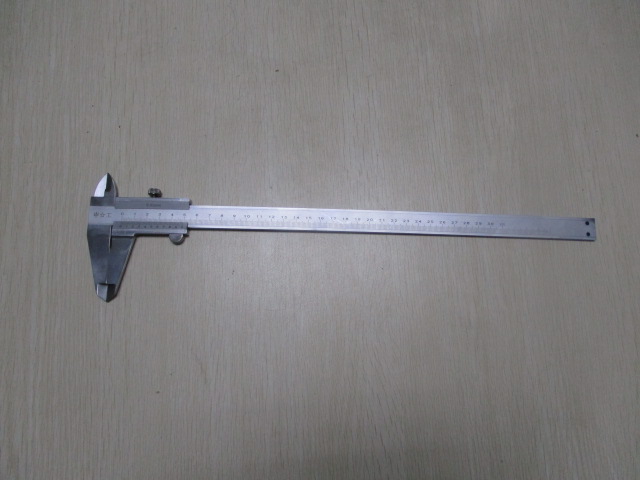
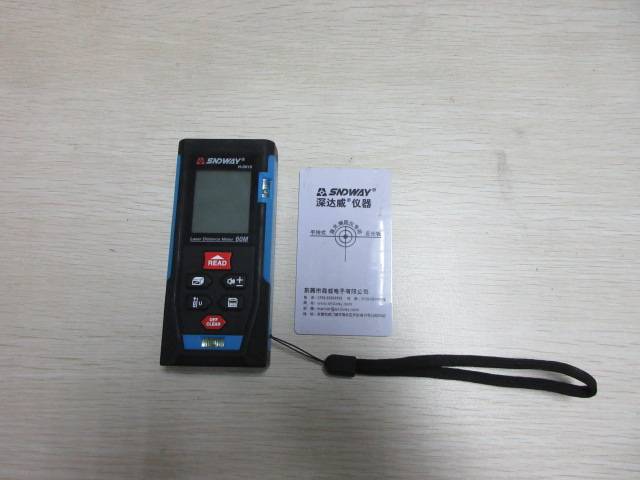
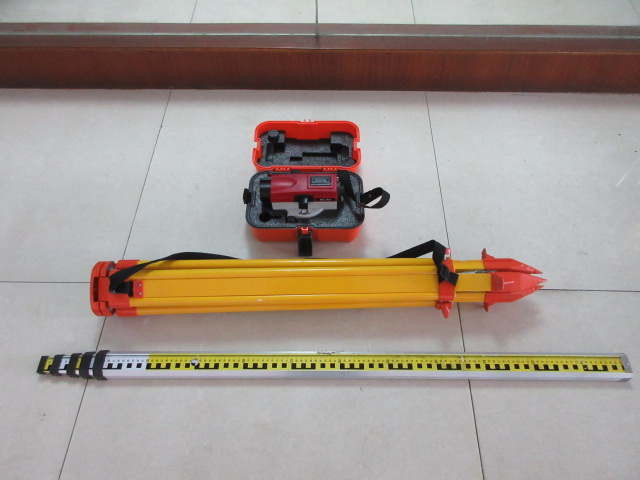
An inside look at our 38,000 m² smart manufacturing center, profiling lines, and chemical testing laboratory.
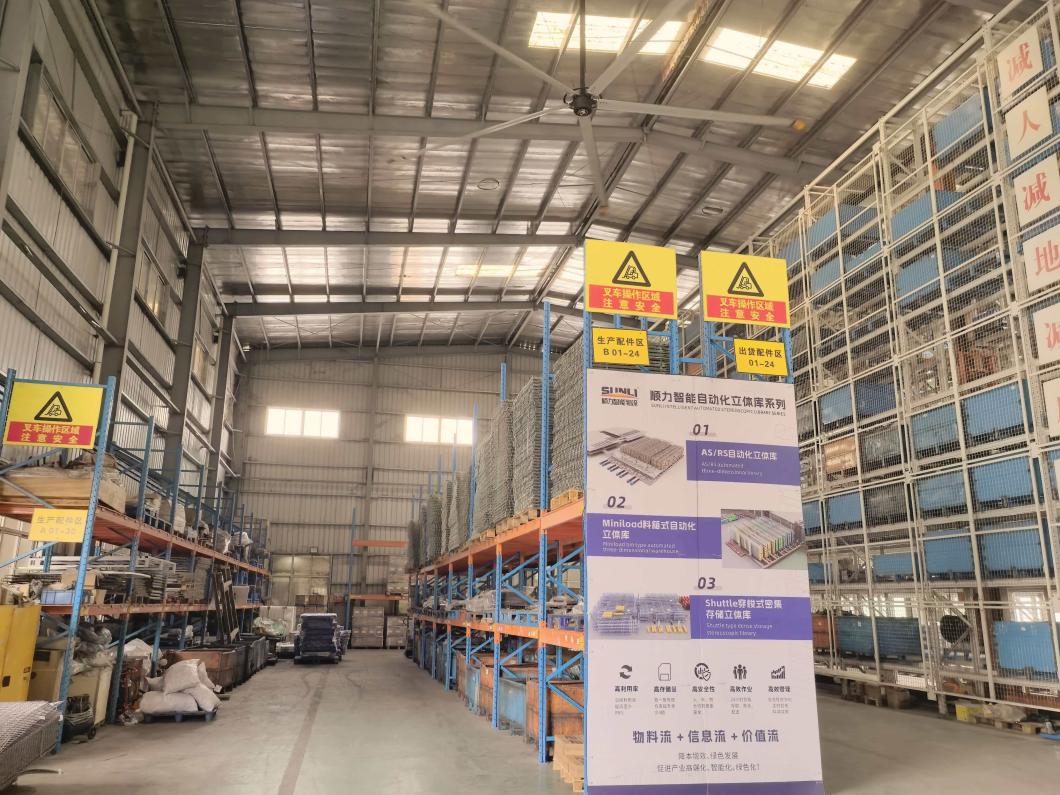
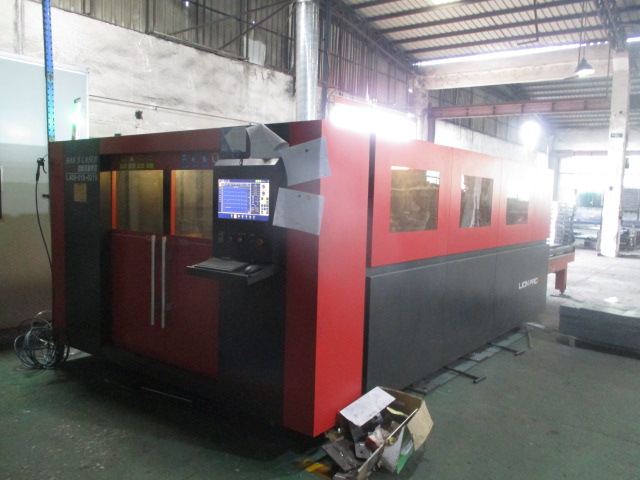
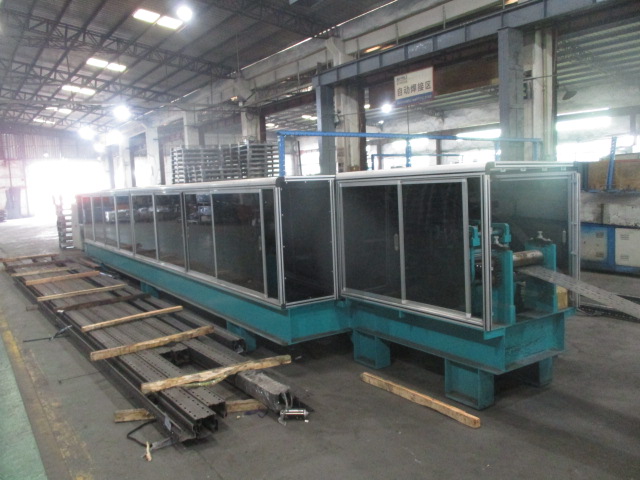
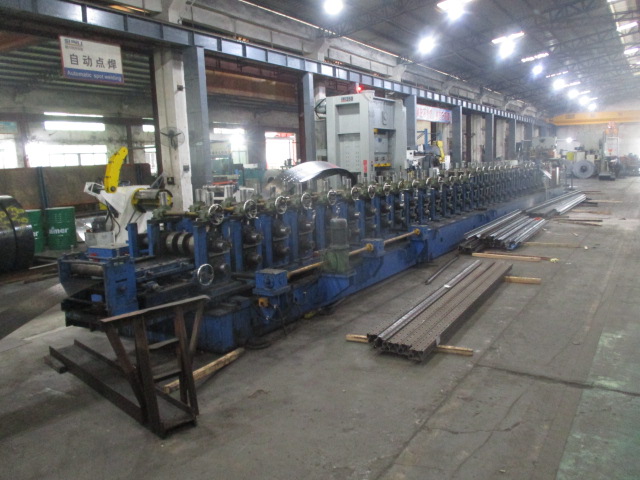
How automation, IoT sensors, and local compliance requirements are shaping the future of gravity flow systems in Hamburg and global markets.
Different industrial parks around Hamburg require specific racking configurations. For instance, in the Altona Food & Beverage Distribution Ring, fast-moving consumer goods (FMCG) require cold-storage warehousing. Racking systems deployed in these locations must operate efficiently down to -25°C. Shenzhen Sunli designs gravity flow solutions using low-temperature lubricants and specialized cold-resistant steel grades, preventing structural brittleness and roller stickiness.
Meanwhile, in the Harburg chemical terminal zone, corrosion resistance is critical. Exposure to marine salinity and chemical vapors demands heavy-duty hot-dip galvanized or specialized ESD-protective powder-coated racking profiles. Furthermore, our designs feature modular lane layouts, allowing engineers to quickly adjust lane slopes (typically from 3% to 4%) to match changing viscosity profiles of stored products.
Racking is transitioning from static steel structures to intelligent hubs within the automated warehouse. In modern smart logistics centers, gravity racks are paired with Autonomous Guided Vehicles (AGVs) and Laser Guided Forklifts. The forklift places the pallet on the entry lane, and gravity carries it to the exit face, where optical sensors detect its presence, signaling the AGV to retrieve it. This hybrid setup reduces capital expenditure compared to full crane-driven AS/RS systems while delivering similar automation speeds.
When sourcing racking systems for operation within the European Union (especially Germany), compliance with local safety regulations is non-negotiable. Procurement managers must demand certification across several areas:
At Shenzhen Sunli, our static calculation division uses finite element analysis (FEA) software to simulate maximum load distributions under diverse seismic conditions. This ensures that every beam profile delivered to Hamburg meets local safety requirements.
Explore our complete export range including mezzanine steel structures, automated stacker cranes, laser forklifts, and high-density pallet racks.
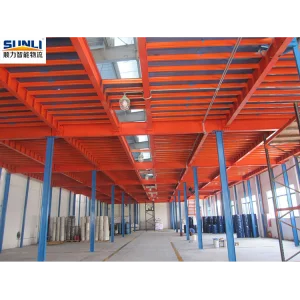
High-load capacity platforms designed for dense machinery storage.
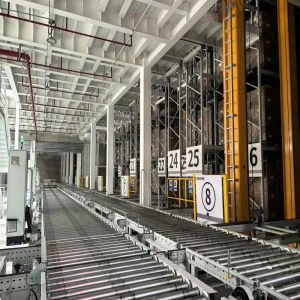
Engineered with tight tolerances for fully automated crane retrieval.
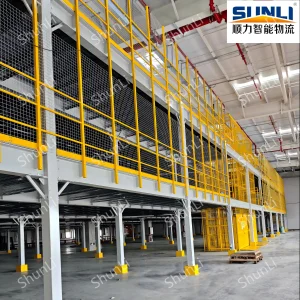
Includes customizable integration for cargo lifts and heavy stair access.
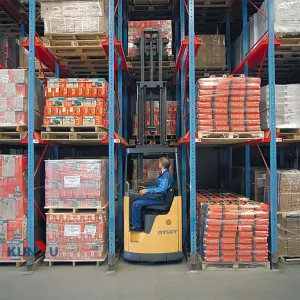
Best suited for large volumes of identical SKUs with LIFO rules.
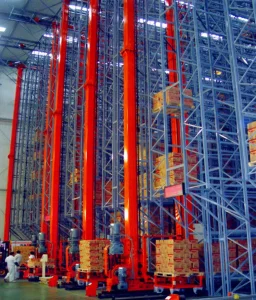
CE certified smart storage, configured for immediate export to Germany.
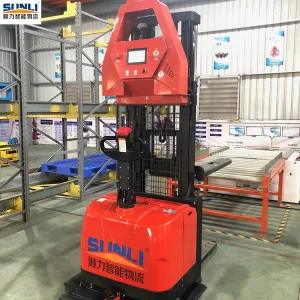
Automated guided vehicle with integrated safety obstacle avoidance.
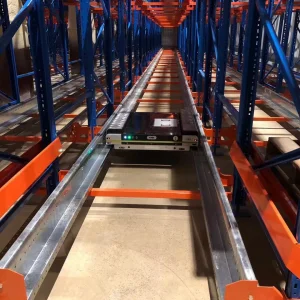
Semi-automated lane storage driven by two-way high-speed radio shuttles.
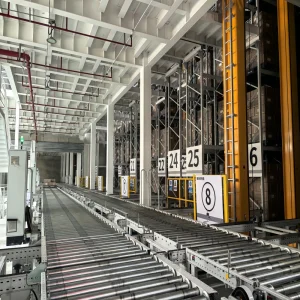
Turnkey intralogistics system combining software controls and static racks.
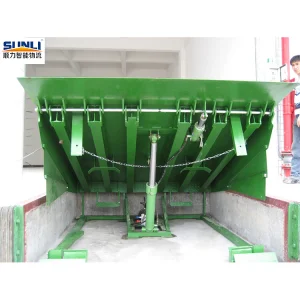
High-strength ramp leveling plates supporting loads up to 22 tons.
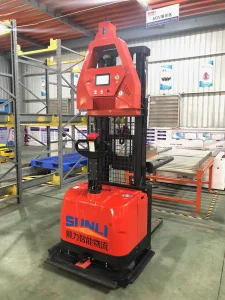
High-precision internal logistics transport with long operational battery cycles.
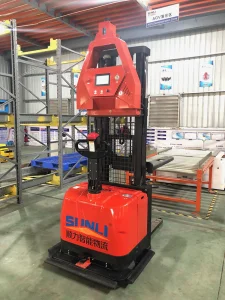
Reflector-guided precision targeting for rapid horizontal pallet movement.
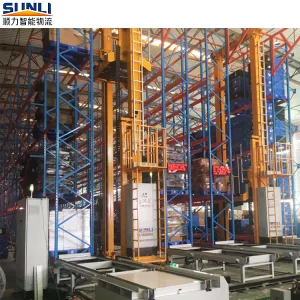
Fully integrated high-speed stacker crane for high-bay warehouse profiles.
Get answers to common technical, shipping, and installation questions regarding our gravity flow systems for the Hamburg market.
 SunliRack