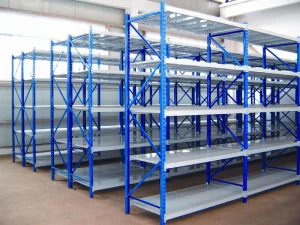
Norway's industrial architecture is rapidly transitioning toward absolute resource optimization and deep decarbonization. With geographical challenges, high domestic labor costs, and a highly prioritized focus on sustainable operations, Norwegian businesses require warehousing solutions that minimize footprint while maximizing structural density.
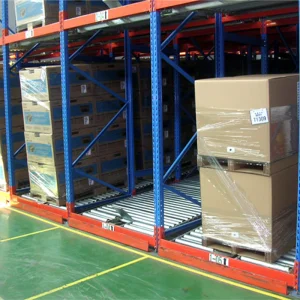
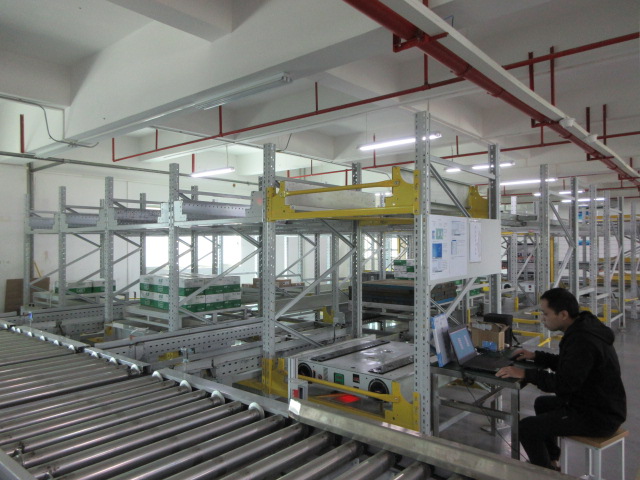
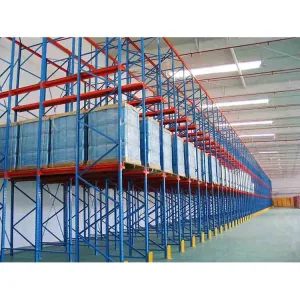
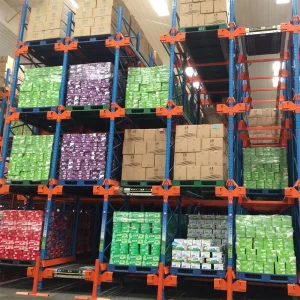
Gravity sliding racks (often categorized under gravity flow or live storage systems) play a critical role in this shift. Utilizing gravity-assisted incline tracks, these dynamic racking systems allow pallets or cartons to roll smoothly from the loading aisle (charge face) to the picking aisle (discharge face). This automatic FIFO (First-In, First-Out) management represents a game-changing structural upgrade for key Norwegian sectors:
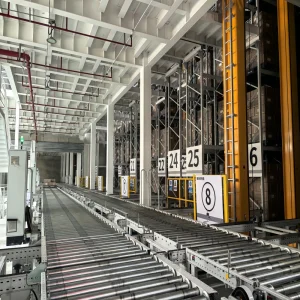
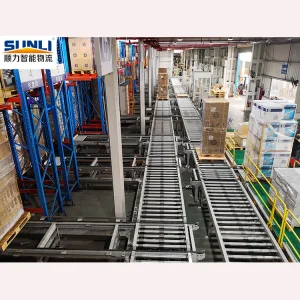
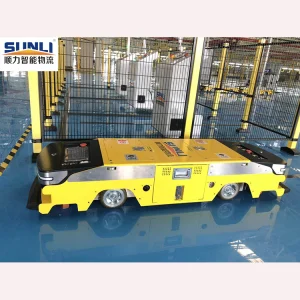
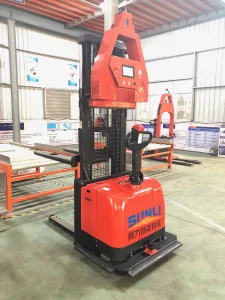
The next generation of gravity sliding racks is characterized by smart materials, modular engineering, and integrated sensor technologies. From a technological standpoint, standard gravity flow systems are transitioning into highly calculated hybrid solutions that interface directly with Automated Guided Vehicles (AGVs) and Warehouse Management Systems (WMS).
Robust Steel Metallurgy: Standard industrial steel fails to perform under Norway's extreme temperature shifts and high coastal humidity. At Shenzhen Sunli, we leverage high-grade cold-rolled steel, treated with protective anti-rust coatings, ensuring structural stability under dynamic mechanical stress.
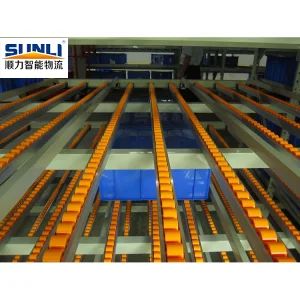
Damping Roller Innovation: To prevent pallet runaway and ensure a controlled velocity down the lane, Sunli integrates smart speed controllers (magnetic and mechanical dynamic brake drums) along the gravity tracks. Every 2 to 3 pallet positions, a structural brake absorbs excessive kinetic energy, safeguarding valuable cargo and warehouse operators alike.
"The future of warehouse layouts in the Nordics lies in hybrid automation. Integrating passive, energy-efficient gravity lanes with high-speed automated crane systems (AS/RS) delivers the lowest total cost of ownership (TCO) and minimizes carbon footprint."
Norwegian cold chains represent a highly demanding operational environment. Storing perishable marine products means every square meter of sub-zero volume represents a direct energy cost. Traditional selective racking wastes up to 50% of the cubic volume on access aisles.
Sunli's heavy-duty gravity flow pallet racking systems compress these storage blocks. Multiple pallets are loaded into a single lane, reducing the required aisles to only two: one for loading and one for retrieval. When the front pallet is picked, the behind unit slides forward under controlled gravity. This closed-loop FIFO storage:
Exporting to and installing industrial equipment in Norway requires absolute alignment with stringent local laws and European safety frameworks. Sunli provides comprehensive compliance support for Nordic engineering specifications:
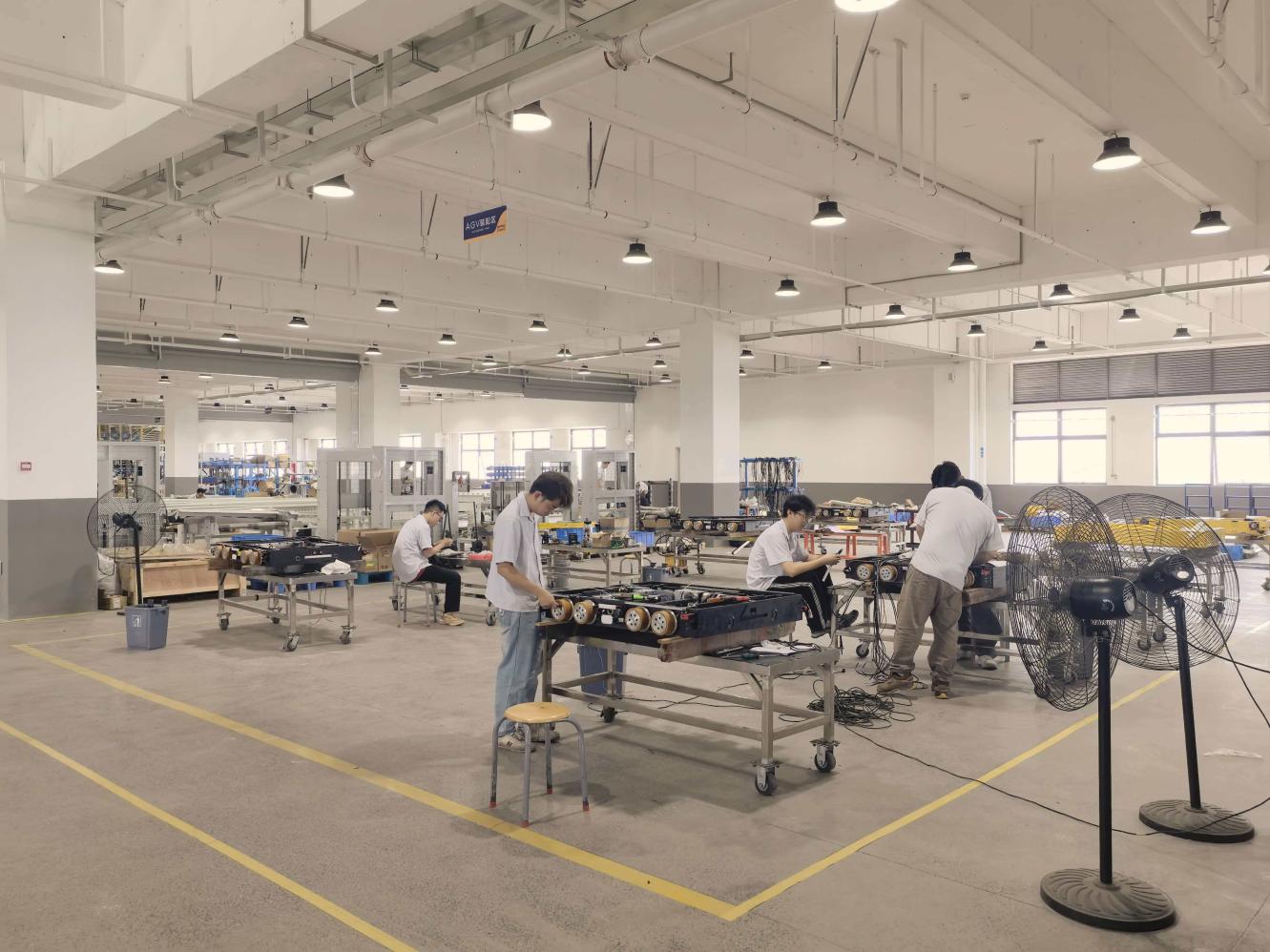
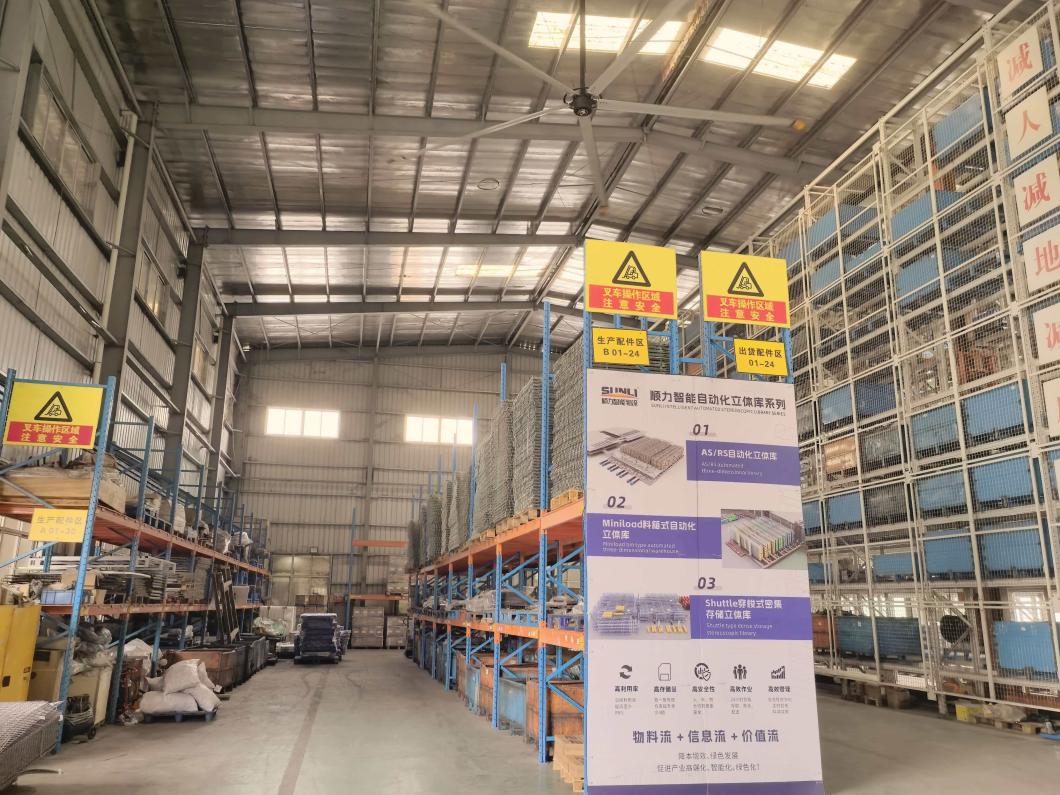
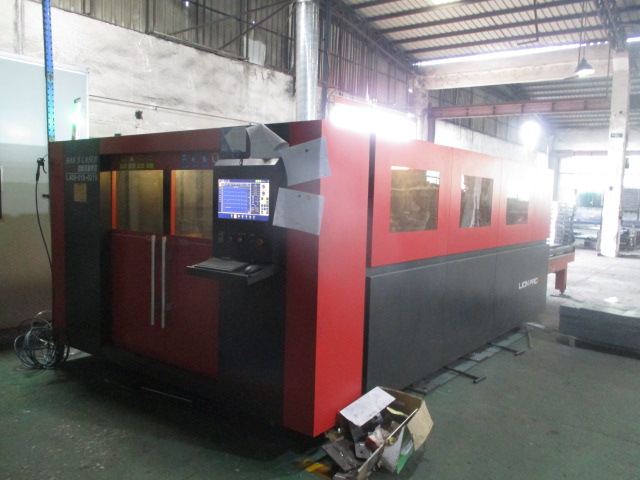
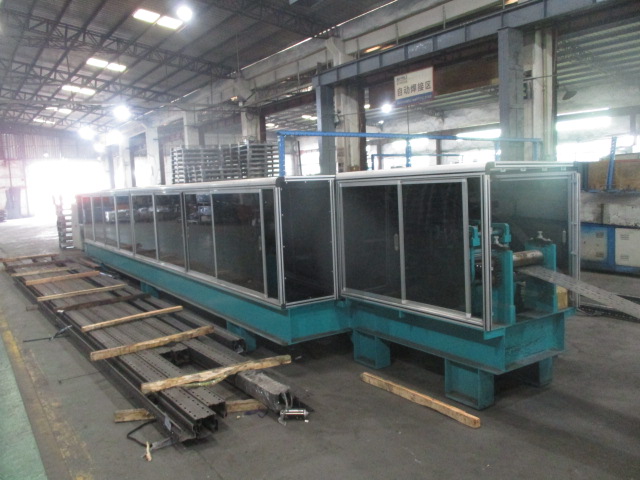
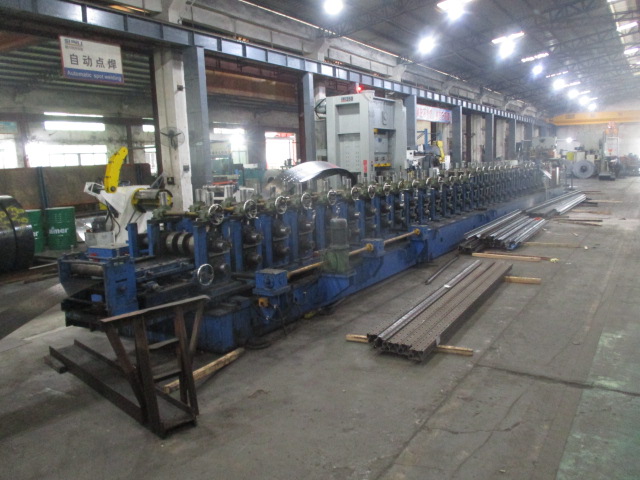
How does Shenzhen Sunli maintain its position as a world-class manufacturing powerhouse? It starts with our manufacturing footprint and dedicated quality assurance protocols. Established in 2015, Shenzhen Sunli Intelligent Logistics Equipment Co., Ltd. has developed into a premier designer and manufacturer of heavy-duty industrial racking. Operating out of a state-of-the-art facility encompassing 38,000 m², we apply over 12 years of industry engineering experience and 8 years of international trade expertise.
Our global supply chain operations generate an annual export volume ranging between $18 million and $25 million, ensuring consistent supply lines for clients across North America, Western Europe, Southeast Asia, and the Nordics.
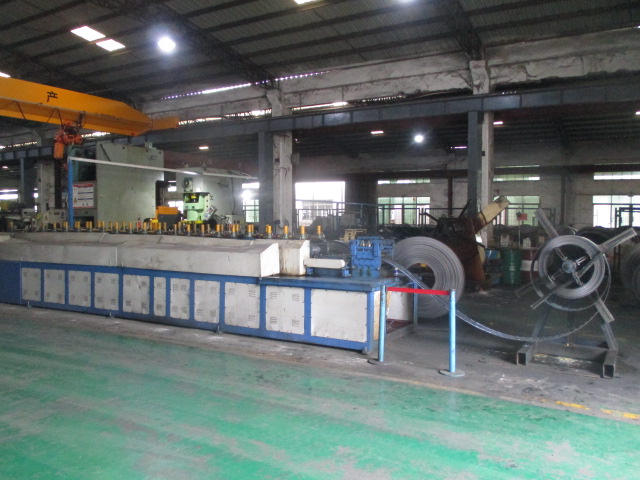
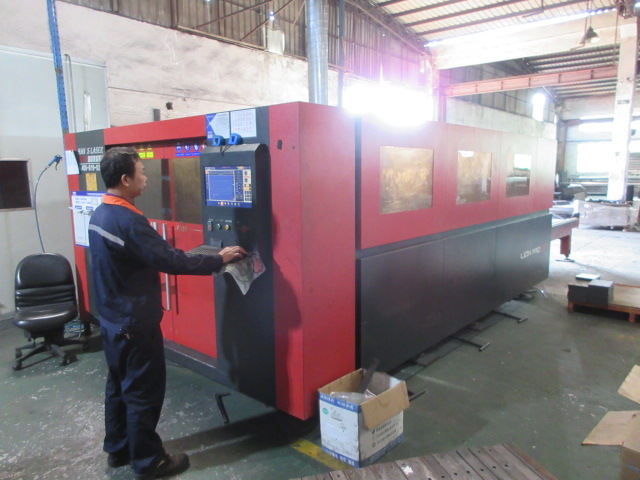
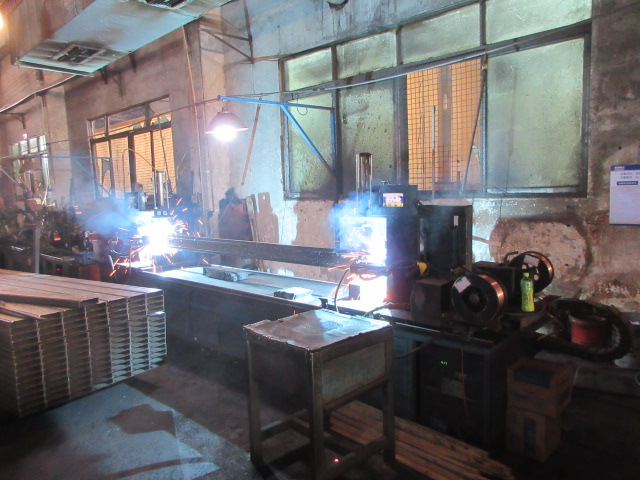
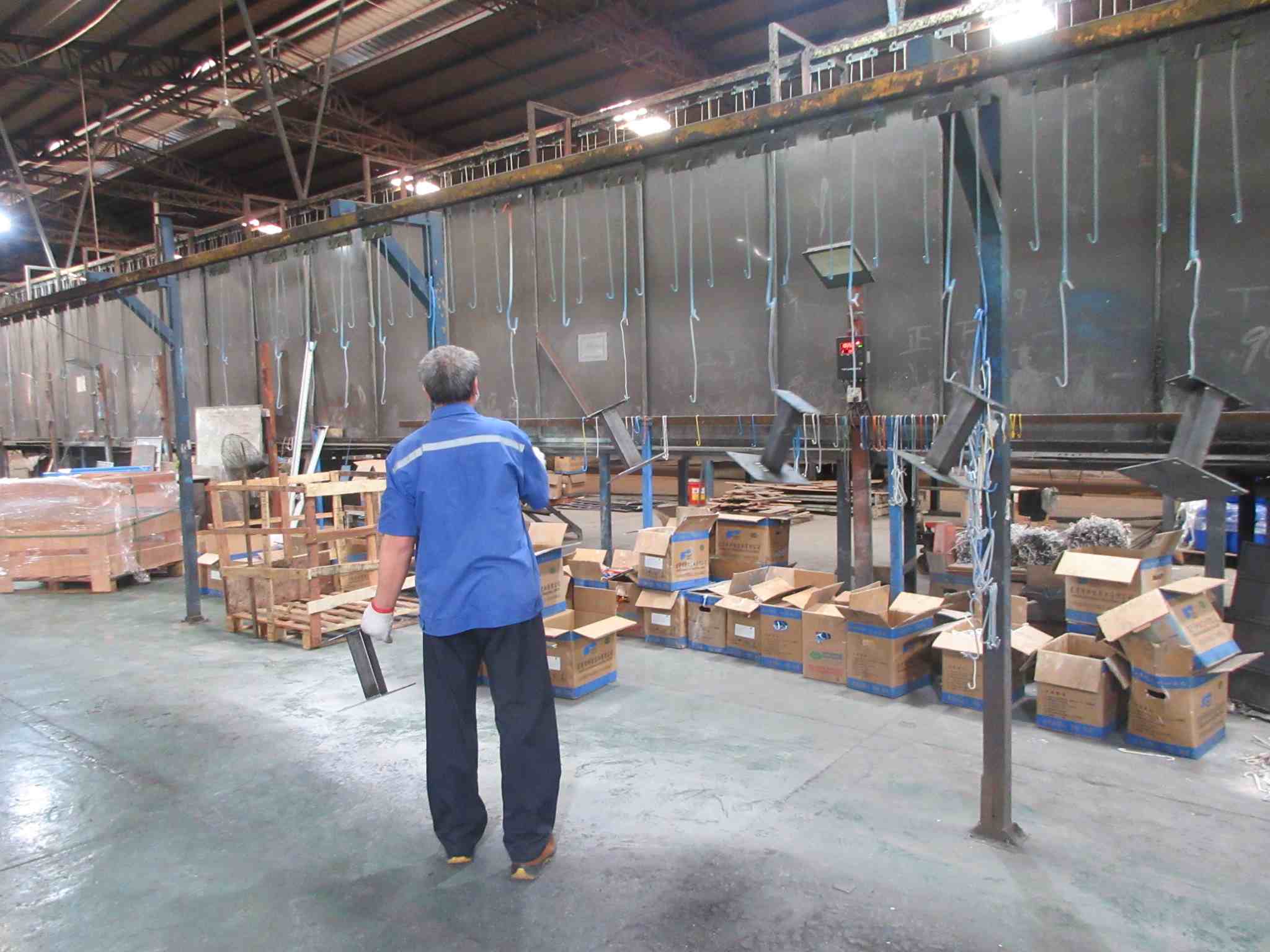
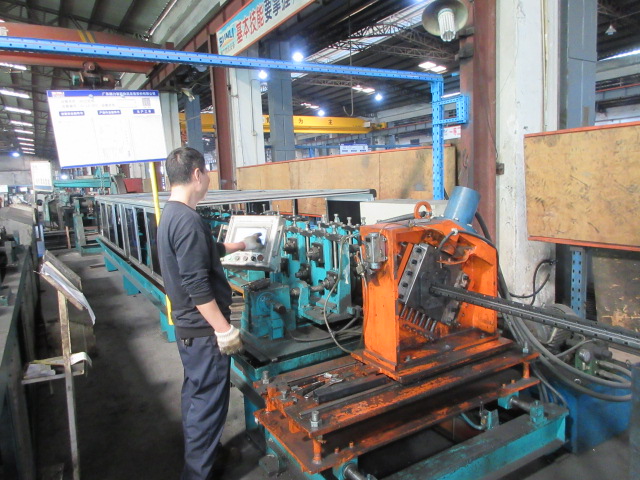
At Sunli, QC is integrated into every step of the rolling and welding process. Our quality team consists of 35 dedicated QC professionals implementing rigid material testing, dynamic weight verification, weld-seam ultrasonic analysis, and anti-corrosion layer thickness mapping. Backed by 28 skilled R&D engineers, we continuously innovate to meet evolving supply chain requirements, introducing over 120 new products and structural improvements annually.
 SunliRack