Specially integrated and engineered materials tailored for Portuguese industrial regulations and automated facilities.
Portugal’s geographical position as a crucial Atlantic gateway to Europe has elevated its role in the global supply chain. Ports such as the Port of Sines, the Port of Leixões, and the Port of Lisbon act as vital interfaces for transatlantic cargo routes. Within the domestic market, key manufacturing clusters in Lisbon, Porto, Setúbal, and Braga are driving a massive transformation in warehousing. Traditionally dependent on wooden platforms, Portugal’s highly regulated industries—including automotive parts (e.g., the Autoeuropa ecosystem), pharmaceuticals, wine production (the Douro and Alentejo regions), and intensive agriculture—are shifting towards high-durability plastic pallet solutions.
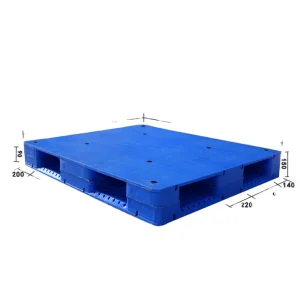
This transition is accelerated by stringent EU environmental directives and food-safety hygiene standards. The food-processing and retail industries, led by major domestic groups like Jerónimo Martins and Sonae, require shipping platforms that are immune to contamination, washable, and compatible with high-capacity automated scanning systems. The use of heavy-duty, ISO-certified recycled HDPE (High-Density Polyethylene) plastic pallets has become a cornerstone of standard operating procedures, ensuring compliance with both local hygiene mandates and the broader European Green Deal.
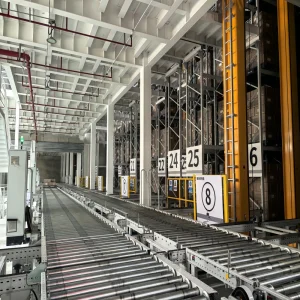
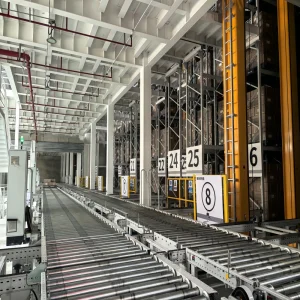
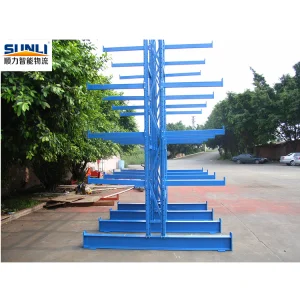
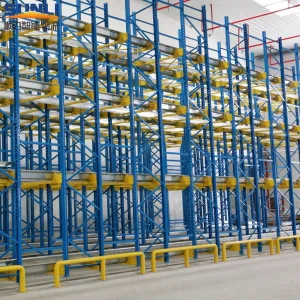
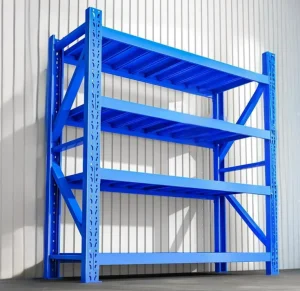
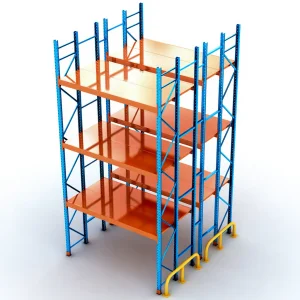
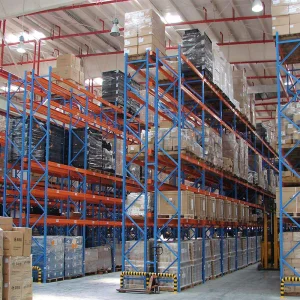
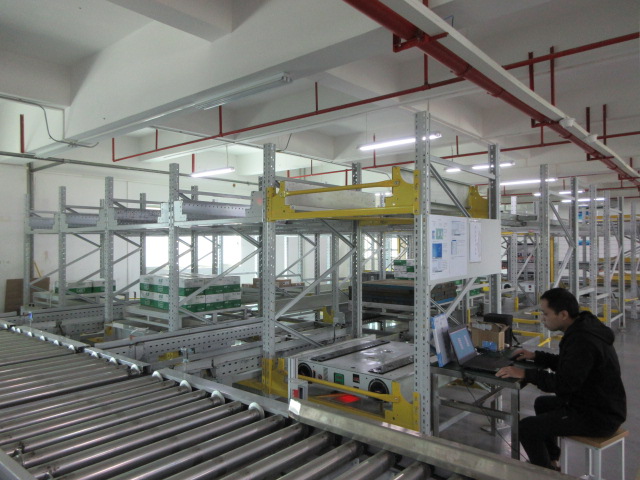
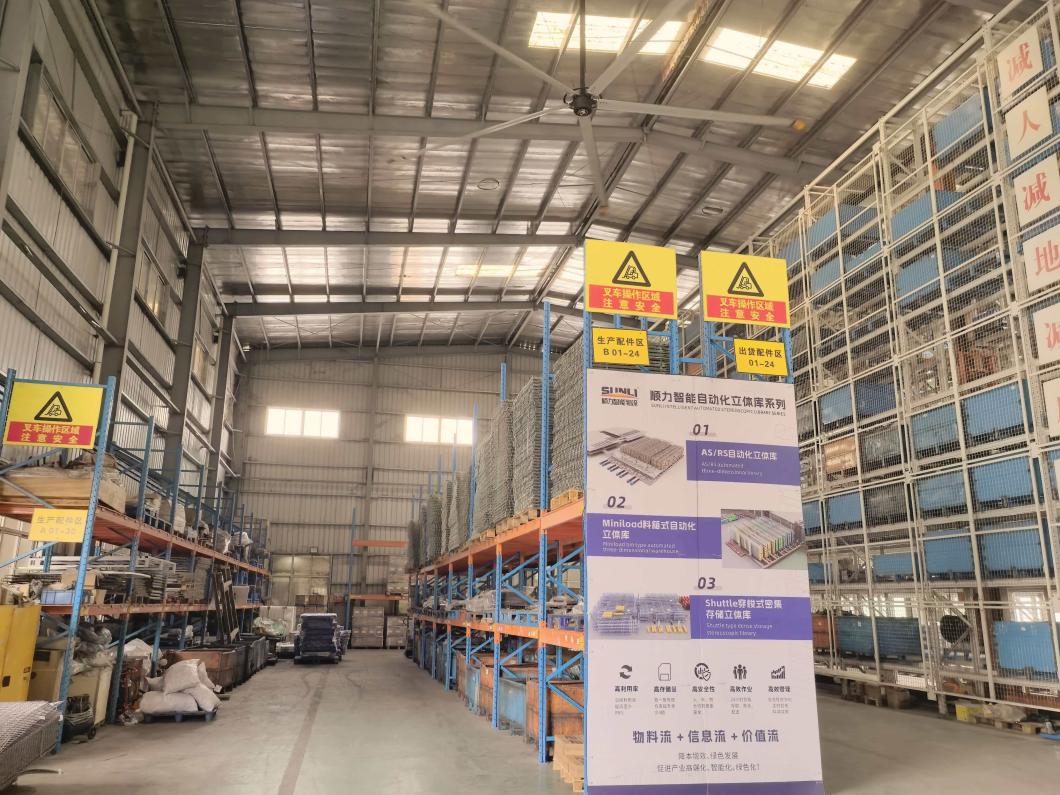
Optimizing warehouse space in land-constrained industrial zones like Palmela or Vila Nova de Gaia demands structural integration. Modern distribution centers rely on high-density racking architectures such as selective pallet systems, cantilever racks, and automated AS/RS configurations. The precision engineering of steel racking systems directly influences the deflection rates and lifetime durability of plastic pallets. When heavy-duty HDPE Euro pallets are matched with high-precision steel racks, the risk of structural collapse or automated shuttle system failures is minimized, ensuring seamless internal transit.
Across the globe, the logistics sector is witnessing a paradigm shift. According to recent supply chain industry indices, the worldwide market for plastic pallets is projected to grow substantially due to the rise of automated warehouses and the limitations of wooden alternatives (such as splinters, mold, and dimensional variability). Global multi-nationals are prioritizing "closed-loop" systems where plastic pallets are tracked via RFID or IoT sensors, utilized across multiple delivery legs, and eventually recycled back into new pallets at the end of their operational lifecycle (which typically exceeds 10 years).
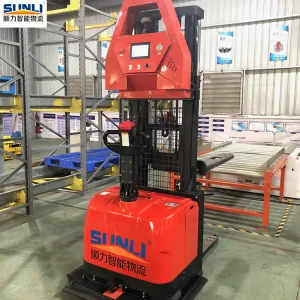
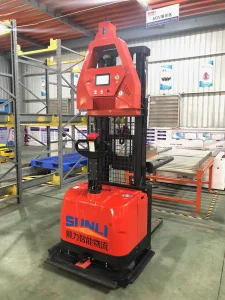
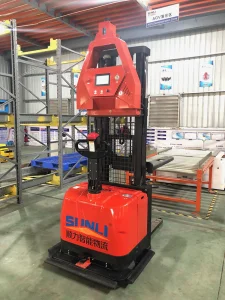
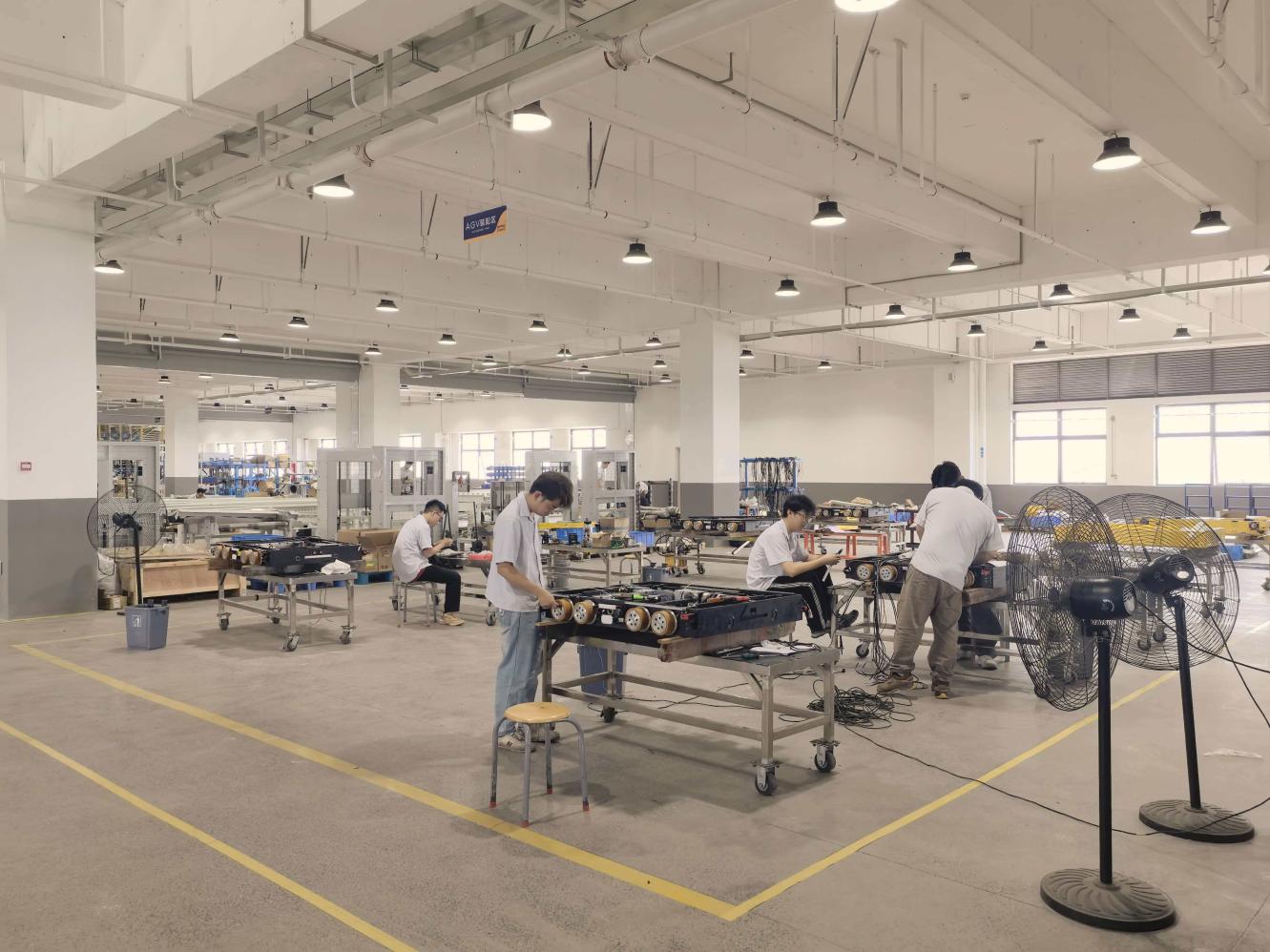
This global push coincides with the rapid adoption of automated materials handling equipment. Automated Guided Vehicles (AGVs) and Autonomous Mobile Robots (AMRs) require millimeter-level precision. Even a slight deformation in a standard wooden pallet can trigger sensor faults, halting multi-million-dollar automated lines. Precision-molded plastic pallets provide absolute consistency in dimensions and weight, making them the default choice for modern, smart factories.
Discover our robust range of heavy-capacity steel panels and custom structural solutions engineered to survive extreme dynamic weights.
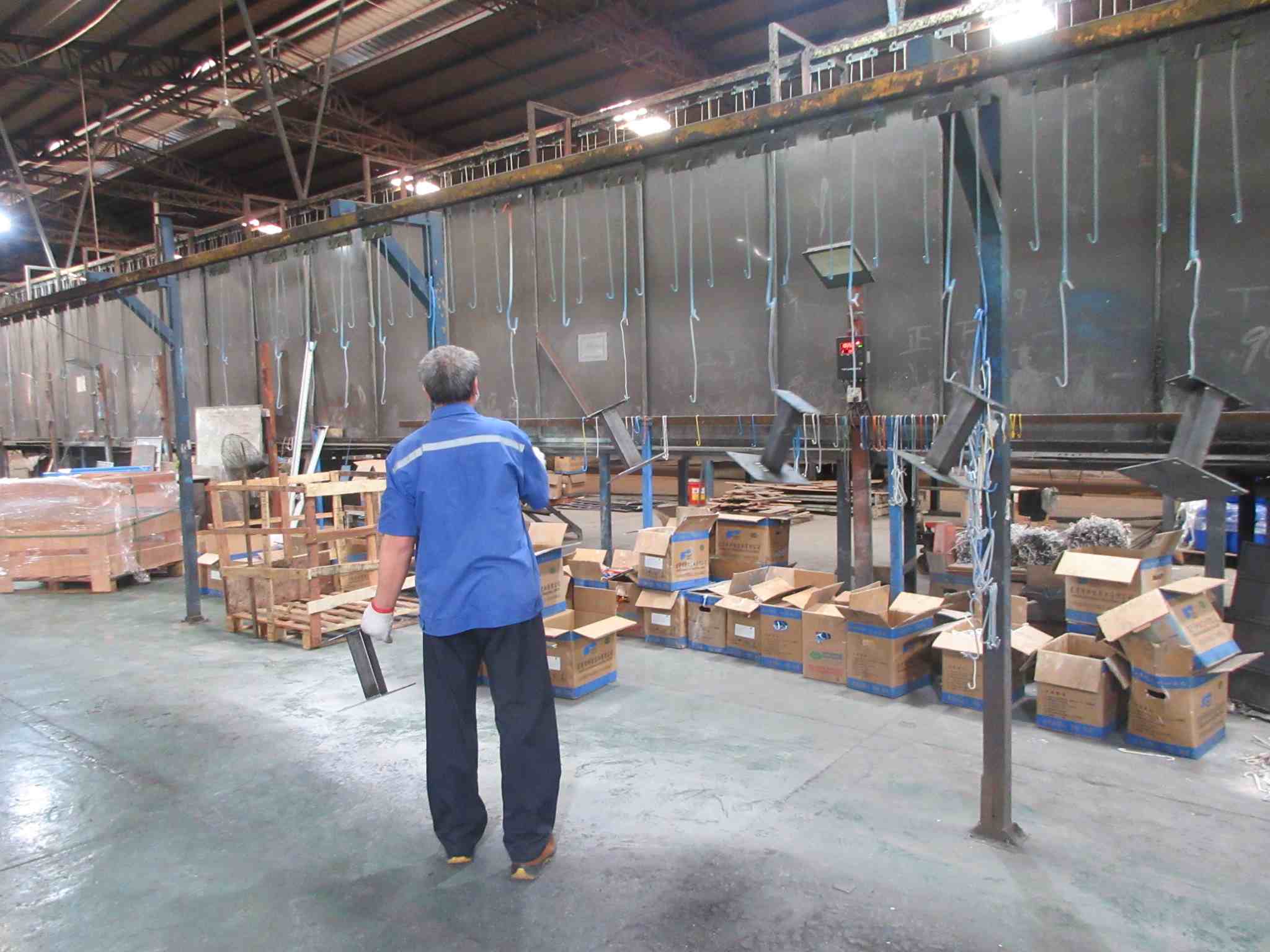
For Portuguese logistics enterprises looking to upgrade their infrastructure, sourcing racking systems and heavy-duty logistics platforms directly from specialized Chinese factories provides a strategic cost-to-performance advantage. Leading Chinese manufacturers, such as Shenzhen Sunli Intelligent Logistics Equipment Co., Ltd., operate in highly optimized supply chain clusters. This proximity allows for rapid material sourcing, integrated thermal coating, and advanced quality testing at scales that are hard to match domestically in Western Europe.
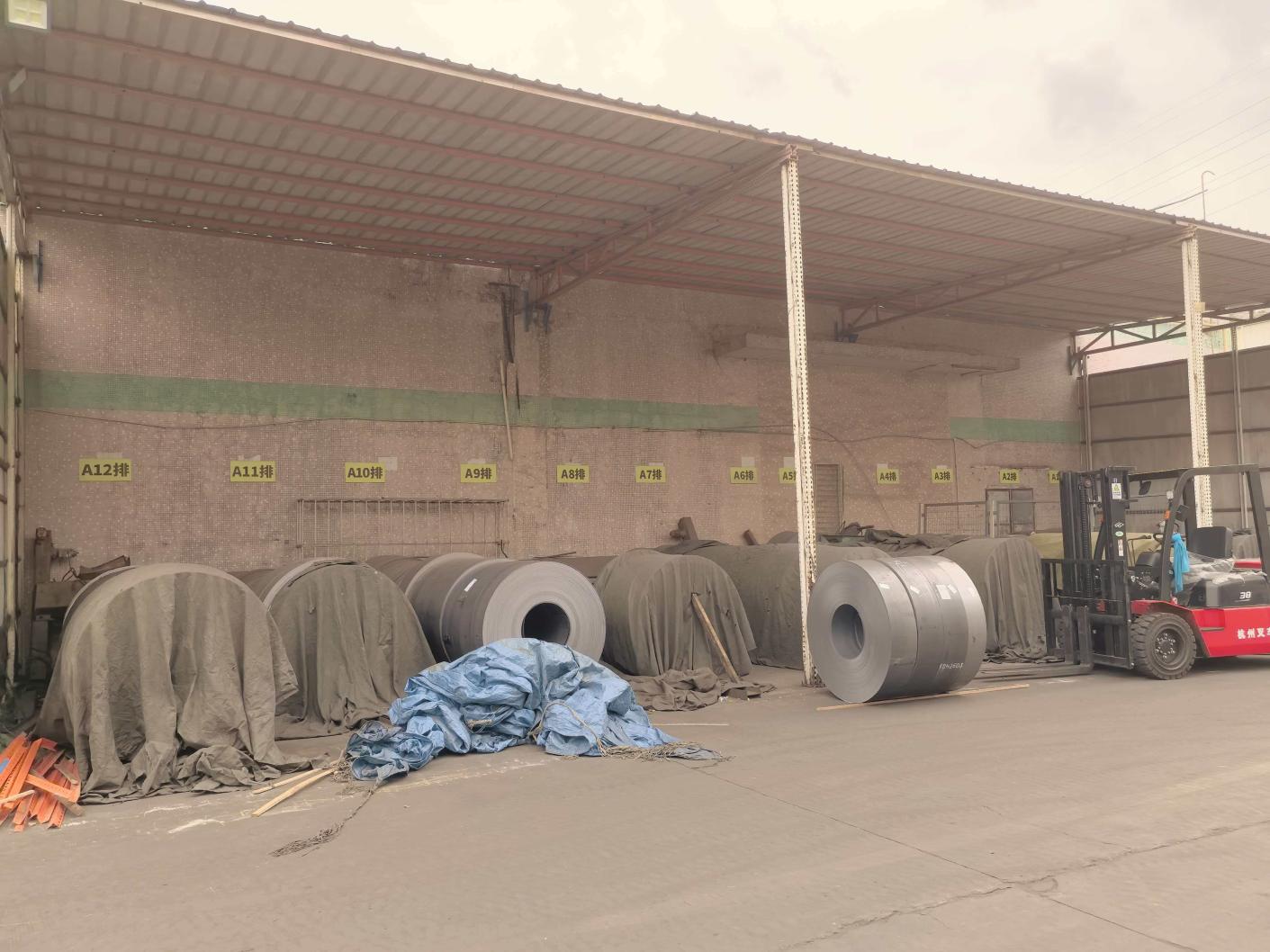
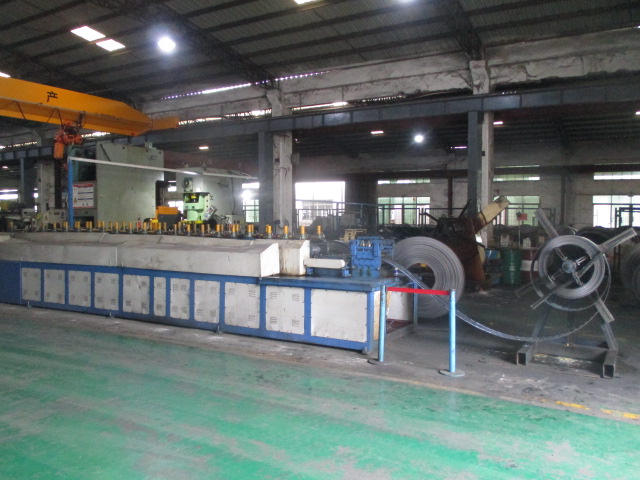
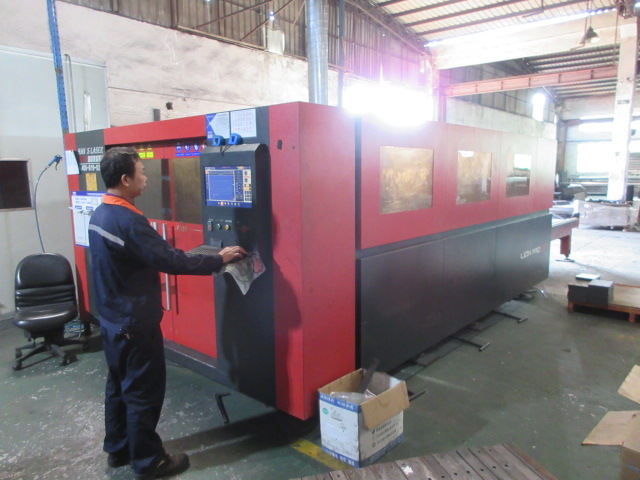
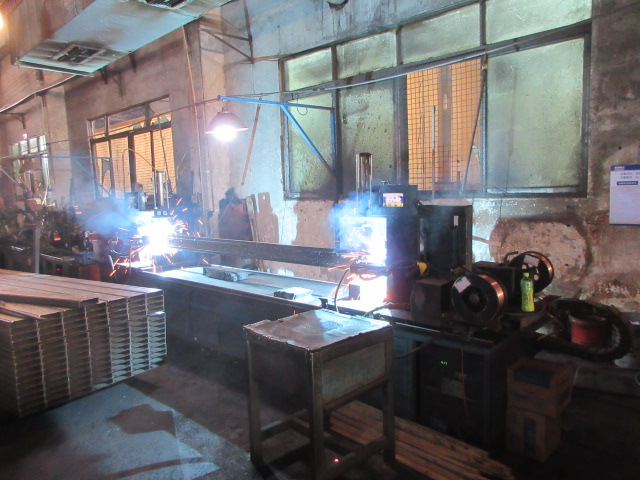
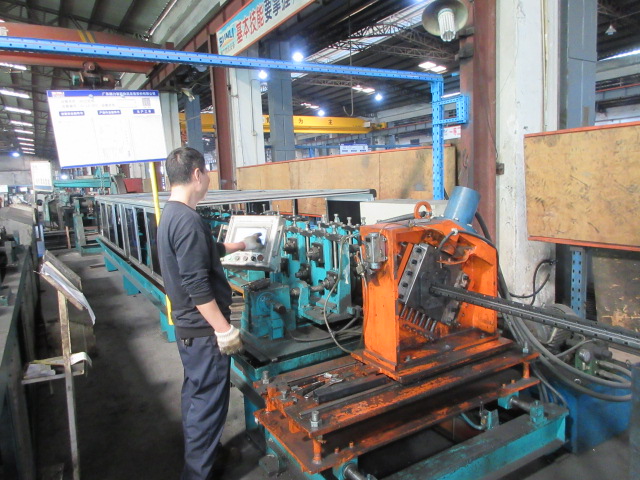
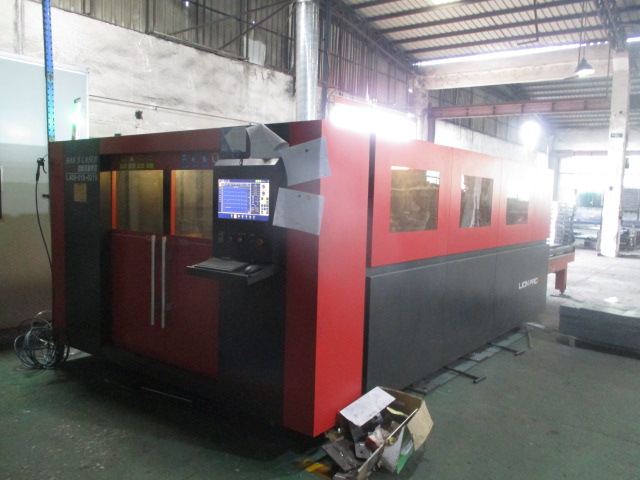
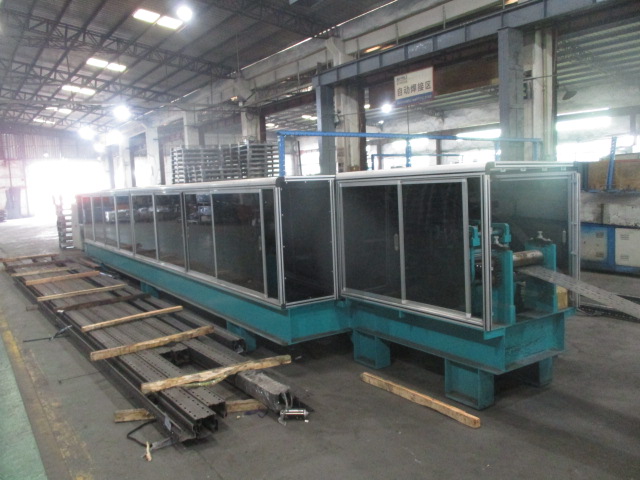
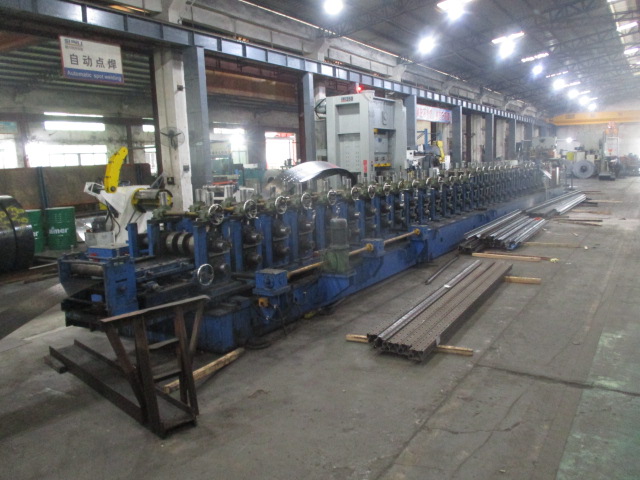
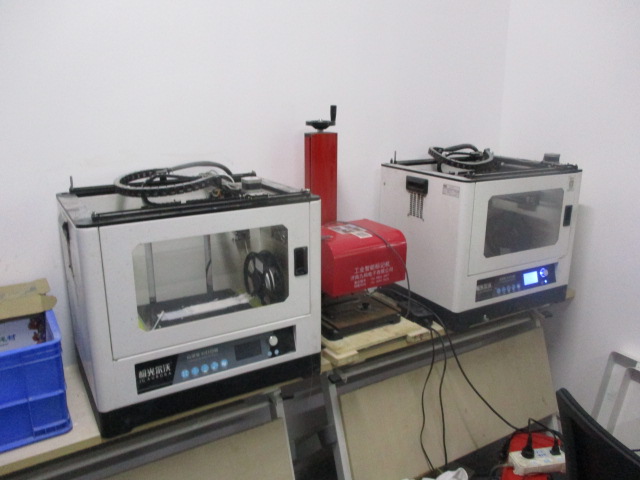
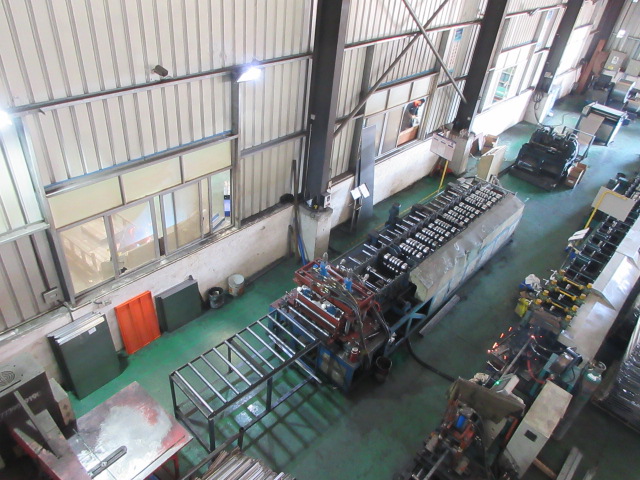
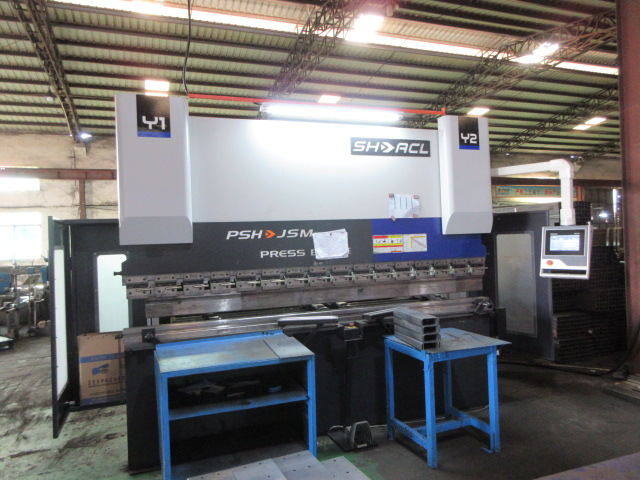
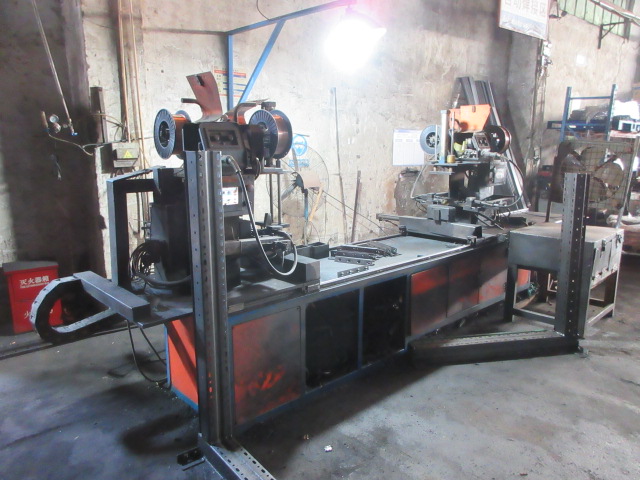
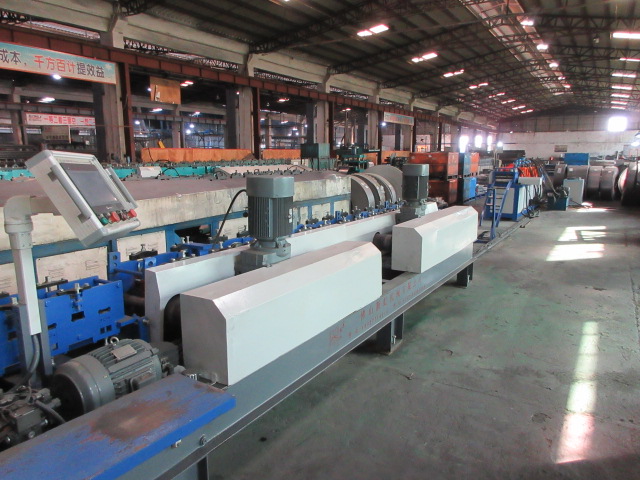
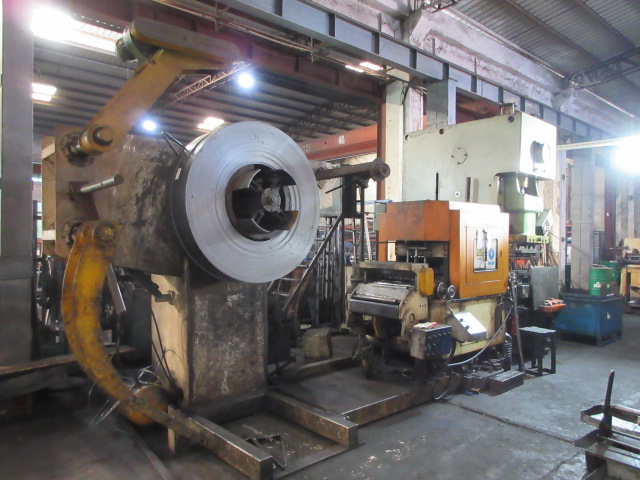
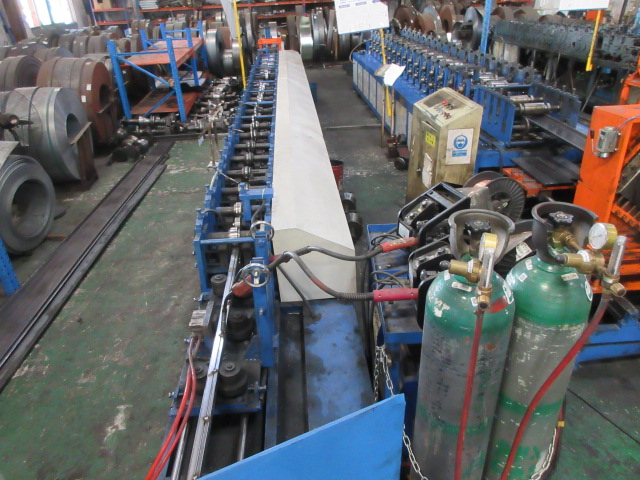
With a massive production facility spanning 38,000 m², Sunli leverages over 12 years of industry experience and 8 years of international trade expertise. By consolidating raw material purchases and utilizing automated rolling lines, laser-cutting machinery, and robotic welding, Sunli can deliver CE-certified storage racks, ASRS components, and custom-designed steel pallets at highly competitive price points, exporting between $18 million and $25 million annually to major markets in Europe, North America, and the Middle East.
A crucial factor in global procurement is product reliability. Standard pallets and racking systems must withstand varying climates—from the humid seaside atmosphere of Portuguese coastal ports like Sines to the temperature-controlled zones of cold-storage pharmaceutical warehouses in Porto. Sunli employs 35 dedicated QC professionals executing comprehensive testing protocols:
| Feature Parameter | Eco-Friendly HDPE Plastic Pallets | Q235B Structural Steel Pallets | Standard Softwood / Hardwood Pallets |
|---|---|---|---|
| Average Lifespan | 10+ Years (Highly reusable) | 15+ Years (Heavy duty) | 1–2 Years (High maintenance) |
| Sanitary Properties | Excellent (HACCP Compliant, Washable) | Excellent (Good for cleanrooms) | Poor (Prone to mold, insects, splinters) |
| Tare Weight Consistency | Perfect (Critical for AGV sensors) | Perfect (Rigid, heavy duty) | Variable (Absorbs moisture and oil) |
| Chemical / Corrosion Resistance | Impervious to acids, oils, and moisture | Powder-coated resistance (Medium-High) | Low (Decays rapidly when wet) |
| Ideal Application Scenarios | Food & Beverage, Pharmaceutics, Retail Logistics | Heavy Machinery Parts, Extreme High Loads | Single-use exporting, static budget warehousing |
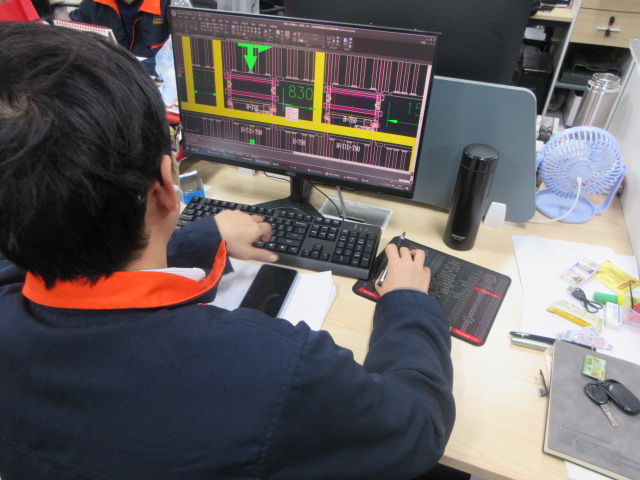
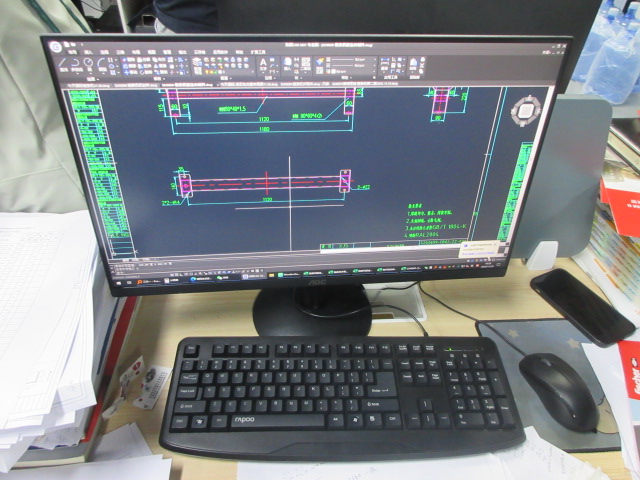
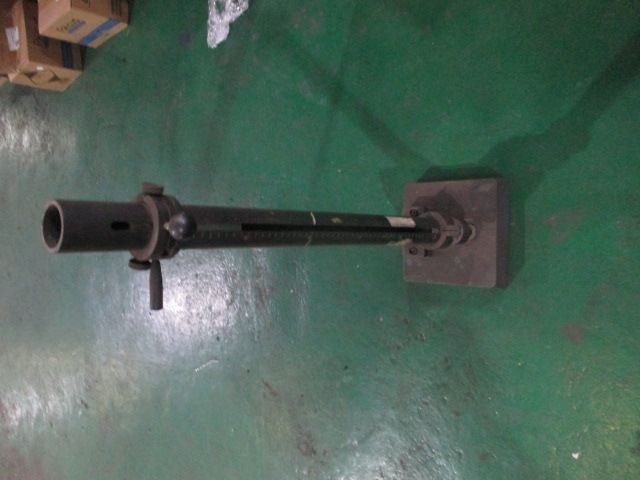
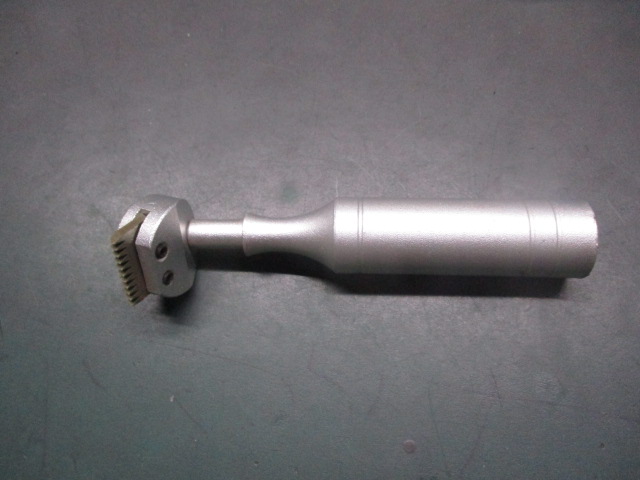
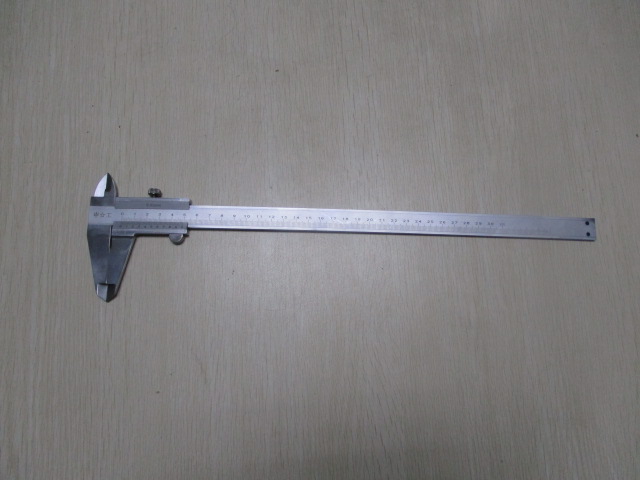
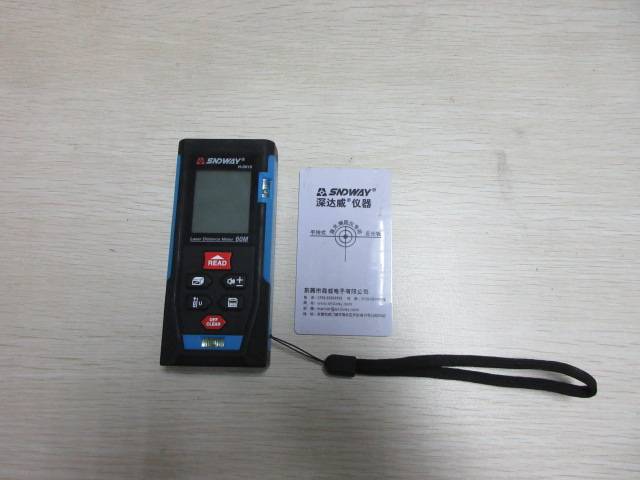
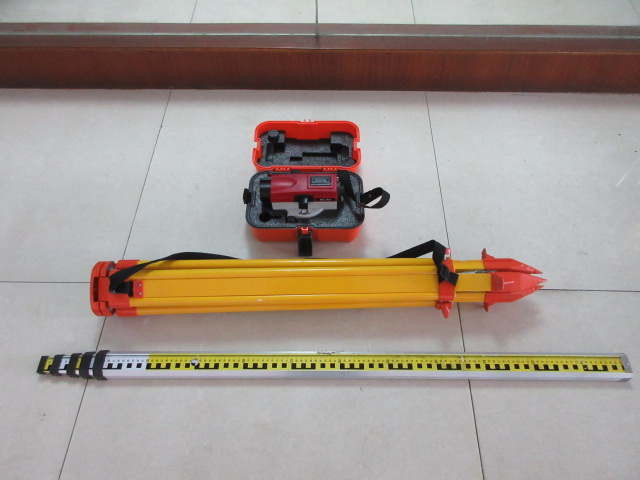
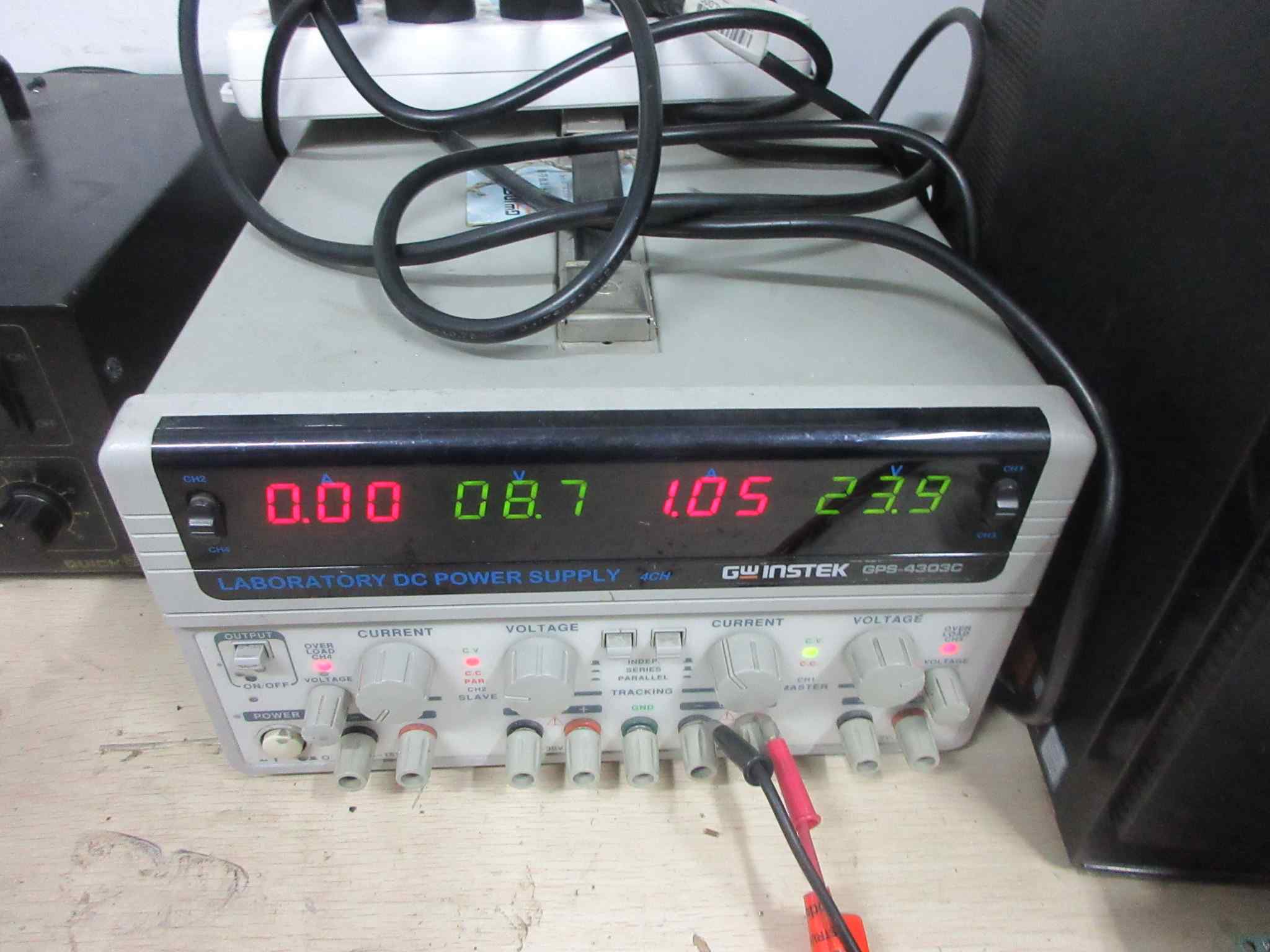
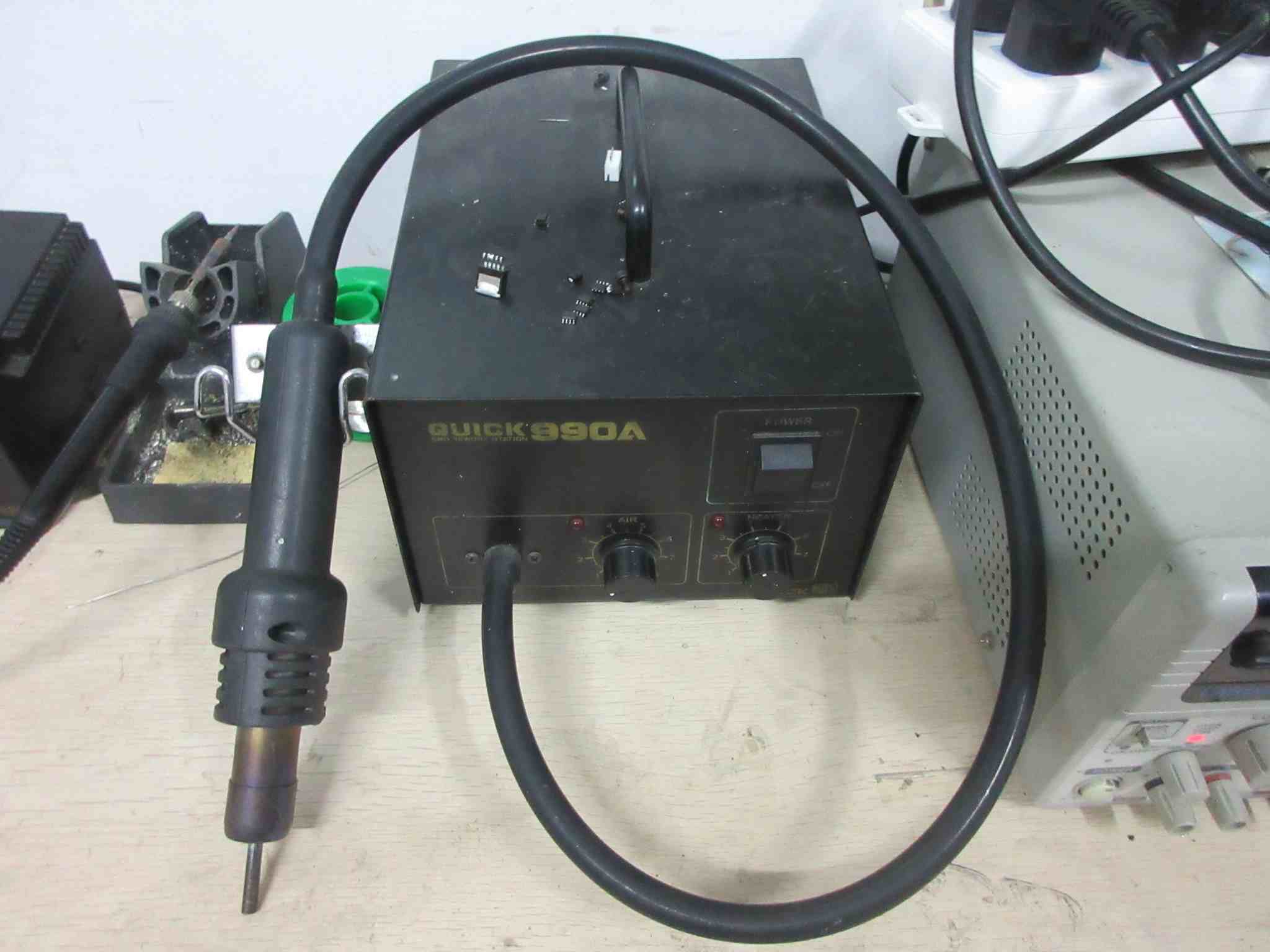
Explore the manufacturing floor, advanced robotic roll-forming lines, and the high-precision laboratories where quality is certified.
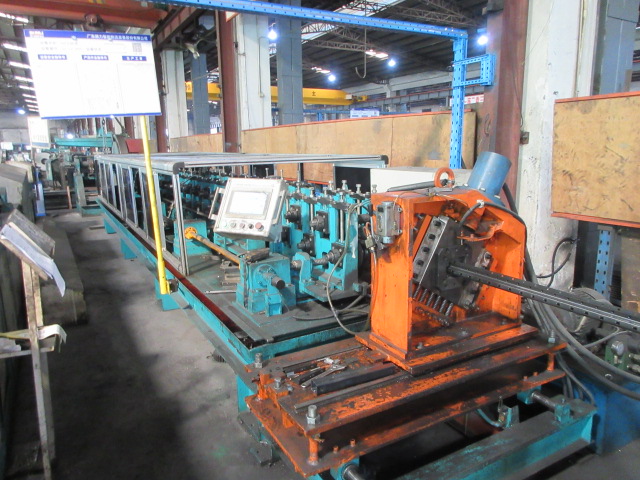
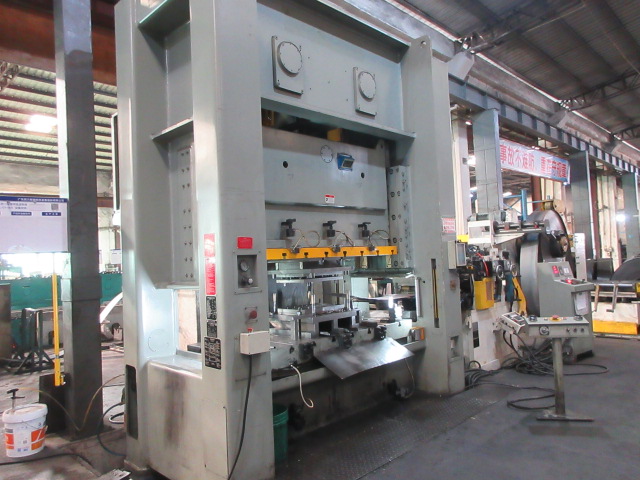
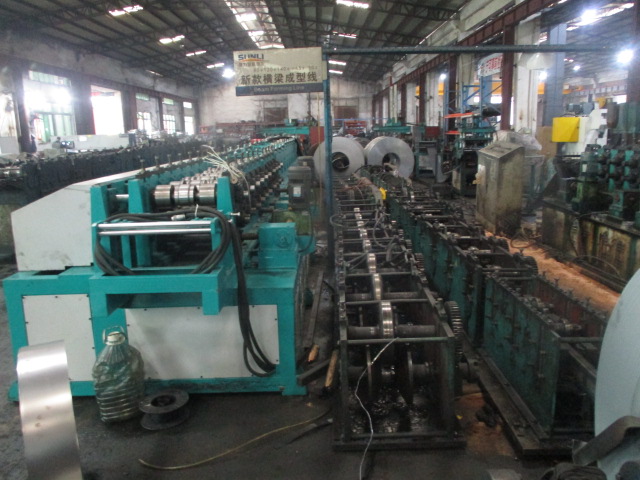
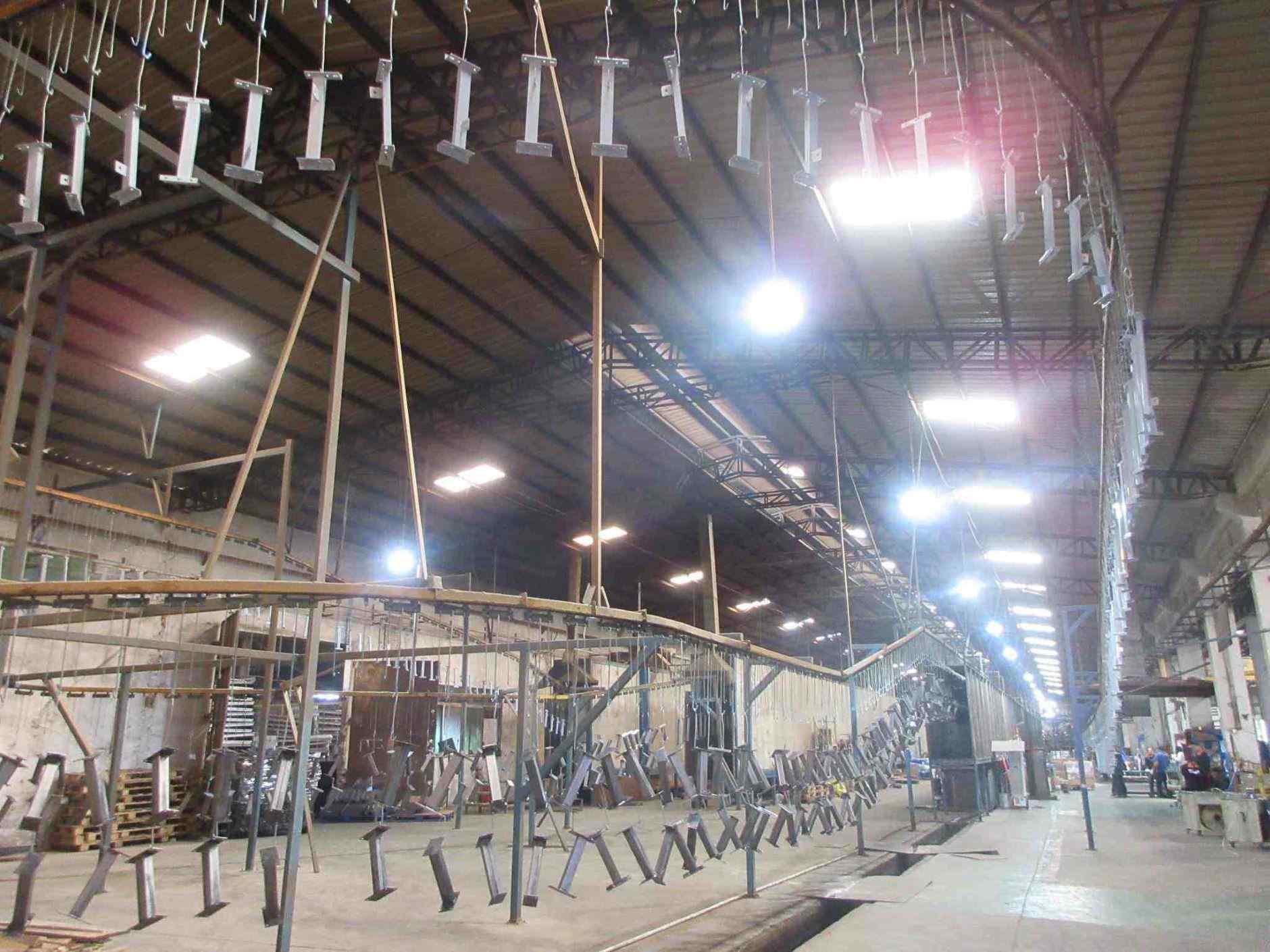


Depending on the industry segment, the selection of the correct plastic pallet and companion storage equipment varies:
In wine bottling plants and agricultural packaging hubs, hygiene is critical. Mold prevention is top of mind. Recycled HDPE eco-friendly flat-top plastic pallets are ideal here because they are easily sanitized with high-pressure water and steam systems. Flat-top structures protect bagged agricultural goods and boxed wine cases from pressure creases and punctures.
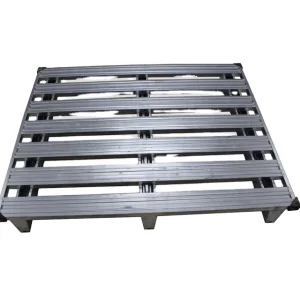
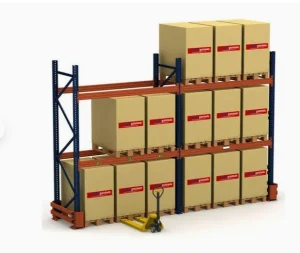
Automotive supply chains run on strict Just-In-Time (JIT) schedules. Parts are highly dense and heavy. Custom steel pallets with a payload capability of 2000KG, combined with heavy-duty selective steel pallet racking systems, provide the necessary support for mechanical assemblies, engines, and stamping molds without structural deformities.
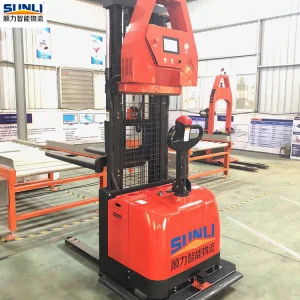
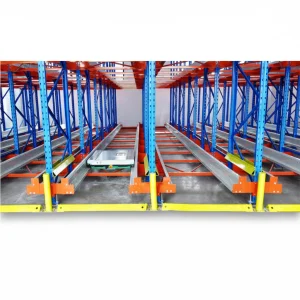
Major supermarkets handle millions of goods daily. To make the most of vertical space, these hubs utilize automated double-deep shuttle racking and radio shuttle cart systems. The perfect standard dimensional integrity of Euro-standard plastic pallets ensures that automated electric carts can lift and deposit loads without mechanical jams.
When purchasing racking systems and heavy-duty pallets, global logistics managers must evaluate technical parameters rather than focusing solely on initial unit costs:
Standard Compliance: Verify whether the manufacturer's facility holds ISO 9001 and CE certifications. All European installations must conform to Fem guidelines and EN regulations for racking safety.
Load Profile: Distinguish clearly between Static Load (the weight a pallet supports resting on a flat floor), Dynamic Load (the weight a pallet holds while moving on a forklift), and Racking Load (the weight when suspended across two beams in a rack). Sunli's engineering team provides customized FEA (Finite Element Analysis) reports to guarantee structural security.
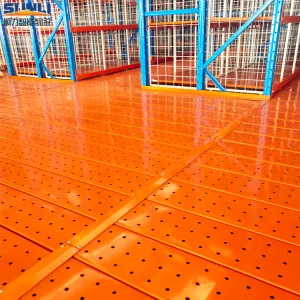
Chemical & Fire Safety: Consider whether your local fire code requires perforated shelf designs (such as Q235B perforated panels) to let sprinkler water pass through in multi-tier mezzanines.
Discover our global-grade warehouse racking and laser navigation systems deployed across Europe's leading logistics routes.
Get professional, direct answers on selecting, integrating, and maintaining plastic pallets and smart warehouse setups.
 SunliRack