Cold-climate steel pallet racking, mezzanine platforms, industrial shelving and AS/RS — engineered for Novosibirsk warehouses, 3PL hubs, e-commerce fulfilment and Siberian industry.
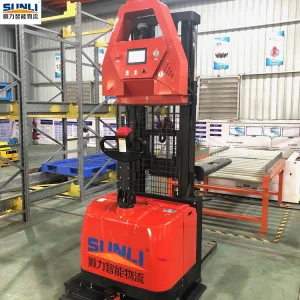
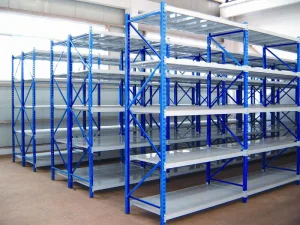
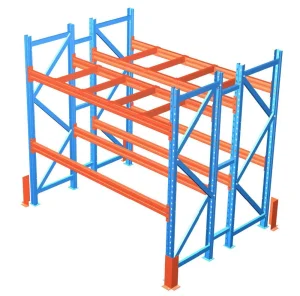
Start with four proven platforms: ESD-heavy pallet storage, cold-rolled e-commerce shelving, laser-guided forklift automation, and AS/RS pallet racking. All original product URLs are retained below.
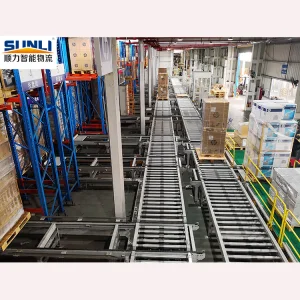
Novosibirsk is not a peripheral market for warehouse infrastructure. As the largest city in Siberia and the administrative center of the Siberian Federal District, it sits at the intersection of the Trans-Siberian Railway, federal road corridors and Tolmachevo Airport. That combination makes it a natural consolidation point for retail, wholesale, construction materials, food distribution, medical supplies, machinery and e-commerce serving Novosibirsk Oblast and the wider Siberian Federal District. For steel pallet manufacturers, the opportunity is not simply to ship racking; it is to supply a storage system that performs through long winters, temperature swings and a rapidly modernizing warehouse market.
The local commercial picture is changing. Older low-bay and poorly insulated facilities are being supplemented by modern class A/B logistics parks and temperature-controlled warehouses. Retail chains, distributors and 3PL providers want higher clear heights, faster picking, multi-client flexibility and better fire and safety planning. Labor availability and wage pressure are pushing operators toward automation and high-density storage. Cold-chain operators must protect food, pharmaceuticals and temperature-sensitive goods, while industrial suppliers need heavy-duty racking for machinery parts, steel products and MRO inventory. The result is demand for adjustable selective pallet racking, long-span shelving, mezzanine platforms, column protectors, AS/RS and laser-guided forklifts — often in the same project.
Because a Novosibirsk warehouse may see -30°C to -40°C exterior conditions and repeated freeze–thaw cycles at loading docks, the technical conversation must move beyond “How much does a pallet cost?” Buyers need steel grades, coating thickness, low-temperature impact resistance, anchor design, sprinkler clearances and installation tolerances. That is where a white-paper approach and a manufacturer's engineering evidence become a commercial advantage.
Warehouse demand remains resilient because e-commerce, nearshoring, supply-chain resilience and labor productivity are structural priorities, not temporary trends.
Across global markets, warehouses are being asked to do more with less space and fewer reliable workers. Retailers, distributors, 3PL providers and manufacturers are investing in higher bay heights, denser pallet storage, mezzanine platforms, automated storage and retrieval systems, and digital inventory visibility. Steel pallet racking remains the backbone of that infrastructure because it is strong, repairable, reconfigurable and compatible with manual, semi-automated and fully automated operations.
At enterprise level, buying behavior has shifted from catalog purchasing to technical procurement. Professional buyers now ask for structural calculations, steel mill certificates, weld inspection records, powder-coating thickness reports, load-test evidence, container loading plans, installation manuals and spare-parts lists. They compare total landed cost, project risk and lifecycle support rather than unit price alone. For a Novosibirsk project, the same buyer may need to coordinate a Chinese factory, a freight forwarder, a Russian installation partner and an internal fire-safety team.
This is why global companies often shortlist manufacturers that combine factory scale with documentation discipline. China remains a major manufacturing base because of its integrated steel, roll-forming, welding, coating and logistics ecosystem. However, experienced buyers do not treat “Made in China” as a single quality level. They audit the specific factory, the engineering team, the QC process and the export project experience behind the quotation.
| Evaluation area | What sophisticated buyers ask | Why it matters in Novosibirsk |
|---|---|---|
| Structural safety | Load per level, beam deflection, upright capacity, anchor pull-out, safety factors and drawing approval. | Heavy pallets, high bays and long spans require verified design, not a generic capacity label. |
| Cold-climate durability | Low-temperature impact test, coating adhesion, galvanizing options, condensation strategy and corrosion protection. | Freeze–thaw cycles, ice, moisture and dust at loading docks accelerate coating and anchor problems. |
| Automation readiness | Interface with WMS, laser navigation, AS/RS tolerances, floor survey and future expansion plan. | Labor pressure and 3PL throughput targets make scalability a board-level issue. |
| Delivery engineering | Knock-down packing, container plan, rail/road routing and EAEU customs documentation. | Long inland routes and transshipment points reward damage-resistant packaging and clear labeling. |
| Lifecycle support | Spare parts, installation manual, warranty terms, inspection schedule and column protection. | Remote sites need first-time-right installation and fast replacement of damaged components. |
| ESG and coating | Recyclable steel, powder coating, packaging reduction and material traceability. | Corporate procurement increasingly scores environmental and safety evidence alongside price. |
China's advantage is not merely cost. It is the concentration of raw material, roll forming, robotic welding, powder coating, tooling and export logistics inside one mature industrial ecosystem.
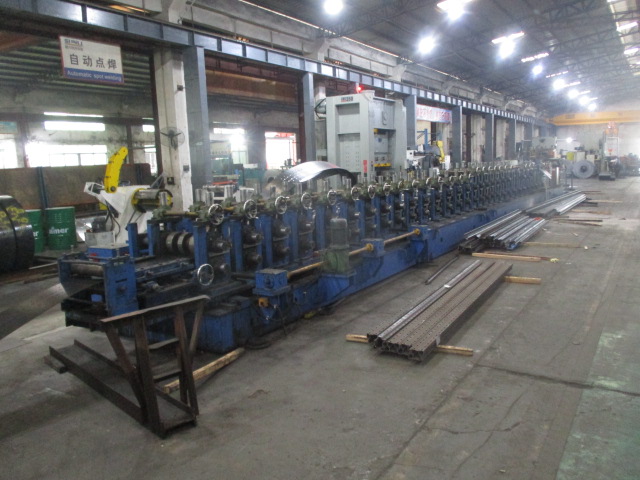
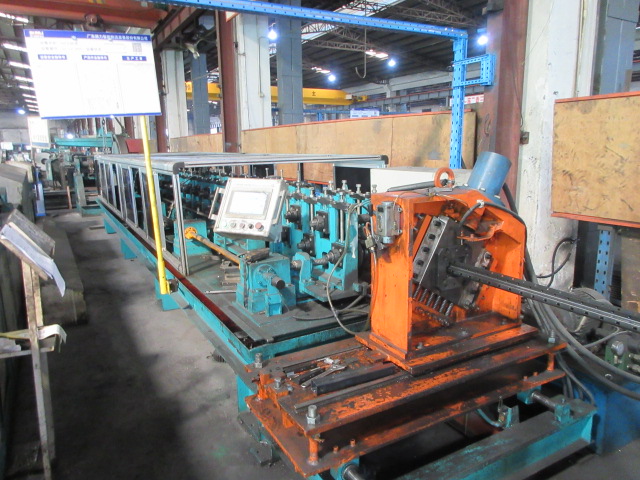
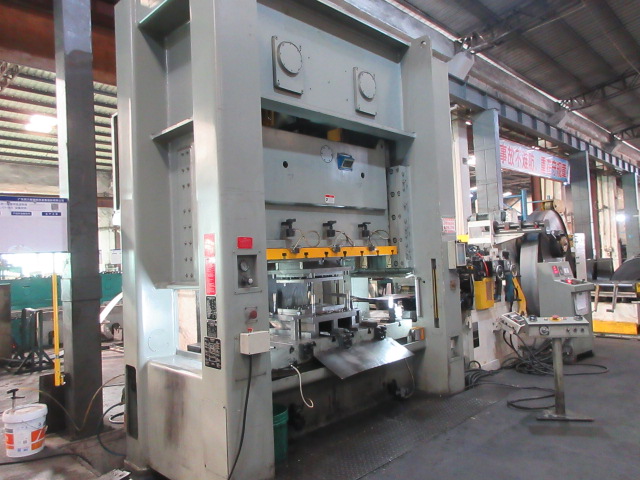
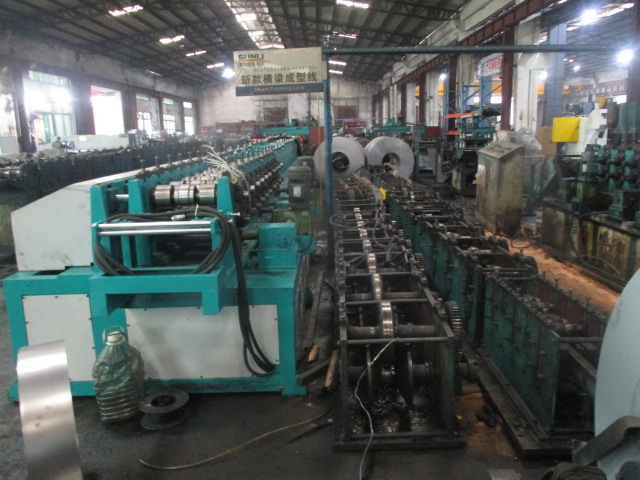
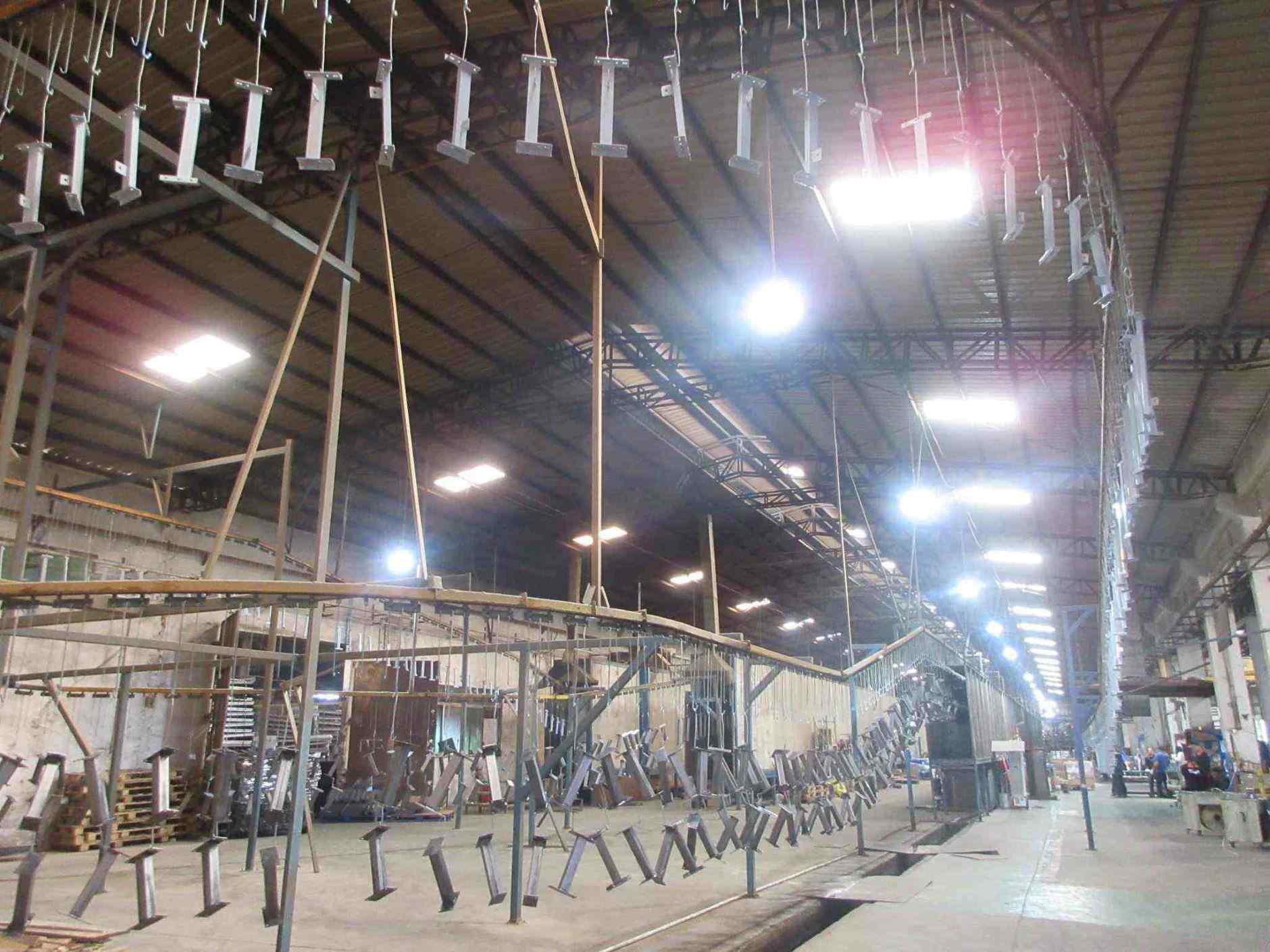
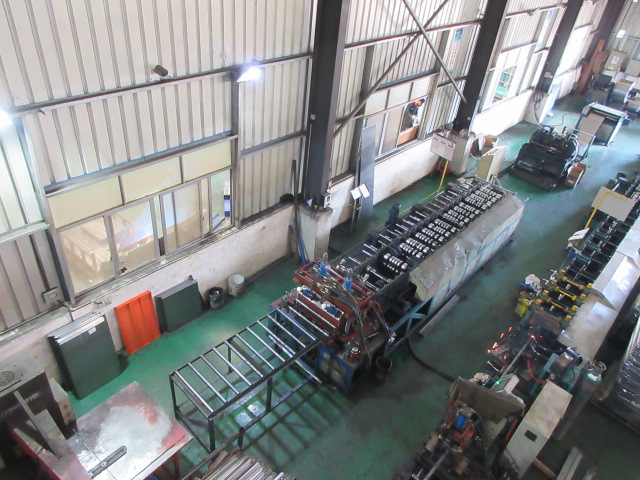
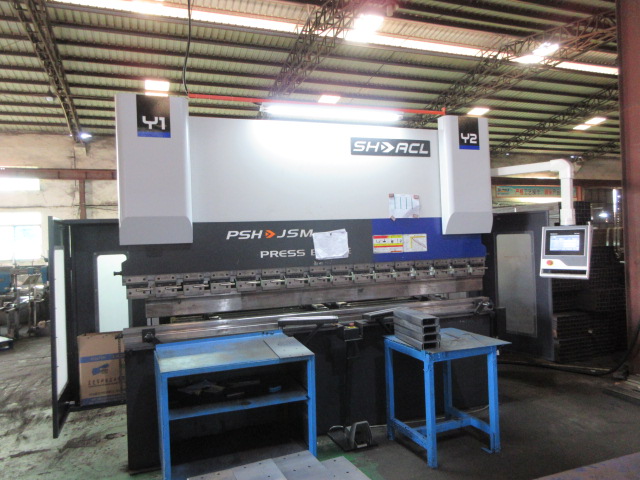
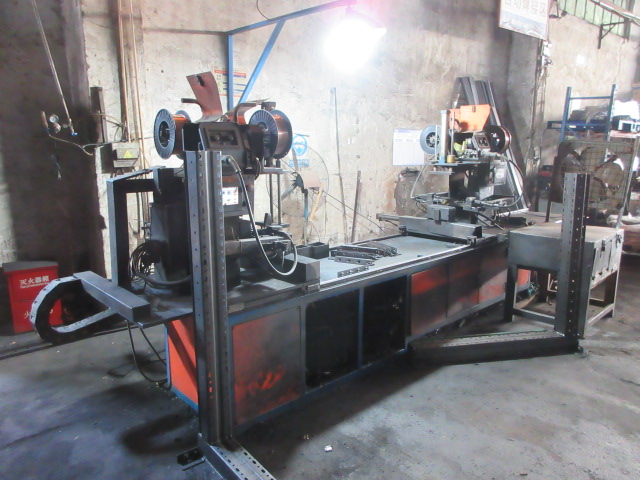
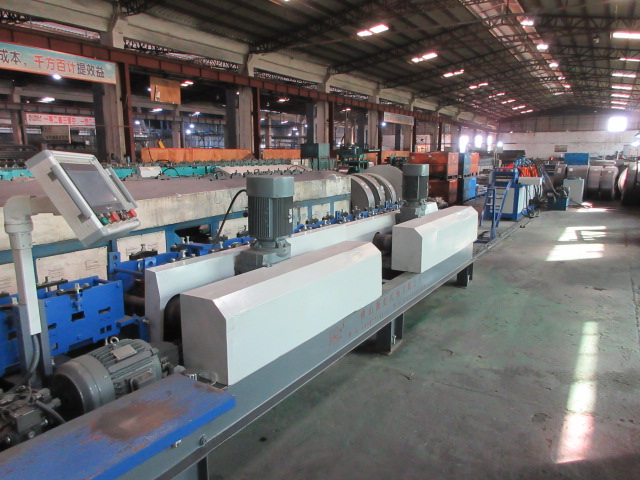
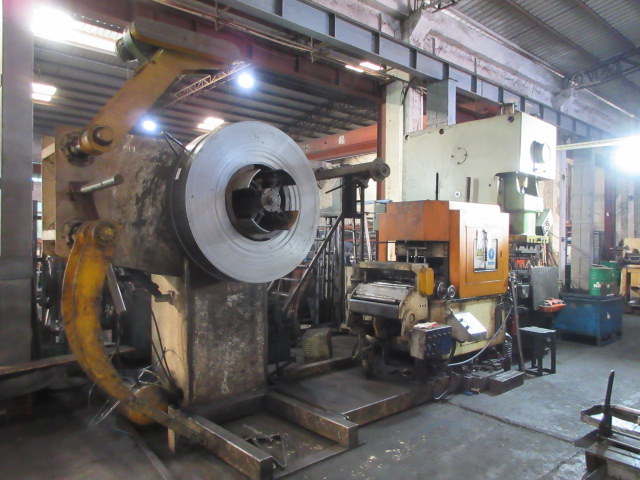
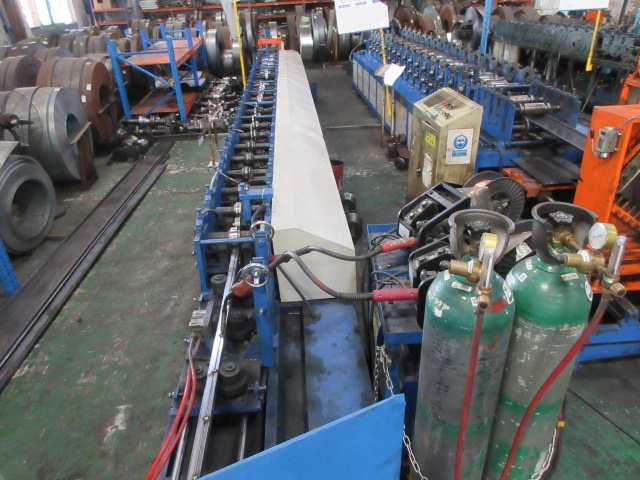
At Shenzhen Sunli Intelligent Logistics Equipment Co., Ltd., production is organized around raw material inspection, rolling lines, cutting, automatic welding, powder coating, molding, assembly, testing and storage. In-house tooling and 28 R&D engineers shorten design iterations, while 35 QC professionals protect specification compliance. This matters when a Novosibirsk buyer needs mixed pallet types, customized beam lengths, ESD protection, mezzanine platforms and AS/RS interfaces in one shipment.
OEM/ODM options include tailored load capacities, custom rack dimensions, color powder coatings and integrated automated shuttle systems. More than 800 supply-chain partners support components and project delivery. For international buyers, modular and knock-down packaging reduces container volume and crane-handling risk; pre-assembled frames can be tested before shipment. The goal is to turn factory efficiency into predictable installation in Novosibirsk, not merely a lower FOB quotation.
Pallet profile, clear height, slab data, fire plan and future expansion are translated into drawings and a bill of materials.
Q235B/Q355B options, upright rolling, beam forming and cutting are controlled against approved specifications.
Fixtures, automatic welding, powder coating and thickness checks support repeatable structural and corrosion performance.
Material review, weld inspection, cross-cut, impact, coating thickness and dimensional checks are documented.
Knock-down packing, corner protection, labels and a load plan help reduce shipping damage and wasted volume.
Drawings, spare parts, anchor guidance and remote engineering support help local partners install correctly.
A standard warehouse rack specification should be adjusted for temperature cycling, condensation, dust, floor conditions and fire safety before the purchase order is issued.
Novosibirsk's continental climate can push interior temperatures below -30°C in unheated spaces, while heated warehouses still experience sharp temperature gradients at dock doors. Steel generally performs well in cold environments, but the full system must be reviewed: steel toughness where low-temperature service is specified, powder-coating adhesion, galvanized protection in condensation zones, anchor design, base plates, beam locks and water-trapping details. A rack that performs well in a dry, temperate warehouse may not be the right specification for a Siberian cold-chain or unheated facility.
Professional buyers should also separate “cold storage” from “unheated storage.” Cold stores may involve high humidity, washdown, ice buildup and strict hygiene; unheated warehouses may involve dust, frost heave at doors and wide temperature swings. The coating system, steel grade, anchor type and inspection interval should follow the actual operating environment, not a generic catalog description.
| Specification area | Recommended review for Novosibirsk | Acceptance evidence |
|---|---|---|
| Steel grade and toughness | Q235B for general duty; Q355B for heavy-duty or long-span designs. Where the project specification calls for low-temperature service, request verified impact-toughness evidence rather than assuming a standard certificate is sufficient. | Mill certificate, grade traceability, structural calculation and approved drawings. |
| Coating system | Powder coating with defined thickness, adhesion and impact performance; zinc galvanizing or combined protection for high-condensation zones. Review edge coverage and drain/vent details. | Coating thickness report, cross-cut adhesion test, impact test and salt-spray data where specified. |
| Load and deflection | Capacity per pair of beams and per level, upright load, beam deflection, safety factor and load pattern. Do not accept a single “kg” figure without the design basis. | Engineer-stamped or signed calculations, load plates, beam and upright capacity tables. |
| Floor and anchors | Slab thickness, concrete strength, anchor pull-out, base-plate size, shimming and floor flatness. Ice and frost movement at doors should be considered in the layout. | Site survey, anchor calculation, installation method statement and pull-out test where required. |
| Fire and life safety | Sprinkler clearance, aisle width, egress, column protection, beam locks and housekeeping. Local fire-code review should be completed before final layout approval. | Fire-safety layout, accessory list, column-protector schedule and installation checklist. |
| Packaging and transit | Knock-down packing, VCI/desiccant where appropriate, corner protection, bundle labels and container load plan for rail or road transfer. | Packing list, loading plan, photo inspection before shipment and spare-parts list. |
The same city can require very different storage systems: a multi-client 3PL, a cold-chain distributor, an e-commerce fulfilment centre and a machinery-parts warehouse rarely share one racking specification.
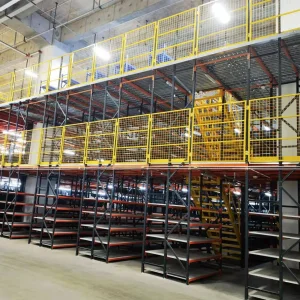
Multi-tier shelving, mezzanine pick platforms, carton flow areas and flexible layouts for fast-moving SKUs serving Novosibirsk and Tolmachevo logistics corridors.
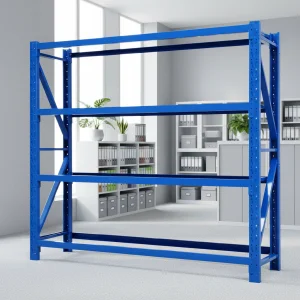
Adjustable selective pallet racking and long-span shelving allow reconfiguration when a new client, SKU profile or seasonal contract arrives.
Corrosion protection, condensation planning, hygienic layouts and robust components for temperature-controlled and unheated transition zones.
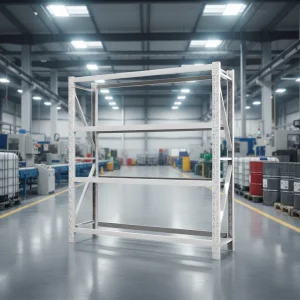
Heavy-duty industrial shelf racks, column protectors and mezzanine platforms for spare parts, steel products, tools and maintenance inventories.
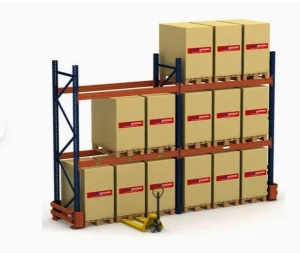
Selective pallet racking, high-density layouts and protected aisles for fast replenishment and stable inventory control.
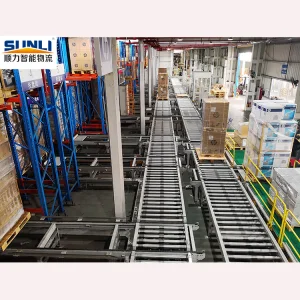
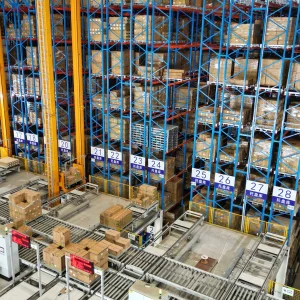
AS/RS pallet rack, laser-navigation forklifts and interface planning for warehouses moving from manual to automated operations.
For projects that require multi-level access, long-span picking, heavy-duty platform racking or a customized mezzanine, these four systems extend the Novosibirsk solution set.
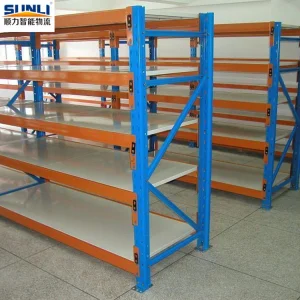
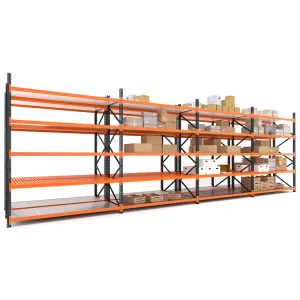
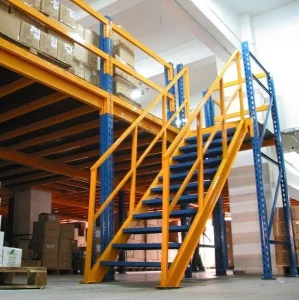
Use this checklist before comparing prices. It helps separate a commodity quotation from a project-ready steel pallet system.
Global buyers are turning warehouse infrastructure into a lifecycle decision: design, automation, safety, delivery and service all enter the same evaluation.
Higher density, less labor dependence and tighter inventory control are driving automated pallet storage.
Warehouses are using every meter of clear height to offset land and construction costs.
Food, pharma and e-grocery growth require corrosion protection and condensation-aware layouts.
3D models, laser surveys and digital twins reduce rework before installation begins.
Beam locks, column protectors, load plates and inspection plans are becoming standard scope.
Powder coating, recyclable steel and reduced packaging support corporate ESG reporting.
Adjustable racking and bolted mezzanines help 3PLs reconfigure for new clients.
Spare parts, inspection intervals and local installation support now influence supplier selection.
For Novosibirsk buyers, supplier authority should be visible in factory processes, engineering depth, QC evidence and export experience — not only in a product photograph.
Established in 2015, Shenzhen Sunli Intelligent Logistics Equipment Co., Ltd. is a leading manufacturer specializing in heavy-duty industrial racking and smart warehouse storage solutions. Operating from a modern production facility spanning 38,000 m², we leverage over 12 years of industry experience and 8 years of international trade expertise to serve global logistics and industrial sectors. Our high-performance storage solutions generate an annual export revenue ranging between $18 million and $25 million, with core markets spanning North America, Western Europe, Southeast Asia, and the Middle East.
Quality and precision are central to our operations. Our dynamic team of 35 dedicated QC professionals implements rigorous product inspection methods, including full raw material load-bearing analysis, high-precision weld seam testing, and comprehensive anti-corrosion powder-coating thickness checks. Driven by strong R&D capabilities, our team of 28 skilled R&D engineers continuously innovates to meet evolving supply chain requirements, introducing over 120 new products and structural improvements annually.
We offer extensive OEM/ODM custom options, including tailored load capacities, custom rack dimensions, color powder coatings, and fully integrated automated shuttle systems (AS/RS). Backed by a strong network of over 800 supply chain partners, we primarily partner with large-scale 3PL providers, industrial distributors, ecommerce logistics hubs, and global retail enterprises to deliver reliable, efficient, and scalable storage infrastructure worldwide.
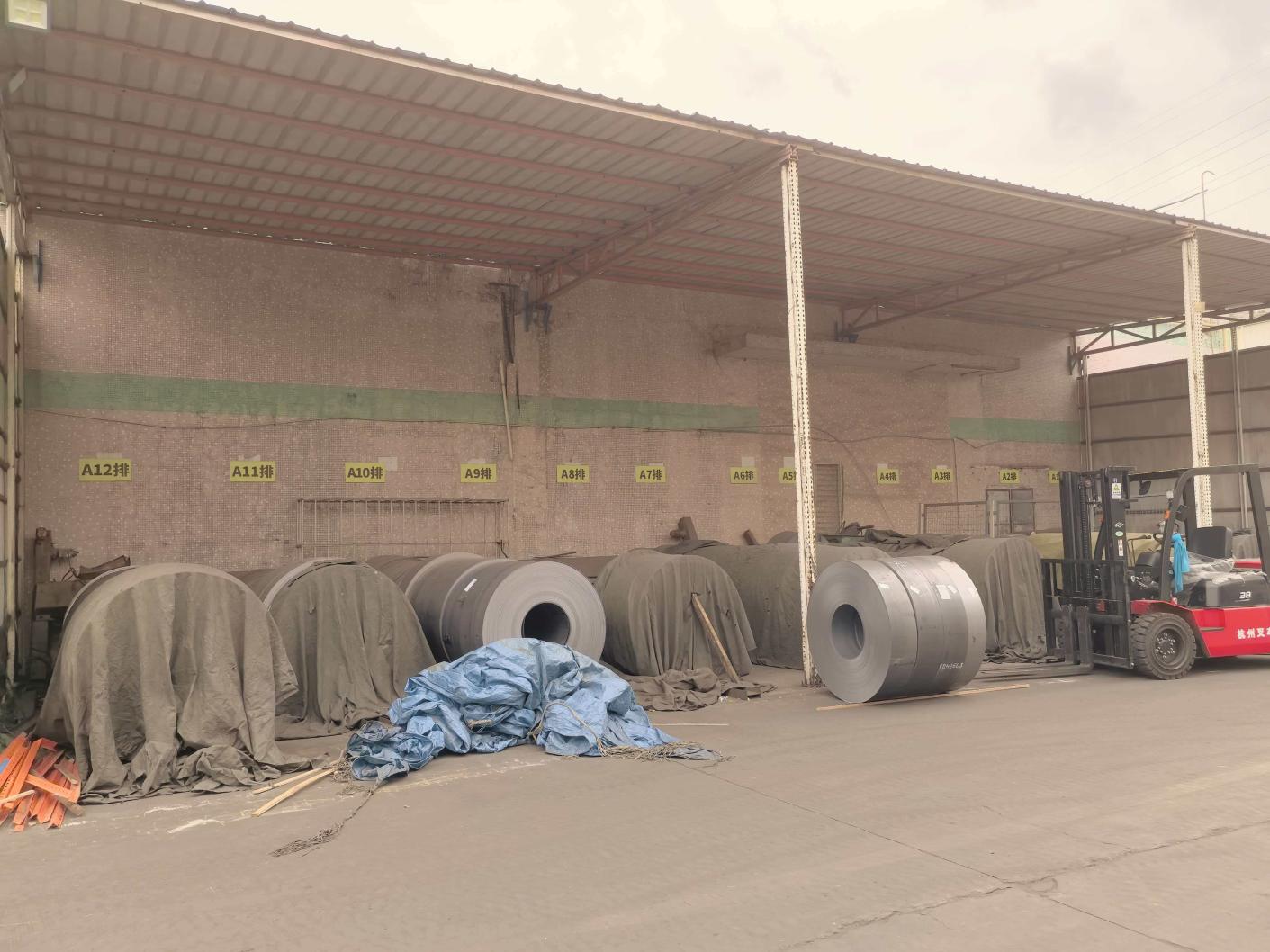
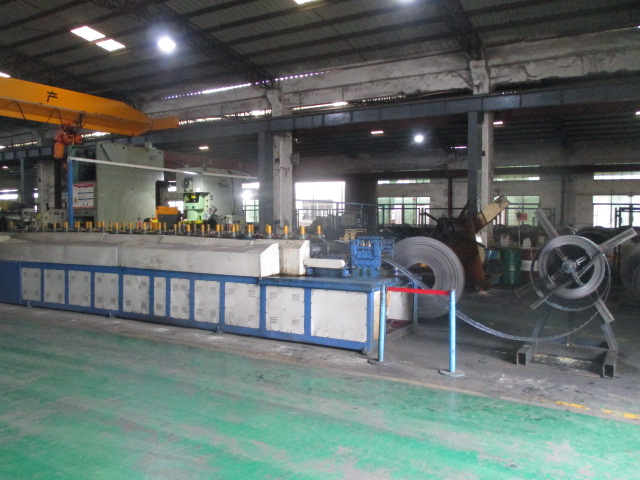
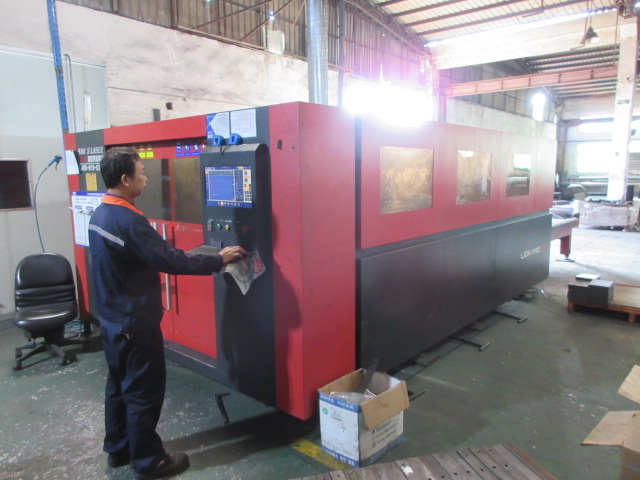
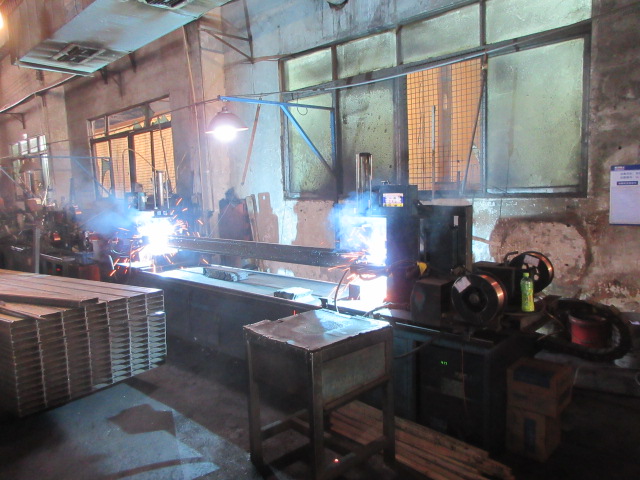
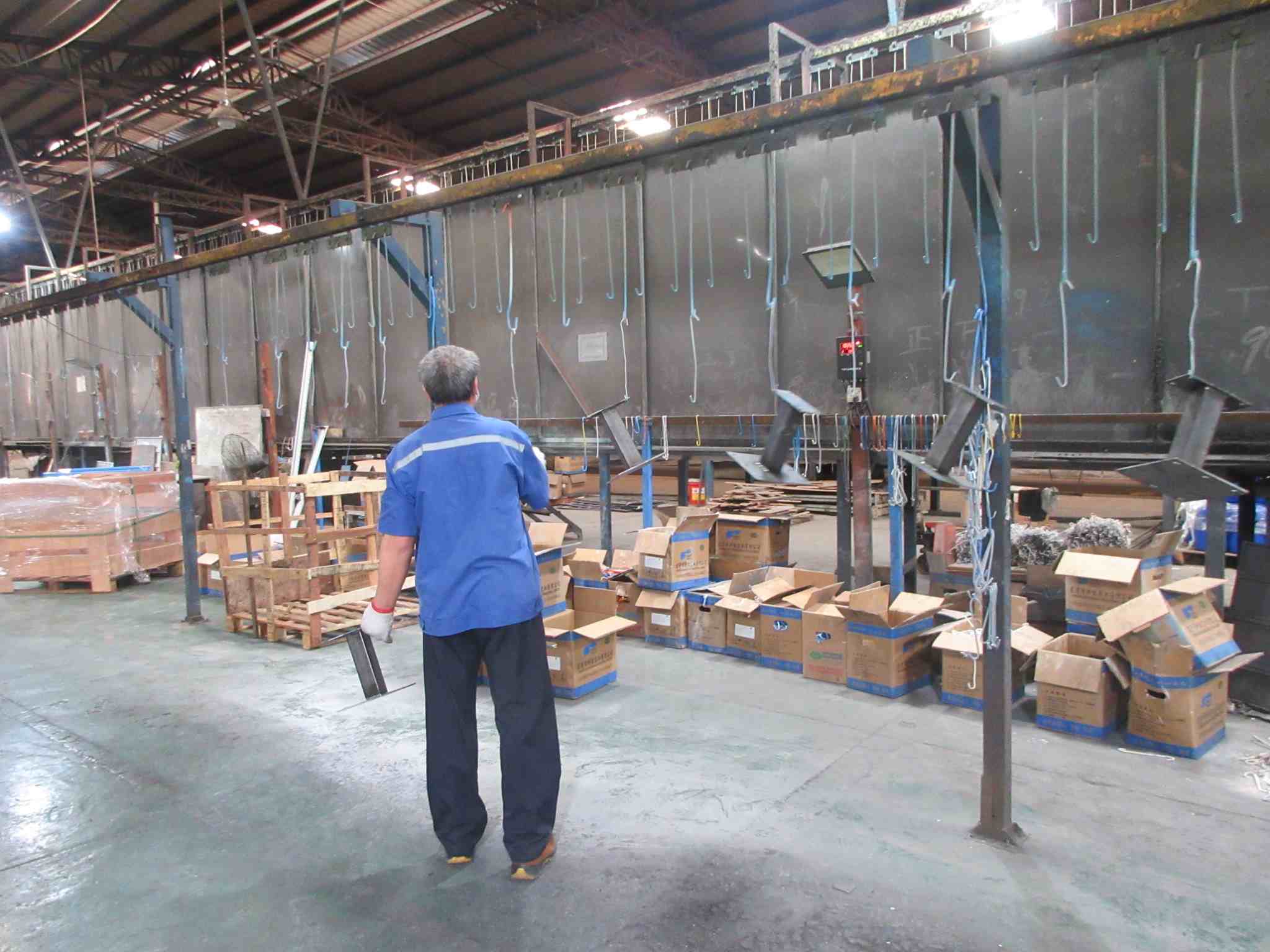
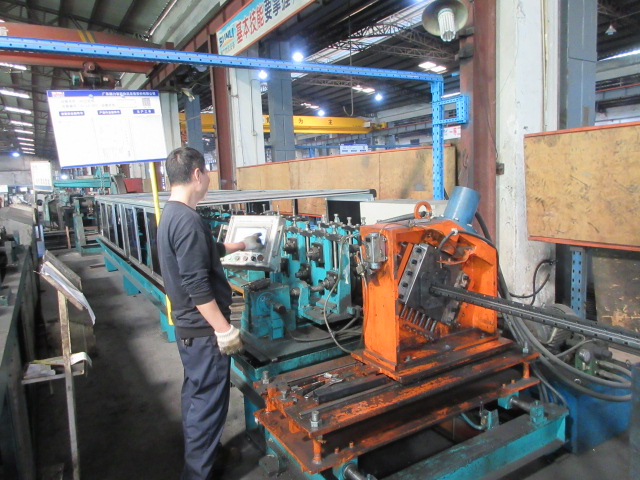
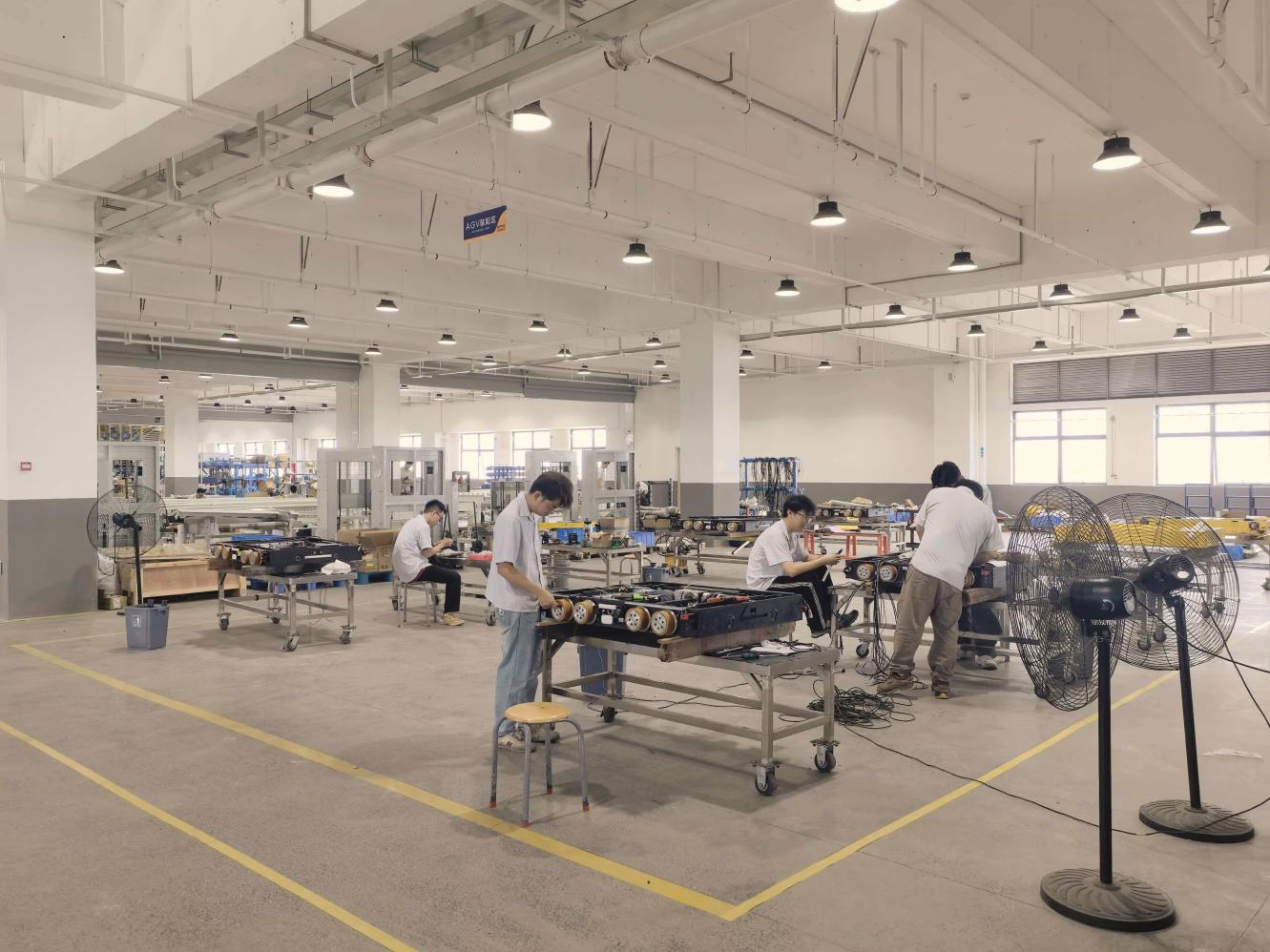
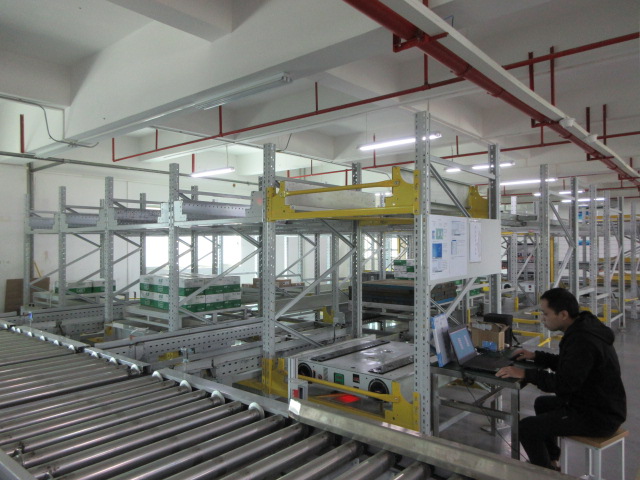
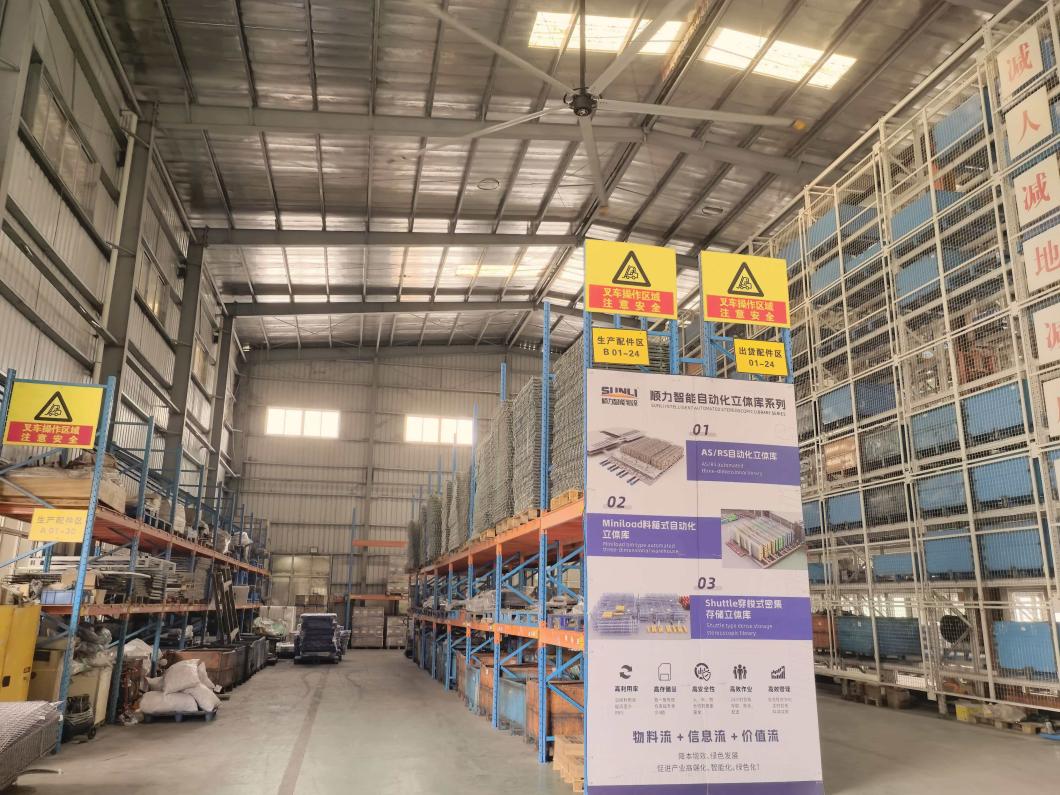
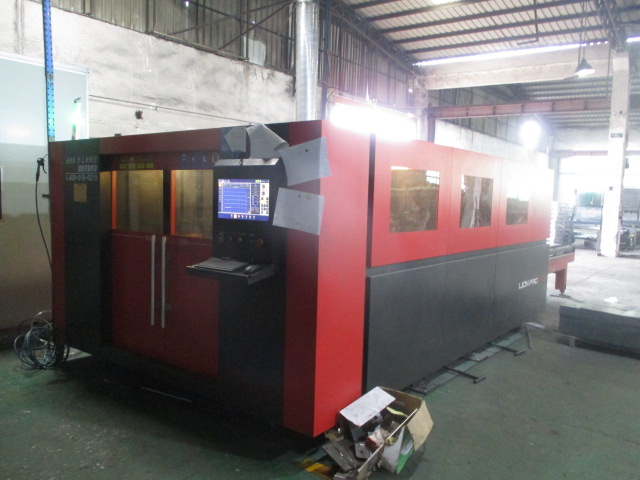
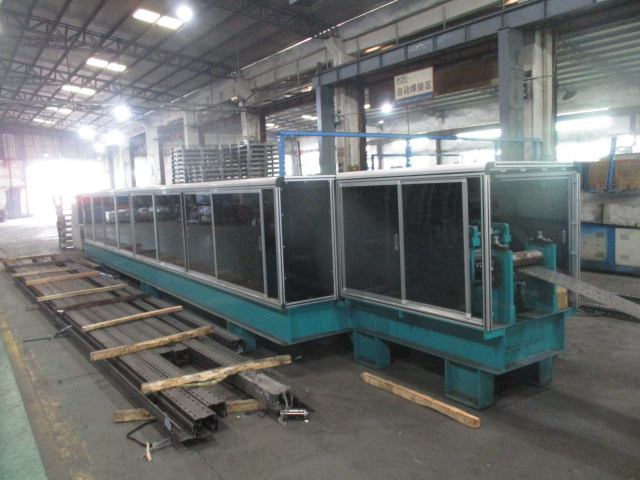
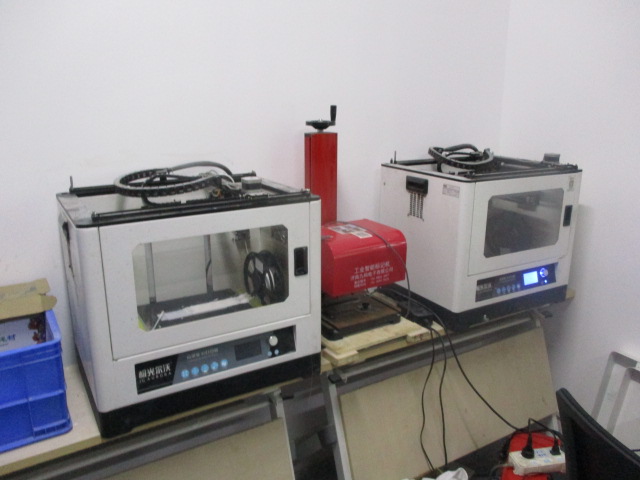
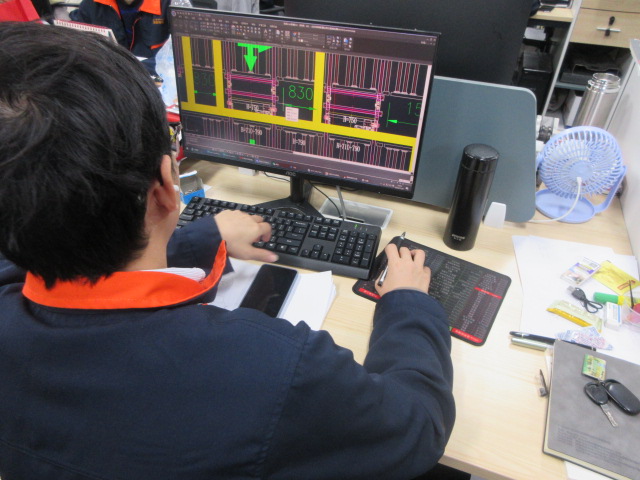
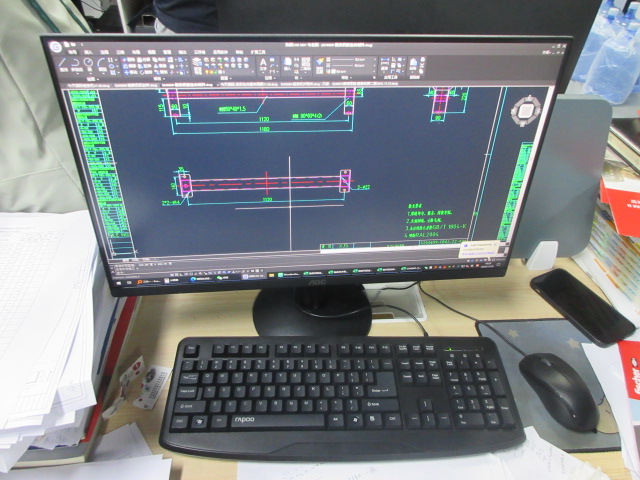
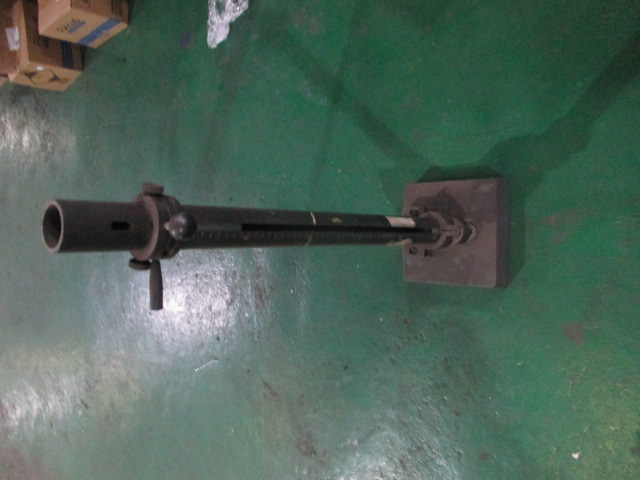
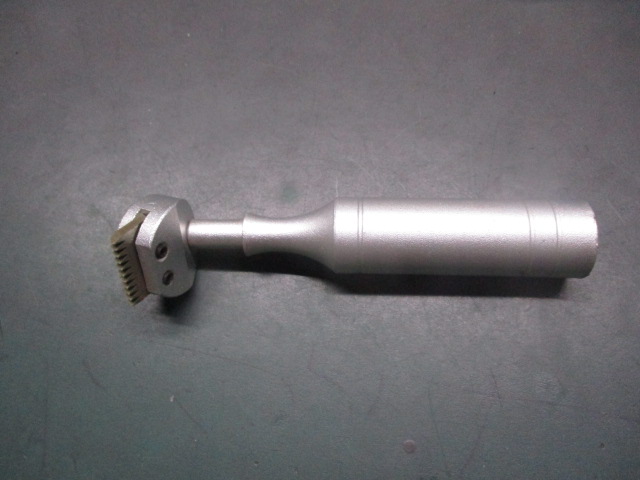
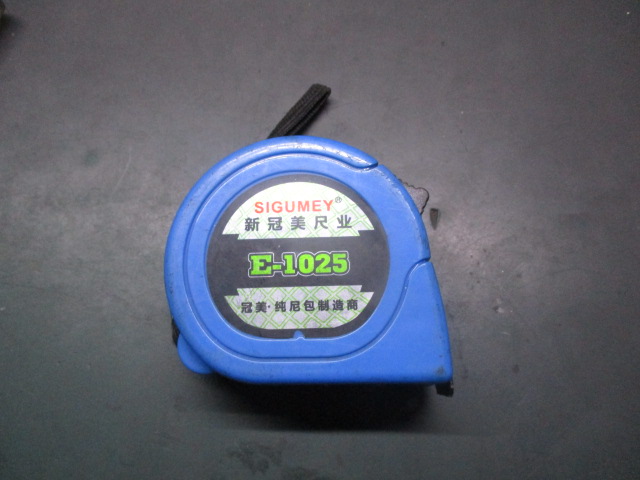
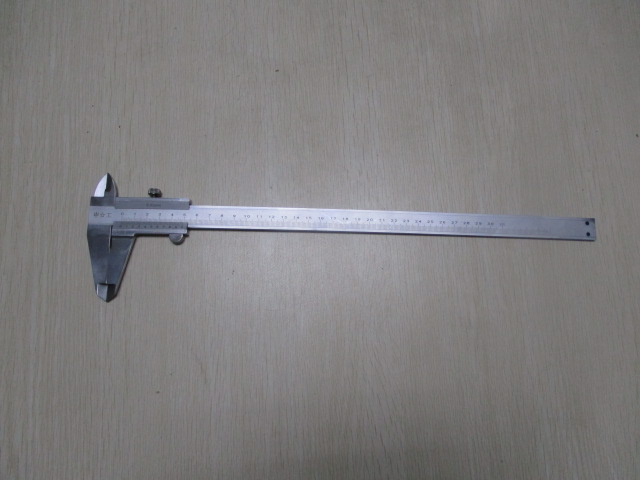
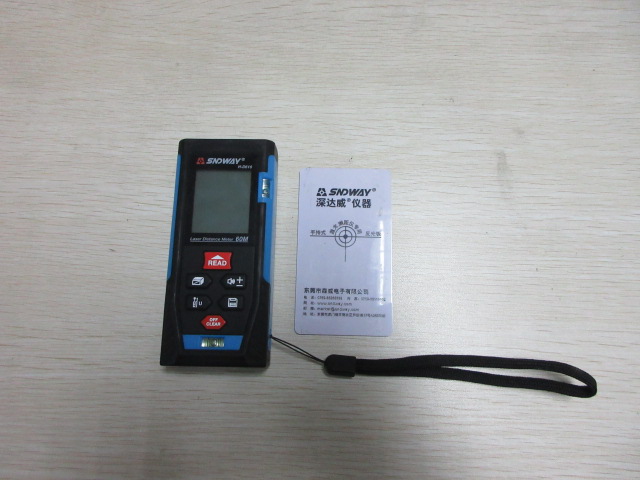
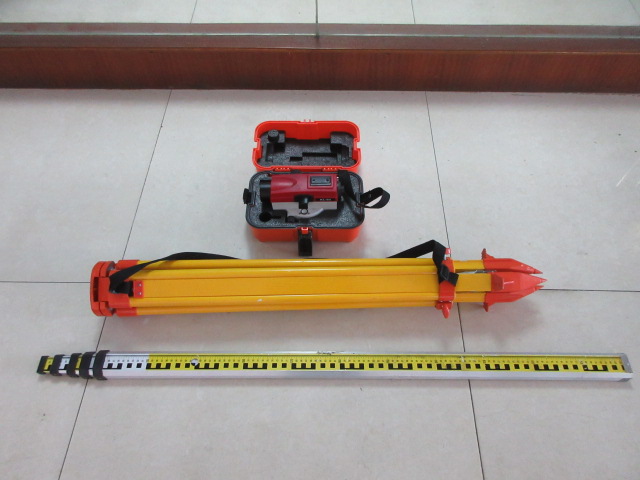
The images below preserve the original factory process and equipment references, from raw material and rolling to coating, assembly, testing, storage and laboratory inspection.

Practical answers for procurement, engineering and operations teams evaluating steel pallet racking, shelving, mezzanine and AS/RS for Novosibirsk.
Yes, but the system should be specified for the actual temperature range and moisture conditions. Review coating adhesion, condensation zones, steel toughness where the project specification calls for low-temperature service, floor anchoring and water-trapping details. A generic indoor rack may not be the right choice for an unheated facility with freeze–thaw cycles at dock doors.
Q235B is common for general warehouse racking, while Q355B may be preferred for heavier loads, longer spans or more demanding structural designs. The grade alone does not define capacity; beam section, upright section, bracing, connection design, load pattern and safety factors must be evaluated together.
Start with pallet weight, pallet dimensions, beam length, number of levels, upright height, load pattern and floor conditions. Capacity should be stated per pair of beams, per level and per upright, with deflection limits and safety factors. For enterprise projects, require drawings and calculations rather than relying only on a catalog label.
Production time depends on drawing approval, material availability, coating requirements and order volume. Transit time depends on rail, road or sea-plus-rail routing, customs clearance and seasonality. A practical inquiry should include required delivery date, destination city, Incoterms and whether partial shipments are acceptable so the factory and freight forwarder can provide a realistic schedule.
Rail is often attractive for Siberia because it can combine cost and inland reach; road may be suitable for urgent or smaller shipments; sea-plus-rail can work for larger consolidated orders. Knock-down packing, bundle labels, corner protection and a container load plan are important because the cargo may be transshipped before final delivery.
Yes. The product range includes AS/RS pallet racking, automated warehouse systems and laser-navigation driverless forklifts for smart factories. Successful integration requires clear interface definitions with the WMS, floor survey data, tolerance review, pallet quality standards and a clear scope split between racking, automation and local installation partners.
Yes. OEM/ODM options include tailored load capacities, custom rack dimensions, color powder coatings, ESD-protected storage, mezzanine platforms, long-span shelving and integrated automated shuttle systems. A 3D drawing and bill of materials should be approved before production.
Depending on the contract, documentation can include approved drawings, bill of materials, steel certificates, weld inspection records, coating thickness reports, dimensional checks, load-test evidence, packing list, container load plan, installation manual and spare-parts list. Final documentation should be confirmed in the purchase order and technical agreement.
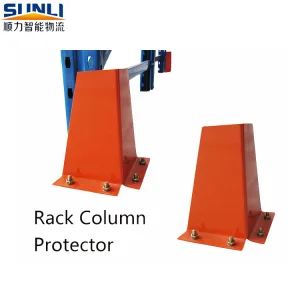
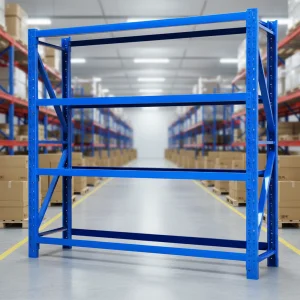
Complete the evaluation with these eight systems: long-span shelving, Q235B mezzanine platforms, AS/RS, column protectors, medium-duty shelving and selective pallet racking for Novosibirsk warehouses and industrial stores.
Send pallet dimensions, load per level, clear height, floor slab data, temperature range and target throughput. Our team can return a configuration, material and coating recommendation, packaging plan and inquiry response for your Novosibirsk project.
Send Inquiry Now SunliRack