Precision-engineered medium and heavy-duty cold rolled steel storage solutions optimized for Gyeonggi-do and Seoul Metropolitan Distribution Hubs.
Analysis of spatial constraints, compliance protocols, and supply chain strategies in South Korea's primary economic zone.
The Seoul Metropolitan Area, representing the industrial heartland of South Korea (encompassing Seoul, Incheon, and Gyeonggi-do), processes over 70% of the nation's e-commerce and logistics volume. With land prices climbing rapidly in hub locations like Yongin, Icheon, and Gwangju, warehouse operators are forced to transition from horizontal storage footprints to complex vertical configurations. High-density racking systems, selective pallet racking, and multi-tier mezzanine shelves have shifted from being optional upgrades to fundamental design baselines.
In response to the "Rocket Delivery" models popularized by local e-commerce giants, modern hubs require rapid-access racking systems that can support intense SKU rotation. Heavy-duty structures must not only handle maximum loads but also optimize vertical space clearance up to the ceiling limit, requiring precise manufacturing tolerance levels that only modern automated production facilities can provide.
SEOUL STRUCTURAL STANDARDS: Industrial storage racks in South Korea must strictly align with domestic safety acts and localized environmental challenges. Designing racking systems for the Korean market requires absolute adherence to structural performance assessments under seismic stress.
South Korea is classified as a region of moderate seismic activity. Under the Korean Design Standard (KDS 41), structural designs must evaluate lateral seismic loads. Storage racks, acting as non-structural building components, must undergo dynamic simulation checks to prevent catastrophic collapse during an earthquake.
Procuring warehouse racking systems from China presents a powerful strategic advantage for Seoul-based operations, balancing cost efficiency with global standards. By collaborating with a dedicated manufacturer like Shenzhen Sunli Intelligent Logistics Equipment Co., Ltd., Korean enterprises achieve substantial benefits:
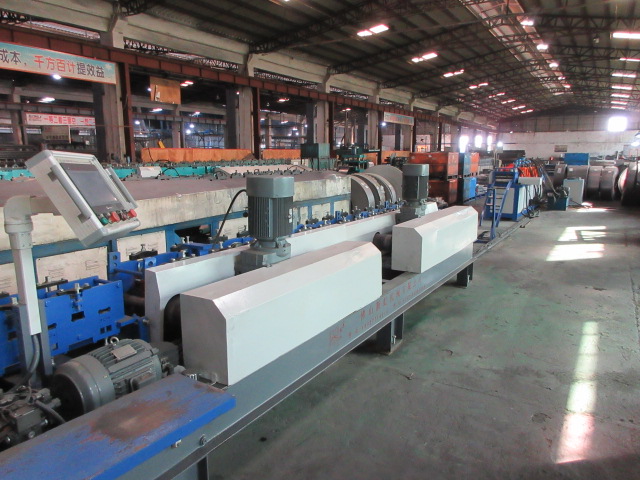
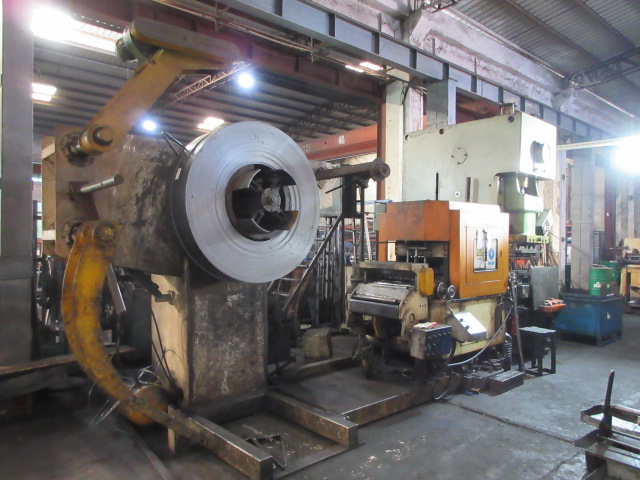
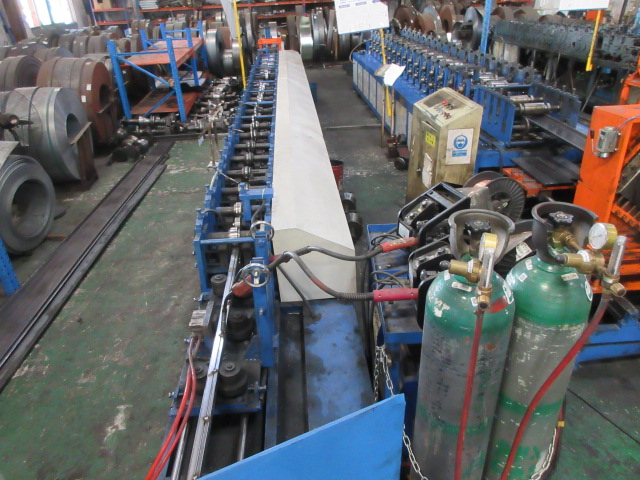
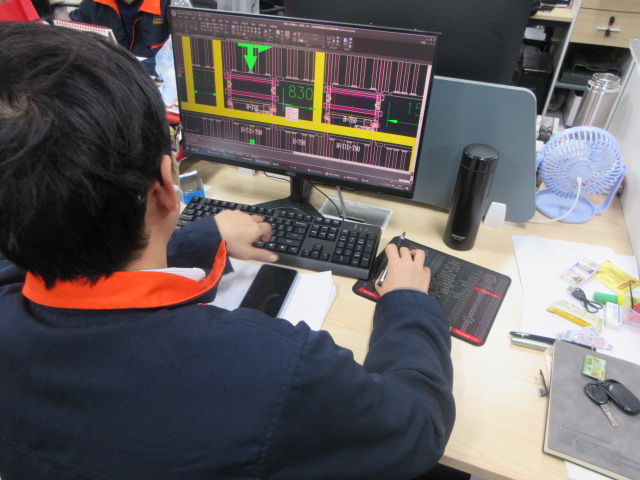
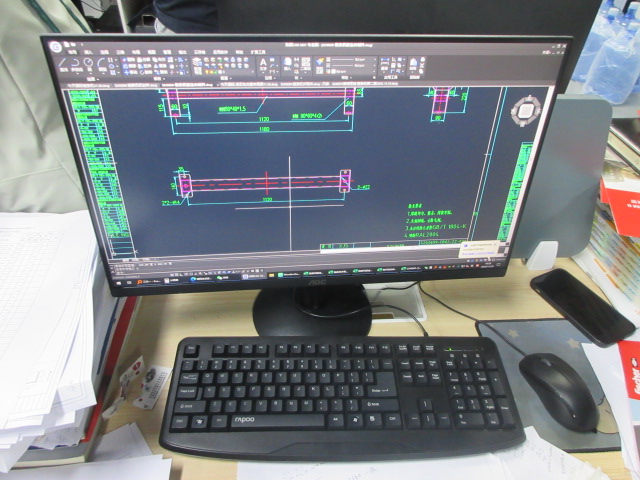
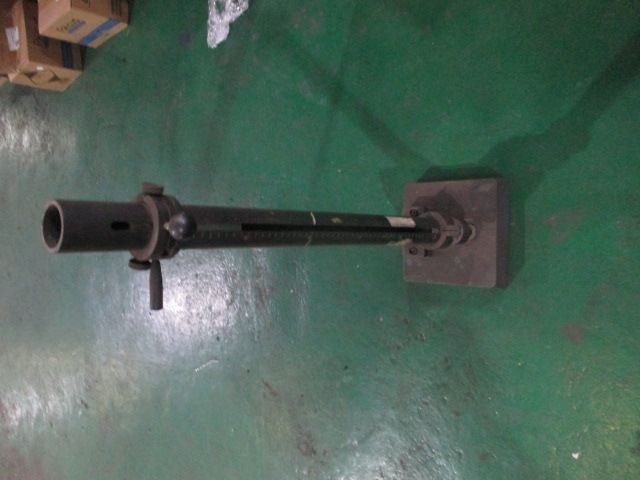
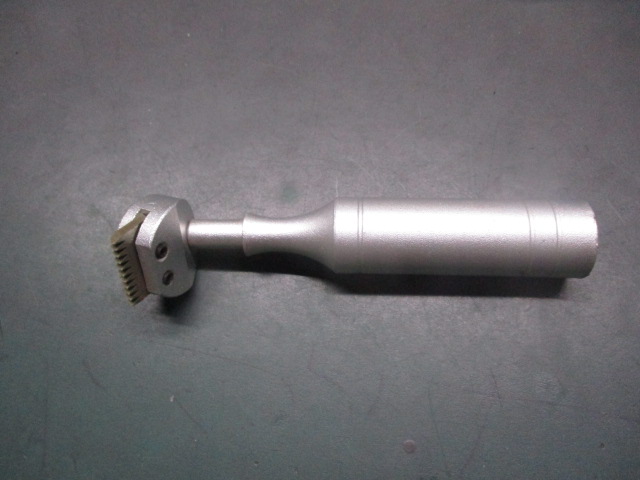
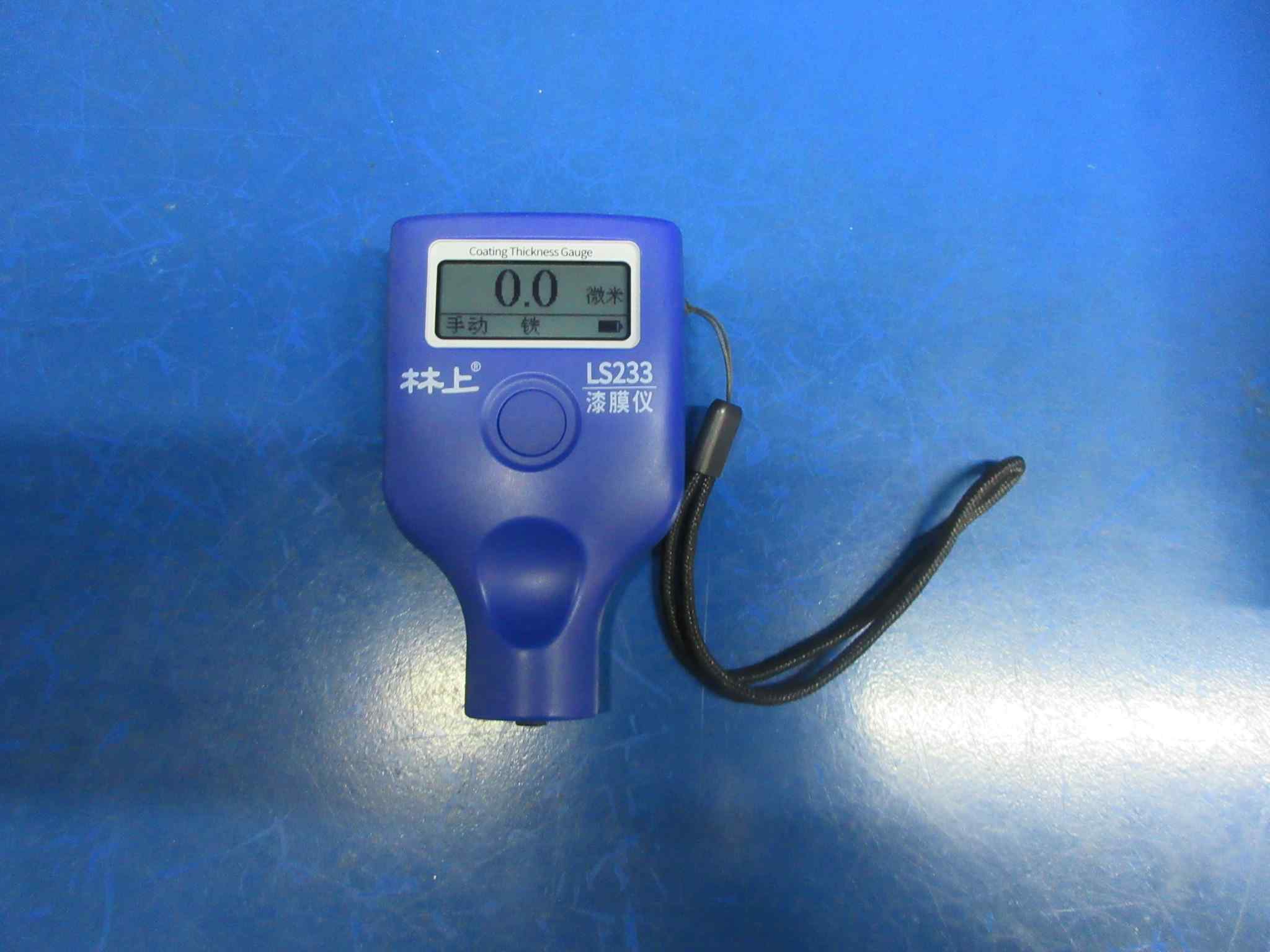
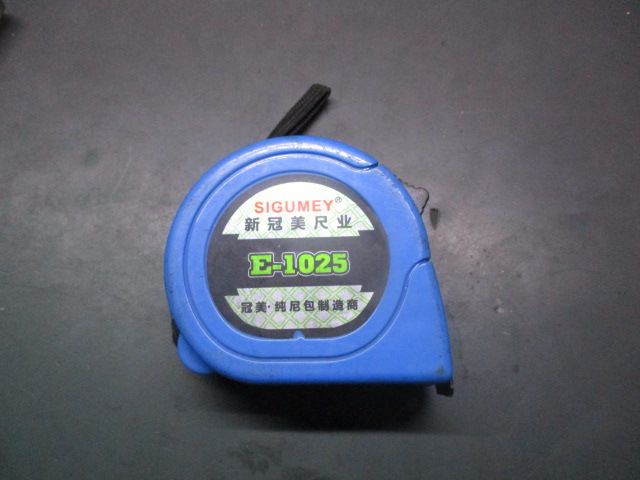
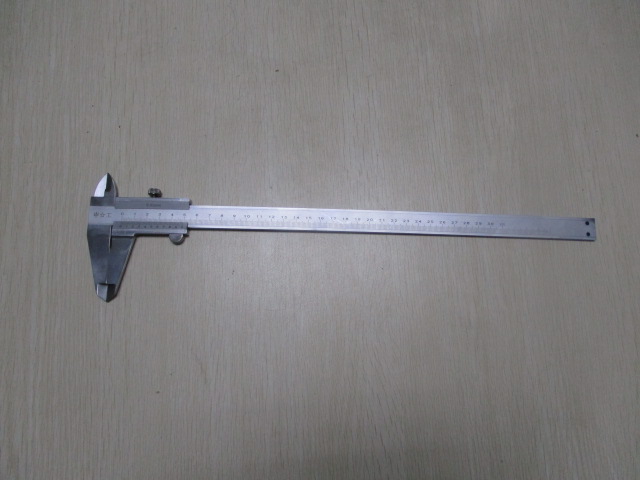
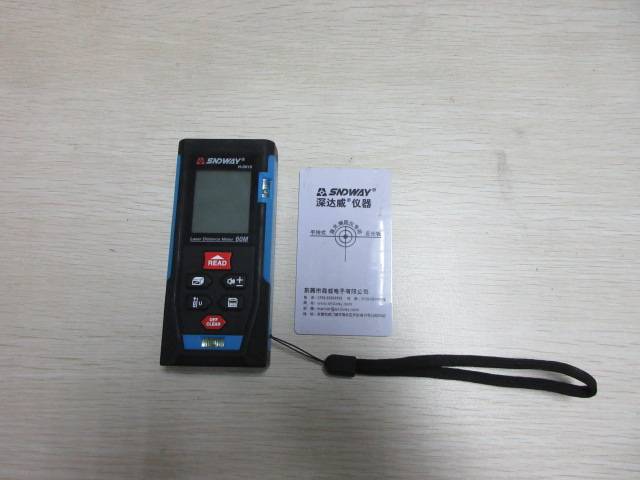
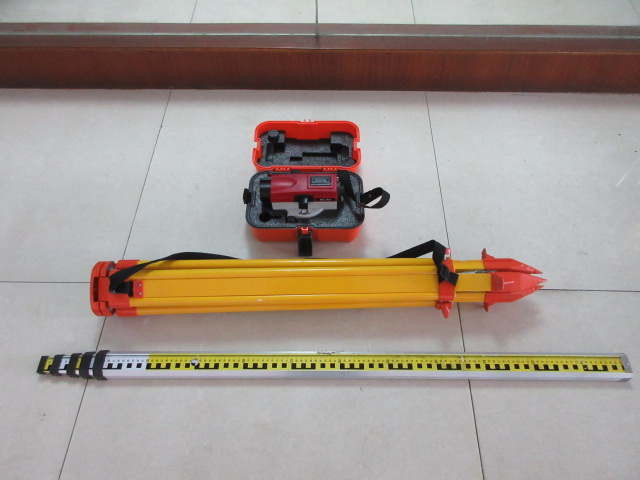
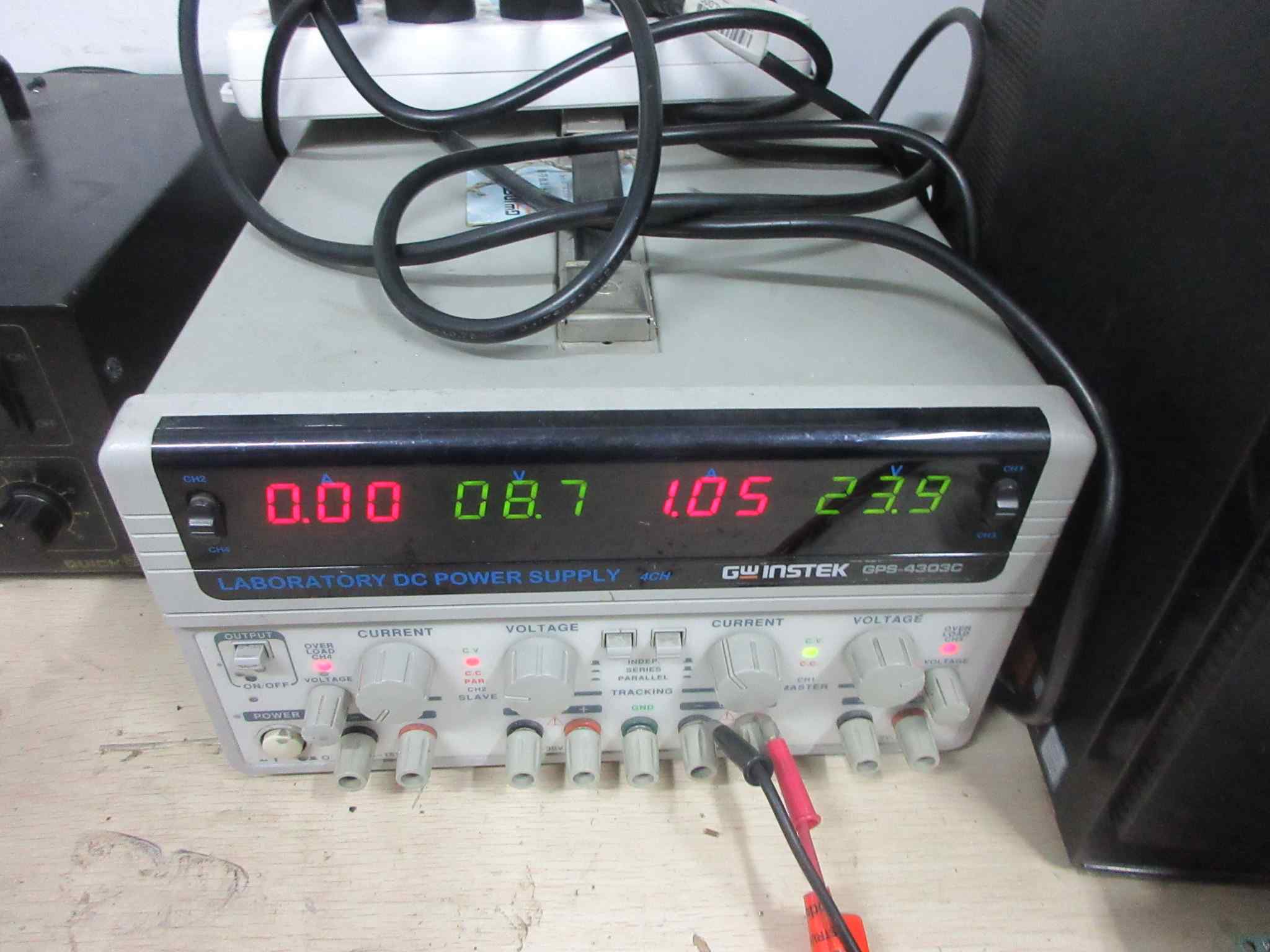
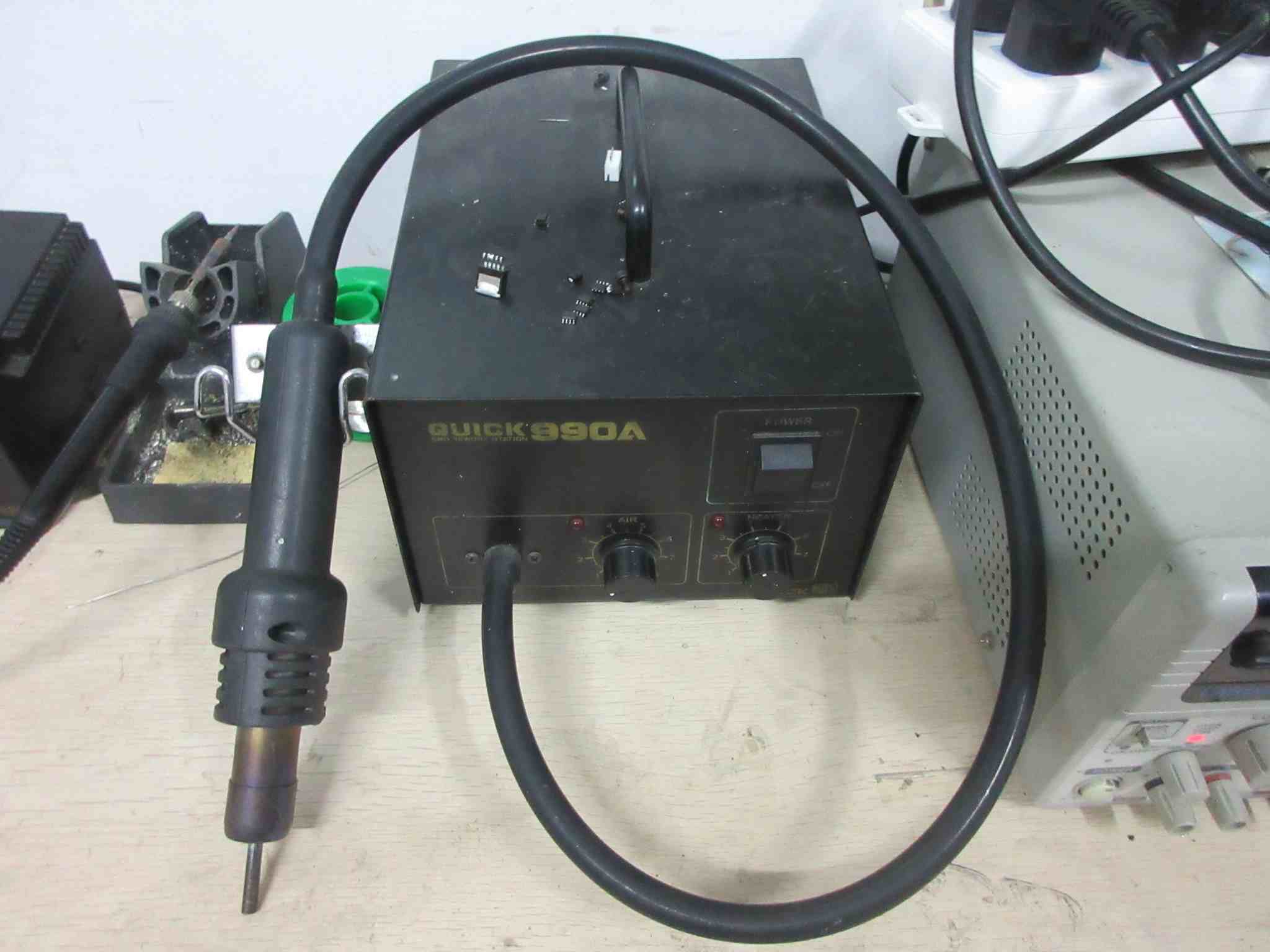
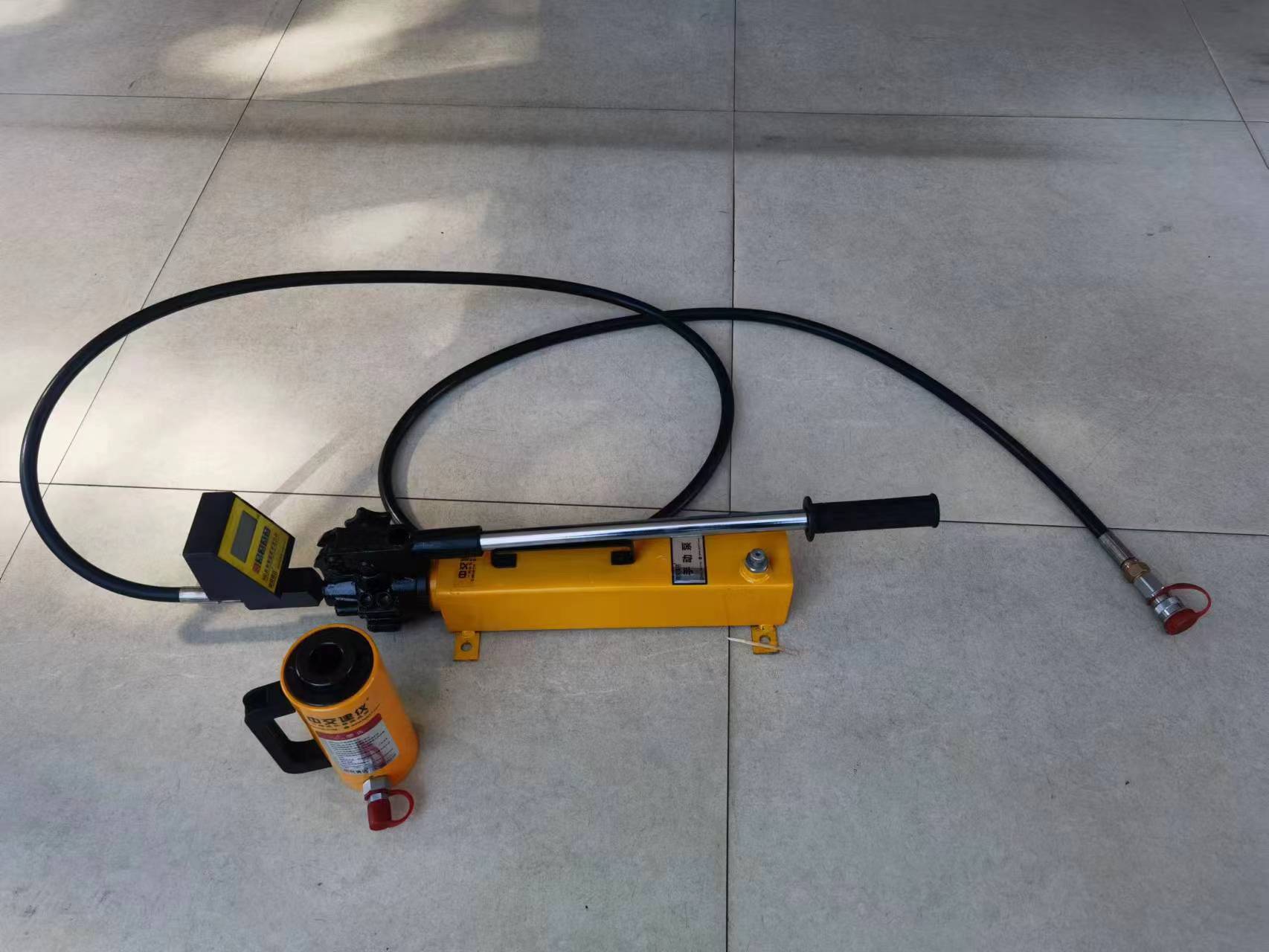
Inside Sunli's 38,000 m² modern manufacturing hub: step-by-step processing and precision testing equipment.
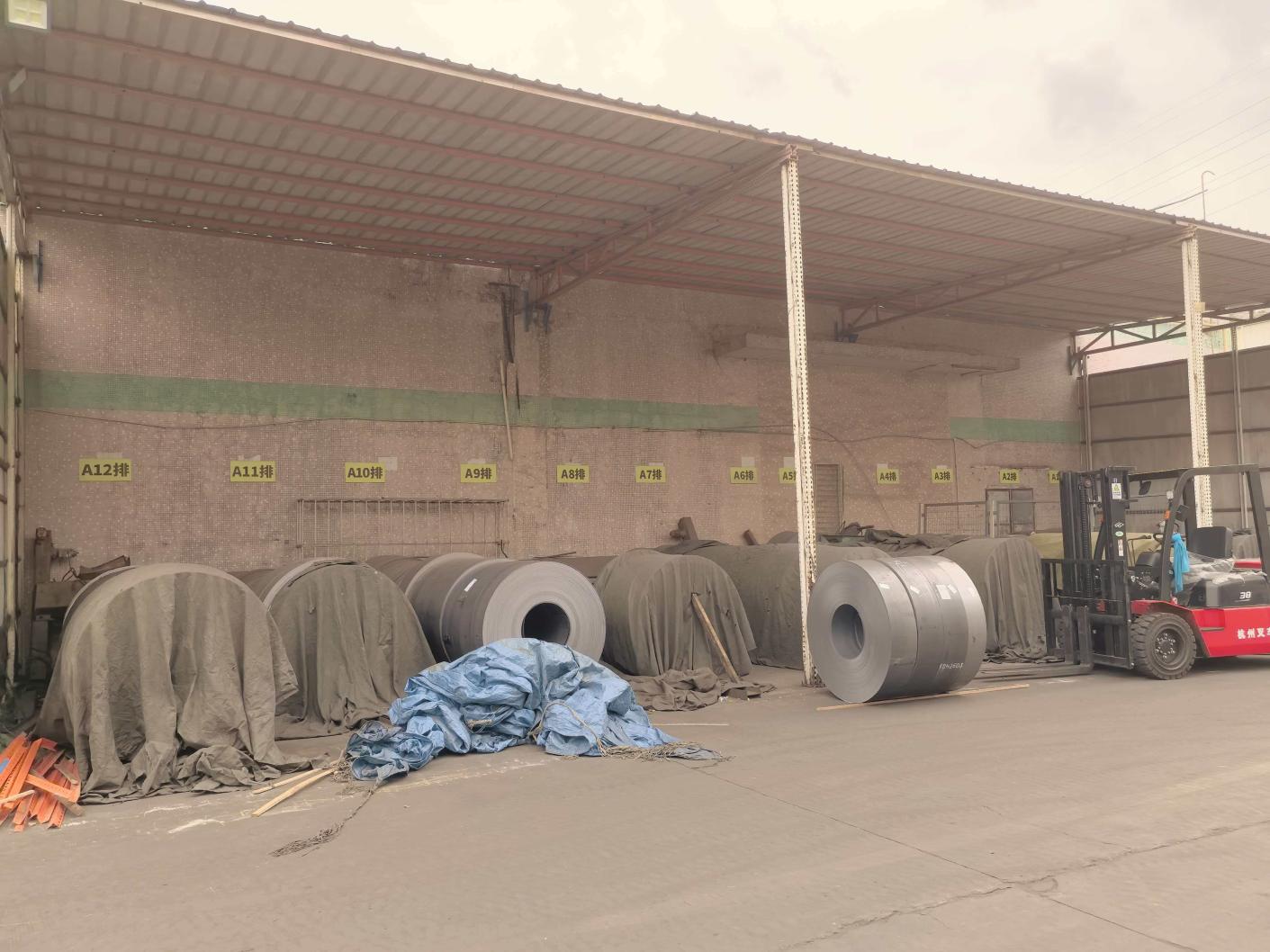
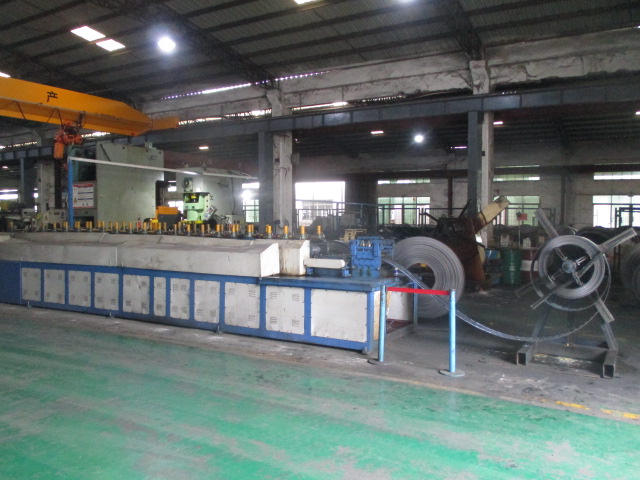
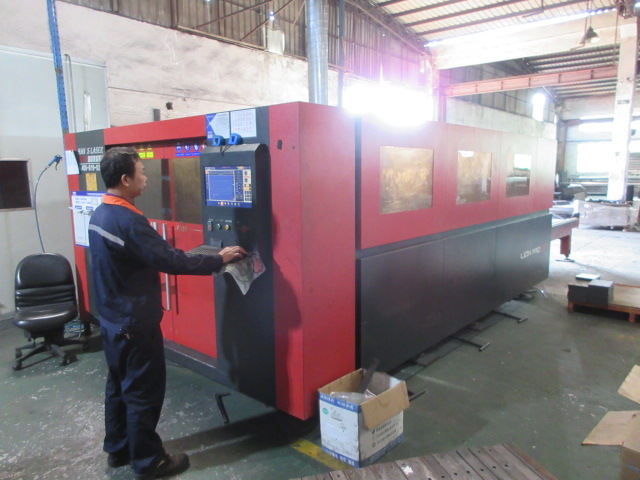
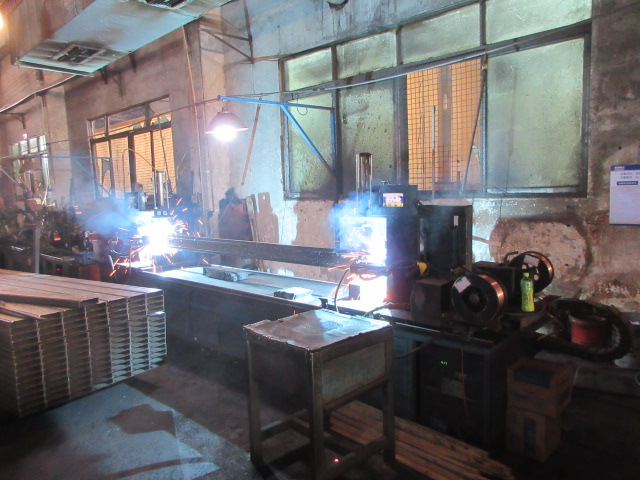
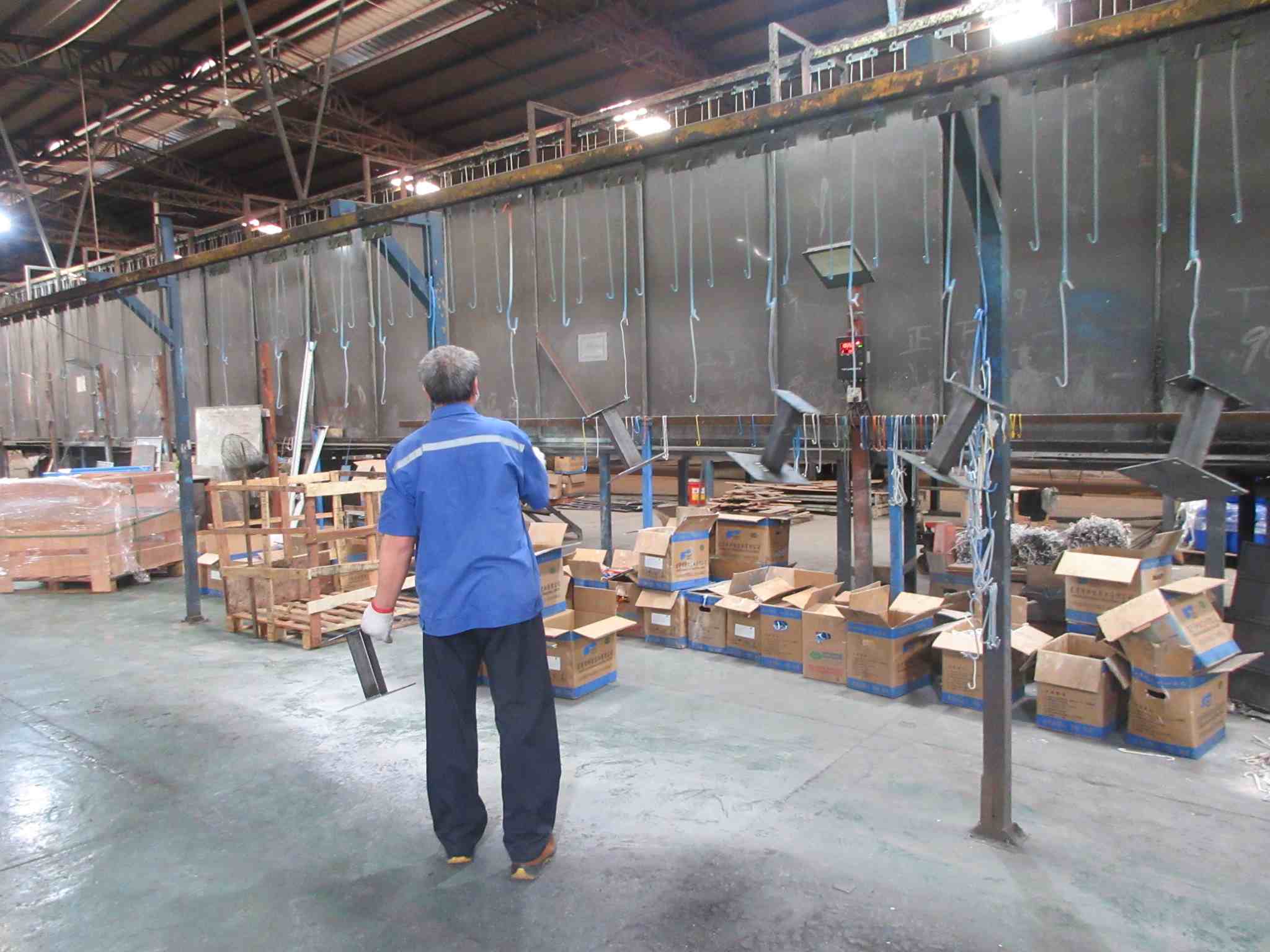
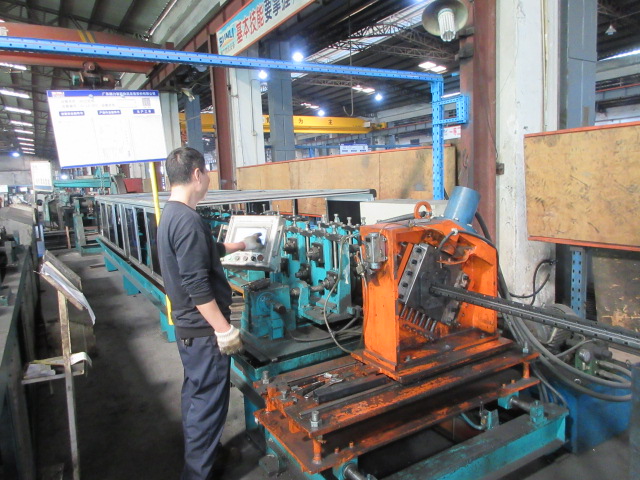
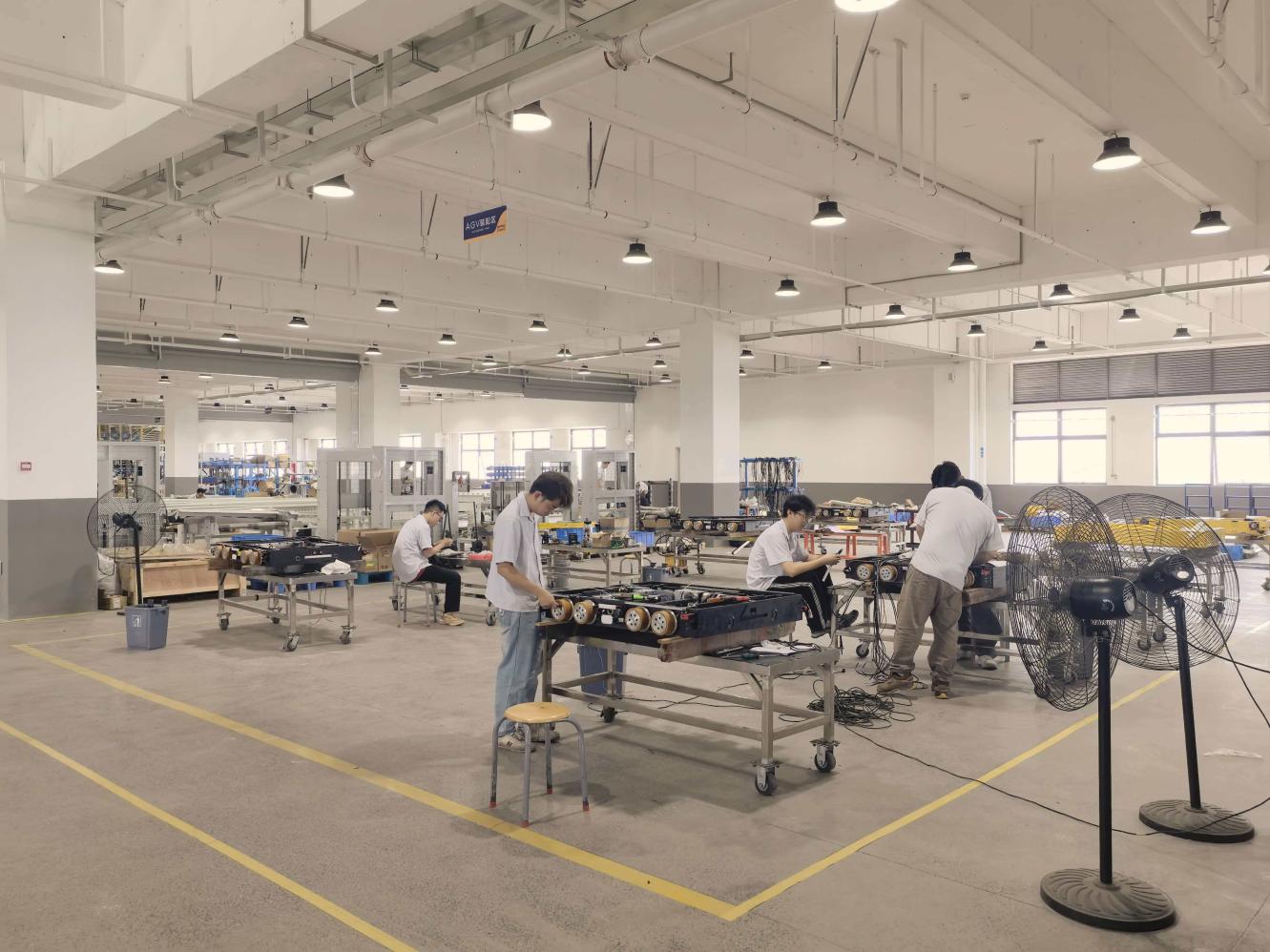
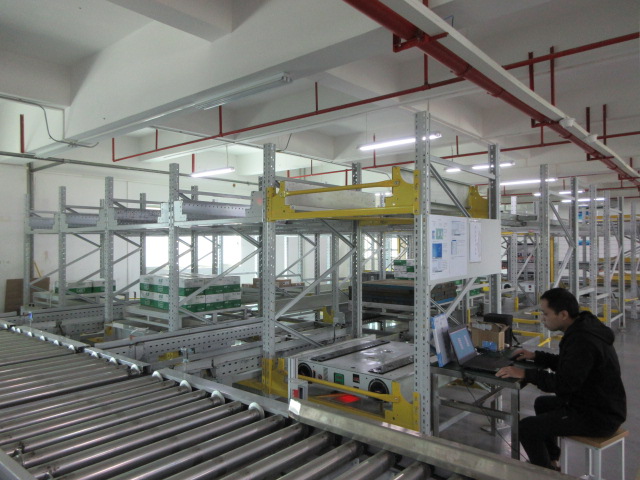
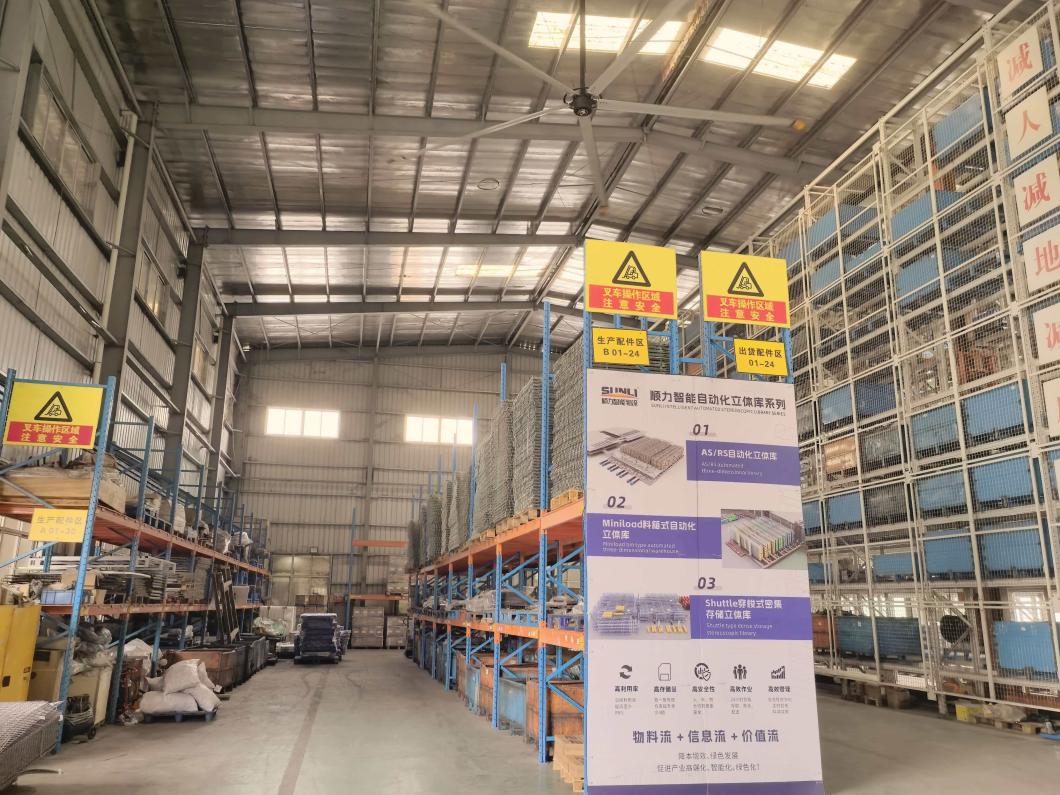
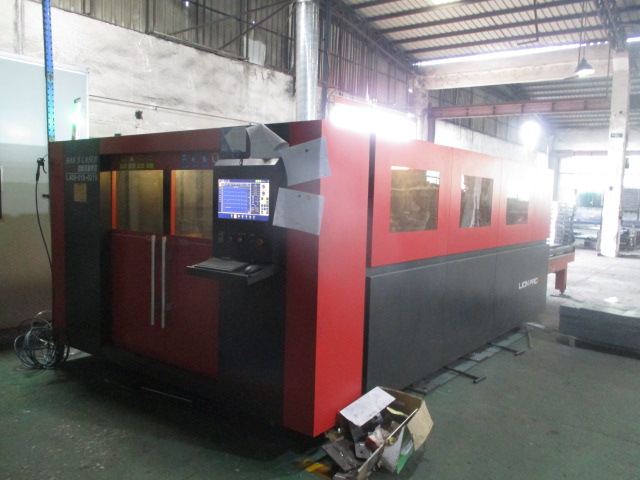
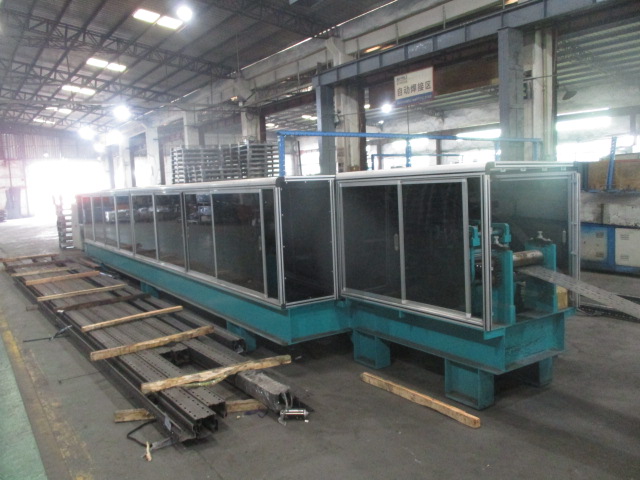
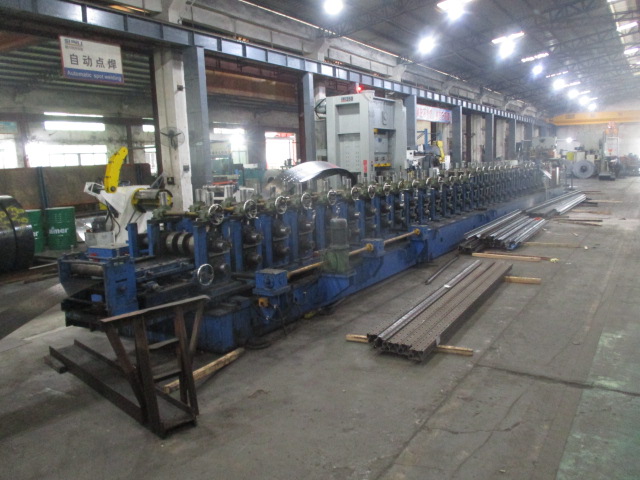
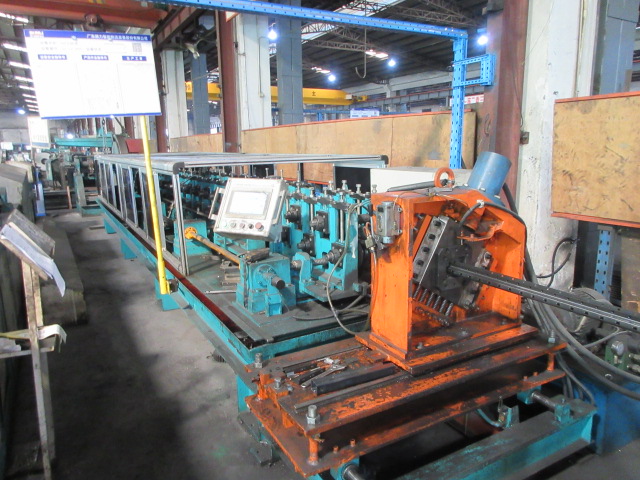
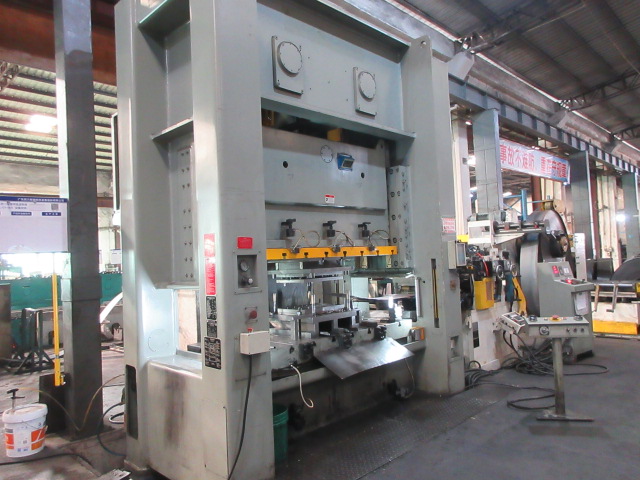
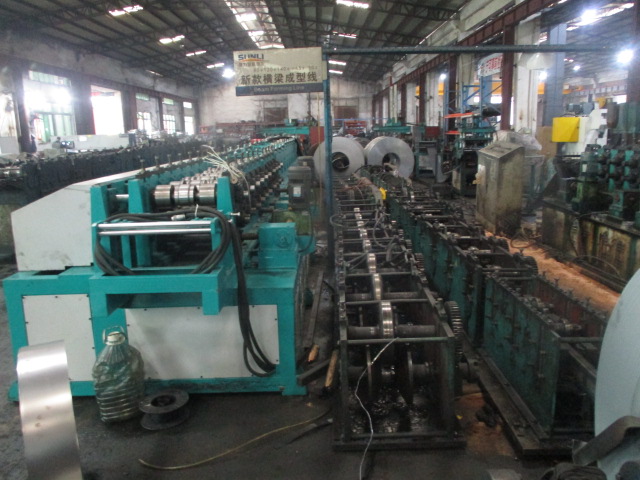
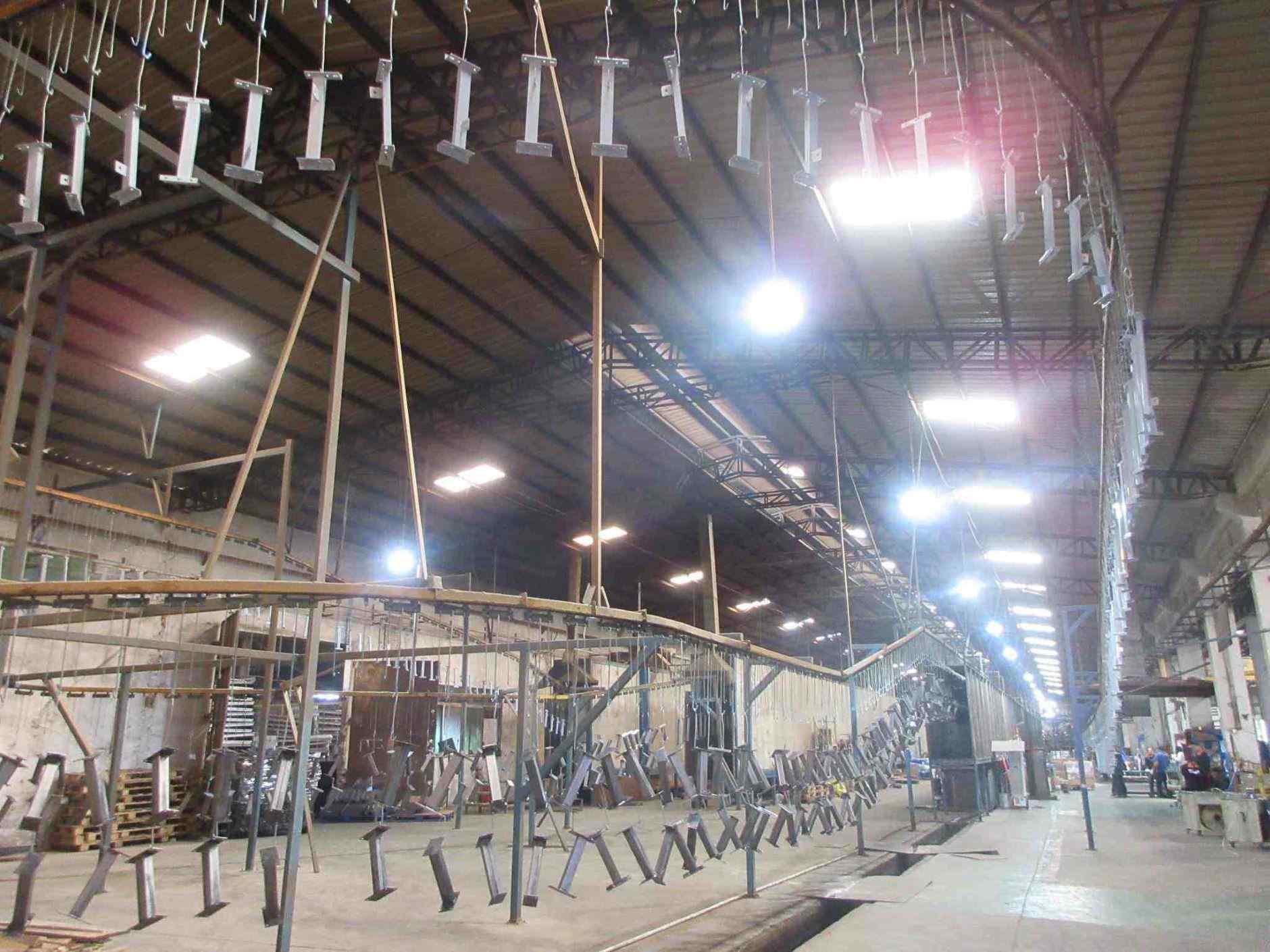
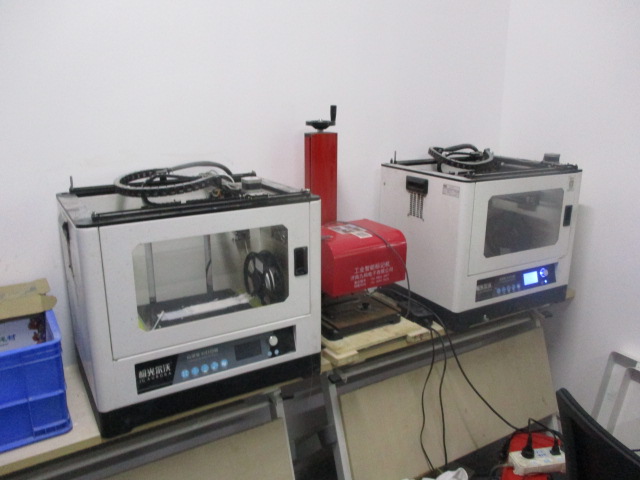
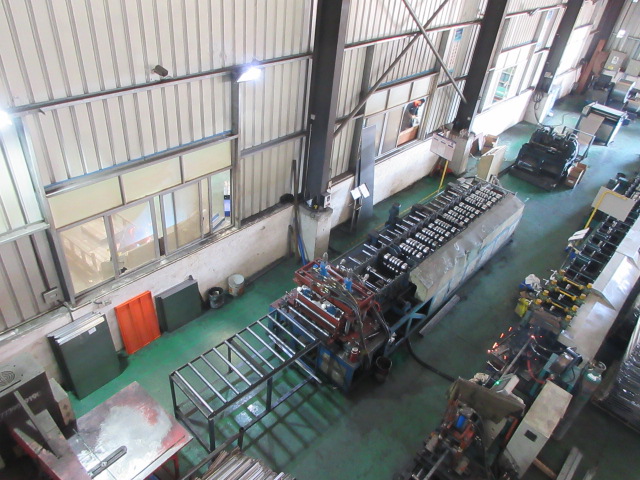
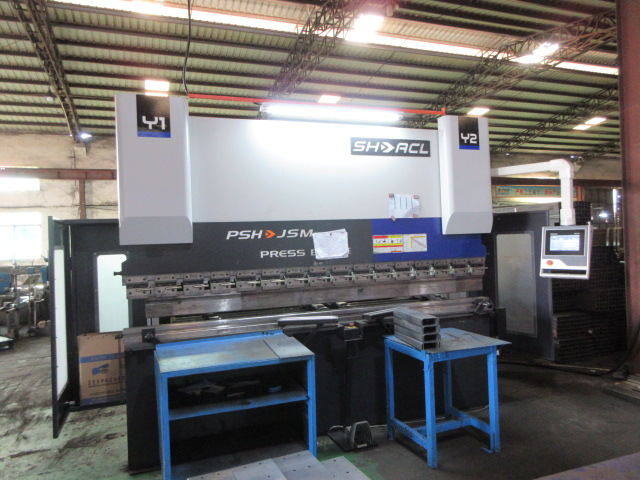
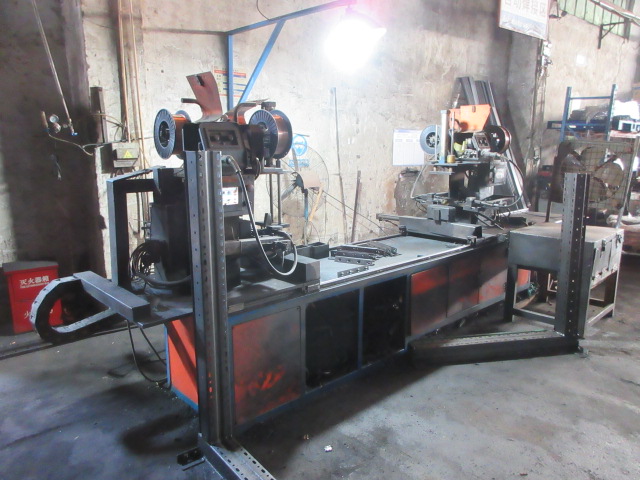
The Korean logistics market is characterized by structural shifts that require tailored racking adaptations. Here are the leading physical implementations currently requested by logistics operations in Seoul:
E-commerce grocery platforms demand sub-zero conditions. Racks must utilize special steel grades resistant to hydrogen embrittlement and high-humidity electrostatic powder coatings to prevent oxidation over years of operations.
Maximizing density using automated shuttle storage systems. Sunli provides high-tolerance upright frames that integrate smoothly with Korean local automation sensors and robot carriages.
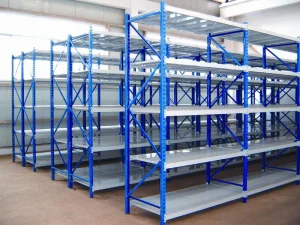
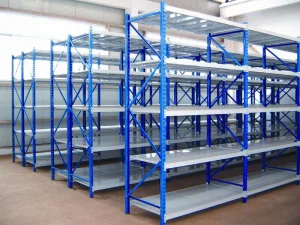
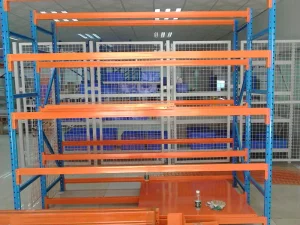
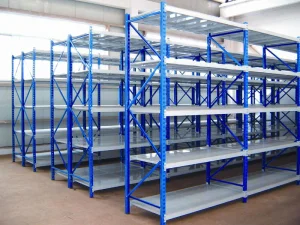
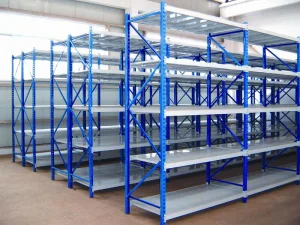
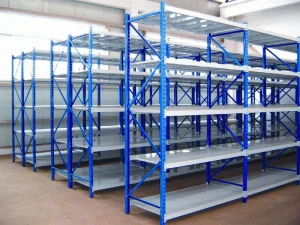
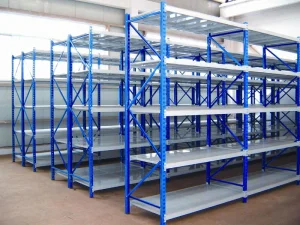
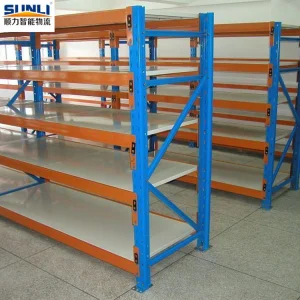
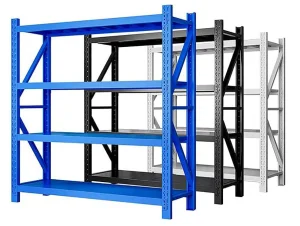
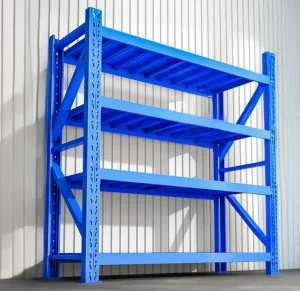
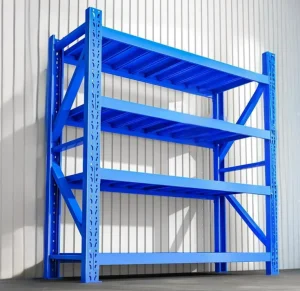
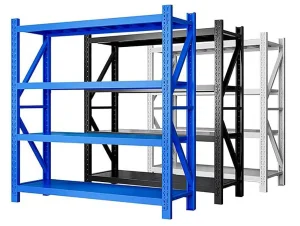
For heavy manufacturing facilities in Gyeonggi-do, medium-duty long span racking handles high concentrations of manual picking tasks, featuring step beams and modular wire mesh decks.
At Shenzhen Sunli, quality control represents our foundational baseline. Operating a dedicated 35-person QC department, we utilize high-precision instruments to confirm all performance metrics. Prior to dispatch, structural batches are subjected to testing:
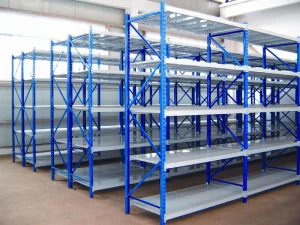
Browse our complete catalog of structural racking products designed for various load capacities, all customizable for Seoul commercial spaces.
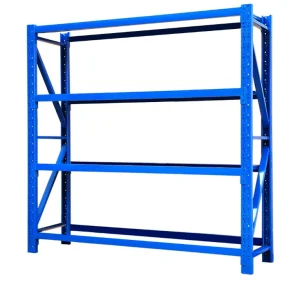
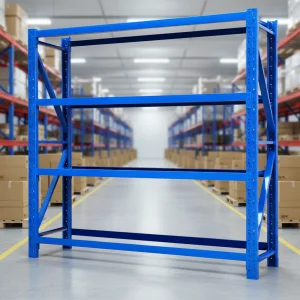
Crucial information regarding specifications, logistics coordination, and localized regulations for South Korean imports.
Contact our structural engineering team for complimentary layout calculations, pricing structures, and compliance evaluations tailored to the Korean market.
📩 Send Inquiry Now SunliRack