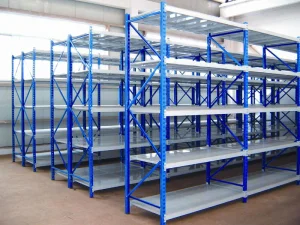
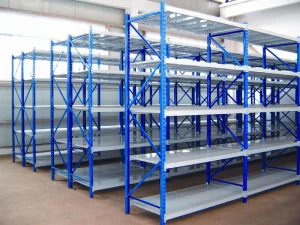
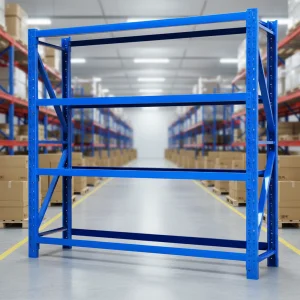
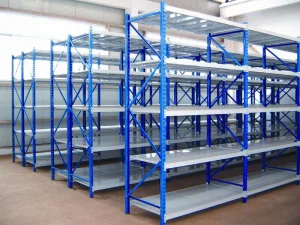
Engineered high-density selective racking structures tailored for manual handling and quick order picking in Nagoya distribution centers.
As the primary logistical hub of the Greater Nagoya (Chubu) region, Nagoya sits at the heart of Japan's core manufacturing belt. Anchored by the automotive sector, high-precision tooling, electronics, and aerospace manufacturing, the regional supply chain operates on a strict Just-In-Time (JIT) model. Consequently, warehousing space in zones surrounding the Port of Nagoya and major transit intersections is at an absolute premium.
For operations located in Komaki, Ichinomiya, Tokoname, and Toyota City, spatial economics dictate that warehouses must squeeze maximum volumetric utilization out of every square meter. In response, regional operators are shifting from flat floor storage to advanced multi-tier racking systems and automated storage and retrieval systems (AS/RS).
1. High Seismic Resilience: Structures must adhere strictly to JSCA guidelines to endure potential Nankai Trough earthquake forces.
2. Precision Part Handling: Heavily specialized automotive components require racking systems with zero structural deflection under maximum load.
3. Space Optimization: Land shortage in central Japan makes racking configurations of 5m to over 12m height essential to optimize warehouse capacities.
Global supply chains are undergoing structural shifts, forcing operators to adapt to micro-fulfillment centers, omnichannel distribution, and local safety certifications.
Global regulations (such as JIS, RMI, and FEM standards) dictate precise load safety limits. In coastal regions like the Port of Nagoya, structural calculations must incorporate horizontal acceleration coefficients to safeguard lives and stock.
Modern automated pickers demand perfect horizontal stability. Sunli racks use precision forming to achieve load deflection limits under L/200, preventing automation errors and structural lockups.
High-salinity maritime and cold-storage environments (such as seafood logistics at Japanese ports) require specialized electrostatic powder coatings or hot-dip galvanized steel to eliminate oxidation risk.
Validated metrics showcasing our operational capacity, infrastructure, and export reliability.
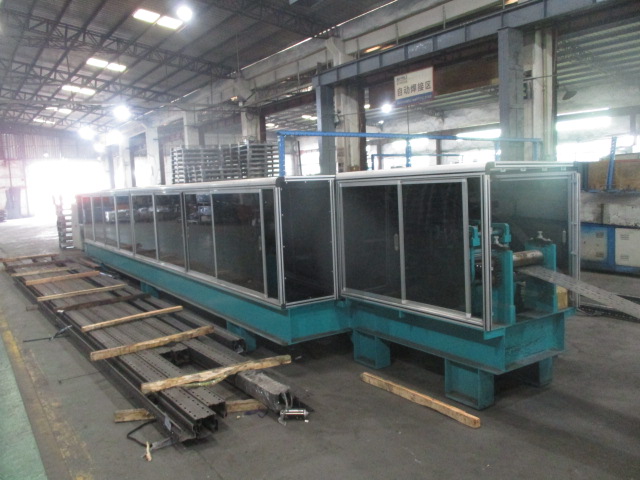
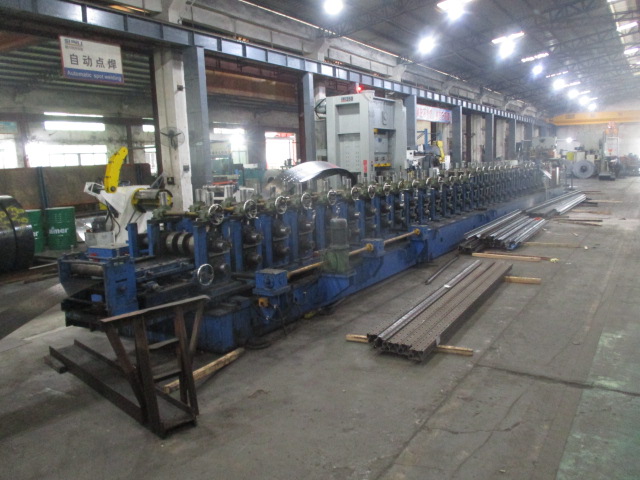
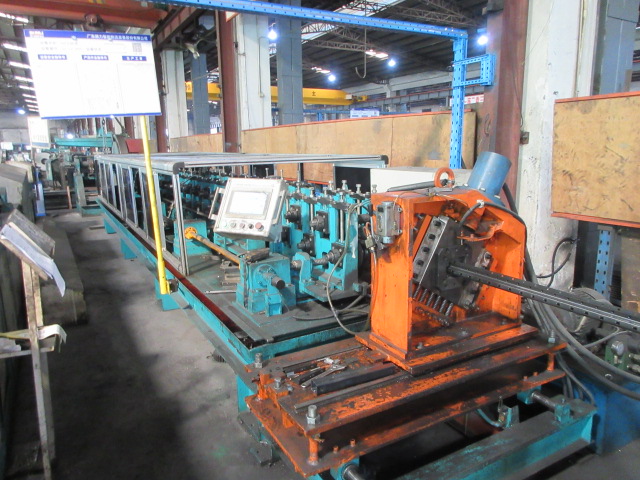
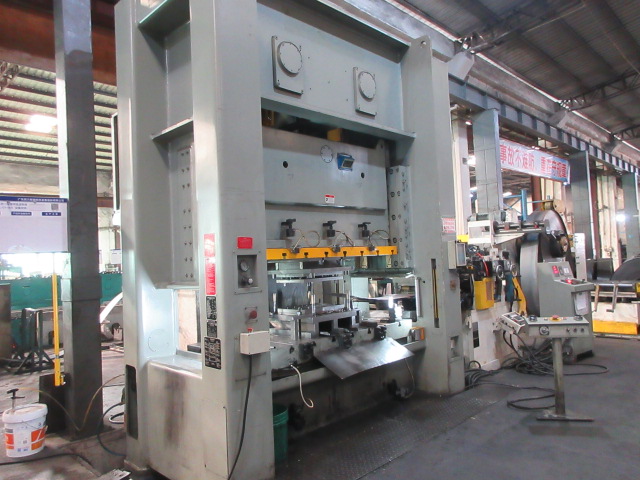
Shenzhen Sunli Intelligent Logistics Equipment Co., Ltd. bridges the gap between cost efficiency and extreme manufacturing precision. Operating from a highly computerized 38,000 m² production center, we run integrated raw material processing, automated rolling lines, and robotic welding stations. This digital factory approach ensures that each rack component produced complies strictly with dynamic tolerance parameters.
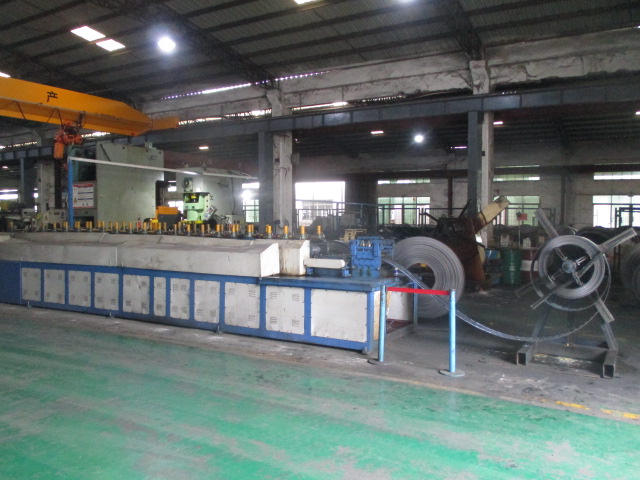
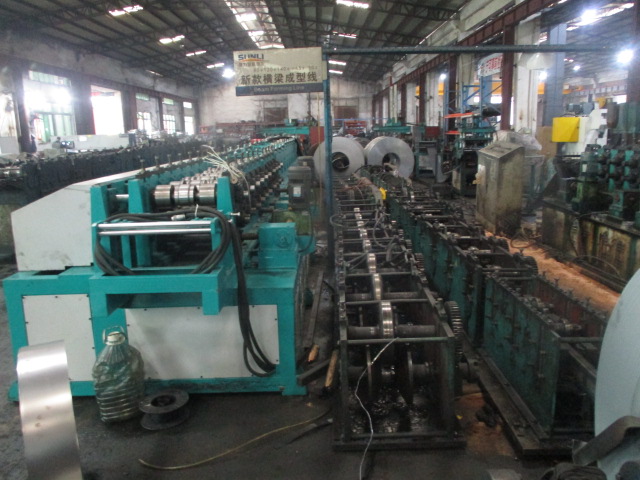
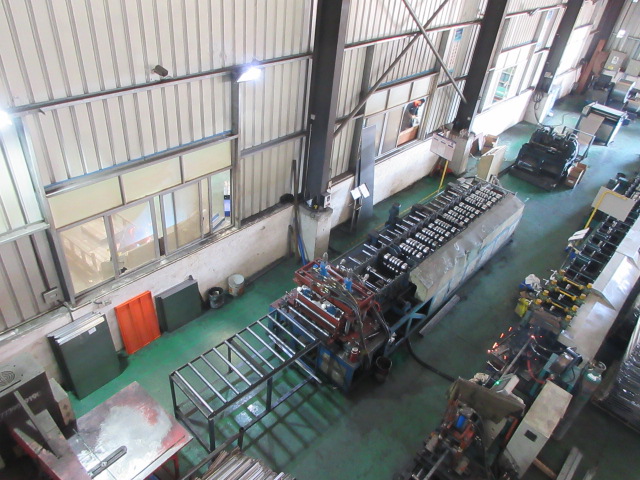
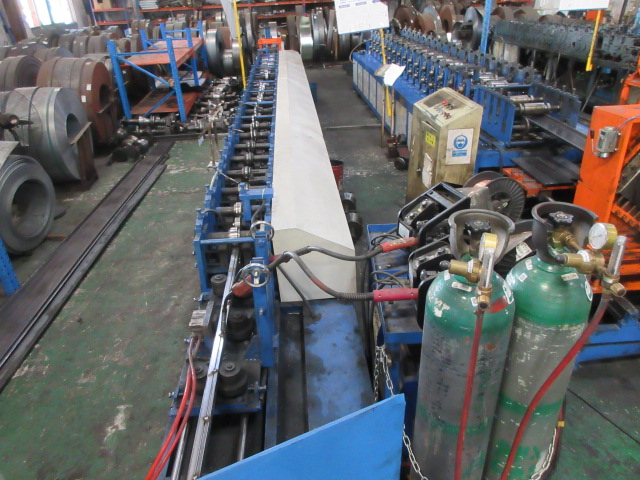
Our direct access to tier-one steel mills allows us to source premium grade Q235B and Q355B cold-rolled steel. Processing this steel locally using optimized automated roll-forming machines minimizes waste and optimizes output. Consequently, we offer high-grade industrial racking at competitive price-to-performance ratios, passing these logistical and production savings directly to our Nagoya clients.
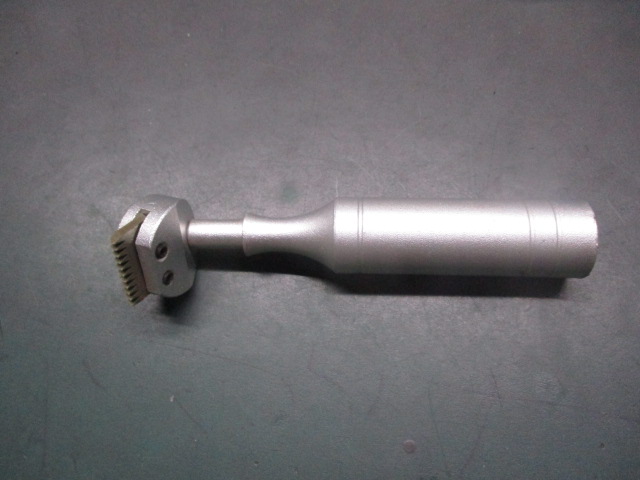
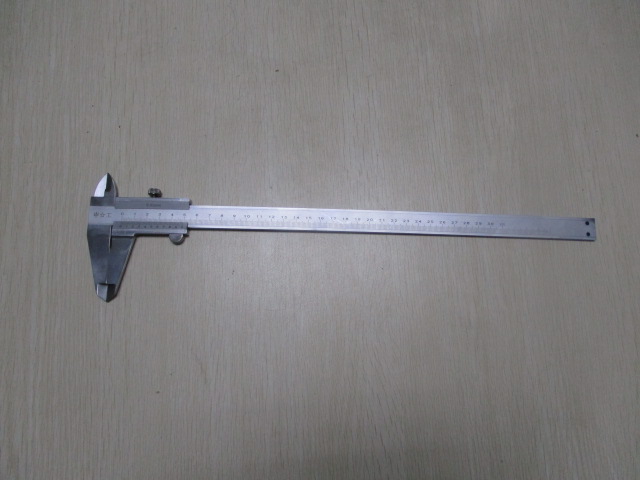
A structure is only as strong as its weakest weld. Sunli enforces a comprehensive multi-tier Quality Control (QC) framework managed by 35 dedicated QC professionals. Every batch of rolled steel undergoes tensile, chemistry, and weld penetration testing before leaving our facility.
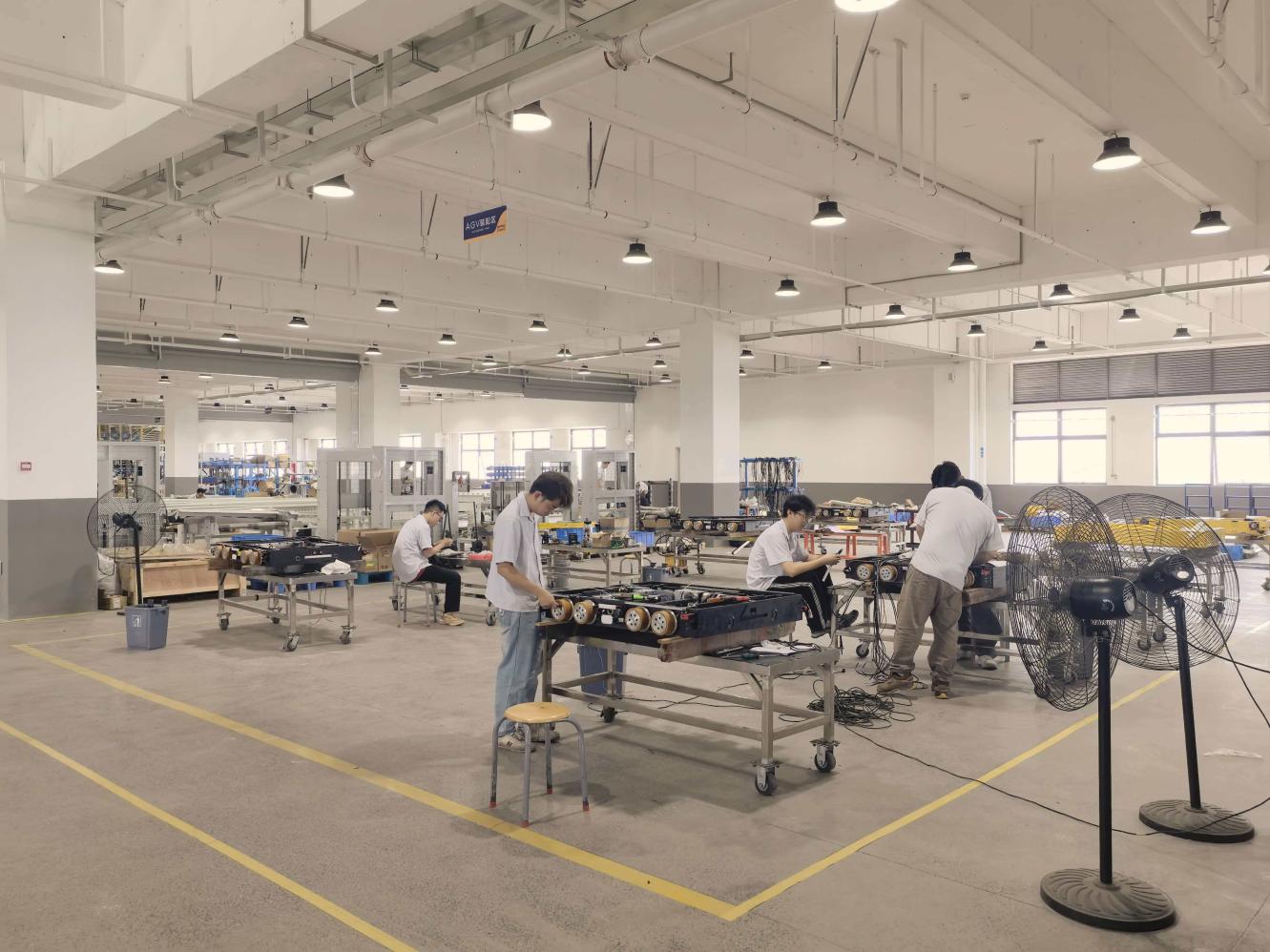
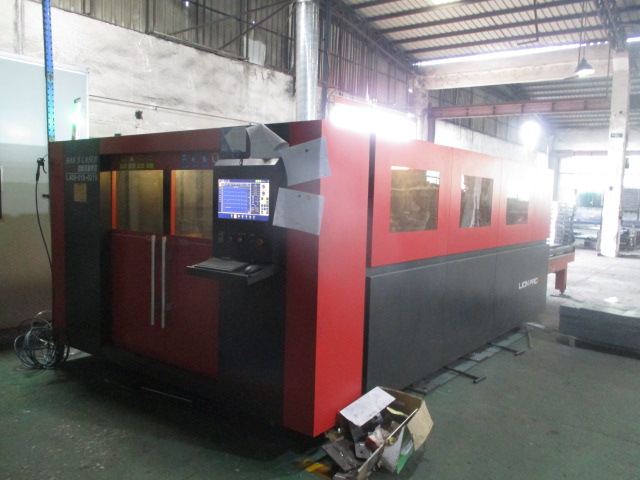
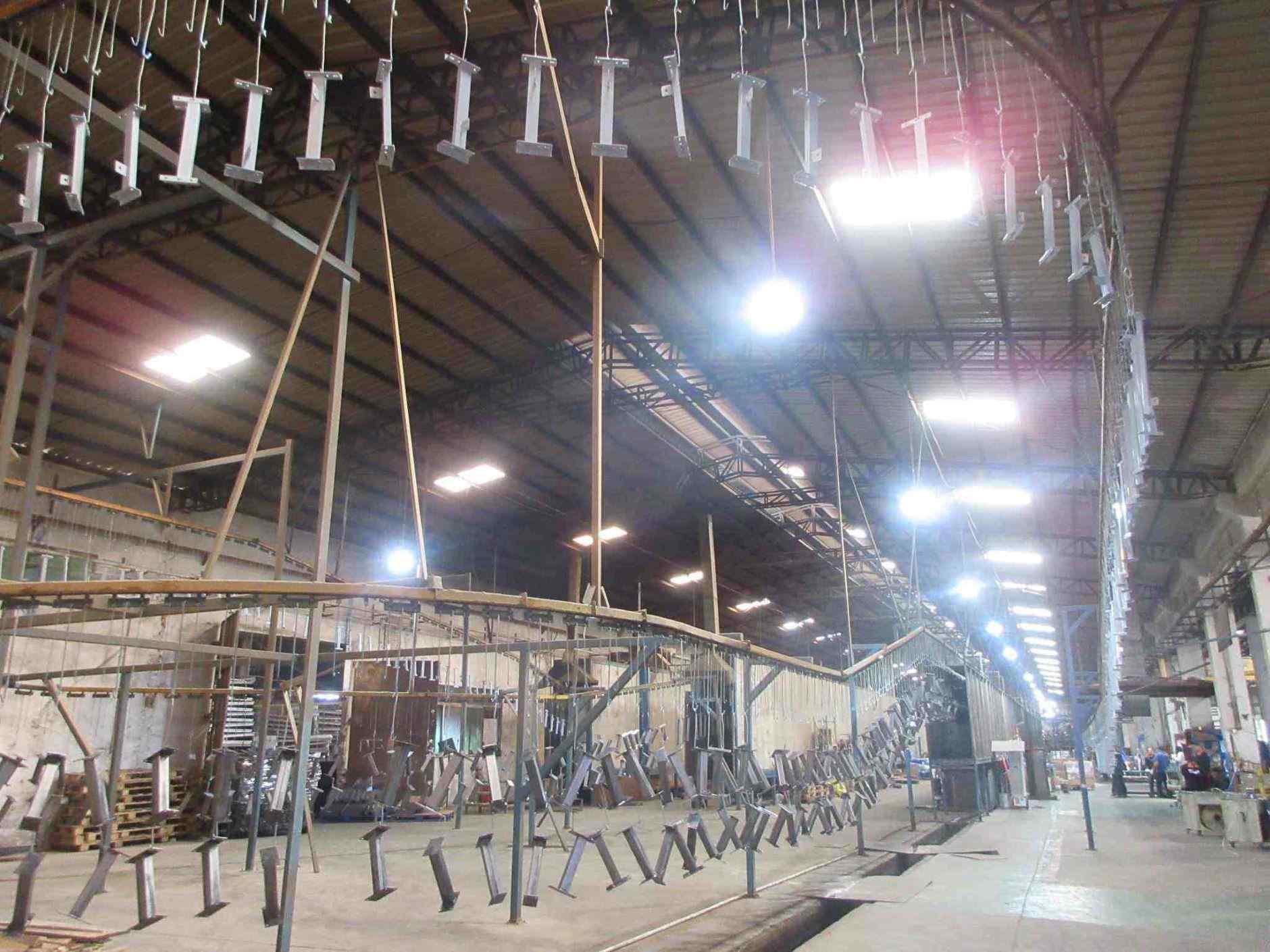
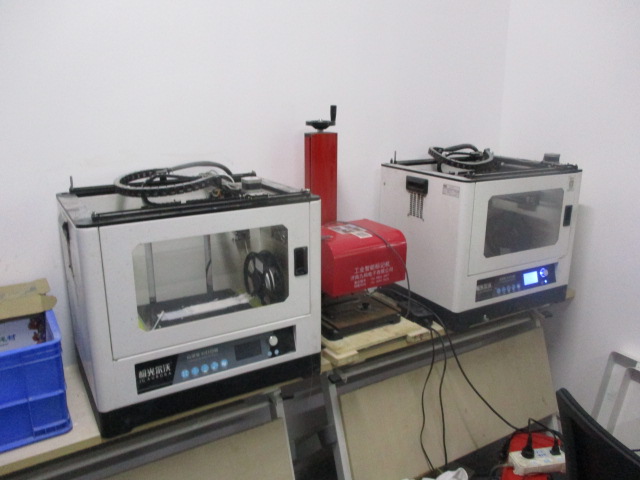
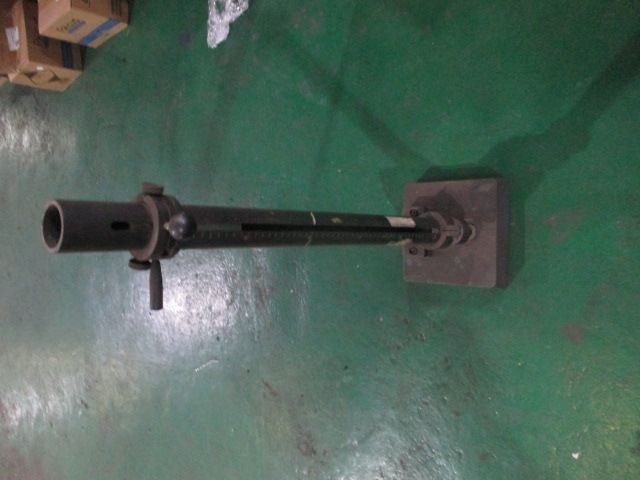
Our 38,000 m² smart plant utilizes state-of-the-art cold rolling lines, robotic welding stations, and specialized metallurgical testing labs.
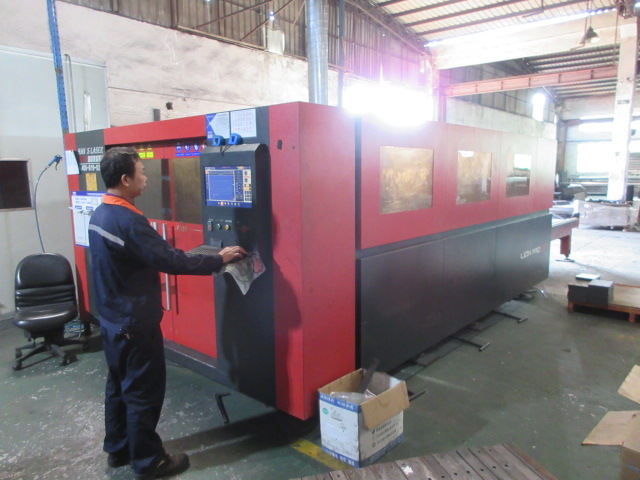
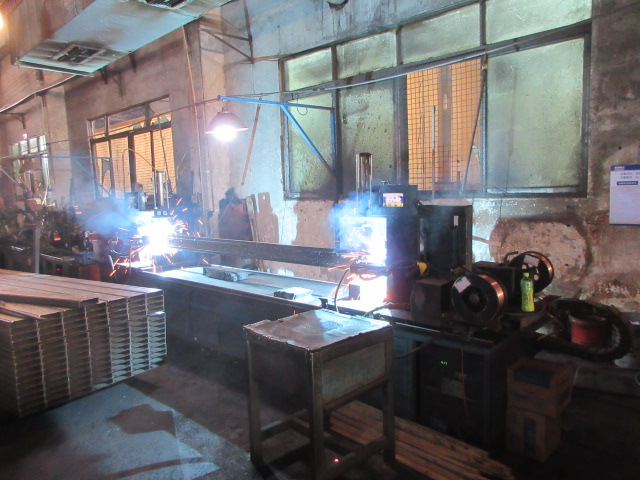
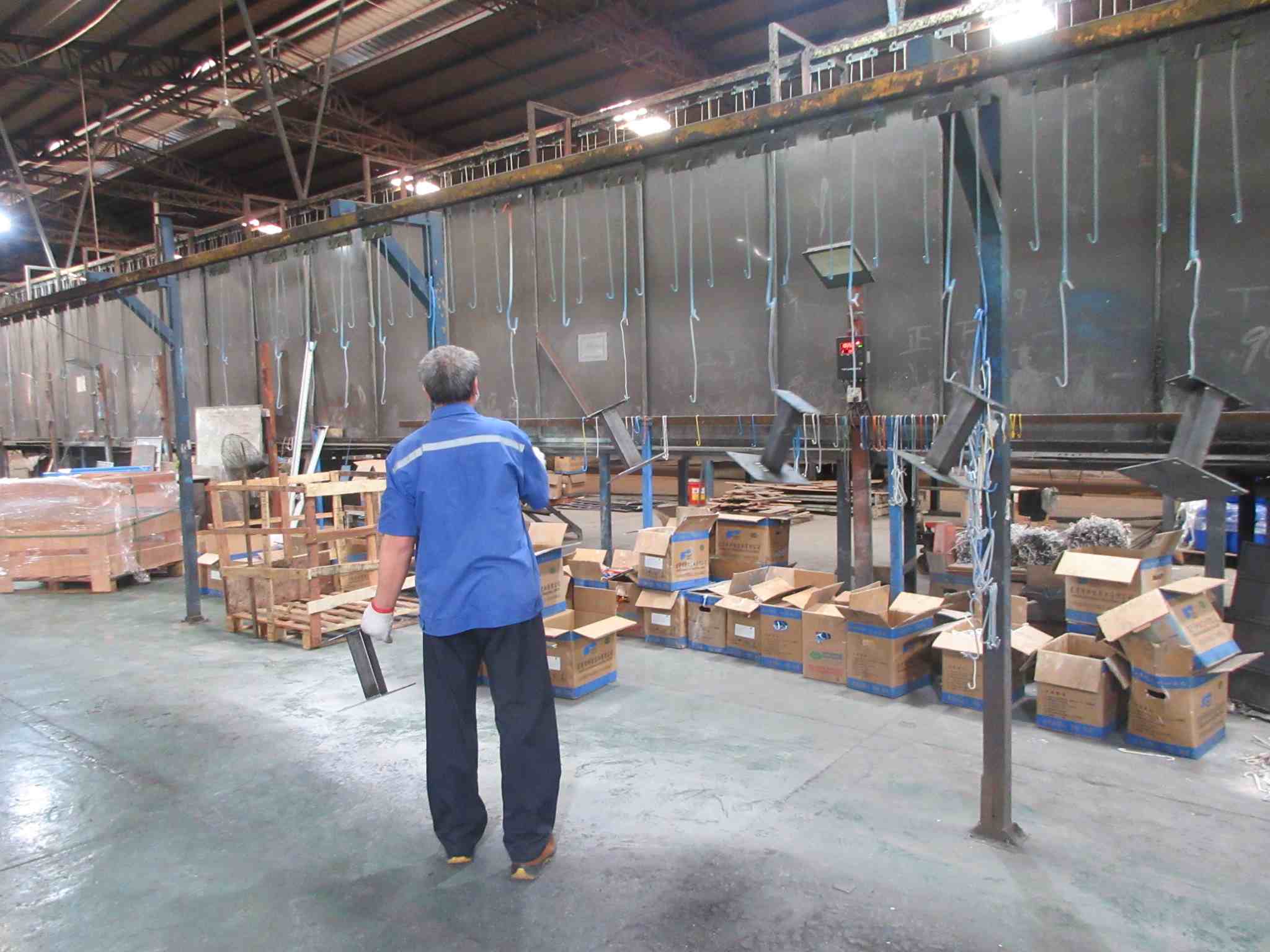
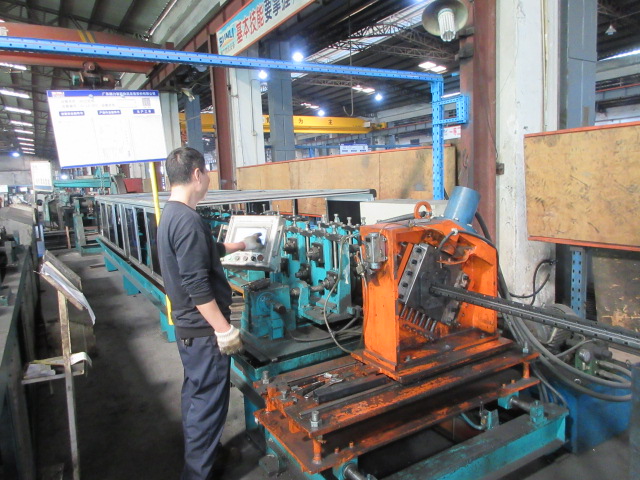
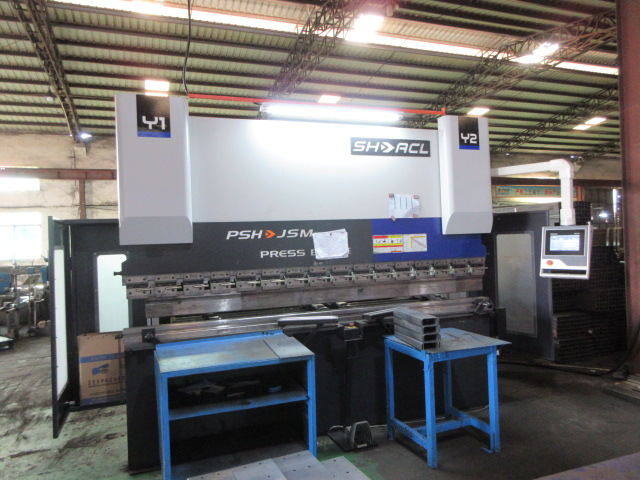
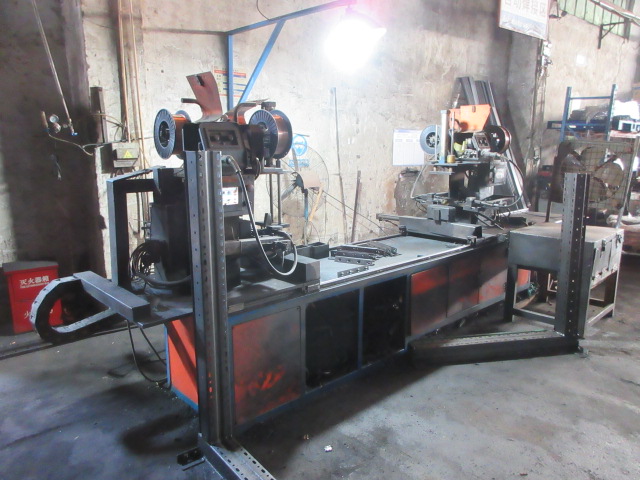
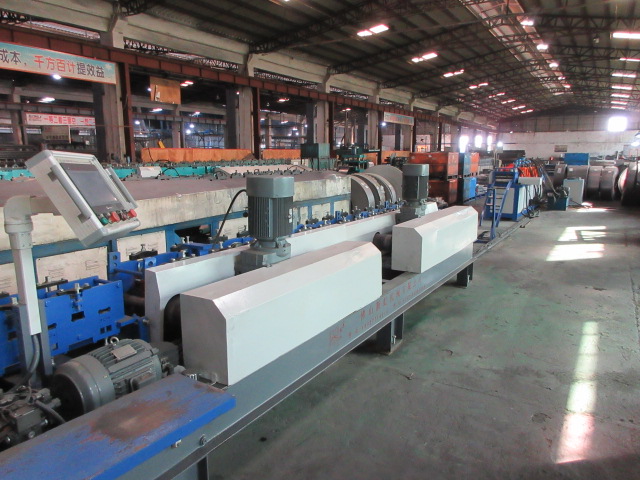
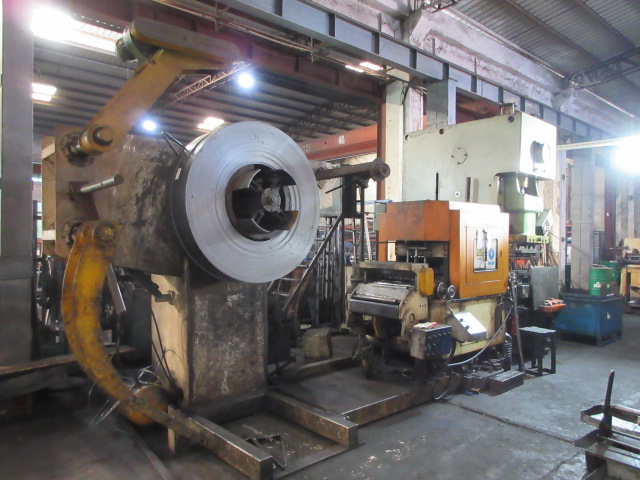
Adapting global industrial designs to the specific spatial layouts and material handling constraints of Nagoya manufacturers.
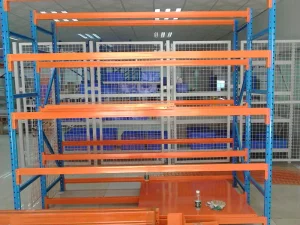
Designed for heavy stamped steel, sub-assemblies, and precision electrical harnesses. We design reinforced beam connections and drop-in wire mesh decks to support irregular loads on selective rack configurations, preventing localized load failure.
Nagoya Port serves as a major entry hub for cold chain cargo. Sunli's corrosion-resistant coatings resist low temperature thermal contraction and surface cracking, preserving structural integrity in -25°C environments.
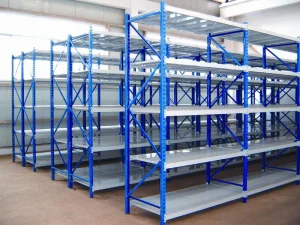
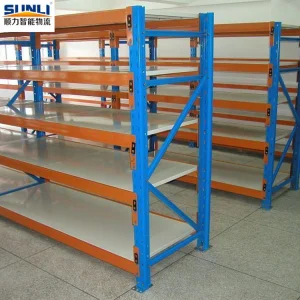
High-density multi-level shelving with adjustable long-span layouts. This allows logistics operators near Nagoya Airport (Centrair) to quickly adjust rack spacings as seasonal storage profiles shift.
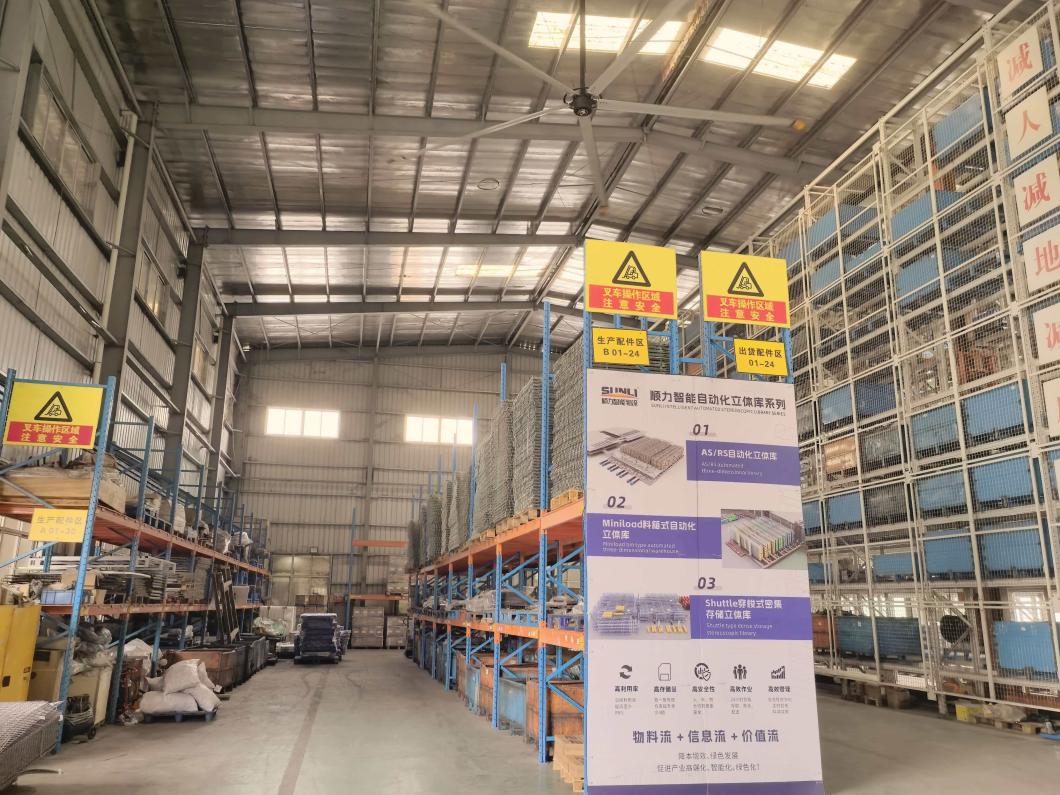
Vertical Integration: Stacking heights exceeding 15 meters using stacker cranes and rail guided systems to double storage capacity per unit footprint.
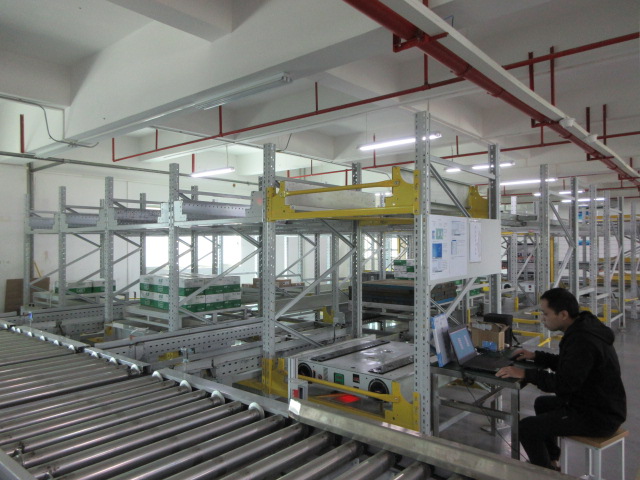
Smart Pallet Shuttles: Using semi-automated shuttle systems within deep lanes to minimize forklift transit and optimize overall cycle times.
Carbon-Neutral Steel Prep: Deploying low-emission powder coatings and closed-loop plating systems to assist corporate buyers in meeting green supply targets.
Industrial warehousing is shifting away from static racking setups. Global logistics operators increasingly demand structural racking systems that can seamlessly integrate with automated guided vehicles (AGVs) and autonomous mobile robots (AMRs).
This integration requires tight physical installation tolerances, with zero room for floor-level alignment deviations. Every rack pillar must be straight to ensure navigation lasers and load sensors do not encounter alignment issues. Sunli's state-of-the-art tooling achieves precise height tolerances, keeping vertical systems aligned under heavy static and dynamic loads.
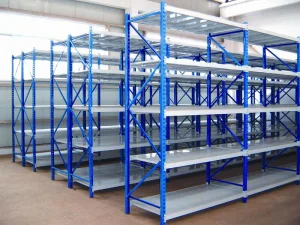
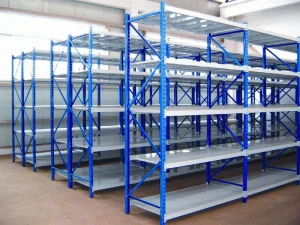
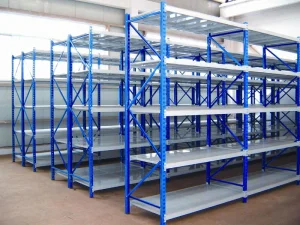
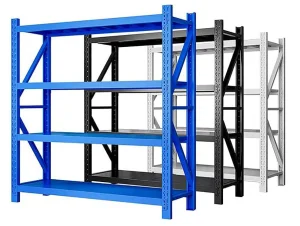
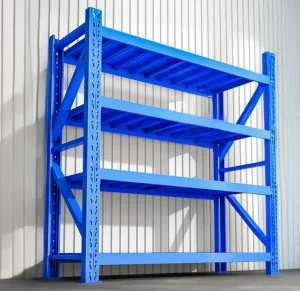
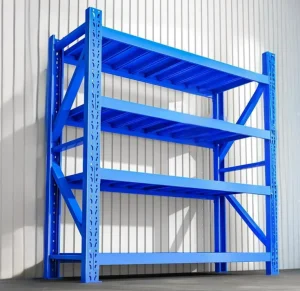
Our comprehensive range of heavy-duty and medium-duty steel shelving systems engineered from cold-rolled steel.
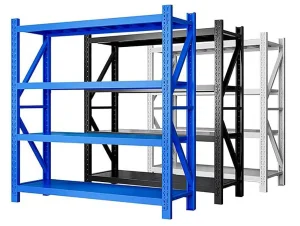
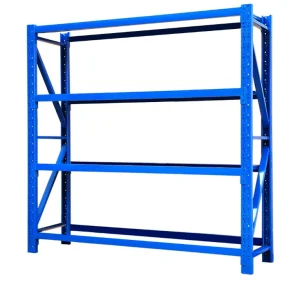
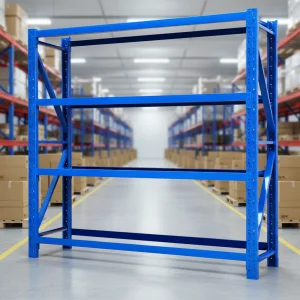
Purchasing warehouse racking overseas requires addressing manufacturing lead times, import compliance, customs procedures, and final structural validation. Sunli streamlines these steps for Japanese logistics buyers through our established international export network.
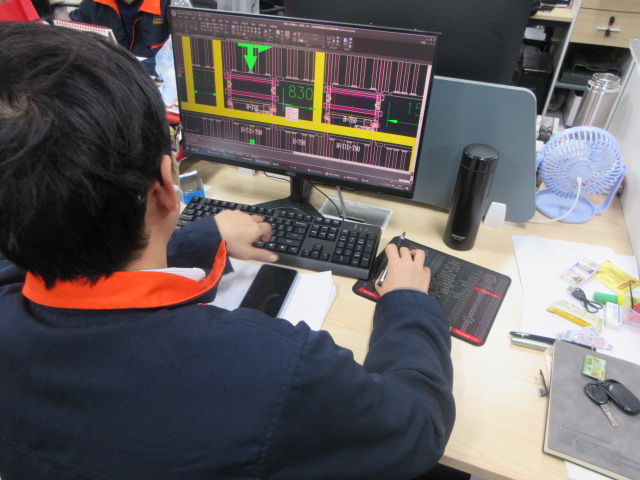
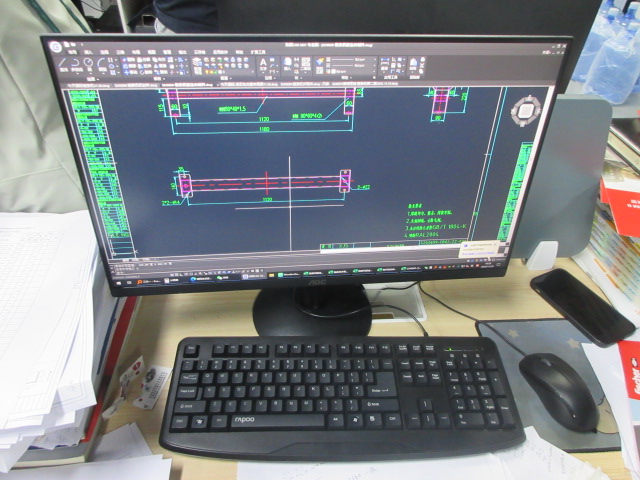
Every industrial project begins with custom engineering. Our engineering team reviews your site plan to determine optimal aisle widths, column grid configurations, and maximum height limits. We generate 3D models and detailed CAD drawings to confirm that loading dynamics align with your warehouse forklift capacities and local structural guidelines.
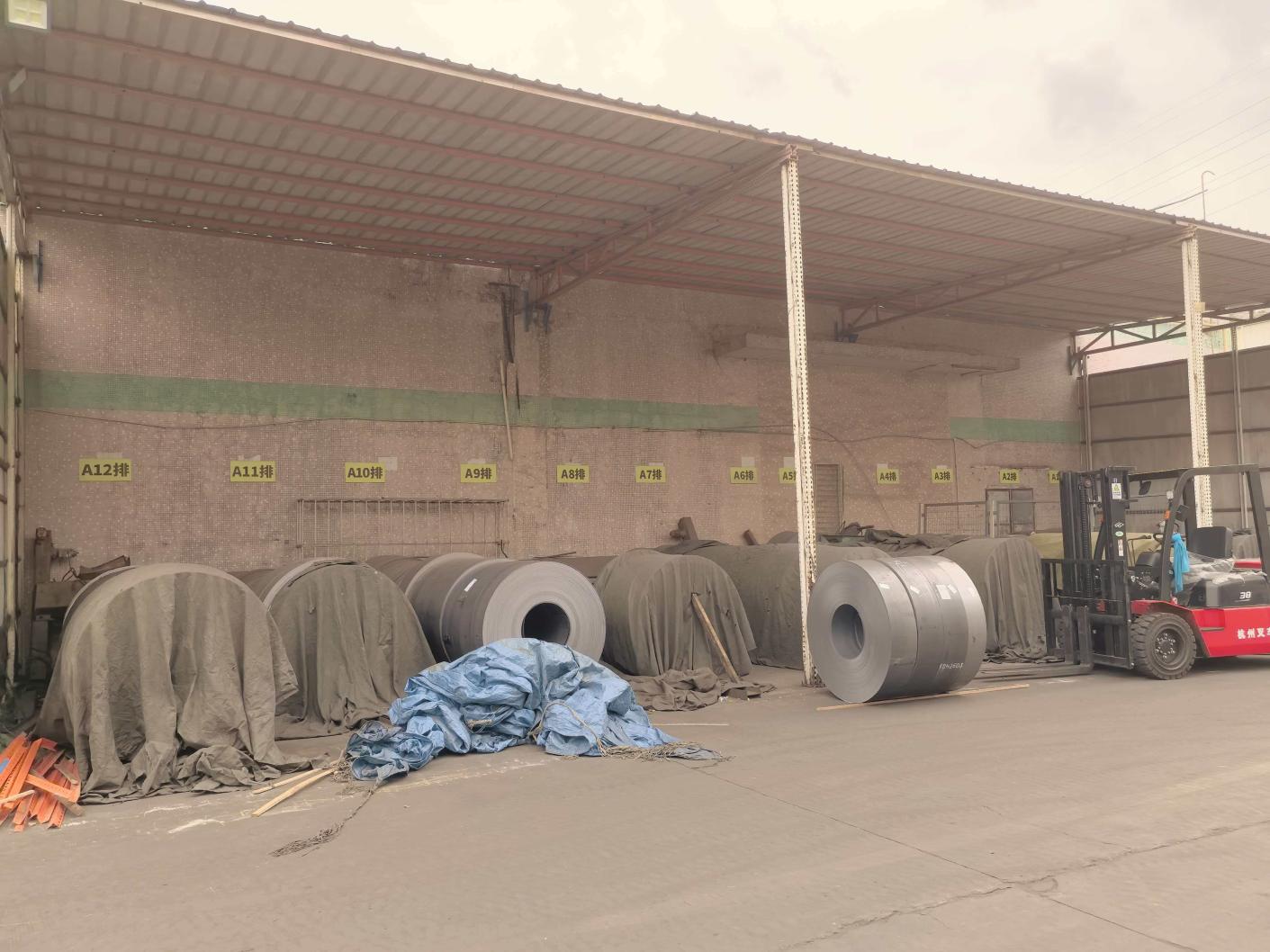
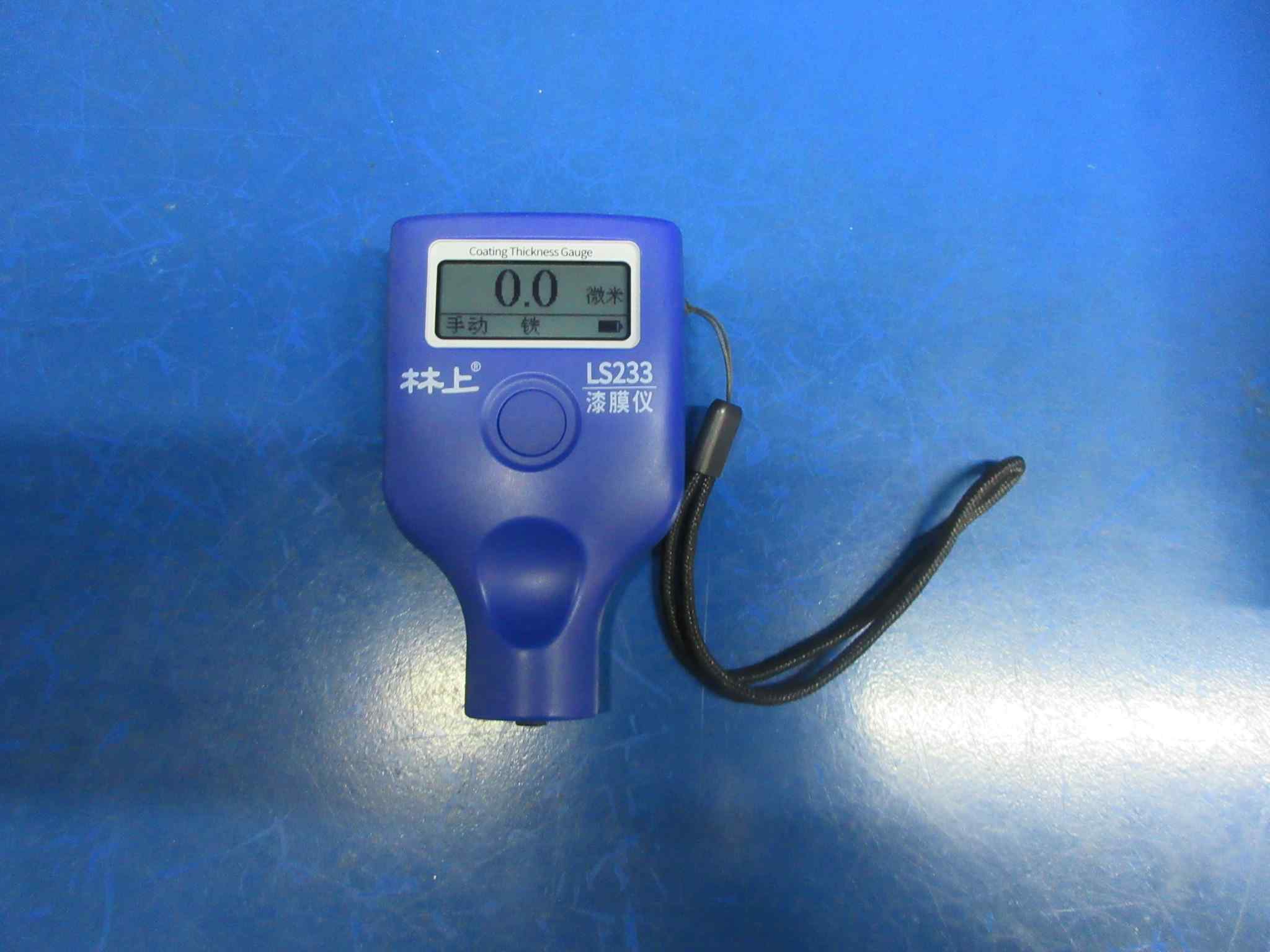
We source certified steel coils directly from regional steel mills. During manufacturing, each production run receives a batch routing tag to monitor cold-rolling tolerances and welding penetration. Once fabricated, components pass through our computerized powder coating system to receive an even coating thickness (monitored via thickness gauge), shielding the steel against ambient humidity.
Located in close proximity to Shenzhen's deepwater ports, Sunli manages container pack planning to prevent cargo damage during shipping. We load components in secure bundles to maximize container capacity and simplify destination unloading. Transport from Shenzhen to the Port of Nagoya typically takes 5 to 7 days, enabling tight lead times and keeping warehouse construction schedules on track.
Importing steel products into Japan requires thorough commercial documentation. We supply detailed packing lists, Certificates of Origin, material test certificates, and structural calculation reports. These documents support prompt customs clearance and demonstrate compliance to local building inspectors and insurance underwriters.
Established in 2015, Shenzhen Sunli Intelligent Logistics Equipment Co., Ltd. is a leading manufacturer specializing in heavy-duty industrial racking and smart warehouse storage solutions. Operating from a modern production facility spanning 38,000 m², we leverage over 12 years of industry experience and 8 years of international trade expertise to serve global logistics and industrial sectors.
Our high-performance storage solutions generate an annual export revenue ranging between $18 million and $25 million, with core markets spanning North America, Western Europe, Southeast Asia, and the Middle East. Quality and precision are central to our operations. Our dynamic team of 35 dedicated QC professionals implements rigorous product inspection methods, including full raw material load-bearing analysis, high-precision weld seam testing, and comprehensive anti-corrosion powder-coating thickness checks.
Driven by strong R&D capabilities, our team of 28 skilled R&D engineers continuously innovates to meet evolving supply chain requirements, introducing over 120 new products and structural improvements annually.
We offer extensive OEM/ODM custom options, including tailored load capacities, custom rack dimensions, color powder coatings, and fully integrated automated shuttle systems (AS/RS). Backed by a strong network of over 800 supply chain partners, we primarily partner with large-scale 3PL providers, industrial distributors, ecommerce logistics hubs, and global retail enterprises to deliver reliable, efficient, and scalable storage infrastructure worldwide.
Technical and logistical insights for industrial warehouse racking procurement in Japan.
Partner with a trusted manufacturer offering high-density storage layout design, robust seismic engineering, and direct logistical exports.
Send Inquiry Now SunliRack