Explore our foundational structural architectures and intelligent logistics robotics engineered for high-density modern warehouse operations.
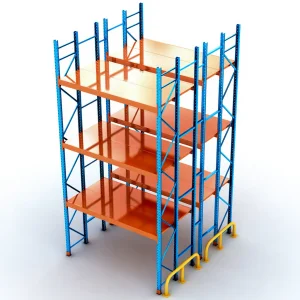
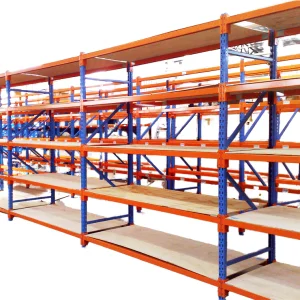
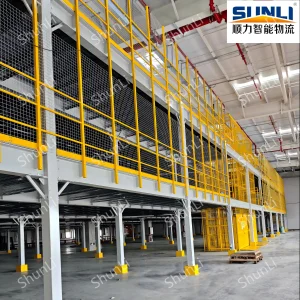
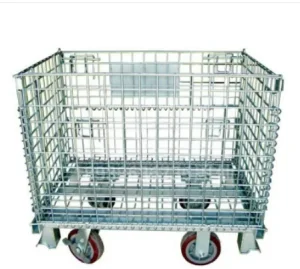
Shenzhen Sunli Intelligent Logistics Equipment Co., Ltd. builds elite physical foundations for modern smart warehousing infrastructures worldwide.
An in-depth analysis of structural integrity, smart logistics compatibility, and the optimization of supply-chain warehousing assets.
In modern industrial operations, logistics and warehousing architectures must support rapid throughput while maintaining strict structural safety. Traditional nut-and-bolt racking systems are increasingly being replaced by advanced boltless systems. These modular configurations rely on precision-formed interlocking joints that allow for rapid installation, high customizability, and superior load distribution. As global commerce demands faster supply chain responses, selecting the right industrial racking system is critical for operational efficiency.
Unlike basic B2B lists, this whitepaper details the structural engineering, metallurgy (such as cold-rolled steel profiling), and digital factory integrations (AS/RS & AGVs) that define the next generation of warehouse storage infrastructure.
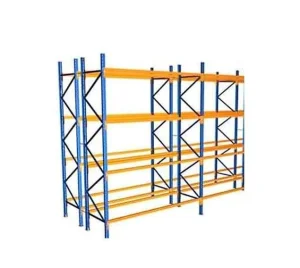
Boltless systems utilize tapered keyholes (rivet style or butterfly tab configurations) stamped into roll-formed steel uprights. When the shelf support beams are engaged, the dynamic load pulls the beam connector downward, wedging it tighter into the post's structural frame. This self-locking design eliminates mechanical hardware failures caused by vibrational fatigue—a common issue in warehouses using heavy machinery.
| Structural Parameter | Advanced Boltless Systems | Traditional Bolted Systems |
|---|---|---|
| Assembly Speed | Rapid toolless assembly (up to 70% faster setup times) | Requires impact wrenches and alignment check bolts |
| Dynamic Load Redistribution | Self-wedging locking mechanisms improve under heavier loads | Prone to bolt-loosening under seismic or mechanical vibration |
| Structural Flexibility | Pitch adjustment every 50mm–75mm for adaptive layout reconfiguration | Fixed heights; adjustment requires disassembly and realignment |
| Corrosion & Maintenance | Uniform powder coating with no exposed thread crevices | Nuts/bolts are points of moisture build-up and localized oxidation |
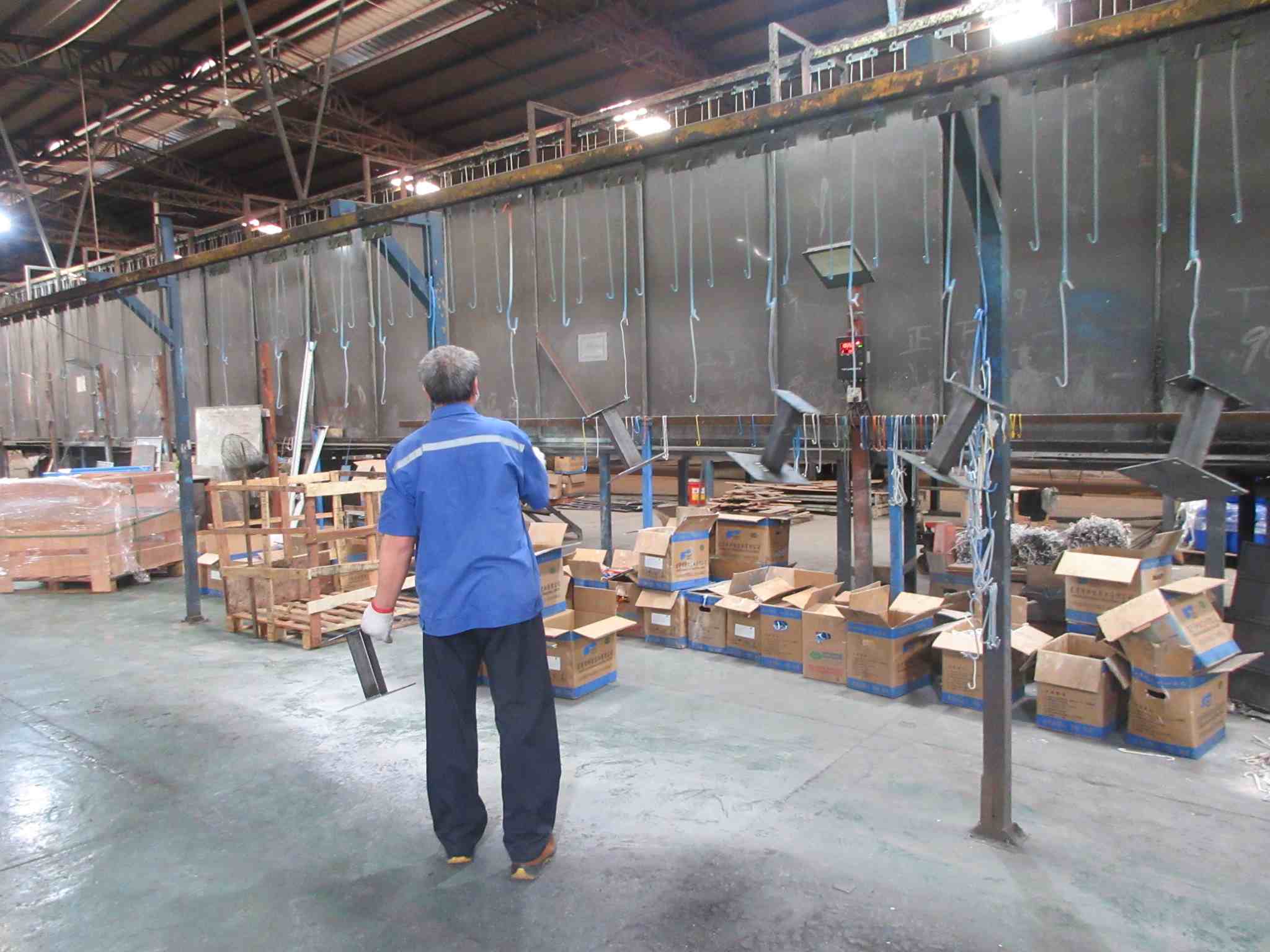
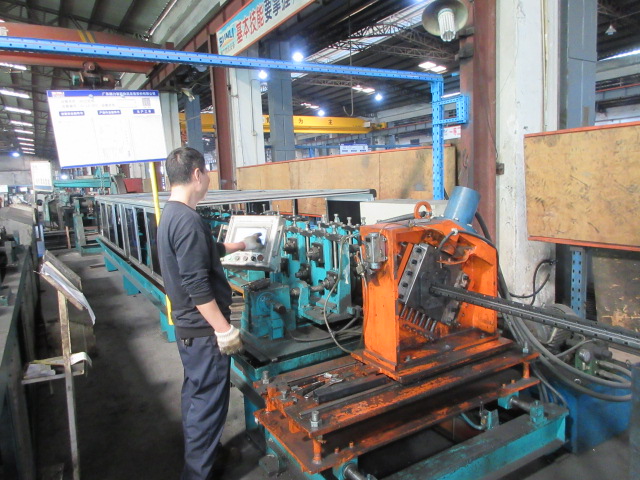
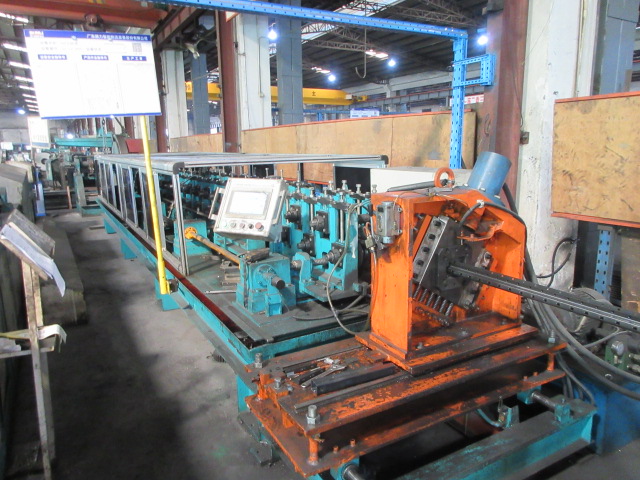
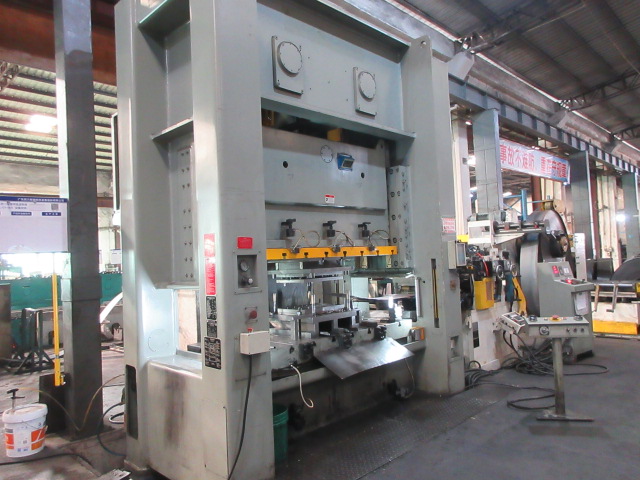
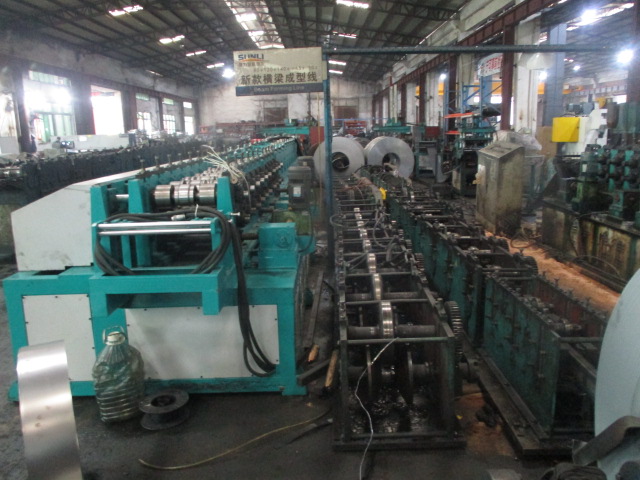
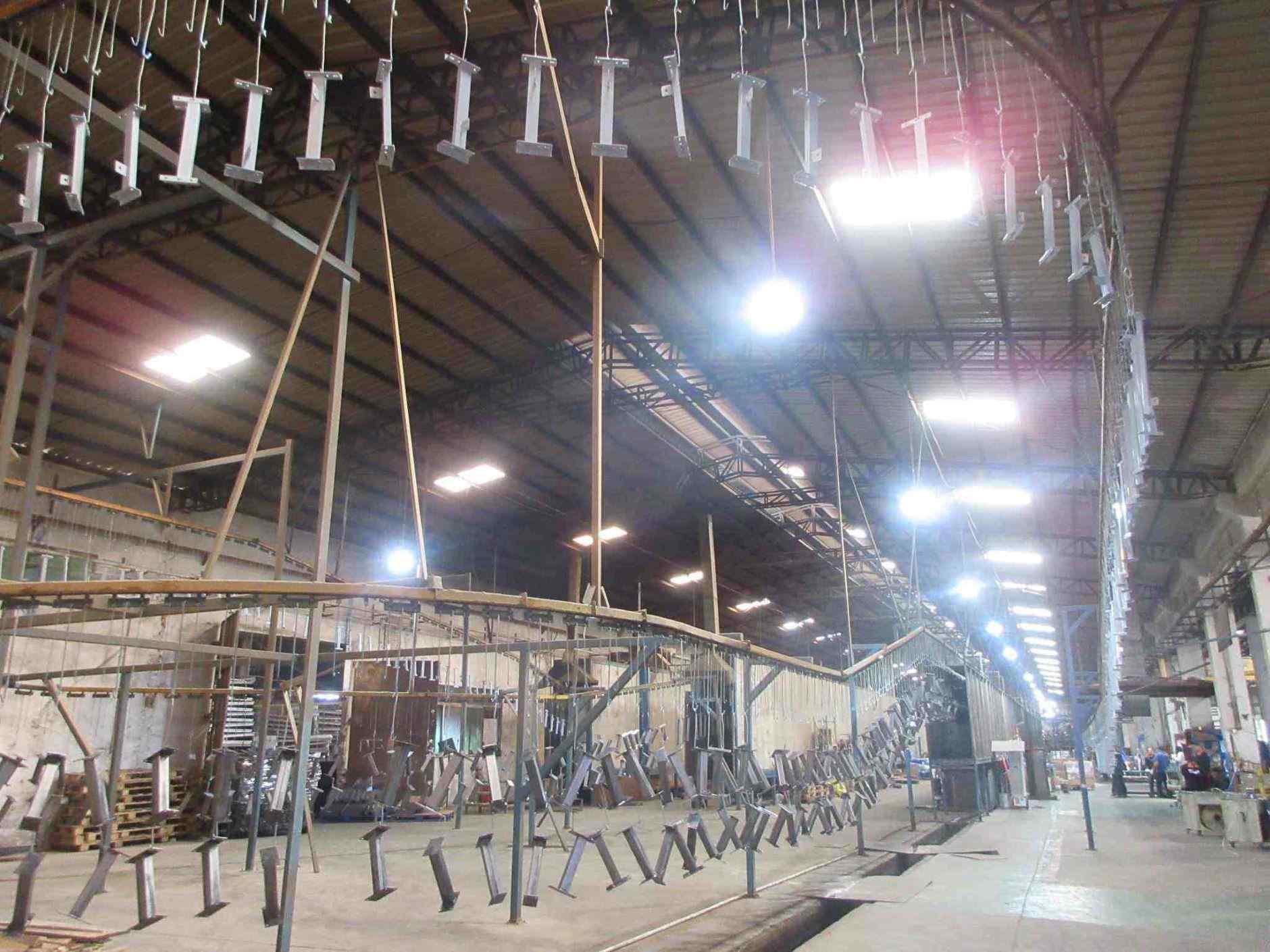
Our manufacturing facility uses high-tensile, cold-rolled structural steel coils. Processing begins with precision-guided slitting and multi-stage rolling lines that shape the steel into structural profiles. Robotic welding stations apply high-penetration structural joints to reinforce key load-bearing brackets. Upright profiles are then finished with an electrostatic thermo-cured epoxy powder coating, ensuring long-term corrosion resistance in demanding environmental conditions.
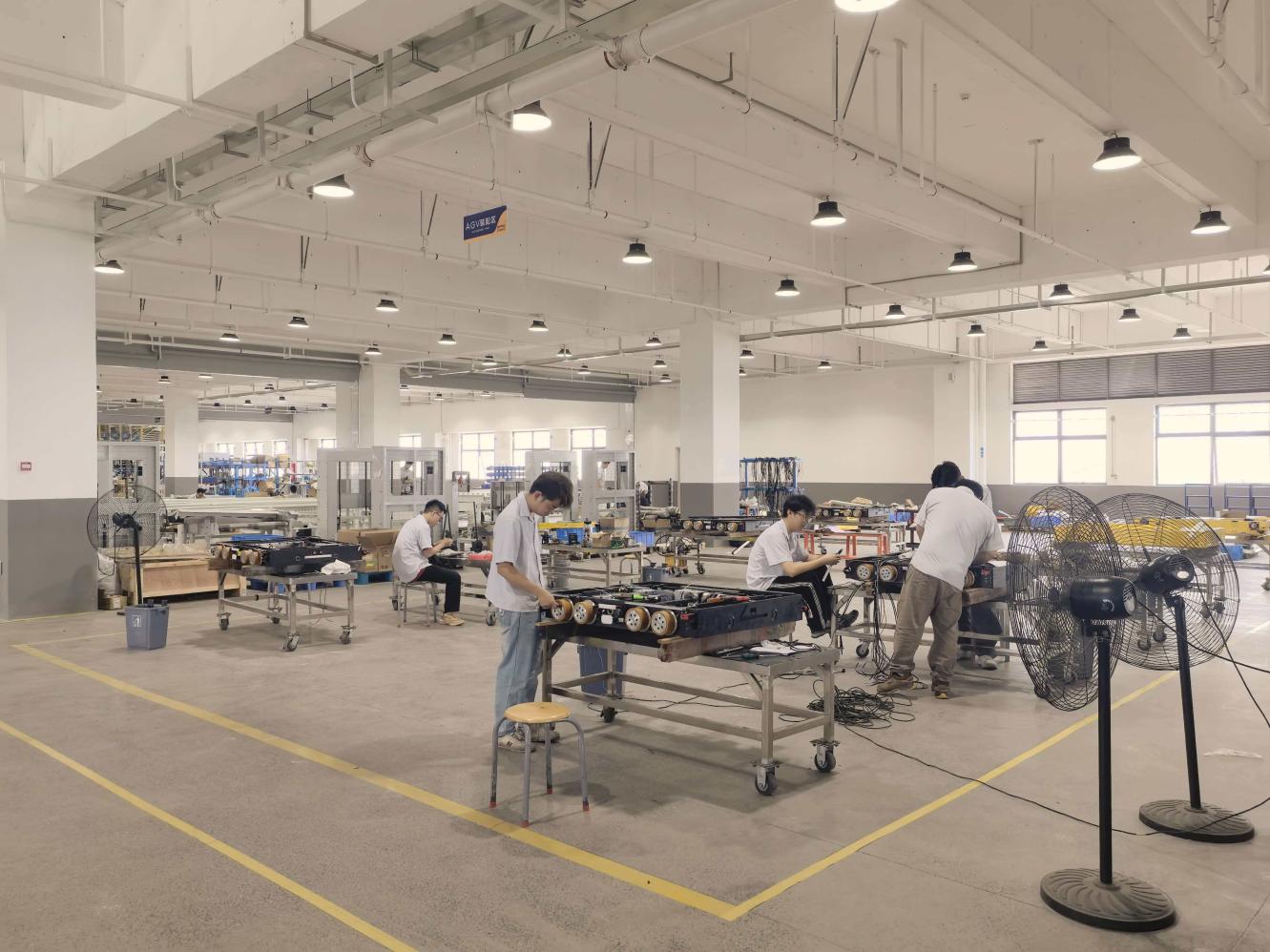
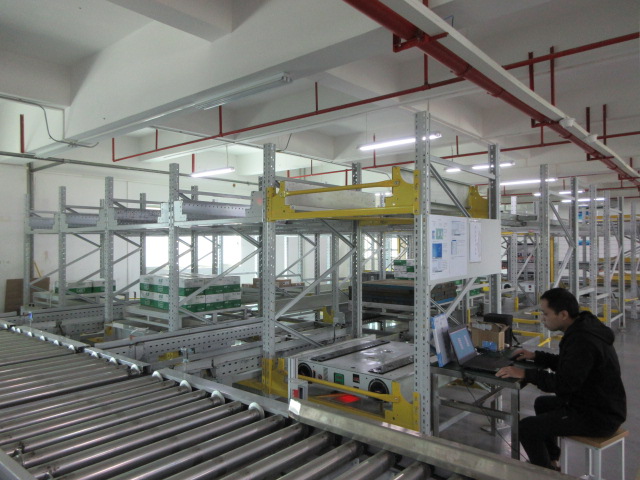
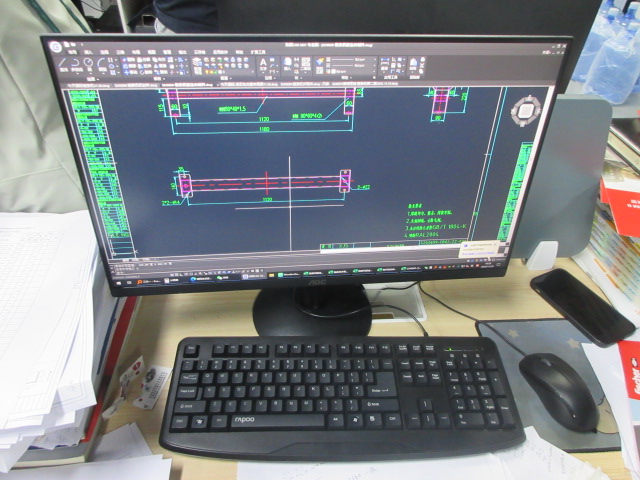
Direct insight into our 38,000 m² advanced digital workshop in Shenzhen, showcasing how precision machinery builds structural integrity.
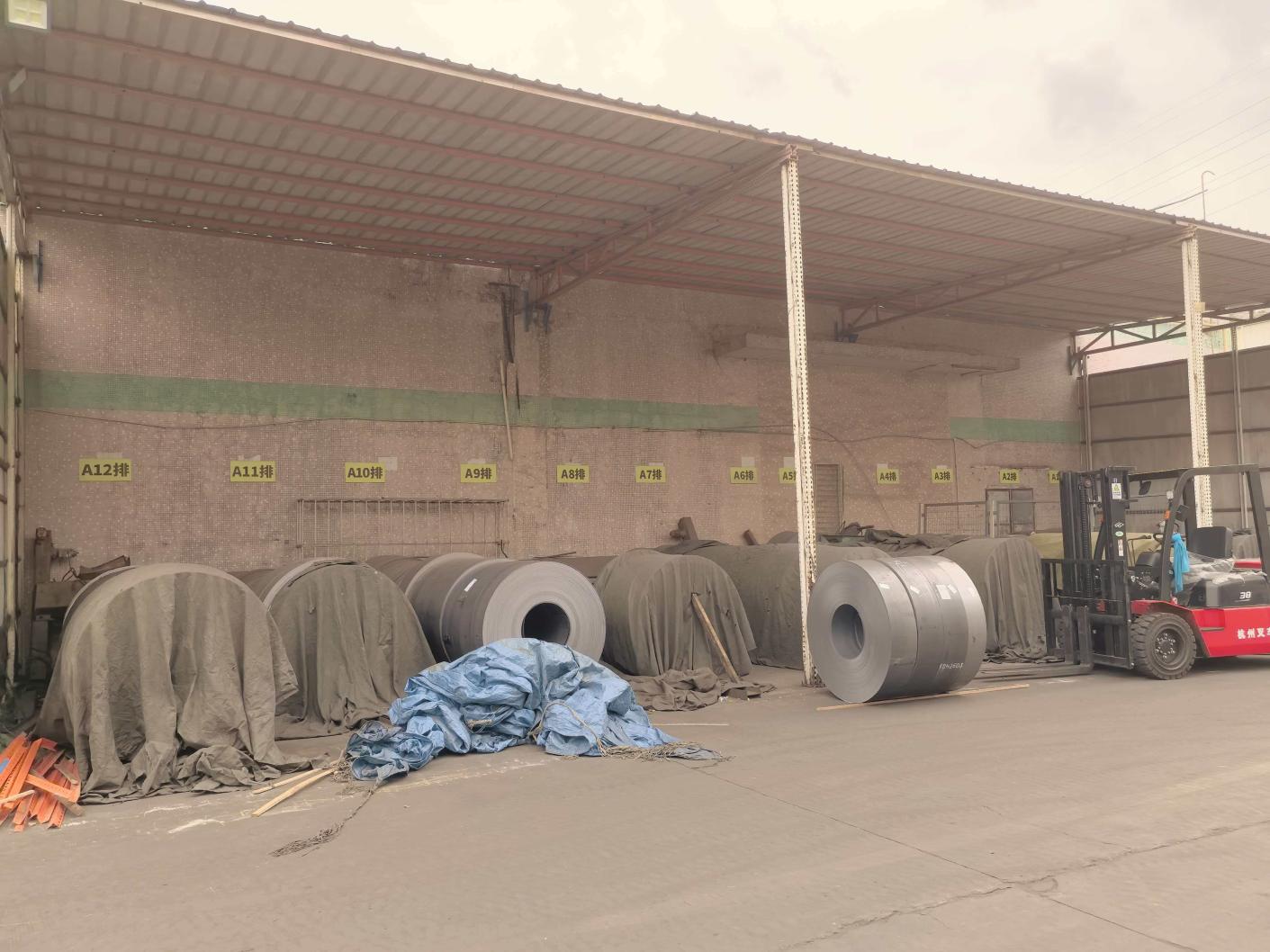
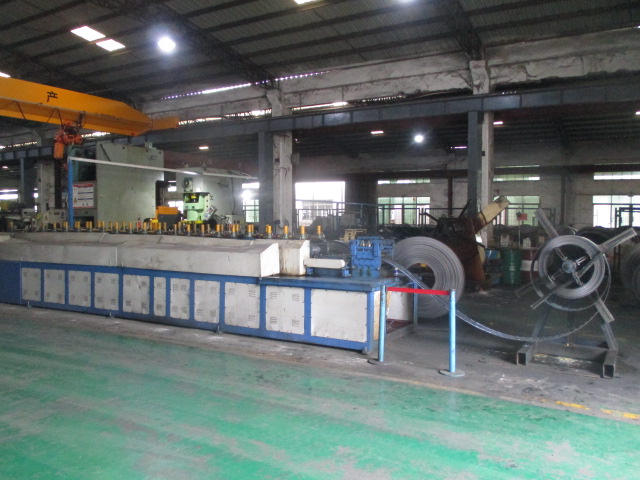
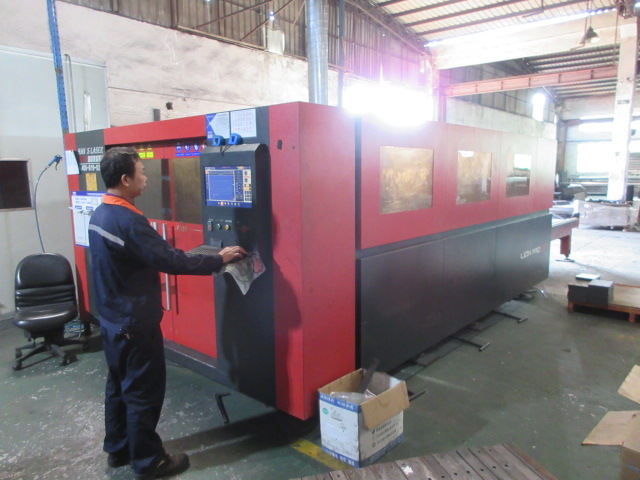
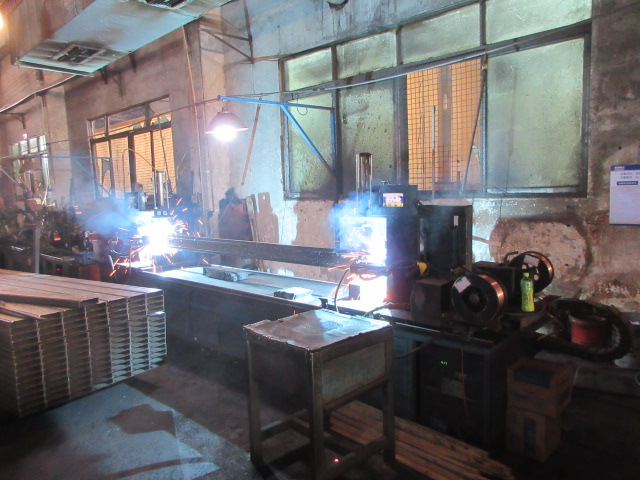
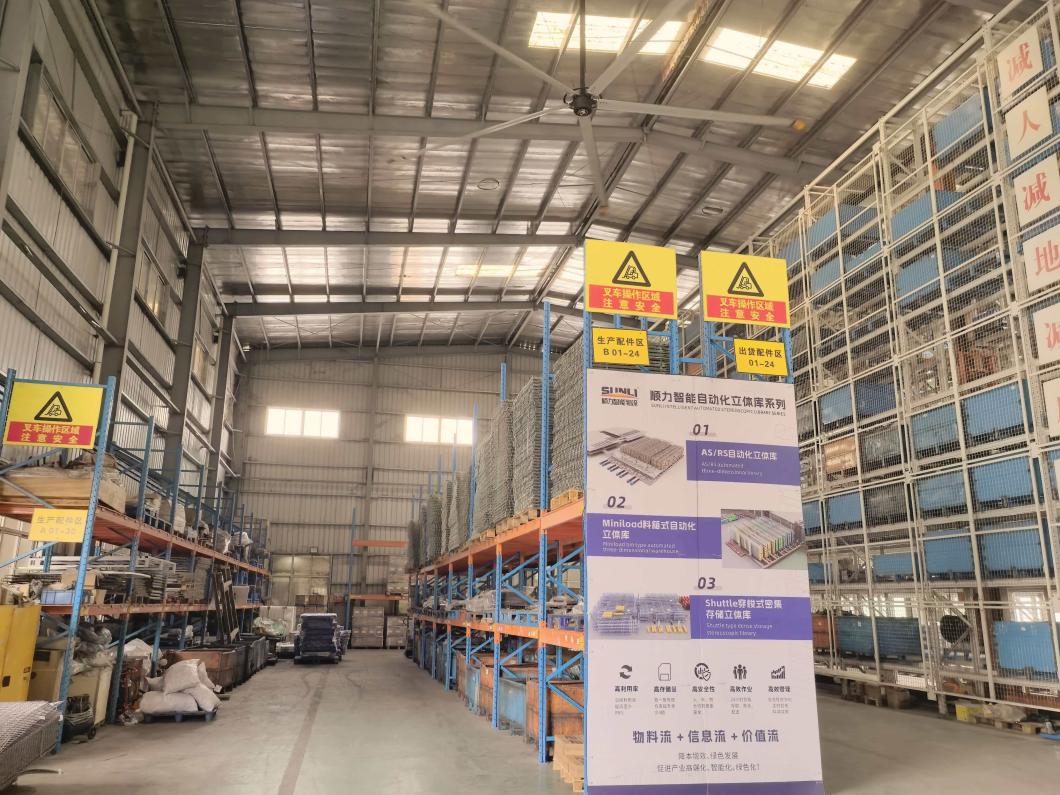
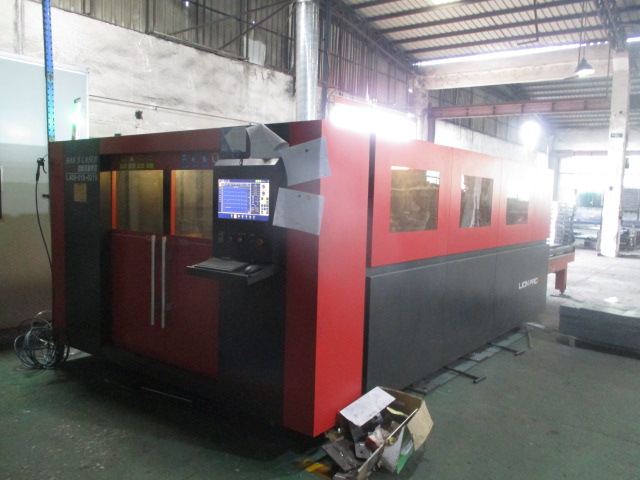
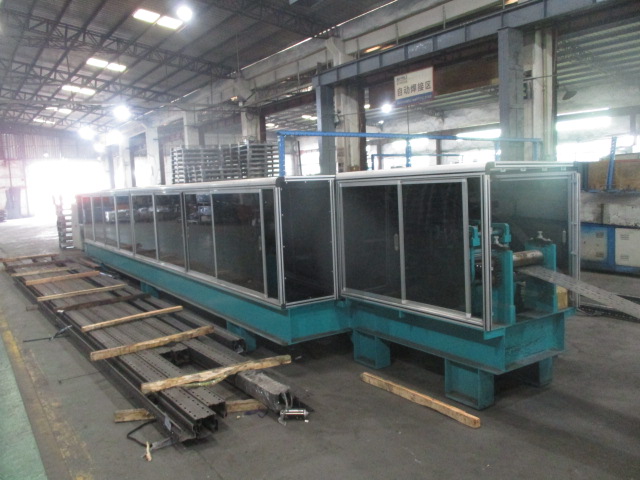
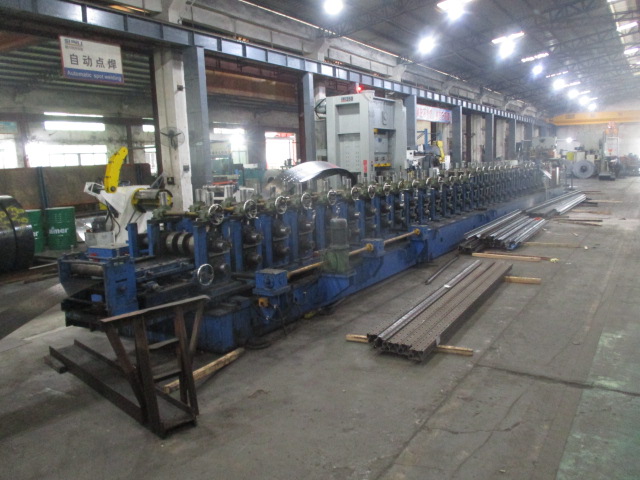
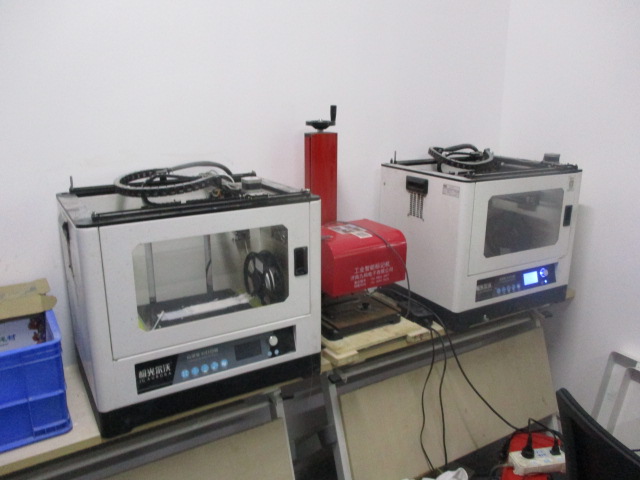
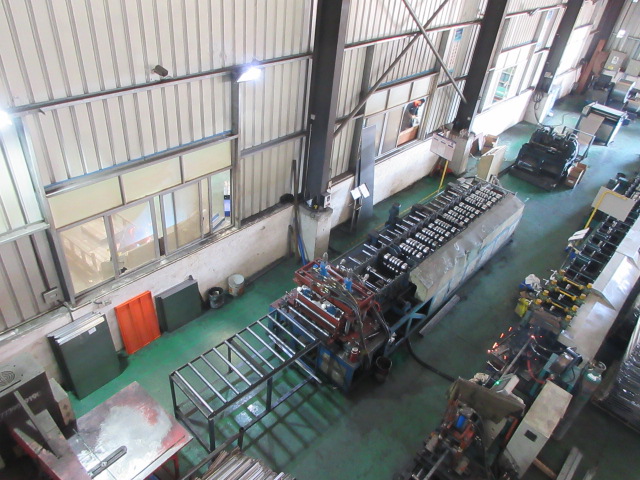
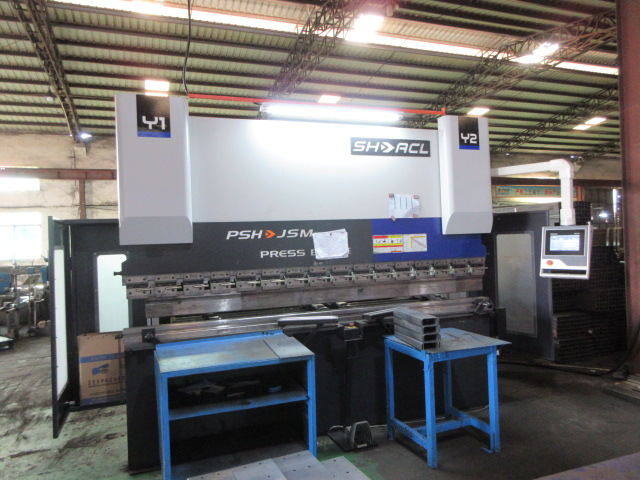
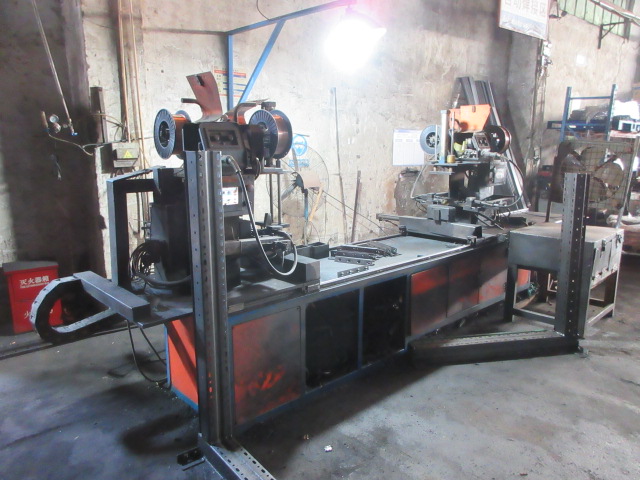
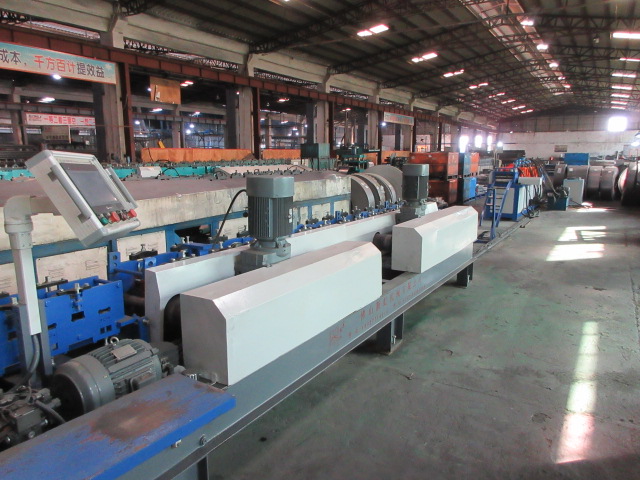
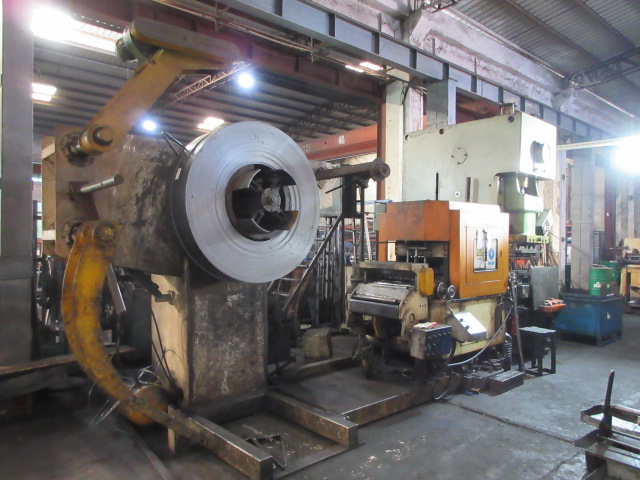
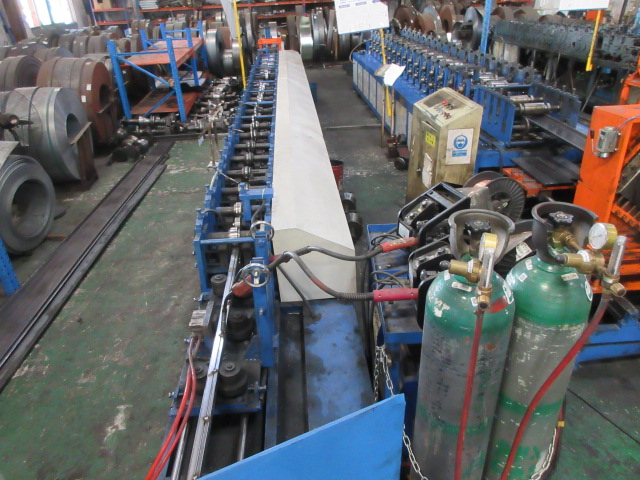
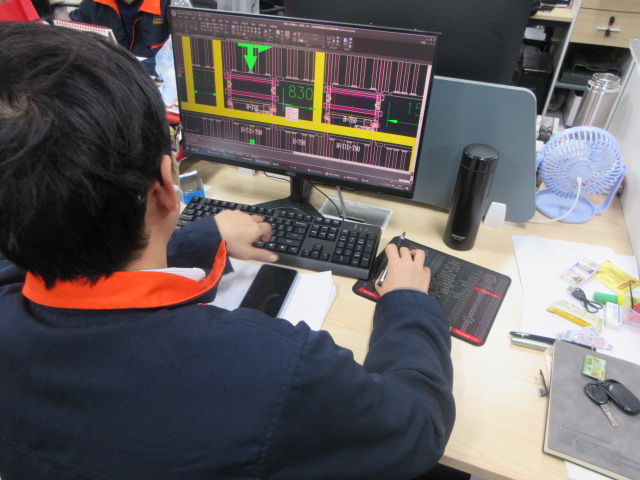
How global enterprises deploy boltless structures across diverse climatic and operational conditions.
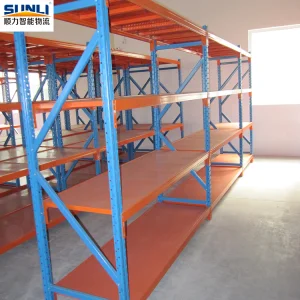
High-density sorting centers require quick layout updates to adjust to changing product sizes. Our boltless systems feature a modular design that allows onsite teams to adjust shelf heights without hot-work permits or specialized tools.
Sub-zero cold storage demands excellent corrosion resistance. Sunli's hot-dip galvanized finishes and dynamic epoxy powders prevent micro-fissure rust, preserving structural integrity in high-humidity and low-temperature zones.
For sensitive high-tech hardware, standard paint can hold electrostatic charges. We apply specialized ESD-preventive coatings that dissipate static safely, protecting electronic inventory.
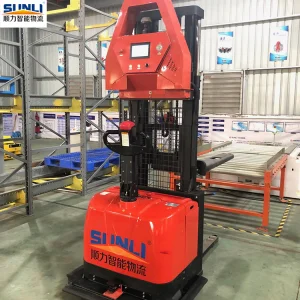
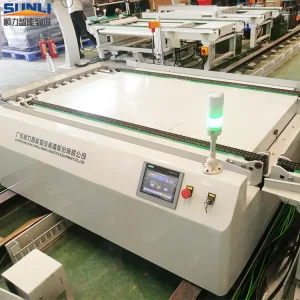
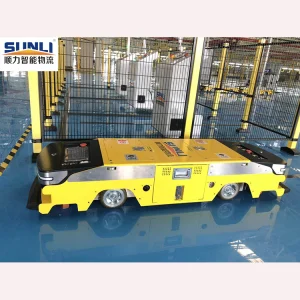
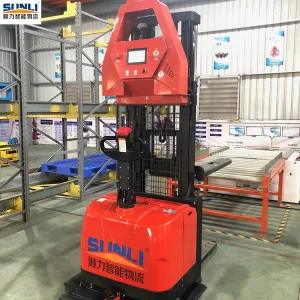
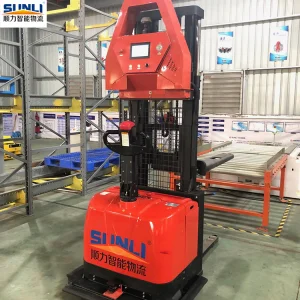
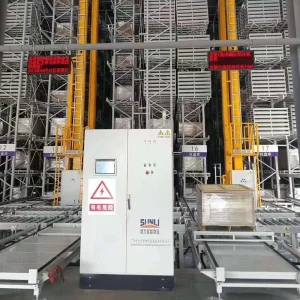
Modern supply chains increasingly combine manual racking with robotic automation. Sunli’s steel structures are engineered to interface with automated guided vehicles (AGVs), laser-guided forklifts, and automated storage and retrieval systems (AS/RS). Our high-precision roll-forming ensures straight upright lines, reducing deflection deviations to less than 0.1% under full load. This precision allows automated shuttles and optical AGV guidance systems to navigate and place inventory without alignment errors.
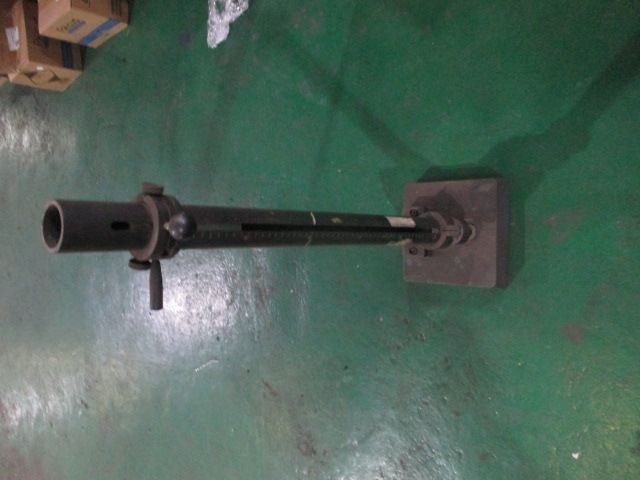
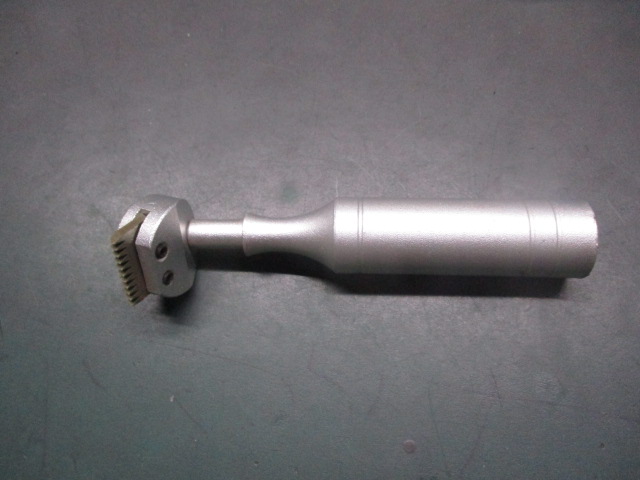
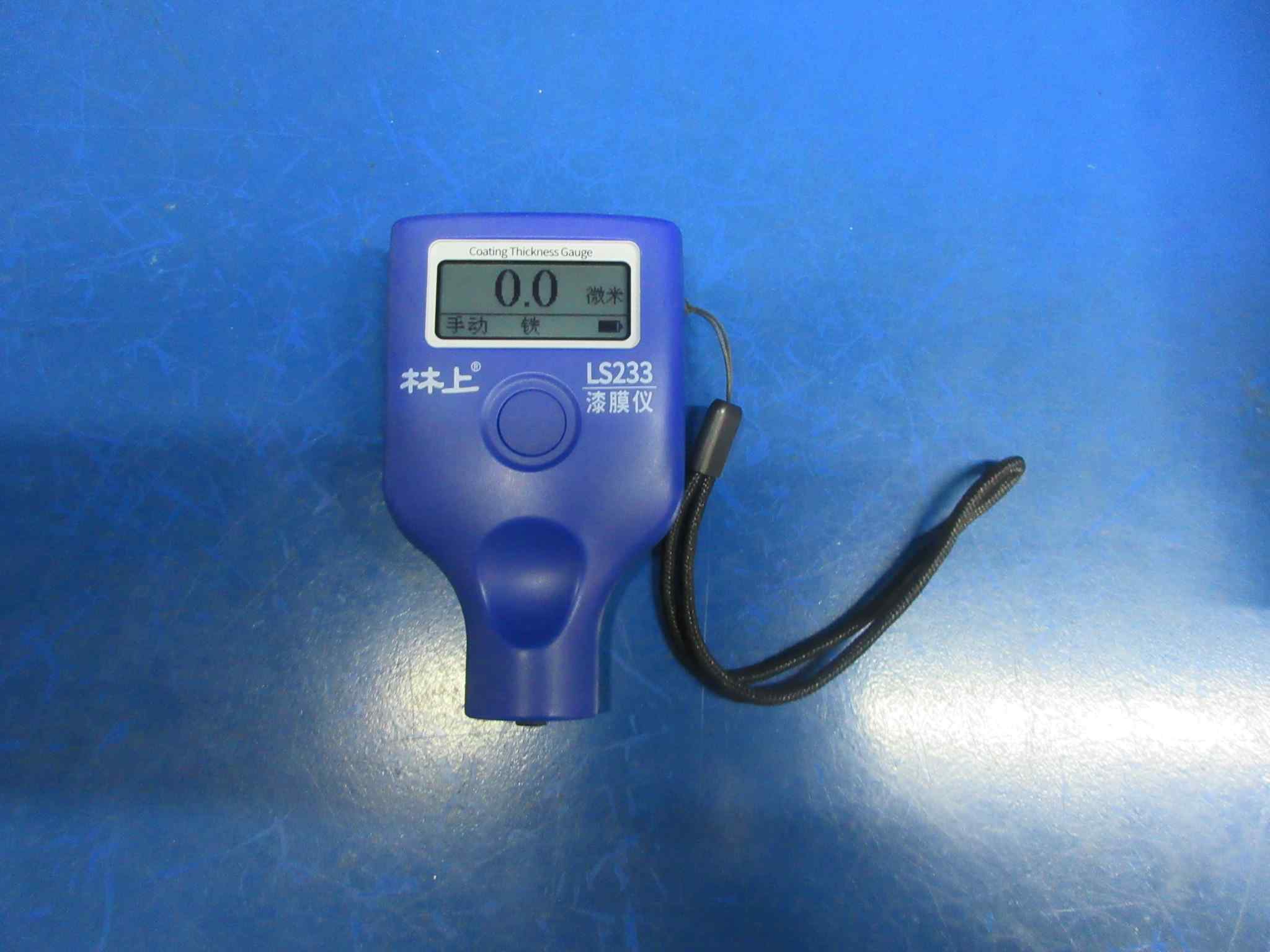
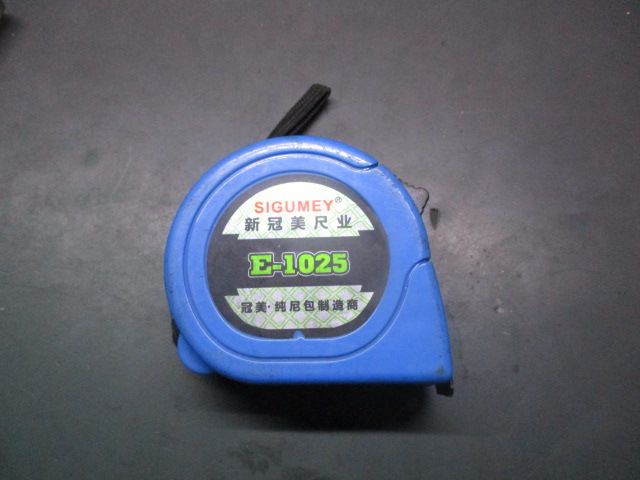
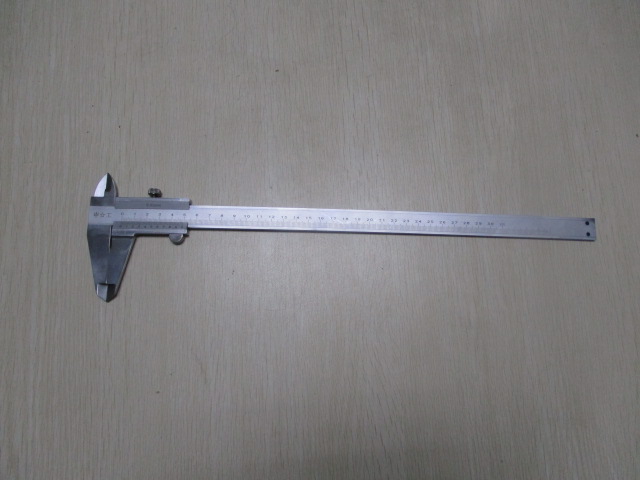
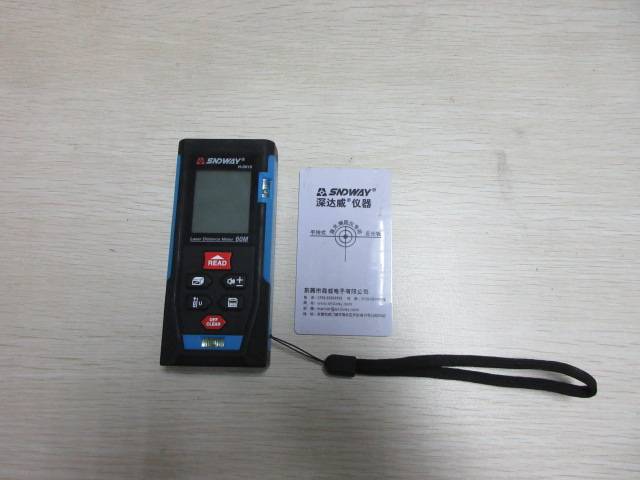
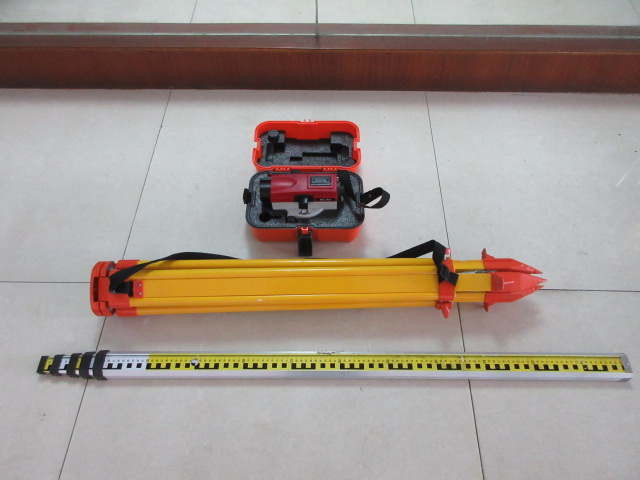
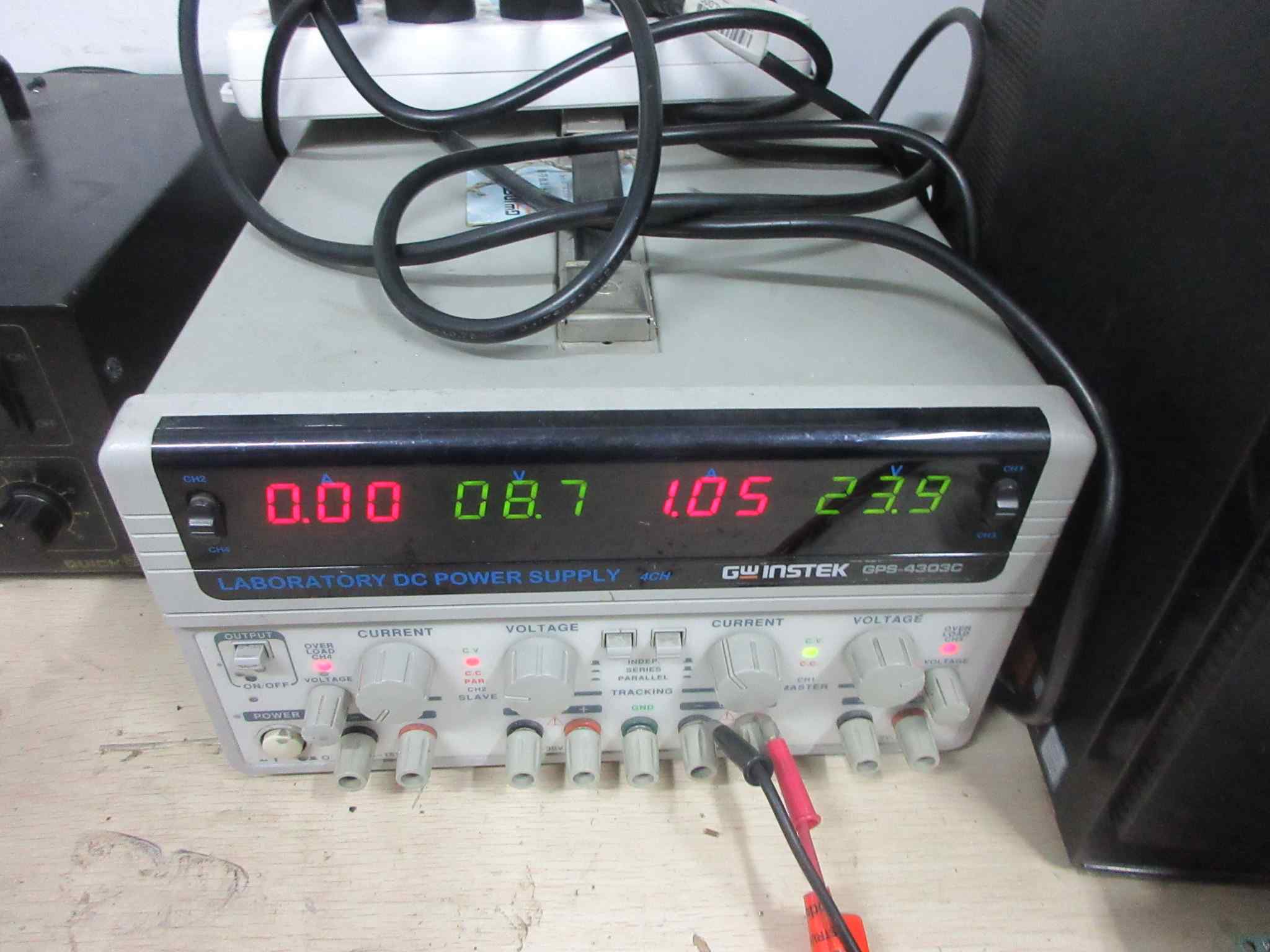
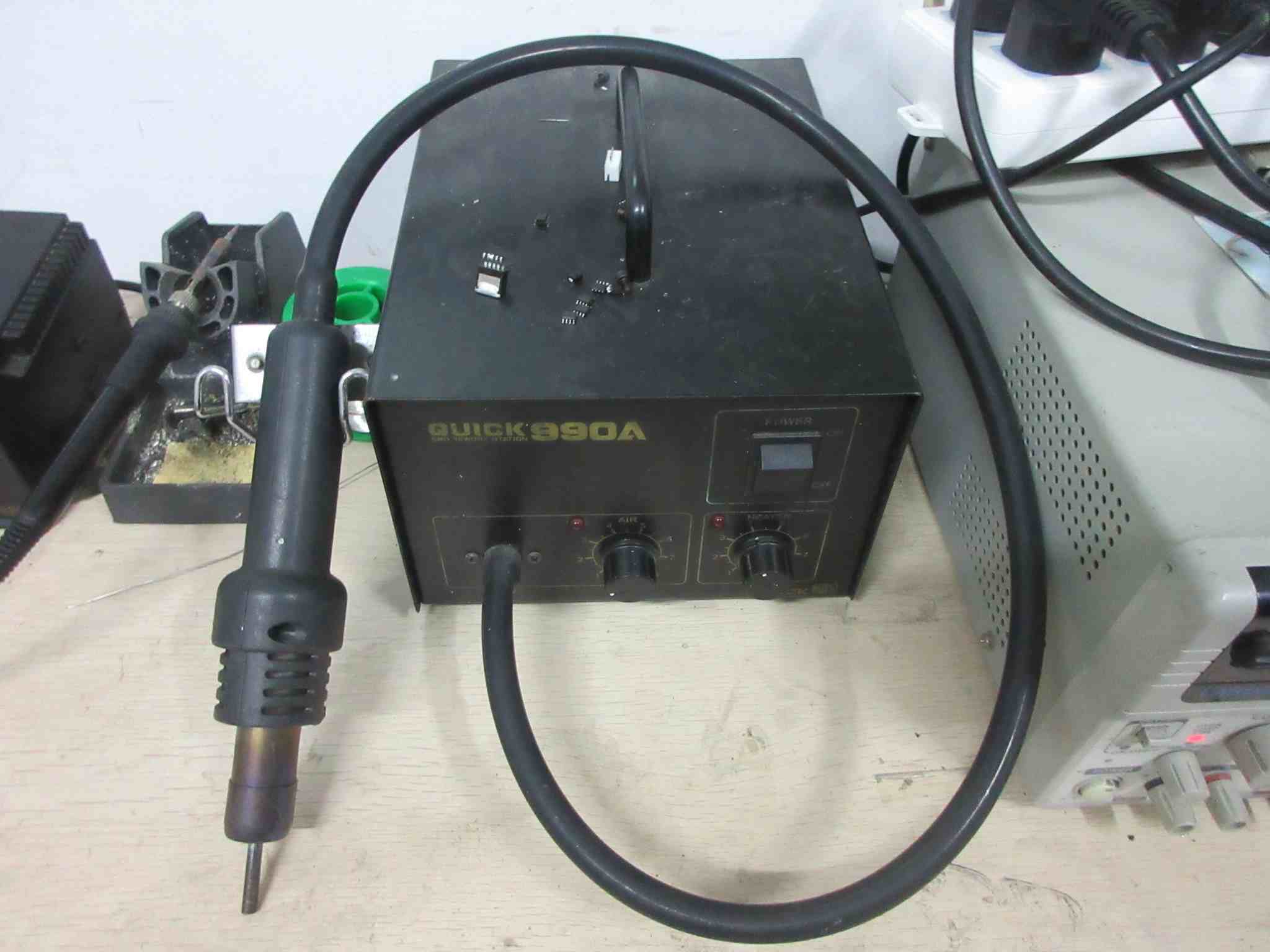
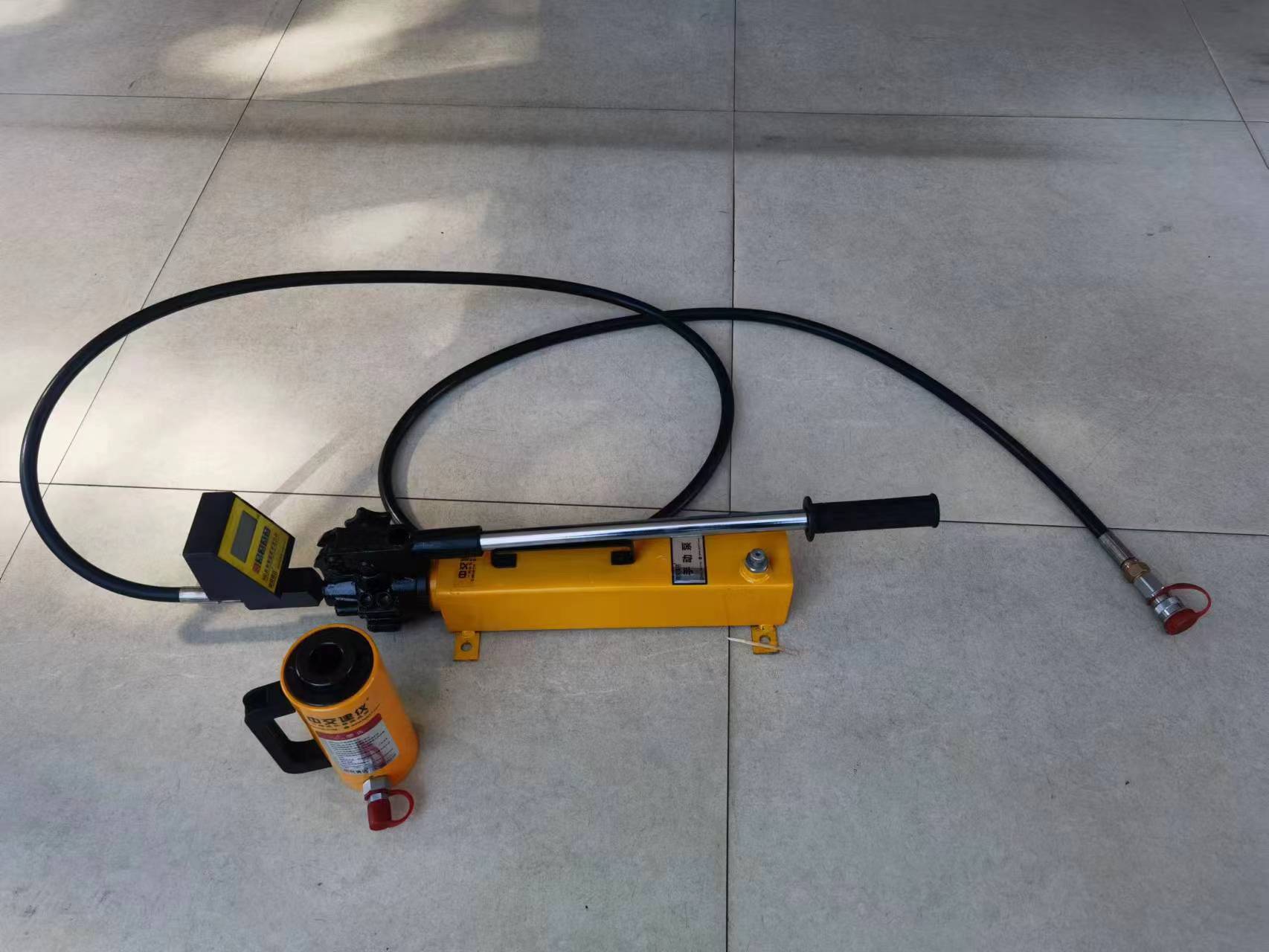
A look at the diagnostic equipment used by our 35 QC specialists to test raw materials, weld seams, and coatings.
Analyzing geopolitical logistics advantages, material sourcing, and technology trends in industrial racking.
Shenzhen Sunli operates with over 800 supply chain partners. This regional consolidation allows us to source raw materials, manufacture, pack, and export from nearby ports efficiently. Through volume steel contracts, we help global buyers manage base metal cost fluctuations, maintaining steady pricing structures even during market shifts. Our integrated production process keeps export delivery windows within 25–35 days, regardless of ordering surges.
The industrial storage market is transitioning from static steel structures to dynamic, data-integrated architectures. Sunli’s technical roadmap includes several key developments:
Ensuring compliance with localized safety guidelines, structural rules, and building codes globally.
B2B procurement leaders prioritize structural safety and compliance. Sunli's design processes follow the EN 15512 European standard for steel static storage systems, as well as the RMI (Rack Manufacturers Institute) specifications used across North American markets.
Each structural component manufactured at our Shenzhen facility is stamped with a tracking code. This provides complete material traceability, detailing the raw steel batch, processing date, welding station, and final powder quality control checks. All systems carry CE certifications, qualifying them for municipal building applications globally.
Direct technical answers from our R&D and QC engineering teams to guide your design and integration planning.
Explore complementary material handling platforms, smart robotics, and high-capacity shelving options.
 SunliRack