Engineered to optimize warehouse density, improve operational safety, and support advanced material handling workflows.
Shenzhen Sunli Intelligent Logistics Equipment Co., Ltd. - Shaping the Future of Smart Storage.
Established in 2015, Shenzhen Sunli Intelligent Logistics Equipment Co., Ltd. has grown into a leading manufacturer specializing in heavy-duty industrial racking and smart warehouse storage solutions. Operating from a modern production facility spanning 38,000 m², we leverage over 12 years of industry experience and 8 years of international trade expertise to serve global logistics and industrial sectors. Our high-performance storage solutions generate an annual export revenue ranging between $18 million and $25 million, with core markets spanning North America, Western Europe, Southeast Asia, and the Middle East.
Quality and precision are central to our operations. Our dynamic team of 35 dedicated QC professionals implements rigorous product inspection methods, including full raw material load-bearing analysis, high-precision weld seam testing, and comprehensive anti-corrosion powder-coating thickness checks. Driven by strong R&D capabilities, our team of 28 skilled R&D engineers continuously innovates to meet evolving supply chain requirements, introducing over 120 new products and structural improvements annually.
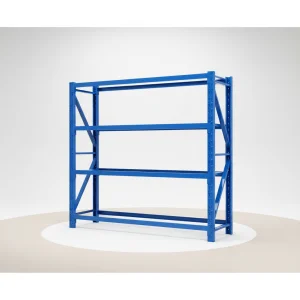
We offer extensive OEM/ODM custom options, including tailored load capacities, custom rack dimensions, color powder coatings, and fully integrated automated shuttle systems (AS/RS). Backed by a strong network of over 800 supply chain partners, we primarily partner with large-scale 3PL providers, industrial distributors, e-commerce logistics hubs, and global retail enterprises to deliver reliable, efficient, and scalable storage infrastructure worldwide.
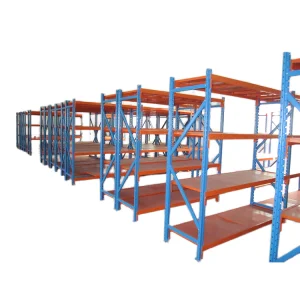
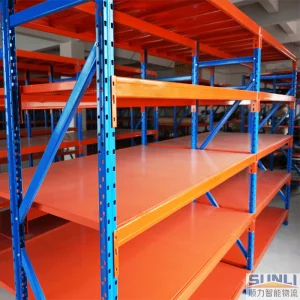
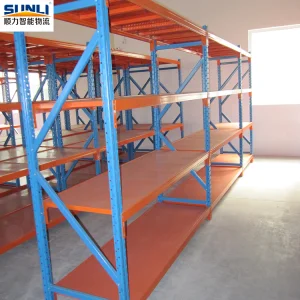
In the era of hyper-globalization and rapid e-commerce expansion, the modern warehouse is no longer a static repository for goods. It has evolved into a dynamic, high-throughput node within the global supply chain. To facilitate this transformation, the demand for Functionality Racks has experienced unprecedented growth. Functionality racks represent storage systems that go beyond static shelving—they incorporate modular adjustments, automated shuttle integrations, specialized load-handling properties (such as ESD protection), and seamless compatibility with Automated Guided Vehicles (AGVs).
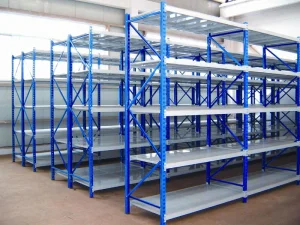
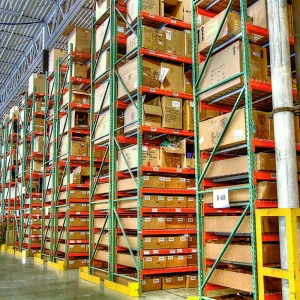
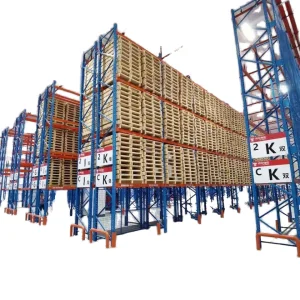
Globally, industrial spaces are facing severe land constraints and skyrocketing real estate costs. Industrial enterprises are forced to optimize vertical cube space rather than footprint. This macro-economic shift has made high-density, multi-tier racking systems and Automated Storage and Retrieval Systems (AS/RS) the standard for modern warehouse design. Industries ranging from cold-chain logistics and pharmaceutical warehousing to automotive manufacturing and high-tech electronics demand structural configurations that guarantee load structural integrity, seismic safety compliance (complying with standard design regulations like EN 15512 and RMI specifications), and maximum volume utility.
Why do leading multinational enterprises turn to Chinese manufacturing clusters for their warehouse infrastructure needs? The answer lies in structural efficiency, technological integration, and unparalleled supply chain dynamics. Chinese manufacturers, led by industry pioneers like Shenzhen Sunli Intelligent Logistics Equipment Co., Ltd., offer unique structural advantages:
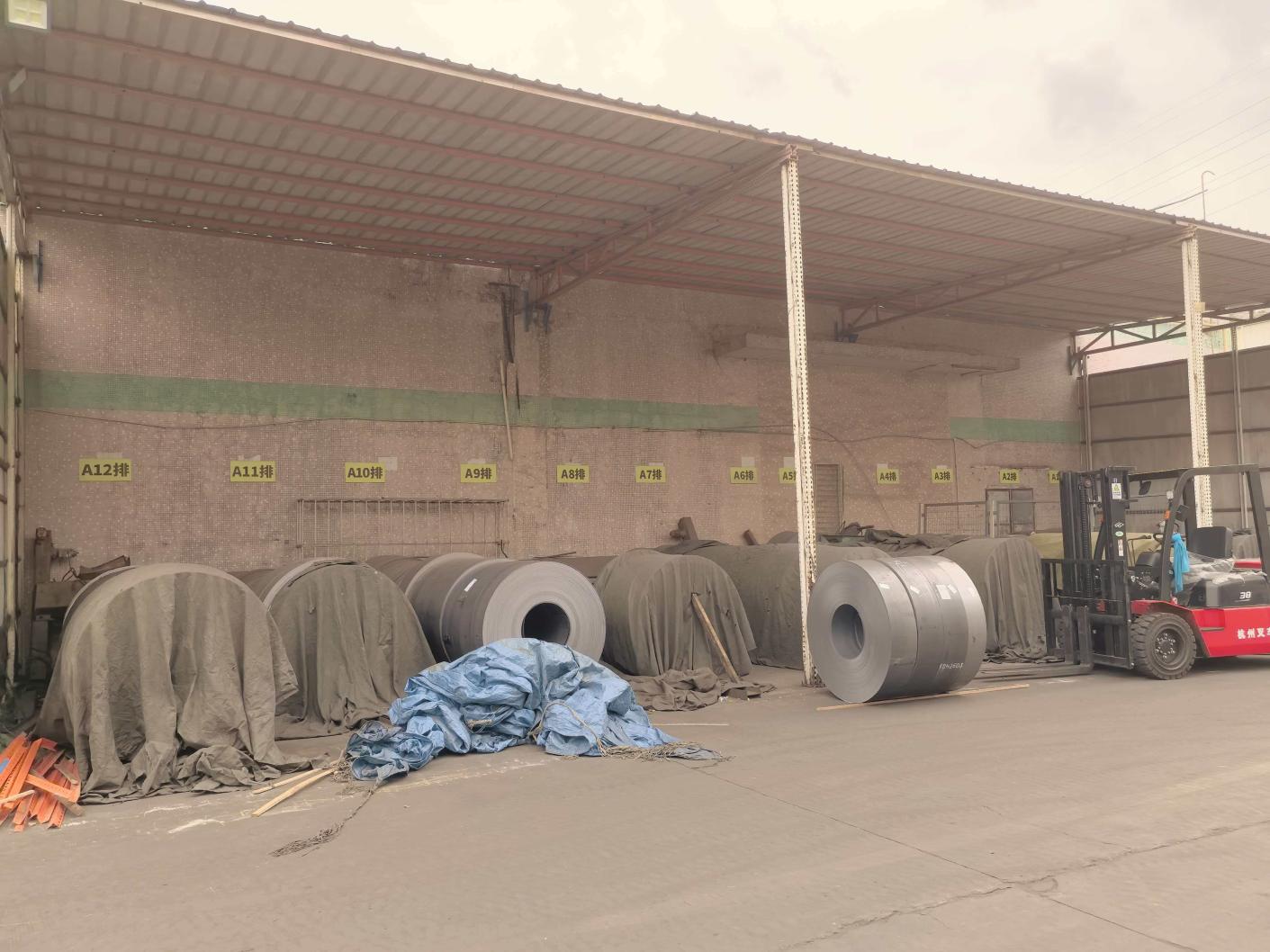
Access to premium cold-rolled steel coils (such as Q235B and Q355B grades) ensures structural resilience, uniform load distribution, and long-term durability under high stress.
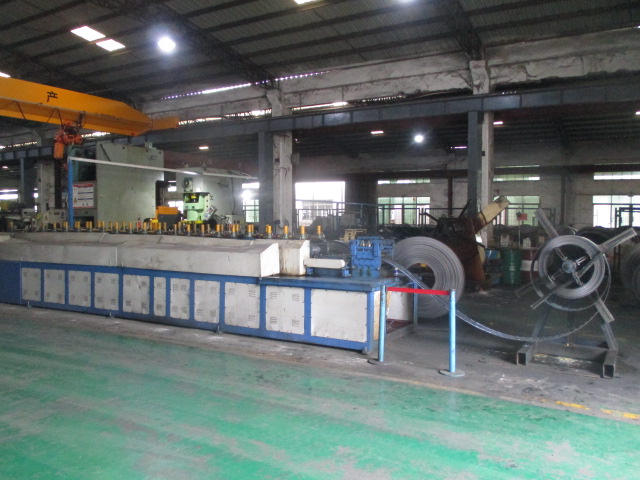
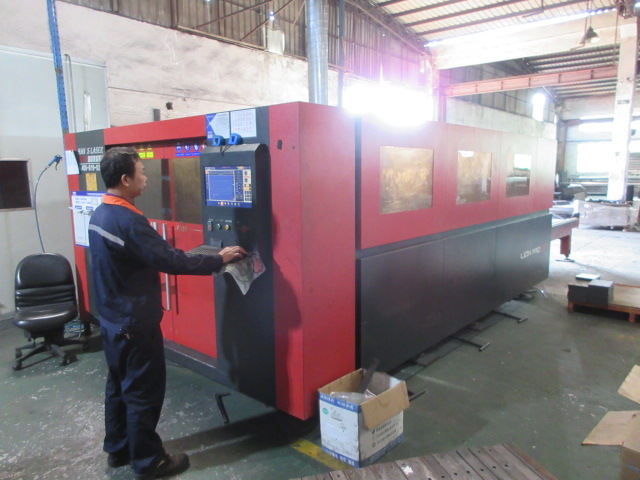
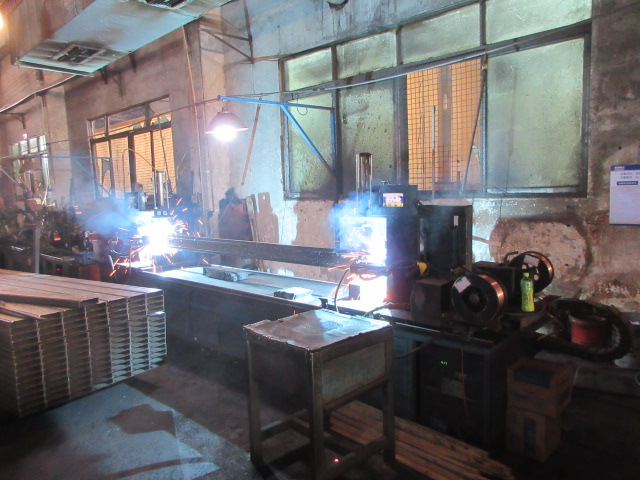
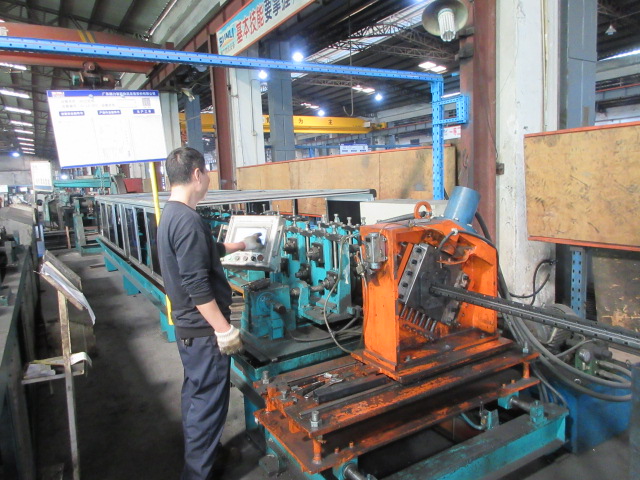
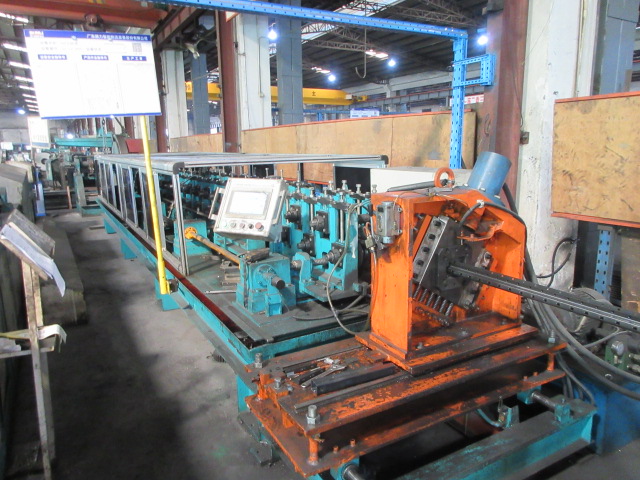
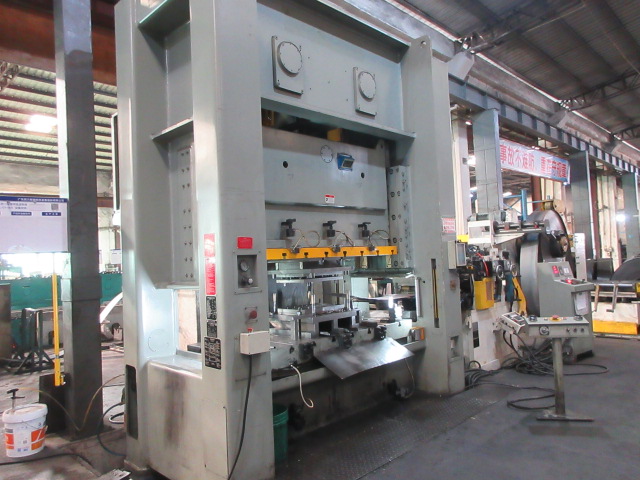
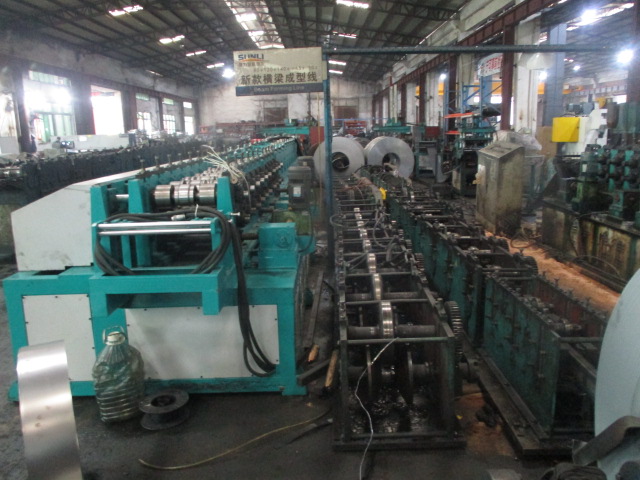
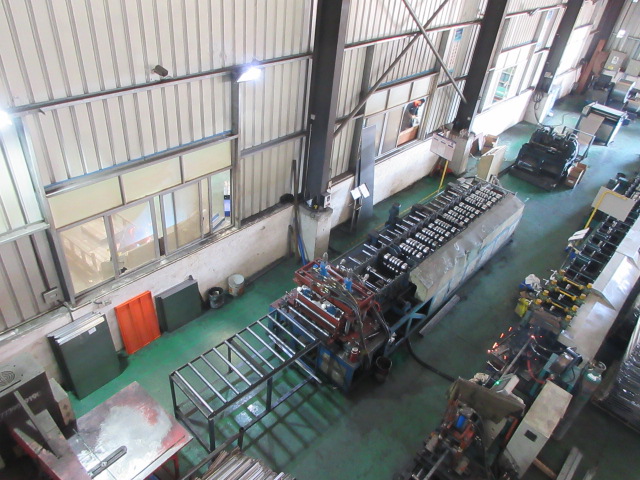
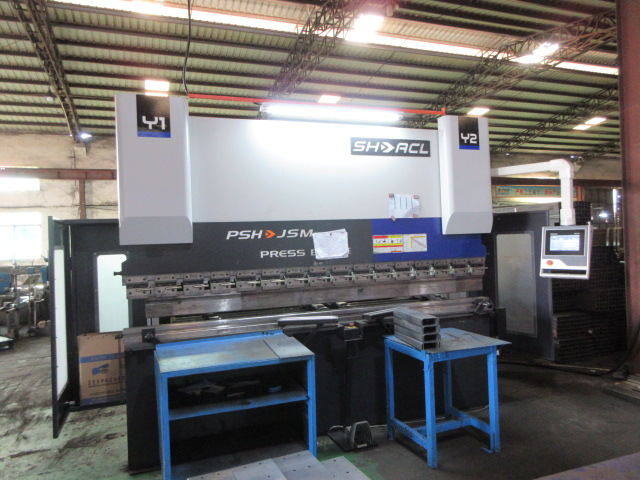
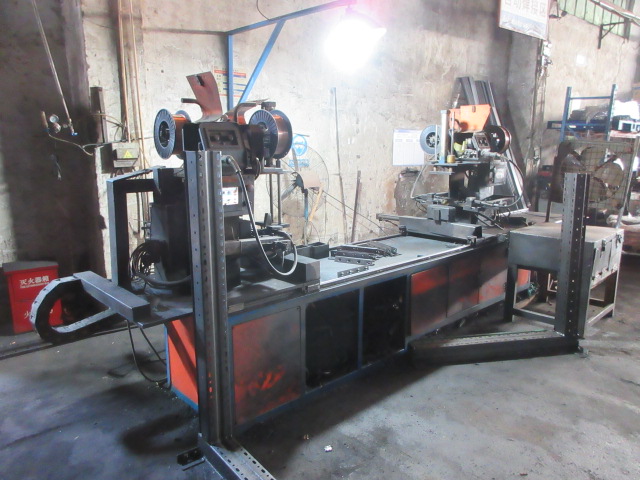
From high-precision CNC punching lines for upright frames to robotic continuous welding stations, human error is systematically eliminated. This ensures consistent tolerances within fractions of a millimeter.
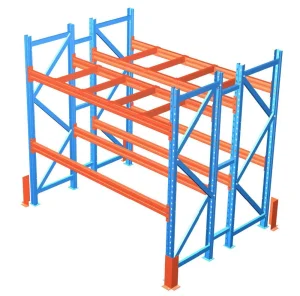
Whether adapting spacing increments for European pallets, integrating electro-static discharge (ESD) protection for high-value microelectronics, or designing complex double-deep racking profiles, Chinese engineering speeds up development cycles at fraction of Western tooling costs.
Located near major global ports like Shenzhen and Guangzhou, domestic logistics networks ensure rapid transition from production line to container loading, minimizing shipping lead times.
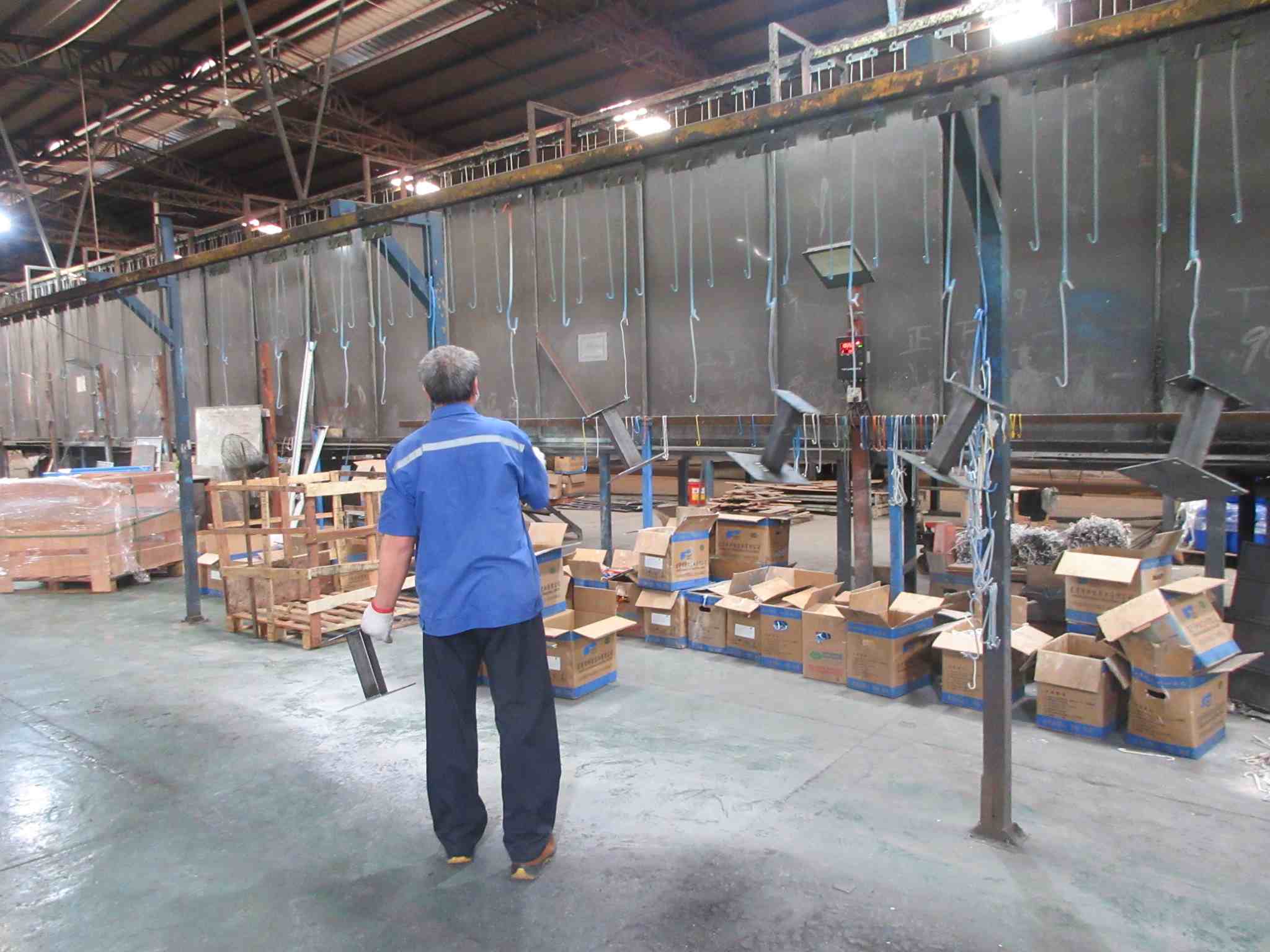
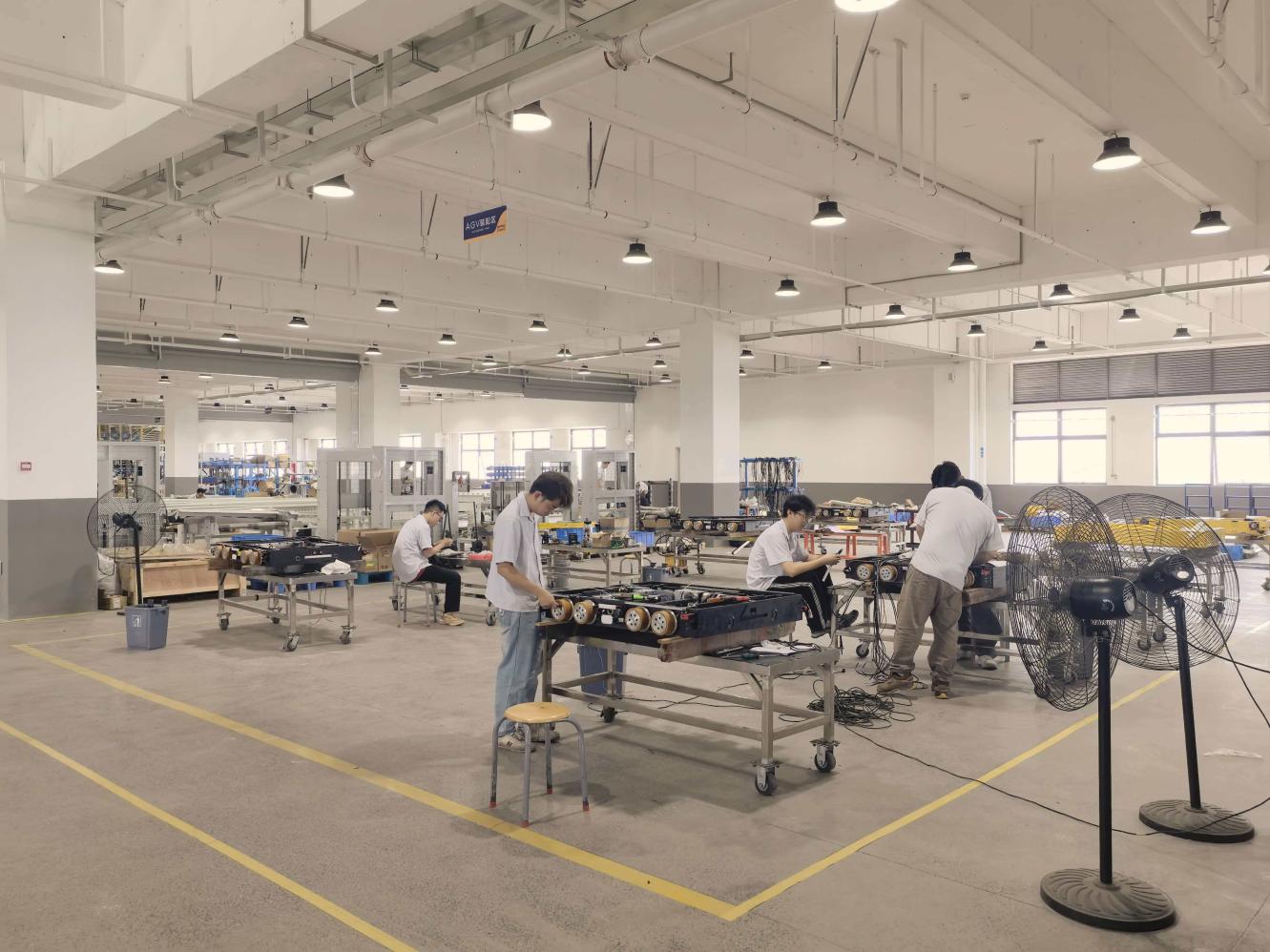
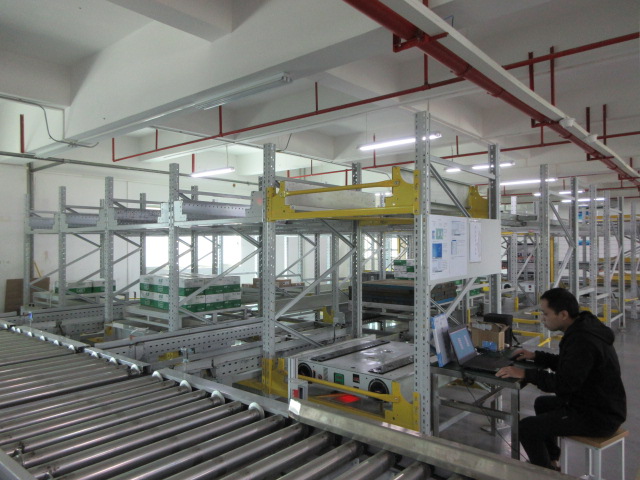
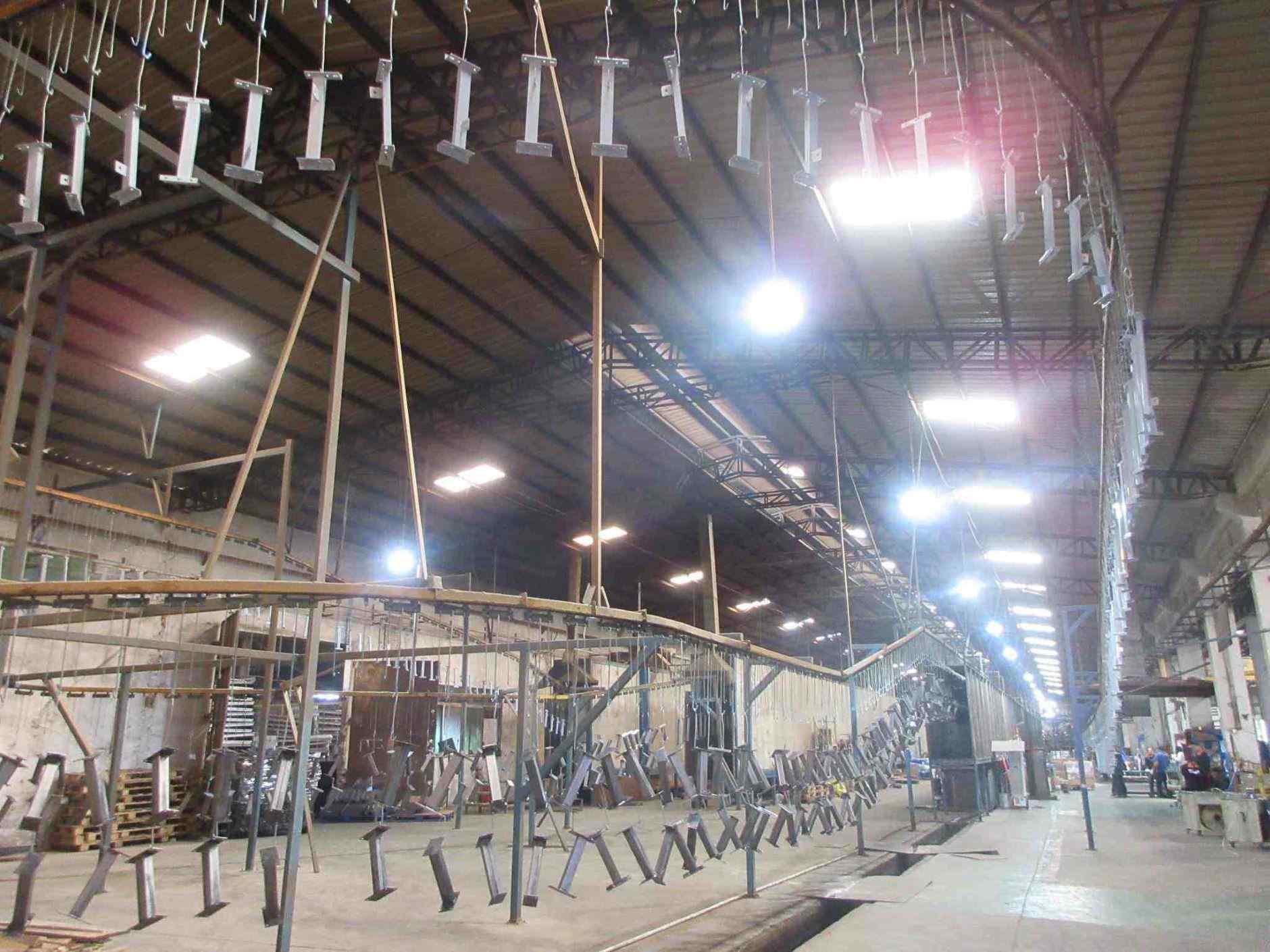
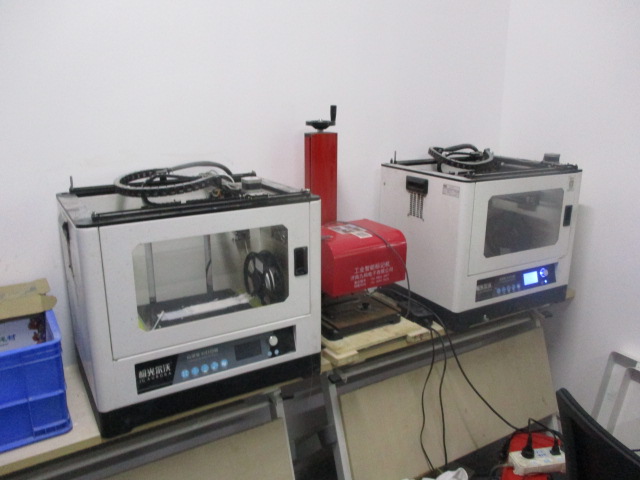
Every stage of production is meticulously monitored to ensure structural integrity and compliance with international standards.
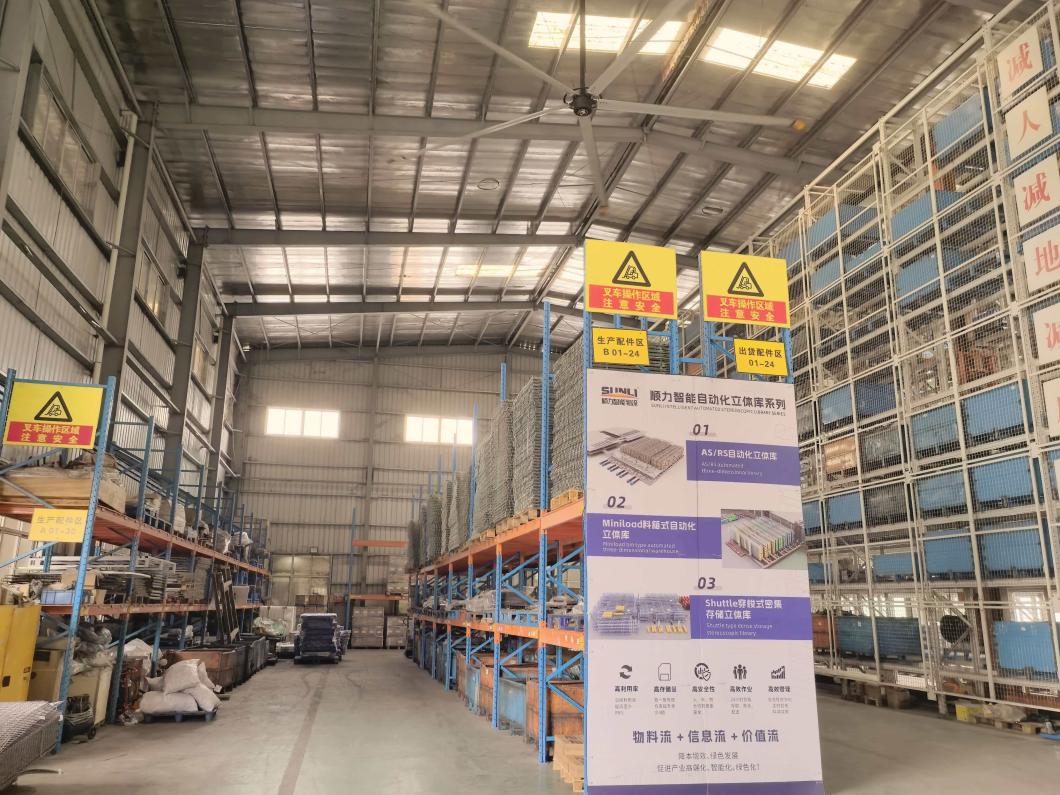
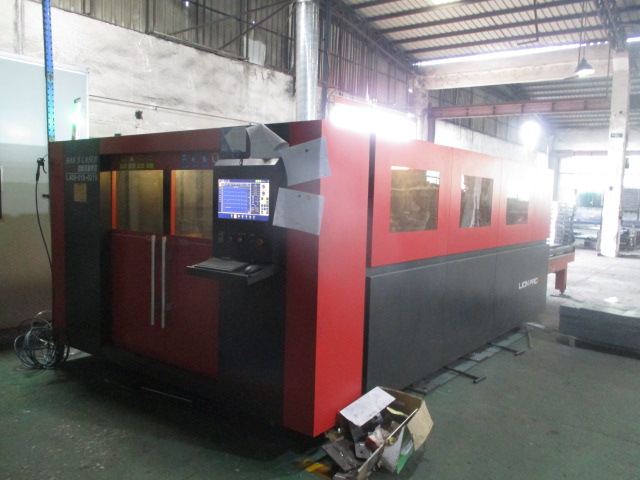
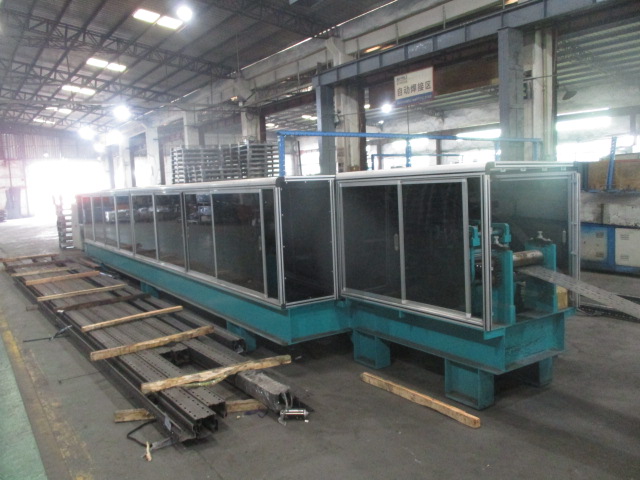
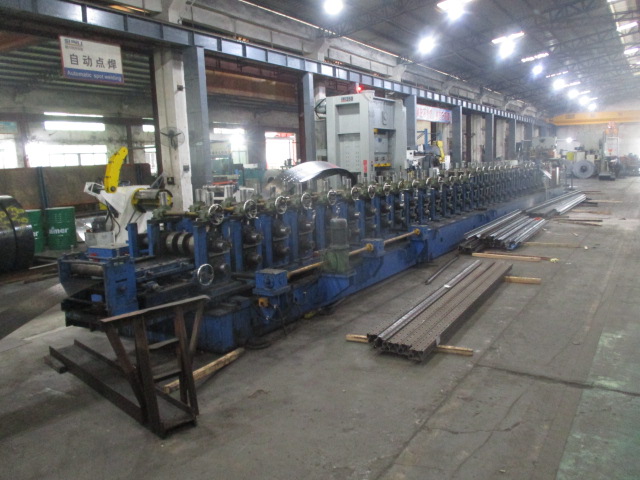
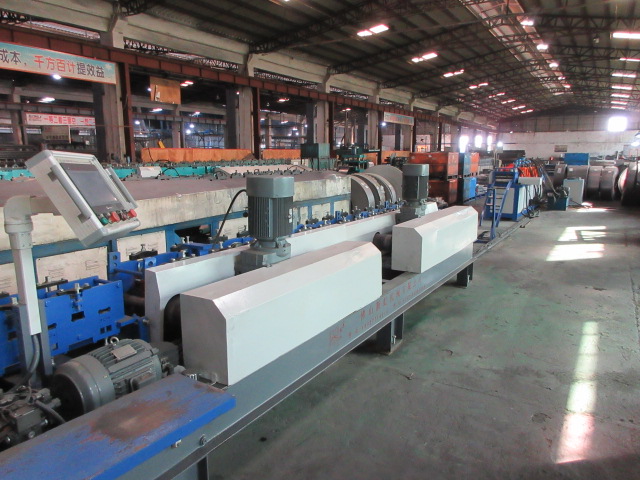
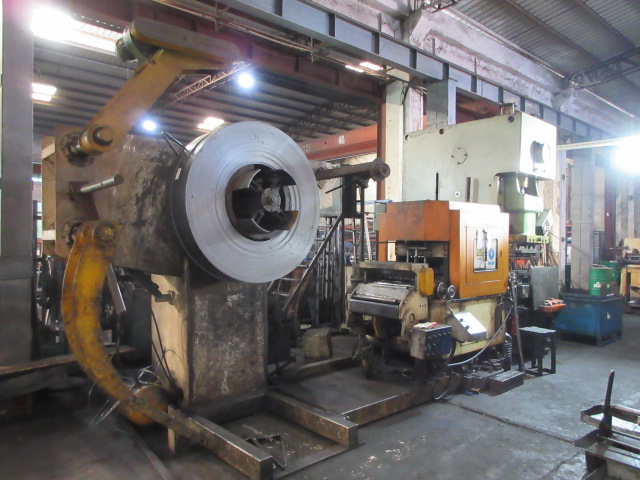
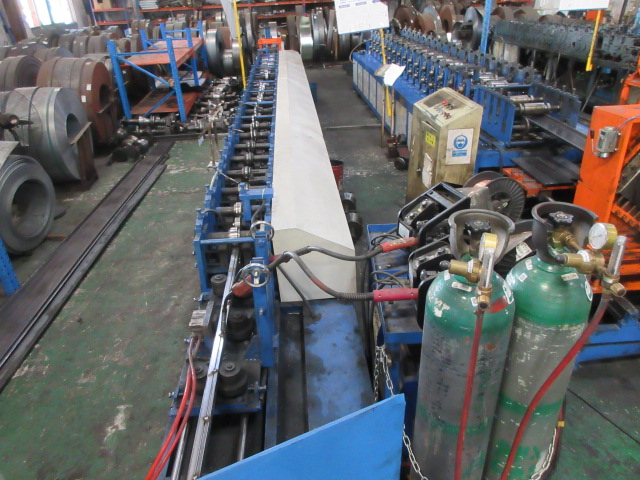
Industrial storage is never one-size-fits-all. Different industrial sectors require specialized functional upgrades to meet safety and productivity compliance metrics:
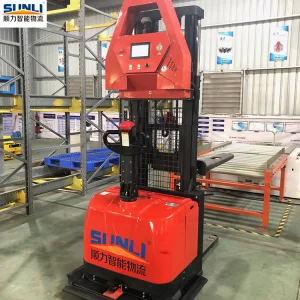
The core trend defining modern material handling is the convergence of physical steel structures with automated, intelligent robotics. Static racking structures are increasingly being redesigned to interact seamlessly with autonomous systems:
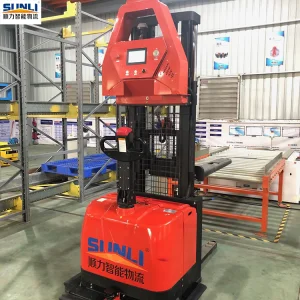
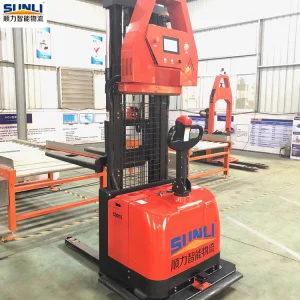
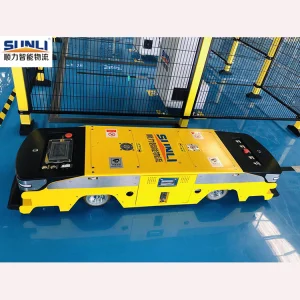
AGV Alignment: Modern racks are manufactured with precision bottom clearances, specific tracking channels, and guide rails designed for automated forklifts and laser-navigated AGVs. Real-time fleet systems guide automated forklifts through aisles, relying on millimeter-accurate rack positioning to avoid collisions.
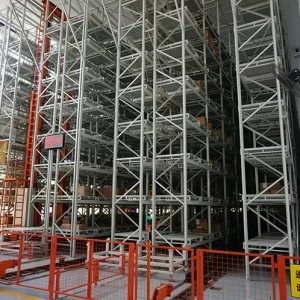
AS/RS Multi-Level Stacking: Eliminating manual forklift operators allows high-density stacker cranes to scale heights up to 30 meters. This dramatically shrinks the required warehouse footprint while increasing retrieval speeds by over 300%.
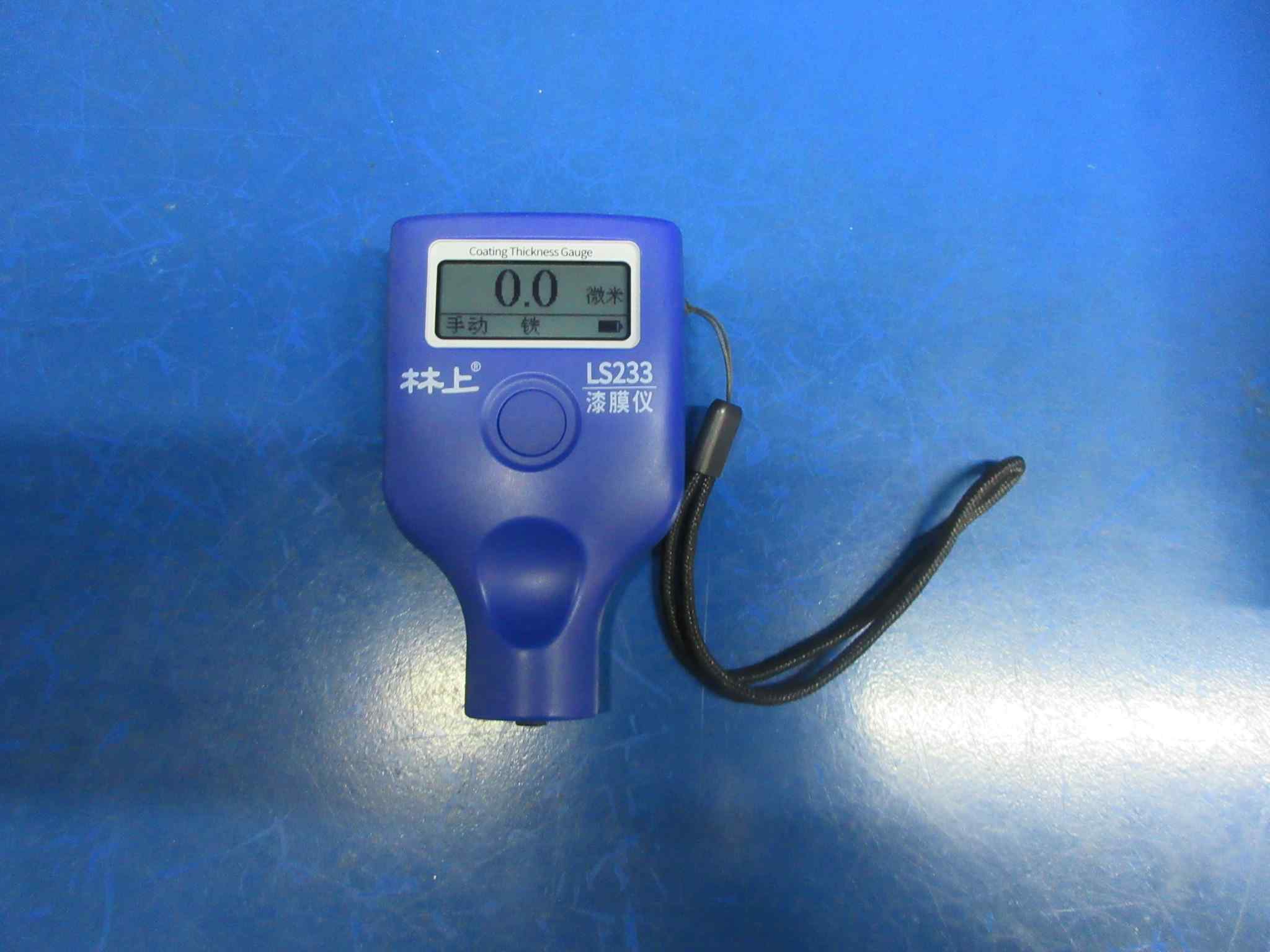
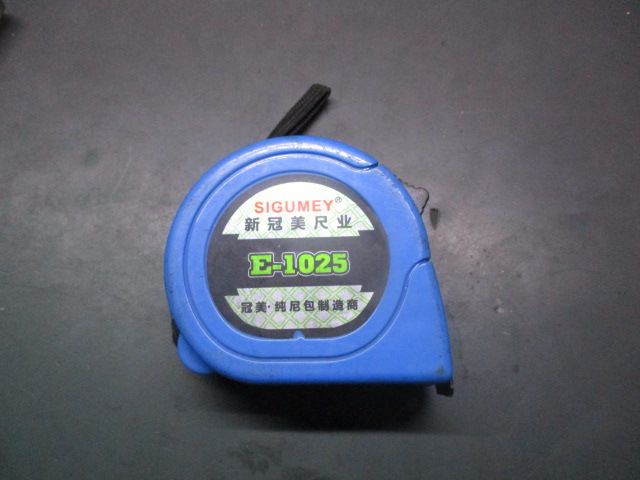
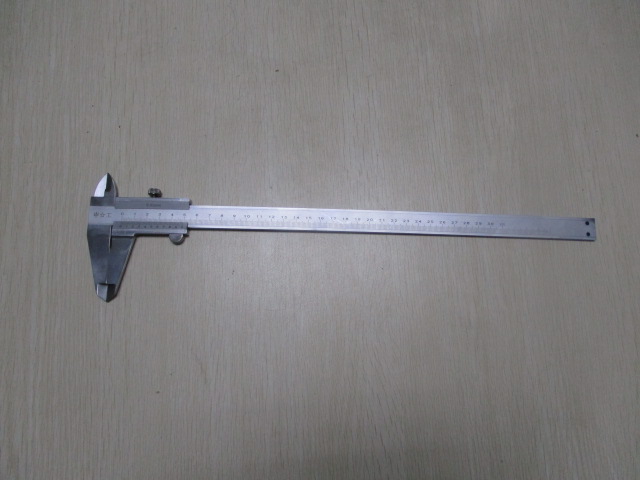
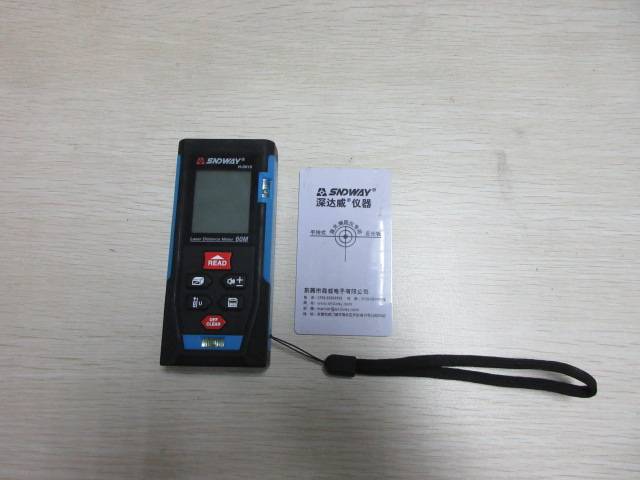
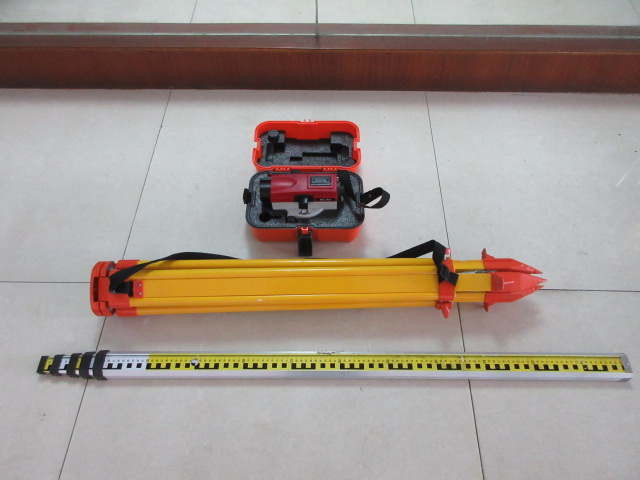
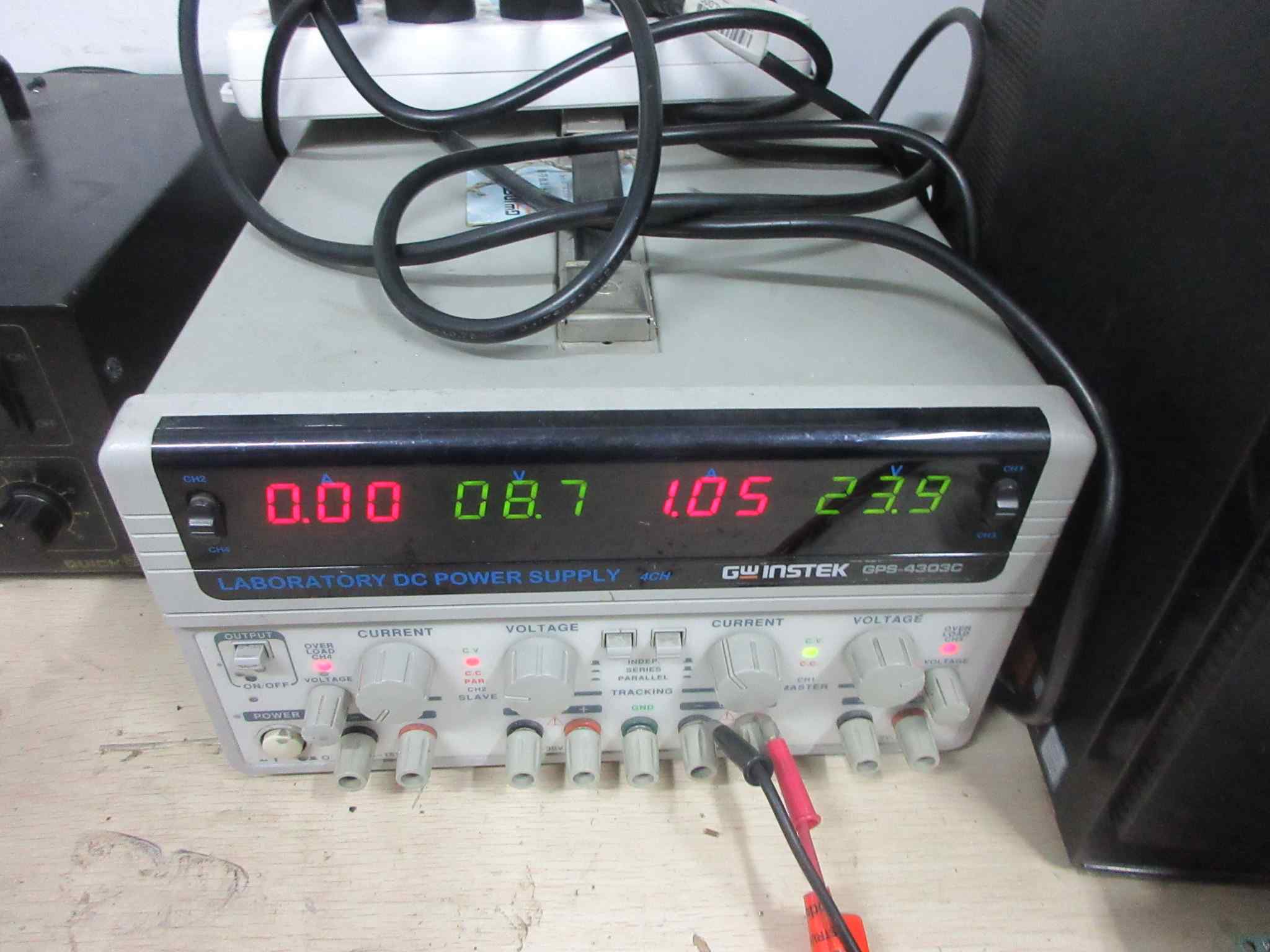
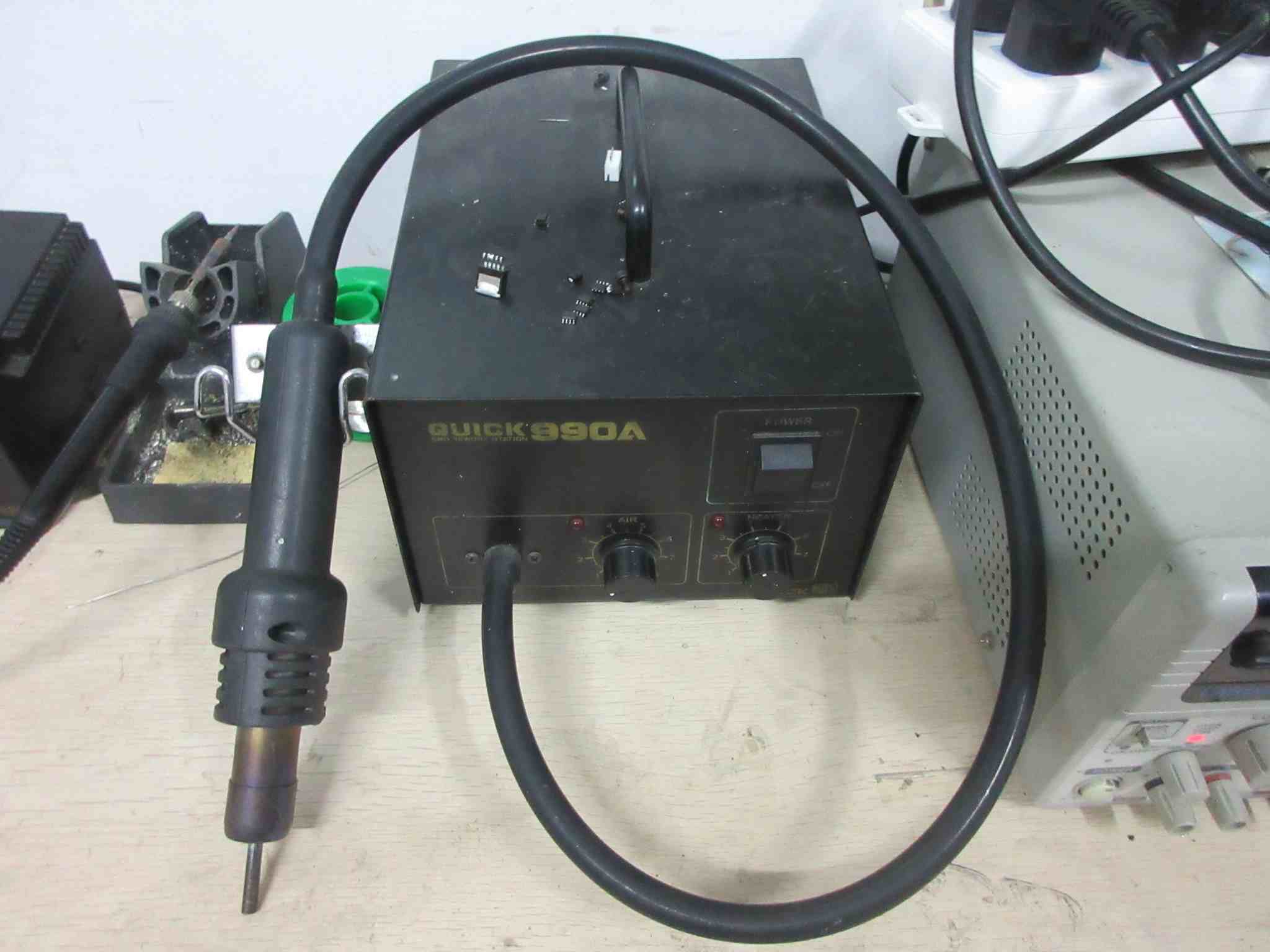
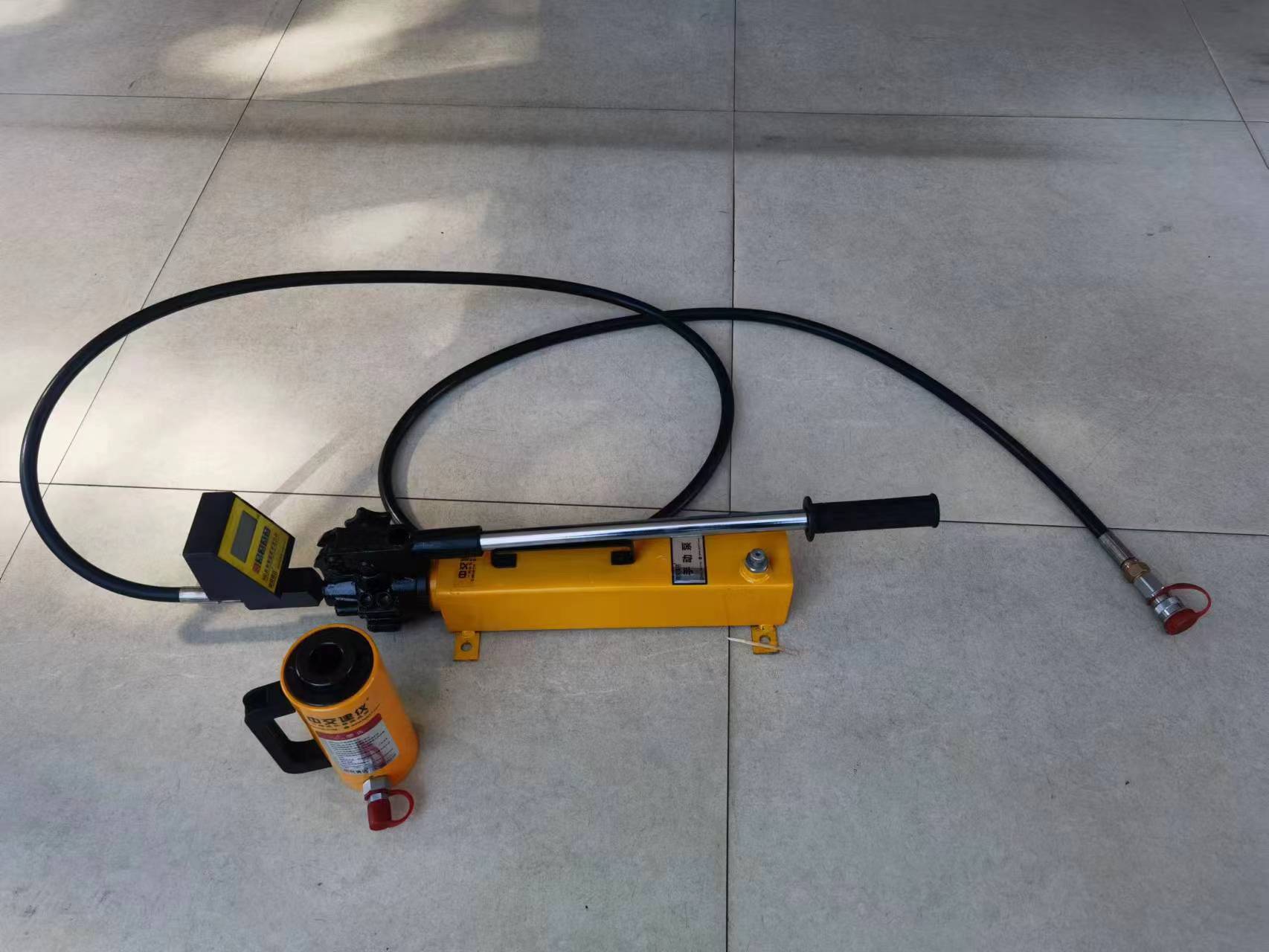
Equipped with specialized testing instruments to verify tolerances, thickness, paint adhesion, and material stress behavior.
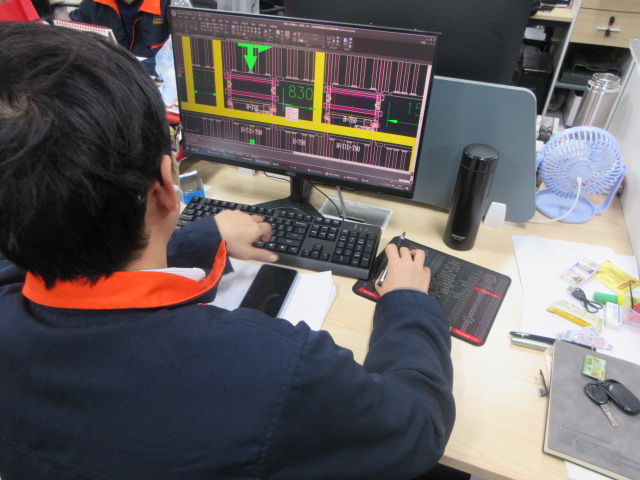
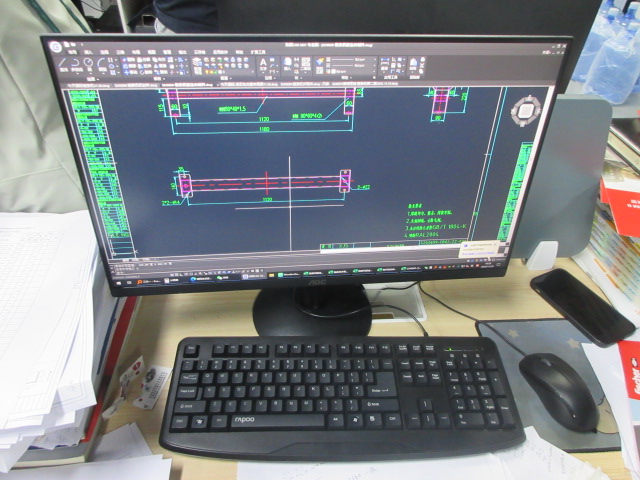
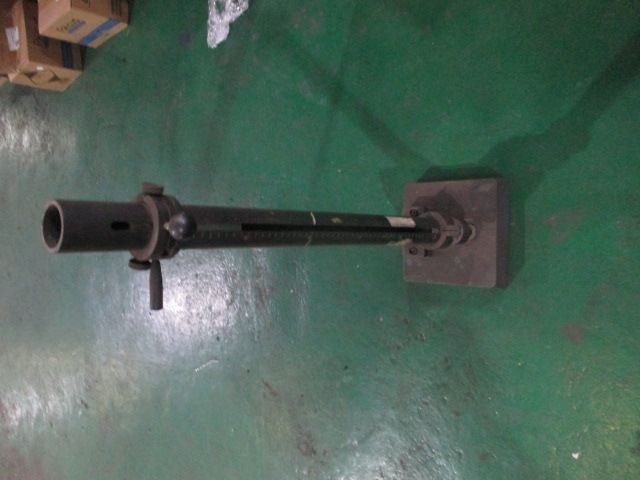
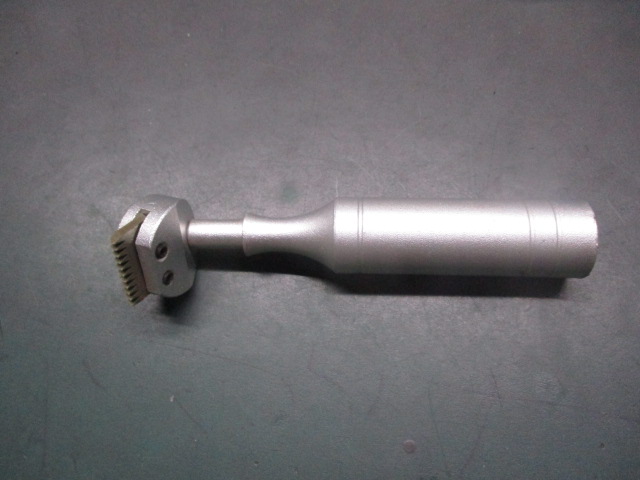
Purchasing agents, project managers, and logistics consultants must weigh various factors when selecting a racking supplier. Selecting the right industrial partner goes beyond comparing base price quotes. Key factors to evaluate include:
Ensure design calculations align with international and regional standards, including RMI (US market), EN 15512 (European union), and local seismic criteria.
Confirm the use of qualified structural steel (Q235B or Q355B equivalent to ASTM A36 or A572) with mill certificates to guarantee tensile strength under load.
Verify welding quality using non-destructive testing (NDT) to avoid structural failure at connection points under dynamic load stresses.
A high-quality powder coating should have a minimum thickness of 60–80 microns, providing corrosion resistance in humid or temperature-controlled environments.
Technical insight to help your engineering and procurement teams make informed decisions.
Engineered for precise compatibility, high durability, and modern warehouse management systems.
 SunliRack