A manufacturer-led guide to export-ready warehouse racking, mezzanine platforms, pallet systems, AGV handling and intelligent logistics equipment for 3PL, e-commerce, manufacturing and distribution teams.
Buyers searching for China wholesale freight management suppliers and exporters are often looking beyond a single service quote. They are configuring the physical layer that connects inbound freight, high-density storage, automated pallet handling, order picking and outbound dispatch. The first eight systems below represent that practical starting point.
Search demand for China wholesale freight management suppliers and exporters combines several intents. A freight forwarder may use the phrase while looking for export-ready handling infrastructure. A third-party logistics provider may be comparing pallet racking and shuttle systems. An e-commerce operator may need an AGV, mezzanine platform and modular storage. A procurement team may be verifying manufacturer capability before requesting drawings, samples and a quotation.
Google-style semantic systems evaluate the relationship between freight management, warehouse racking, pallet handling, automated storage, export packing, supplier trust and destination-market compliance. The strongest content does not repeat a keyword alone; it answers the engineering and commercial questions behind the search. For this reason, a useful supplier page should connect freight flow, storage density, load capacity, handling automation, quality control and export support in one coherent buying journey.
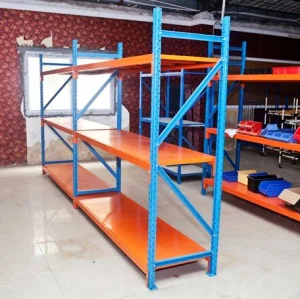
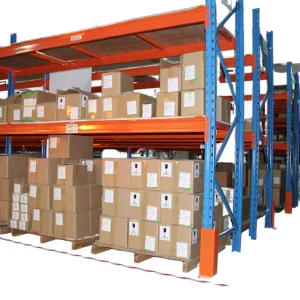
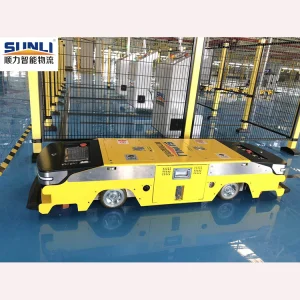
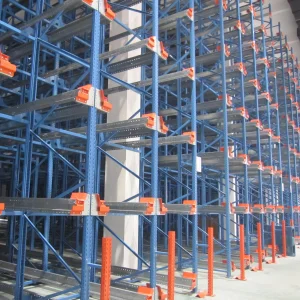
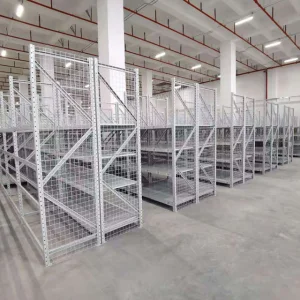
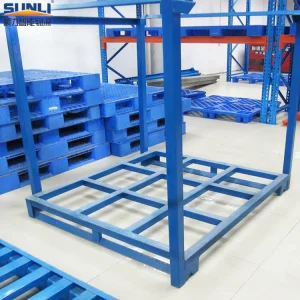
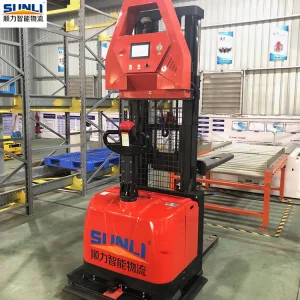
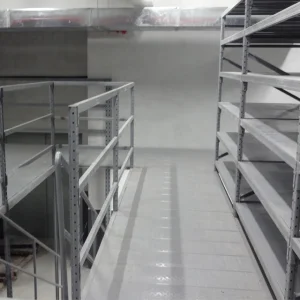
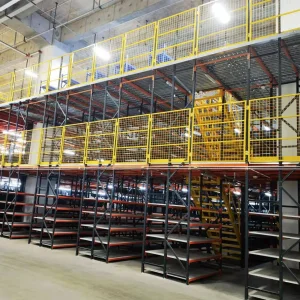
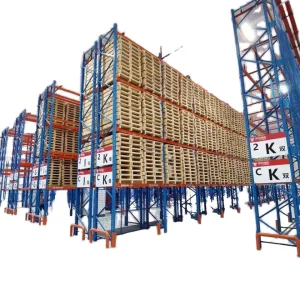
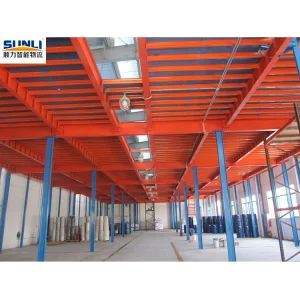
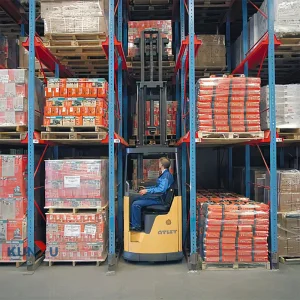
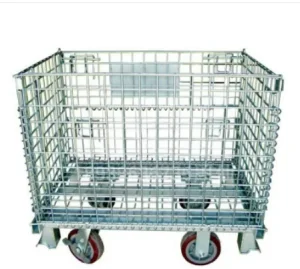
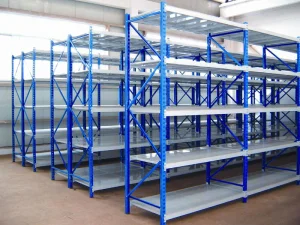
Shenzhen Sunli Intelligent Logistics Equipment Co., Ltd. addresses this intent through a portfolio that includes steel shelving and decking for selective storage; shuttle racks and drive-in racking for high-density pallet movement; mezzanine platforms for vertical capacity; AGV robots and laser-guided forklifts for automated material transport; and steel pallets and mesh cages for freight consolidation. The commercial meaning is clear: the buyer is not simply purchasing steel. The buyer is reducing friction between inbound freight, storage, picking, handling and outbound dispatch.
Procurement teams need company age, factory area, export revenue, QC staffing, certifications, product range and evidence of OEM/ODM capability before they shortlist a wholesale supplier.
Warehouse managers must compare load capacity, aisle width, rack height, floor conditions, fire strategy, pallet type, picking method and future automation interfaces before selecting a racking or AGV solution.
International buyers evaluate packing methods, container loading, documentation, inspection checkpoints, powder-coating durability and after-sales responsiveness as part of supplier reliability.
Freight management has evolved from a narrow transport-rate function into an infrastructure discipline. Port volatility, inventory resilience, labor availability, warehouse rent, carbon reporting and automation readiness now shape purchasing decisions.
Across North America, Western Europe, Southeast Asia and the Middle East, logistics teams are being asked to do more with less predictable flows. Inventory may be buffered closer to the customer. E-commerce orders continue to fragment into smaller batches. Manufacturers are reconsidering network design. Third-party logistics providers are selling not only space but also speed, visibility and value-added handling. In this environment, a rack is no longer passive steel. It is a component of throughput, safety, space efficiency and future automation.
China remains a deep manufacturing base for racking, shelving, pallet systems and material-handling equipment because it combines steel processing, roll forming, automatic welding, powder coating, component supply and export logistics. However, the maturity of the supply base does not make every supplier equivalent. Serious buyers compare engineering drawings, raw-material controls, weld quality, coating thickness, load testing, packing standards and the ability to integrate with WMS, WCS or AGV workflows.
The commercial outlook points toward modularity, high-density storage and guided automation. Buyers want systems that can start with a practical manual layout and later migrate toward shuttle racking, AGV pallet handling or a digital-twin planning model. This is where supplier experience becomes strategically useful: the best partner helps the buyer avoid a low-cost installation that blocks future growth.
These trends influence how wholesale buyers evaluate racking, mezzanine platforms, AGVs, pallets and storage accessories for export projects.
High-density storage is moving into mid-market warehouses as shuttle systems and automated FIFO/FILO pallet flows become more accessible and modular.
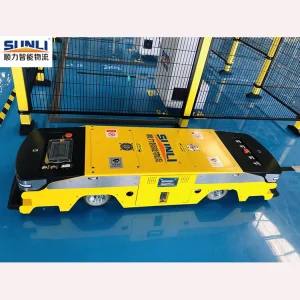
Guided vehicles reduce repetitive travel and support safer pallet movement, especially where labor availability, shift patterns or throughput peaks constrain operations.
Vertical expansion and reconfigurable bays help buyers raise capacity without committing to a new building or an inflexible one-off layout.
Warehouse planning increasingly uses simulation, SKU profiling and inventory velocity analysis to test layouts before steel is ordered or conveyors are fixed.
Powder coating, corrosion protection, repairability and long service life support environmental goals while protecting equipment in humid or coastal markets.
Companies are spreading inventory across more locations, which increases demand for compact, scalable and quickly deployable storage systems.
Smaller urban facilities need multi-level storage, pick-friendly shelving, mesh cages and flexible pallet handling to serve faster delivery expectations.
International buyers seek documented load capacities, CE/ISO support where applicable, tailored dimensions, export packing and local installation guidance.
A racking or AGV specification that works in one market may fail in another. Climate, labor cost, building codes, fire strategy, pallet standards and delivery expectations all change the optimum design.
Large 3PL providers and distributors often prioritize selective pallet racking, heavy-duty shelving, drive-in density and modular bays that can be replicated across multiple warehouses. Documentation, load signage, seismic considerations and lead-time reliability matter as much as unit price.
High land costs and strict safety expectations favor mezzanine platforms, shuttle systems and accurate load engineering. Buyers typically expect detailed drawings, coating quality, traceability and a clear integration path with warehouse management systems.
Fast e-commerce expansion creates demand for foldable racks, mesh cages, medium-duty shelving and AGV material transport. Corrosion protection and packing for humid, coastal or multi-island delivery routes are important selection criteria.
Distribution centers, industrial projects and retail networks often require heavy-duty pallet racking, steel pallets and mezzanine systems that can tolerate demanding environments. Buyers value practical installation support, clear spare-part planning and robust powder coating.
A pragmatic roadmap helps wholesale buyers invest in stages without sacrificing safety, capacity or future automation compatibility.
Start with selective racking, steel shelving, pallets, mesh cages and mezzanine platforms. Standardize bay widths, load ratings and accessory interfaces so the layout can expand without redesigning the entire warehouse.
Introduce AGV robots, laser-guided forklifts and controlled pallet flows where travel time, repetitive handling or safety exposure creates measurable operational friction.
Connect shuttle systems, conveyors and guided vehicles to WMS/WCS data flows. Digital-twin planning and slotting analytics support continuous improvement and clearer ROI modeling.
Future-ready warehouses will combine denser storage, safer autonomous movement, energy-aware scheduling, durable coatings and repairable structures to extend service life.
Combine selective pallet racking, drive-in density, shuttle systems and steel pallets to serve multiple clients with changing storage profiles. Modular design supports phased expansion and client-specific bay configuration.
Use multi-layer shelving, mezzanine platforms and mesh cages to organize fast-moving SKUs, returns and packing materials. AGV pallet handling can reduce travel in high-volume dispatch zones.
Deploy heavy-duty shelving, Q235 steel racking, laser-guided forklifts and industrial AGV vehicles for raw material, work-in-progress and finished-goods movement across production lines.
Support regional distribution centers with adjustable racking, mezzanine storage and pallet systems that accommodate seasonal inventory, promotional waves and store-replenishment schedules.
Corrosion protection, coating quality, cleanable surfaces and reliable structural design help protect storage performance in temperature-controlled or inspection-sensitive operations.
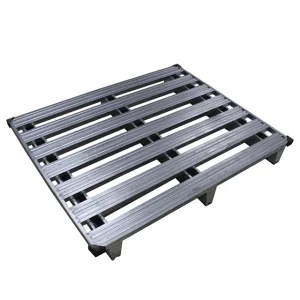
Steel pallets, mesh cages, foldable racks and dense storage systems improve cargo consolidation, container loading and temporary storage before international shipment.
For international procurement, supplier claims should be supported by production capability, quality systems and export experience. The following company profile is presented as evidence for further due diligence.
Established in 2015, Shenzhen Sunli Intelligent Logistics Equipment Co., Ltd. is a leading manufacturer specializing in heavy-duty industrial racking and smart warehouse storage solutions. Operating from a modern production facility spanning 38,000 m², we leverage over 12 years of industry experience and 8 years of international trade expertise to serve global logistics and industrial sectors. Our high-performance storage solutions generate an annual export revenue ranging between $18 million and $25 million, with core markets spanning North America, Western Europe, Southeast Asia, and the Middle East.
Quality and precision are central to our operations. Our dynamic team of 35 dedicated QC professionals implements rigorous product inspection methods, including full raw material load-bearing analysis, high-precision weld seam testing, and comprehensive anti-corrosion powder-coating thickness checks. Driven by strong R&D capabilities, our team of 28 skilled R&D engineers continuously innovates to meet evolving supply chain requirements, introducing over 120 new products and structural improvements annually.
We offer extensive OEM/ODM custom options, including tailored load capacities, custom rack dimensions, color powder coatings, and fully integrated automated shuttle systems (AS/RS). Backed by a strong network of over 800 supply chain partners, we primarily partner with large-scale 3PL providers, industrial distributors, ecommerce logistics hubs, and global retail enterprises to deliver reliable, efficient, and scalable storage infrastructure worldwide.
From a freight management perspective, the company’s value lies in the ability to link product engineering with export reality. A buyer can discuss load requirements, pallet dimensions, container loading, coating color, accessory interfaces, spare-part planning and future AGV compatibility before placing an order. Engineering drawings, inspection records and destination-market requirements should always be confirmed in the final technical agreement.
Request drawings, load assumptions, coating specifications, inspection points, packing plans and compatibility details for WMS/WCS or AGV integration before approving a wholesale freight infrastructure project.
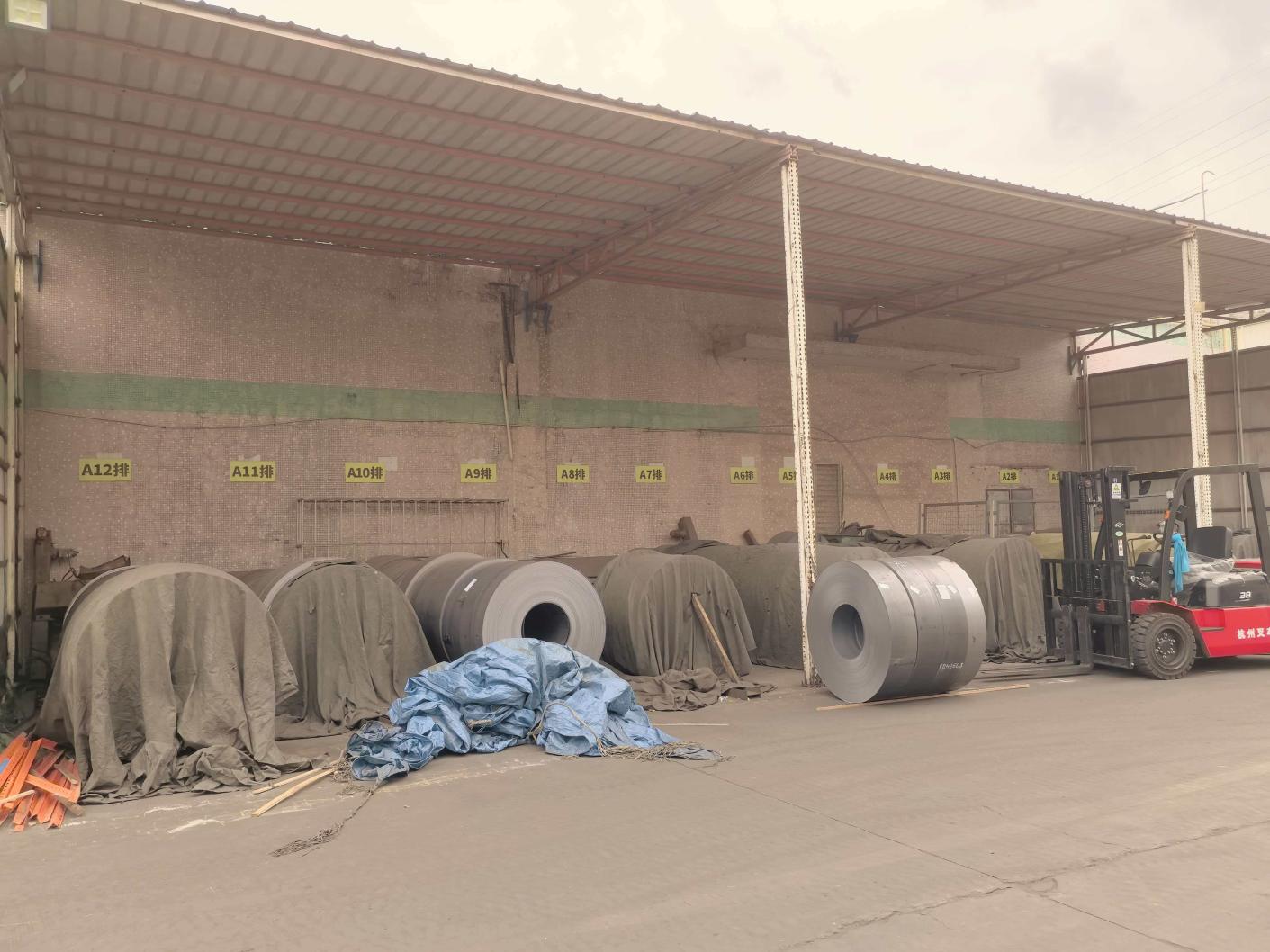
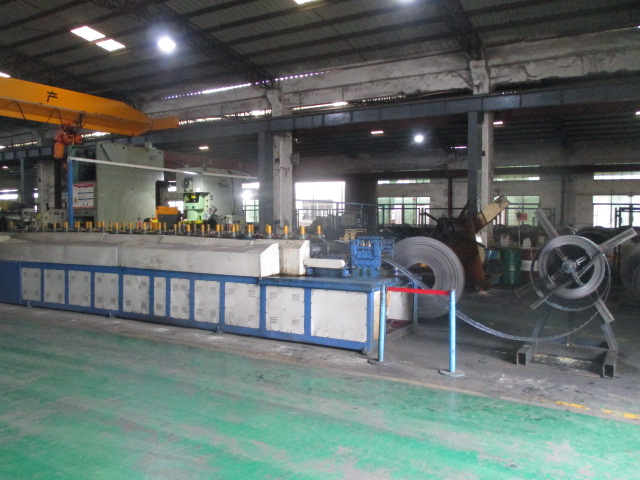
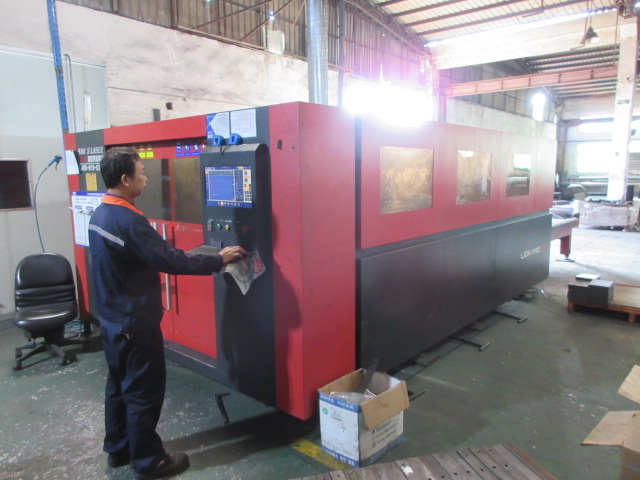
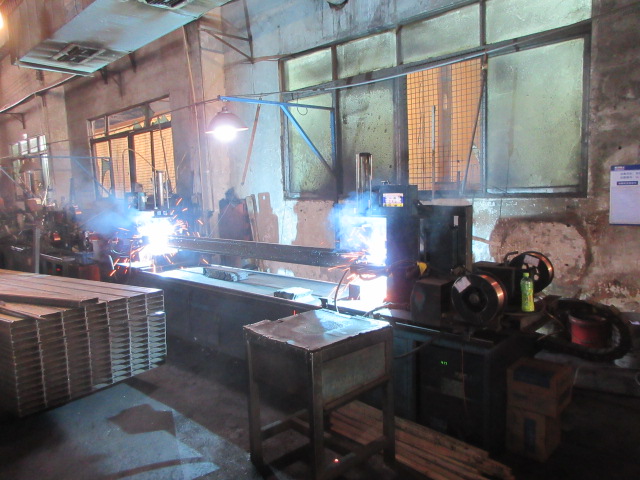
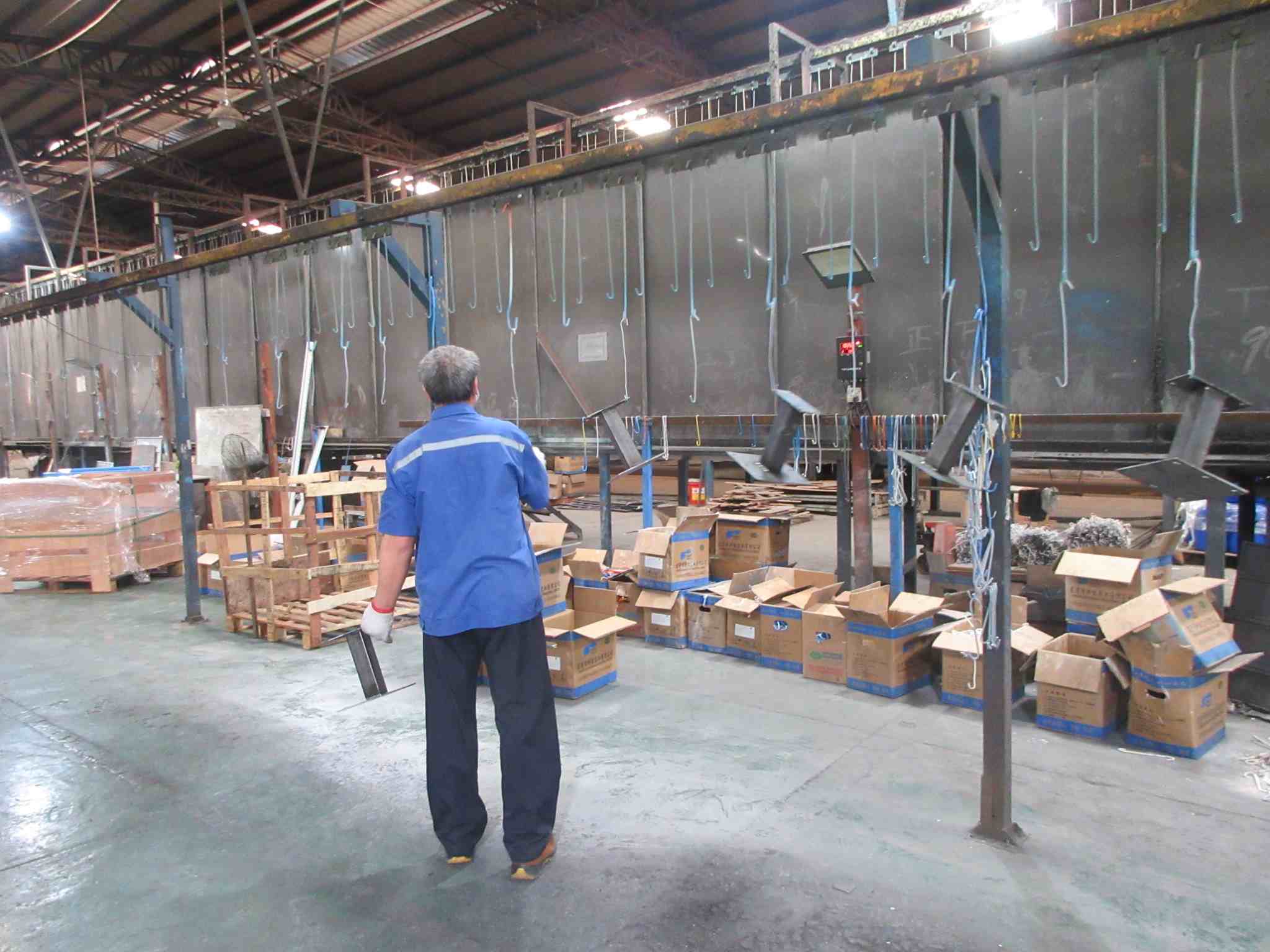
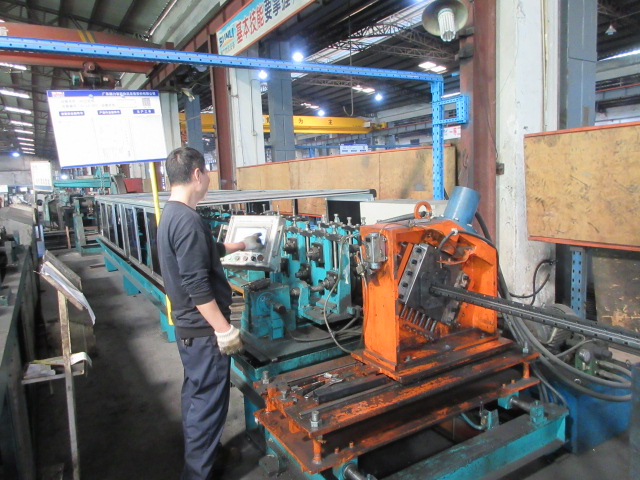
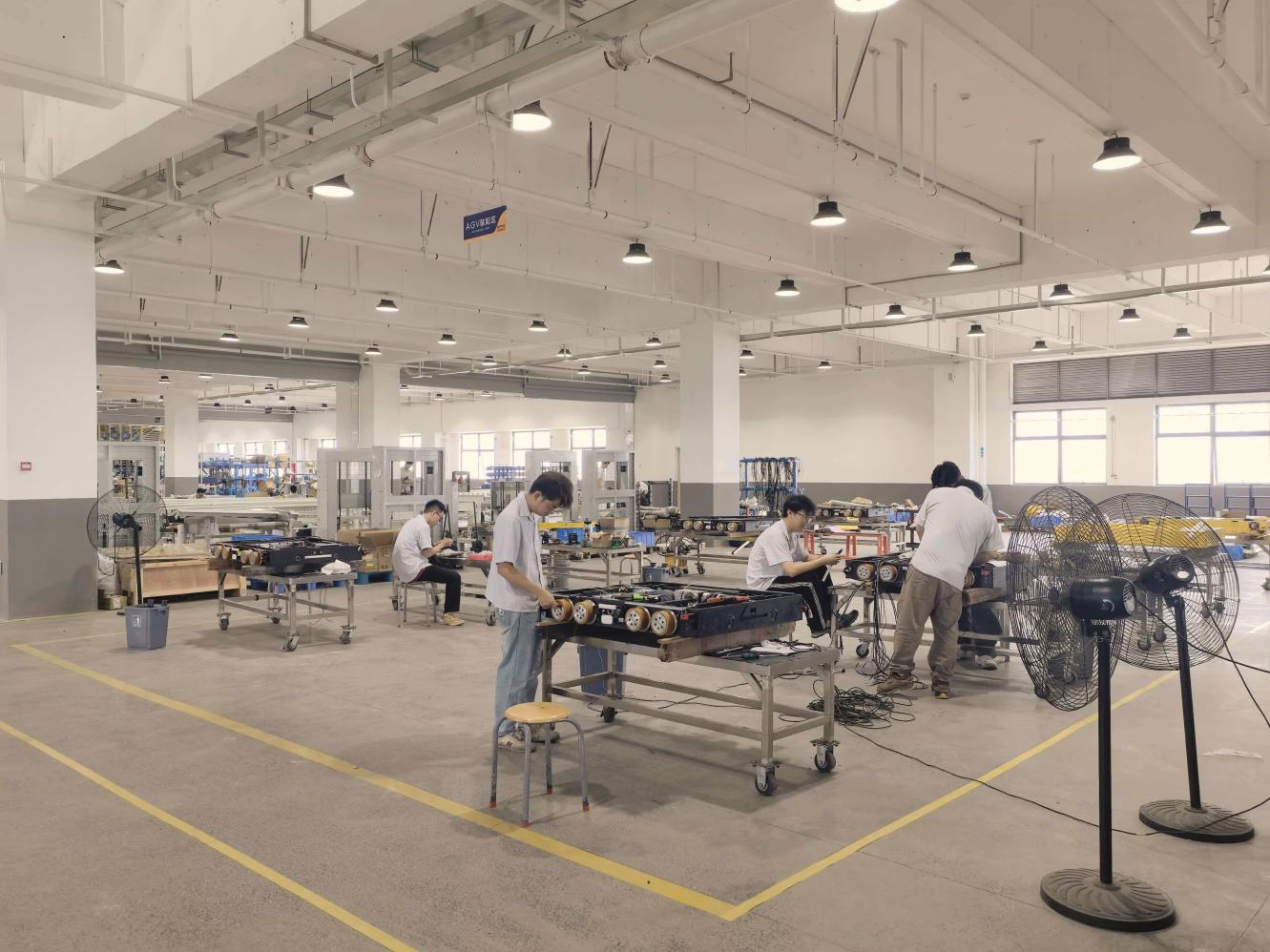
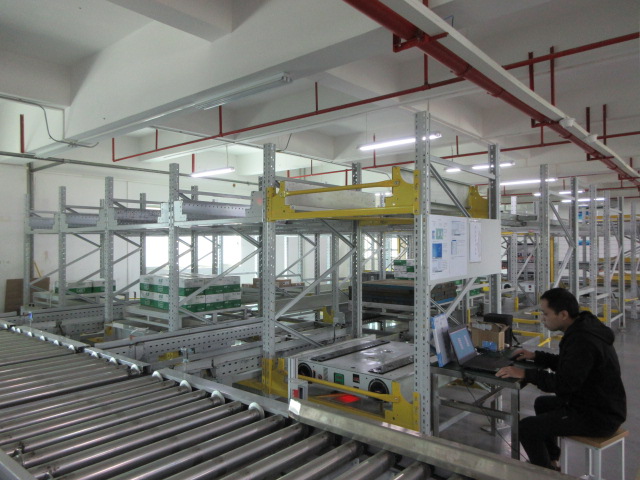
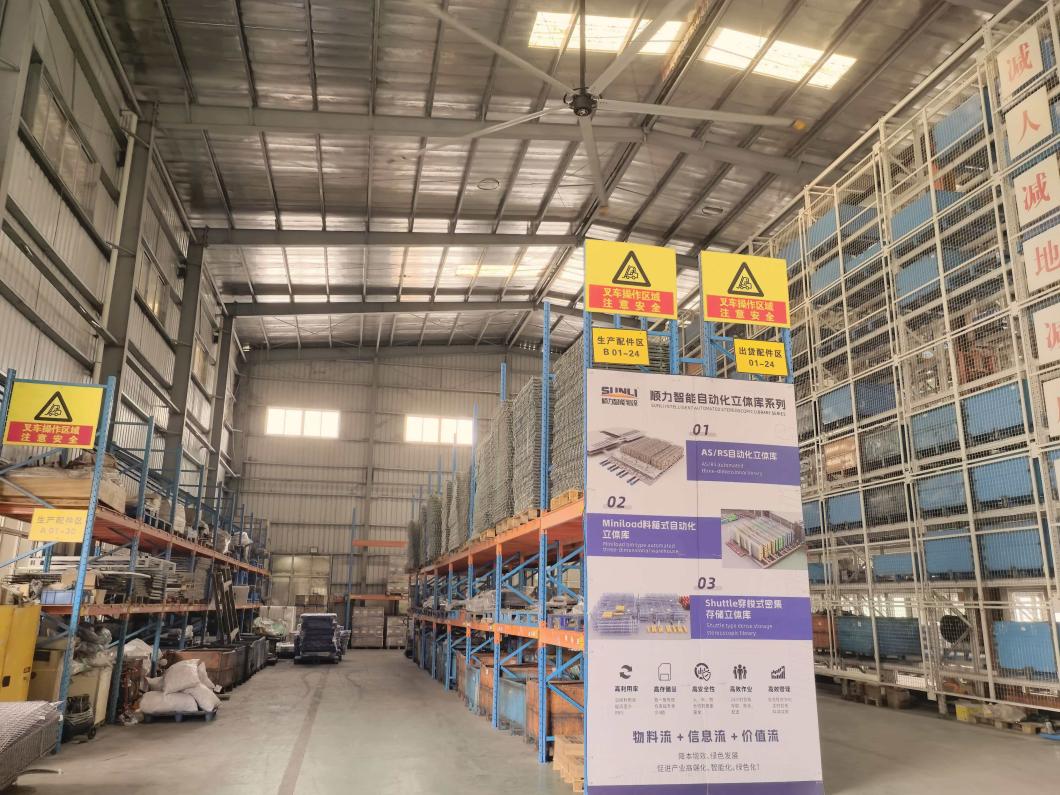
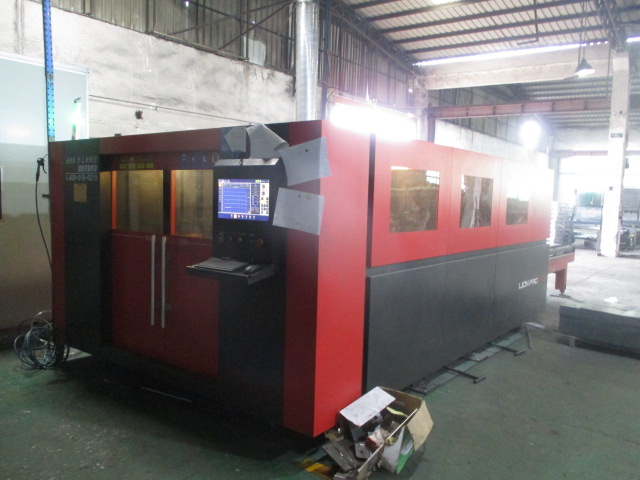
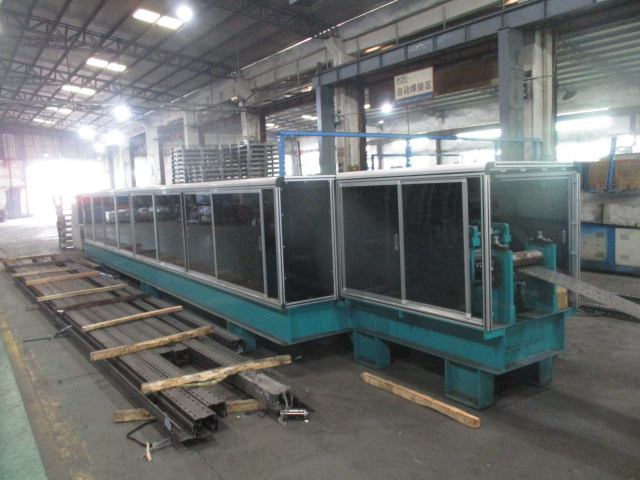
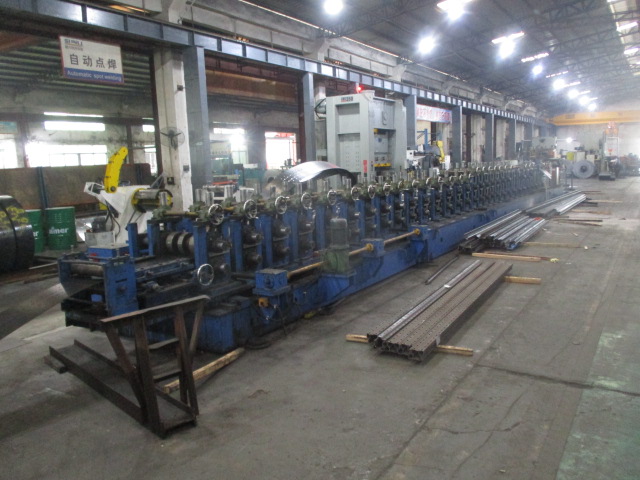
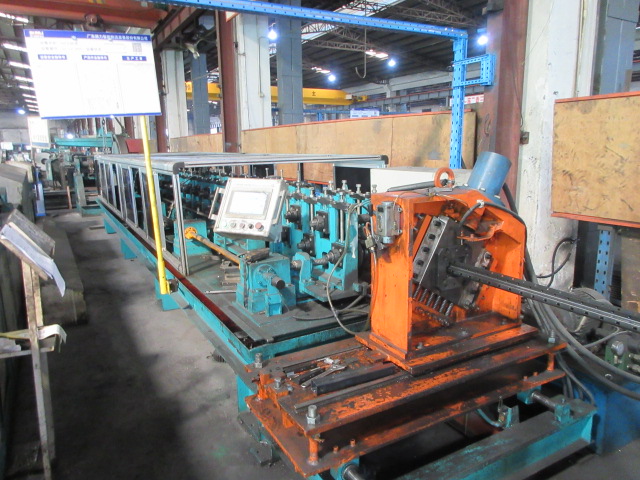
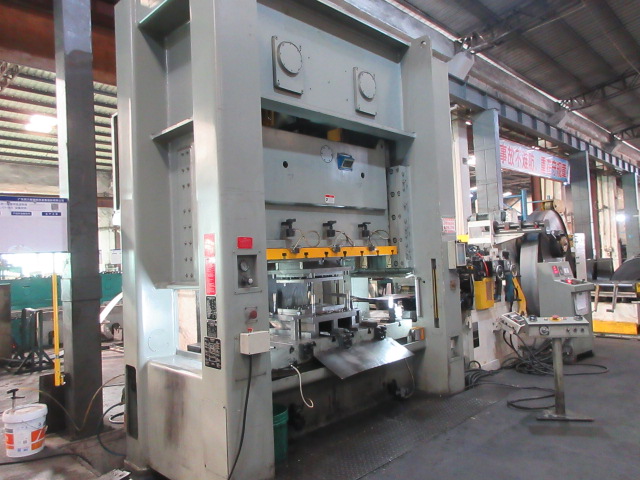
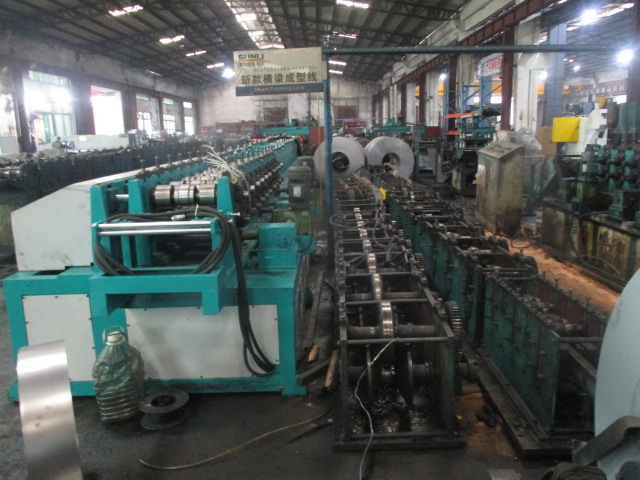
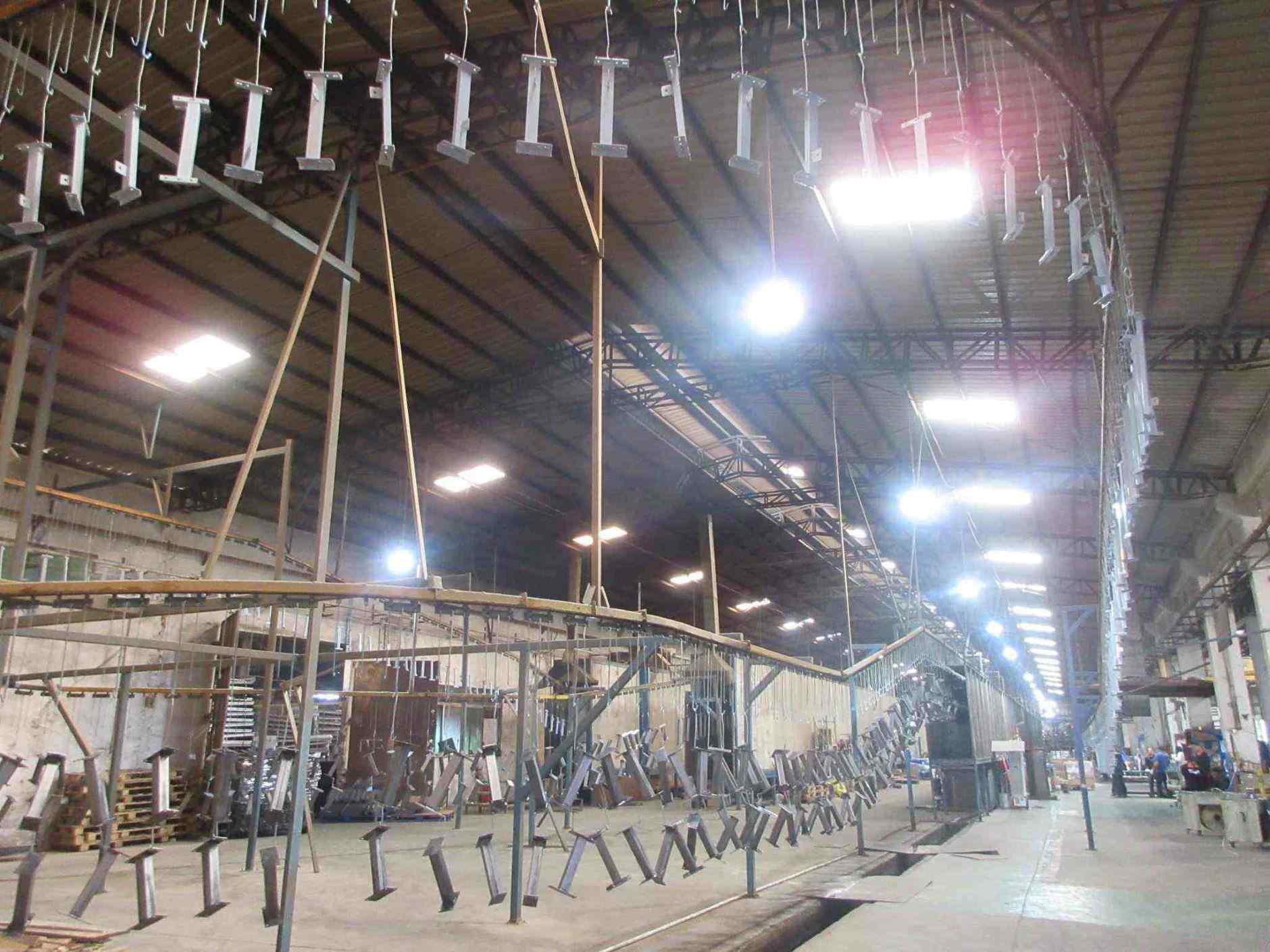
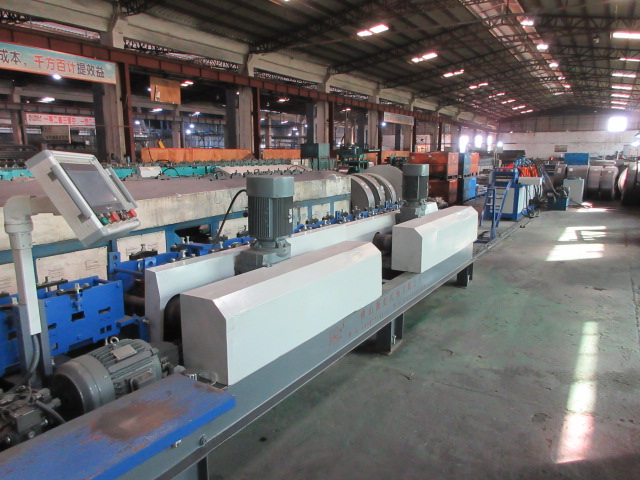
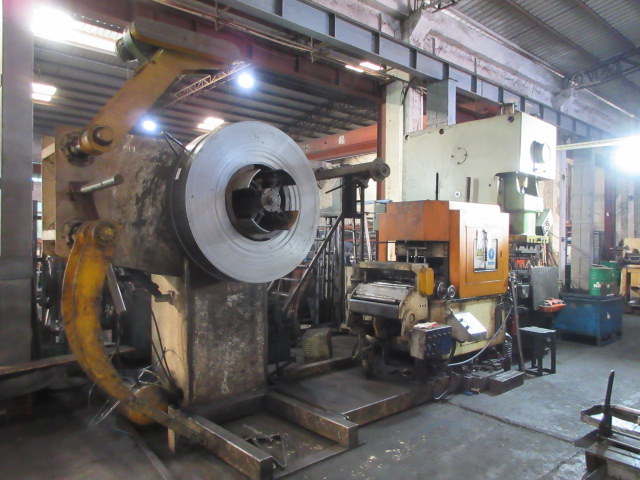
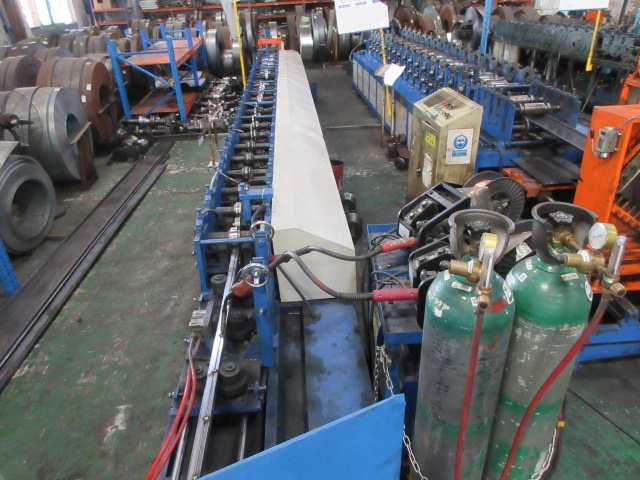
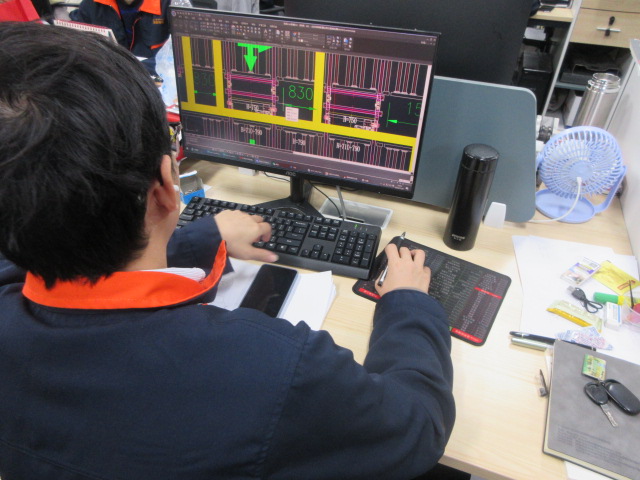
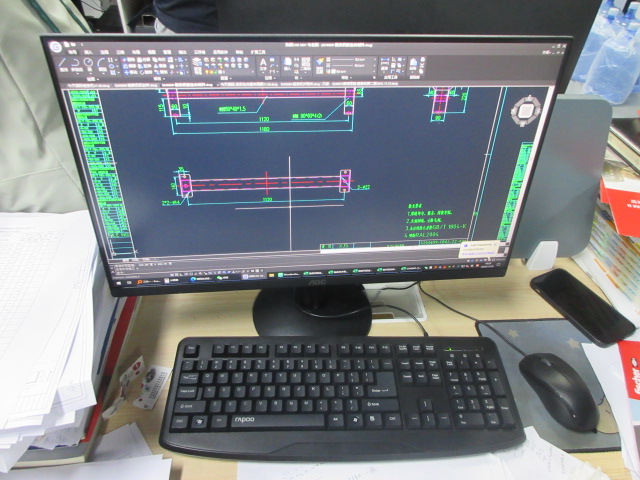
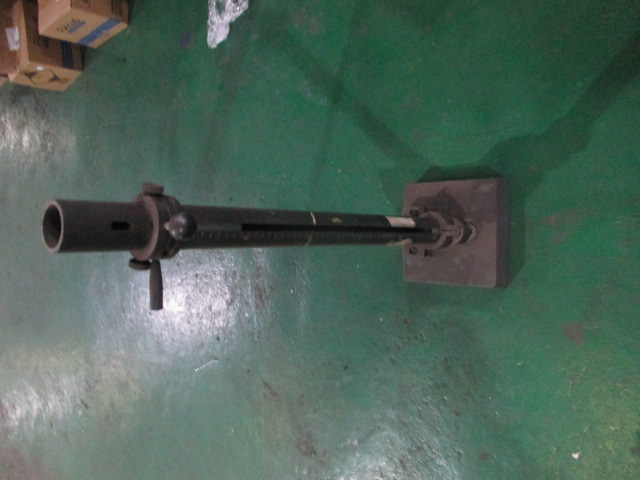
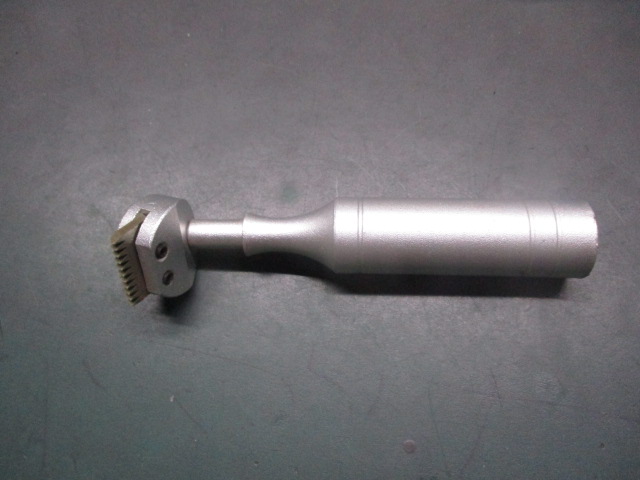
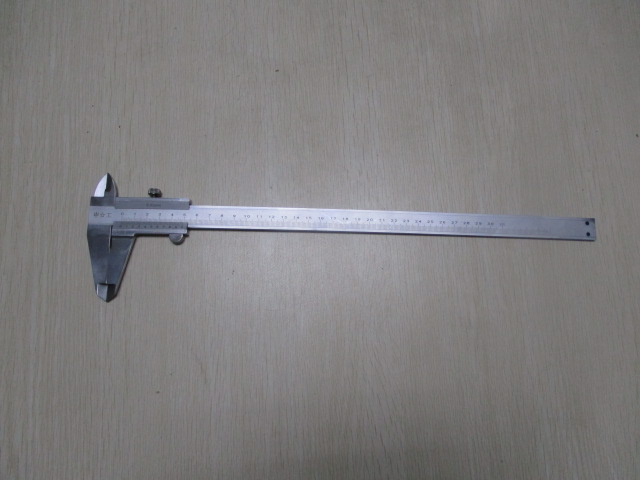
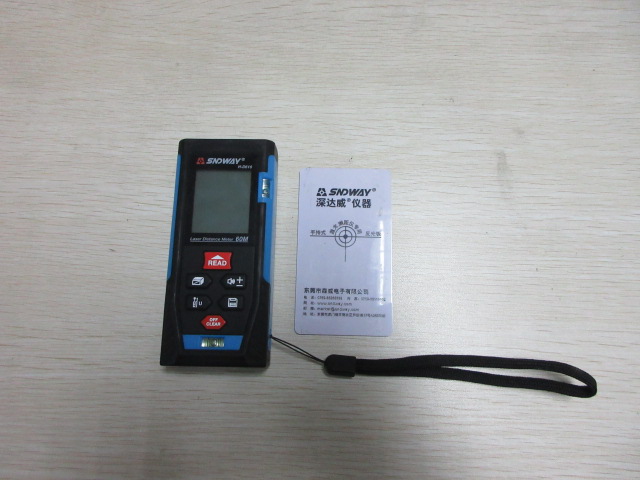
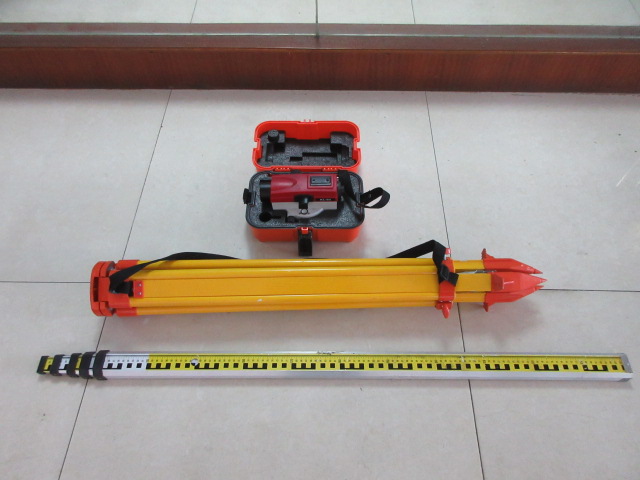
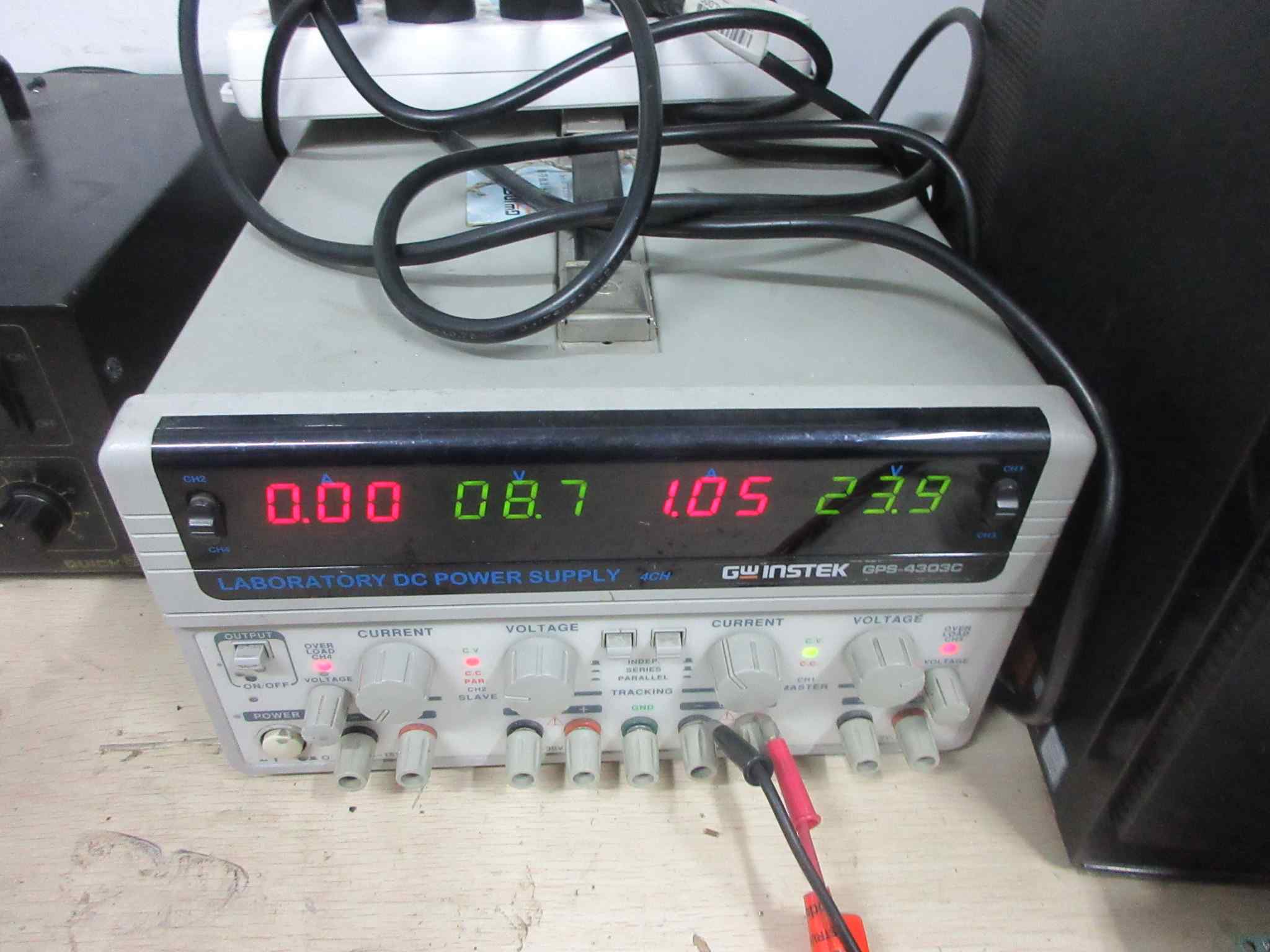
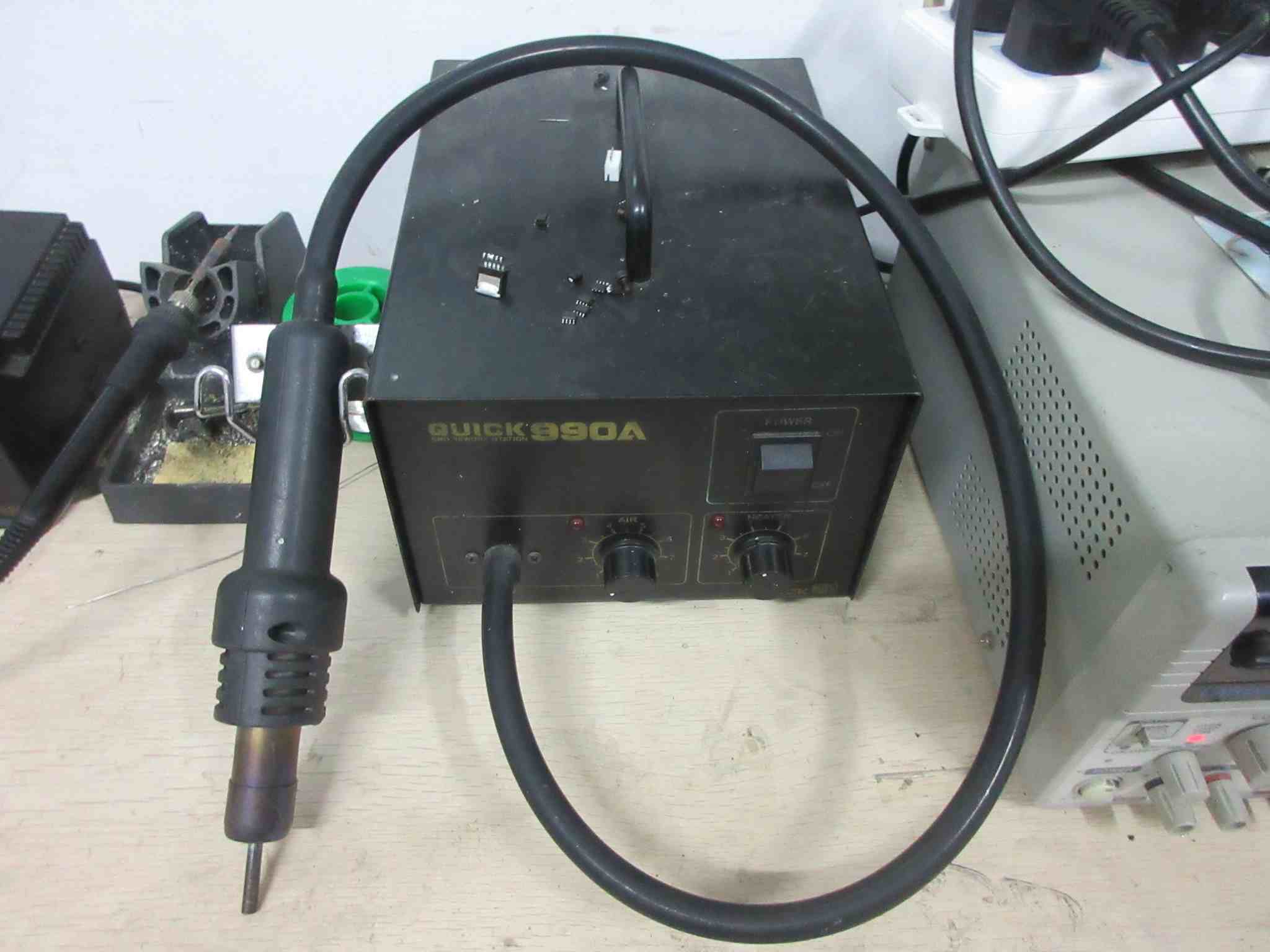
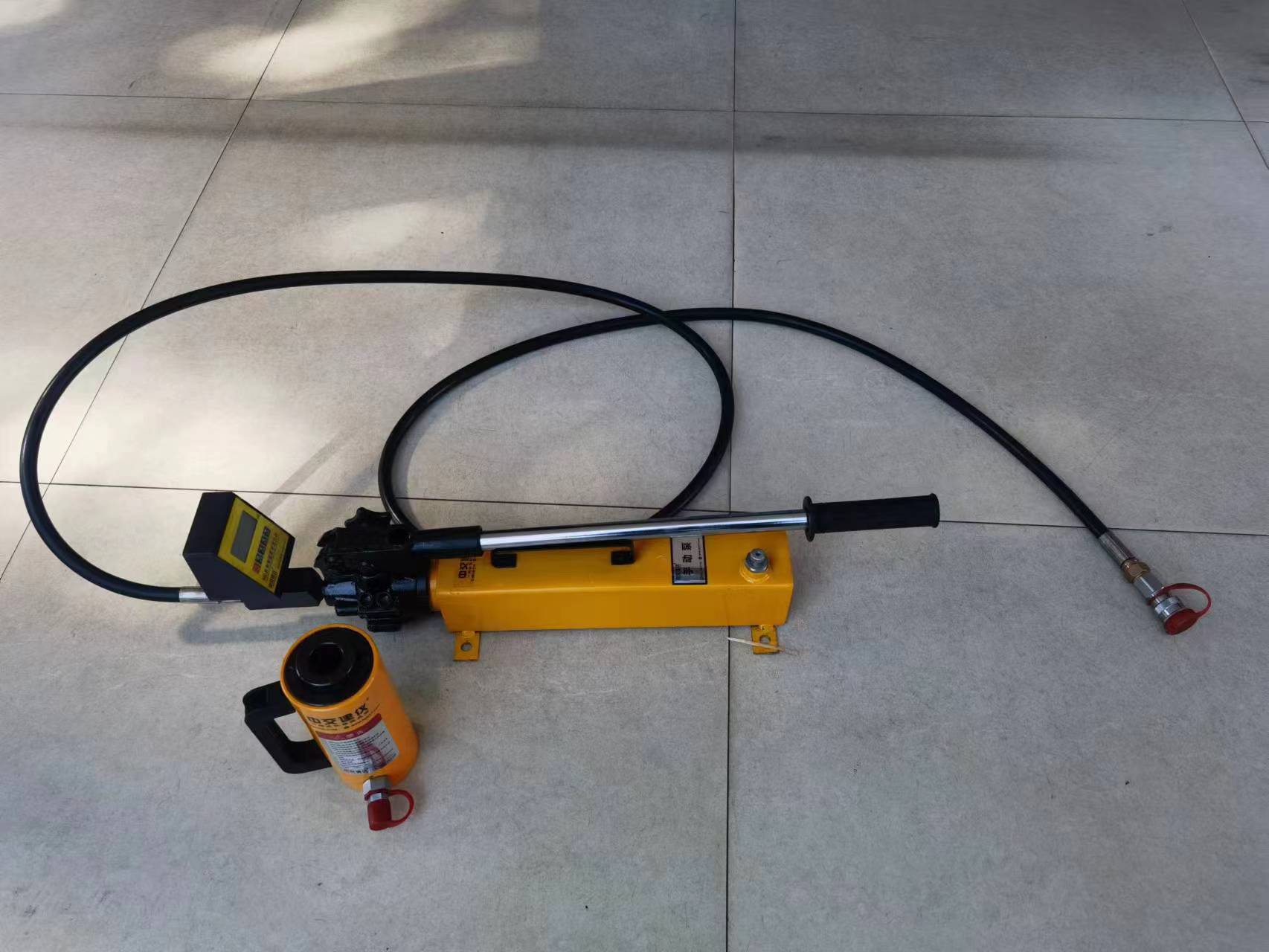
Production capability is not a single machine. It is the coordination of raw material, roll forming, cutting, welding, coating, molding, assembly, testing, storage and laboratory verification. The gallery below preserves the original factory and testing images supplied for this profile.
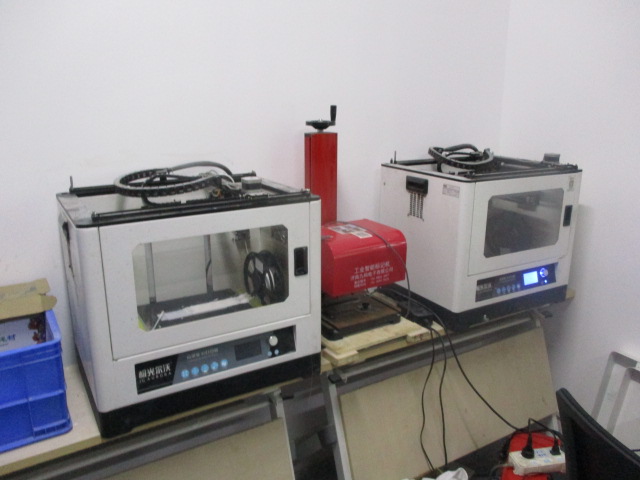
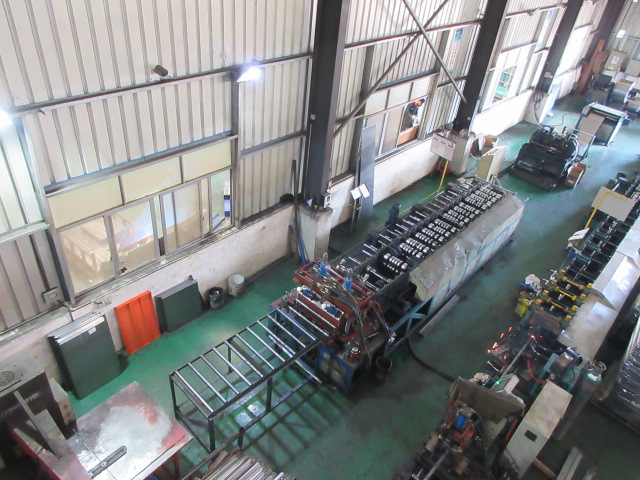
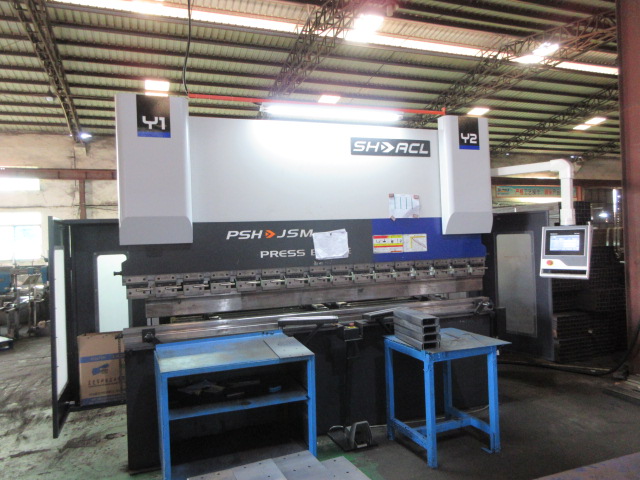
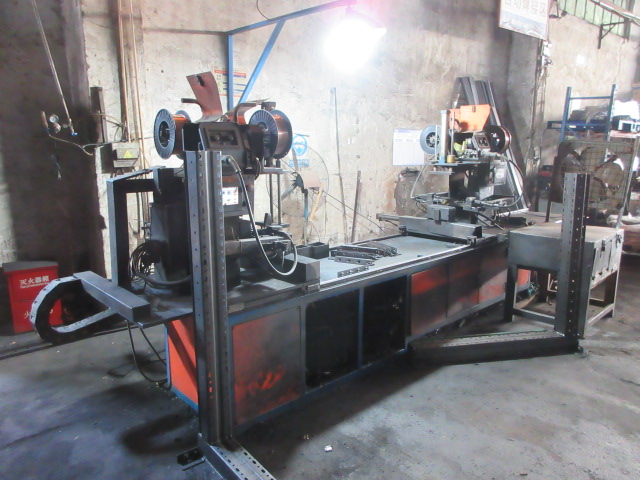

These answers address common commercial-investigation questions from procurement, warehouse operations and logistics engineering teams.
In this context, a supplier may provide physical freight-management infrastructure rather than only transport services. That can include pallet racking, selective shelving, shuttle systems, drive-in racking, mezzanine platforms, steel pallets, mesh cages, AGV robots and laser-guided forklifts. The correct scope depends on whether the buyer needs storage density, loading speed, automated material movement or export consolidation.
Ask for company history, factory area, production equipment, export markets, annual revenue range, QC staffing, R&D capability and product inspection records. For engineering projects, request drawings, load assumptions, coating specifications, weld inspection standards and relevant certifications. A serious supplier should be able to explain which tests apply to which product and how export packing will protect the finish.
High-density storage may use shuttle racking, drive-in racking or multi-level mezzanine platforms. Shuttle systems support automated FIFO/FILO pallet flow and can improve density for repetitive pallet profiles. Drive-in racking can be efficient for low-SKU, high-volume inventories but may reduce selectivity. The right choice depends on SKU count, pallet uniformity, aisle constraints, throughput and future automation plans.
Integration should be discussed at the interface level. AGVs, shuttle systems and material-handling equipment may require task instructions, pallet IDs, location data and safety rules from the warehouse management or control system. Buyers should define data protocols, exception handling, operator workflows and future expansion before selecting equipment.
Prepare pallet dimensions, load per pallet, required bay heights, aisle width, floor condition, warehouse layout, SKU velocity, temperature or humidity exposure, destination standards and target shipping method. For mezzanine or multi-level systems, include local building and fire requirements. Clear inputs reduce quotation risk and help suppliers propose a safe, buildable configuration.
Powder coating affects corrosion resistance, appearance and service life, especially in humid, coastal or temperature-variable markets. Buyers should request coating specifications, inspection methods and repair guidance. A coating thickness check is not a substitute for correct pre-treatment, but it is one useful quality-control data point.
The core markets described in the company profile include North America, Western Europe, Southeast Asia and the Middle East. Each market requires different attention to pallet standards, load codes, seismic or fire requirements, climate protection and delivery logistics. Final technical compliance must be verified for the destination country and project.
Compare engineering support, load safety, steel specification, coating durability, spare-part availability, packing quality, lead time, documentation and future automation compatibility. A lower unit price can create higher lifecycle cost if the system cannot expand, if parts are non-standard or if installation guidance is weak. Total project value should include layout efficiency and downtime risk.
The second product group extends the selection into customized mezzanine platforms, high-load pallet racking, industrial AGV transport, steel pallets, drive-in density, galvanized mesh cages and medium-duty corrosion-protected shelving.
 SunliRack