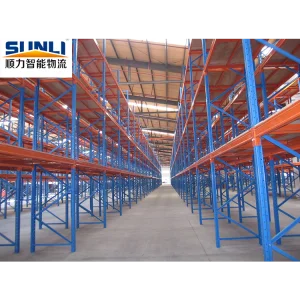
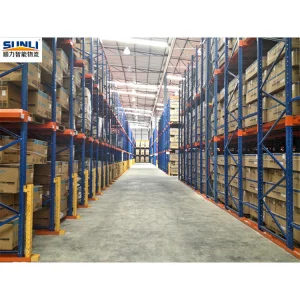
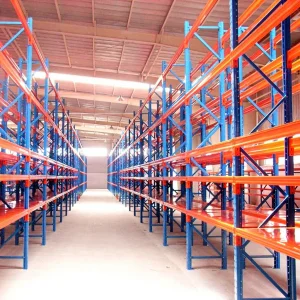
Examine our core catalog of heavy-duty, high-capacity, and automated industrial storage platforms engineered for maximum spatial optimization.
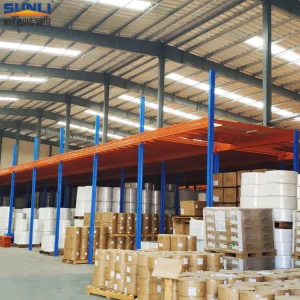
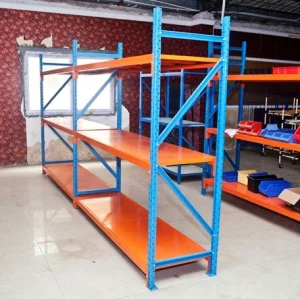
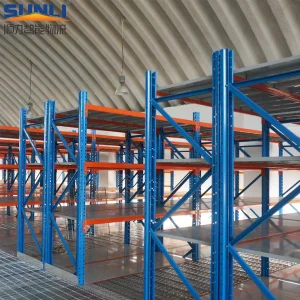
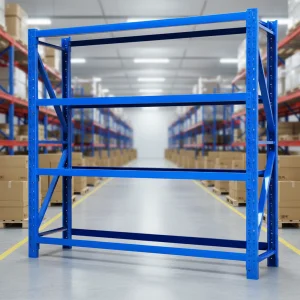
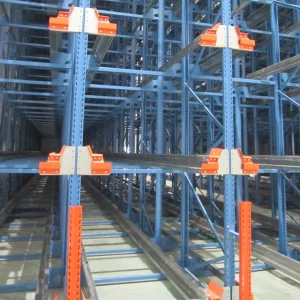
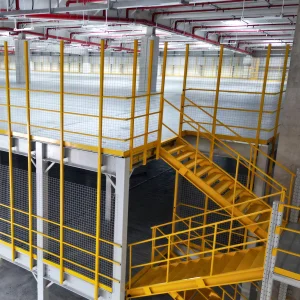
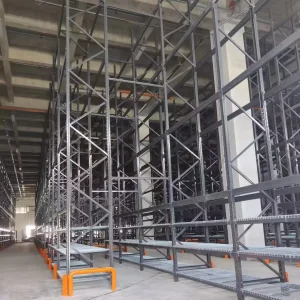
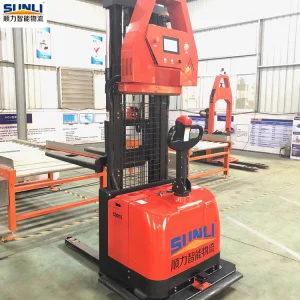
A global leader in structural engineering, heavy industrial logistics, and high-density smart storage machinery.
Established in 2015, Shenzhen Sunli Intelligent Logistics Equipment Co., Ltd. stands as a premier manufacturer specializing in heavy-duty industrial racking, smart warehouse storage infrastructures, and next-generation smart logistics systems. Operating from a highly advanced, automated production facility spanning over 38,000 square meters, we leverage over 12 years of core engineering experience and 8 years of dedicated international trade expertise. We provide bespoke storage systems to Fortune 500 logistics hubs and industrial enterprises worldwide, bringing in annual export revenues ranging from $18 million to $25 million across major demand centers in North America, Western Europe, Southeast Asia, and the Middle East.
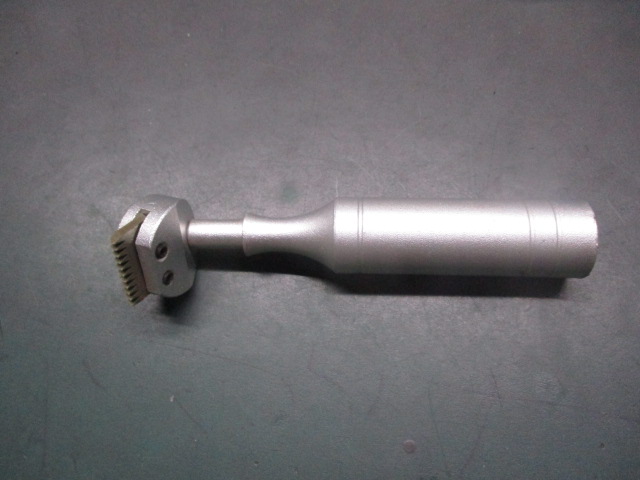
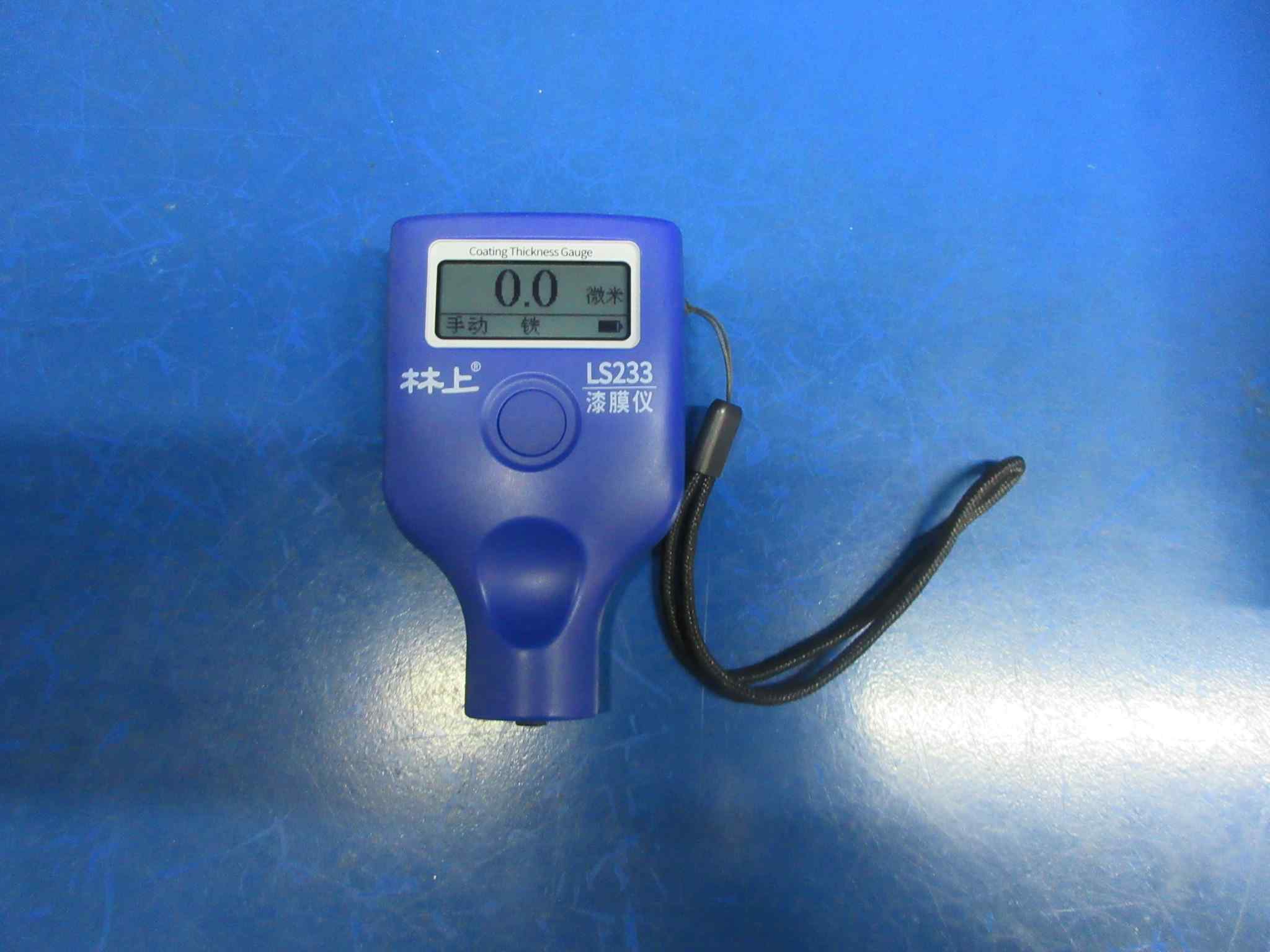
Precision and safety are the operational foundations of Sunli. Our dynamic team of 35 dedicated QC professionals executes multi-phase quality inspections, including full-scale raw material chemical and mechanical loading calculations, high-frequency ultrasonic weld seam inspections, and paint thickness testing using specialized gauges. Innovation drives our operations: our 28 skilled R&D engineers continuously refine dynamic load stress layouts, publishing over 120 structural updates and new product designs annually. From simple warehouse shelves to complex multi-level mezzanine systems and fully automated radio-shuttle integrations, Sunli manages the entire value chain from initial planning and structural calculation to manufacturing, coating, and worldwide cargo delivery.
Understanding the economic, industrial, and geographical advantages that make Chinese manufacturers the standard for international supply chains.
By sourcing raw steel directly from top national mills, Sunli secures high-tensile Q235B and Q355 steel at stable pricing structures. This local integration shields international procurement partners from sudden steel market price swings and guarantees consistent metallurgical grade standards.
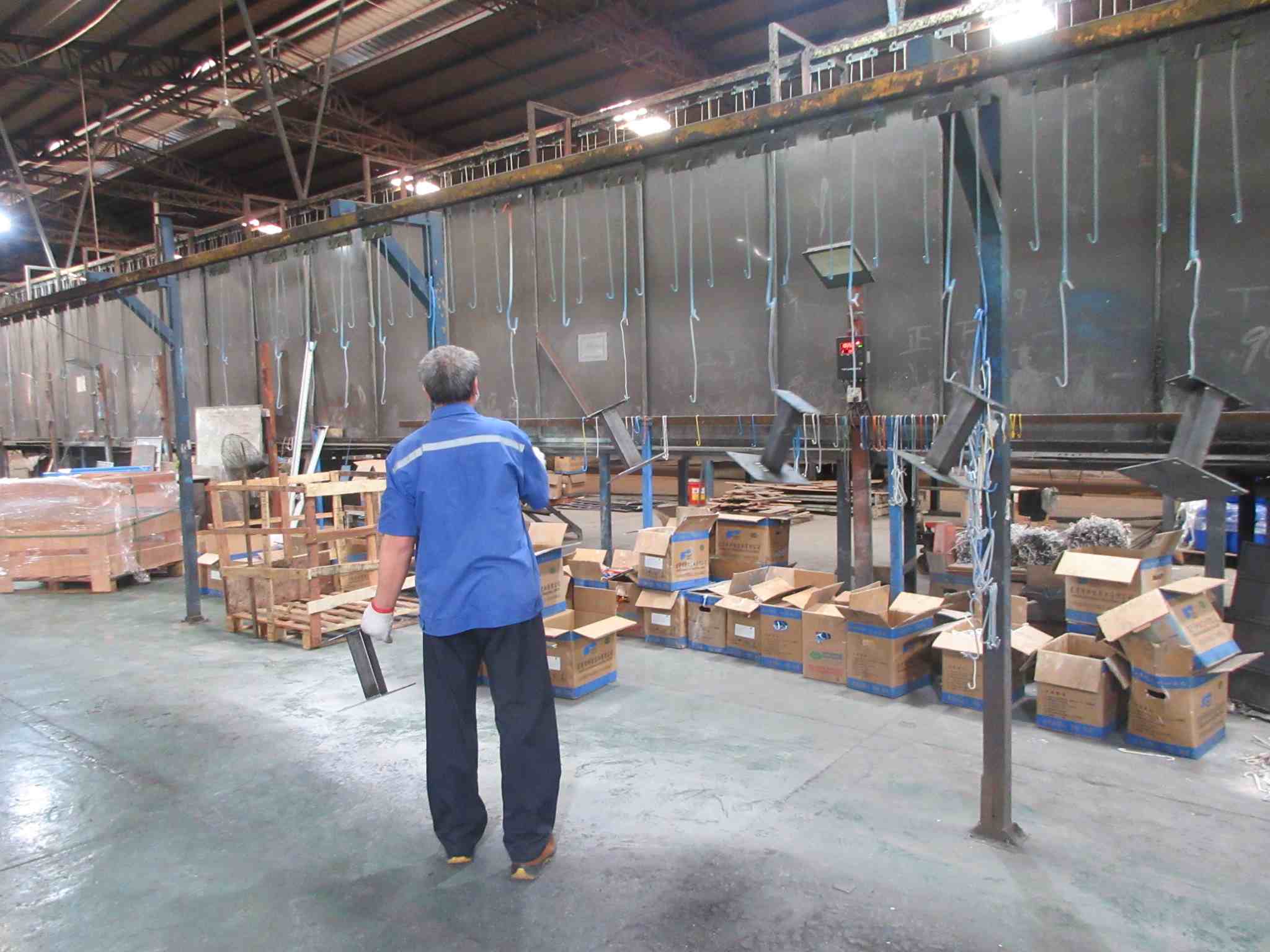
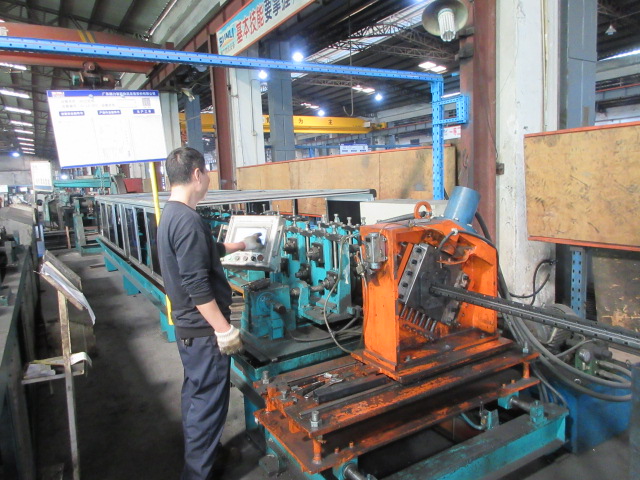
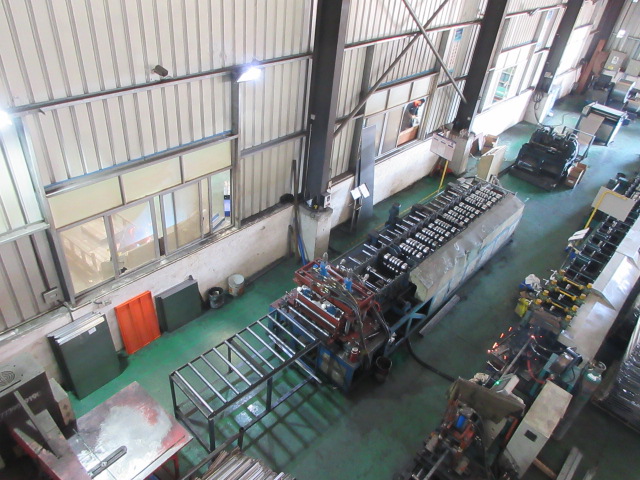
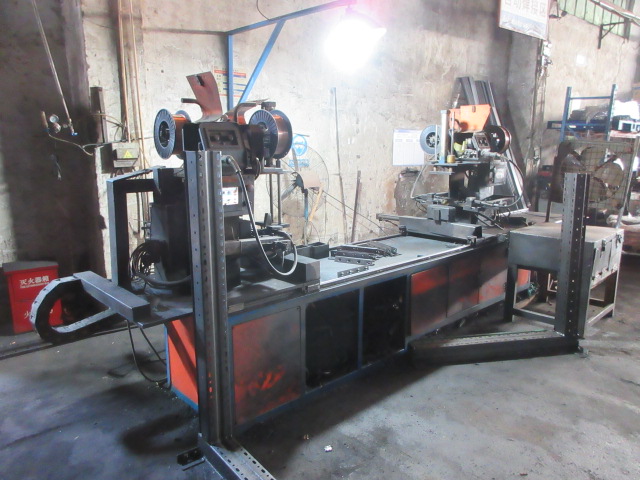
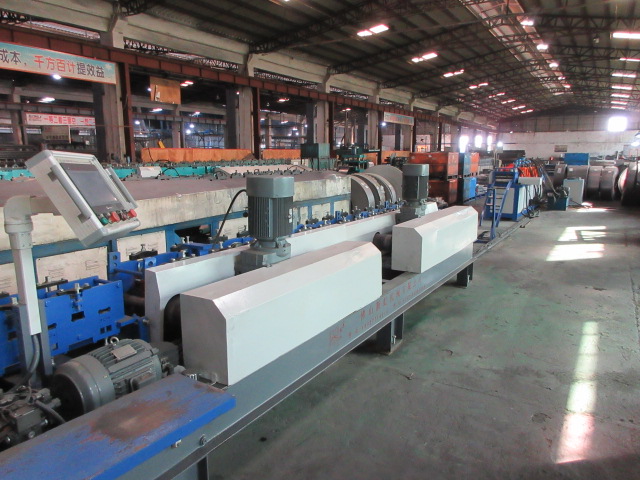
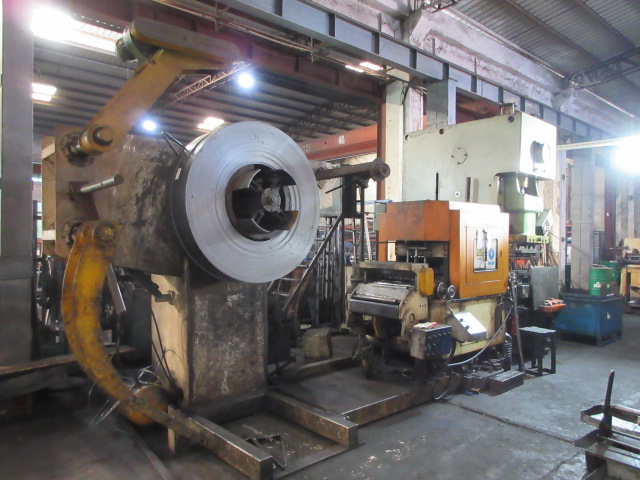
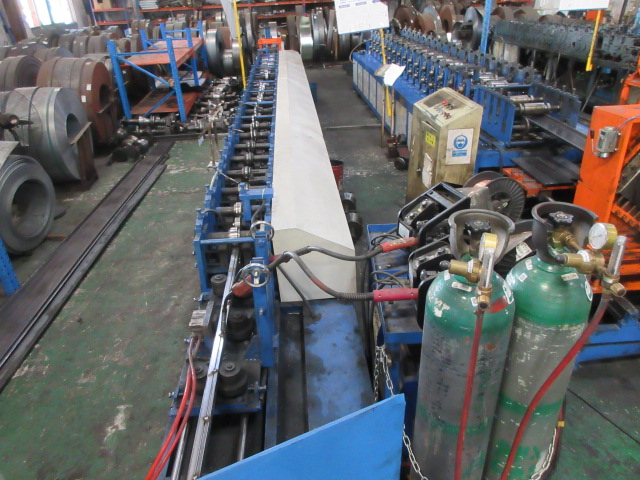
Our facility relies on automatic welding lines, automated roll forming systems, and continuous electrostatic powder coating lines. Automation reduces material waste, ensures precise dimensional tolerances, and speeds up production cycles for large global operations.
Located in Shenzhen, Sunli benefits from direct access to major container terminals, including Yantian and Shekou ports. This proximity reduces overland transit costs, simplifies customs export processing, and shortens global shipping times to key regional hubs.
Global sourcing managers look for manufacturers who can handle complex custom designs while maintaining cost efficiencies. Chinese factories have evolved past simple fabrication; we now lead in structural research and system design. Through strategic partnerships with over 800 supply chain providers, Sunli delivers comprehensive storage solutions, coordinating automated shuttles, structural steel floorings, and precise electrical setups within a single manufacturing phase.
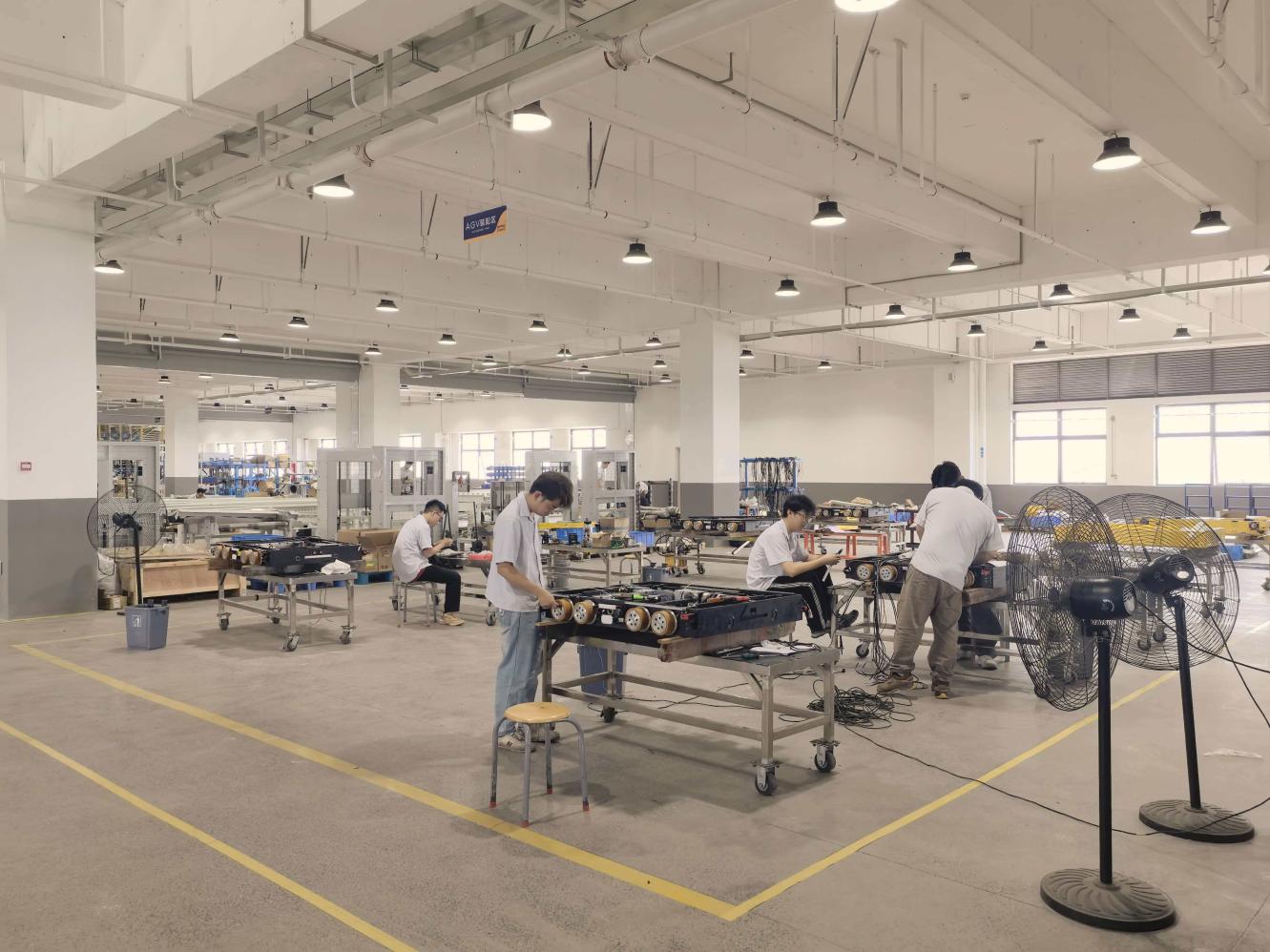
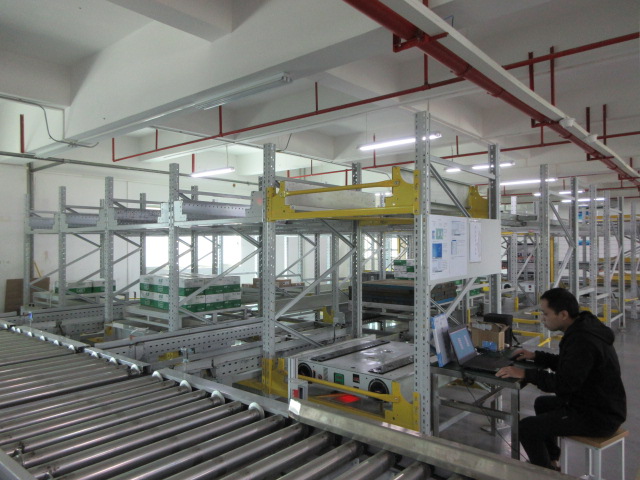
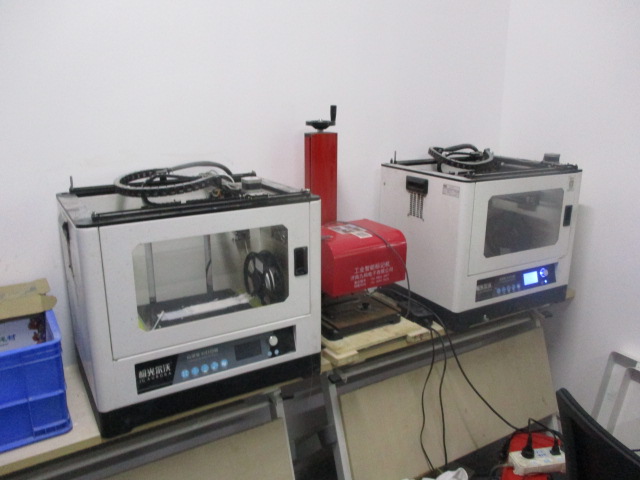
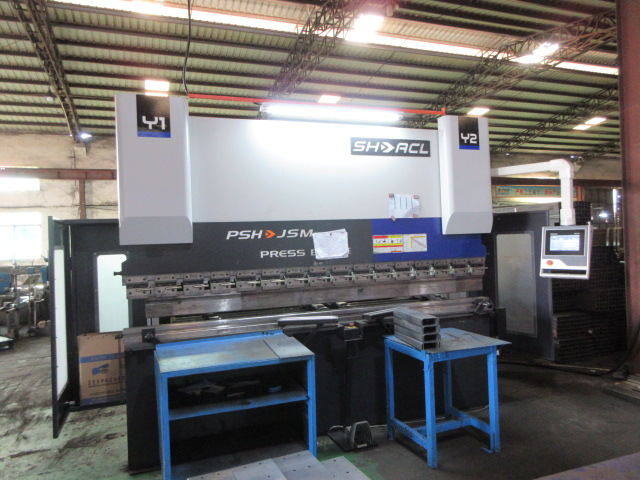
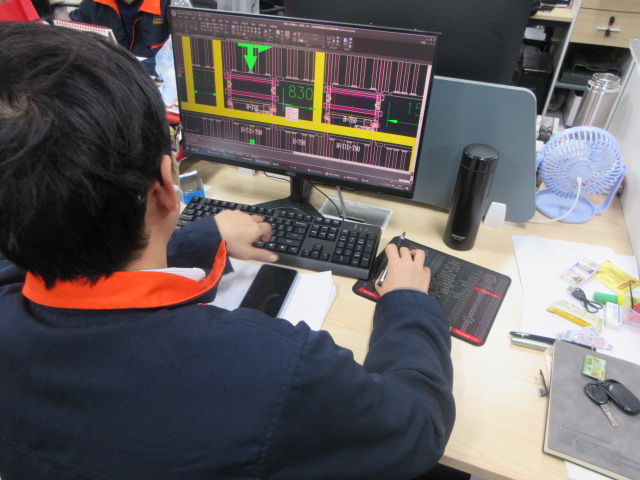
An inside look at our advanced production facilities, automated lines, and precision testing labs.
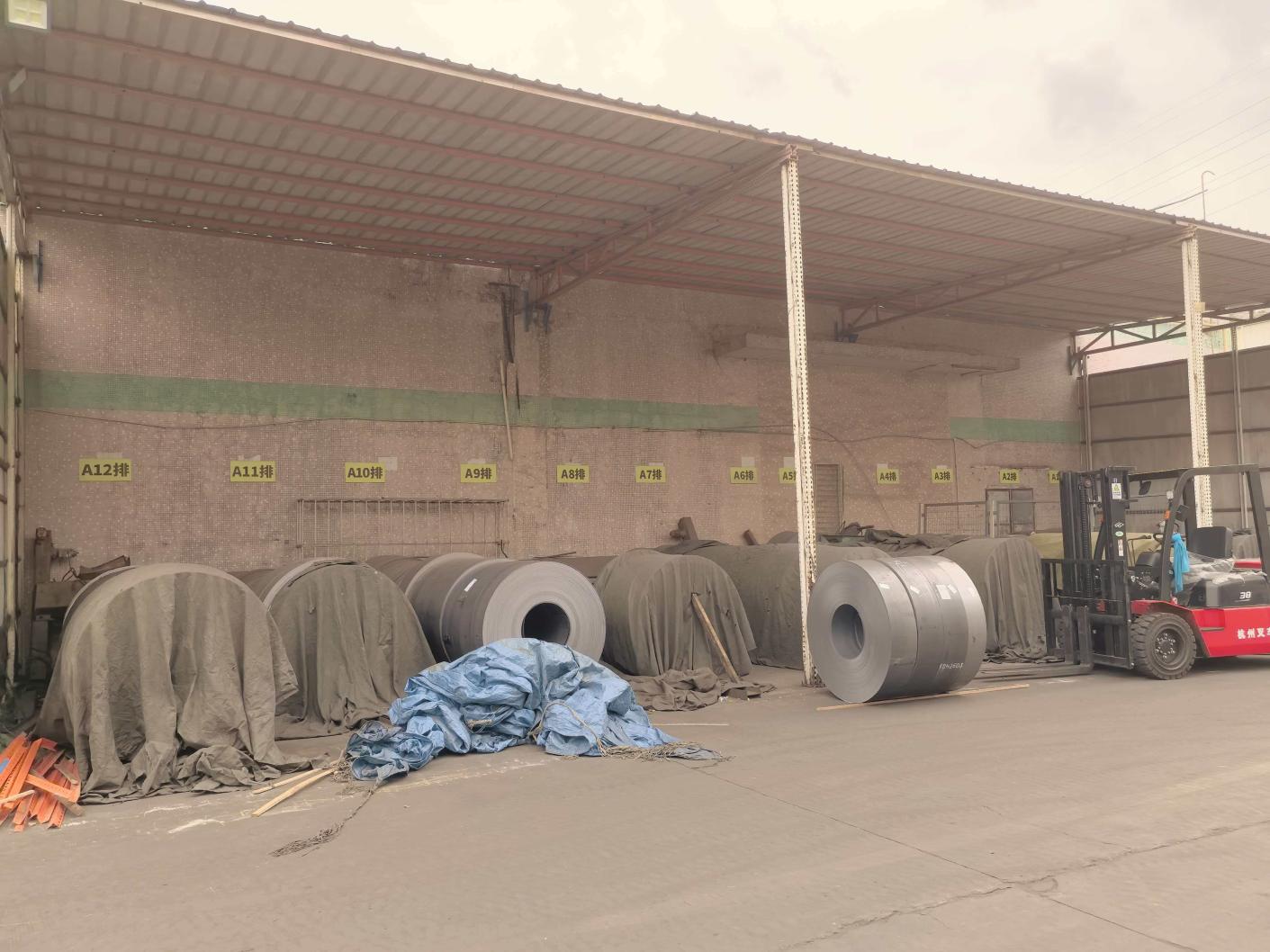
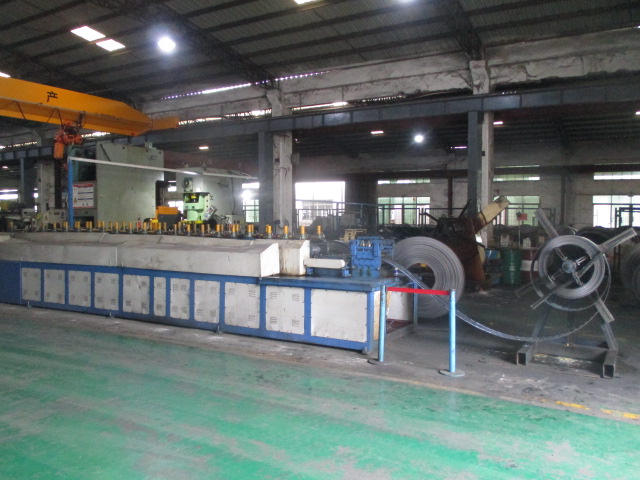
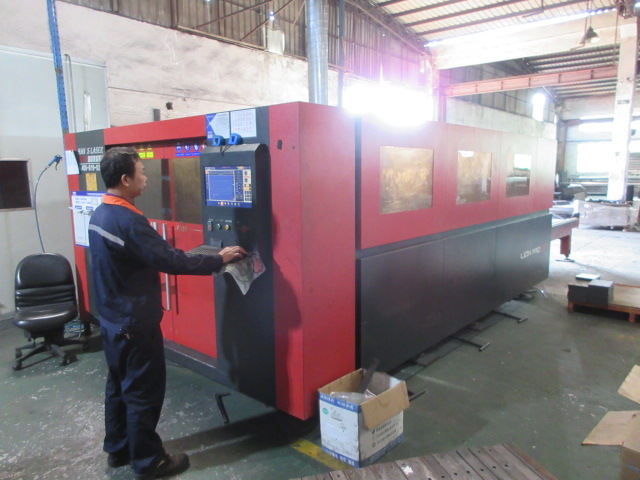
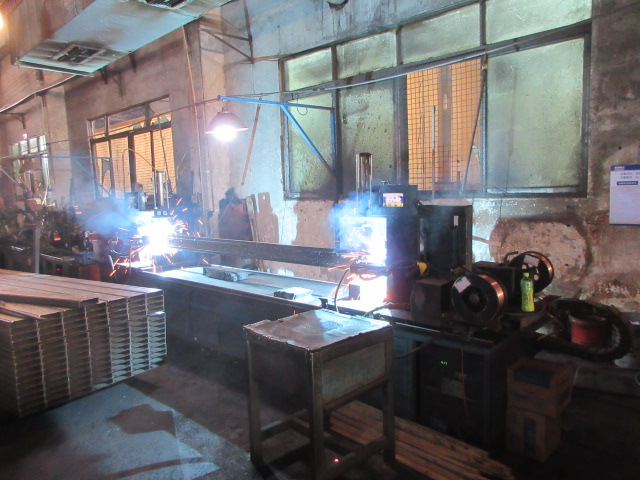
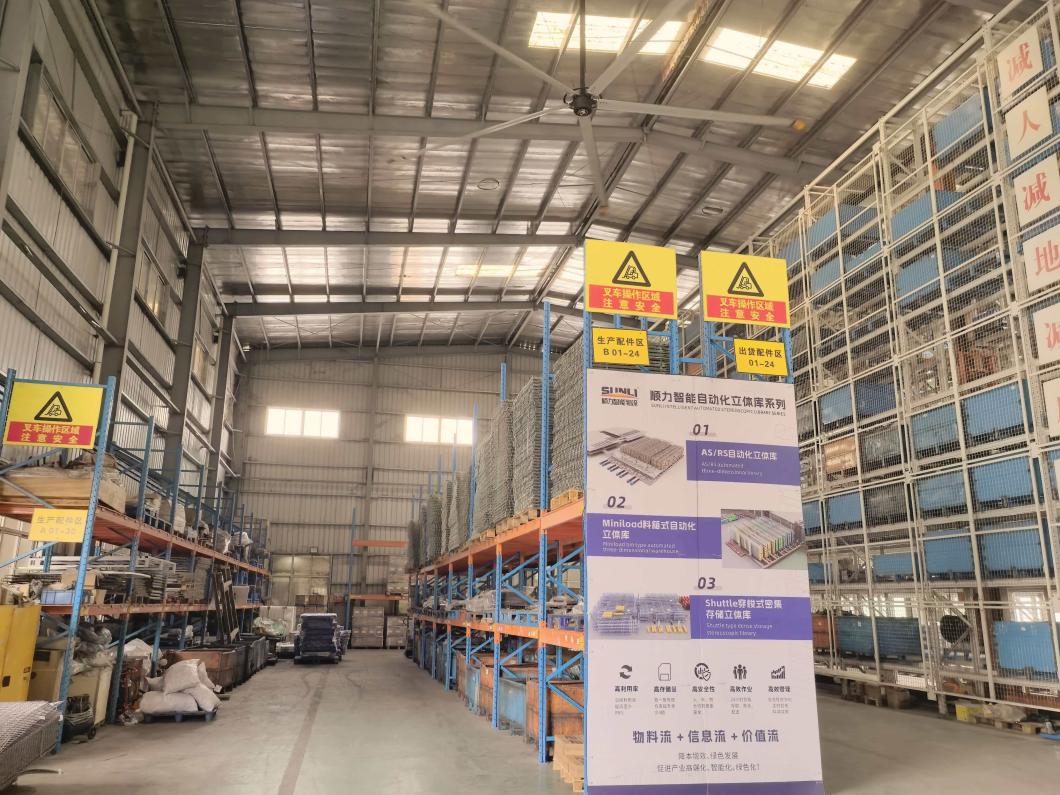
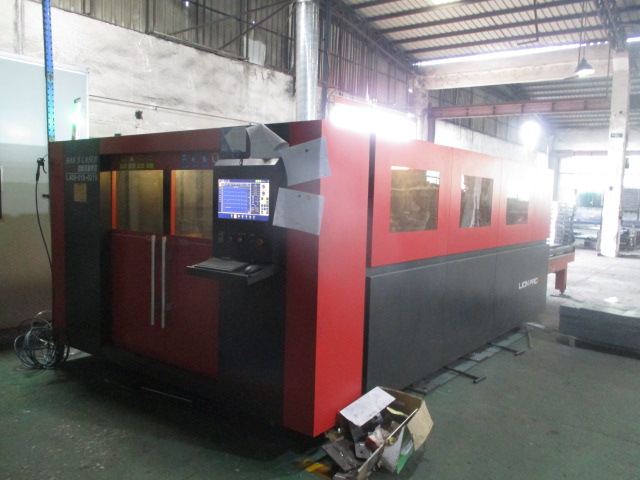
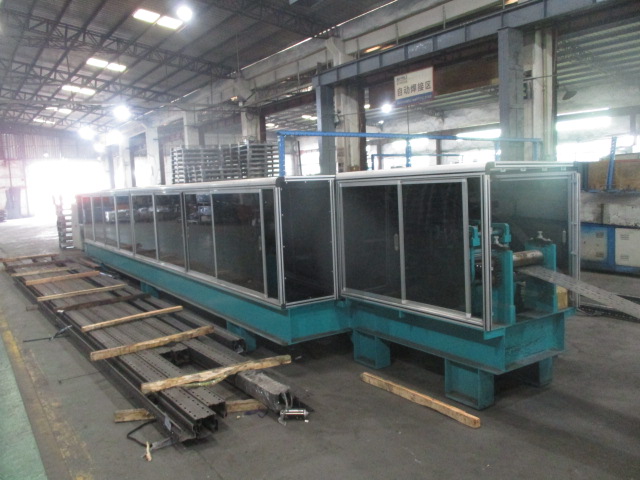
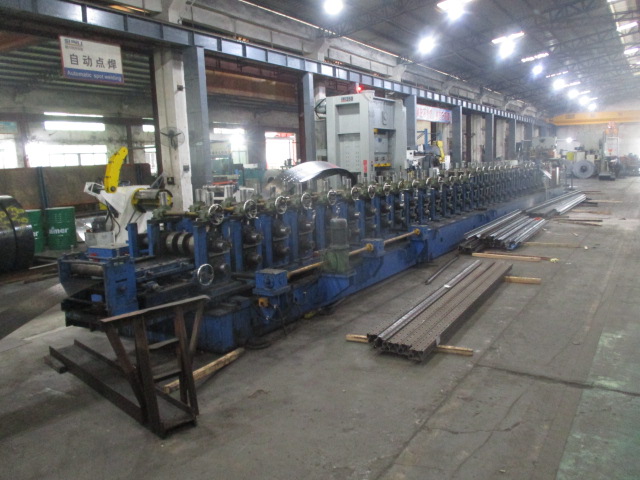
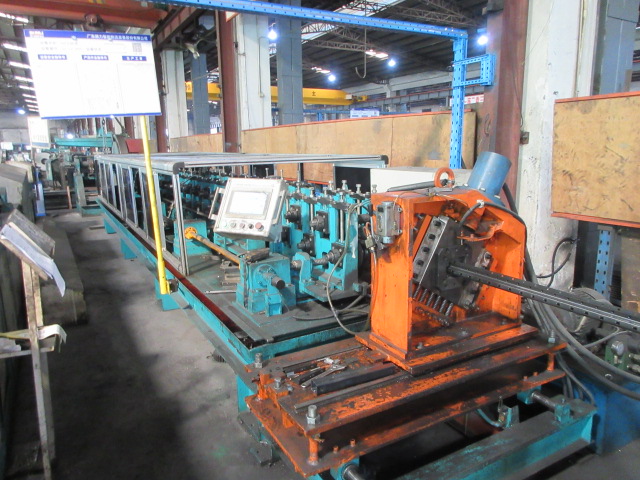
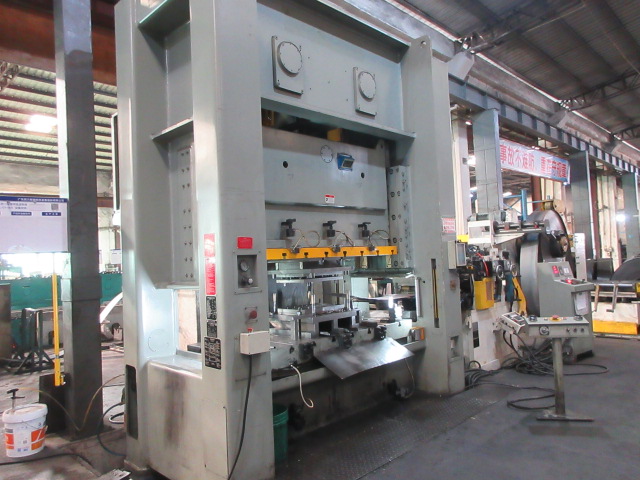
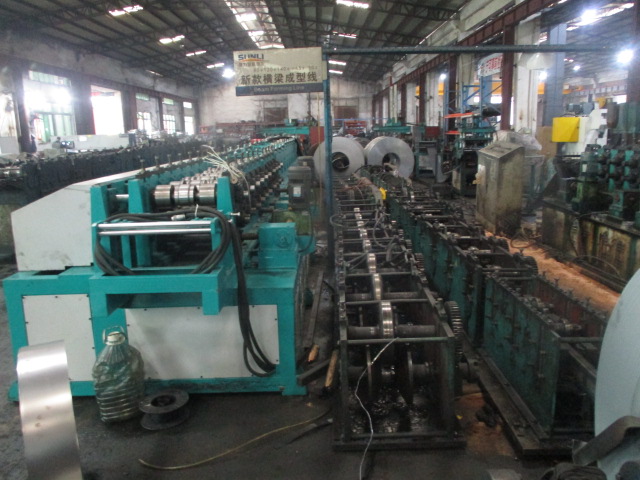
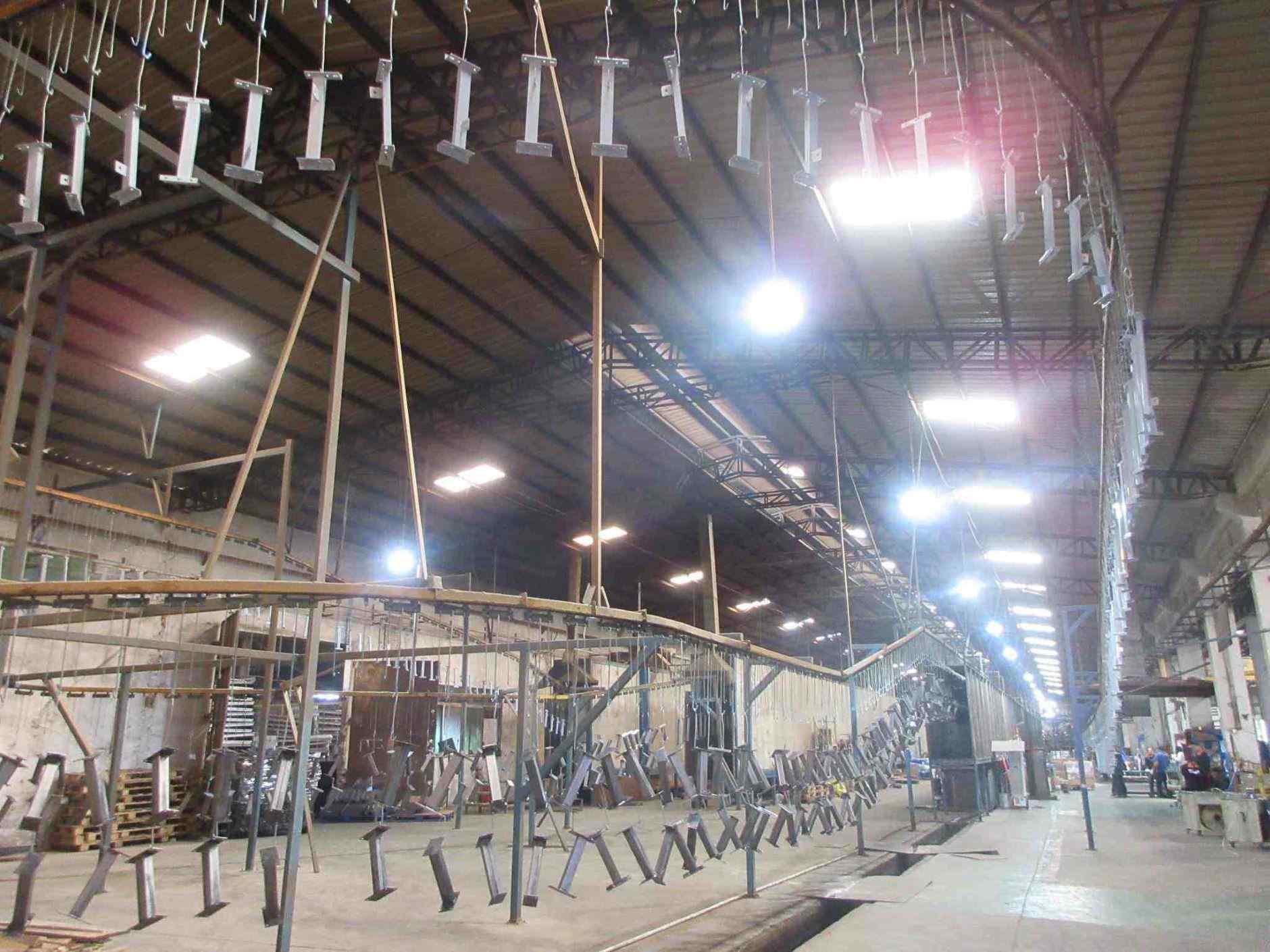
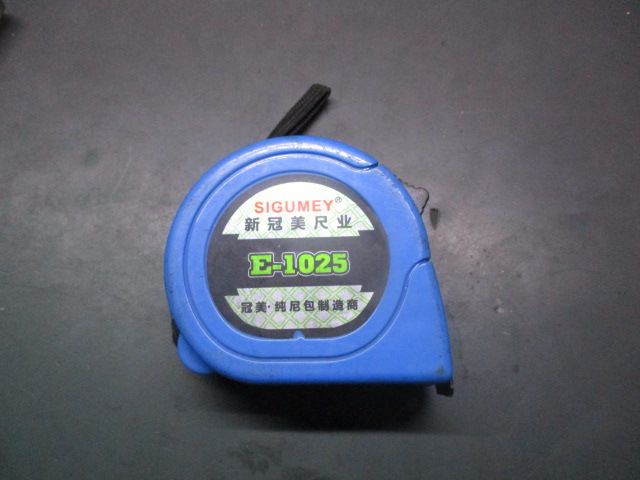
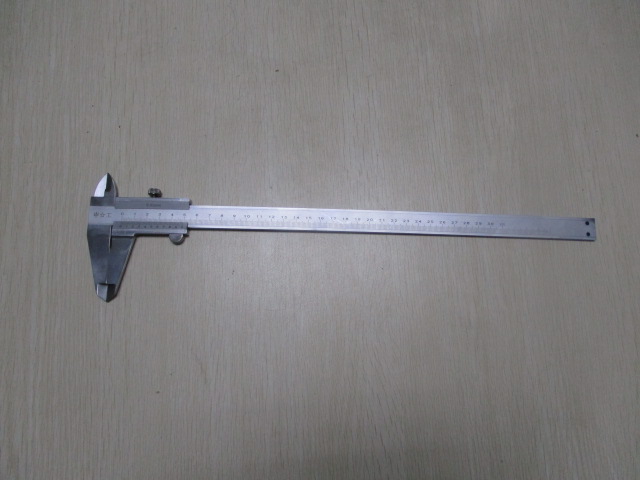
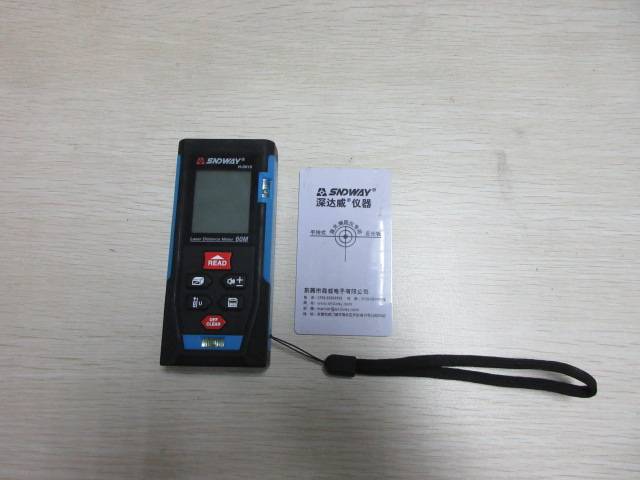
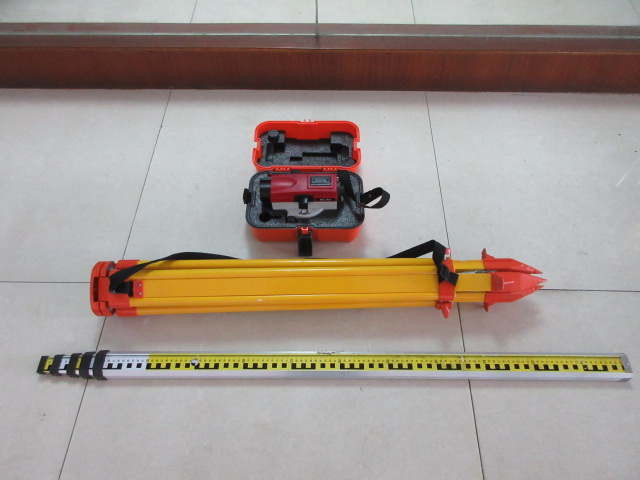
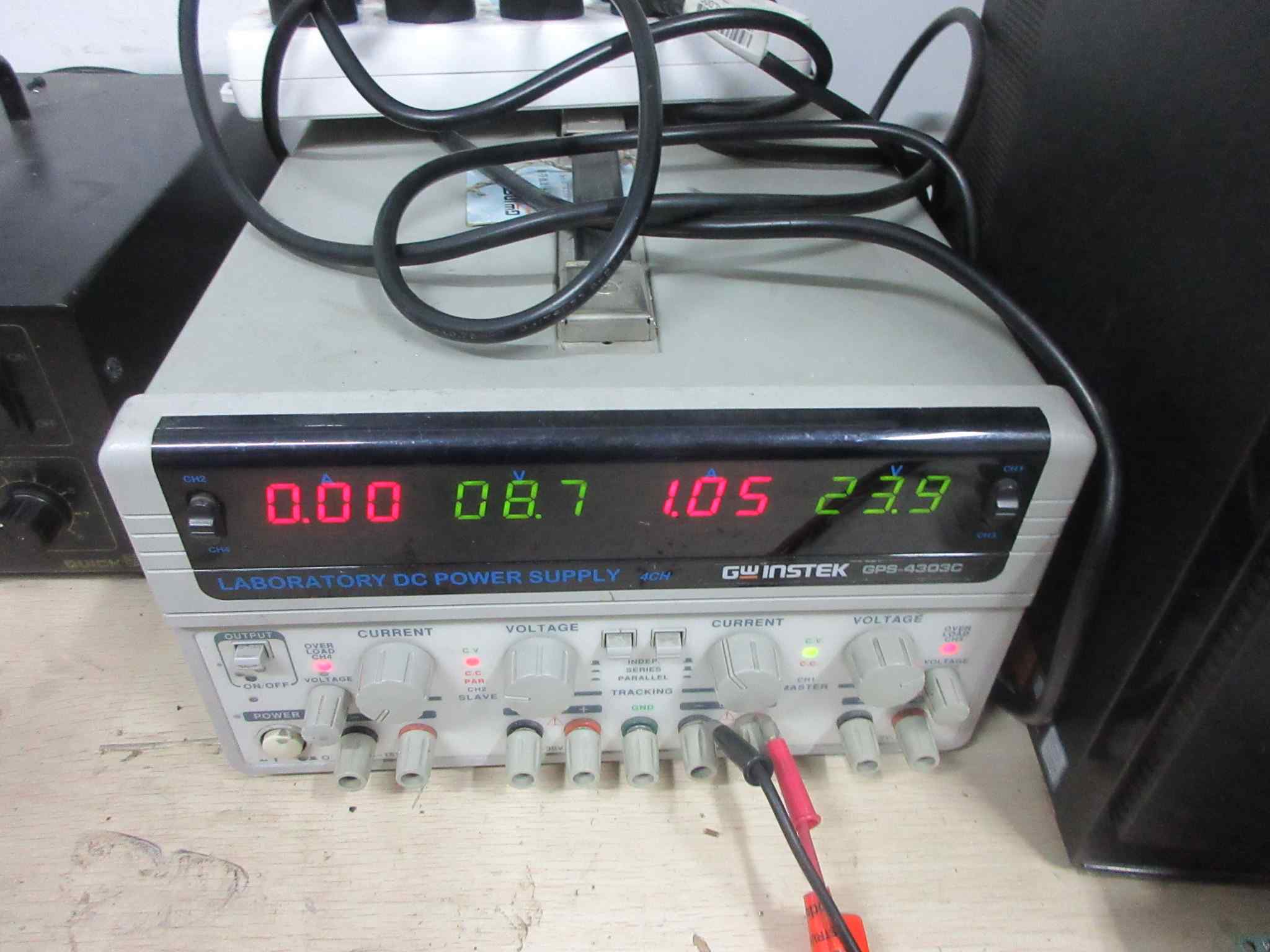
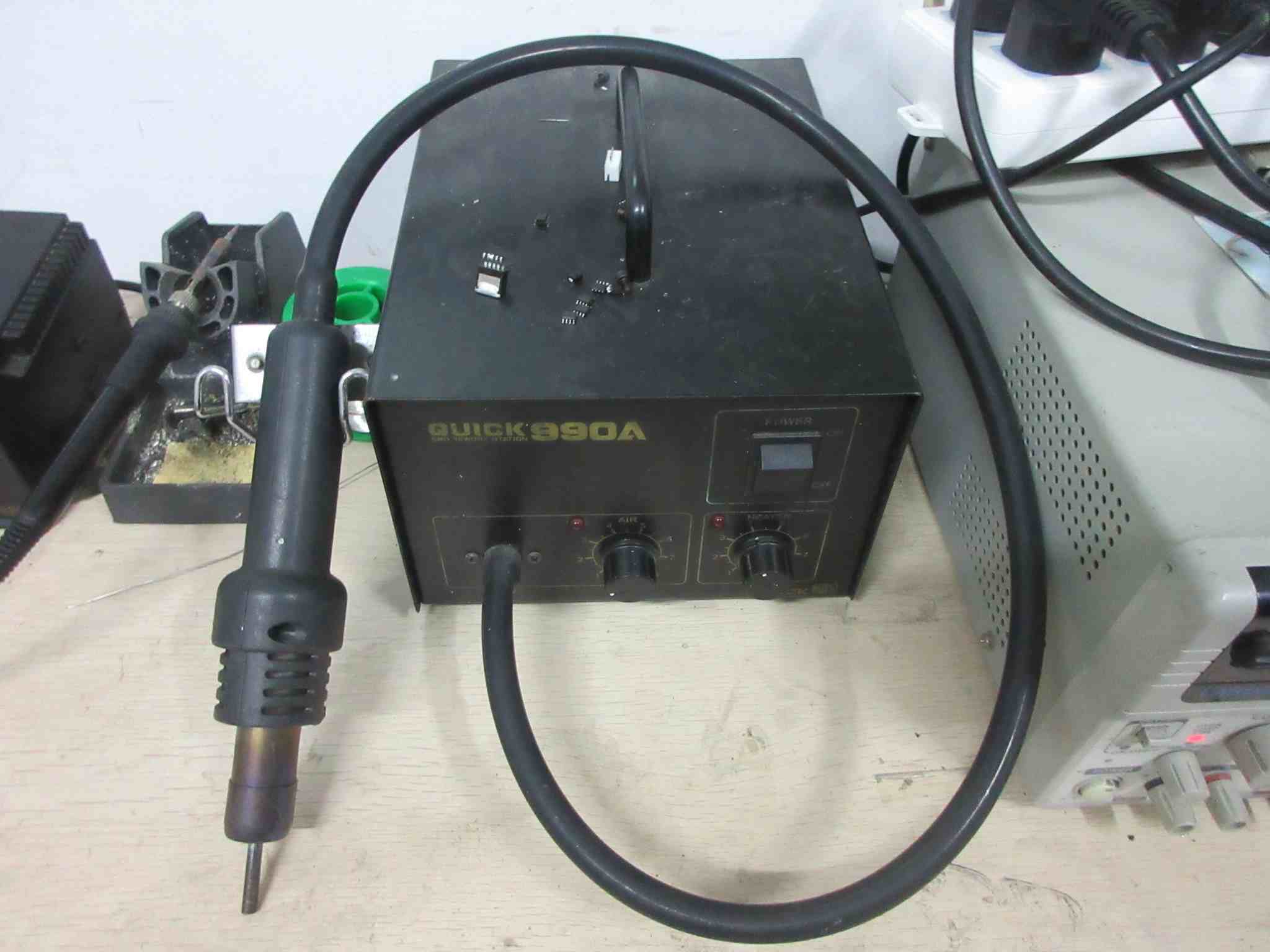
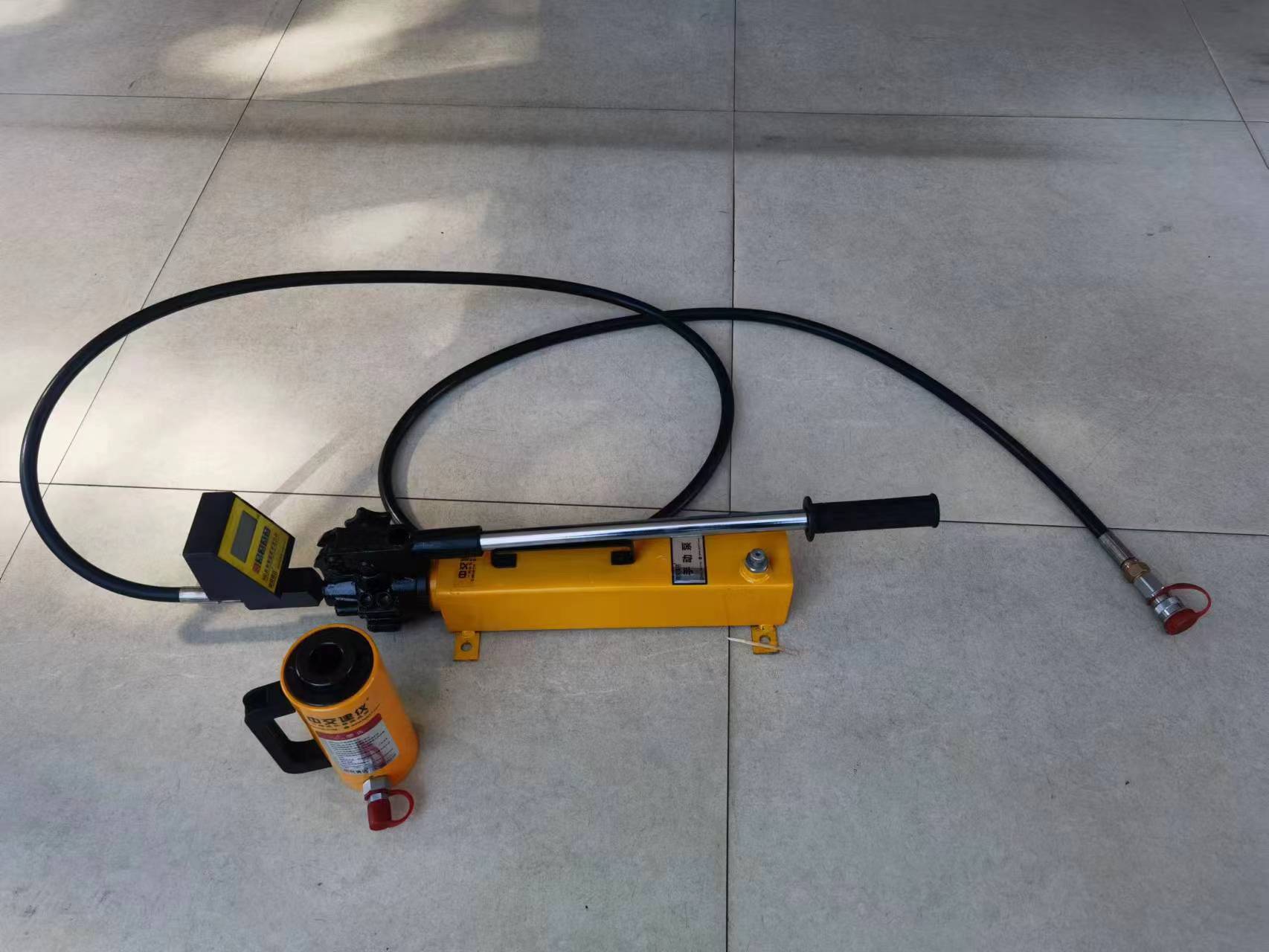
Tailoring physical configurations, load-bearing capacities, and protective coatings to match precise warehouse conditions.
Sunli offers deep structural customization to accommodate specialized industrial environments. Our engineering and manufacturing processes adapt to various specifications:
| Specification Parameter | Standard Options | Bespoke Customization Options (OEM/ODM) |
|---|---|---|
| Base Material Grade | Standard structural Q235B steel | High-yield Q355 steel, cold-rolled sheet, corrosion-resistant galvanized steel |
| Loading Capacity Per Level | Light to Medium (200kg - 800kg) | Heavy-Duty / Extra-Heavy (800kg to over 4,000kg per bay) |
| Surface Treatment | Standard outdoor powder coating | Electrostatic dissipative (ESD) coating, zinc-galvanized finish, hot-dip galvanizing for cold storage |
| Racking Profiles | Standard teardrop or box-beam profiles | Custom structural shapes, adjustable upright pitches (50mm, 75mm, 76.2mm) |
| Structural Configurations | Single-tier racks | Multi-tier mezzanines, high-rise platforms, integrated radio shuttle layouts, AS/RS setups |
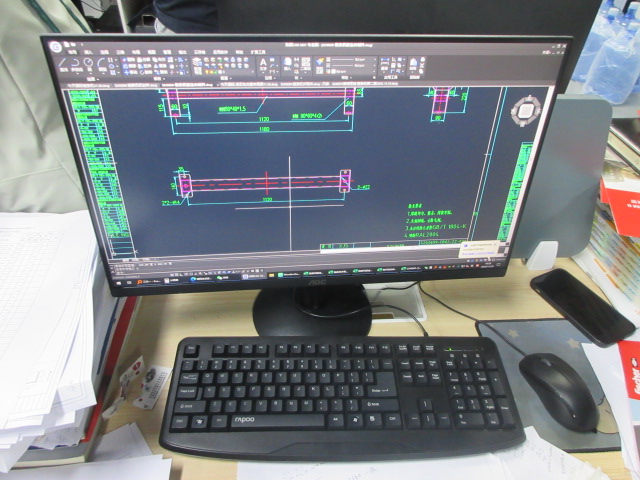
Our design cycle starts with digital Finite Element Analysis (FEA) to simulate load stress and ensure structure safety under operational weight loads. We also account for seismic conditions when designing configurations for earthquake-prone zones, incorporating baseplate anchors, bracing systems, and specific thickness calculations.
Evaluating key metrics, structural standards, and technical shifts across international warehousing.
Modern supply chain managers balance capacity requirements with strict safety standards. Standardized racking systems must comply with regional codes, including US RMI standards, European FEM 10.2.02, and Australian AS4084 regulations. Ensuring structural compliance prevents storage failures, protects staff, and keeps insurance liability coverage intact.
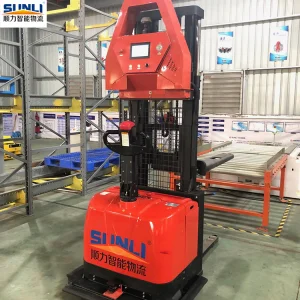
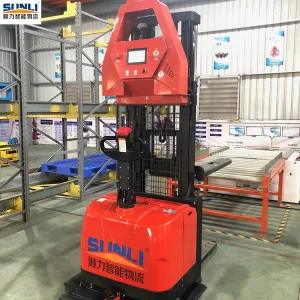
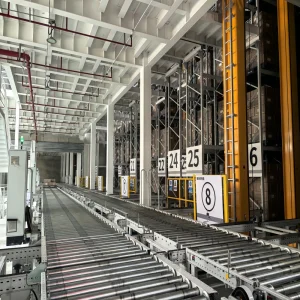
Traditional selective systems are shifting toward high-density automated racking. Combining radio shuttles and automated guided vehicles (AGVs) with multi-line LiDAR navigation reduces manual forklift transit times and maximizes warehouse space.
Electronics manufacturing and automotive logistics hubs require electrostatic discharge (ESD) protection. Integrating specialized grounding systems and ESD coatings prevents static build-up, protecting sensitive components.
Global logistics systems depend on high reliability. Selecting a manufacturer that offers design assistance, factory testing, and documented certifications ensures that storage setups integrate cleanly with third-party logistics (3PL) workflows and automated equipment.
How specific environmental factors shape structural and finish requirements for long-term durability.
Industrial storage systems operate in varying environments that impact structure lifespan. System specifications must adapt to local conditions:
How Sunli implements strict international testing standards to guarantee structural reliability and safety.
Sunli maintains quality control through a comprehensive product verification protocol, from raw material receipt to shipping preparation:
| Testing Category | Instrument Used | Quality Standard Requirement |
|---|---|---|
| Raw Material Tensile Strength | Universal Steel Tension Testing Station | Yield strength must meet or exceed Q235B/Q355 design assumptions prior to rolling operations. |
| Powder Coating Adhesion | Cross-cut Tester & Impact Tester | Meets ISO 2409 standards, ensuring no peeling or flaking under high impact forces. |
| Coating Thickness Calibration | Digital Coating Thickness Gauge | Ensures powder coat application thickness remains between 60 to 90 microns. |
| Weld Penetration Checking | Ultrasonic Flaw Detector & Macro-Etch Tests | Guarantees complete penetration and zero internal voids in high-load connection plates. |
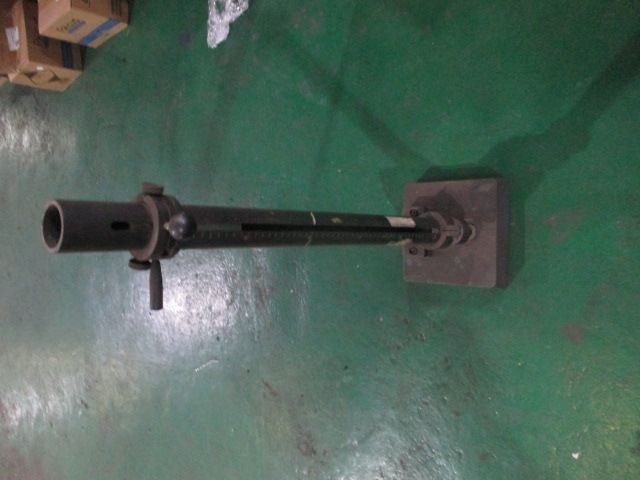
| Anchor System Testing | Digital Bolt Drawing Instrument | Verifies tensile strength of anchors to prevent shear failure under seismic stress. |
All load capacity ratings are backed by third-party testing from organizations like SGS and TÜV, certifying compliant fabrication. When global clients order our structures, they receive full material tracing documents, test reports, and compliance certificates.
Answers to key engineering, logistical, and customization questions from global procurement managers.
Q235B and Q355 are carbon structural steels widely used in manufacturing. Q235B features a yield strength of 235 MPa and is suitable for standard racking installations. Q355 is a low-alloy, high-tensile steel with a yield strength of 355 MPa. We use Q355 for heavy-duty columns, high-rise mezzanine supports, and tall storage structures, providing higher load capacity with lighter material profiles.
Electrostatic Dissipative (ESD) powder coating incorporates conductive material within the paint. This structure bleeds off static electricity to ground connection terminals rather than allowing charge build-up on the metal shelves. This finish is required in electronics assembly areas and battery logistics warehouses to prevent static damage to sensitive components.
We design our systems to match international standards: the RMI (Rack Manufacturers Institute) specifications in North America, FEM 10.2.02 in Europe, and AS4084 in Australia. Our CAD designs and FEA load simulations ensure local building codes are met prior to fabrication.
Our standard manufacturing lead time is 20 to 30 days after drawing approval, depending on order size. We provide custom CAD layouts within 3 to 5 business days from initial design request. We optimize manufacturing schedules through our raw material partnerships and automated production lines.
For cold storage systems operating below 0°C, we select steel grades that maintain ductility at low temperatures, minimizing brittle fracture risks. We also use hot-dip galvanized coatings or specialized cold-resistant powders to prevent corrosion from condensation during thermal cycling.
Integrating radio shuttle systems requires specific rail support beams, correct track alignments, and exact dimensional tolerances. While some standard selective racks can be converted with modification, we recommend using custom-designed shuttle structures. This ensures smooth shuttle operation and protects automation sensors from alignment issues.
Examine our advanced logistics equipment, AGV systems, and corrosion-resistant heavy storage structures.
 SunliRack