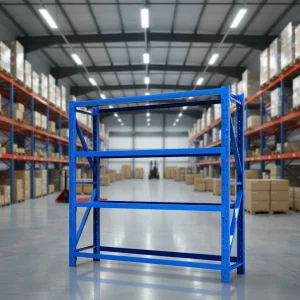
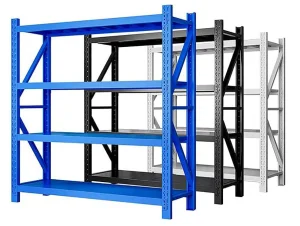
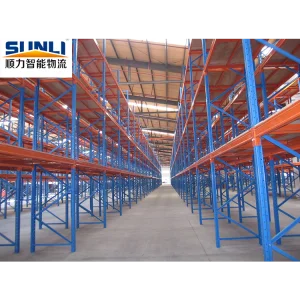
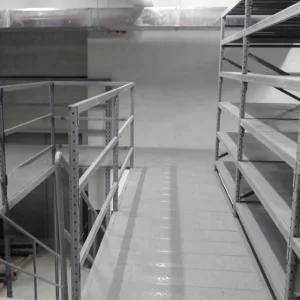
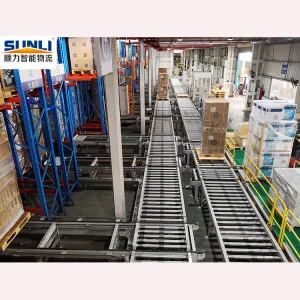
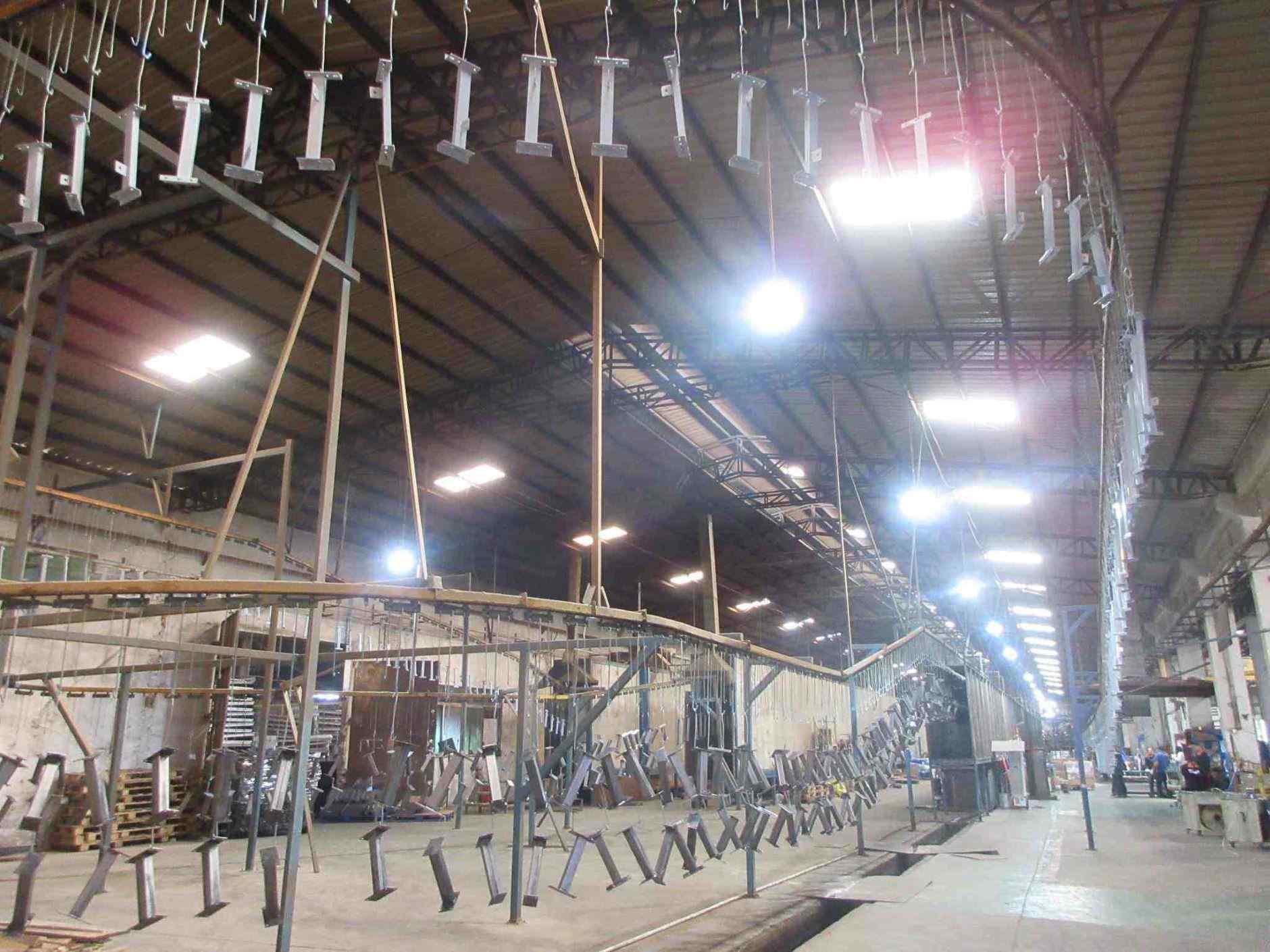
Established in 2015, Shenzhen Sunli Intelligent Logistics Equipment Co., Ltd. has grown into an internationally recognized pioneer in heavy-duty industrial racking and intelligent warehouse storage systems. Operating from a highly computerized, modern production facility spanning 38,000 m², we merge more than 12 years of structural engineering design experience with 8 years of global export compliance history to serve high-velocity supply chains. Our advanced cargo storage and mechanical handling equipment generate an annual export valuation between $18 million and $25 million, ensuring smooth operations for Fortune 500 companies and regional leaders across North America, Western Europe, Southeast Asia, and the Middle East.
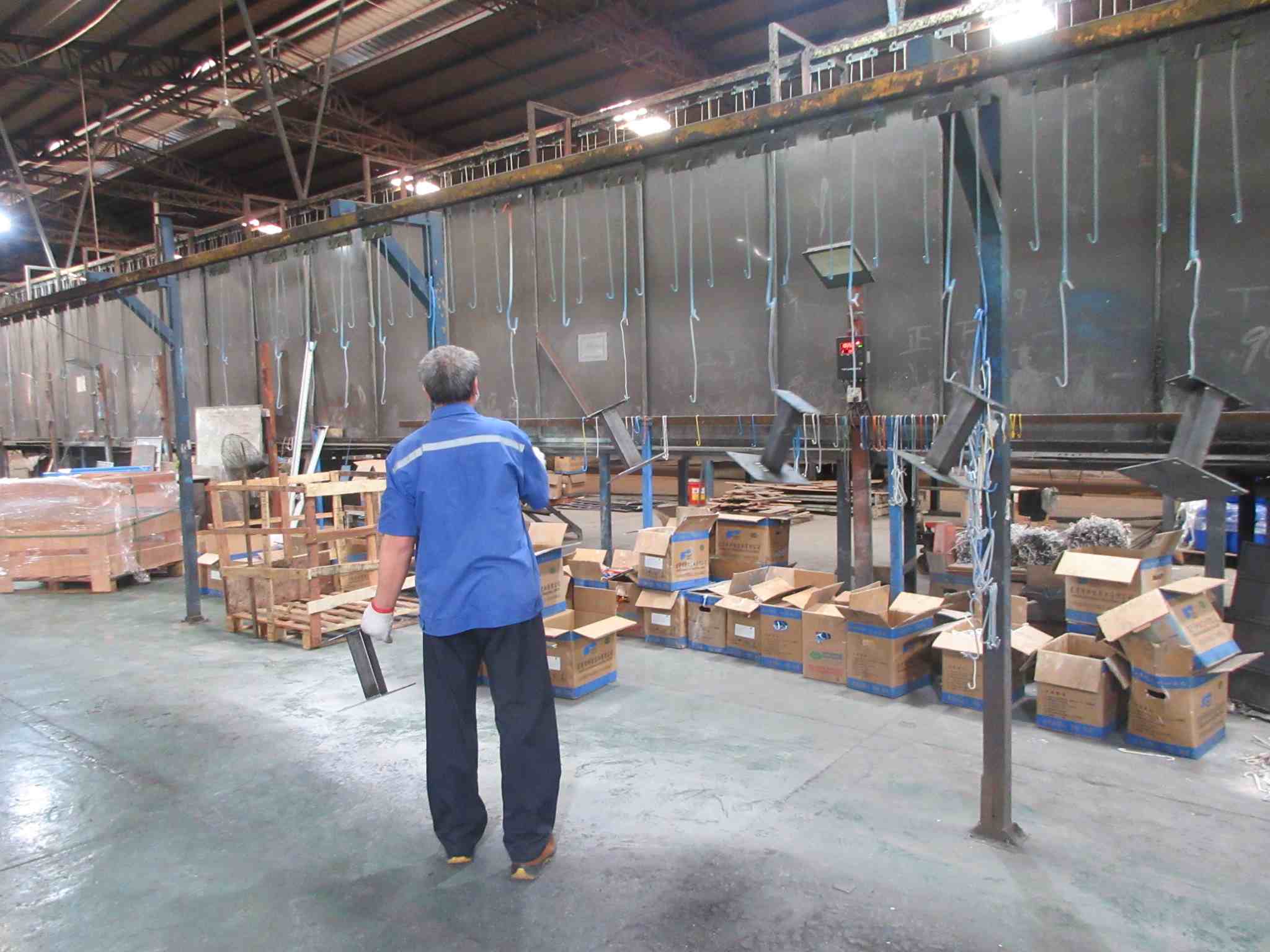
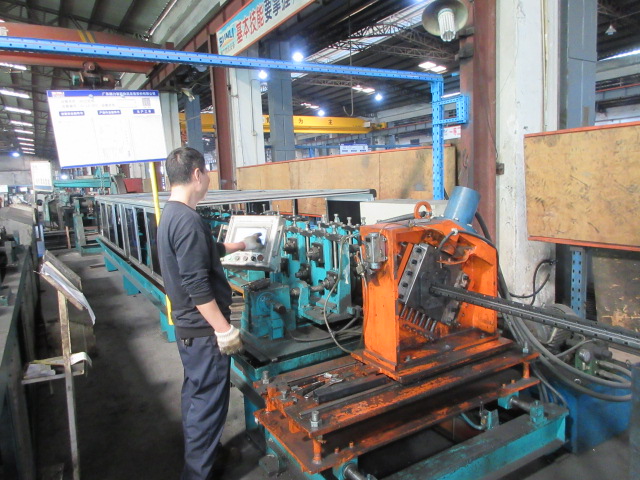
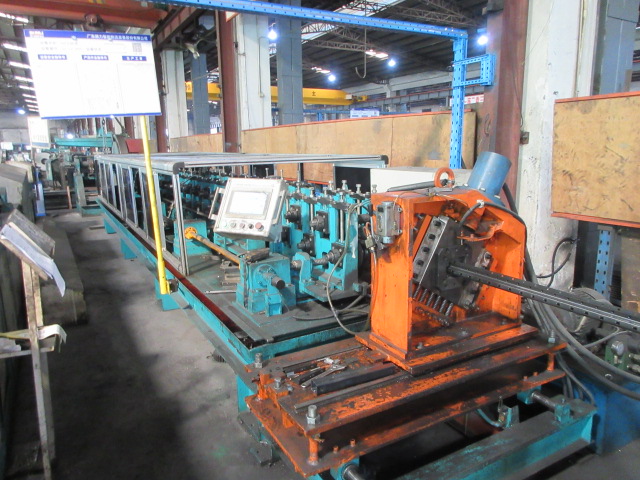
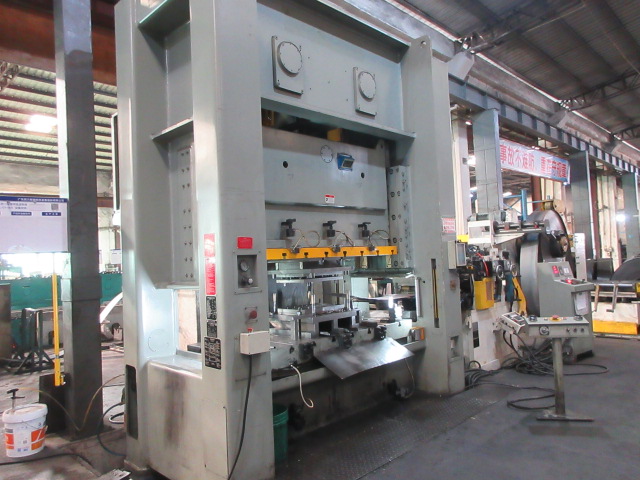
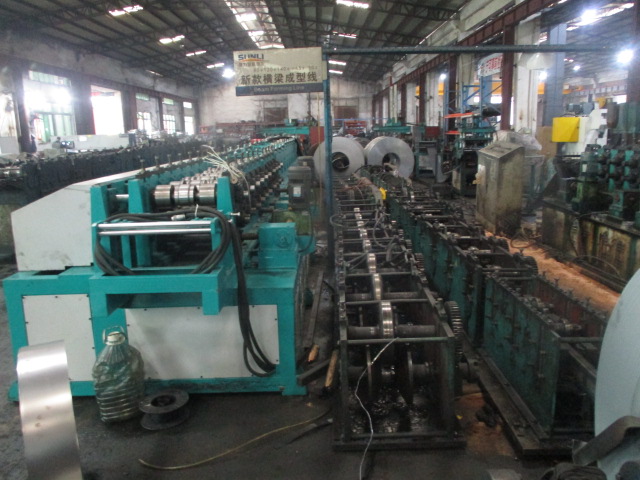
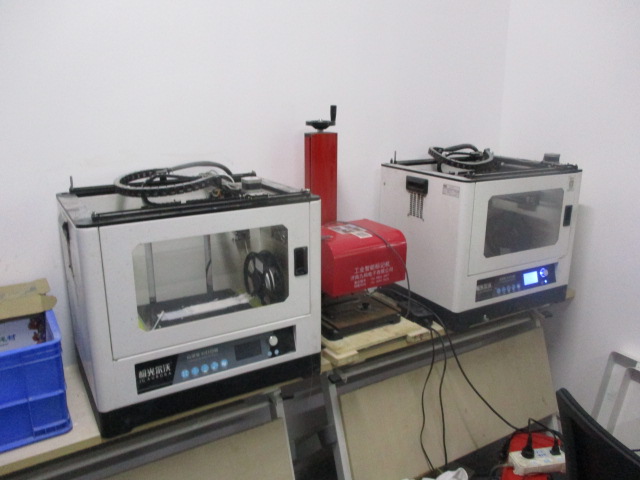
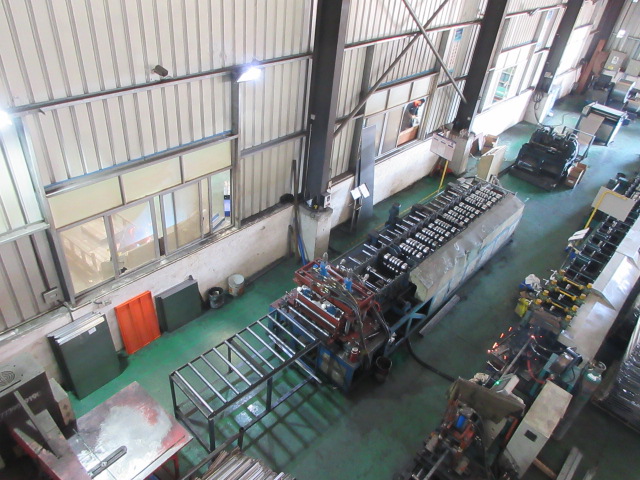
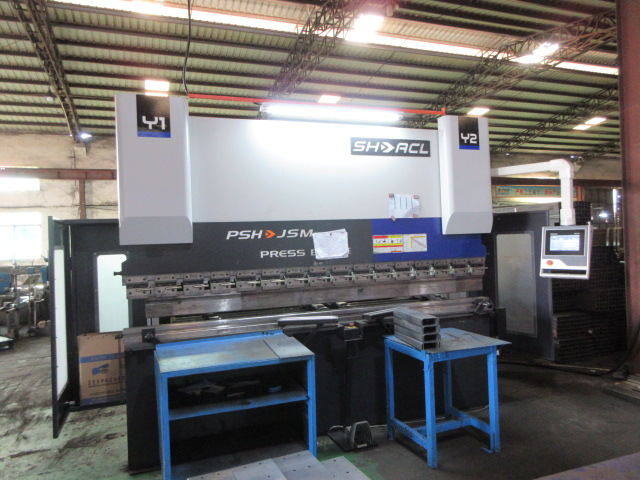
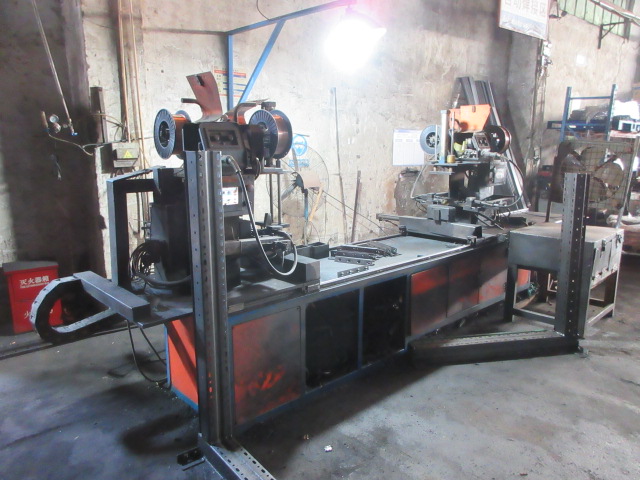
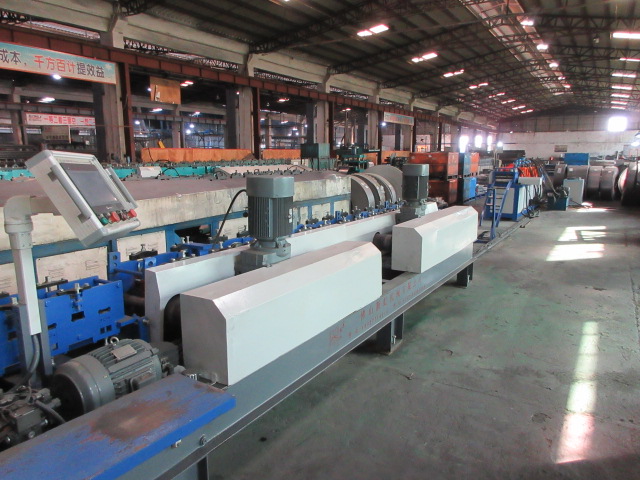
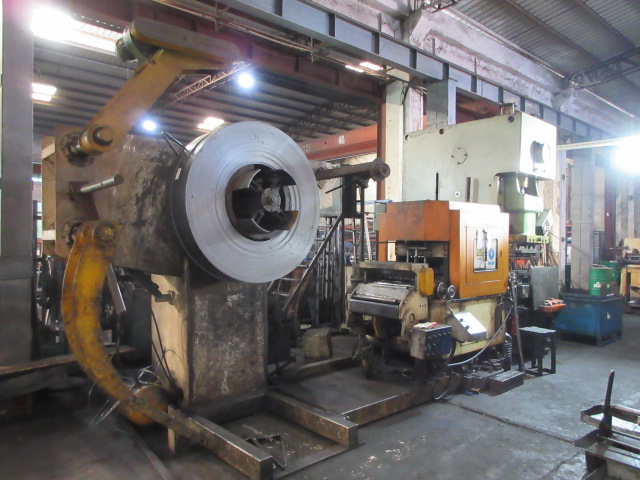
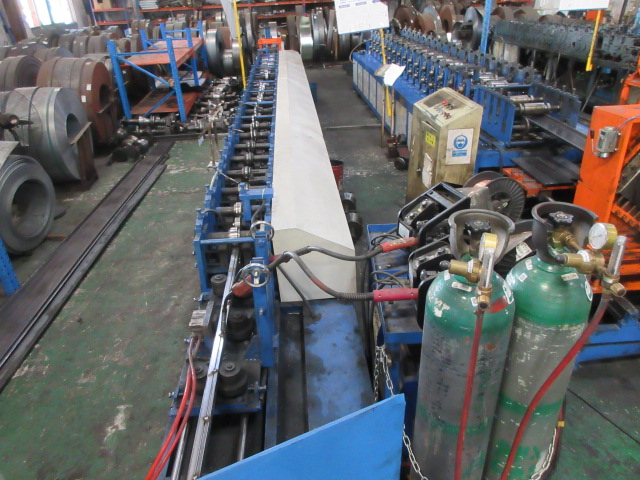
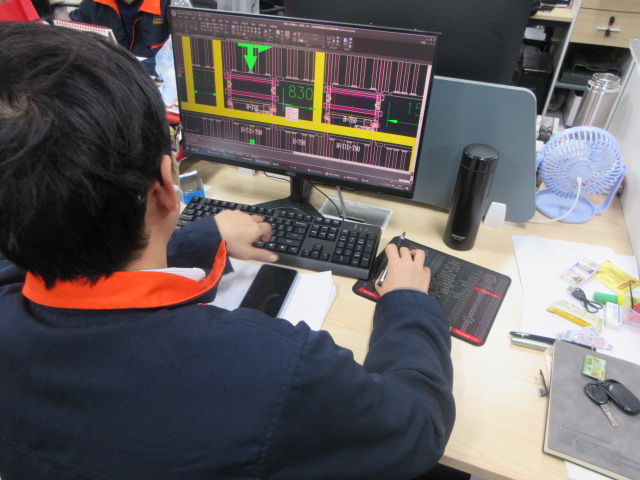
We run high-precision cold-formed steel profiling and smart robotic welding configurations. Our specialized departments feature 35 quality assurance professionals and 28 structural research and development engineers. This team introduces more than 120 mechanical iterations and custom products annually, ensuring structural safety parameters align with international design codes, including FEM, RMI, and EN standards.
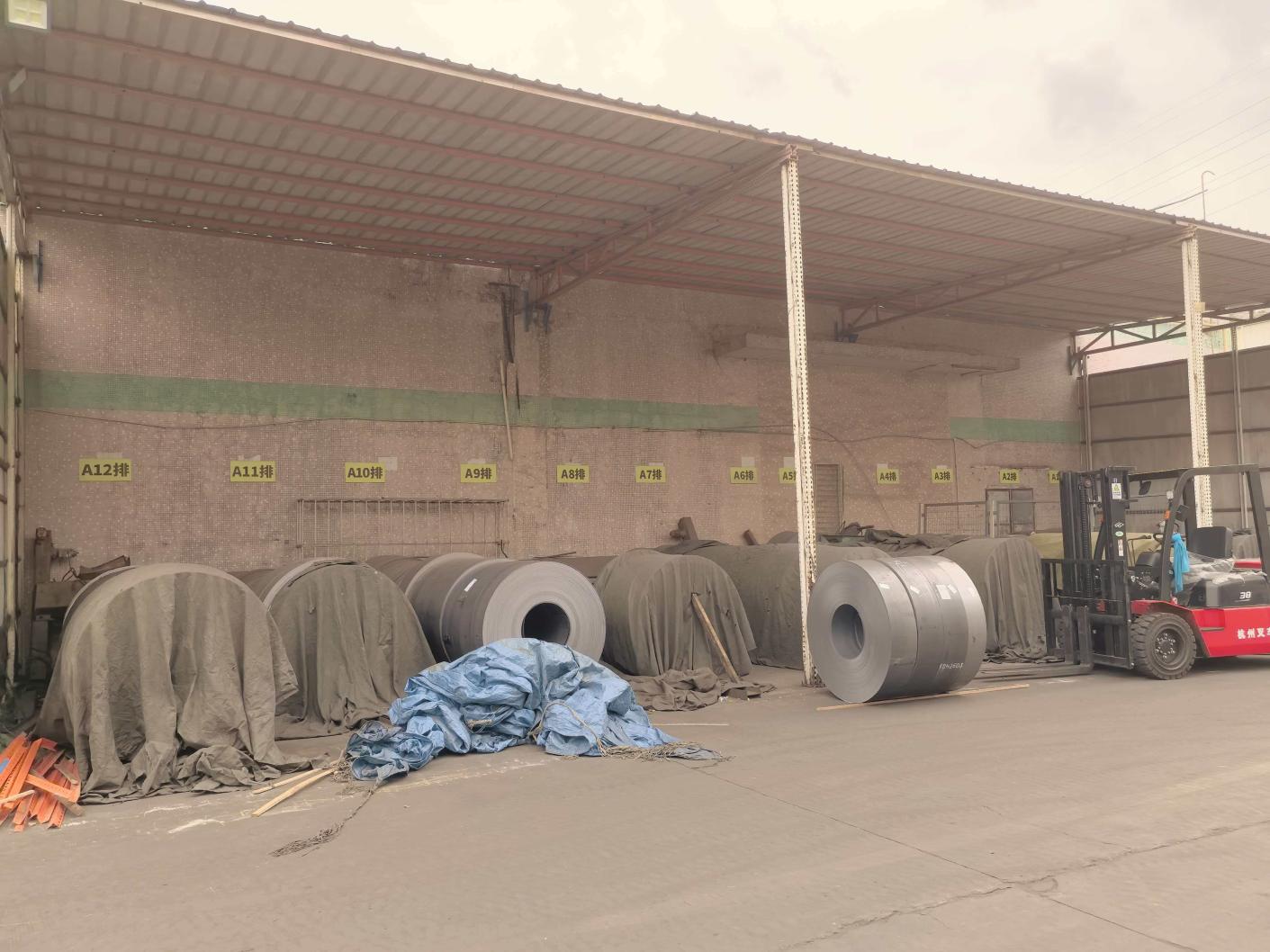
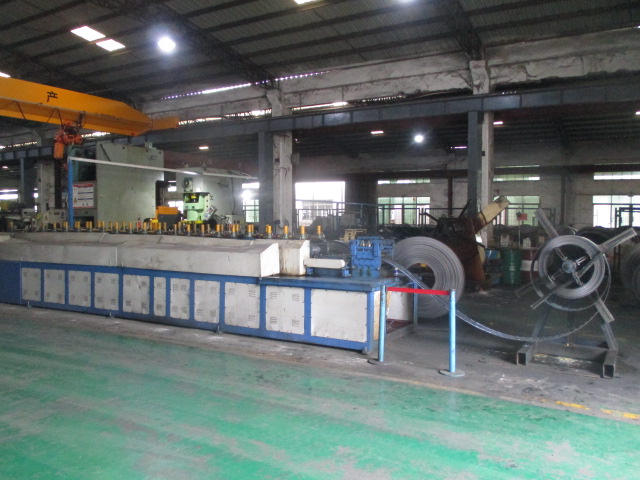
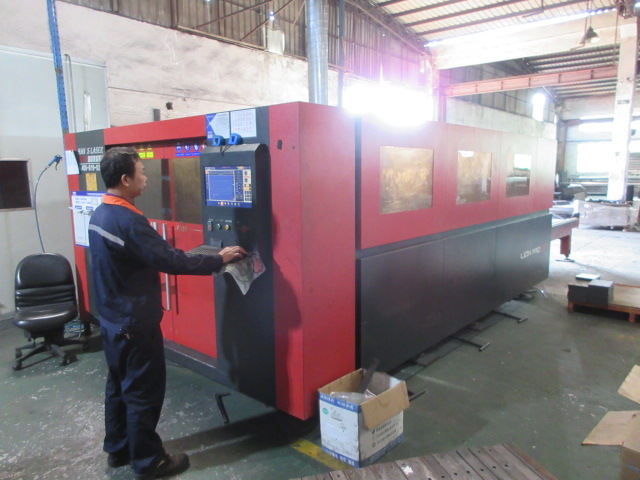
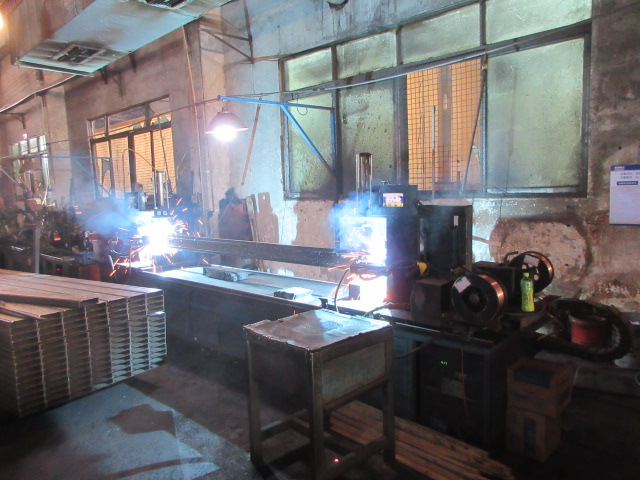
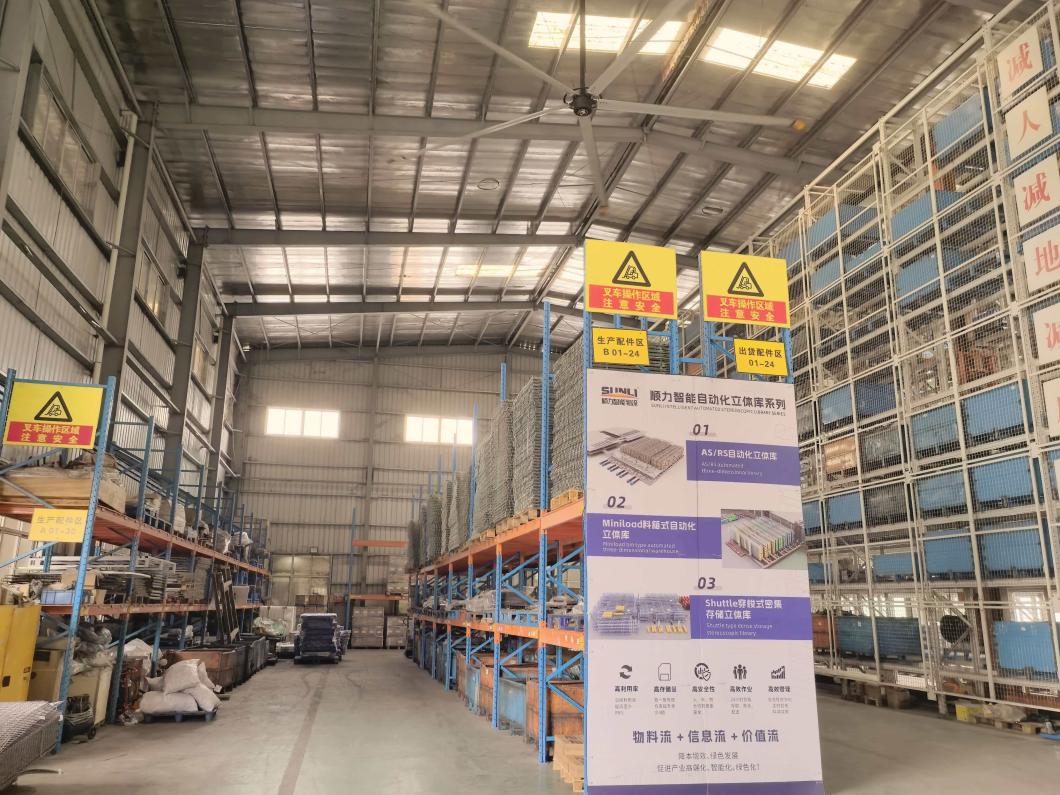
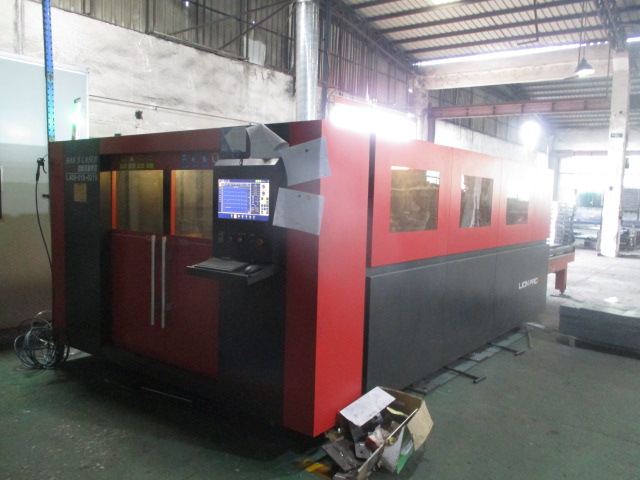
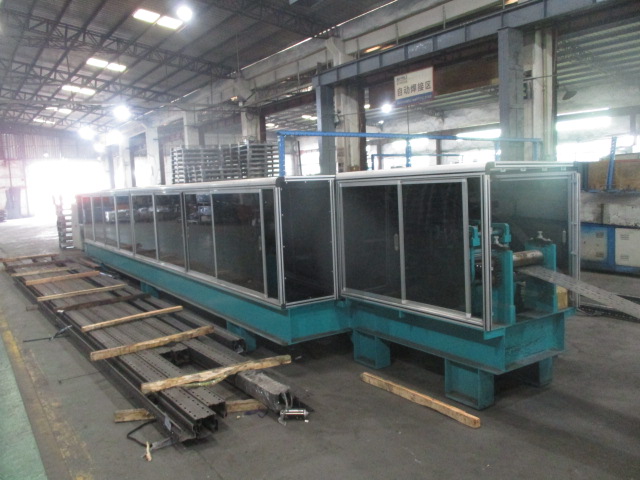
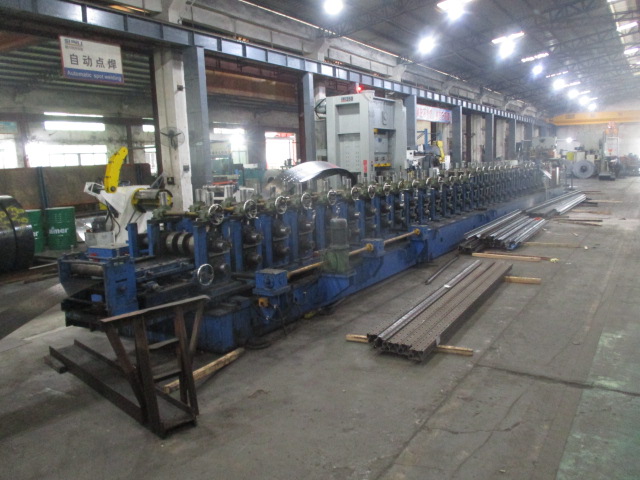
Modern warehousing is transitioning from static storage units to dynamic, autonomous logistical networks. In this landscape, the structural performance of static racking systems must integrate seamlessly with robotic transport dynamics.
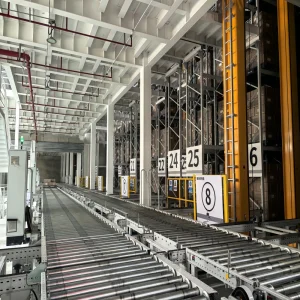
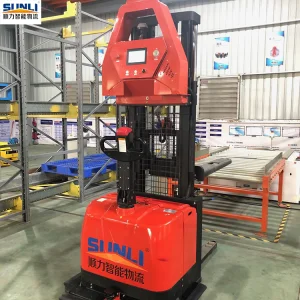
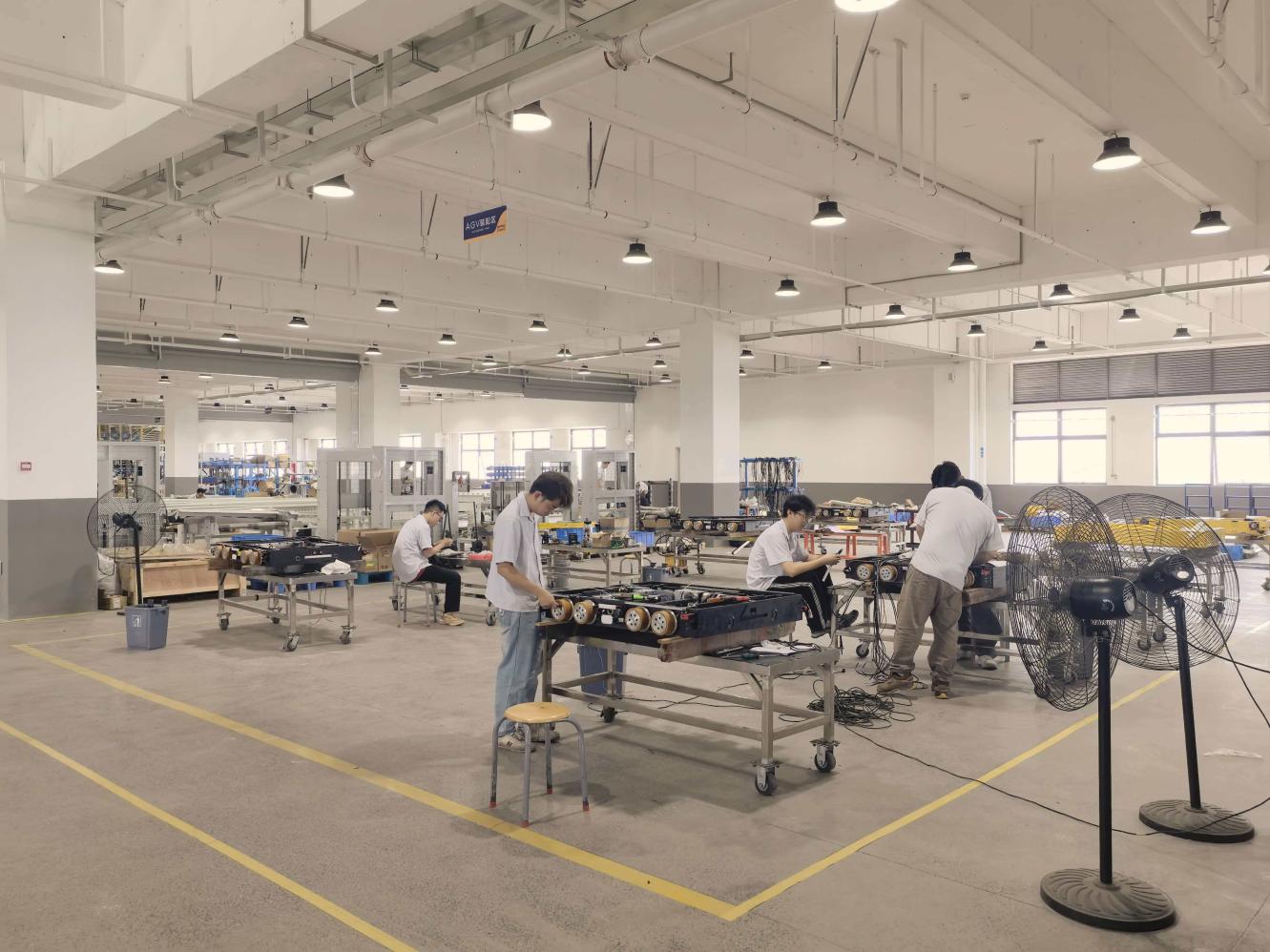
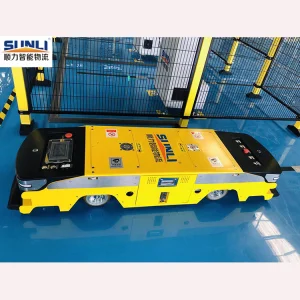
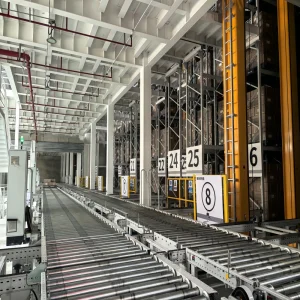
Modern warehouses rely on Automated Guided Vehicles (AGVs) and Autonomous Mobile Robots (AMRs) for unit-load transport. These systems require high dimensional precision and tight flatness tolerances across floors and racking baseplates. Modern configurations incorporate laser-navigation systems (such as the SL-AGV-1000BY-01) and LiDAR arrays, allowing operations to continue 24/7.
Warehouse Control Systems (WCS) and Warehouse Management Systems (WMS) now leverage artificial intelligence to dynamically optimize path planning. Instead of using predefined, fixed routes, autonomous systems analyze traffic patterns in real time. This dynamic scheduling reduces structural wear on floor slabs and maintains high throughput rates.
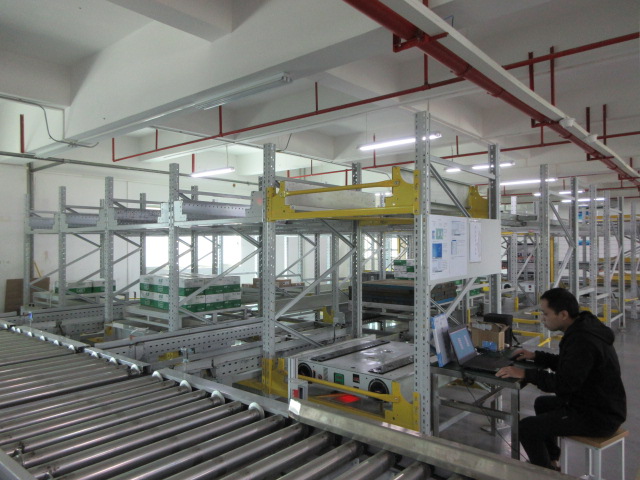
The structural integration of automated systems relies on high-grade components. Features like the double-deep reach mechanism, smart multi-directional shuttle platforms, and carbon-fiber crane masts reduce overall system weight, lowering energy requirements by up to 30% compared to traditional configurations.
Industrial sectors have distinct operational profiles, which demand custom configurations rather than a one-size-fits-all approach:
| Industry Sector | Primary Storage Constraint | Ideal Racking Architecture | Throughput Velocity |
|---|---|---|---|
| Third-Party Logistics (3PL) | Variable SKU sizes, high rotation demands | Selective Pallet Racking / Mezzanines | High to Ultra-High | Cold Chain Operations | Thermal efficiency, high density needs | AS/RS / Drive-In / Mobile Racking | Medium (High Density priority) |
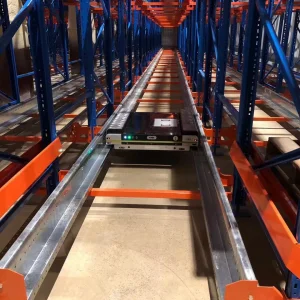
| E-Commerce & Retail | Fast sorting, order profiling variation | Radio Shuttle Systems / AGV Integration | Continuous High-Speed |
| Heavy Industrial Mfg | Large footprints, dynamic load shifts | Heavy-Duty Cantilever / Stacking Racks | Low to Medium |
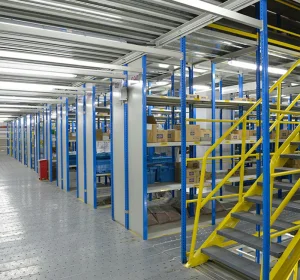
For cold-chain operators, space utilization directly impacts thermal management costs. High-density structures like radio shuttle systems and AS/RS configurations reduce air volume per pallet slot, lowering refrigeration energy requirements. Conversely, e-commerce applications require picking configurations that support high SKU velocity, making mezzanine platforms and multi-tier racking systems a common choice for optimized floor space.
Shenzhen Sunli Intelligent Logistics operates under Factory 4.0 principles, ensuring high structural accuracy and consistent production output.
Racking installations are critical load-bearing systems that must comply with localized building codes. Sunli designs components in accordance with key global design standards:
Our designs satisfy the Rack Manufacturers Institute (RMI) specification requirements. We incorporate specific column punch spacings, safety locks, and anchor configurations to meet North American regulations, including seismic design criteria.
For European markets, our engineering team performs structural calculations in compliance with EN 15512 limit state design rules. We evaluate upright buckling limits, beam shear stresses, and connection joint stiffness to ensure safe operating limits.
In addition to structural design compliance, we provide local field support, detailed installation documentation, and load-capacity labeling to help our clients satisfy occupational health and safety regulations (such as OSHA and EN 15635).
Industrial procurement teams should evaluate the following structural parameters before finalizing an order:
 SunliRack