Explore engineered heavy-duty platforms, automated shuttle systems, and smart factory robots designed for high load limits.
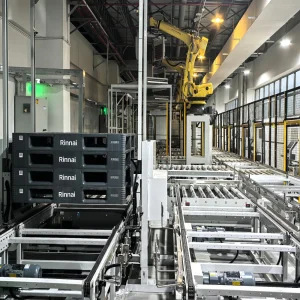
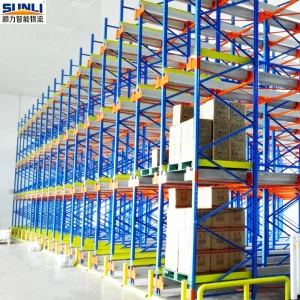
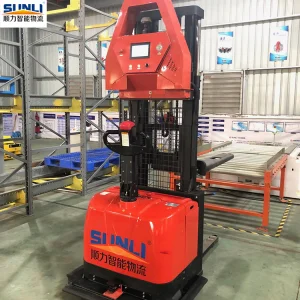
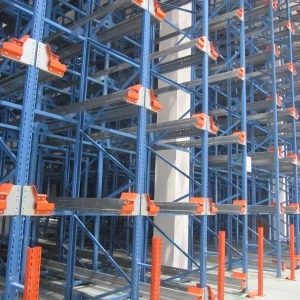
In the contemporary era of hyper-scale logistics, warehousing footprints must expand vertically rather than horizontally. Globally, urban land constraints and soaring square-footage costs have forced industrial operations to seek high-density structural designs. Heavy-Duty Platforms and multi-tier structural mezzanine systems represent the backbone of this spatial optimization revolution.
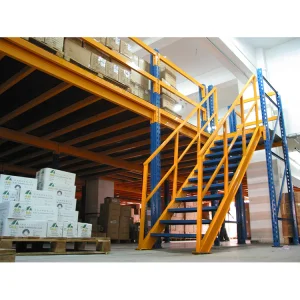
Integrating heavy-duty steel platforms enables operations to double or triple their usable floor space without physical building expansion. These platforms are custom-engineered structures capable of supporting static loads exceeding 1,500 kg/m² and accommodating automated subsystems like Autonomous Guided Vehicles (AGVs), Automated Storage and Retrieval Systems (AS/RS), and conveyor loops. As global supply chains shift toward rapid order fulfillment, high-capacity platforms have transitioned from simple storage decks into complex, cyber-physical hubs.
Designed in strict compliance with international codes (such as RMI standards in the USA and FEM regulations in Europe) to endure seismic movements, dynamic load variations, and heavy machinery vibrations.
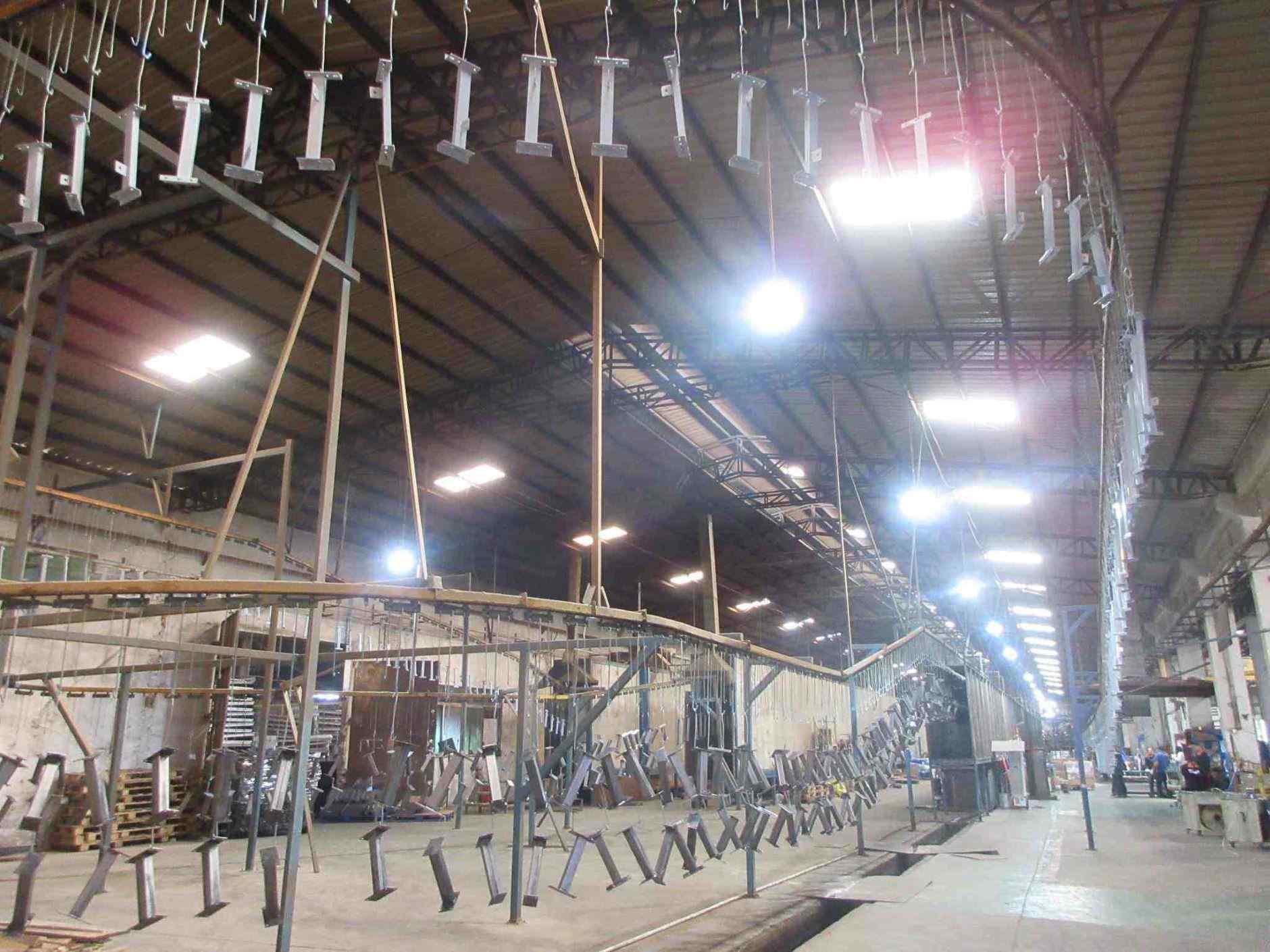
Incorporates Electrostatic Discharge (ESD) protective finishes, precision hot-rolled structural steel, and high-durability powder-coated surfaces to prevent corrosion and workplace hazards.
Established in 2015, Shenzhen Sunli Intelligent Logistics Equipment Co., Ltd. is a premier global manufacturer specializing in heavy-duty industrial racking, smart warehouse platforms, and integrated logistics structures. Operating from an expansive, state-of-the-art production base of 38,000 m², we merge 12 years of core manufacturing experience with 8 years of international export expertise.
Sunli satisfies the demands of international trade through structural reliability. Generating an annual export revenue of $18 million to $25 million, our high-density solutions support vital operations across North America, Western Europe, Southeast Asia, and the Middle East. With an agile team of 35 dedicated QC professionals and 28 R&D engineers, we continuously optimize our components, delivering over 120 new products and structural improvements annually.
We leverage our robust network of over 800 supply chain partners to cater to tier-1 clients, including large-scale 3PL providers, industrial distributors, major e-commerce fulfillment hubs, and global retail companies. Our extensive OEM/ODM production capabilities translate customized client drawings into robust physical racking systems that withstand decades of operational stress.
Primary Integration Channels:
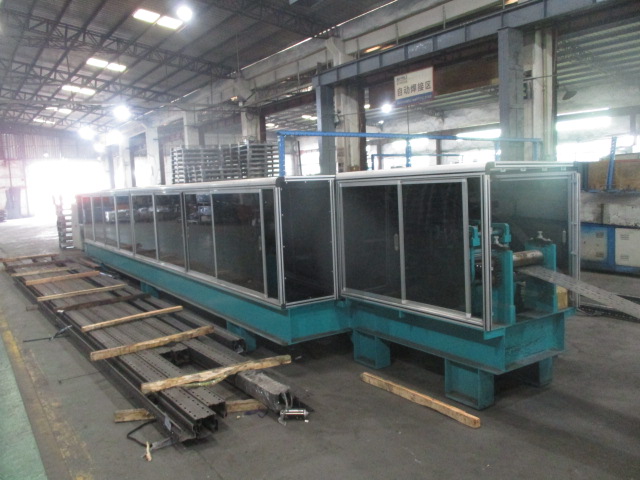
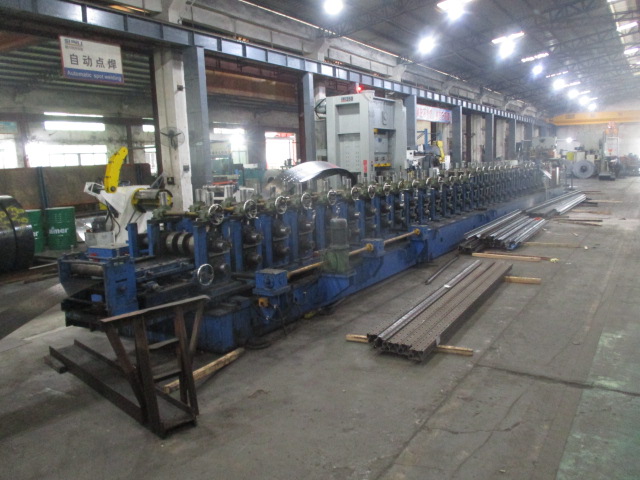
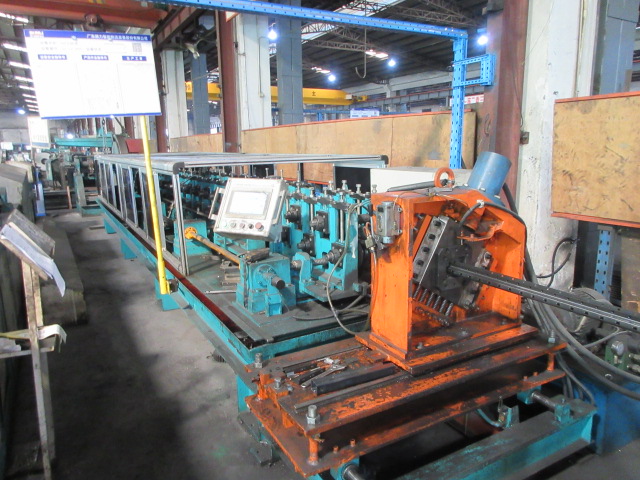
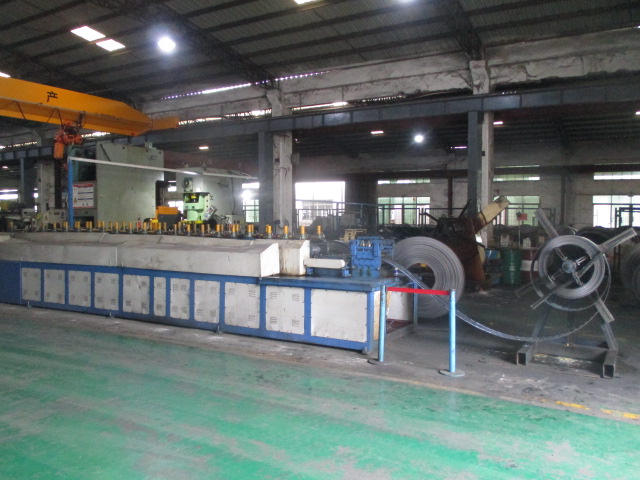
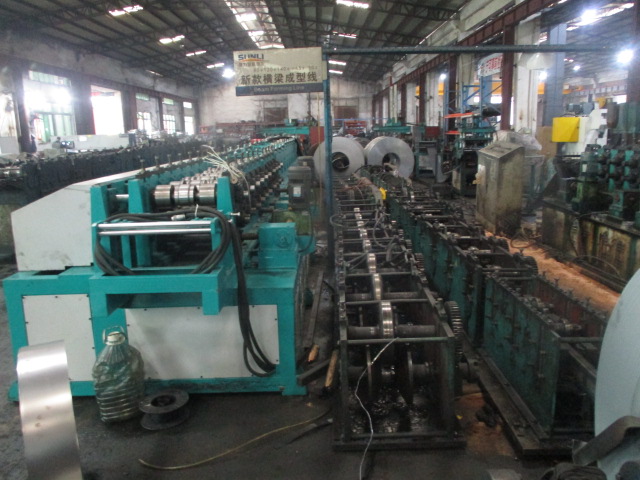
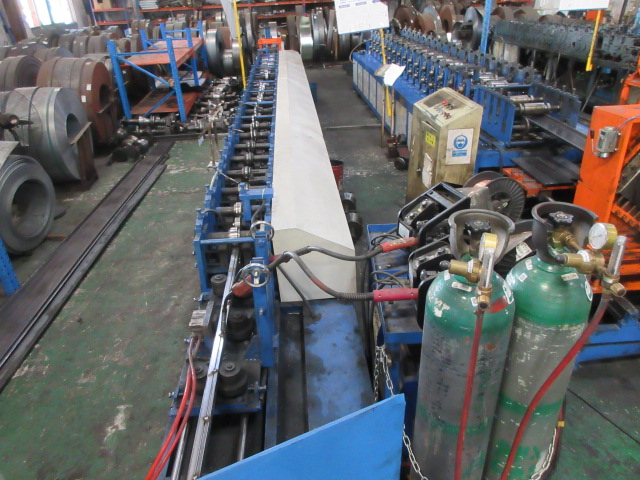
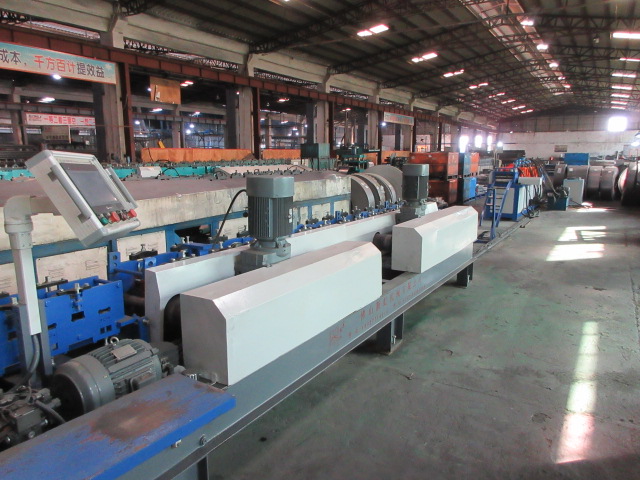
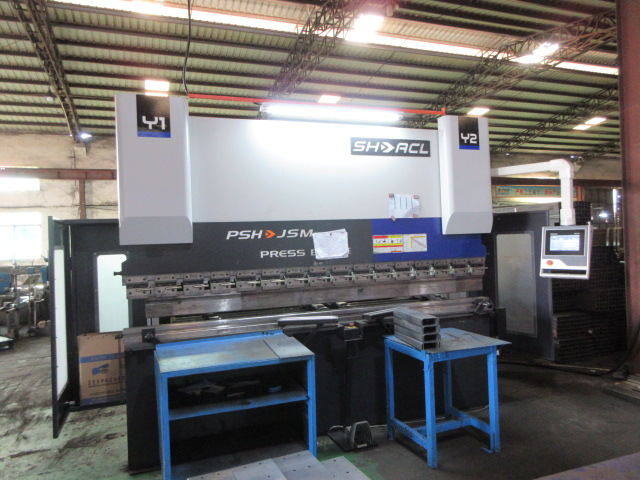
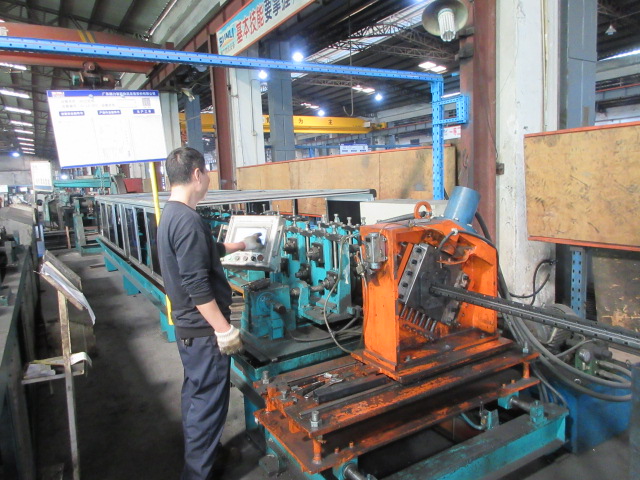
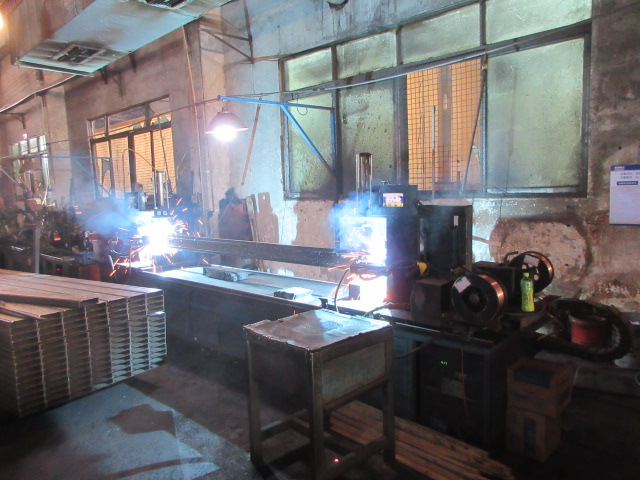
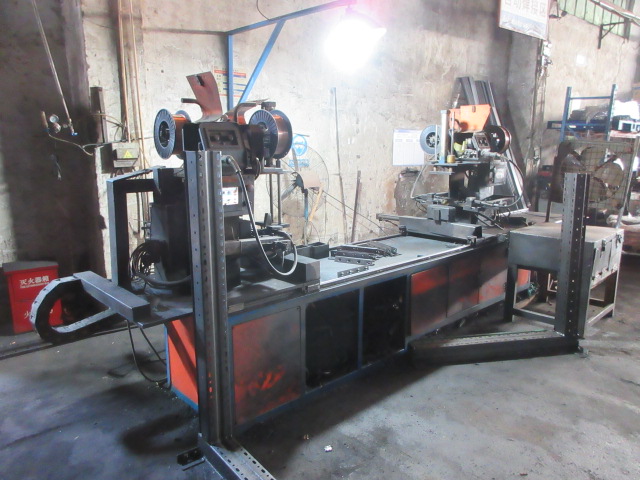
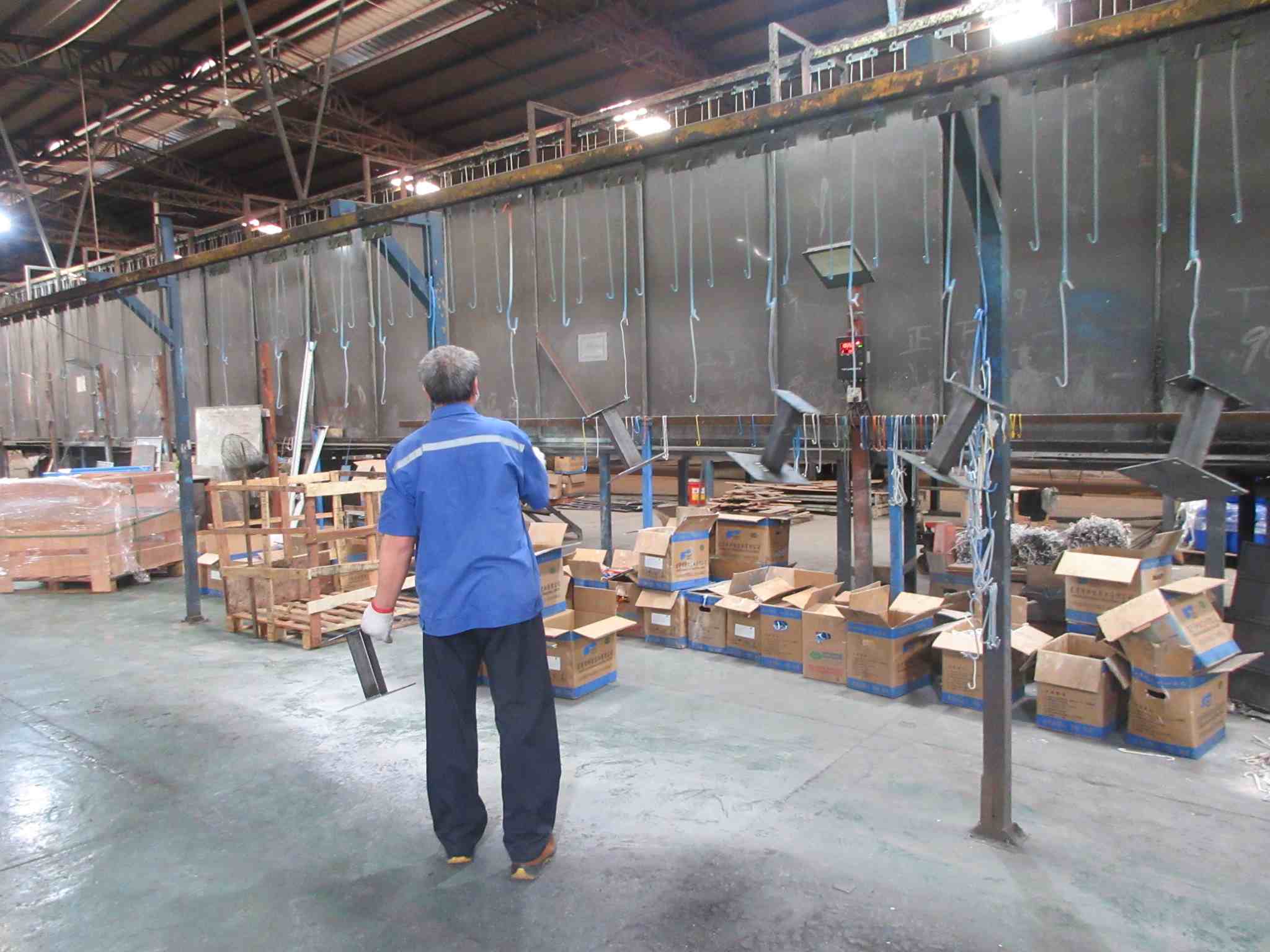
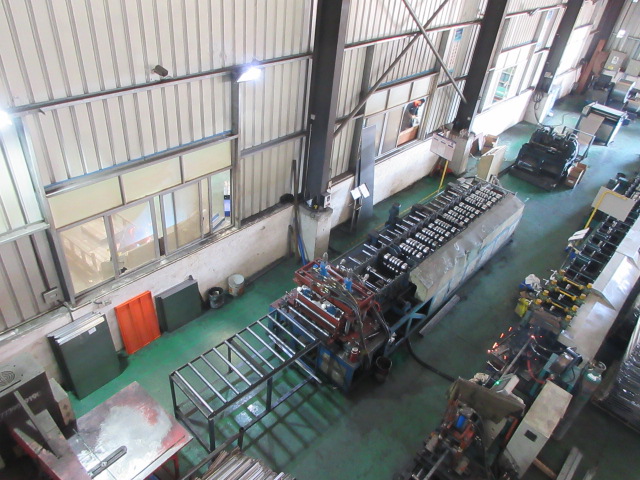
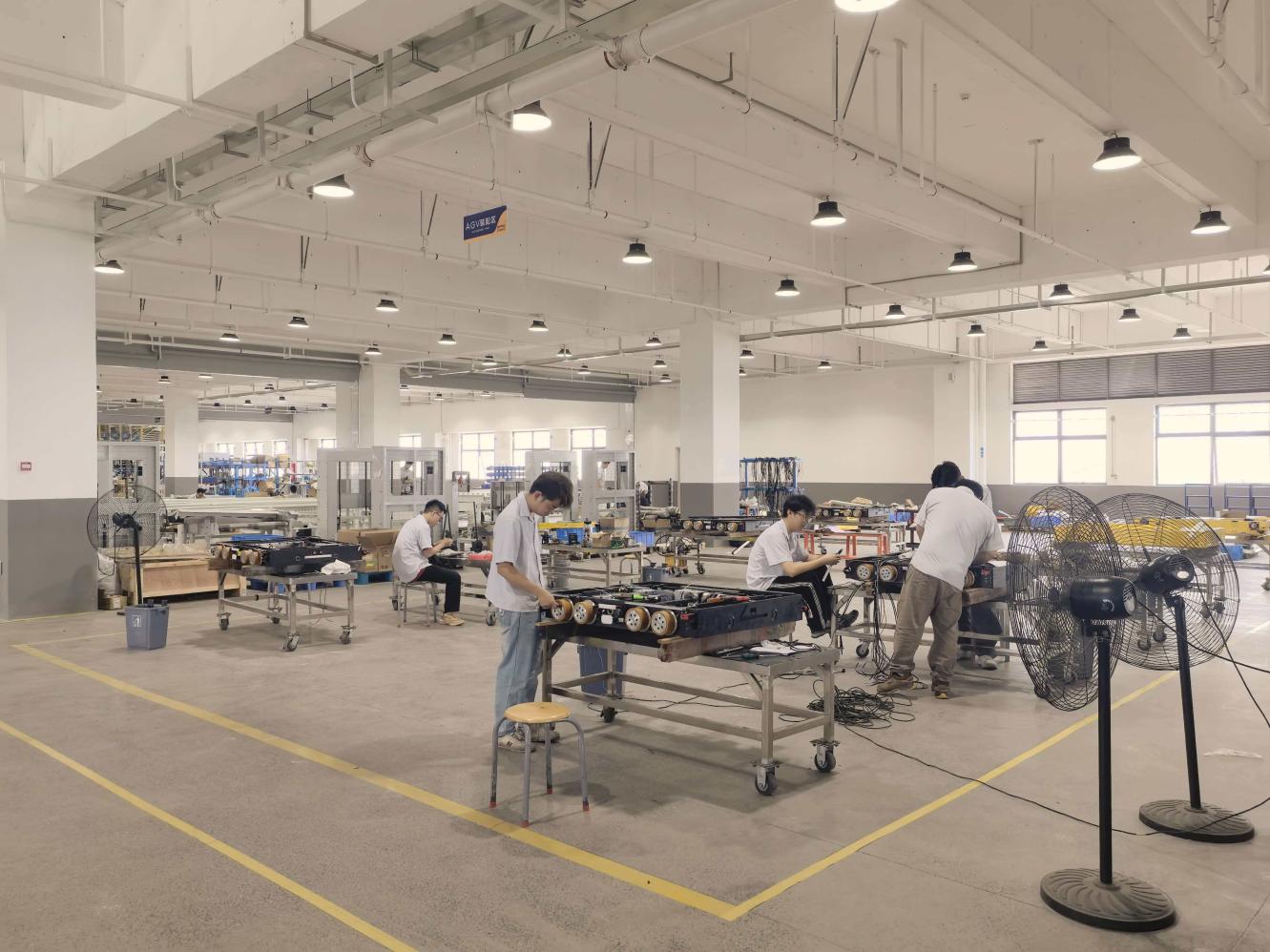
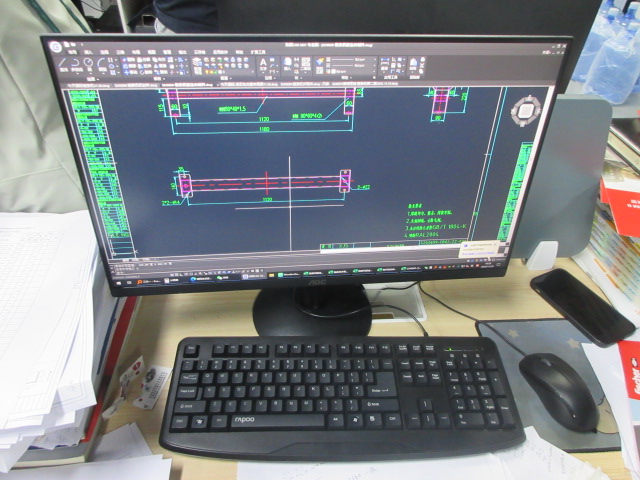
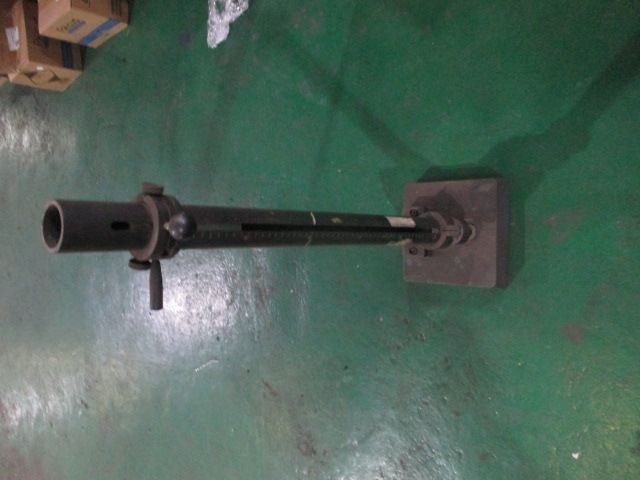
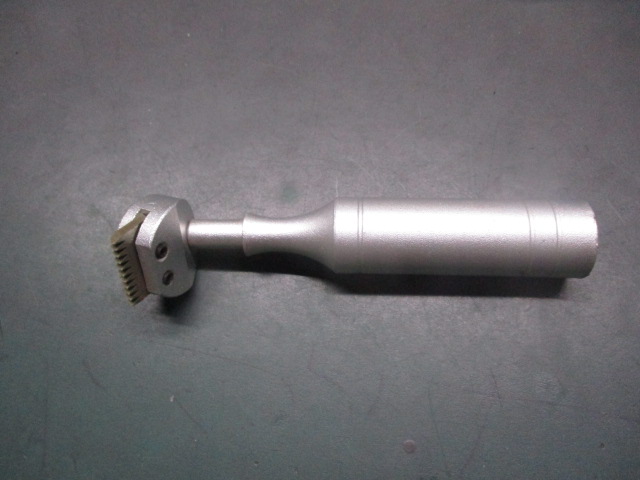
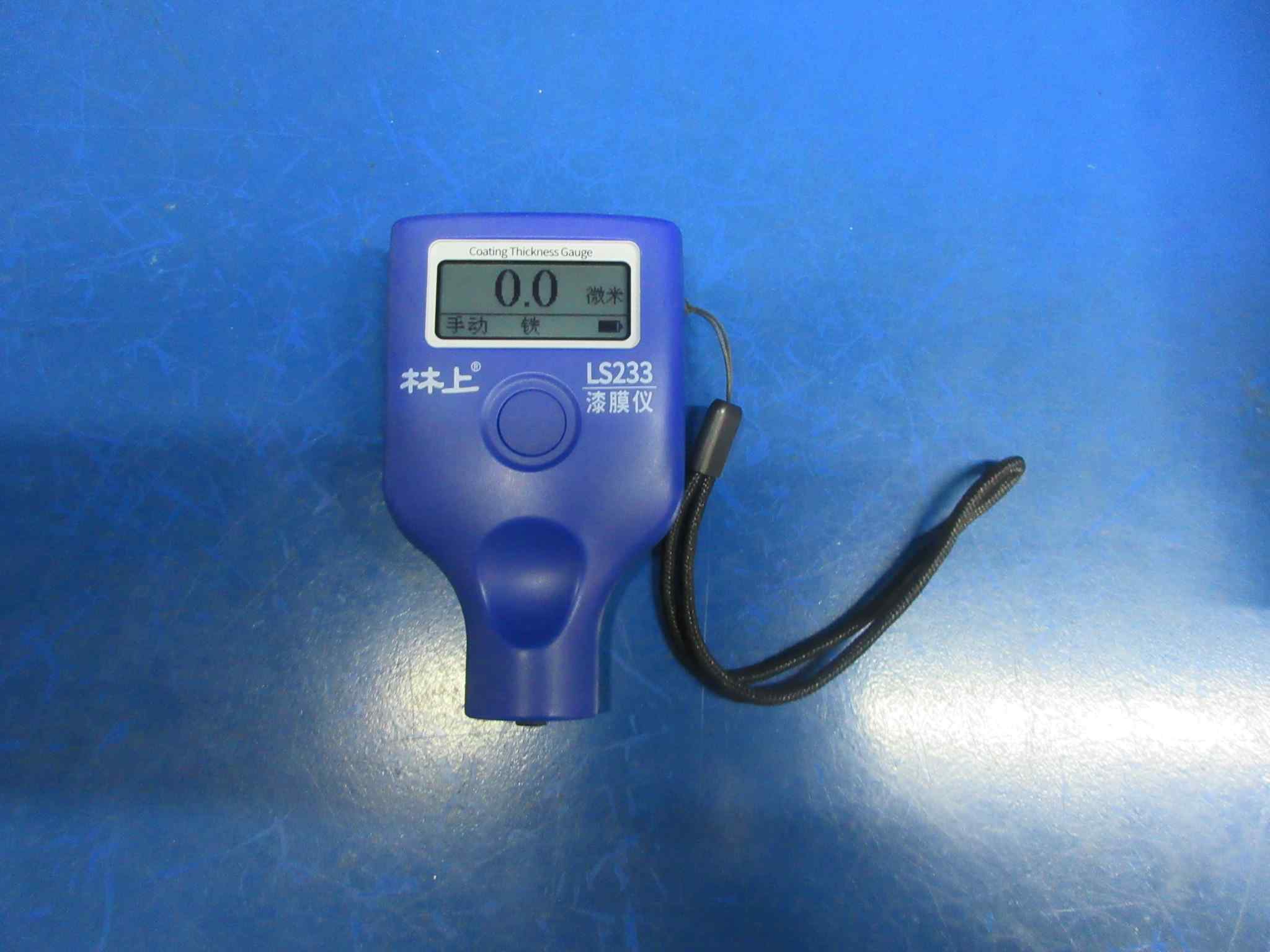
A comprehensive breakdown of Sunli's automated manufacturing capability, processing machinery, and laboratory quality testing equipment.
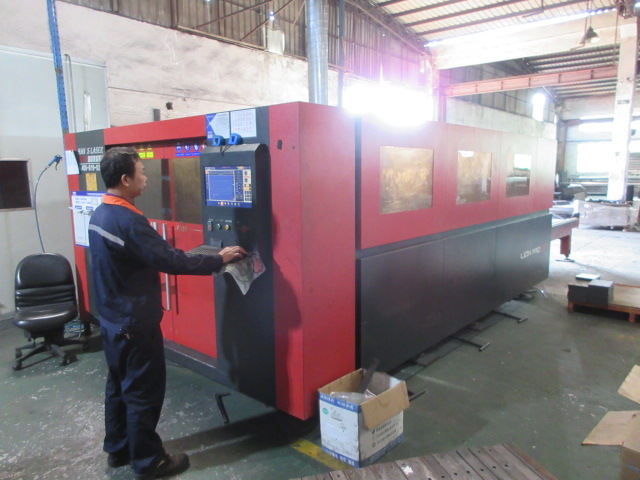
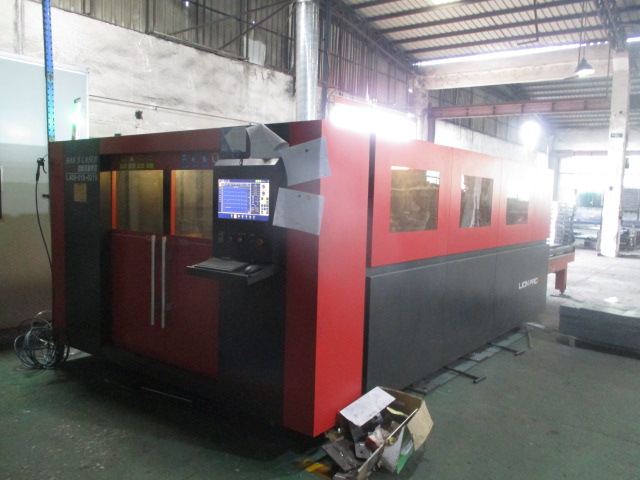
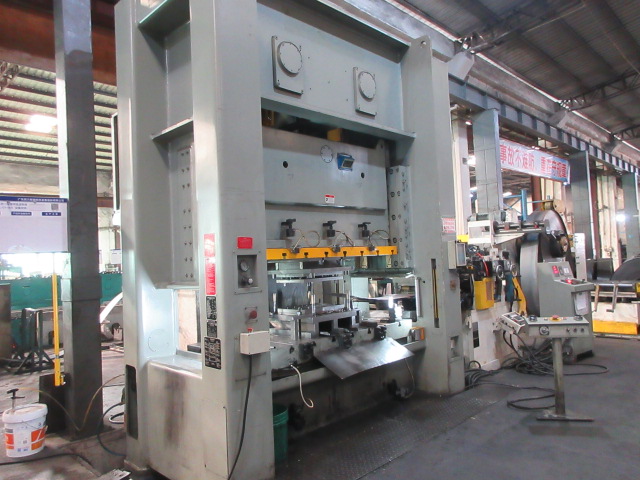
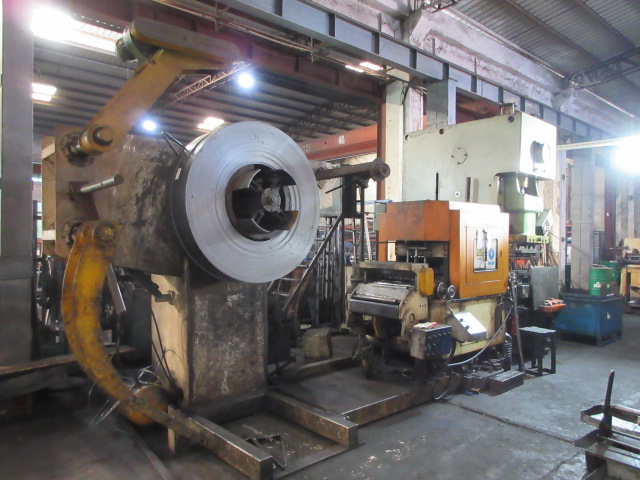
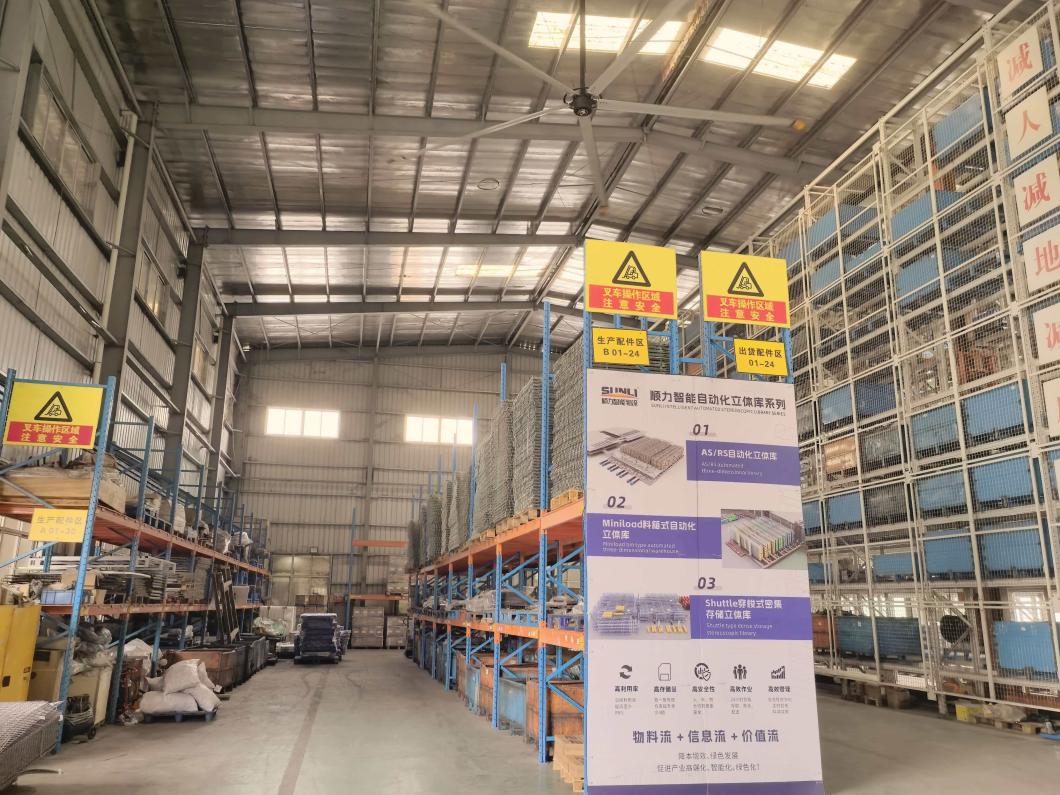
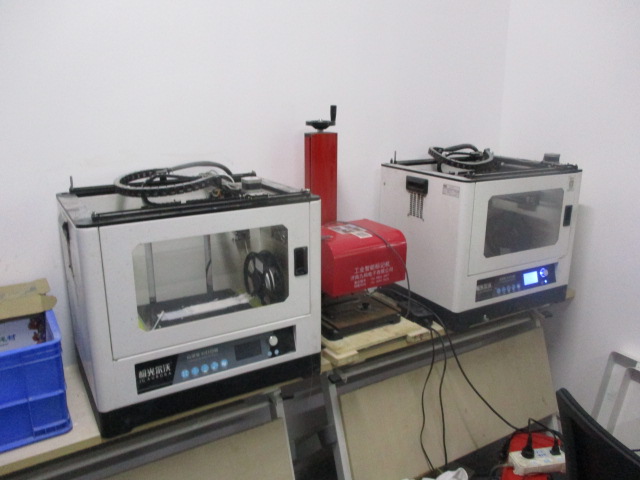
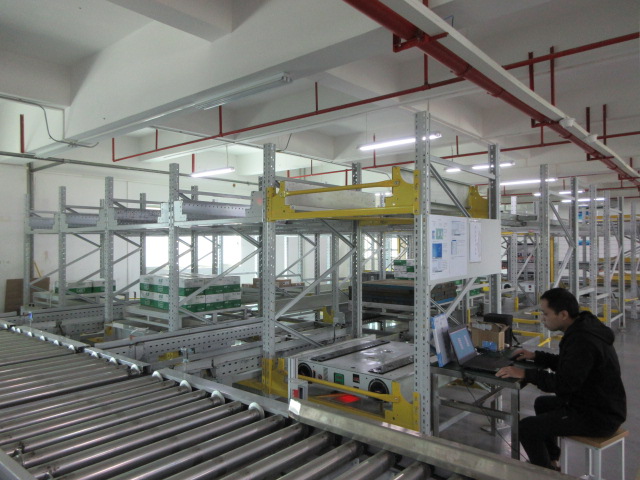
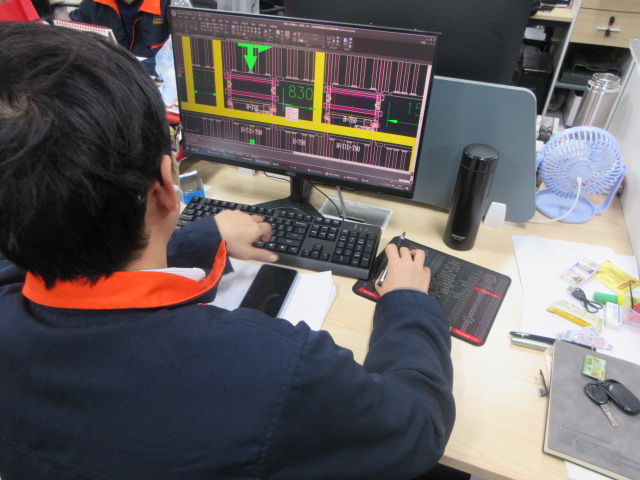
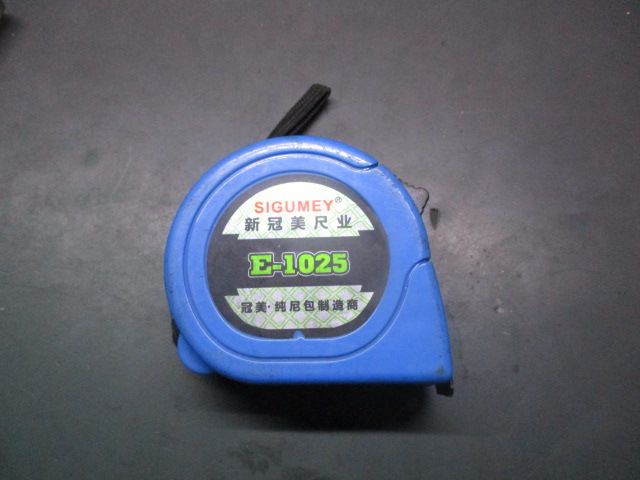
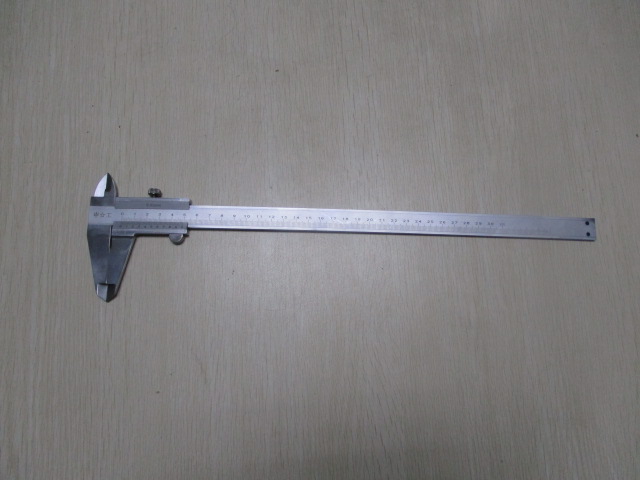
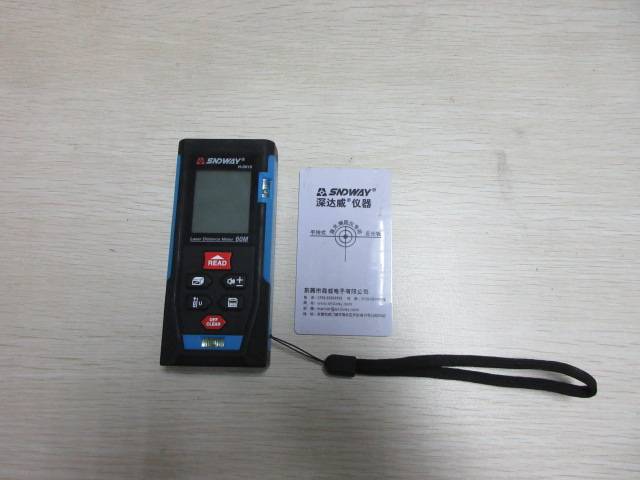
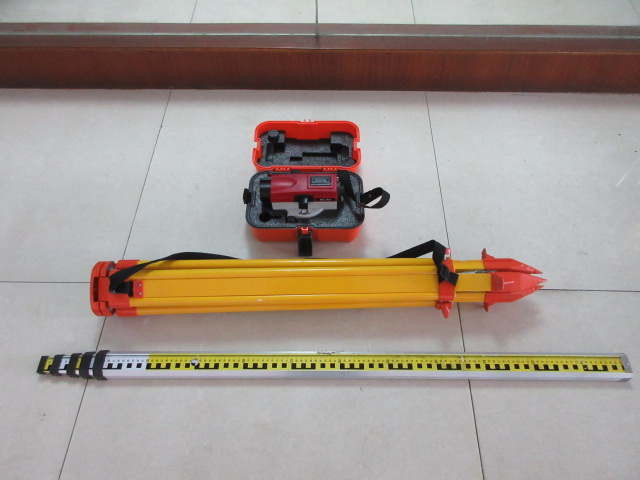
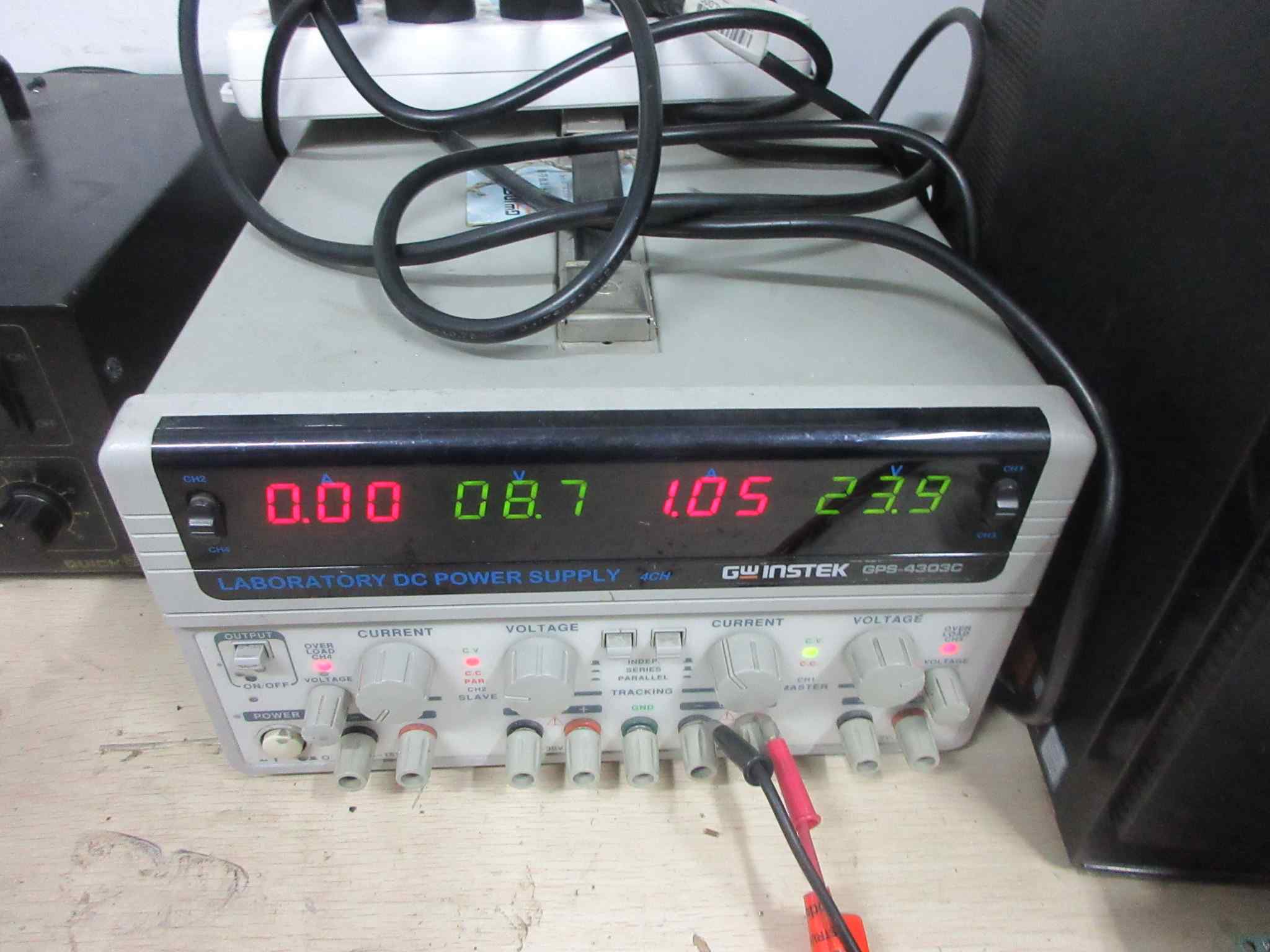
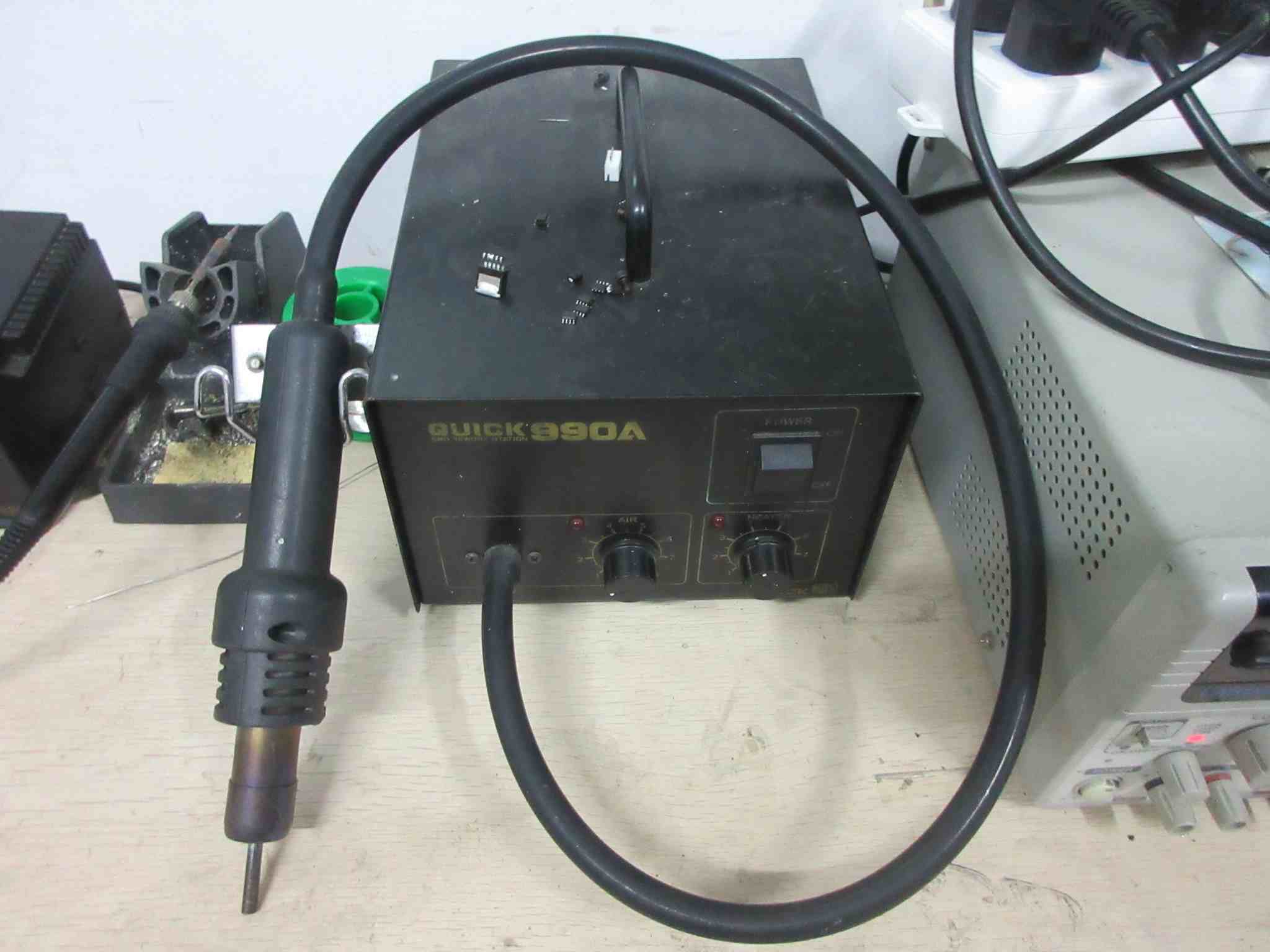
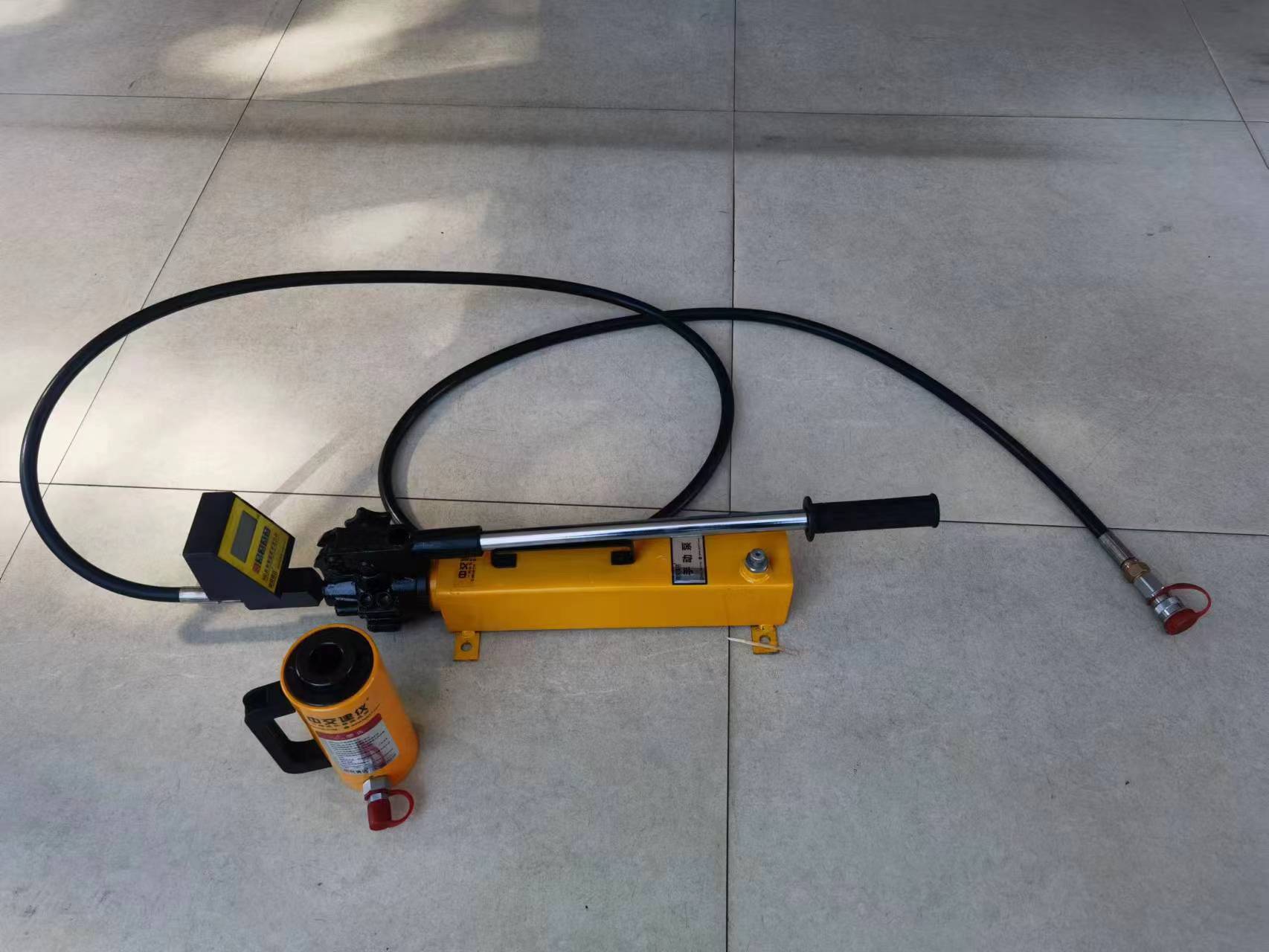
Understanding structural demands across diverse global logistics configurations.
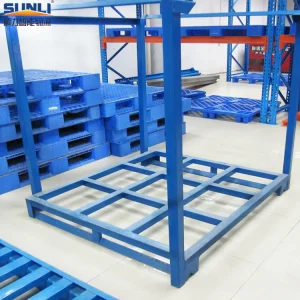
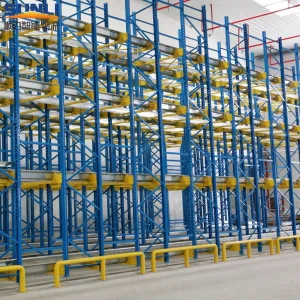
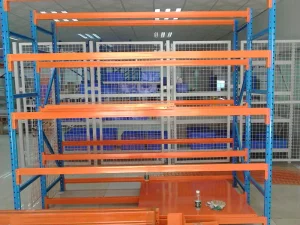
3PL environments demand adaptable load configurations. High-speed flow racking, coupled with adjustable heavy-duty steel pallet racks, ensures rapid picking turnaround, variable pallet depths, and dynamic weight load adaptation.
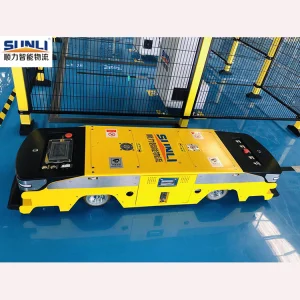
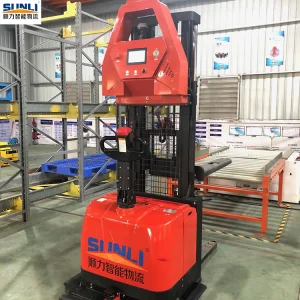
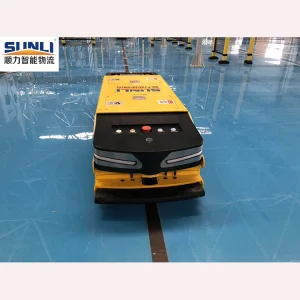
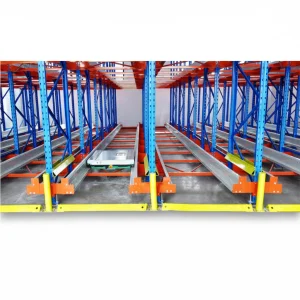
Fast-turnover operations require automated sorting and high-bay multi-level mezzanine systems. Integrating laser-guided AGVs and 2-way electric radio shuttles accelerates throughput, ensuring reliable operation under high workloads.
Corrosion resistance and low-temperature durability are critical for cold storage facilities. Sunli's powder coatings and Q235B steel structures prevent oxidation down to -30°C, maintaining load capacity and structural integrity.
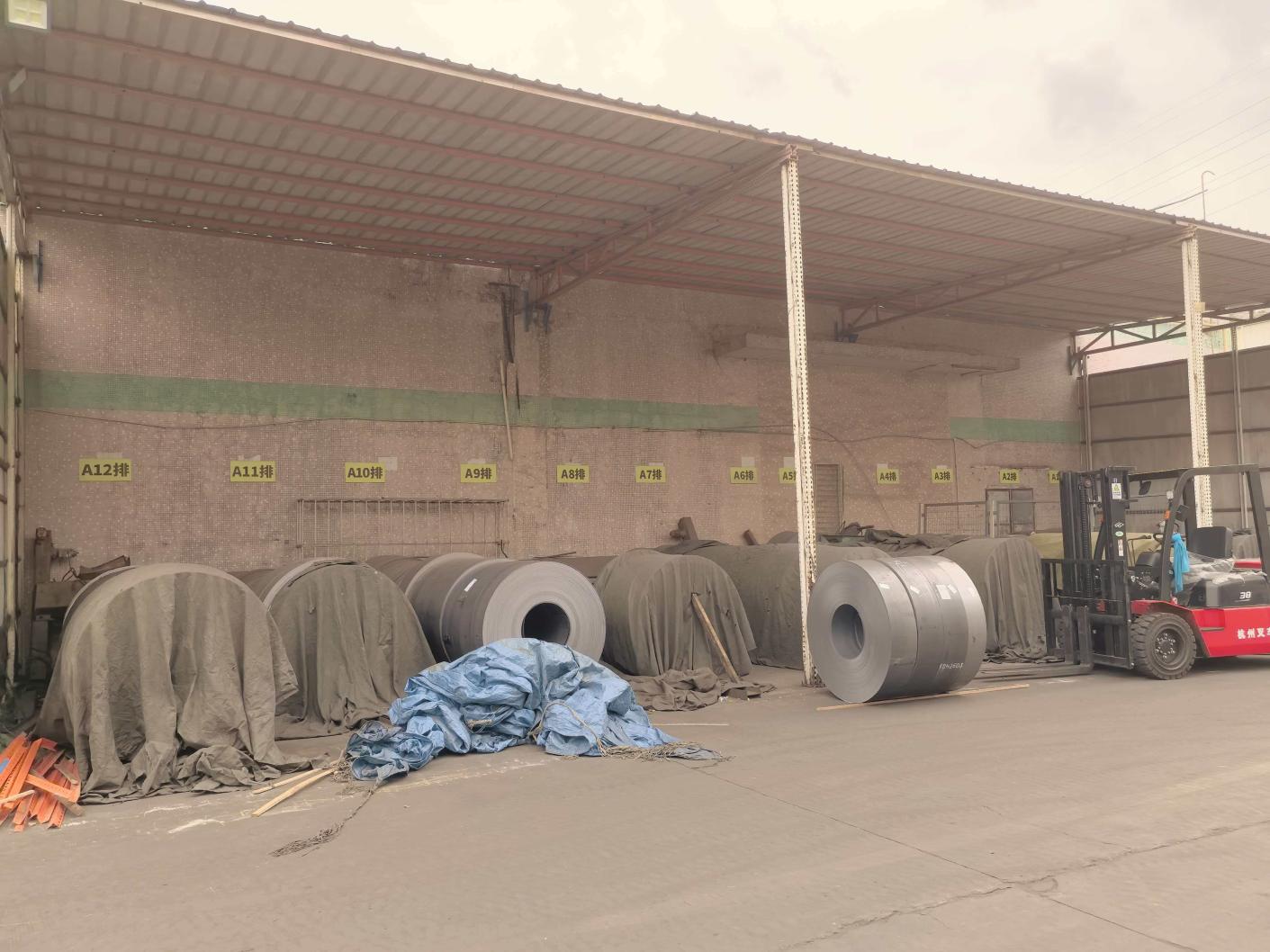
By utilizing raw materials sourced near industrial hubs, Sunli minimizes supply volatility. Our automated roll forming machines process components directly from steel coils, reducing material waste and enabling faster production cycles compared to non-integrated manufacturers.
The warehousing sector is moving away from purely passive steel storage solutions toward integrated cyber-physical ecosystems. To improve efficiency, modern logistics centers require structural steel frames designed to interface with automation technologies:
Technical answers to help logistics engineers and procurement officers make informed sourcing decisions.
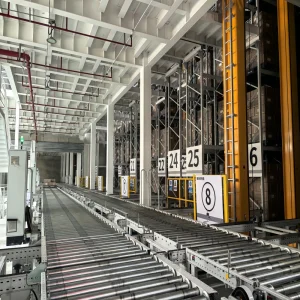
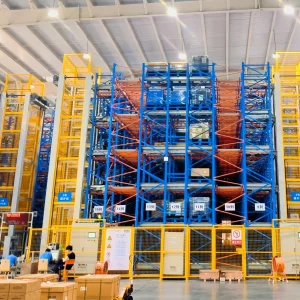
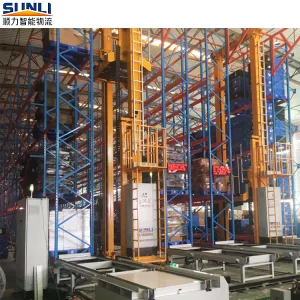
High-precision stacker cranes, adjustable racks, and automated shuttles built for demanding industrial applications.
 SunliRack