Explore our leading smart automated and high-density warehouse storage systems engineered for global performance standards.
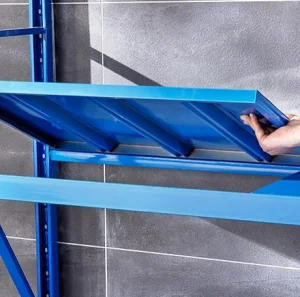
Industrial warehousing is undergoing a fundamental transformation. As dynamic pricing models, SKU proliferation, and rapid urbanization restrict the availability of industrial land, supply chain and logistics leaders are shifting from traditional static racking to high-density mobile shelving systems. This whitepaper analyzes the capabilities, compliance protocols, and strategic sourcing options available to global enterprises looking to minimize floor footprint while maximizing throughput efficiency.
When selecting a mobile shelving exporter, international buyers must analyze more than basic price quotes. The structural integrity of heavy-duty cold-rolled steel, the sophistication of safety control panels in automated systems, and the precision of the manufacturing tolerances are key factors that prevent system downtime. A failure in a dense storage rack system can compromise operations and present major safety risks. Therefore, this guide details how to vet high-quality exporters using standards established by the world’s leading manufacturers, including Shenzhen Sunli Intelligent Logistics Equipment Co., Ltd.
China's logistics equipment manufacturing sector has evolved from basic steel rolling to highly integrated, software-driven automated storage solutions. The central value proposition of sourcing from Chinese manufacturers like Shenzhen Sunli Intelligent Logistics Equipment Co., Ltd. lies in their deep vertical integration, extensive material sourcing networks, and production scale. Operating from a modern 38,000 m² production facility, Sunli coordinates a complex ecosystem of over 800 supply chain partners to ensure raw material consistency and fast production cycles.
Modern Chinese exporters leverage advanced automated fabrication tools to maintain high quality control standards at scale. This includes high-precision rolling lines, automated robot welding cells, and electrostatic powder coating plants that guarantee structural lifespan even in challenging environments like cold storage or high-humidity ports. Leveraging over 12 years of industry experience and 8 years of international trade expertise, Sunli designs and fabricates systems that meet or exceed regional structural requirements worldwide.
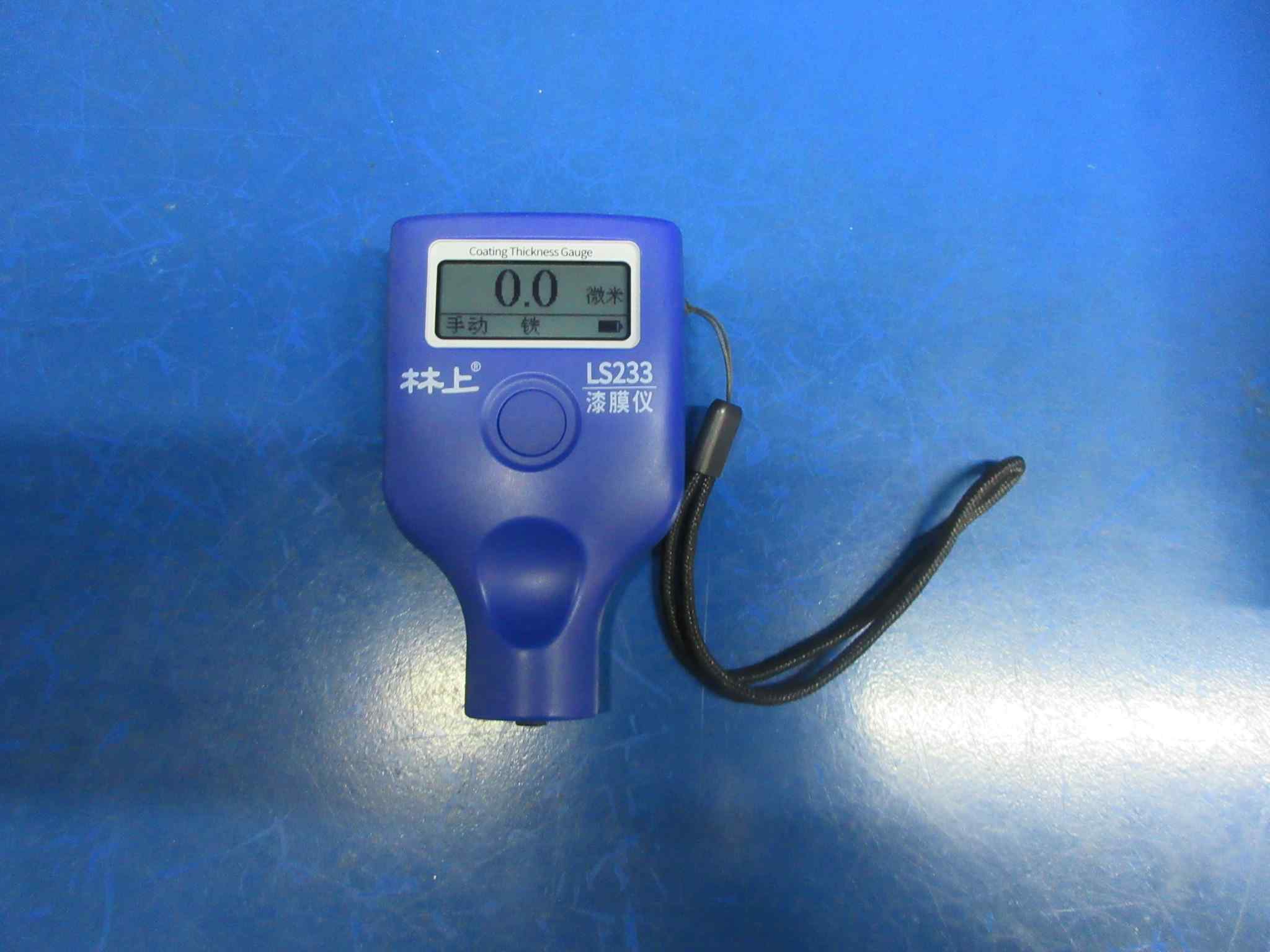
Sunli deploys a dedicated QC team of 35 professionals performing comprehensive raw material analysis, weld penetration verification, and micro-precision coating measurements.
A specialized team of 28 R&D engineers introduces more than 120 new products and structural improvements annually, keeping pace with changing automated storage requirements.
With an annual export revenue of $18 million to $25 million, Sunli serves demanding logistics hubs in North America, Western Europe, Southeast Asia, and the Middle East.
When implementing high-density mobile shelving or AS/RS installations globally, engineering compliance is critical. Industrial racking must be configured to withstand regional seismic activity, load profiles, and fire safety regulations. Exporters must align their manufacturing with international standards, such as the European FEM 10.2.02, American RMI guidelines, and Australian AS4084 specifications.
High-quality exporters differentiate themselves by providing complete engineering documentation, certified structural calculations, and localized service networks. Sunli works alongside local certified engineers and 3PL organizations to deliver turnkey storage systems that comply with municipal building codes. Our services include site surveys, layout optimization, installation supervision, and post-sales inspection audits.
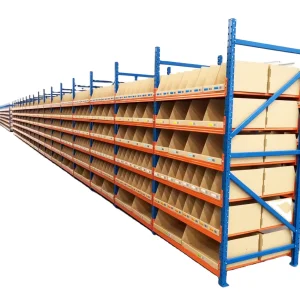
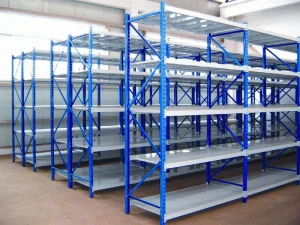
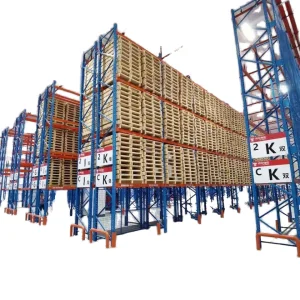
Modern mobile shelving systems are deployed across diverse operating environments. In 3PL logistics hubs, they maximize storage density while ensuring direct access to pallets. In temperature-controlled facilities, mobile racking systems lower the volume of space requiring cooling, significantly decreasing energy consumption.
In addition, pharmaceutical, retail fulfillment, automotive parts, and archival sectors utilize customized mobile systems. By mounting racking structures onto heavy-duty guided mobile bases that move along floor tracks, these systems eliminate dedicated access aisles, converting wasted space into productive storage.
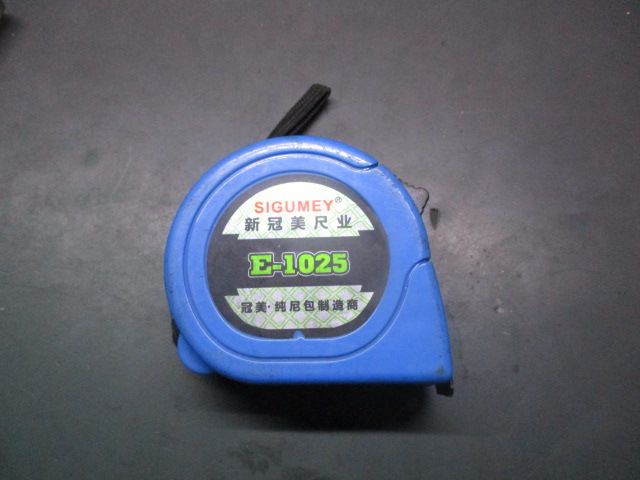
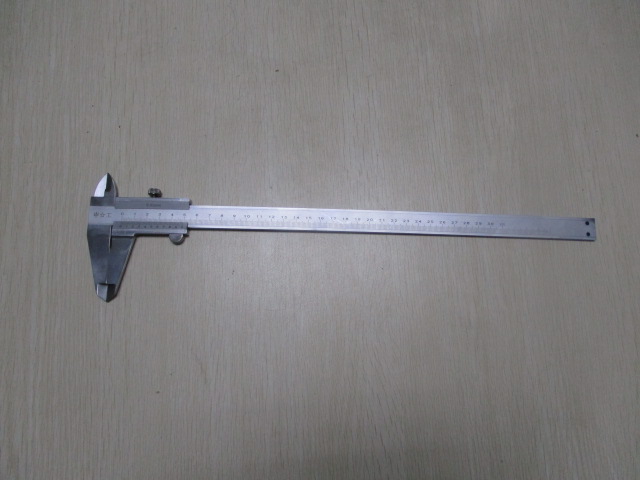
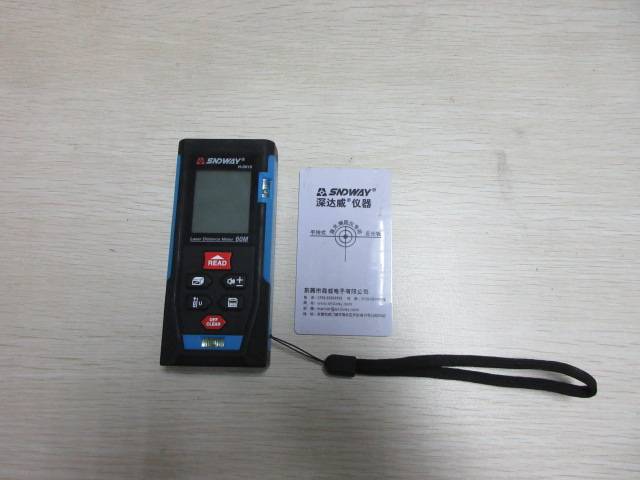
Under the hood of Sunli's advanced manufacturing capabilities, highlighting precision machinery and testing apparatus.
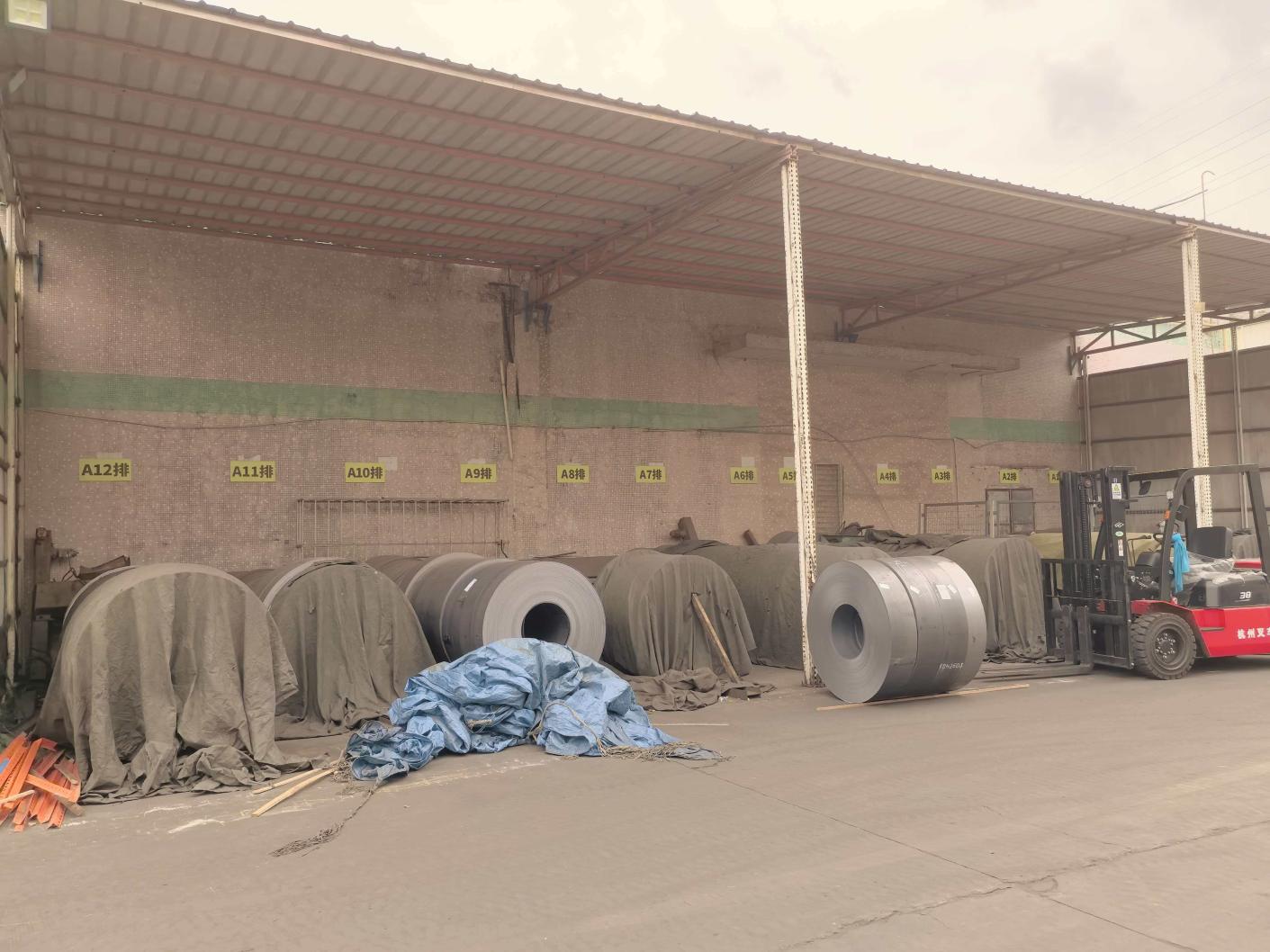
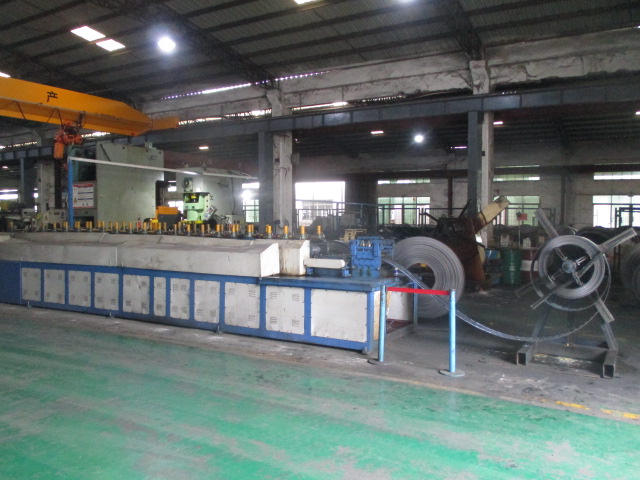
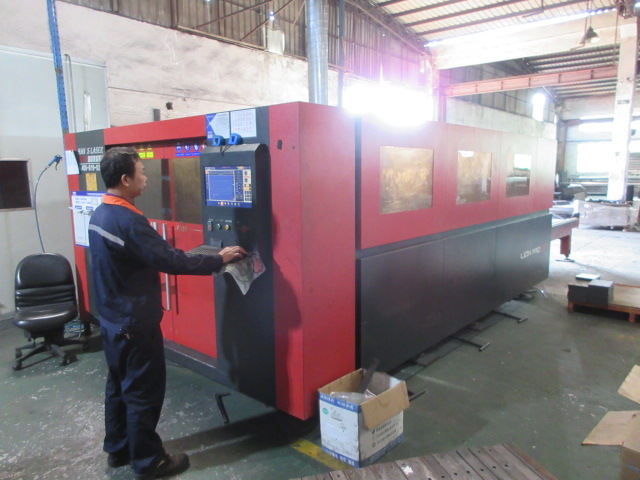
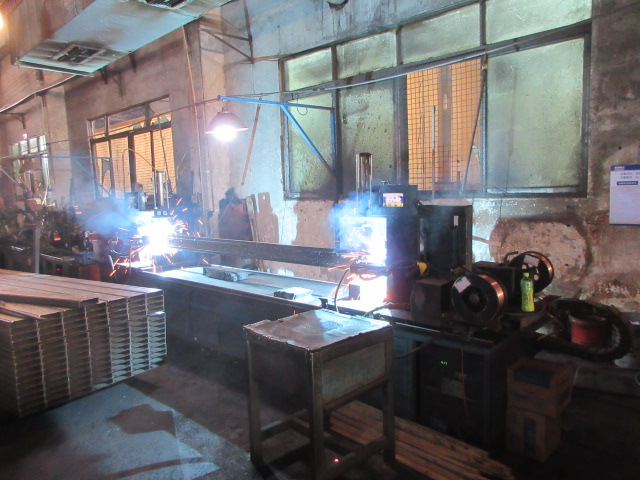
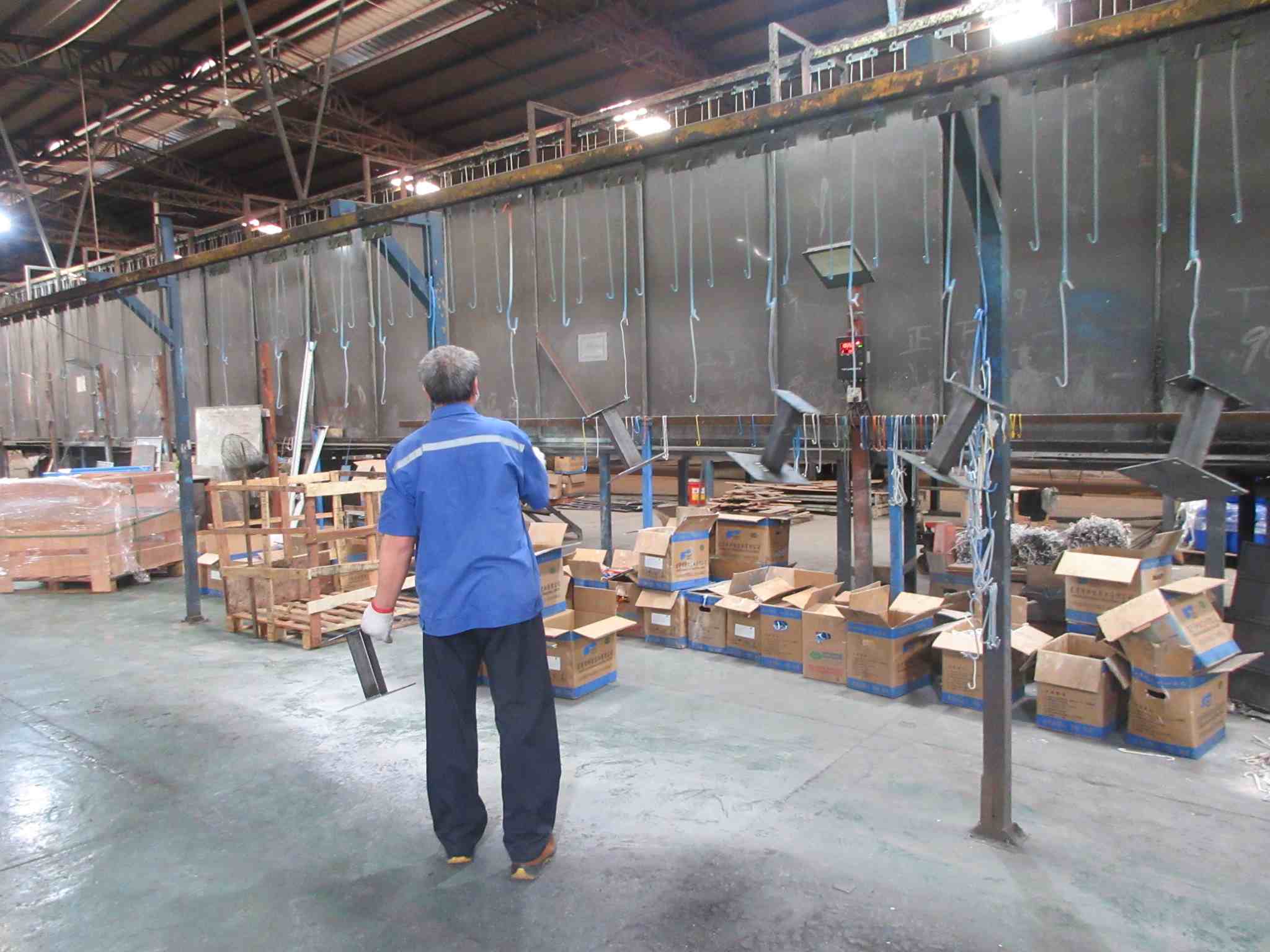
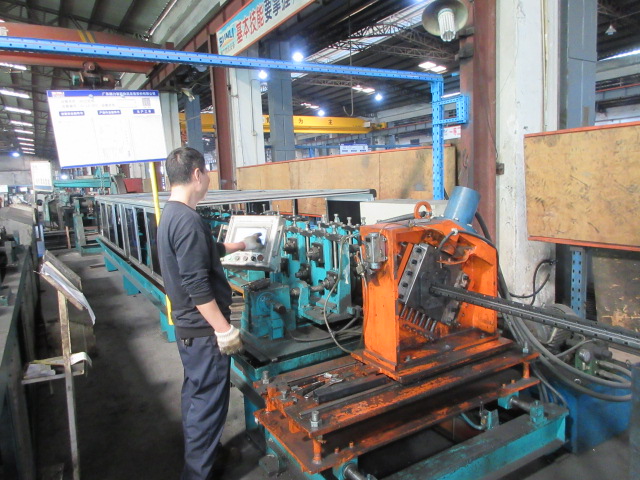
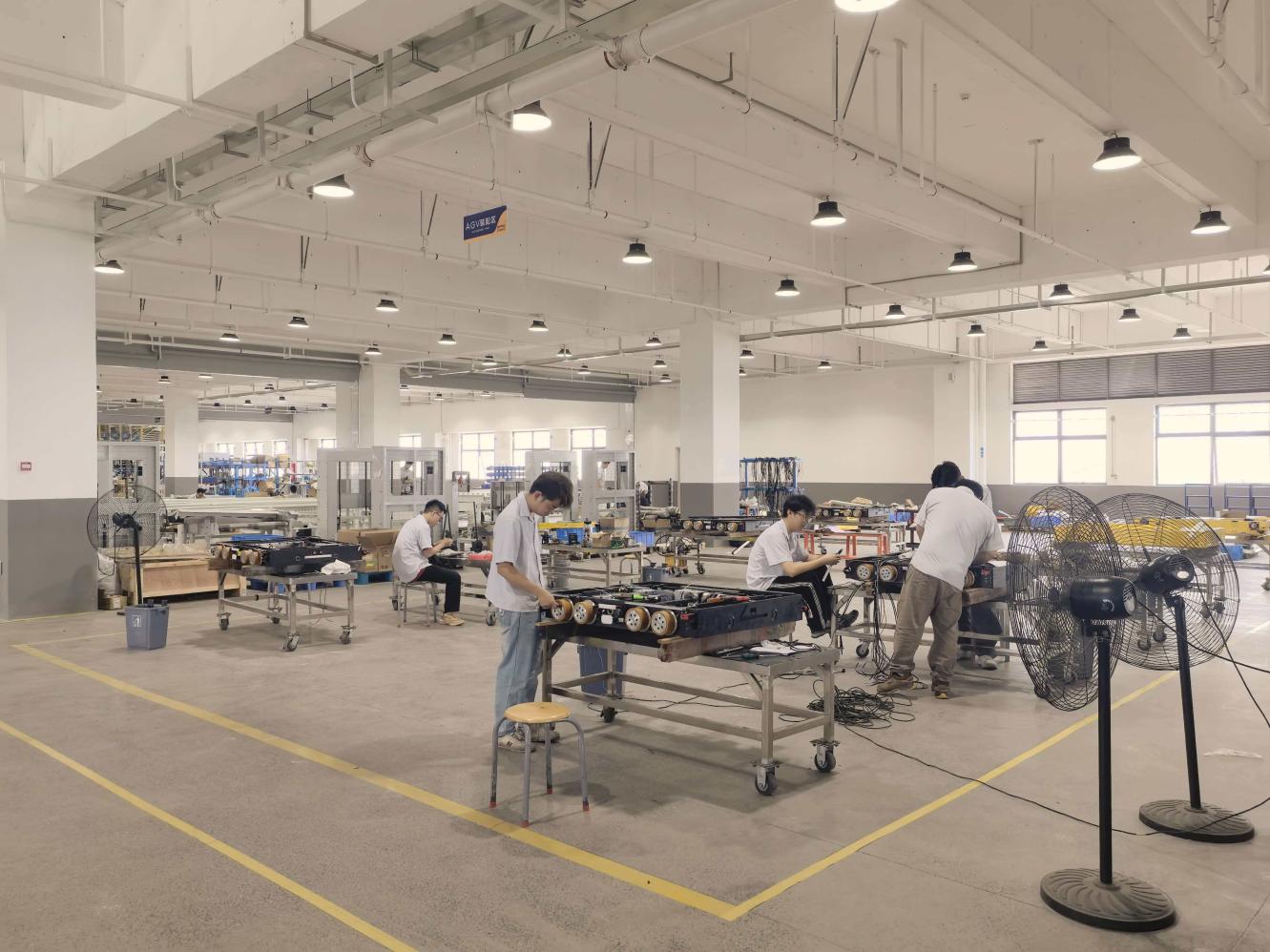
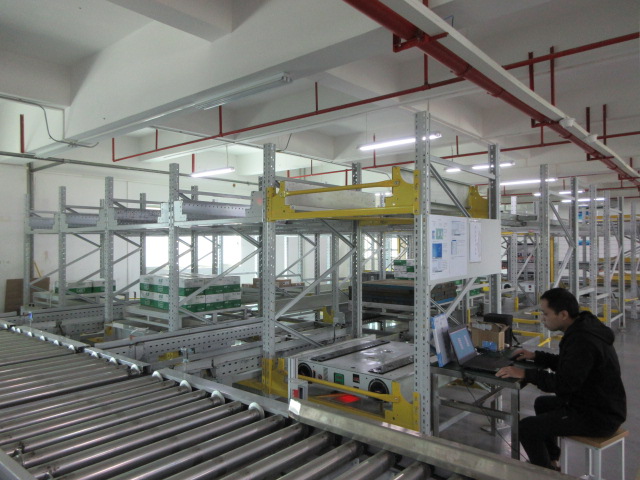
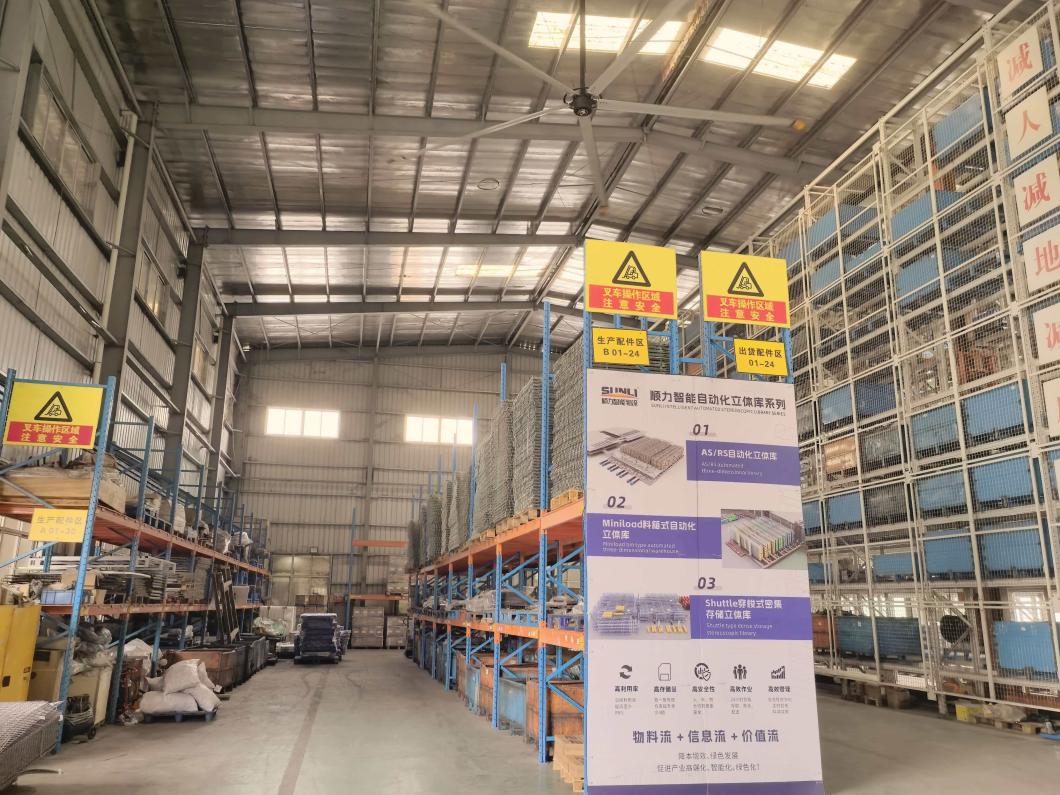
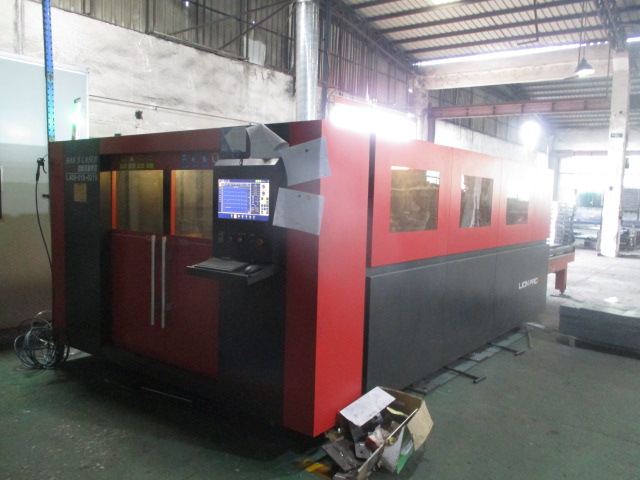
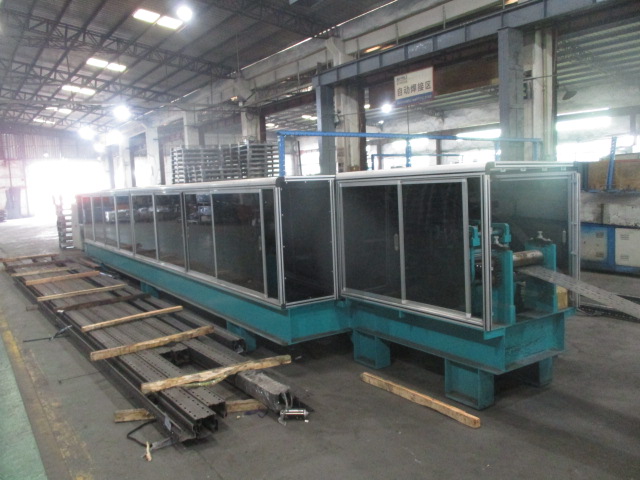
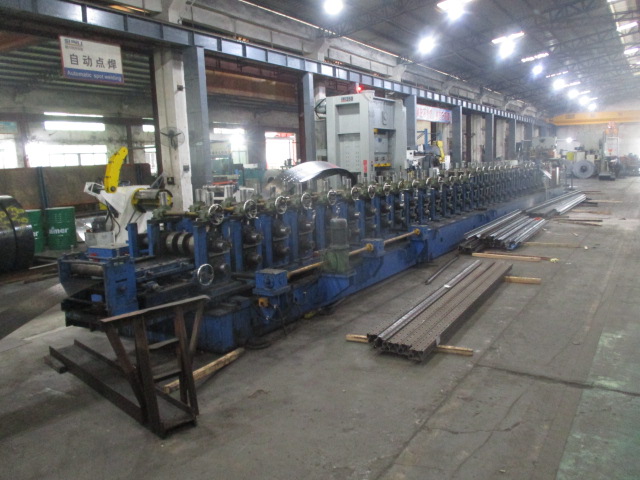
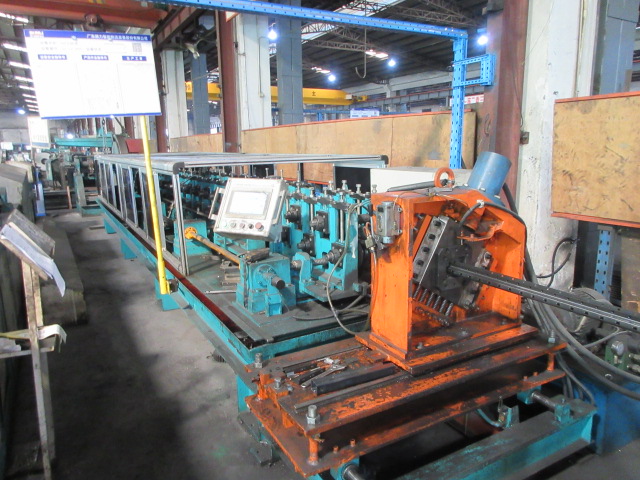
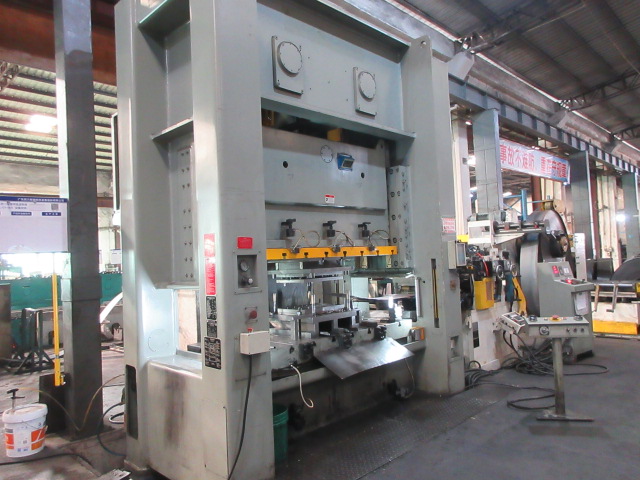
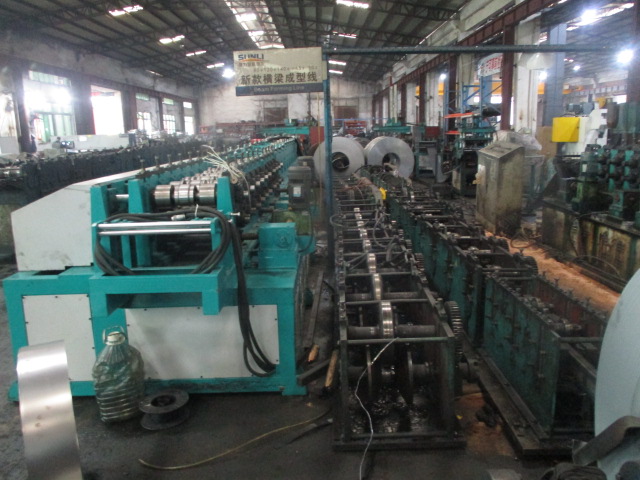
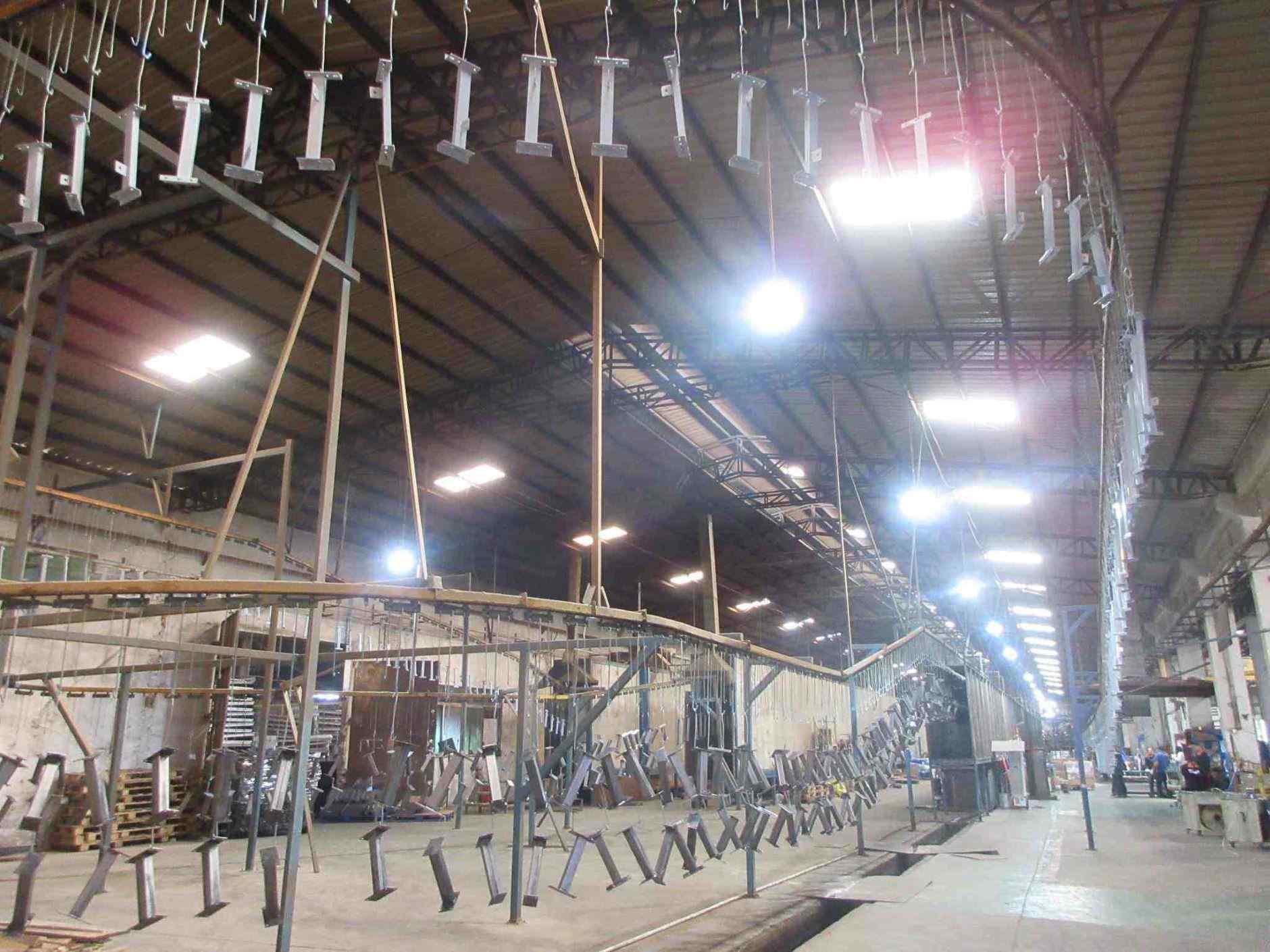
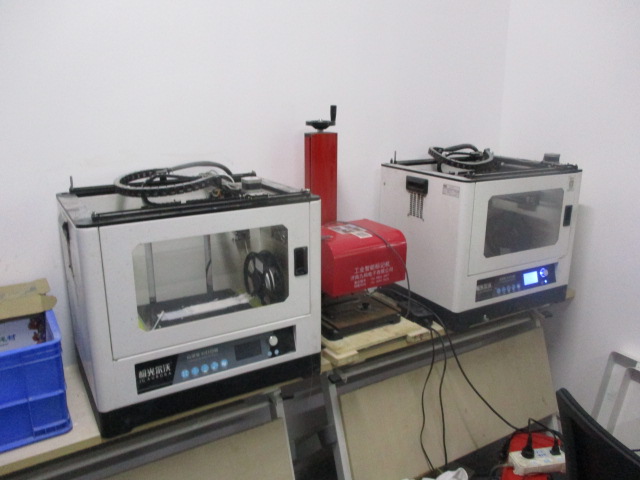
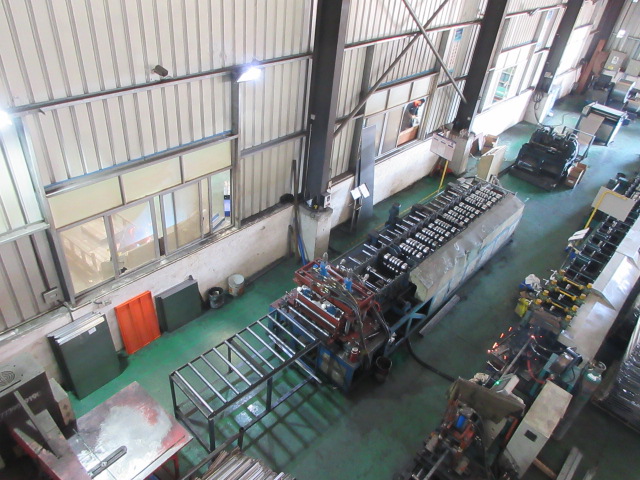
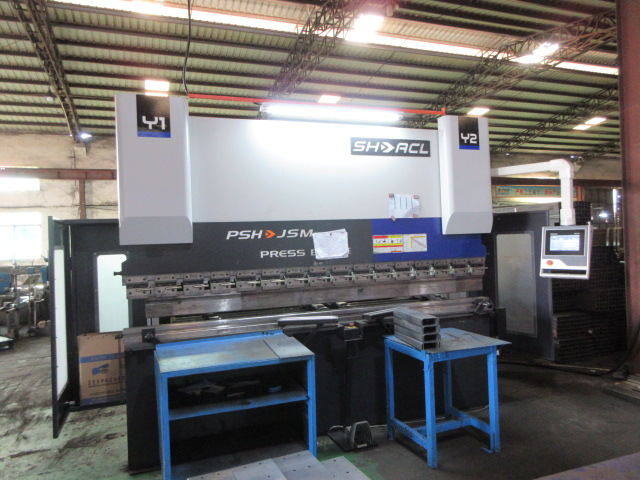
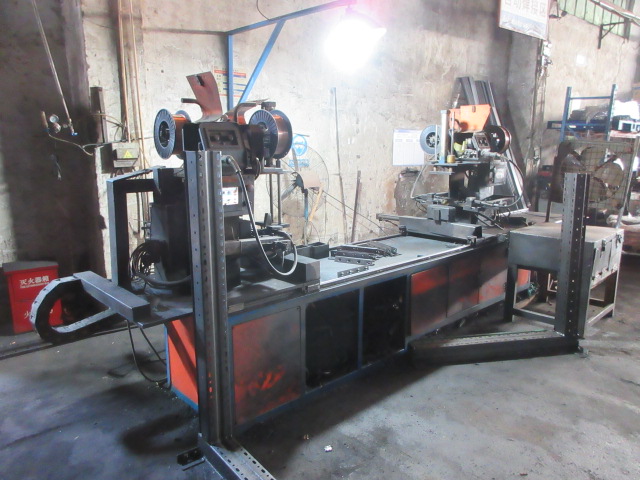
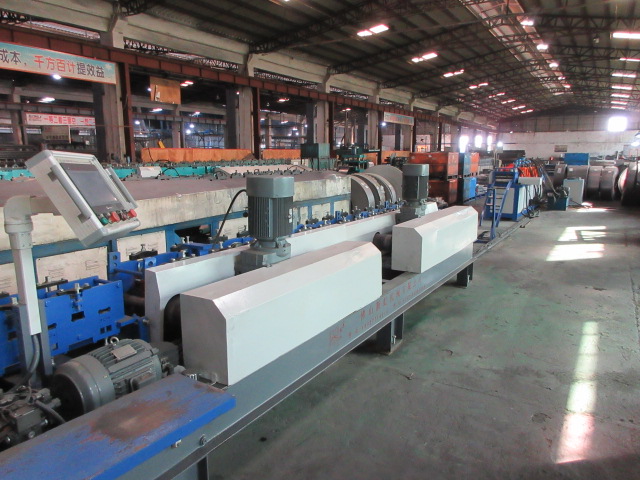
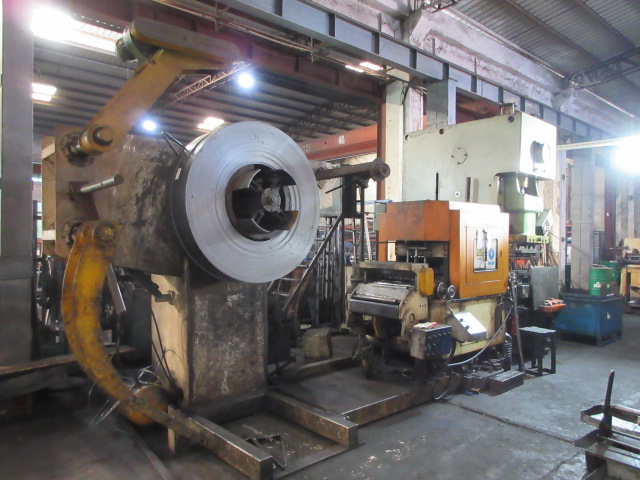
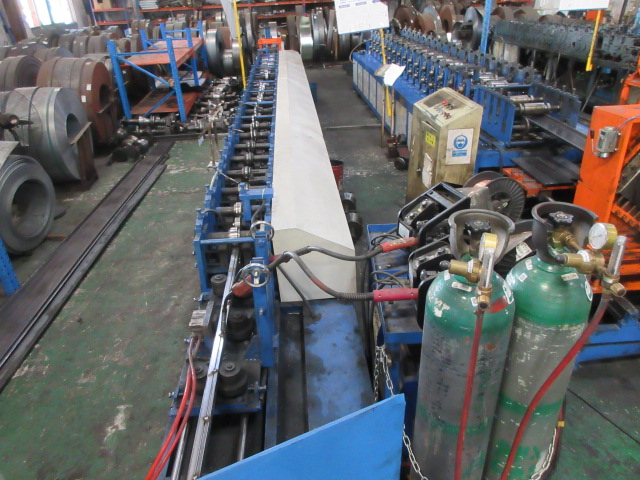
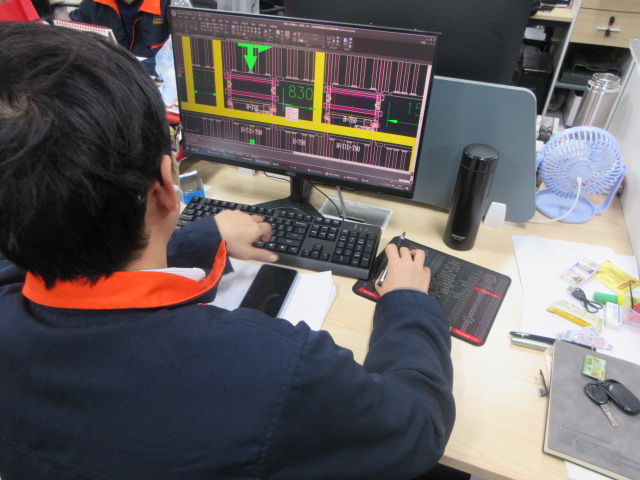
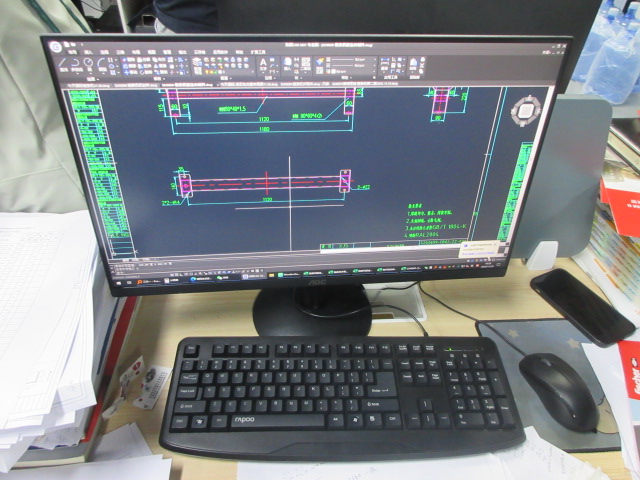
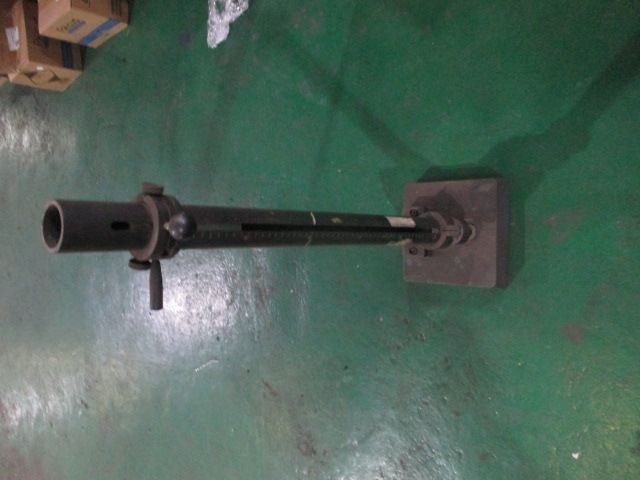
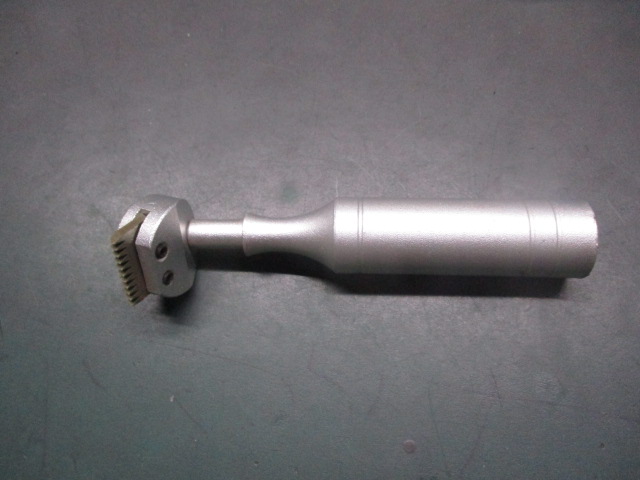
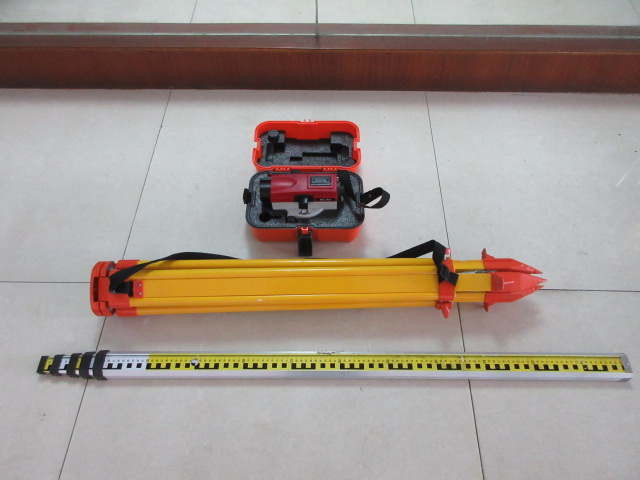
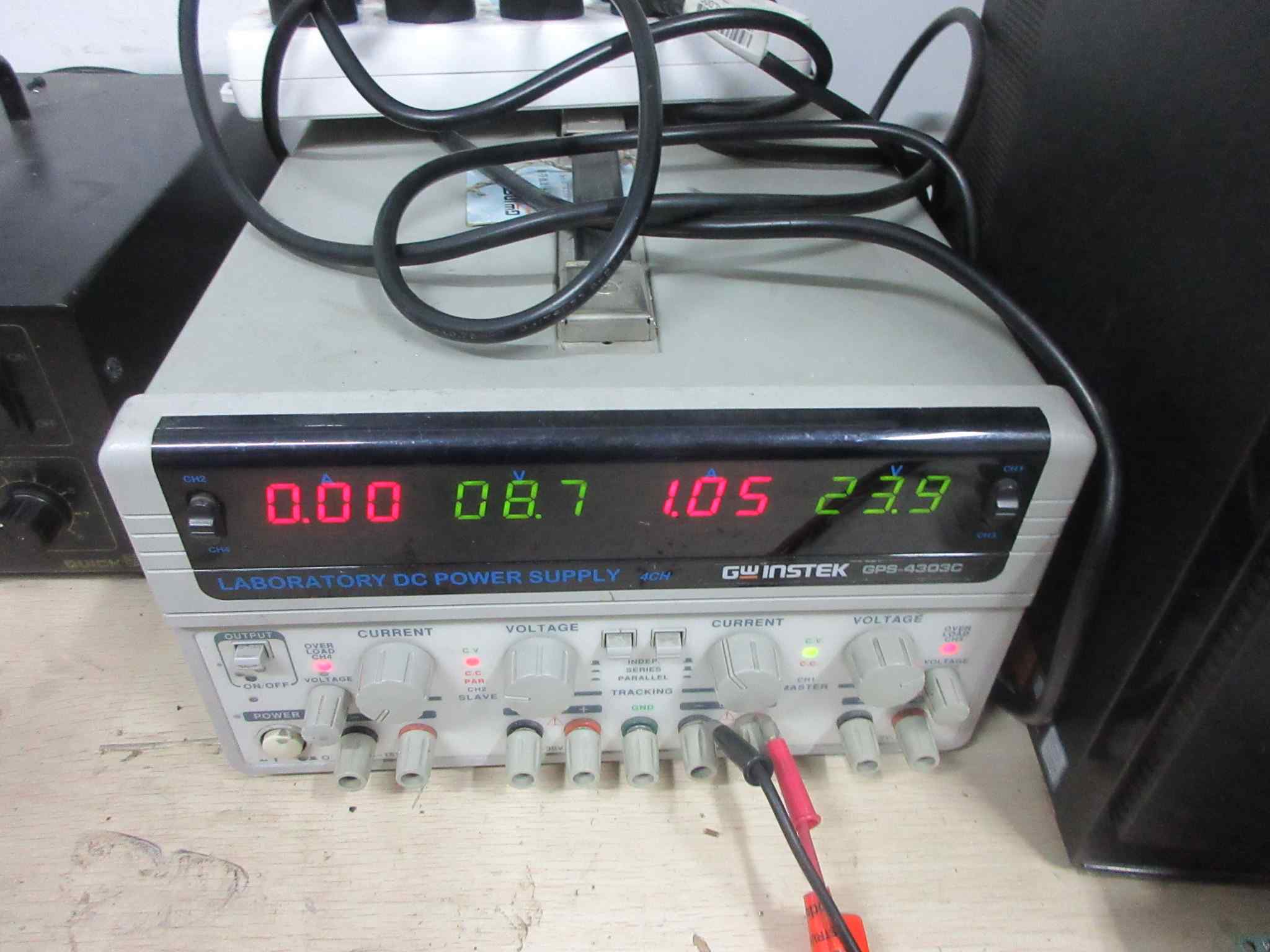
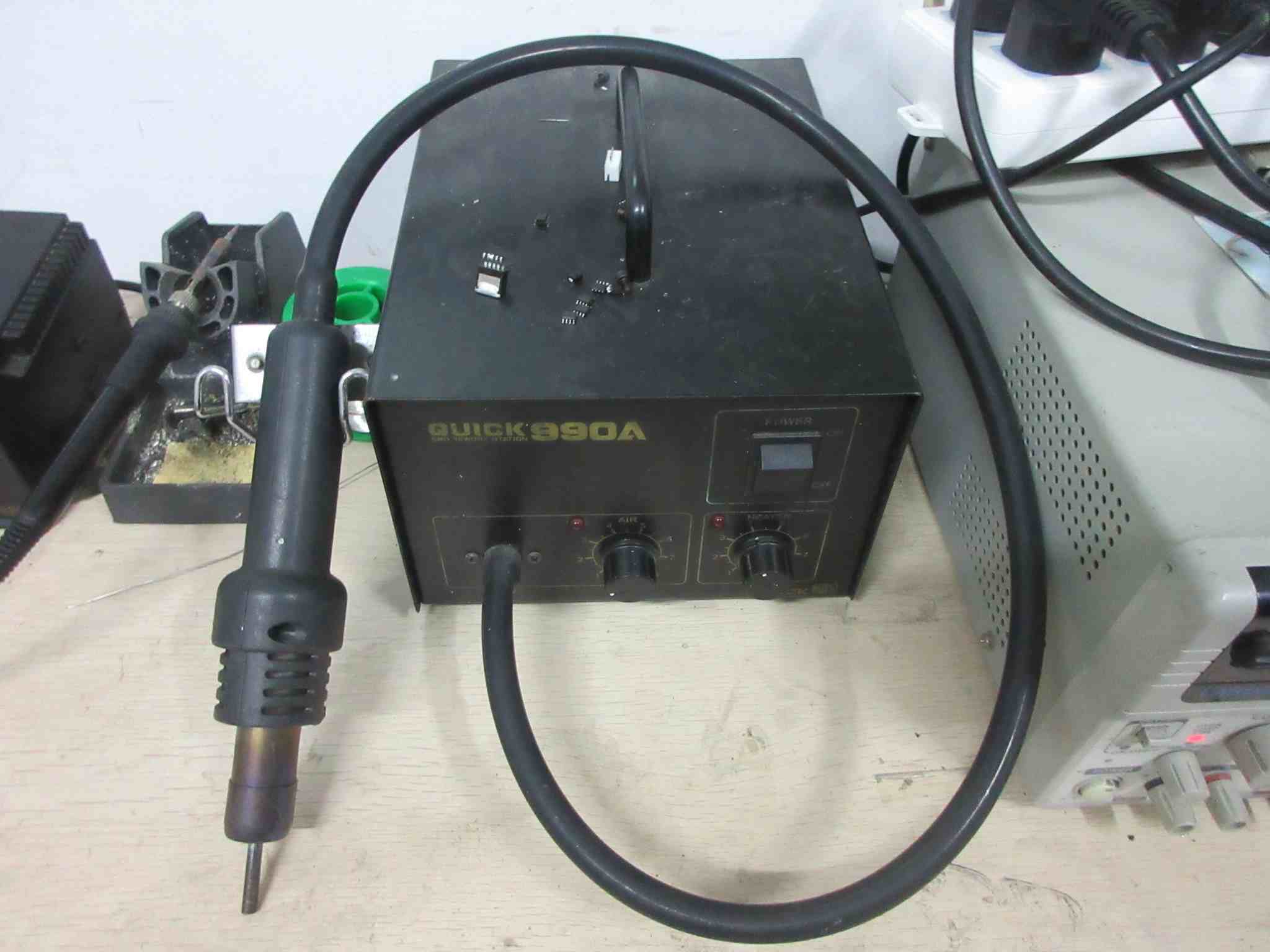
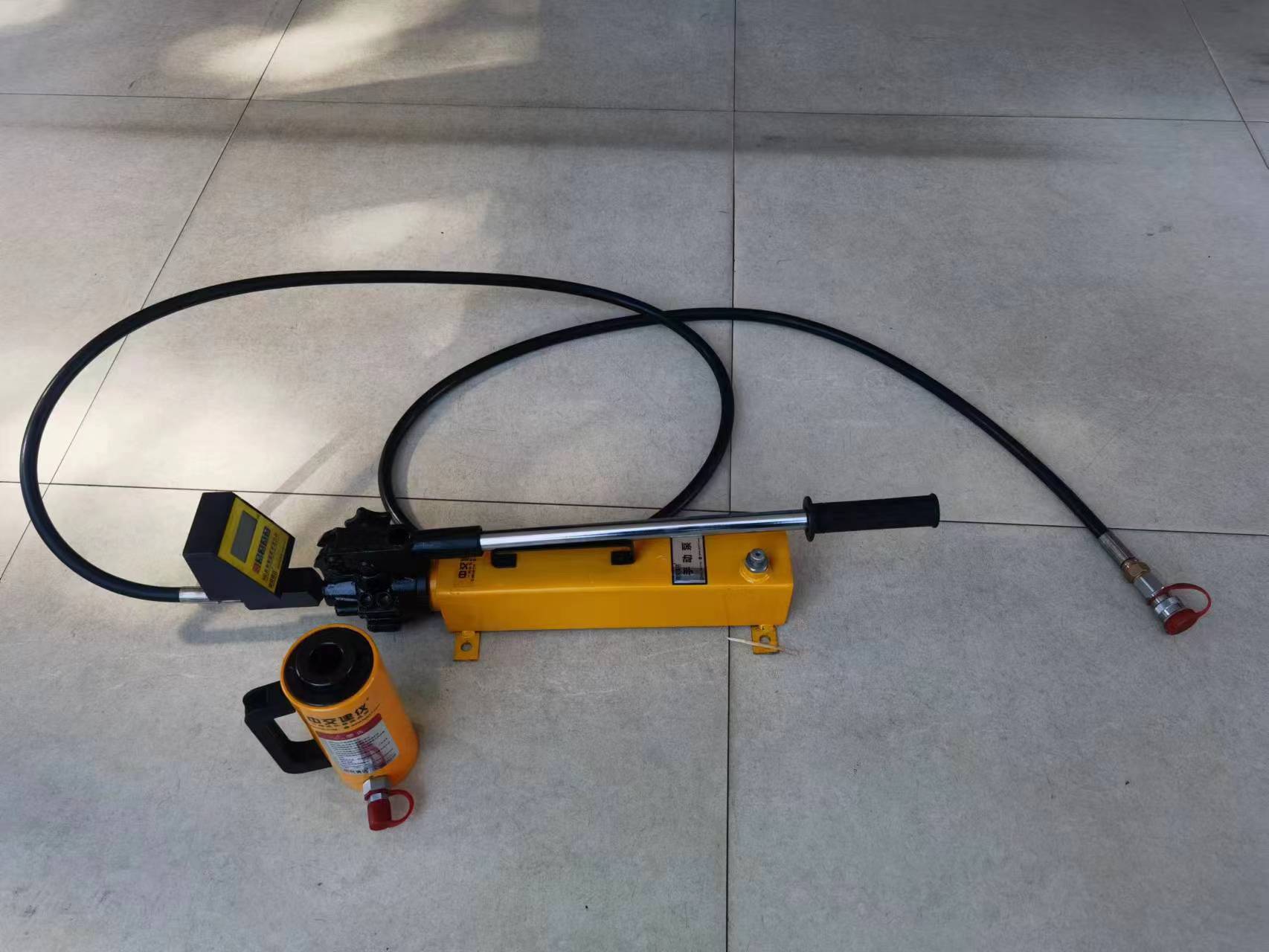
Mobile shelving systems differ significantly from standard racks. Because these units move along embedded floor rails, their structural design must account for dynamic forces, acceleration/deceleration stresses, and potential floor deflection. Exporters must run advanced FEA (Finite Element Analysis) simulations to verify structural calculations under peak load configurations, especially when deployed in regions prone to earthquakes.
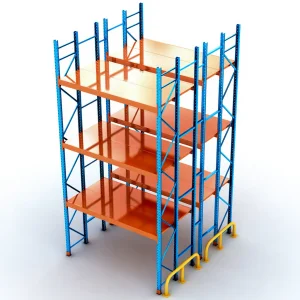
The choice of steel is another critical factor. Chinese exporters typically use high-tensile cold-rolled steel (such as Q235B or Q355B). The metal is formed using automated rolling lines, producing upright profiles that resist buckling under heavy loads. Additionally, clean powder-coat finishes provide resistance to moisture, chemicals, and mechanical wear over decades of operation.
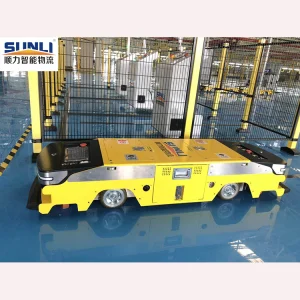
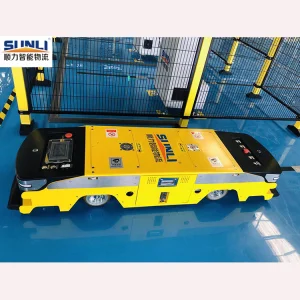
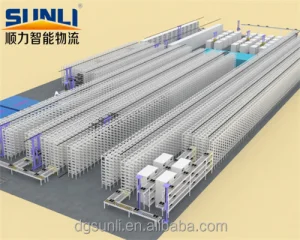
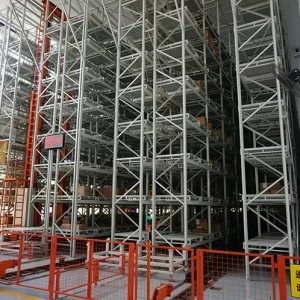
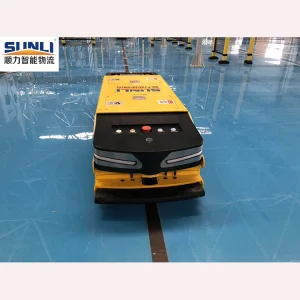
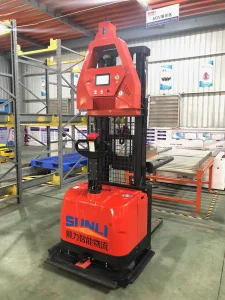
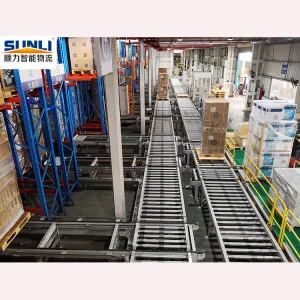
The warehousing industry is moving rapidly toward dark warehouses—fully automated logistics hubs that operate with minimal human intervention. While standard mobile shelving systems optimize storage footprints, integrating them with Laser Navigation Forklift AGVs and AS/RS Multi-Level Stacker systems represents the future of space optimization.
Advanced facilities run WMS (Warehouse Management System) software that coordinates mobile racks and autonomous vehicles simultaneously. For instance, when a product is requested, the mobile shelving units open the appropriate aisle, and an AGV retrieves the pallet. This combination reduces cycle times, improves pick accuracy, and lowers labor costs.
Expert technical answers to assist your engineering and procurement teams.
Q1: What structural load limits apply to mobile shelving installations?
Mobile bases support wide ranges of loading profiles, from medium-duty shelves (up to 500kg per shelf) to heavy-duty industrial pallet systems carrying over 4,000kg per bay. Engineering calculations must verify floor slab capacity and wheel load distributions before installation.
Q2: How do your systems maintain safety compliance during automated carriage movements?
Systems are equipped with multi-layered safety features. These include photoelectric safety barriers, floor-level safety sweeps, emergency stop indicators, and distance-sensing controllers. If any obstruction is detected, carriage movement stops immediately to protect personnel and inventory.
Q3: How do you verify coating quality for cold storage installations?
We run systematic quality control checks using coating thickness gauges and cross-cut adhesion tests. This ensures our powder coating maintains adhesion and resists corrosion, even in cold-storage environments down to -30°C.
Q4: Can standard pallet racks be retrofitted onto mobile bases?
Yes, in many cases. However, the rack uprights and base plates must be evaluated by structural engineers to ensure they can handle the dynamic acceleration forces of mobile bases. Custom brackets and guide rail profiles are typically required.
Q5: What are the lead times for custom OEM/ODM mobile shelving projects?
Standard custom fabrication projects average 4 to 6 weeks from technical drawing approval to container loading. Large-scale automated projects with integrated control systems require detailed design coordination and typically take 8 to 12 weeks.
Explore our remaining line of heavy-duty, corrosion-protected, and automated material handling equipment.
 SunliRack