Highly adaptable configurations designed to tackle severe spatial limits and demanding automation goals.
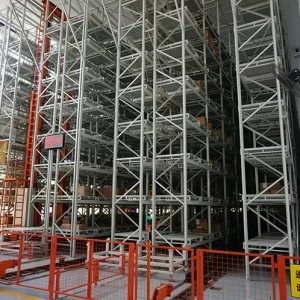
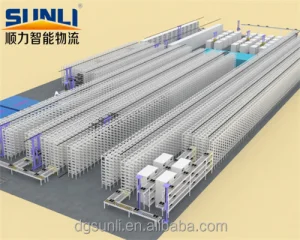
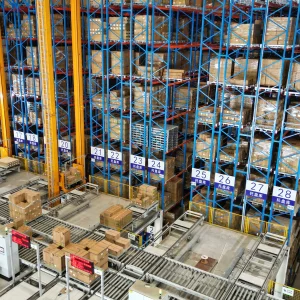
Decoding the economic triggers shifting the Kanto and Kansai industrial zones toward fully unmanned operations.
Starting in April 2024, the Japanese government enforced a strict 960-hour annual limit on overtime work for commercial truck drivers. While critical for driver well-being, this policy has directly reduced transport capacity across Japan by an estimated 14% to 34%. To prevent distribution bottlenecks, logistics centers must radically cut turnaround times. This means trucks cannot wait in queues to be loaded; cargo must be prepared, staged, and loaded dynamically.
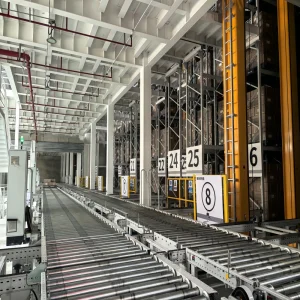
By shifting to high-bay Automated Storage and Retrieval Systems (AS/RS), companies can increase throughput speeds by up to 250% compared to traditional reach-truck operated facilities. Forklift operator dependencies are eliminated, enabling continuous nighttime operations that prep orders for early-morning truck routes.
Japan boasts some of the most expensive industrial real estate in the world, especially surrounding Tokyo Bay, Osaka Port, and Nagoya's manufacturing zones. Expanding horizontally is financially unviable. The only solution is vertical densification.
Standard warehousing utilizes single-depth racking up to 8 meters. Our high-bay AS/RS structures scale up to 40 meters. This micro-footprint layout saves up to 75% of valuable floor space, enabling warehouse operations to remain situated near central metropolitan areas, substantially reducing last-mile delivery times and transport emissions.
Why structural calculations and Japanese standard compliance form the baseline of our engineering process.
Unlike standard international setups, high-bay racking systems in Japan must qualify as structural buildings, requiring rigorous approvals under local regulations. Every layout Sunli designs for the Japanese market is evaluated using Finite Element Analysis (FEA) to confirm resistance to horizontal peak accelerations up to 0.4g (approx. 400 gal).
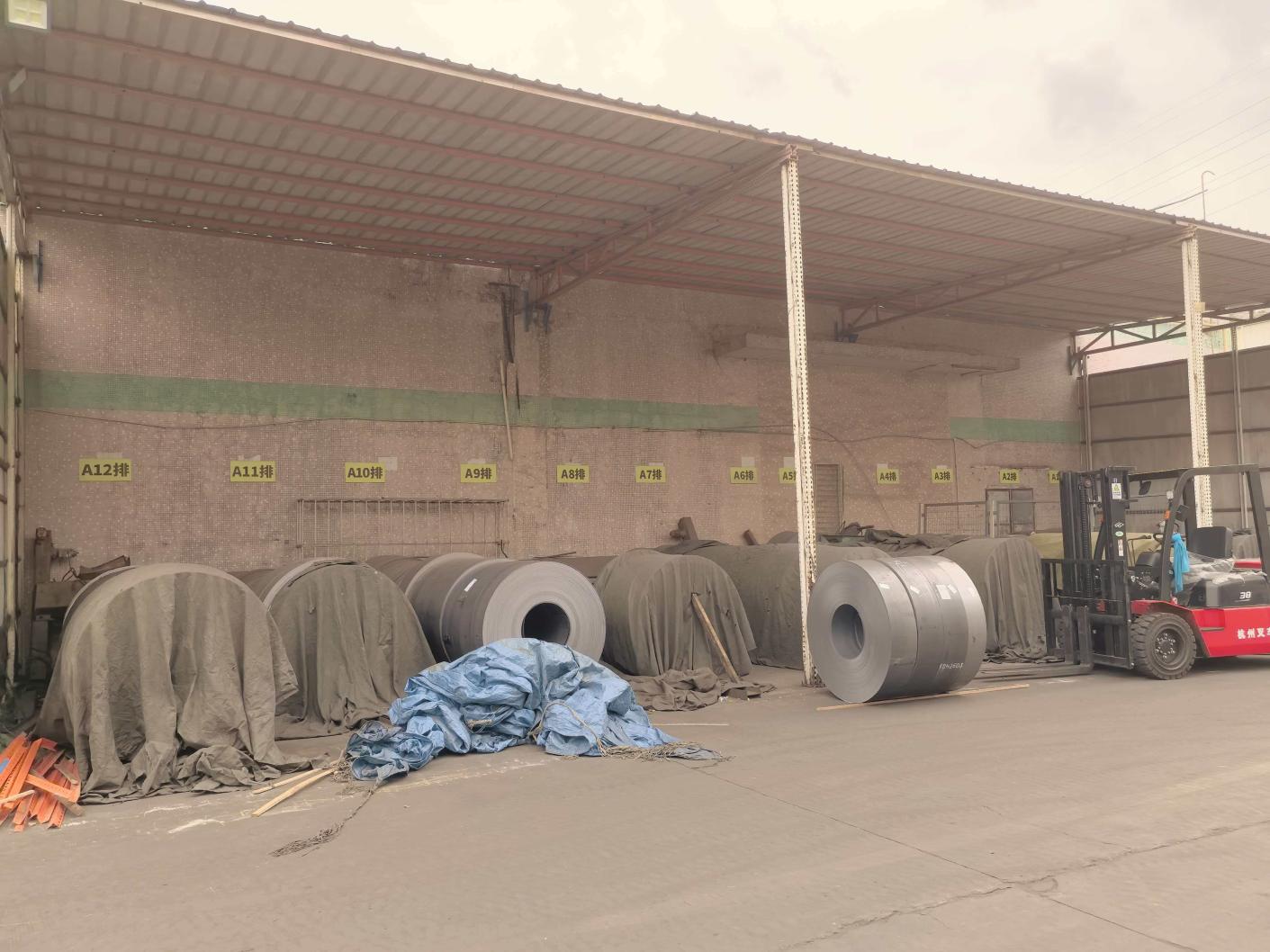
We manufacture using premium cold-rolled Q355B and Q420B steel (equivalent to Japanese JIS G3101 SS400 and high-strength plates). This maintains ductility under sudden seismic loads, absorbing kinetic energy without sudden structural failures.
Dynamic shear force calculations guide our custom-made, heavy-duty footplates. We employ dual-anchor installations to distribute uplift and overturning moments evenly into the deep slab concrete foundation.
For high-bay systems exceeding 15 meters, we incorporate custom seismic bracing nodes and mechanical dampers. This system limits structural drift, preventing pallet dislocation and protecting critical stacker crane clearances.
Designed for extreme load capacities, advanced surface durability, and 24/7 autonomous duty cycles.
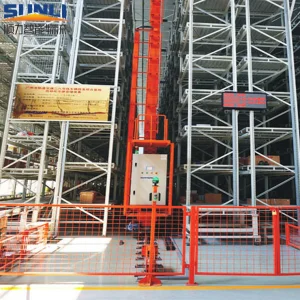
How next-gen software interfaces and green engineering are redefining automated warehousing.
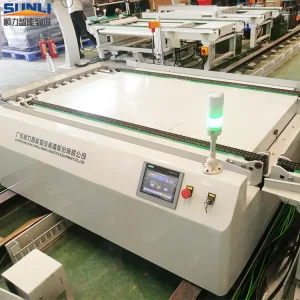
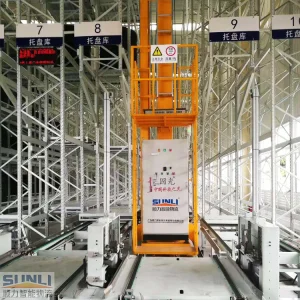
While stacker cranes remain the workhorse for high-load pallet handling, modern e-commerce demand requires rapid piece picking. Sunli supports integration for 3D multi-shuttle and 4-way shuttle systems. These units traverse aisles and vertical tiers independently, optimizing cycle times and providing dynamic order consolidation for high-density goods.
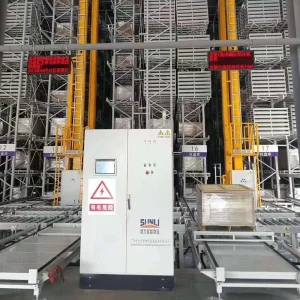
Modern systems transition away from static PLC logic. Next-gen WCS uses real-time slotting algorithms to prioritize high-frequency SKU dispatch. Systems automatically re-route tasks in case of congestion, balancing workloads across multiple crane zones to prevent structural bottlenecks.
Aligned with Japan's Green Transformation (GX) policy, our automated stacker crane options feature dynamic regenerative braking. When the crane decelerates or lowers heavy loads, kinetic energy is converted back into electrical power and returned to the internal grid, reducing overall energy consumption by up to 25%.
Racking structural strain sensors and vibration monitors on stacker cranes transmit operational diagnostics to central dashboards. This preemptive diagnostic system forecasts guide rail wear and weld fatigue, minimizing unscheduled warehouse downtime and maintaining peak mechanical health.
Engineered structural configurations tailored to meet Japan's primary supply chain demands.
Food distribution nodes surrounding major ports require storage systems operating down to -25°C or -40°C. We design cold-room AS/RS utilizing specialized low-temperature alloy steels and condensation-resistant wiring harnesses. The resulting high-density footprint minimizes cooling energy loss.
Serving Nagoya and Shizuoka auto ecosystems, Sunli supplies heavy-duty AS/RS capable of supporting dynamic weights up to 3,000kg per pallet position. Fully integrated with automated guided vehicles (AGVs), these systems supply component parts directly to the main assembly lines.
For sterile, temperature-controlled drug storage, we design cleanroom-compatible AS/RS options featuring corrosion-resistant components and oil-free operation guides. Our systems prevent chemical cross-contamination while ensuring high-precision trace batch picking.
Shenzhen Sunli Intelligent Logistics Equipment Co., Ltd. - Empowering Global Integrators with Advanced Engineering.
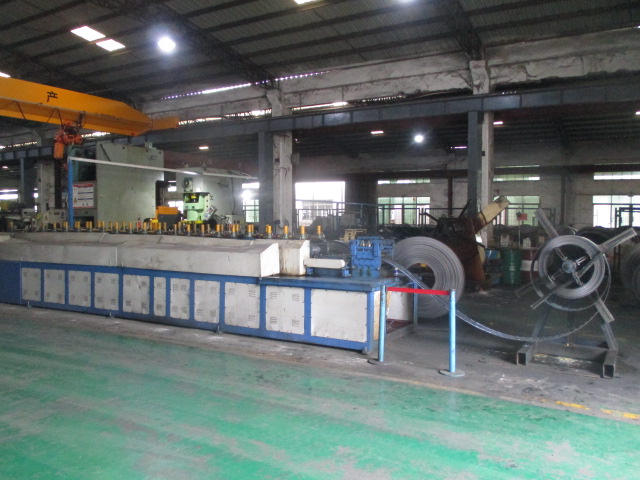
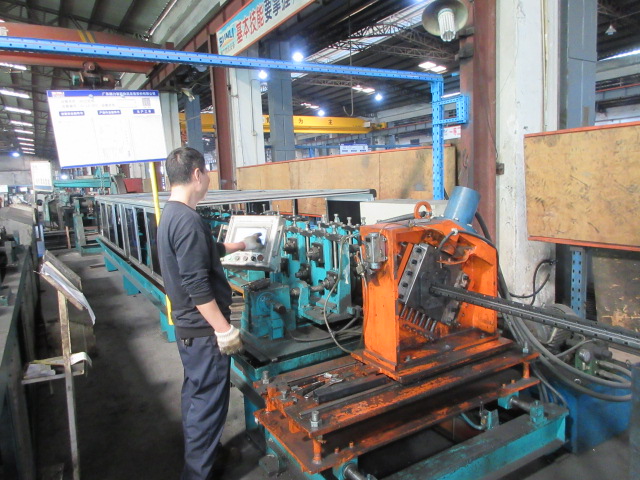
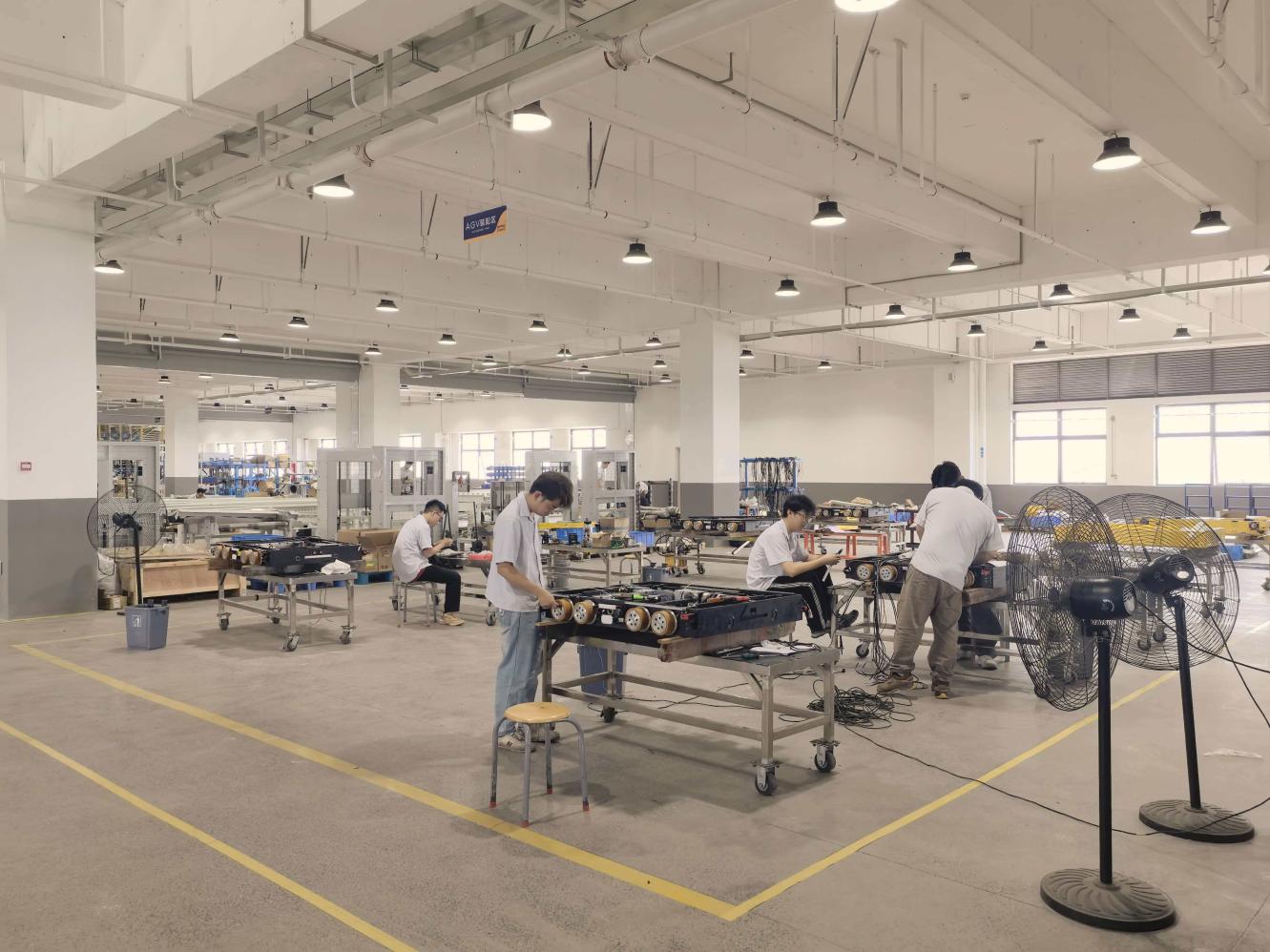
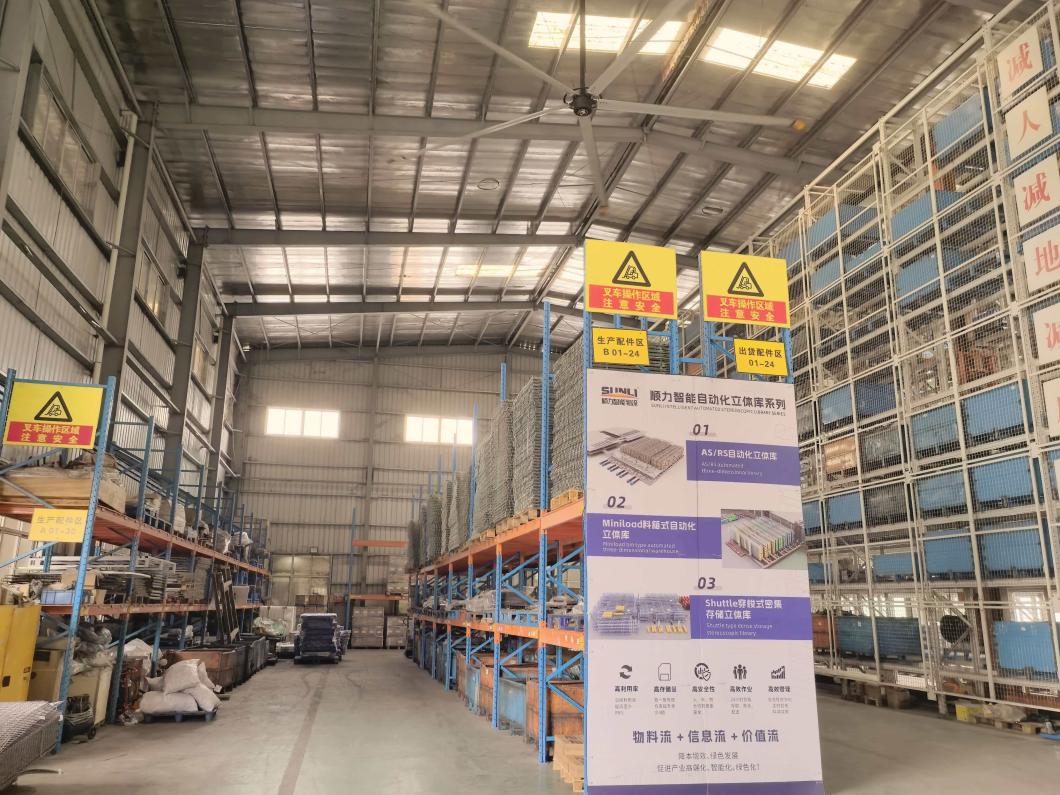
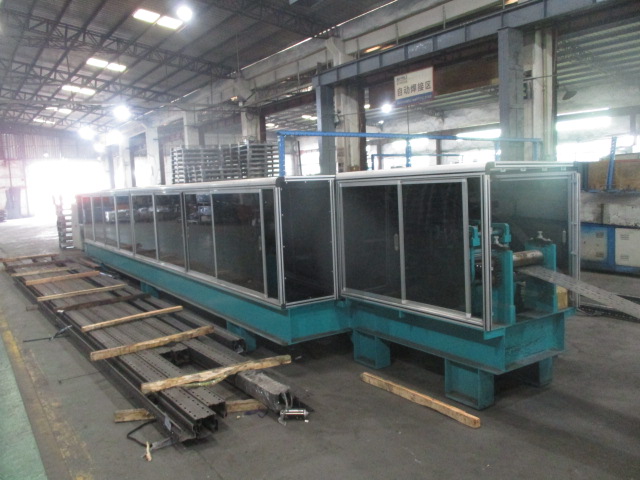
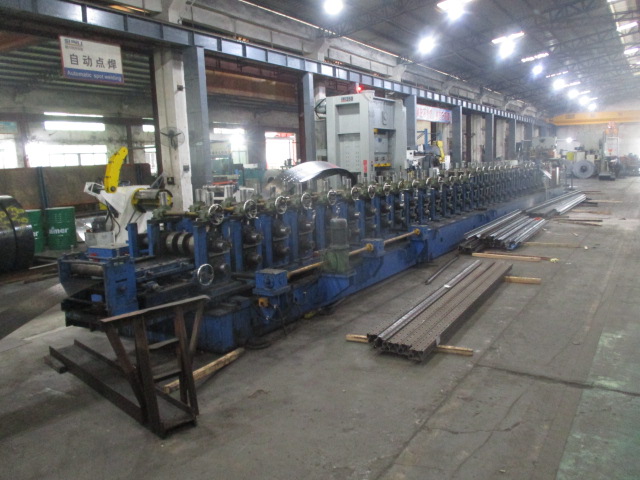
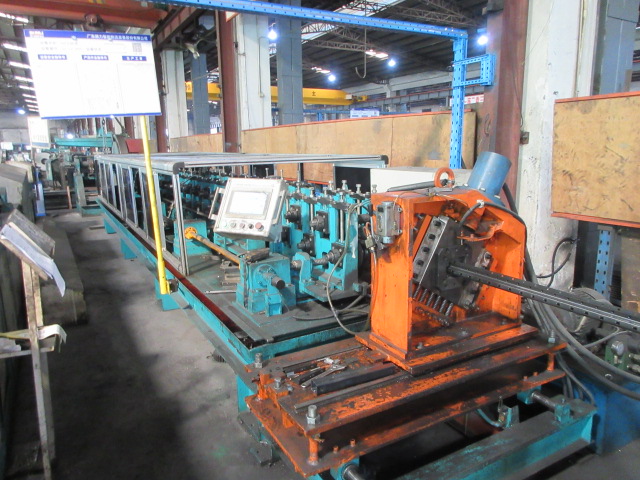
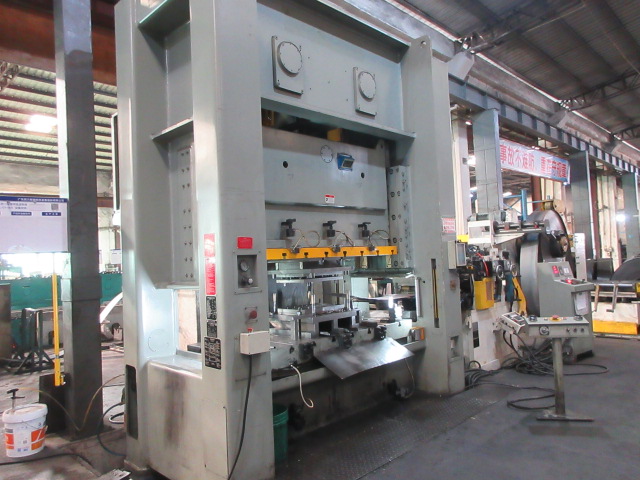
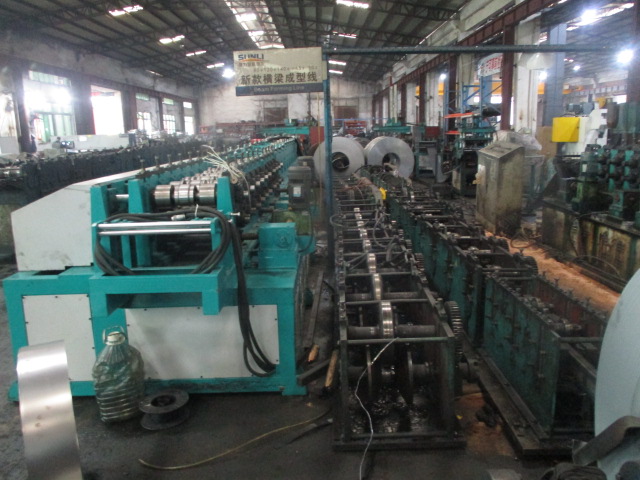
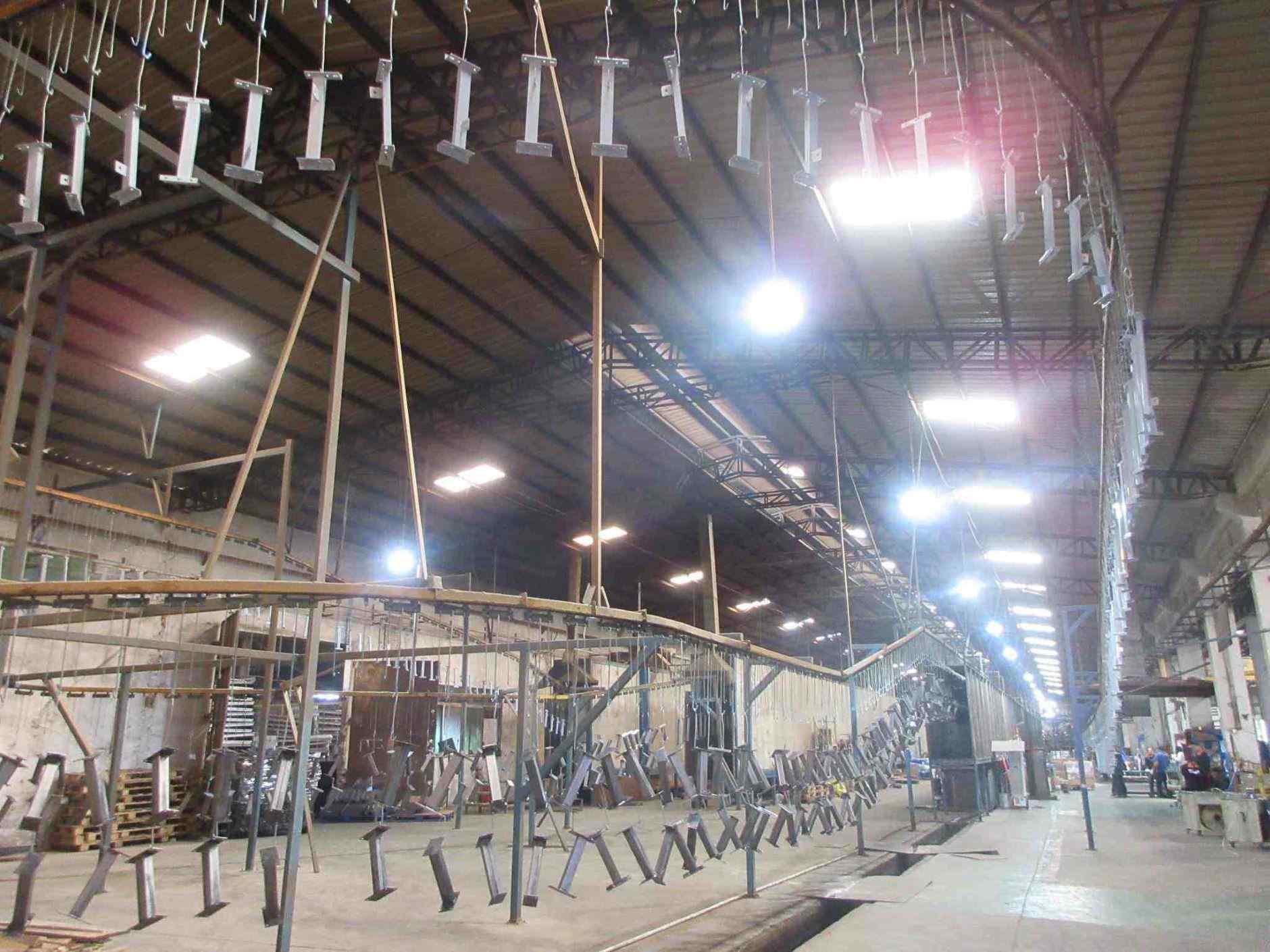
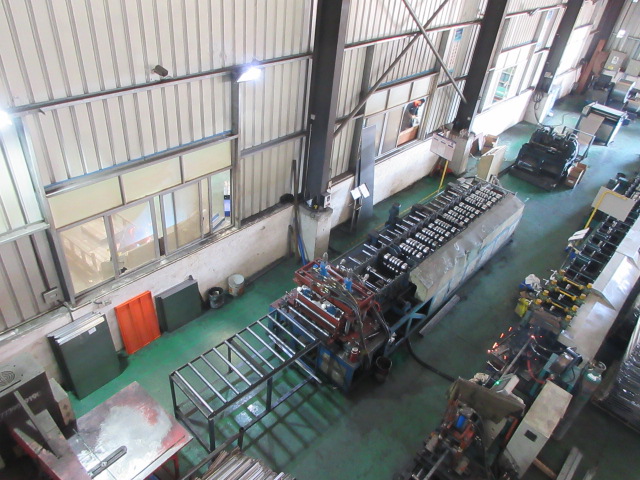
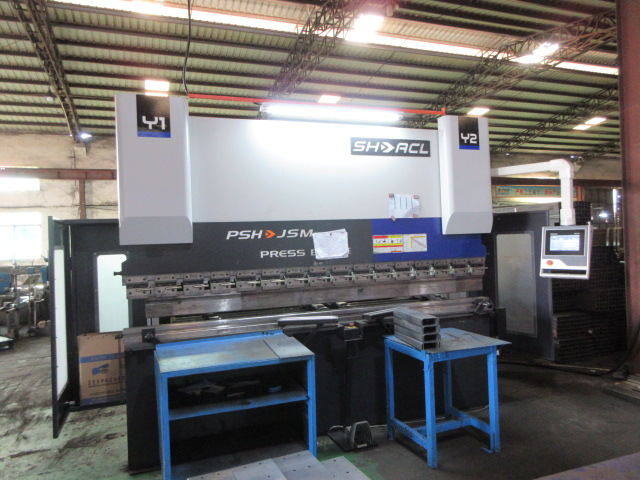
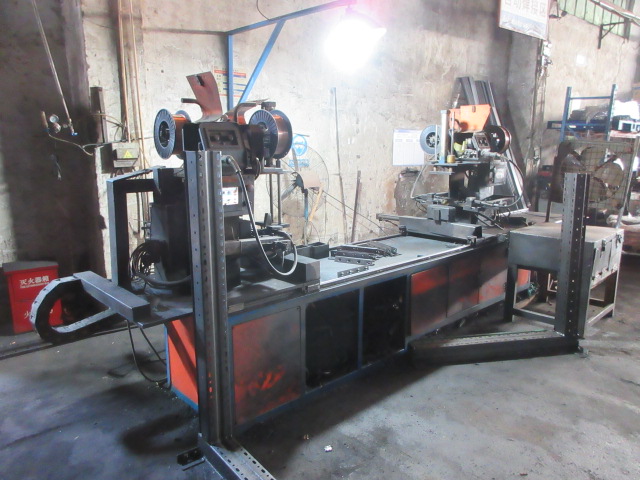
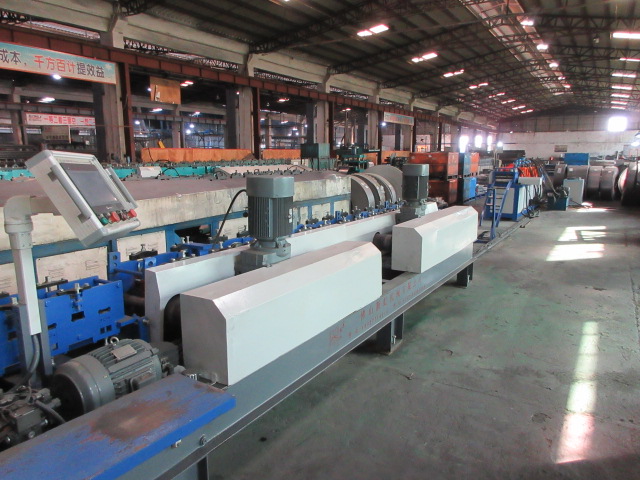
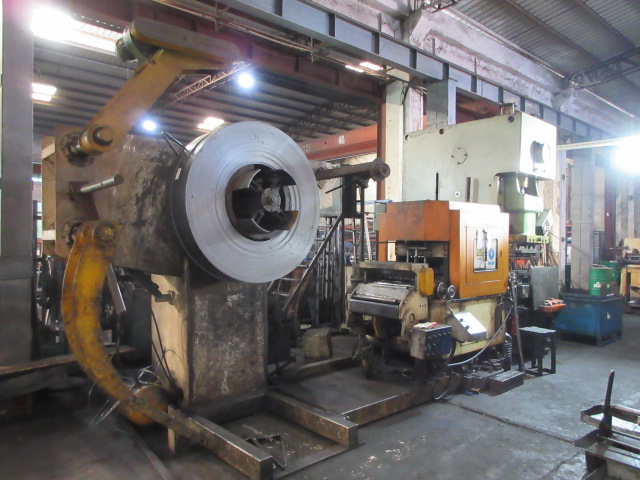
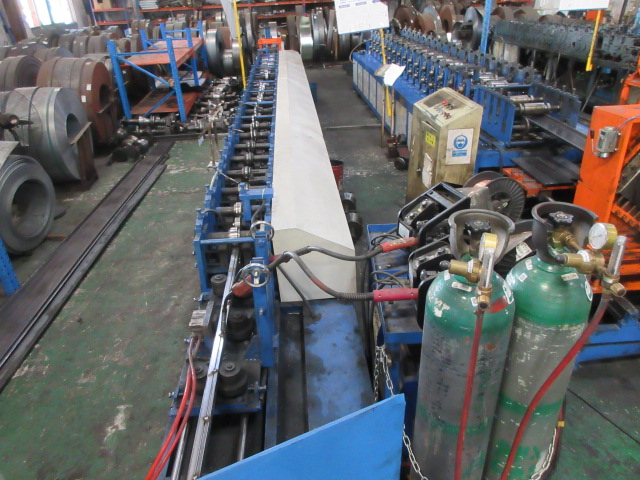
Established in 2015, Shenzhen Sunli Intelligent Logistics Equipment Co., Ltd. operates a modern 38,000 m² manufacturing facility. Leveraging over 12 years of industry experience and 8 years of international trade operations, we deliver robust racking and automated components globally, generating between $18 million and $25 million in annual export revenue. Our core export markets span North America, Western Europe, Southeast Asia, the Middle East, and Japan.
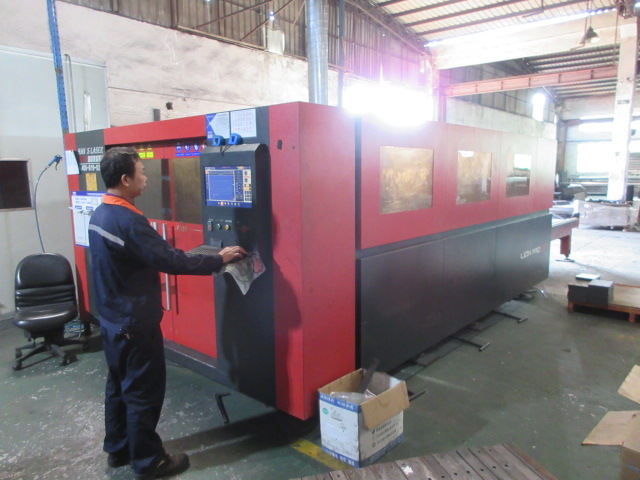
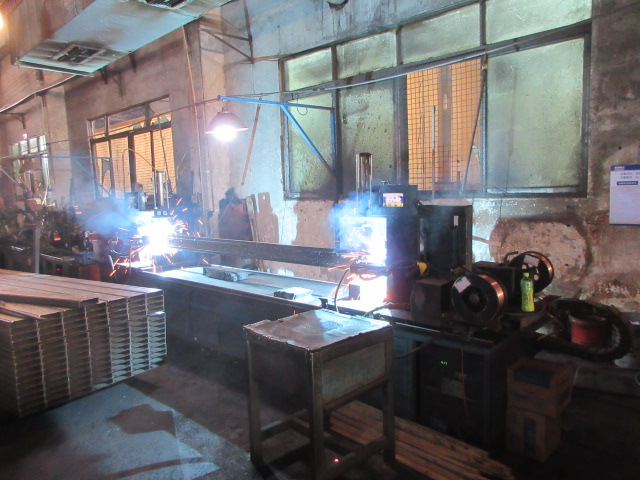
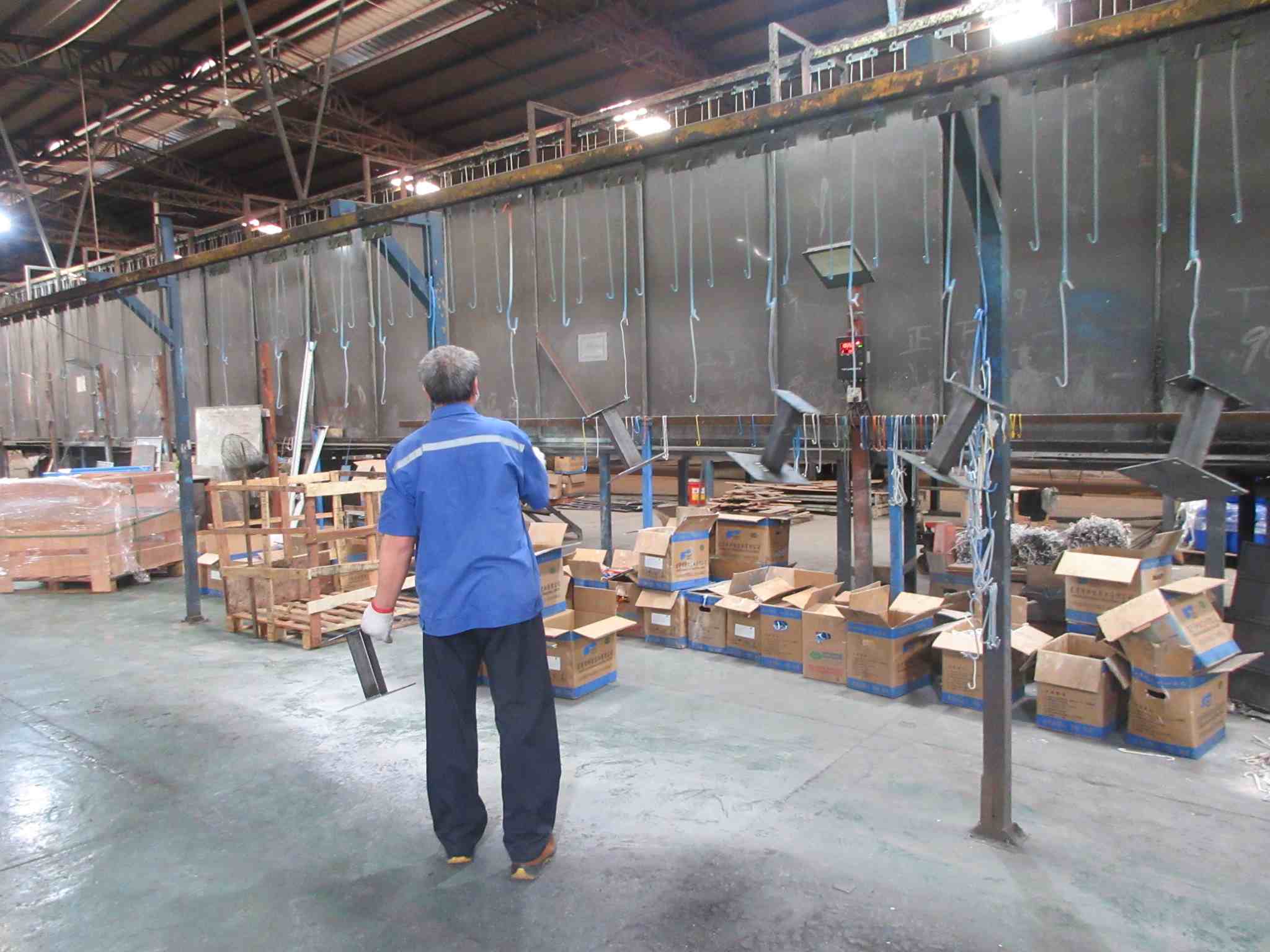
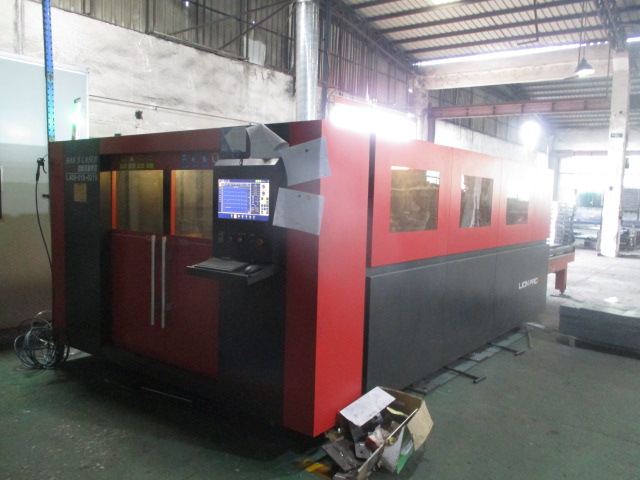
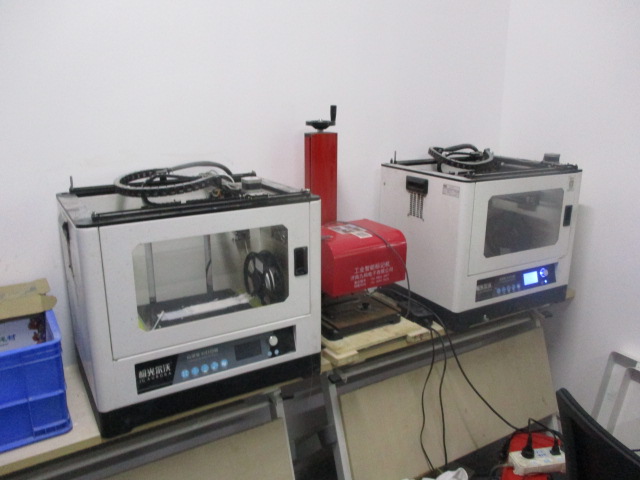
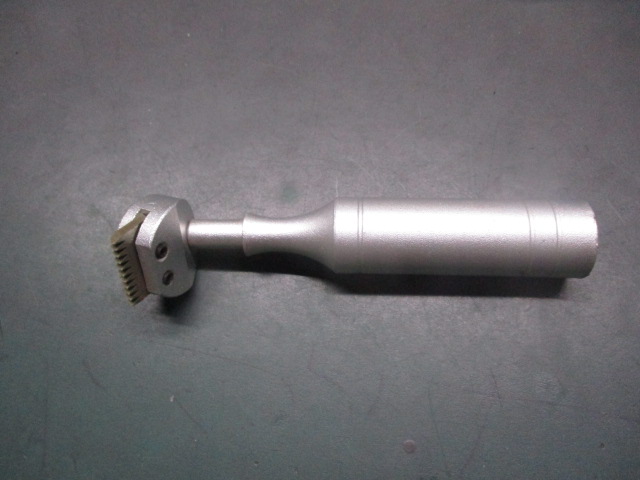
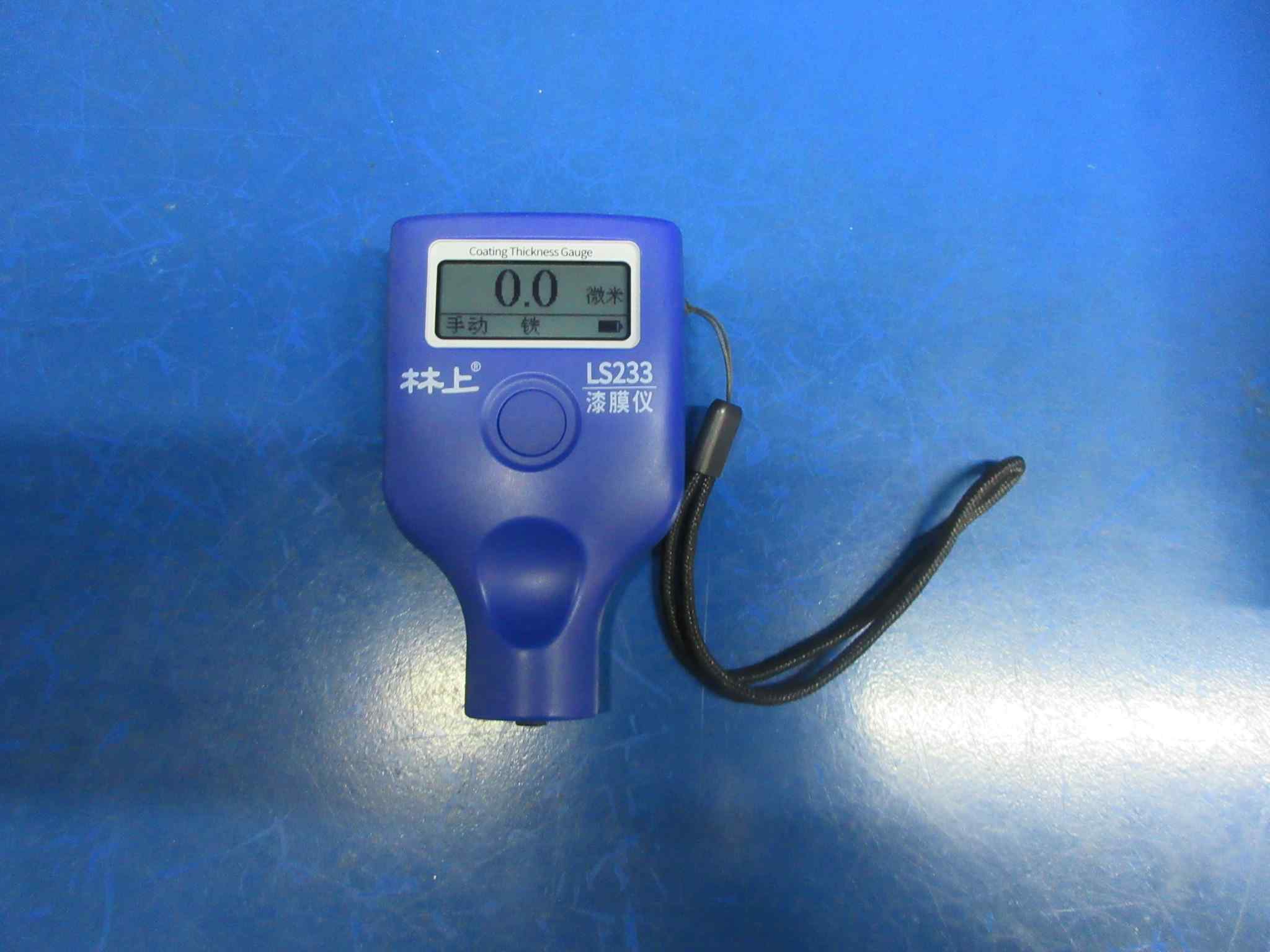
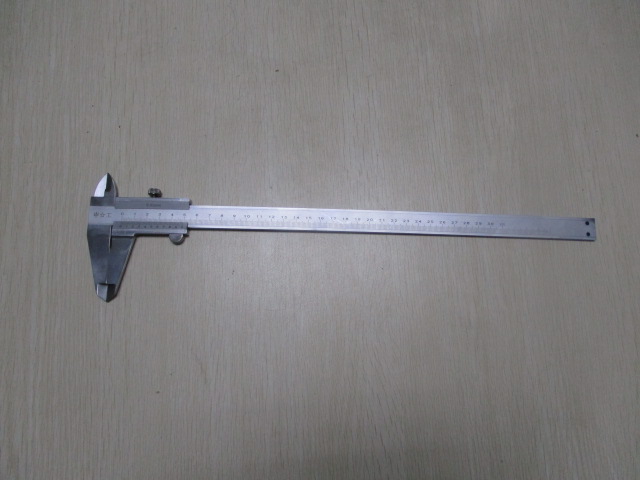
Quality and precision define our manufacturing philosophy. Our dedicated QC division consists of 35 inspection professionals who carry out comprehensive quality protocols: raw material chemical analysis, high-load weld testing, ultrasonic steel inspections, and powder coating thickness validation. Backed by 28 R&D engineers, we continuously adapt to shifting supply chain demands, introducing over 120 new products and structural designs annually.
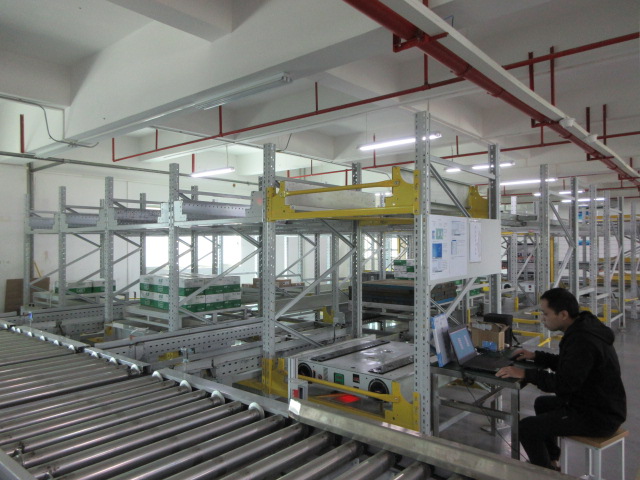
By partnering with over 800 supply chain partners, we support global 3PL operators, industrial distributors, e-commerce centers, and large-scale retailers with highly scalable racking systems. From OEM/ODM steel forming to integrated automated shuttle configurations, we ensure that every system satisfies global safety standards.
Bridging international manufacturing with strict municipal policies in Japanese prefectures.
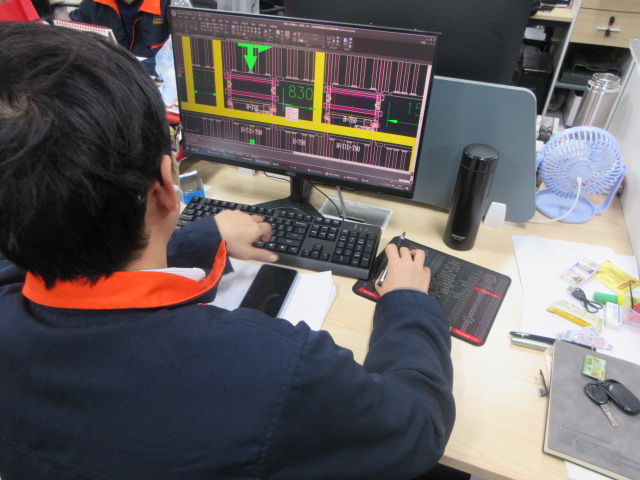
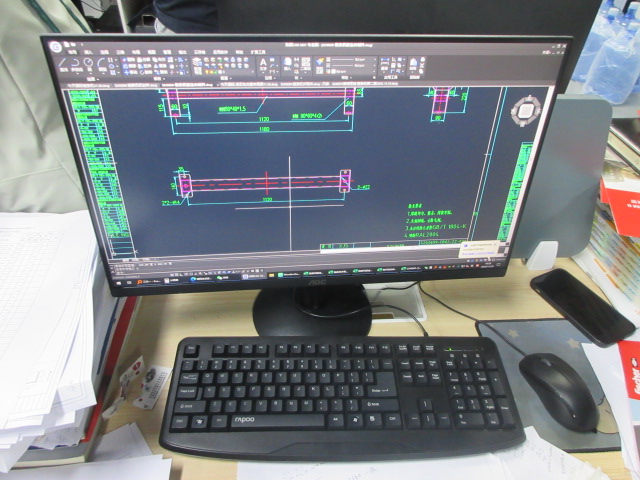
A key factor in successful AS/RS deployments is local coordination. Sunli collaborates directly with local Japanese System Integrators (Siers) and structural engineers. We provide comprehensive geometric CAD drawings, mechanical clearance reports, and finite element data, simplifying local administrative approvals. During the physical installation phase, we coordinate with domestic mechanical crews to guarantee exact alignment, rack leveling, and test commissioning.
Under the Japan Fire Service Act, racking designs exceeding 5.5 meters in height must integrate fire prevention systems, including clearance for sprinklers. Our high-bay AS/RS systems feature pre-engineered channels within the structural frames, allowing for built-in sprinkler lines, water pipe runs, and smoke barrier installation. This design ensures direct compliance with local municipal fire department standards.
High-performance structures designed for dynamic smart factory and 3PL operations.
Technical clarifications on designing, implementing, and certifying AS/RS installations in Japan.
 SunliRack