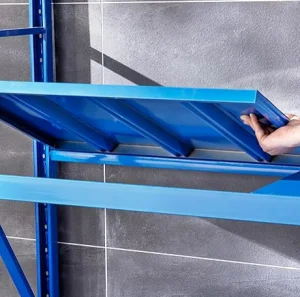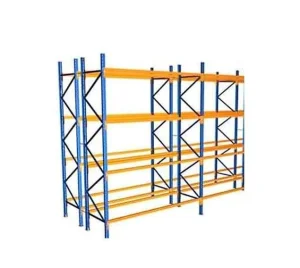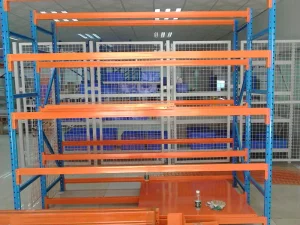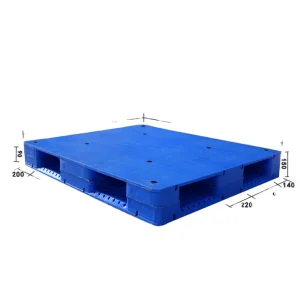
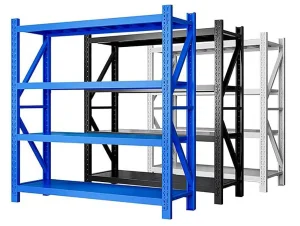
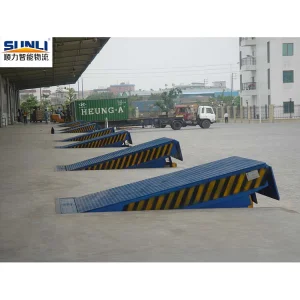
As the historical merchant capital and modern logistics heartbeat of Western Japan, the Osaka metropolitan area (incorporating Osaka Port, Yumeshima Island, and Sakai) is undergoing a massive transformation toward automation. Influenced by Japan's upcoming "2024 Logistics Problem" (limiting driver overtime hours), companies are scaling high-density logistics automation. In these highly technical environments, traditional wood pallets fail to satisfy structural requirements due to structural variance, splinters, and dust generation.
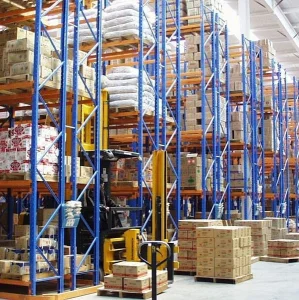
The modern supply chains of Osaka's chemical, pharmaceutical, automotive component, and retail industries demand highly consistent, standardized plastic pallets. These pallets are highly compatible with automated storage and retrieval systems (AS/RS), laser-guided AGVs, and high-load selective rack systems.
Cross-border trade via the Port of Osaka demands seamless customs clearances. Wood pallets require expensive heat treatments and risk quarantine delays from pests. Molded HDPE plastic pallets bypass ISPM-15 regulations completely, guaranteeing smooth customs transit.
While initial acquisition costs of plastic polymer pallets exceed lumber options, their service life is 10 to 15 times longer. In closed-loop logistics systems typical of Osaka-Kobe manufacturers, the cost per trip is reduced by over 60% compared to traditional alternatives.
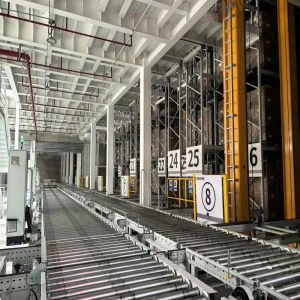
High-bay automated warehouses run by electronic control sensors cannot tolerate structural defects. A single split or loose nail can jam an AS/RS stacker crane, costing thousands of dollars per hour. Our highly uniform structural designs eliminate these operational bottlenecks.
| Technical Characteristic | Molded HDPE Plastic Pallets | Standard Hardwood Pallets | Corrugated Paper Pallets |
|---|---|---|---|
| Expected Lifespan | 10+ Years (250+ cycles) | 1-2 Years (15-20 cycles) | Single-use (1 cycle) |
| Dimensional Integrity | Absolute (Tolerance ±2mm) | Highly Variable (Warps, expands) | Unstable in high humidity |
| Average Product Weight | 15 kg (Consistent dry/wet) | 22 - 28 kg (Absorbs moisture) | 5 - 8 kg |
| AS/RS Smart Rack Integration | Excellent (Zero risk of jamming) | Moderate (Prone to splintering) | Poor (Structural failure risk) |
| Sustainability Footprint | 100% Recyclable (Circular economy) | Medium (Deforestation concern) | High (Rapid degradation cycle) |
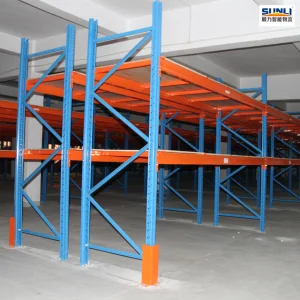
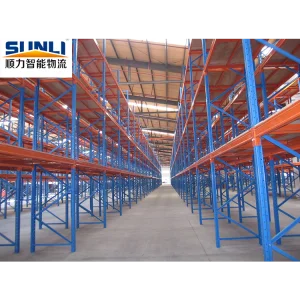
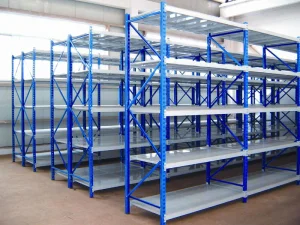
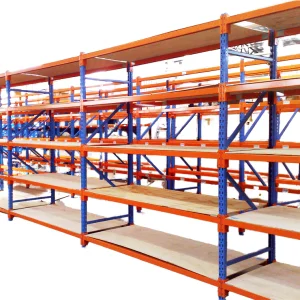
Established in 2015, Shenzhen Sunli Intelligent Logistics Equipment Co., Ltd. is a leading manufacturer specializing in heavy-duty industrial racking and smart warehouse storage solutions.
Operating from a modern production facility spanning 38,000 m², we leverage over 12 years of industry experience and 8 years of international trade expertise to serve global logistics and industrial sectors. Our high-performance storage solutions generate an annual export revenue ranging between $18 million and $25 million, with core markets spanning North America, Western Europe, Southeast Asia, and the Middle East.
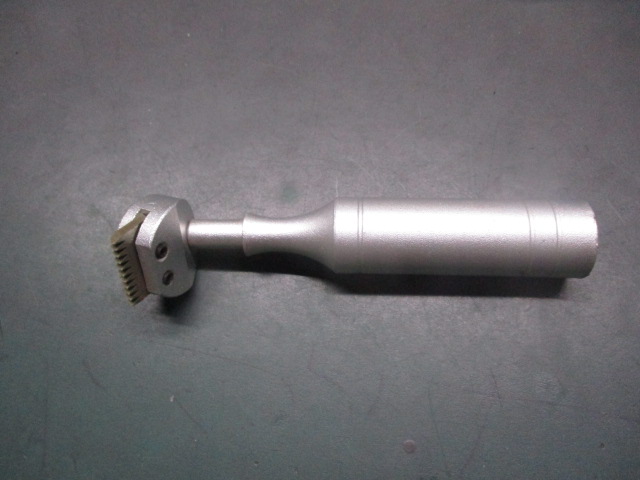
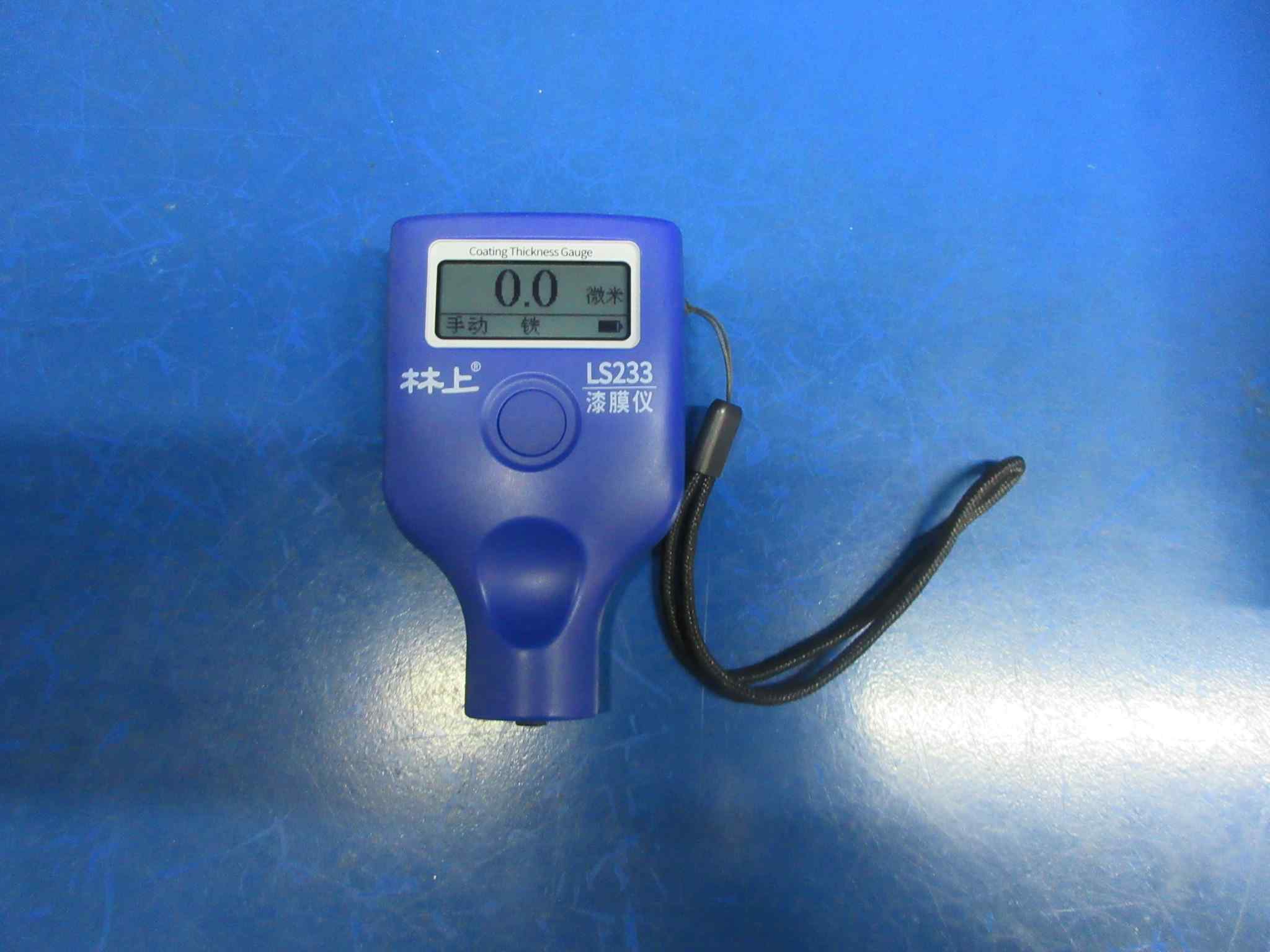
Quality and precision are central to our operations. Our dynamic team of 35 dedicated QC professionals implements rigorous product inspection methods, including full raw material load-bearing analysis, high-precision weld seam testing, and comprehensive anti-corrosion powder-coating thickness checks. Driven by strong R&D capabilities, our team of 28 skilled R&D engineers continuously innovates to meet evolving supply chain requirements, introducing over 120 new products and structural improvements annually.
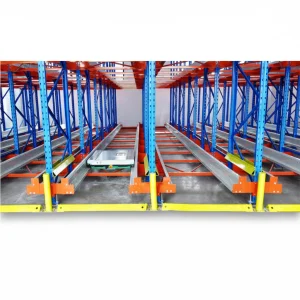
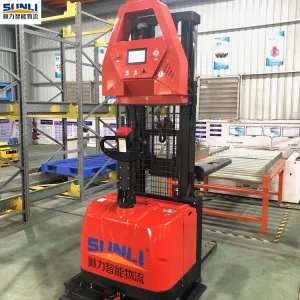
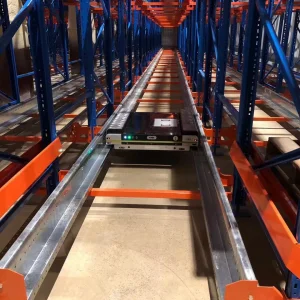
We offer extensive OEM/ODM custom options, including tailored load capacities, custom rack dimensions, color powder coatings, and fully integrated automated shuttle systems (AS/RS). Backed by a strong network of over 800 supply chain partners, we primarily partner with large-scale 3PL providers, industrial distributors, ecommerce logistics hubs, and global retail enterprises to deliver reliable, efficient, and scalable storage infrastructure worldwide.
Download Corporate Profile →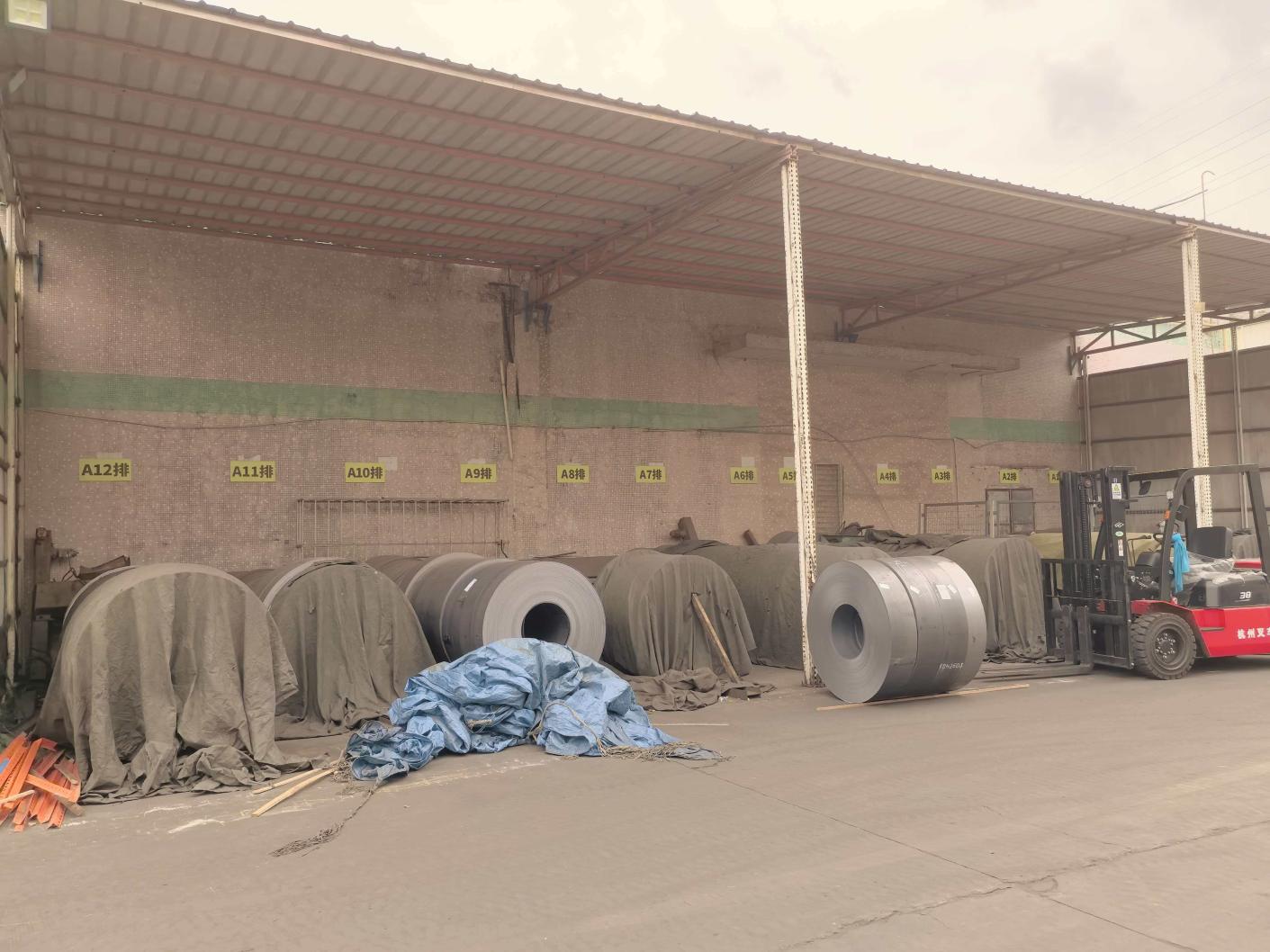
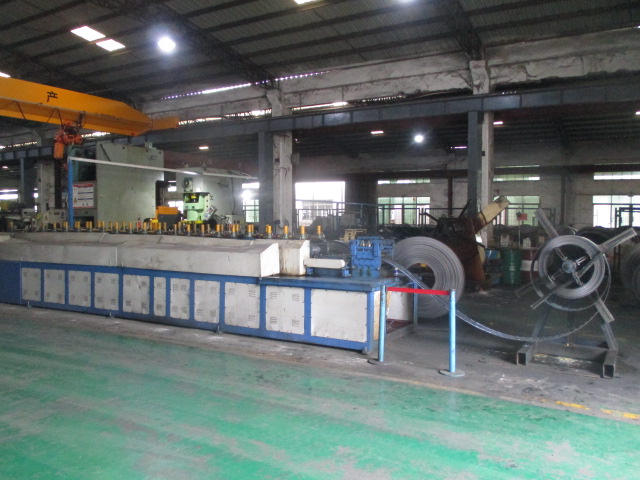
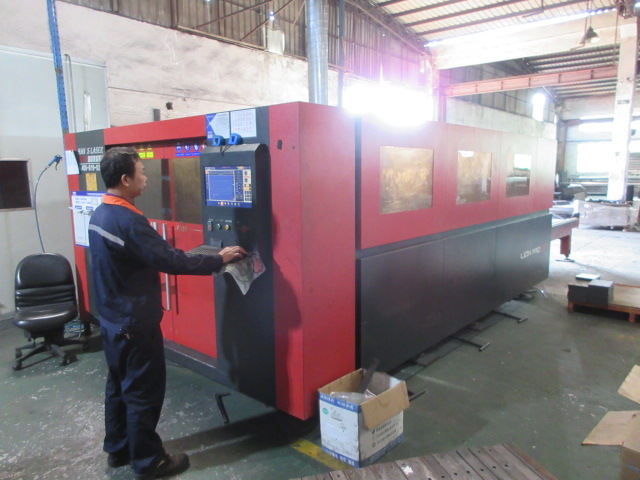
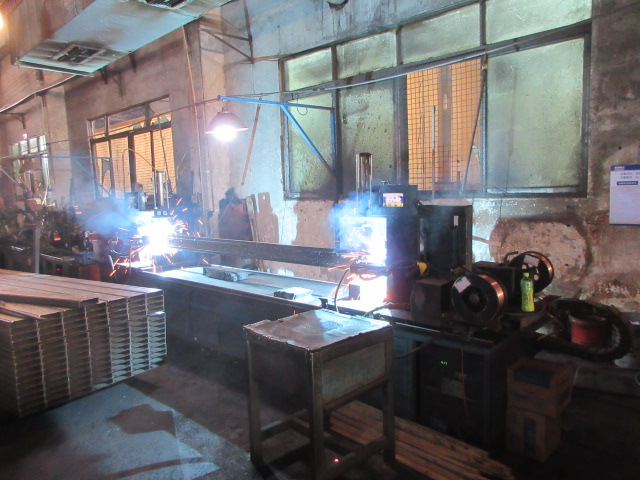
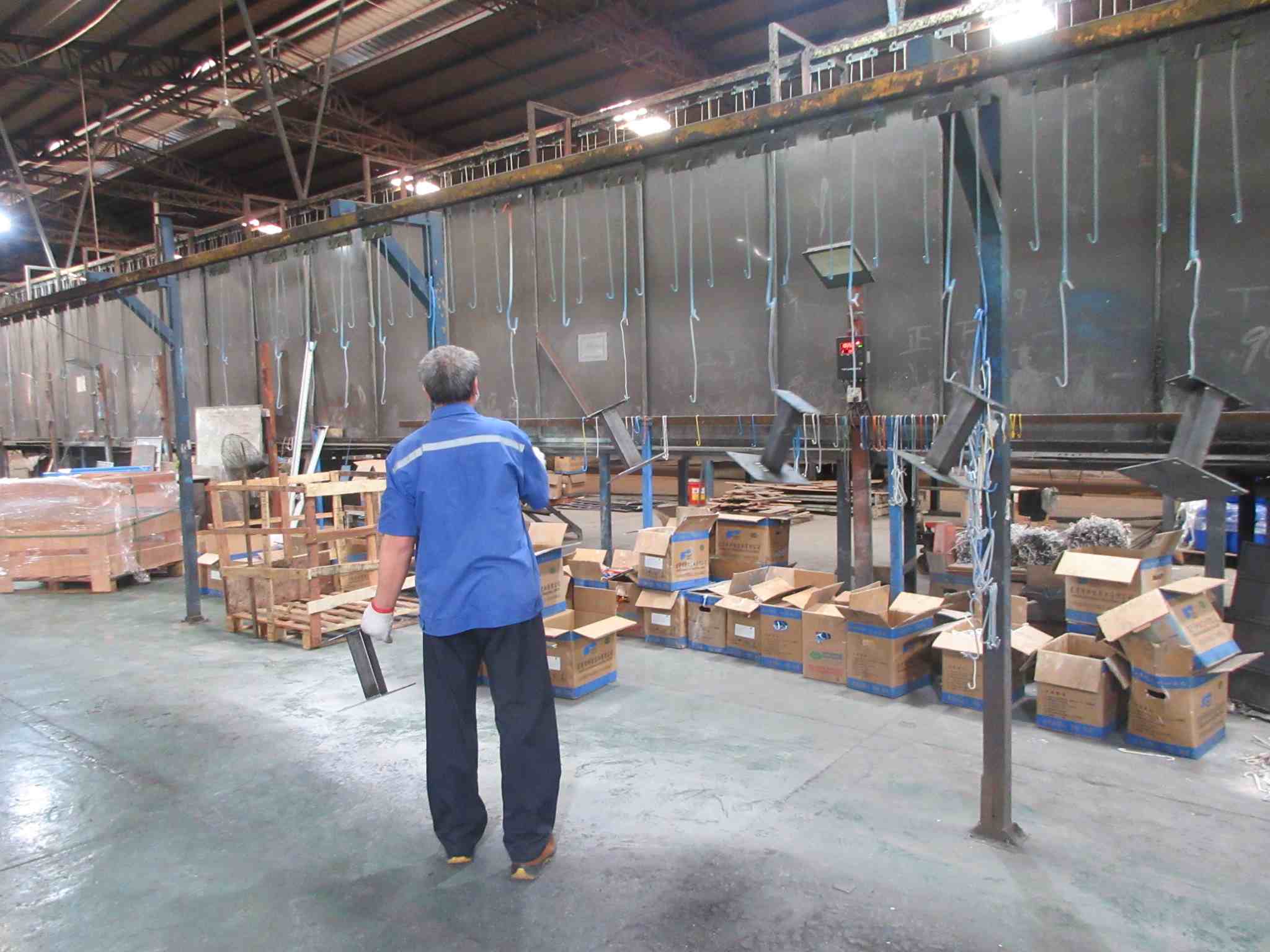
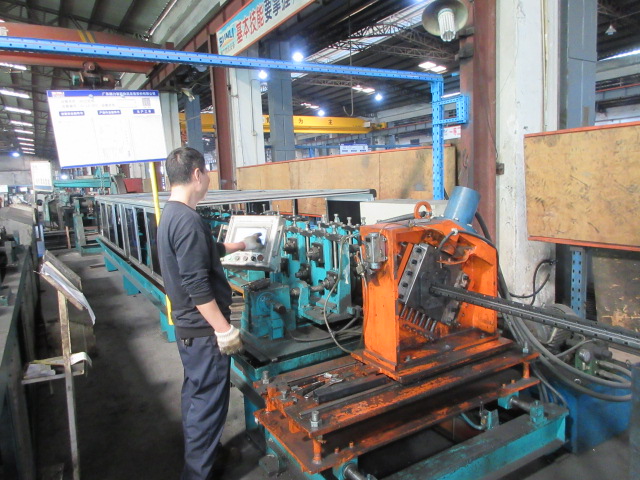
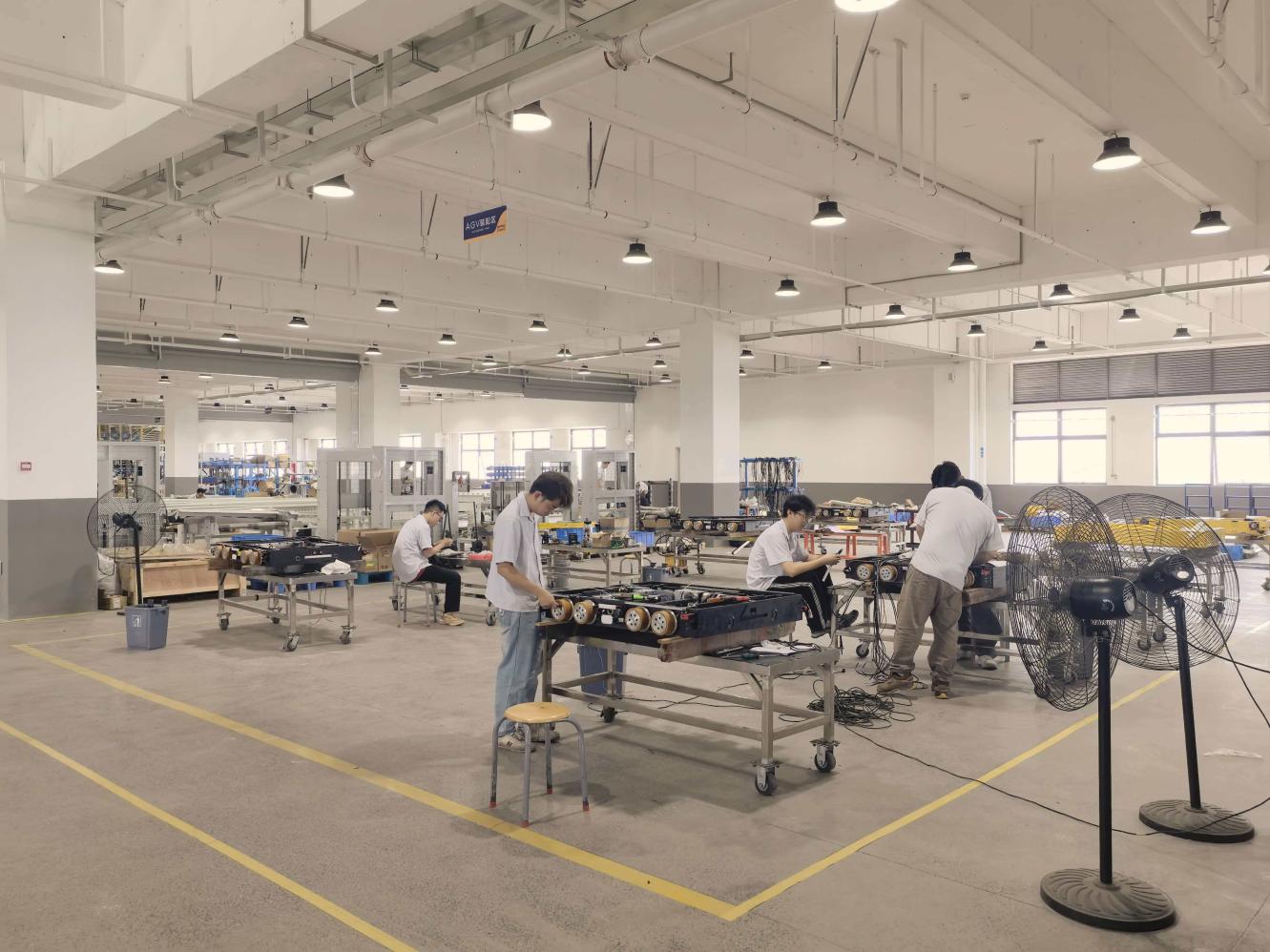
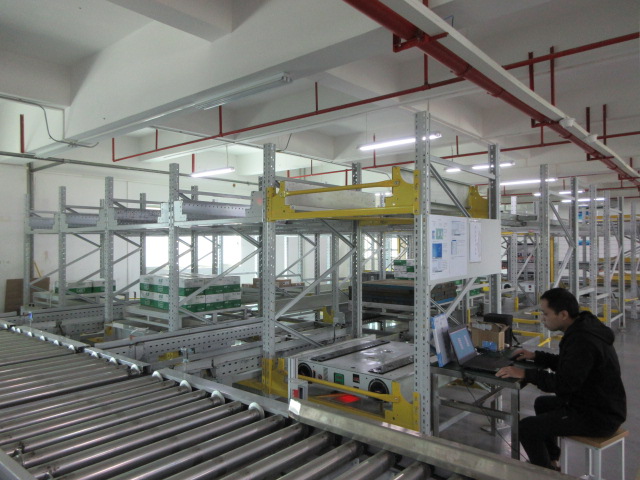
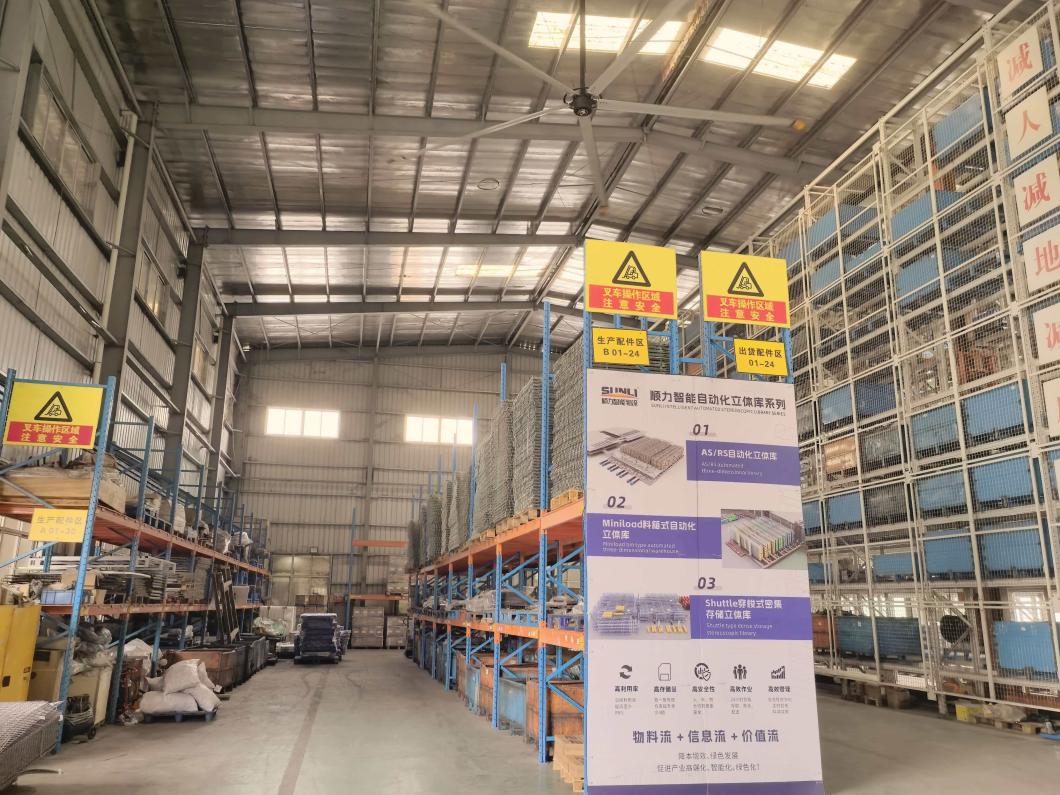
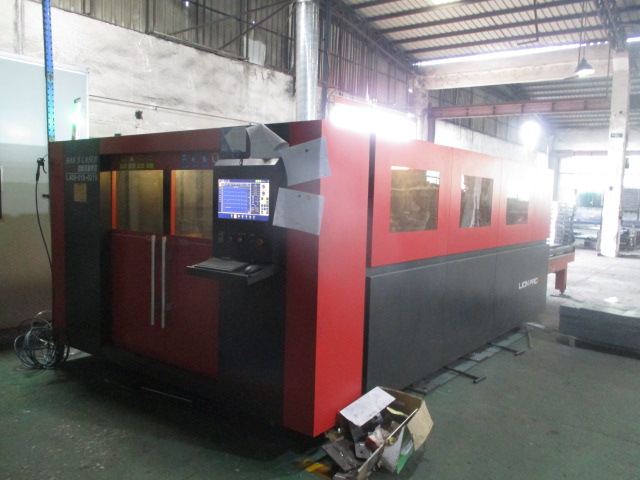
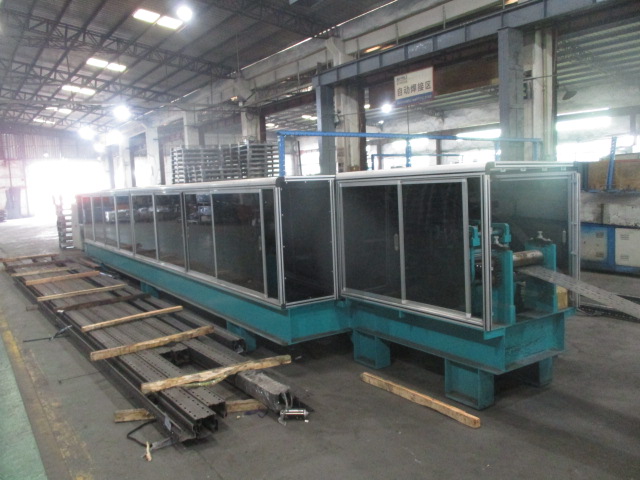
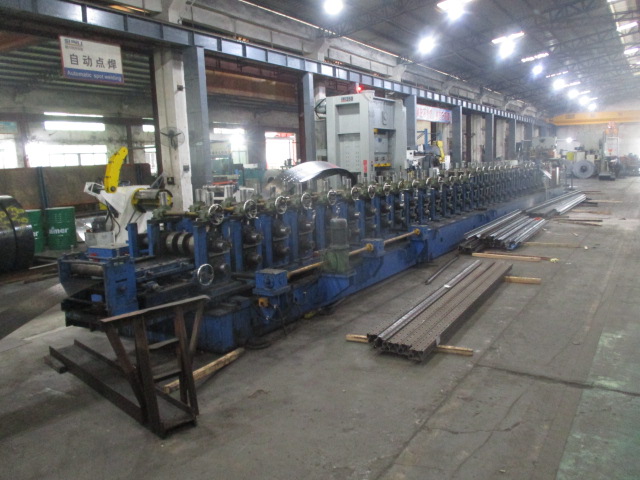
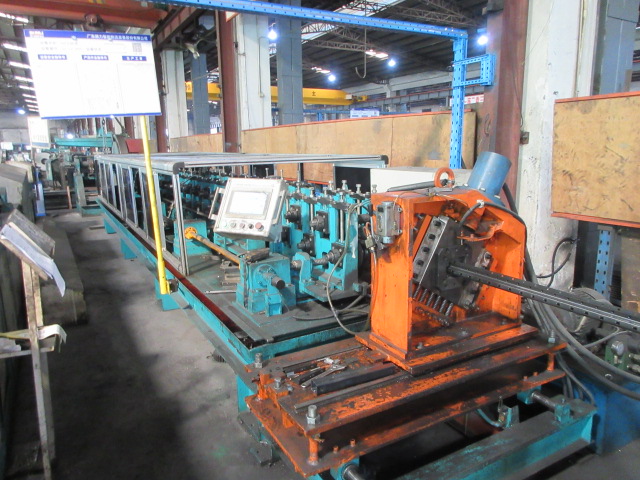
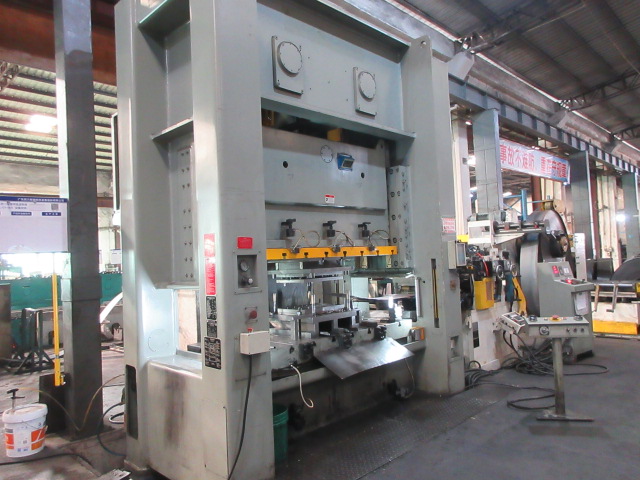
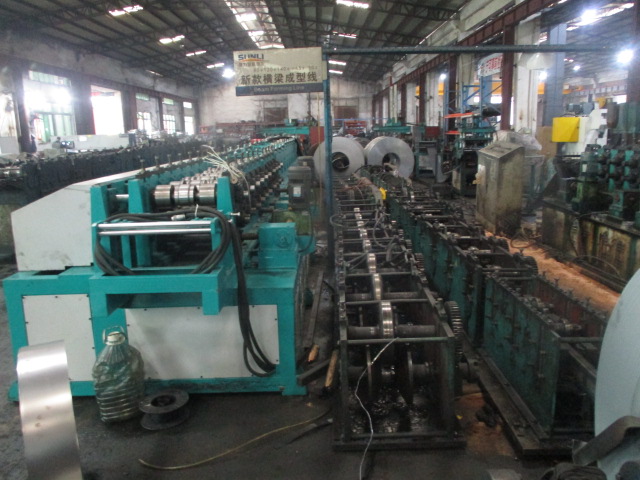
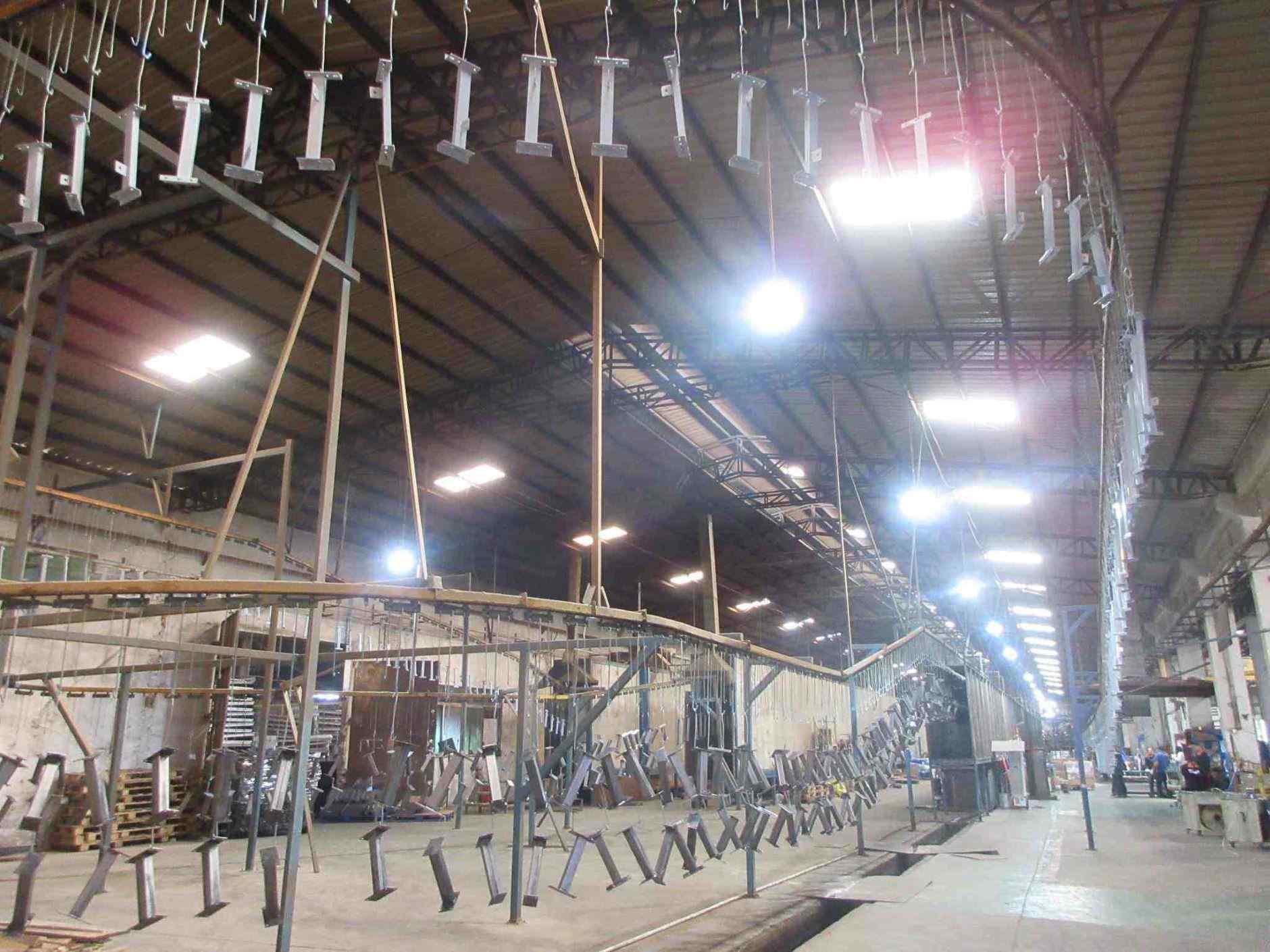
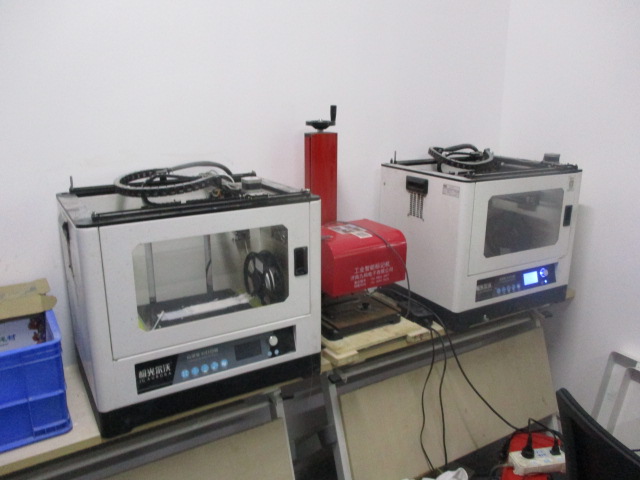
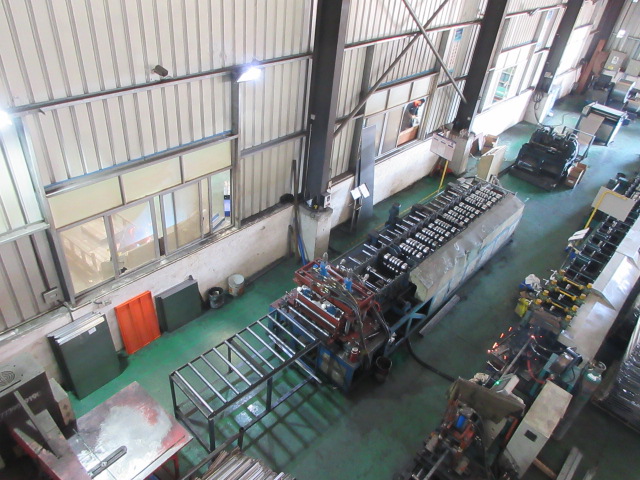
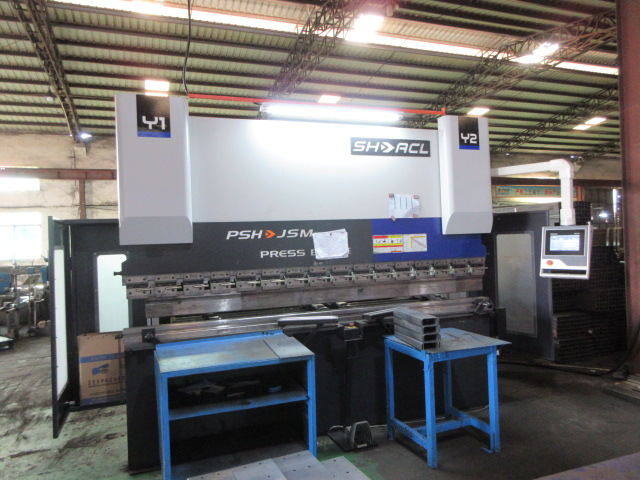
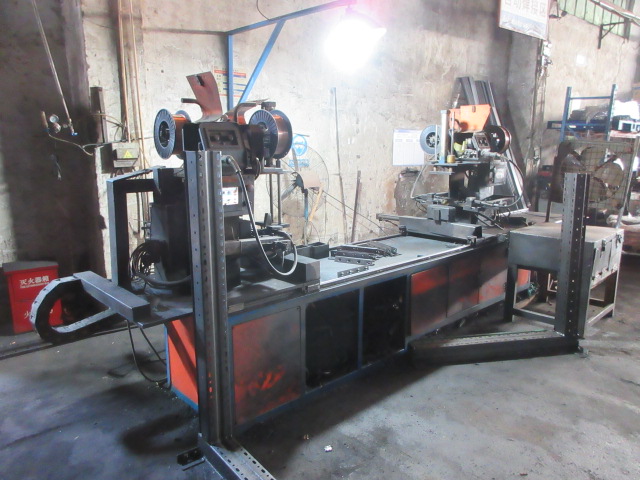
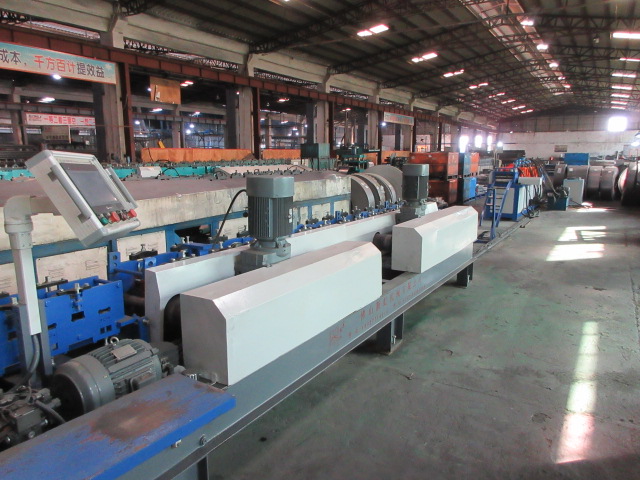
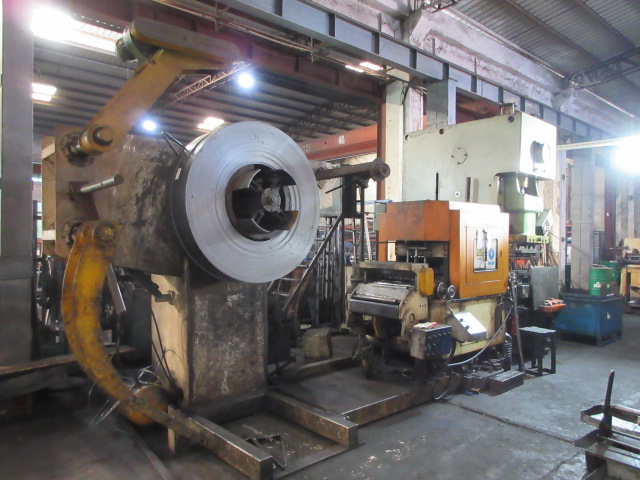
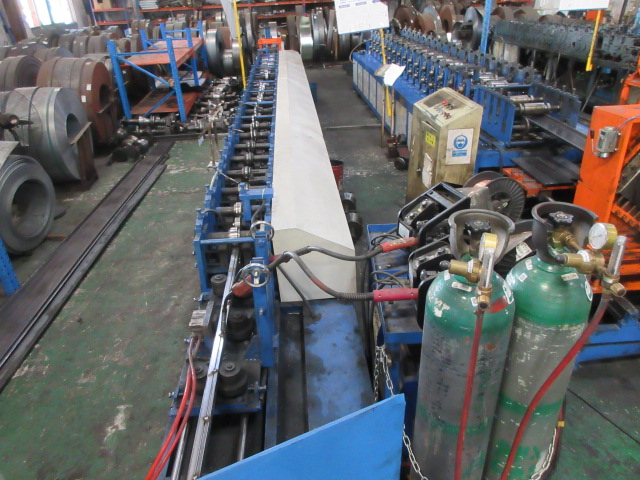
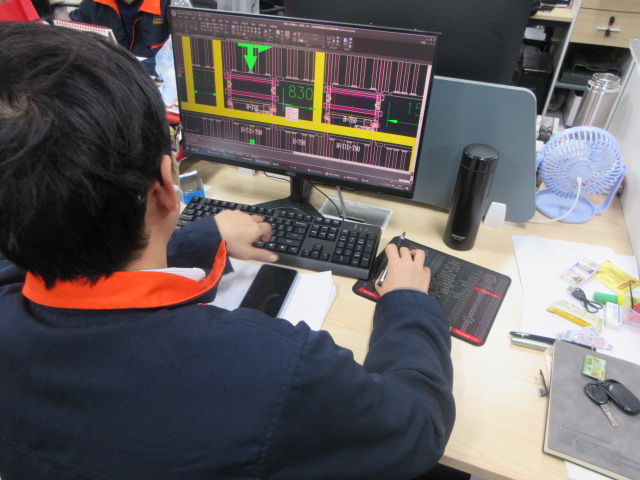
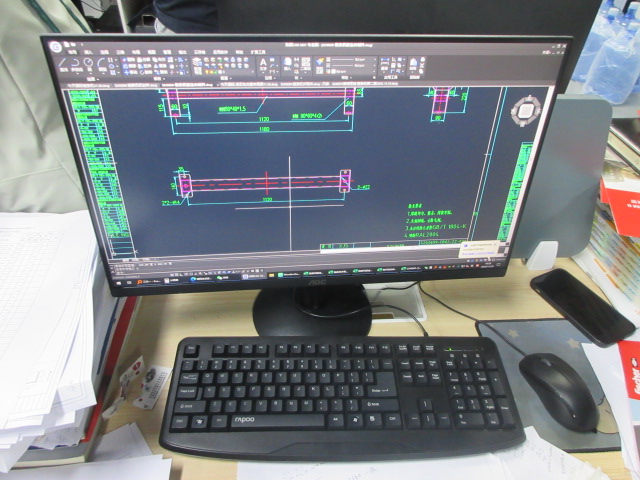
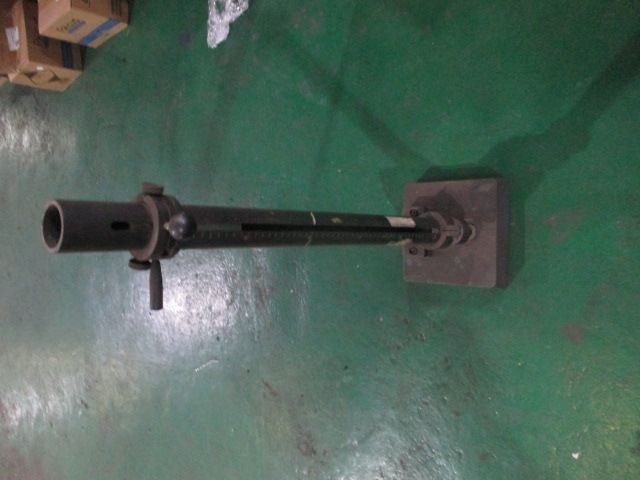
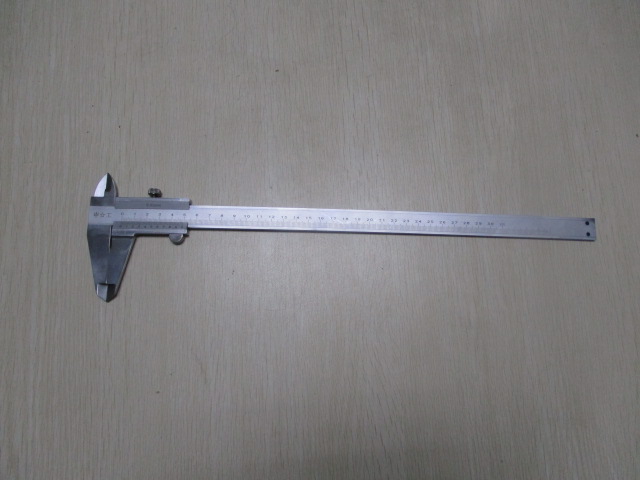
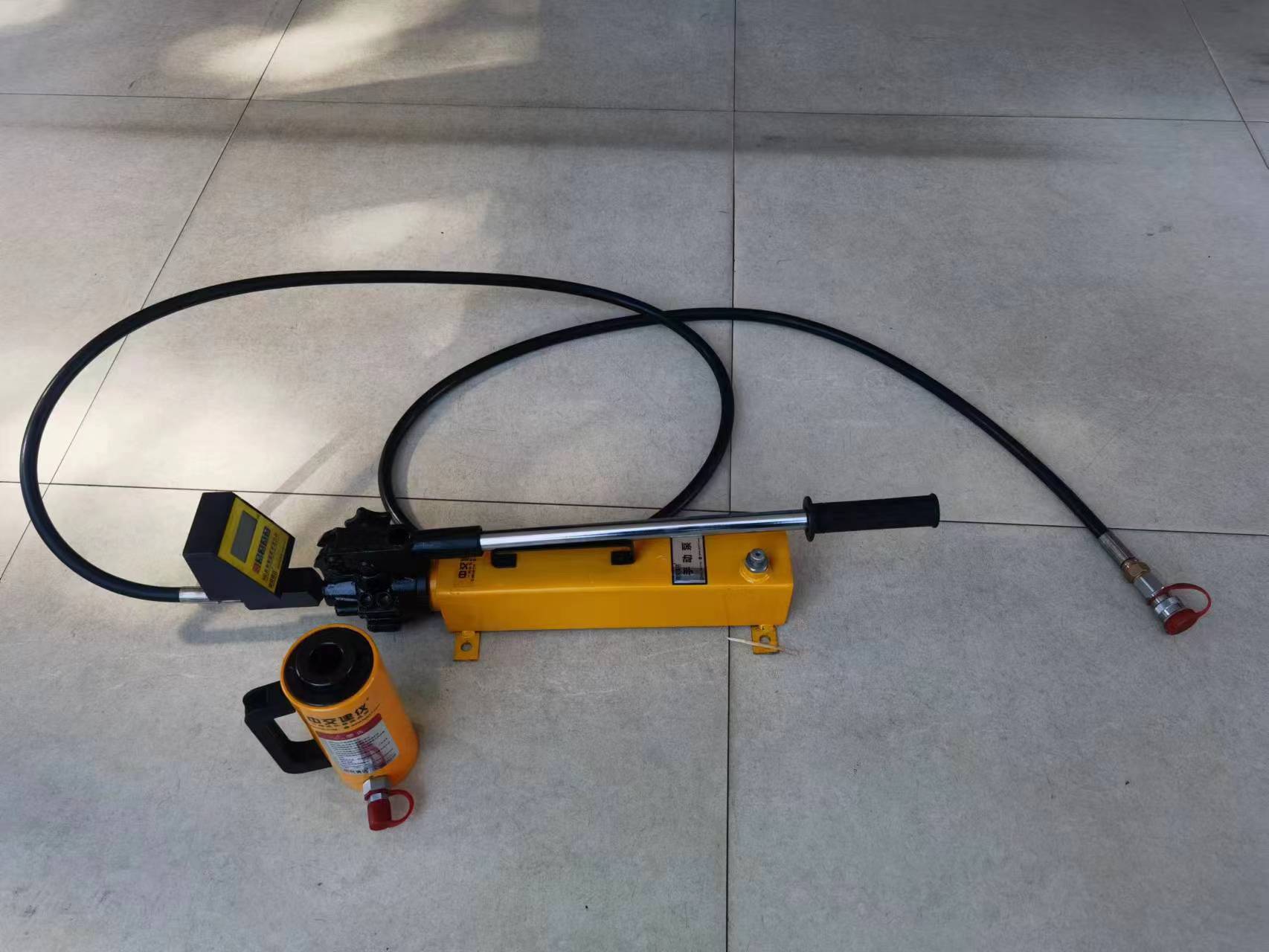
To align with strict Japanese supply chain standards, every batch of HDPE pallets and automated racking goes through extreme destructive, structural, and chemical tests to verify structural performance limits.
HDPE is the optimal material choice for heavy industrial storage operations. It features excellent impact resistance at low temperatures, making it the perfect substrate for cold-storage logistics in Osaka's marine cargo facilities. HDPE is highly resistant to industrial solvents, acids, and alkalis, ensuring long-term structural integrity under demanding cleaning cycles.
PP is specified for high-temperature warehousing facilities and applications demanding extreme structural rigidity. Compared to HDPE, PP provides a higher flexural modulus, reducing dynamic deflection when supporting heavy machinery components inside high-bay rack systems.
Ready to optimize your facility footprint? Let our engineering team draft a custom layout.
Send Inquiry Now → SunliRack