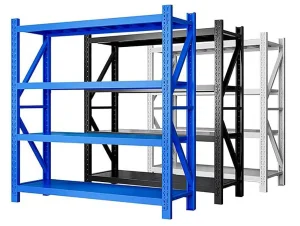
The Greater Philadelphia area—encompassing the Delaware Valley, Southern New Jersey, and Eastern Pennsylvania—stands as one of the most critical logistics and distribution gateways on the U.S. East Coast. Driven by massive developments around PhilaPort (The Port of Philadelphia), the strategic I-95 corridor, and proximity to major population centers, warehousing space has reached historic valuation levels. Rising industrial land acquisition costs demand optimized footprint efficiency.
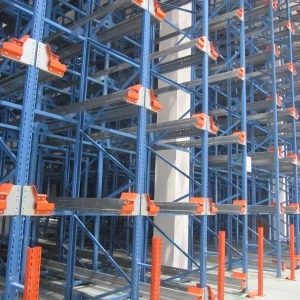
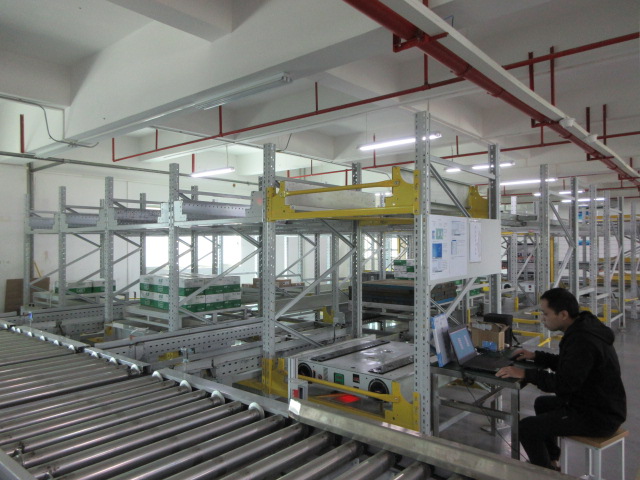
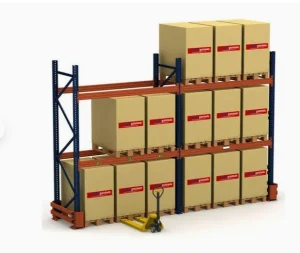
Traditional selective pallet racking systems are no longer economically viable for bulk storage facilities. High-density semi-automated systems like Radio Shuttle Racking have transitioned from alternative designs to baseline necessities. By reducing forklift transit aisles, shuttle systems maximize cube space utilization by up to 80% and increase overall pallet storage capacity compared to selective formats.
Engineered to comply with local building regulations and strict U.S. safety standards.
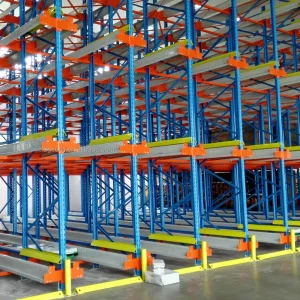
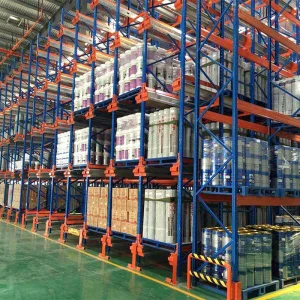
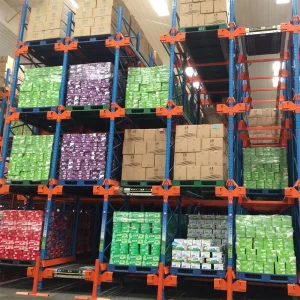
Providing industrial grade, high-capacity, and safety-verified racking solutions globally.
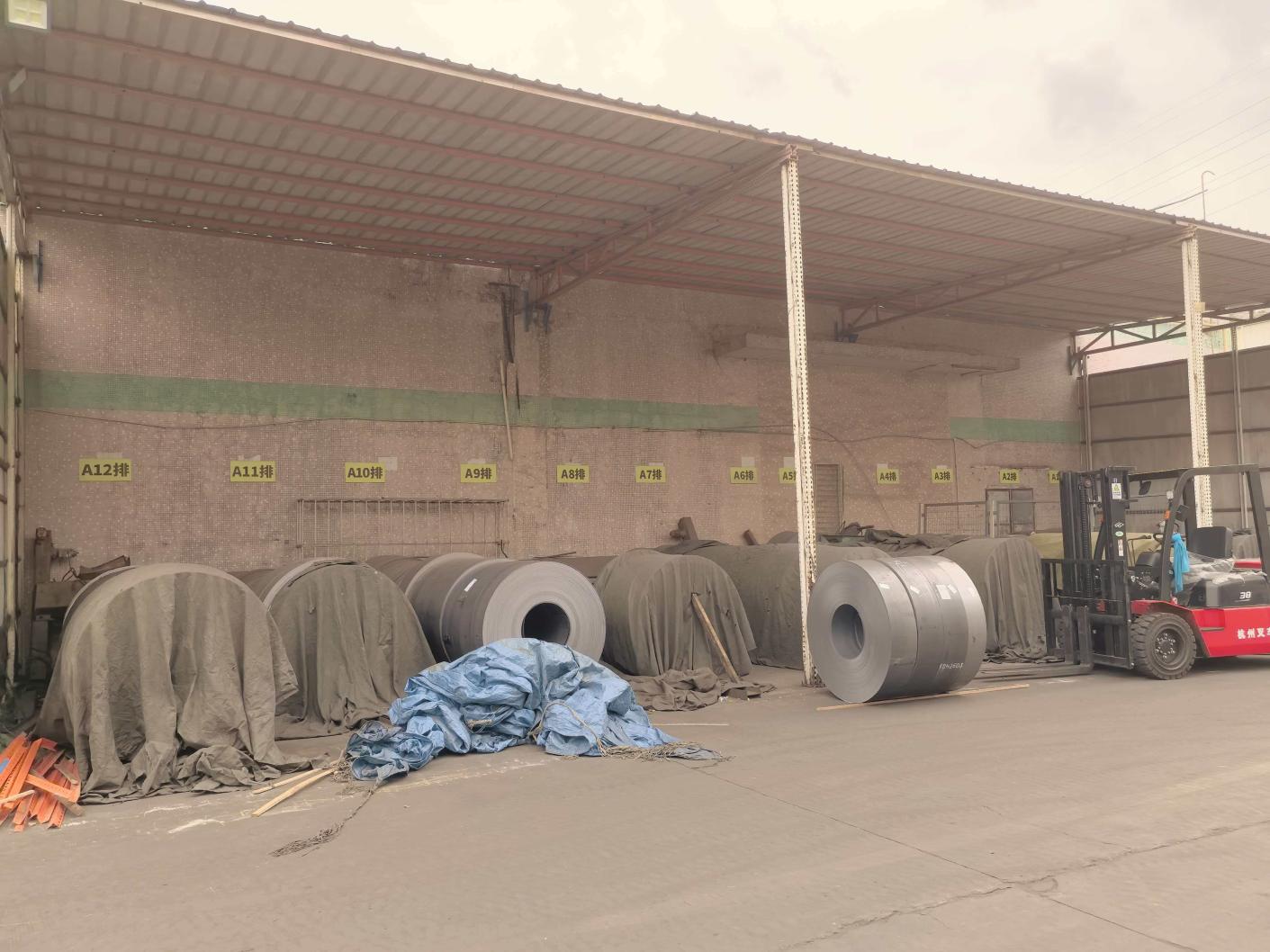
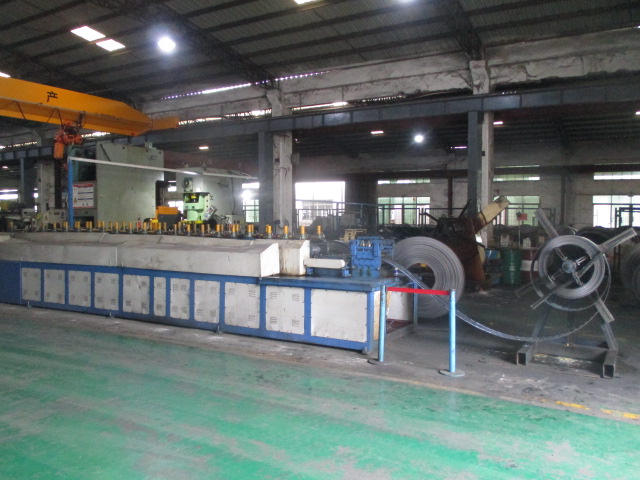
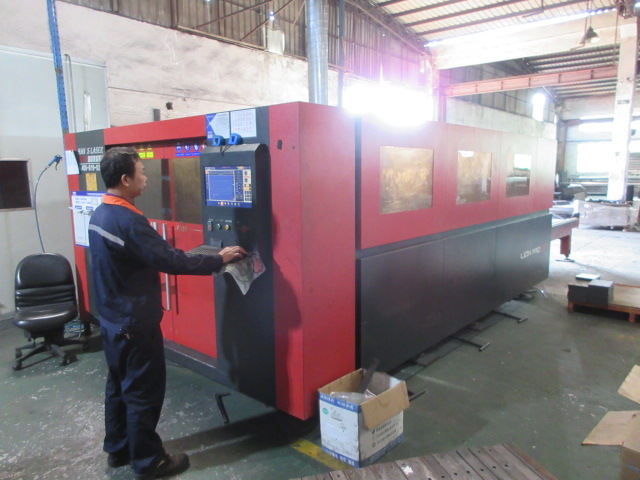
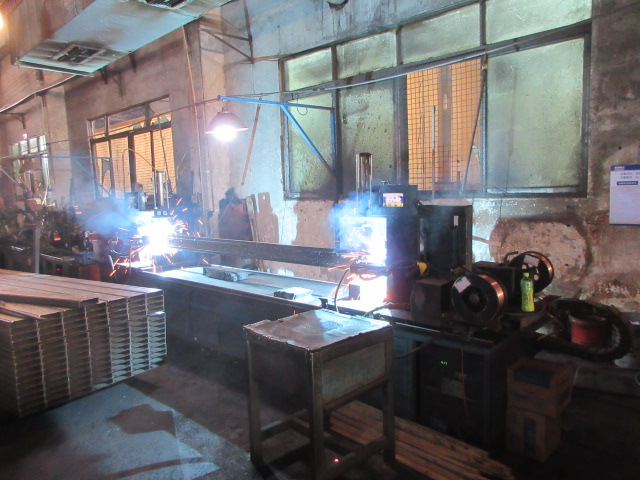
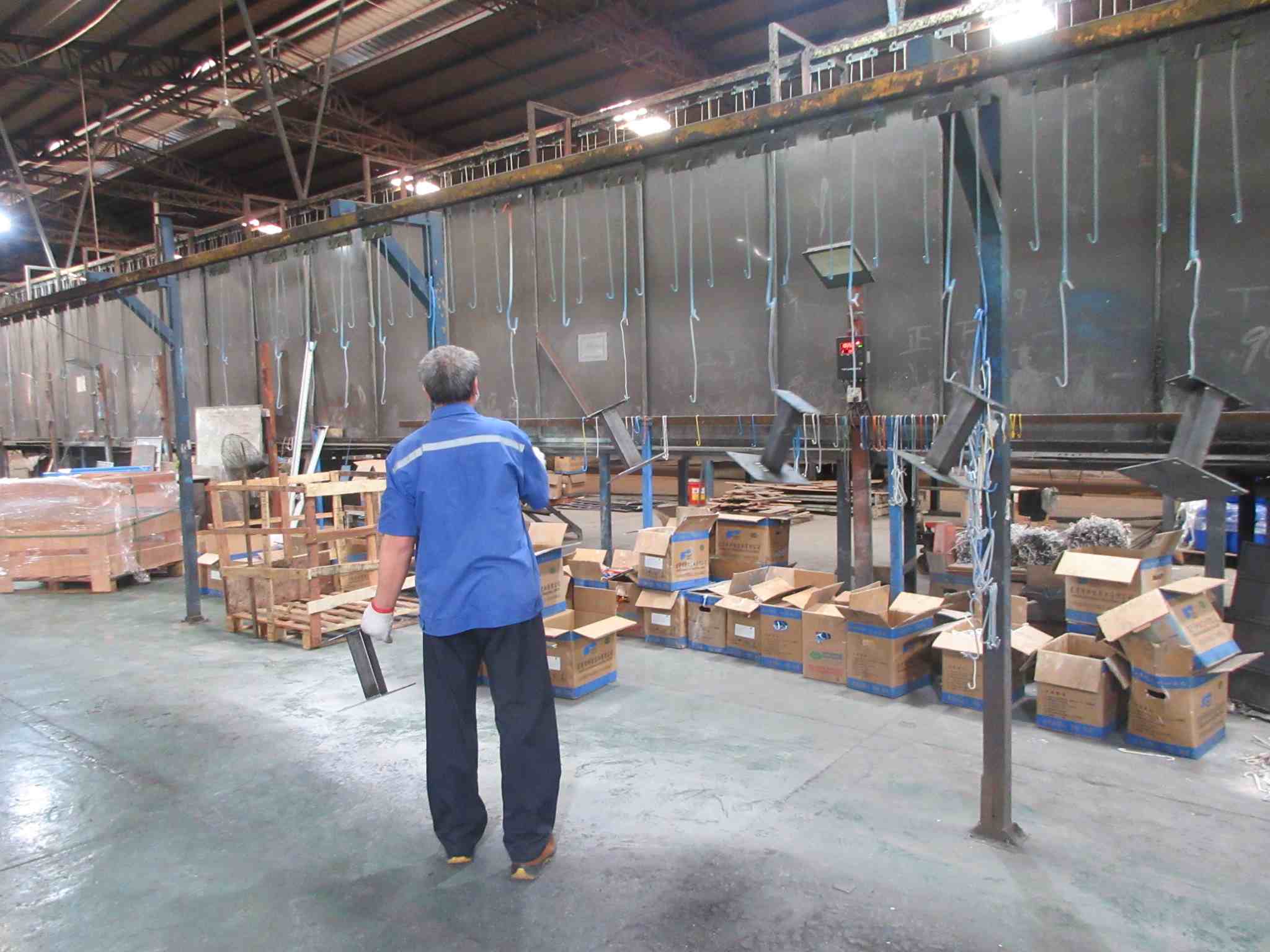
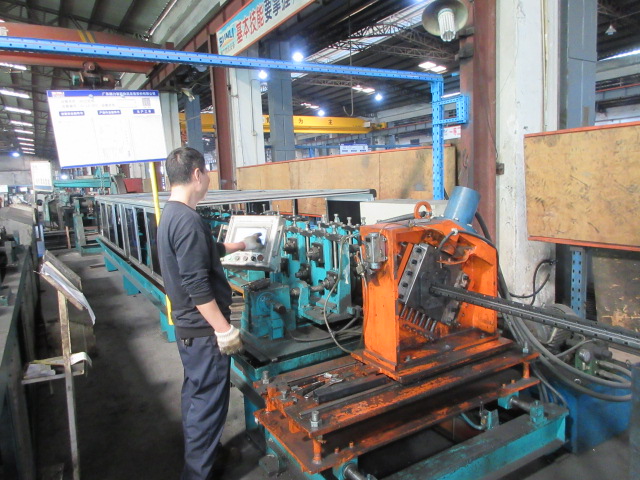
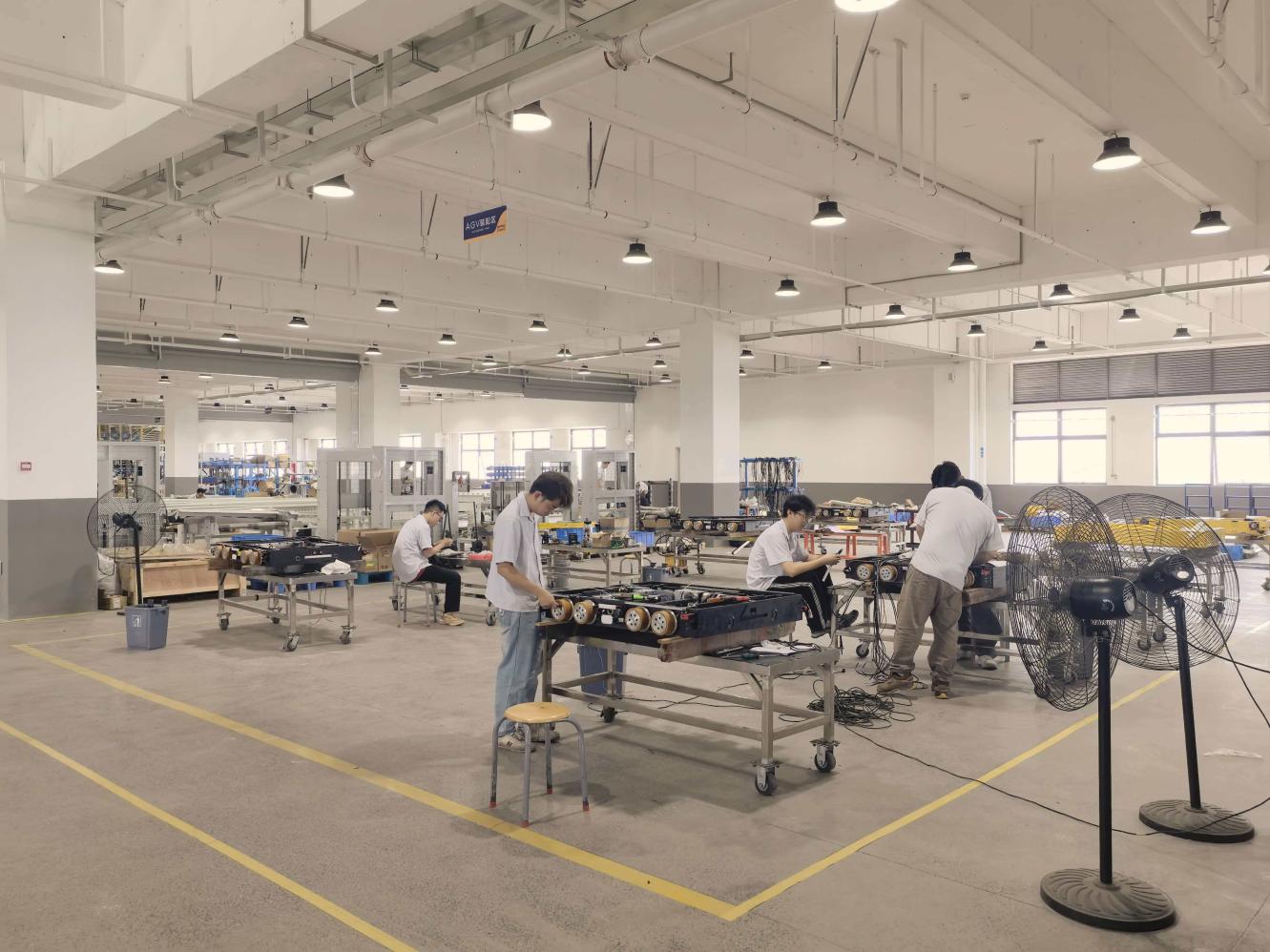
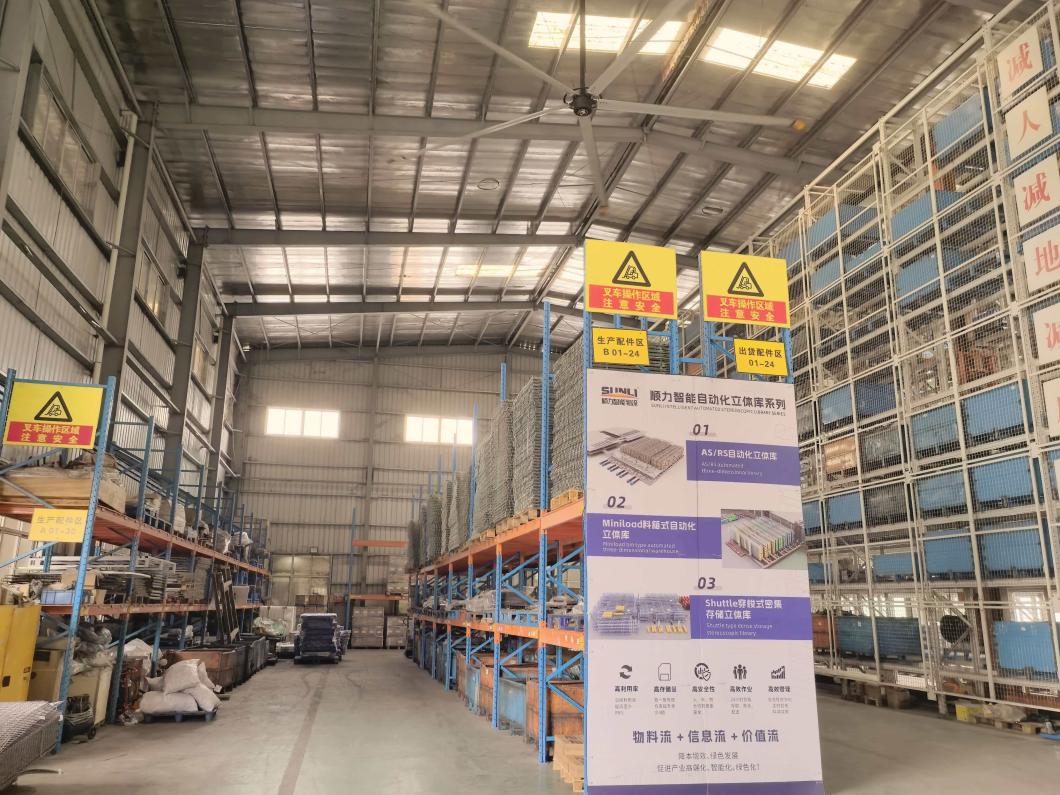
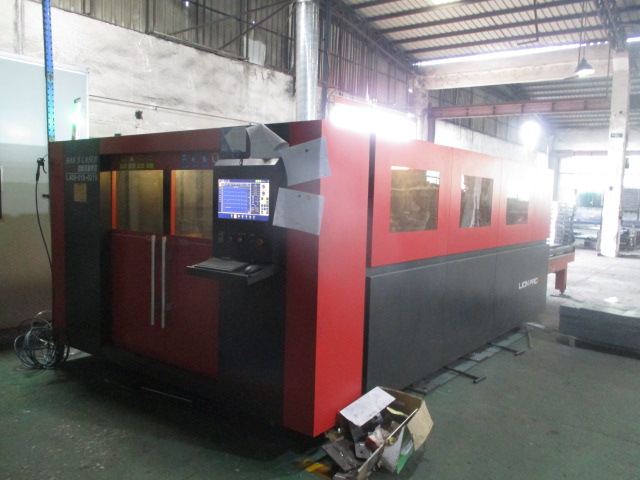
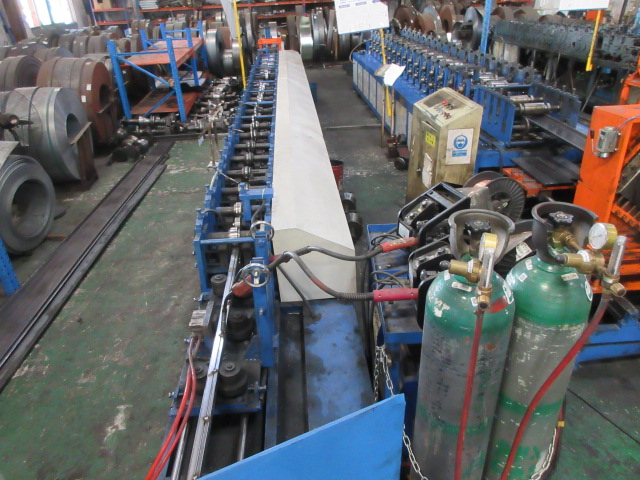
Established in 2015, Shenzhen Sunli Intelligent Logistics Equipment Co., Ltd. is a leading manufacturer specializing in heavy-duty industrial racking and smart warehouse storage solutions. Operating from a modern production facility spanning 38,000 m², we leverage over 12 years of industry experience and 8 years of international trade expertise to serve global logistics and industrial sectors. Our high-performance storage solutions generate an annual export revenue ranging between $18 million and $25 million, with core markets spanning North America, Western Europe, Southeast Asia, and the Middle East.
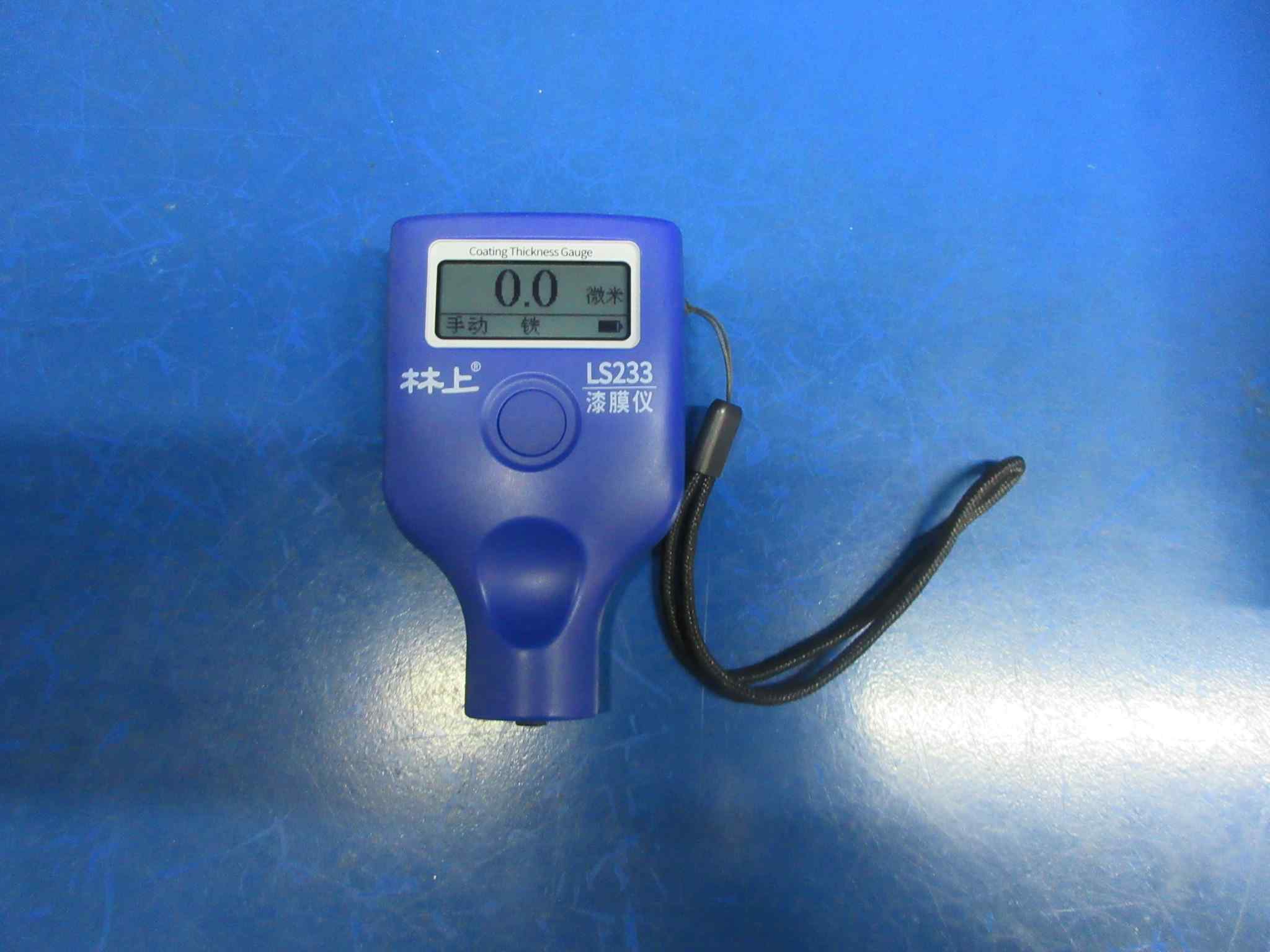
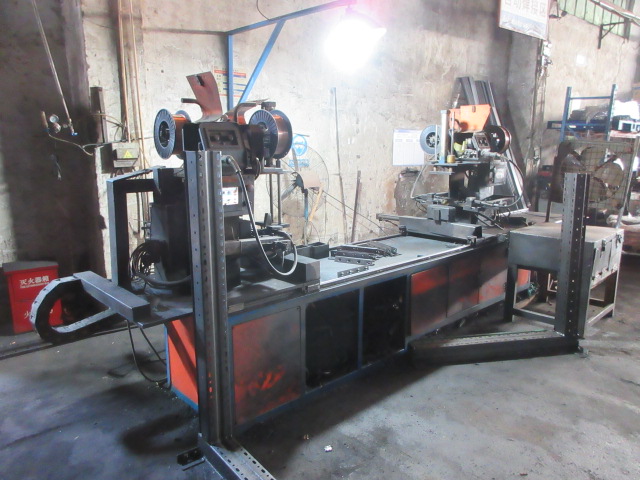
Quality and precision are central to our operations. Our dynamic team of 35 dedicated QC professionals implements rigorous product inspection methods, including full raw material load-bearing analysis, high-precision weld seam testing, and comprehensive anti-corrosion powder-coating thickness checks. Driven by strong R&D capabilities, our team of 28 skilled R&D engineers continuously innovates to meet evolving supply chain requirements, introducing over 120 new products and structural improvements annually.
We offer extensive OEM/ODM custom options, including tailored load capacities, custom rack dimensions, color powder coatings, and fully integrated automated shuttle systems (AS/RS). Backed by a strong network of over 800 supply chain partners, we primarily partner with large-scale 3PL providers, industrial distributors, ecommerce logistics hubs, and global retail enterprises to deliver reliable, efficient, and scalable storage infrastructure worldwide.
Bridging engineering supply loops for critical logistics hubs globally
In cold-storage facilities, space is highly valuable. Our cold-room optimized shuttle units operate reliably in temperatures down to -25°C (-13°F) without lithium battery degradation, utilizing condensation-proof electronic enclosures.
For fast-moving consumer goods (FMCG), our system operates under both FIFO and LIFO principles, offering multi-dimensional selectivity profiles, auto-charging stations, and seamless interface options for major WMS architectures.
Every shuttle rack system is structurally engineered to meet RMI (Rack Manufacturers Institute) standards. Units include laser distance sensors, mechanical buffers, obstacle detection mechanisms, and emergency braking systems.
Providing reliable performance in distribution and high-density environments.
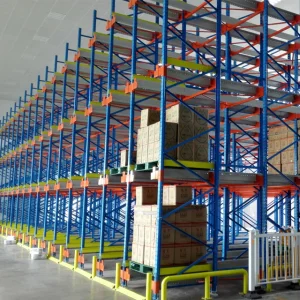
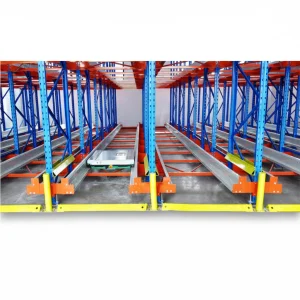
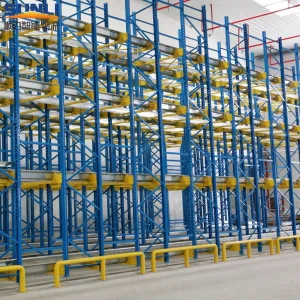
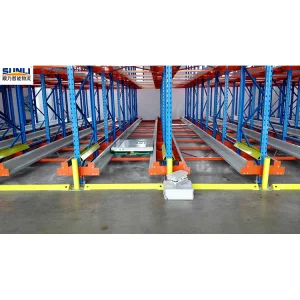
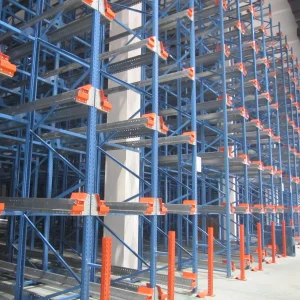
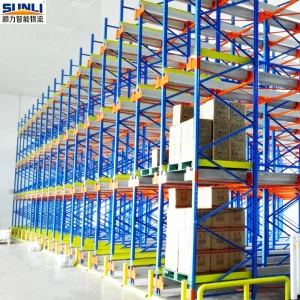
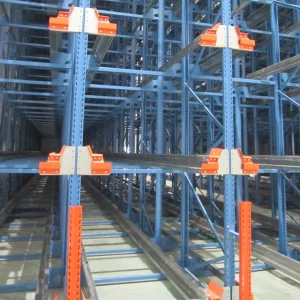
From Two-Way Shuttles to Autonomous Integrated WCS Environments
Racking arrays in the Philadelphia market must strictly adhere to the ANSI MH16.1 standard. Given the geologic profile of the eastern United States, custom calculations are run to satisfy local building codes (IBC 2021/2024). This includes determining local seismic design categories (typically A or B for Eastern PA, but extending to C in specific filled land zones along the Delaware River).
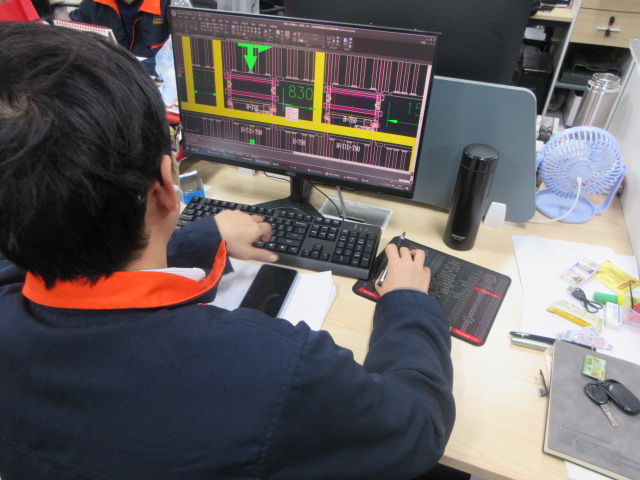
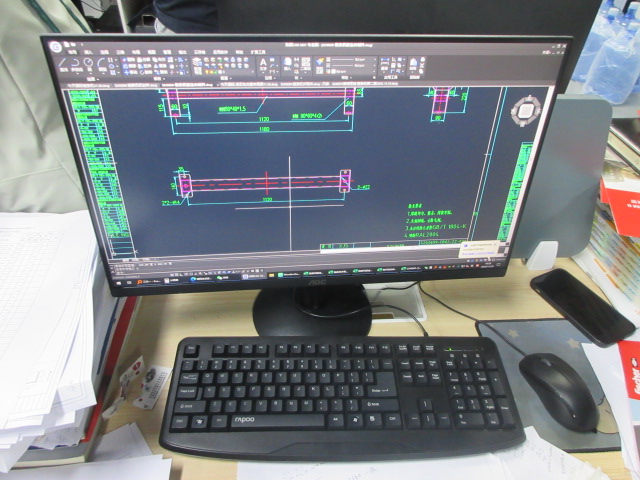
Our structural design team uses computerized Finite Element Analysis (FEA) to confirm safety factors. Each rack upright profile is rolled from high-tensile structural steel (minimum yield strength 345 MPa / Q355B equivalent). Column baseplates and anchors are dimensioned to securely distribute operational loads and dynamic force spikes caused by high-speed shuttle movements.
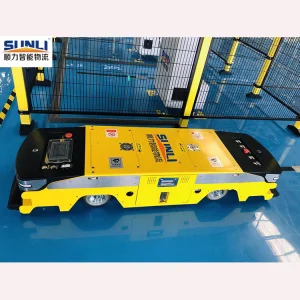
Modern logistics operations are moving toward fully automated AS/RS solutions. While traditional two-way shuttles move along lanes on the X-axis, next-generation 4-way systems travel in both longitudinal and transverse directions. This eliminates the need for dedicated forklifts or conveyors on each level, reducing energy consumption and single-point failure risks.
Operating protocols are managed via integrated control interfaces:
| Operational Metric | Traditional Selective Racking | Drive-In Racking System | Radio Shuttle Pallet System (2-Way) | Advanced 4-Way AS/RS Shuttle System |
|---|---|---|---|---|
| Density Rating | Low (Aisle ratio: ~60%) | High (Aisle ratio: ~20%) | Very High (Aisle ratio: ~15%) | Maximum (Aisle ratio: <10%) |
| Selectivity | 100% (Any pallet accessible) | LIFO only (Very restricted) | Skids per lane (LIFO/FIFO options) | Automated FIFO sorting capabilities |
| Operating Safety | Moderate (Forklifts enter bays) | Low (High risk of upright collisions) | High (Operator remains in main aisle) | Excellent (Fully autonomous system) |
| Pallet Cycle Speeds | Normal (Forklift limited) | Slow (Forklift speed limited) | Fast (1.2m/s vehicle speed) | Continuous (Dynamic multi-level dispatch) |
Providing versatility for diverse storage applications.
Rigorous inspection processes ensuring compliance with structural standards.
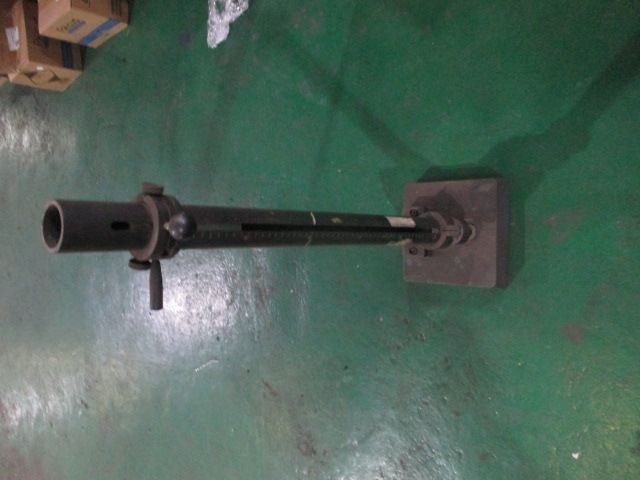
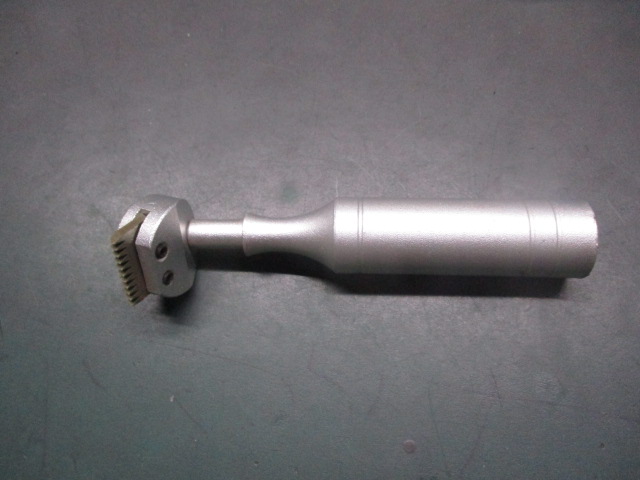
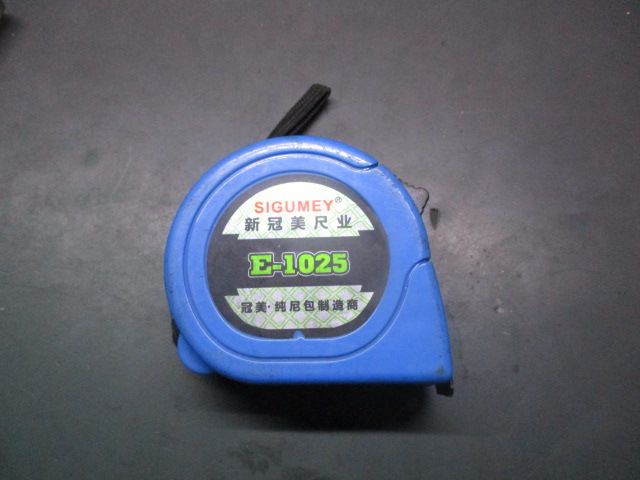
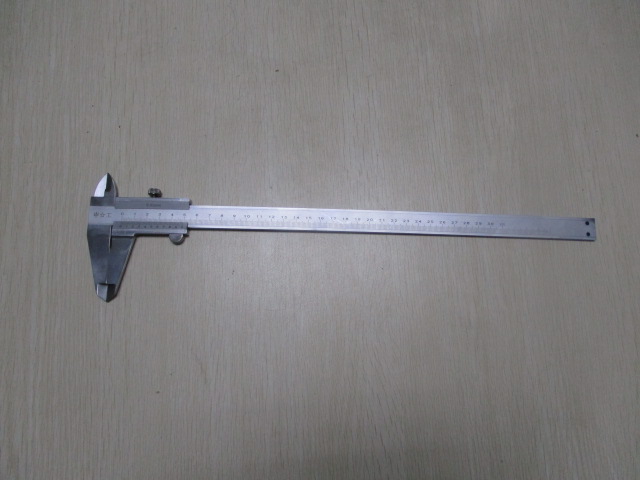
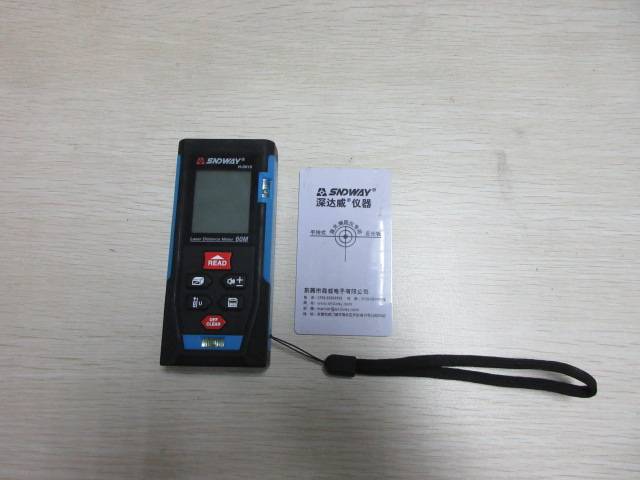
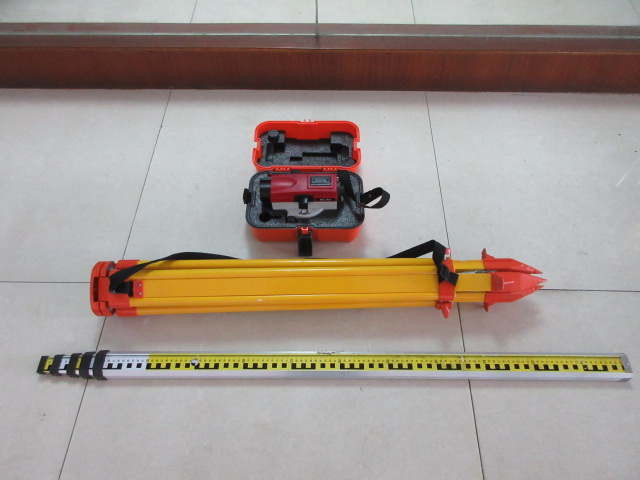
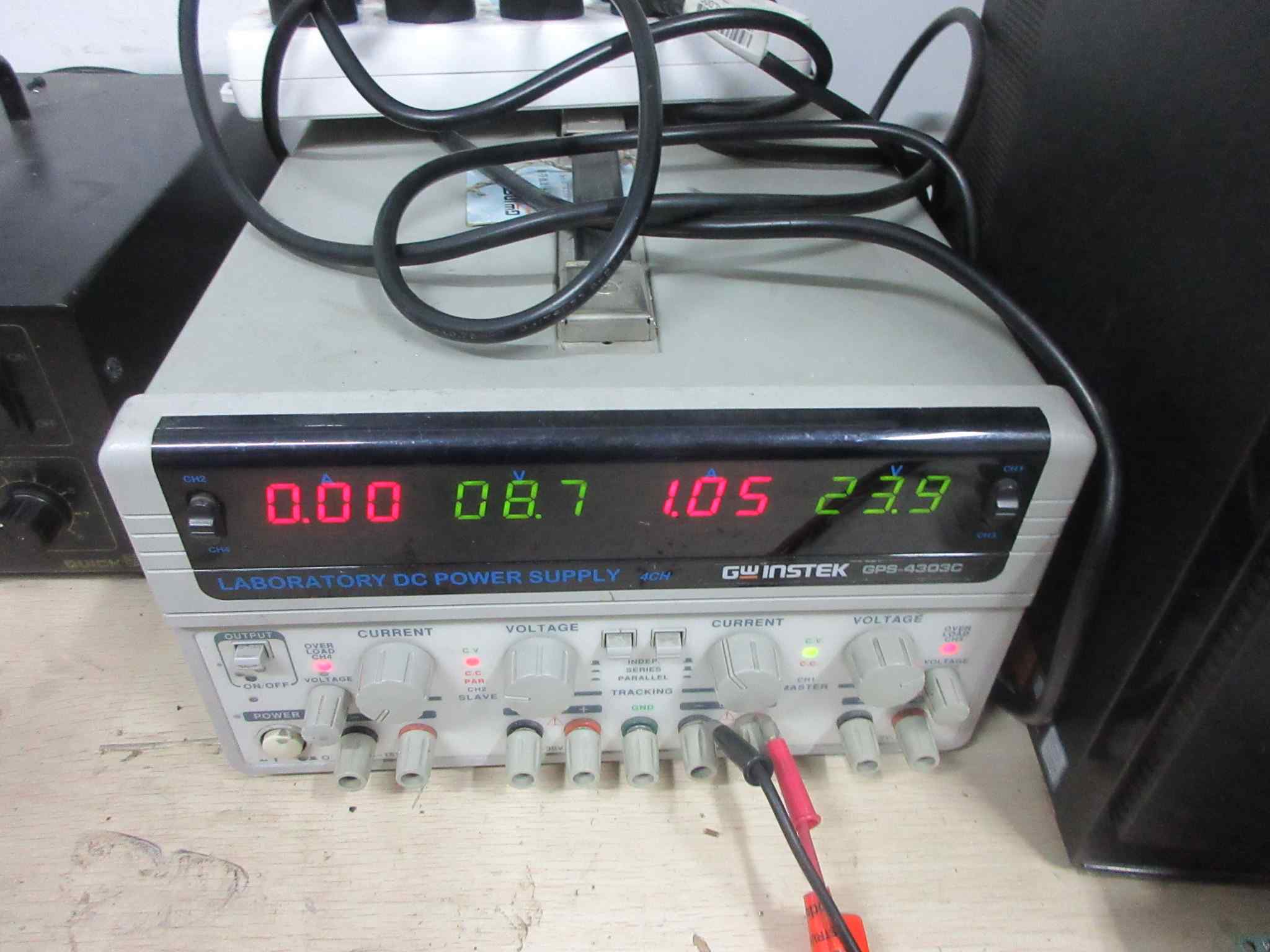
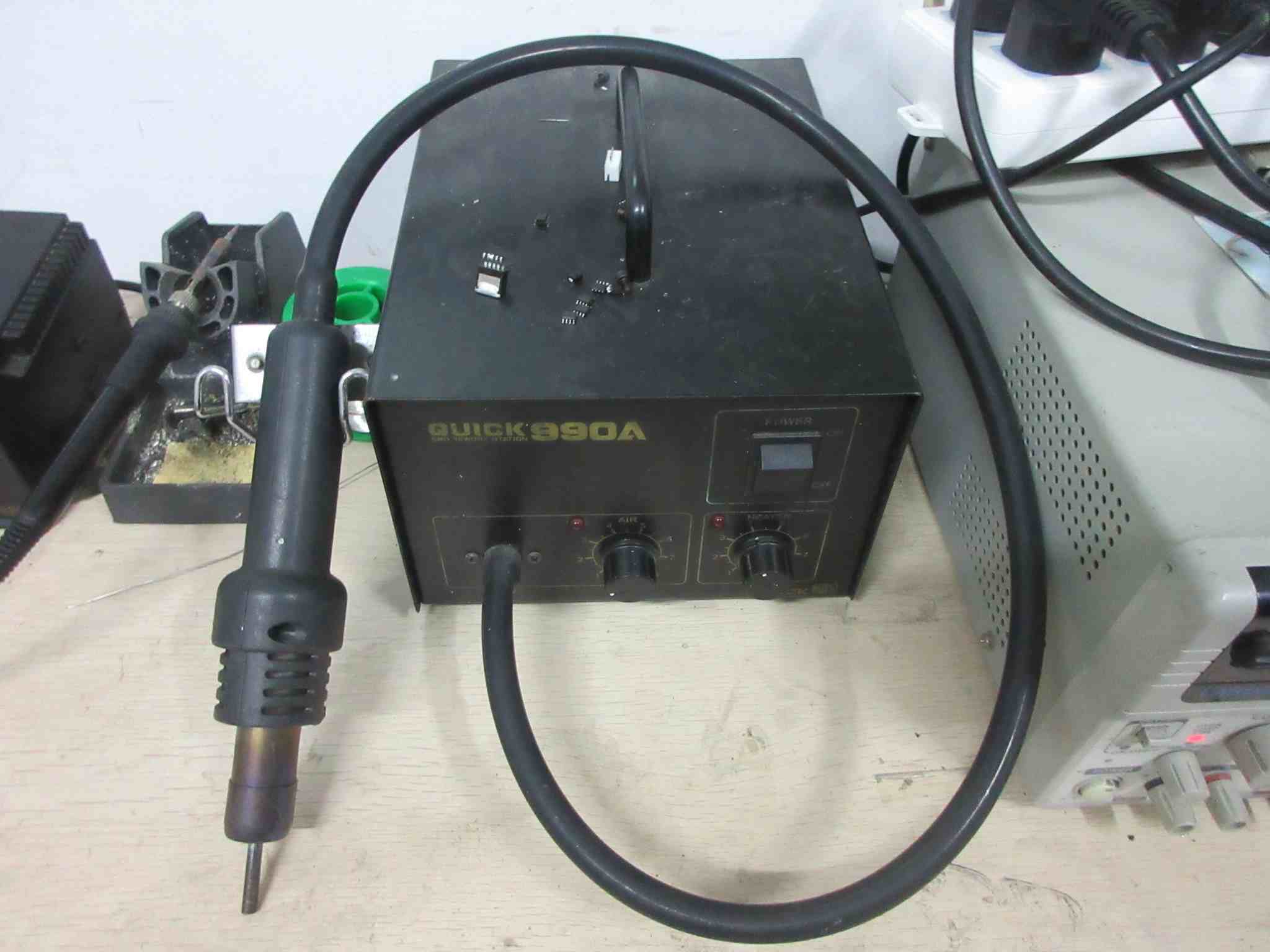
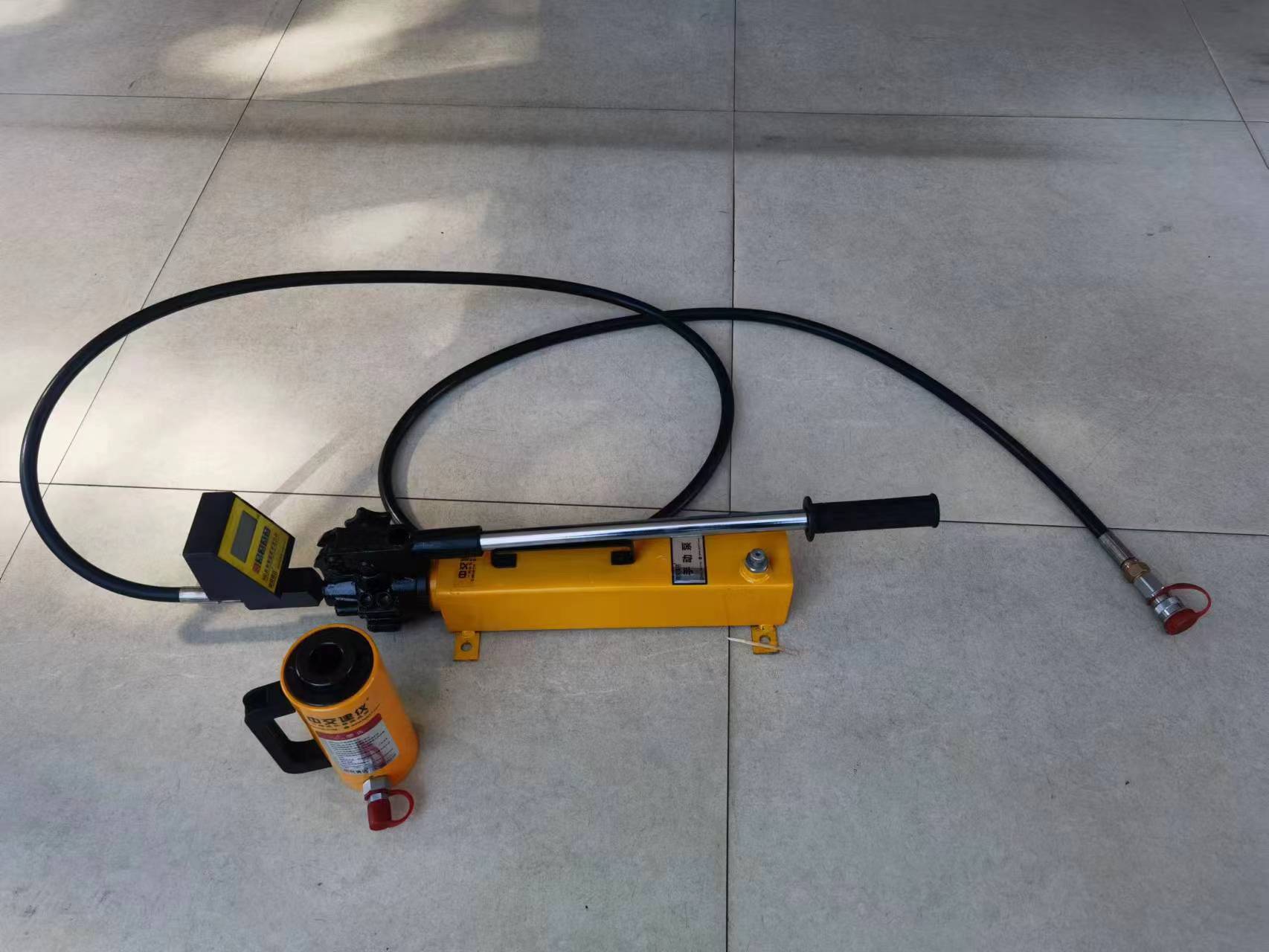
Reliable material performance is critical for industrial rack systems under heavy loads. Shenzhen Sunli Intelligent Logistics Equipment Co., Ltd. maintains a dedicated inspection laboratory equipped with precision tools to verify key parameters, including material strength, weld penetration, coating thickness, and geometric tolerances.

Frequently asked questions by logistics directors and structural engineers.
Contact our engineering team for custom layout designs, load-bearing calculations, and price quotes tailored to your business needs.
Send Inquiry Now SunliRack