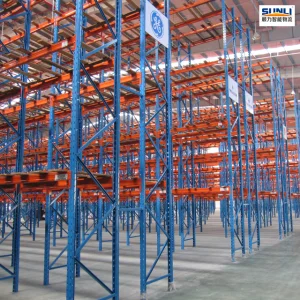
Engineered to handle high-payload storage demands within Seattle, Tacoma, and the Kent Valley logistics hubs.
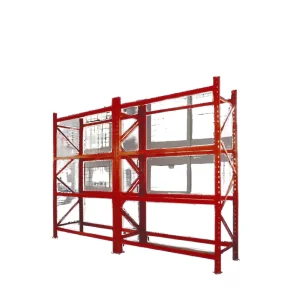
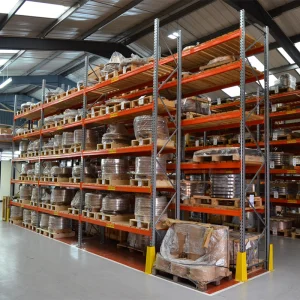
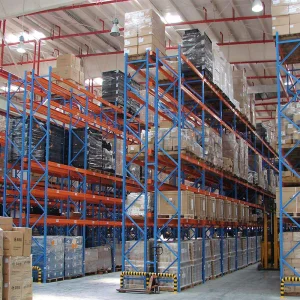
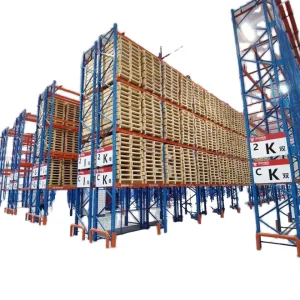
The Seattle-Tacoma-Bellevue metropolitan area is the primary maritime gateway for the Pacific Northwest (PNW). Anchored by the Northwest Seaport Alliance (NWSA), this region handles millions of TEUs annually, routing global trade to the US Midwest and East Coast. With massive distribution hubs located across the Kent Valley, Sumner, and Puyallup, the demand for industrial racking is characterized by rapid volume changes and a critical requirement: structural resilience in high-risk seismic zones.
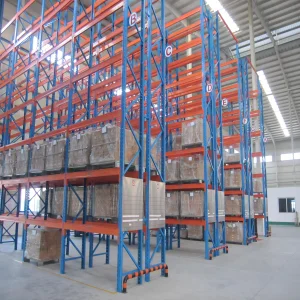
Operating a warehouse in Washington State requires strict compliance with the International Building Code (IBC) and ASCE 7 standards for seismic design categories D through F. Systems must withstand potential structural movement caused by the Cascadia Subduction Zone. Roll-formed and structural selective pallet racks deployed here require advanced structural calculation models, thickened baseplates, robust floor anchors, and high-performance Q235B/Q355 steel alloys to prevent dynamic collapses during seismic activity.
For industrial distribution hubs, 3PL agencies, and aerospace components suppliers in King and Pierce counties, structural pallet rack procurement presents a classic trade-off between local manufacturing lead times and direct import cost benefits. Sourcing heavy-duty selective pallet racks from Chinese tier-1 manufacturers offers significant competitive advantages:
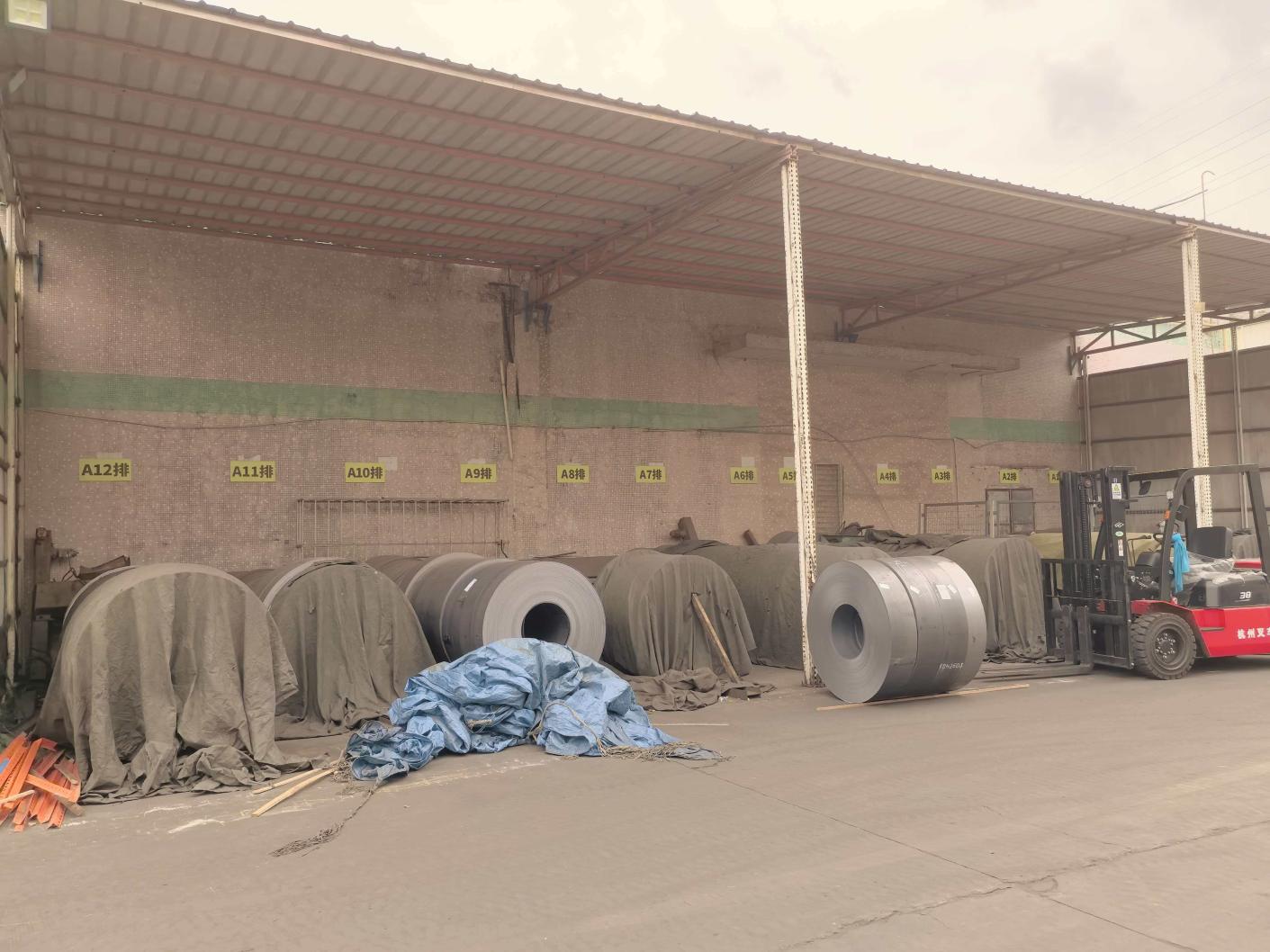
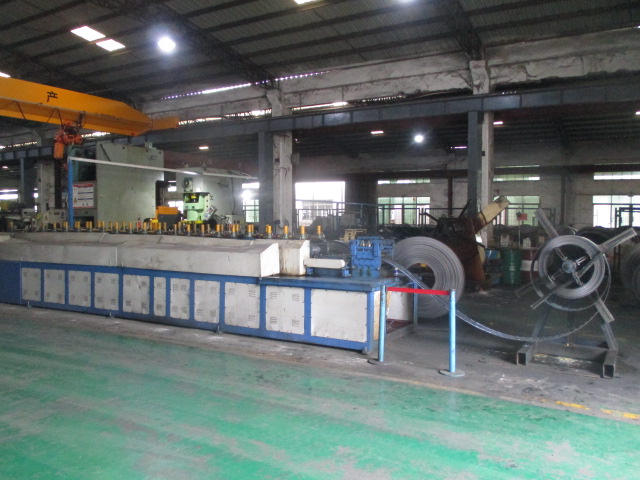
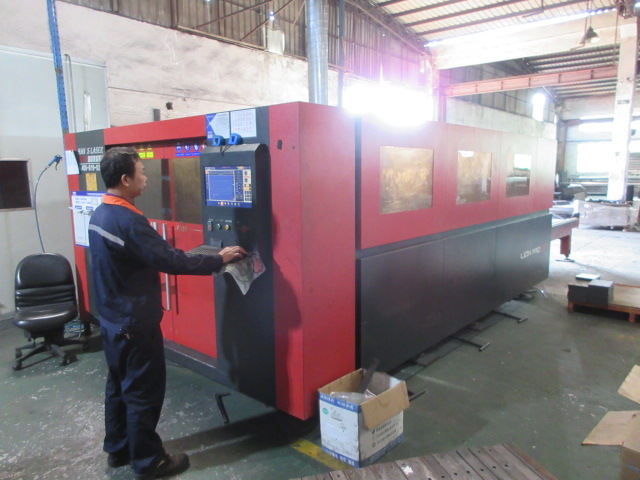
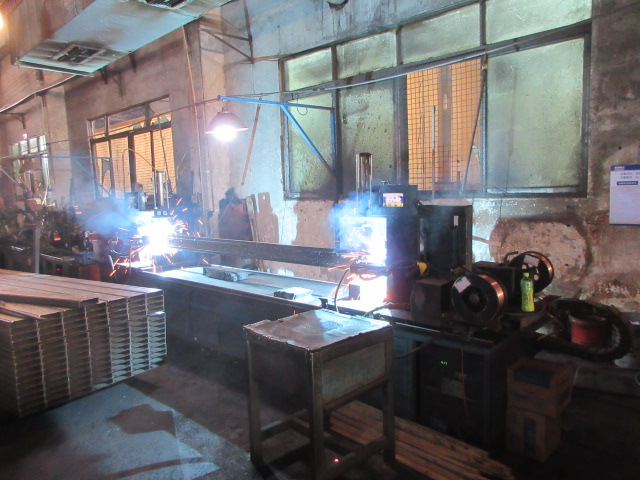
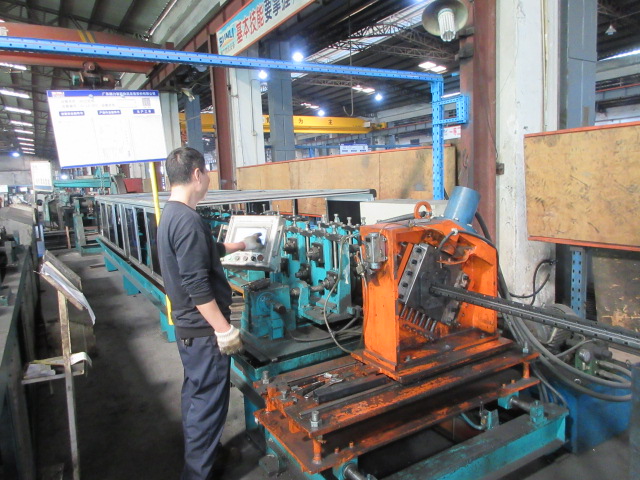
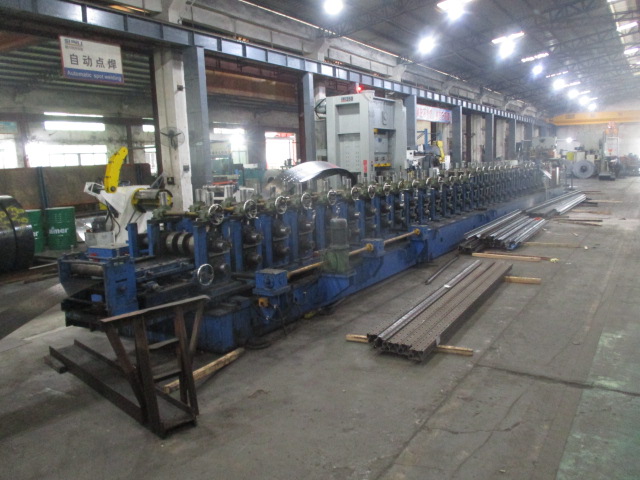
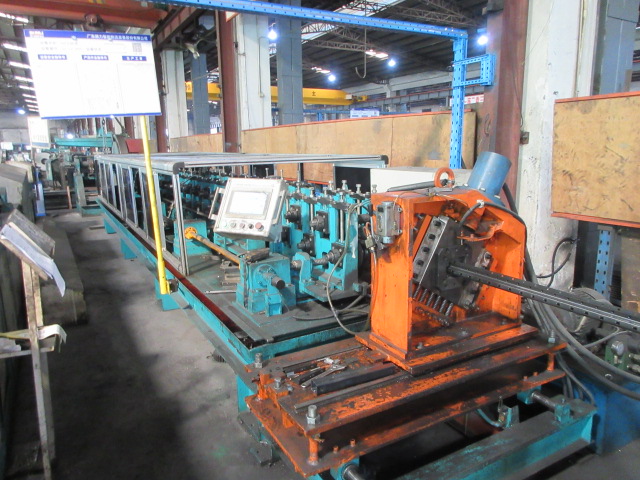
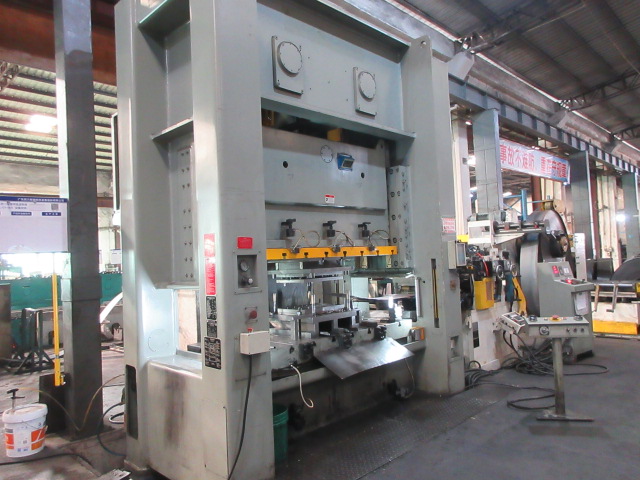
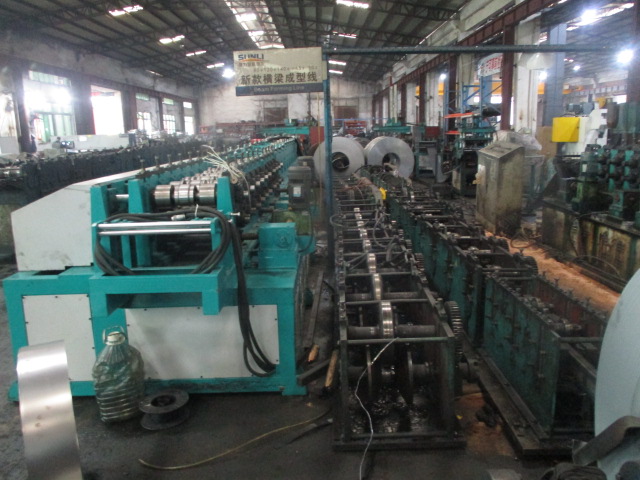
Raw Material Integrity & Production Scale: Top-tier Chinese manufacturers operate large-scale, automated steel rolling lines with integrated quality assurance. Using premium structural steels like Q235B and Q355 ensures high load capacity, ductility, and consistent weld profiles across thousands of bays. Automated welding and shot-blasting lines minimize fabrication defects, resulting in racking systems that meet or exceed American ANSI/RMI MH16.1 standards.
Customization & Cost Savings: Even when factoring in maritime freight across the Pacific, direct import procurement from Chinese manufacturers can reduce initial capital expenditure (CAPEX) by 30% to 50% compared to domestic structural steel racking. This allows Seattle operators to allocate more budget toward warehouse automation systems (AS/RS, AGVs, and WMS software).
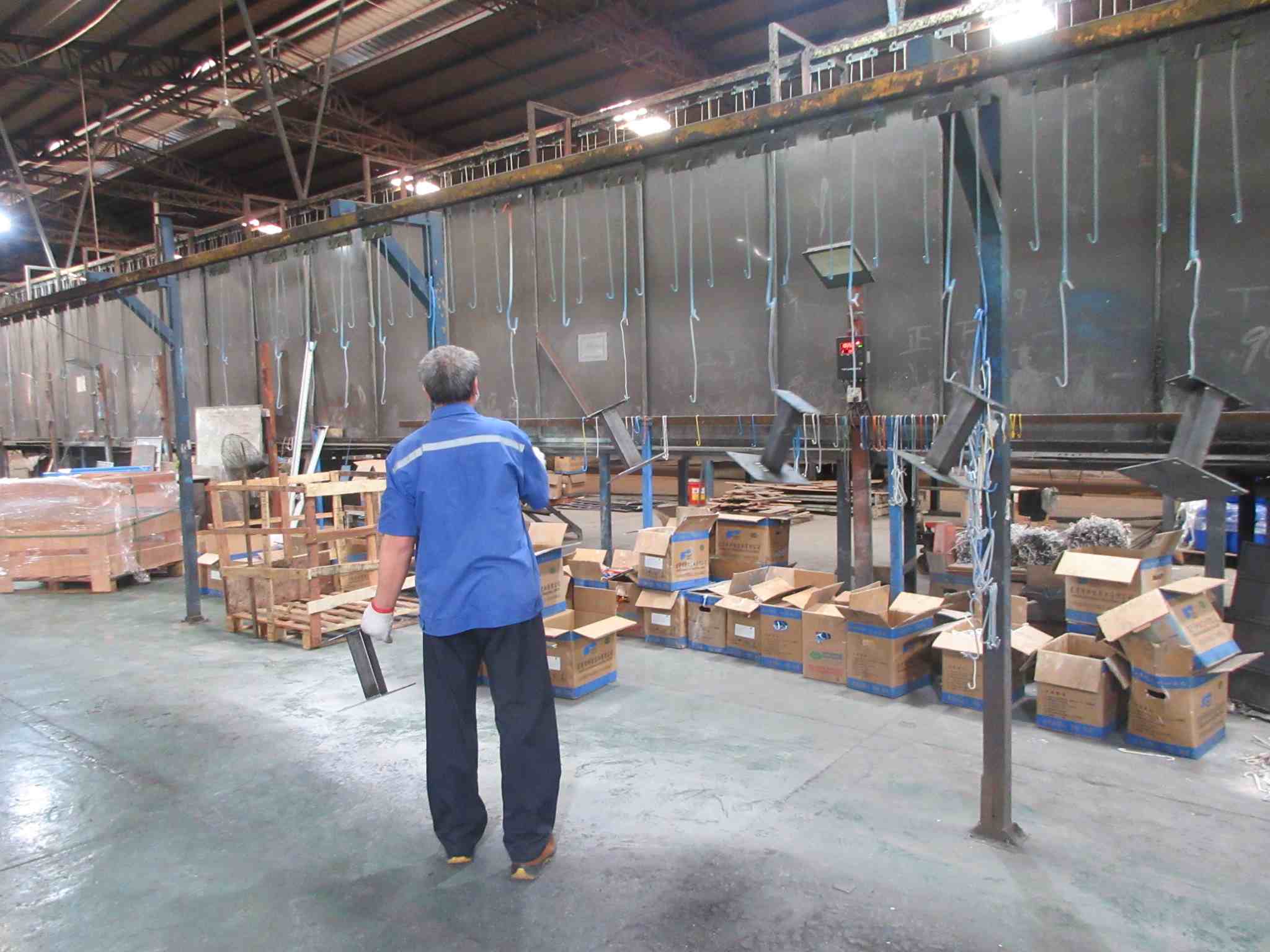
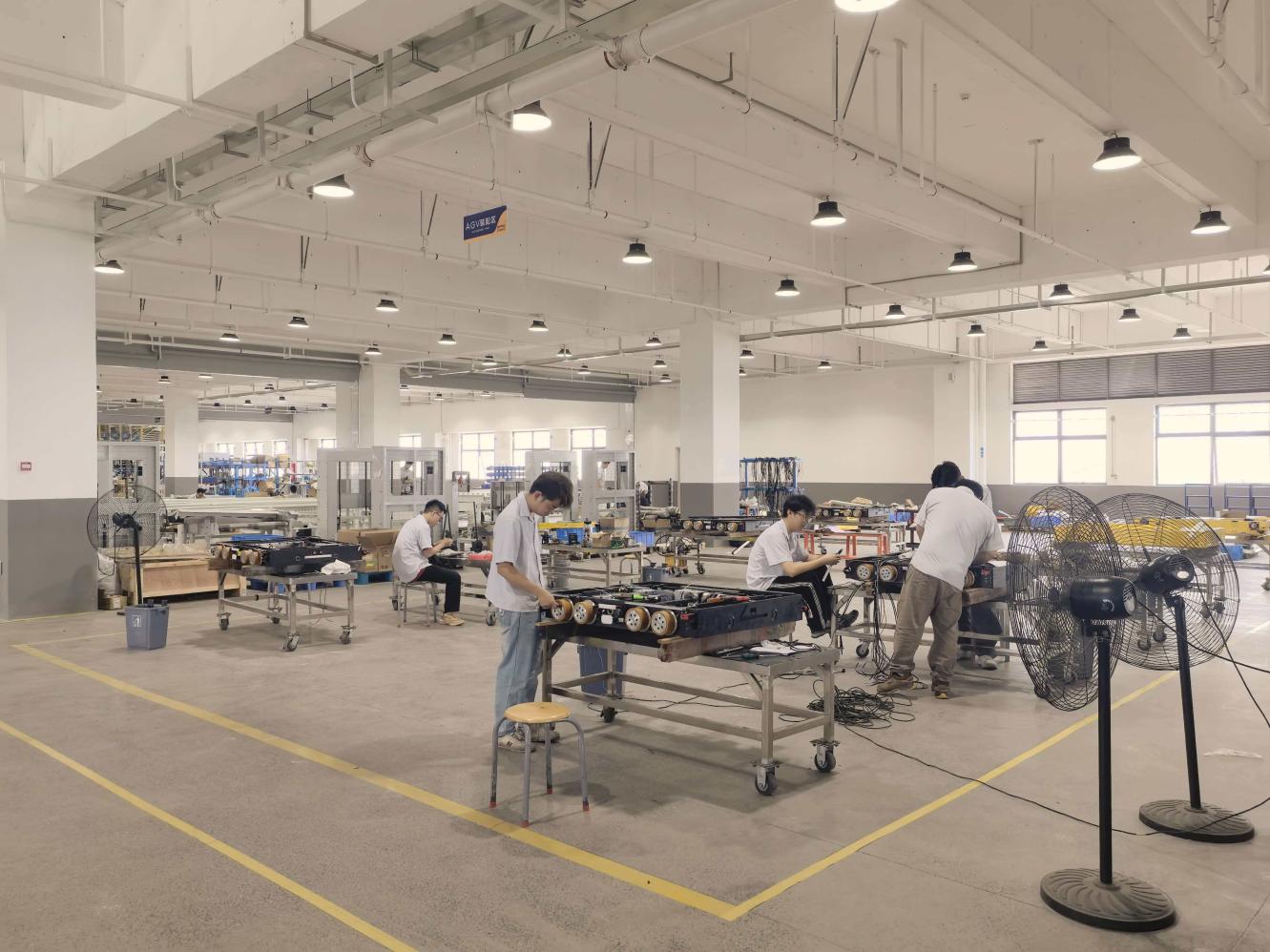
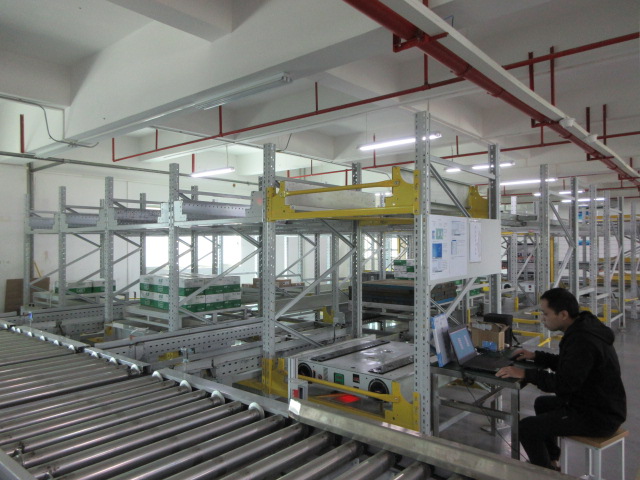
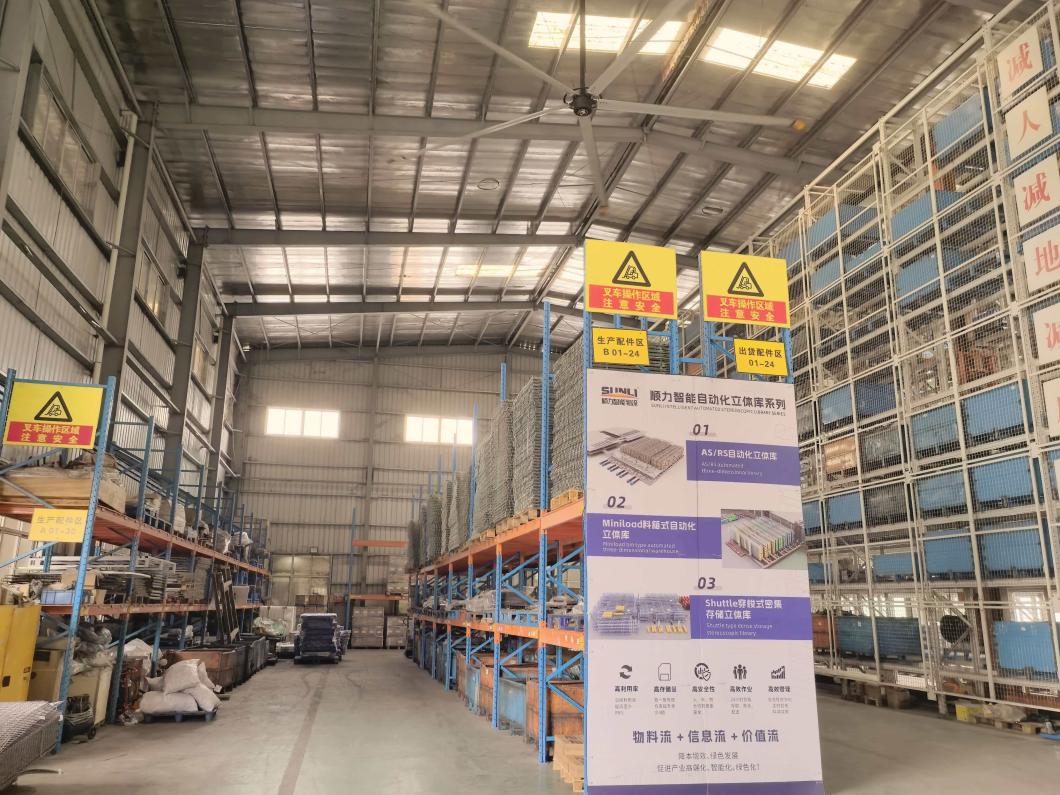
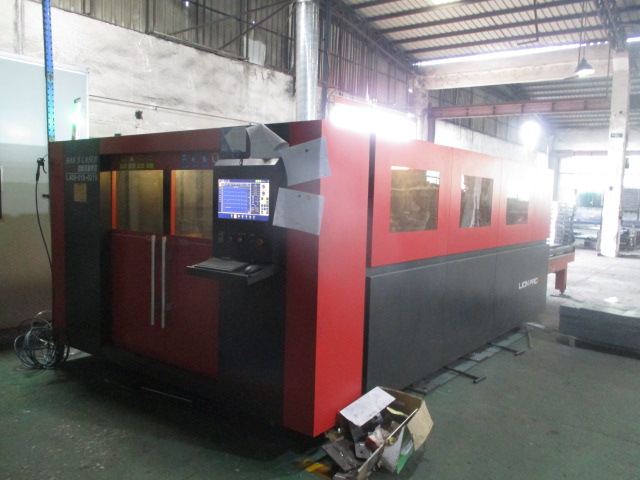
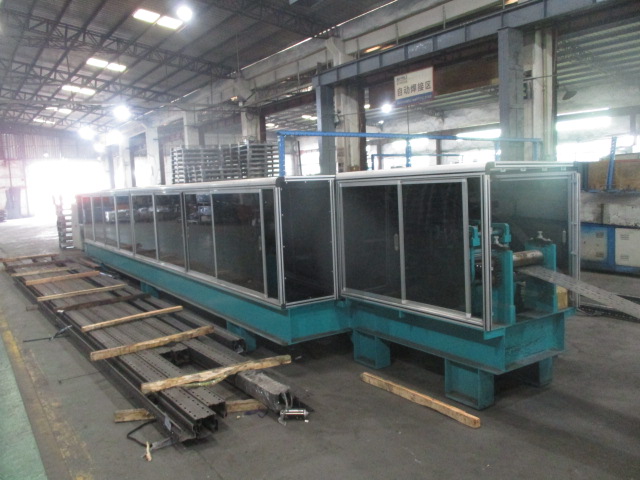
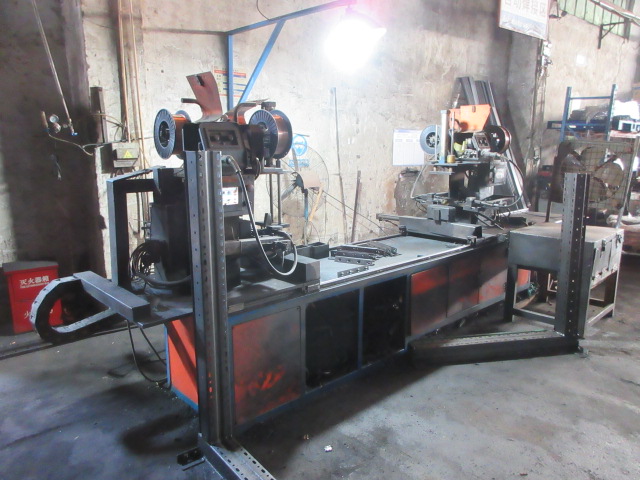
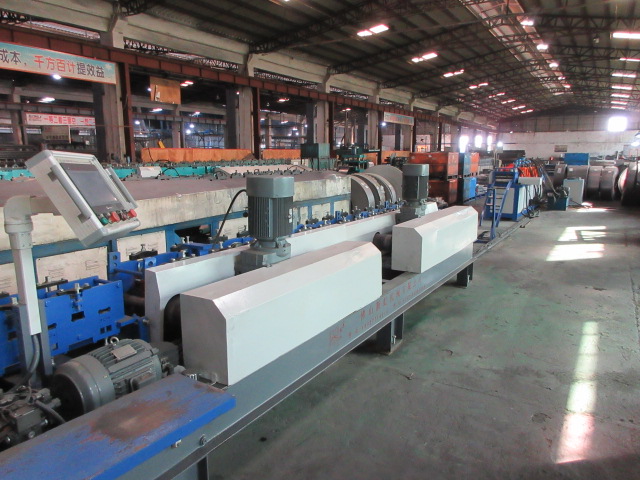
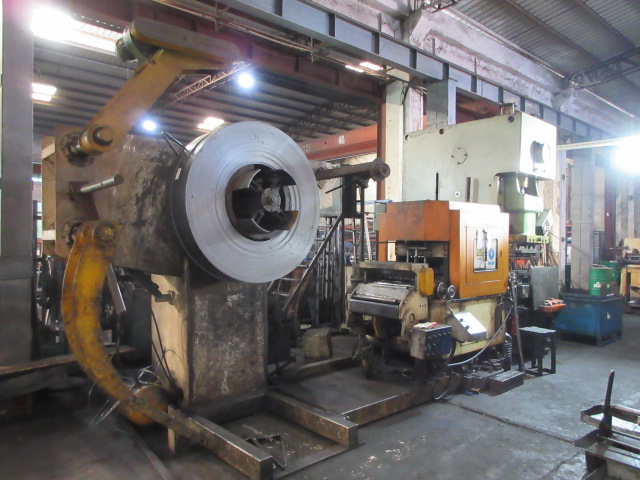
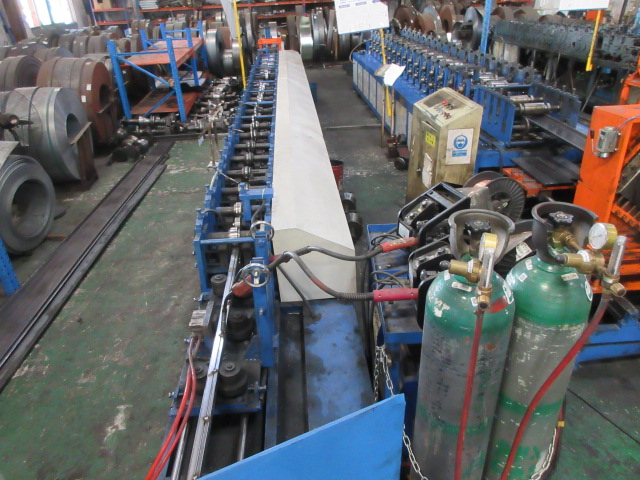
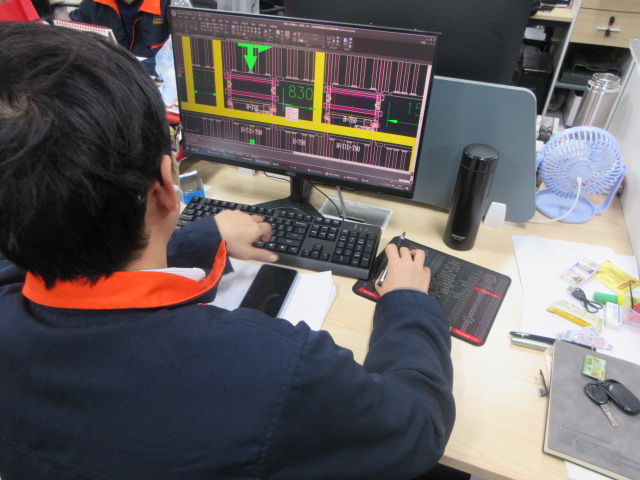
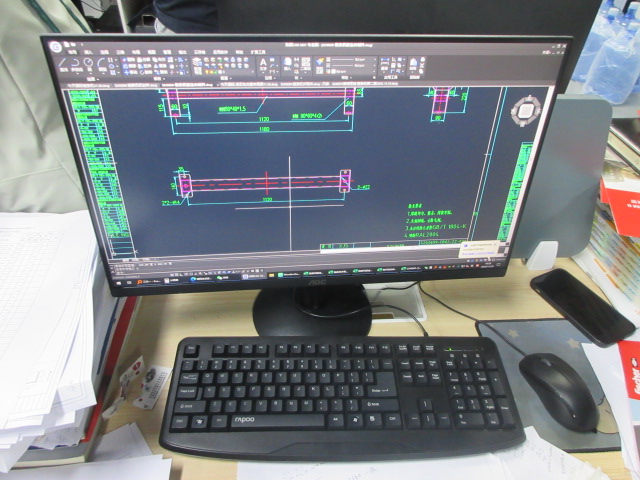
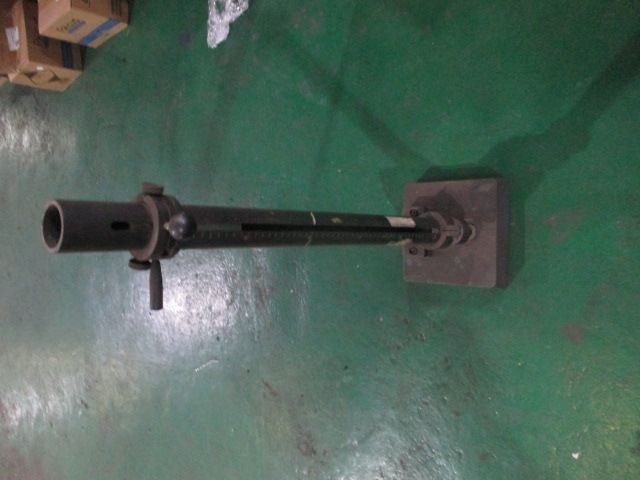
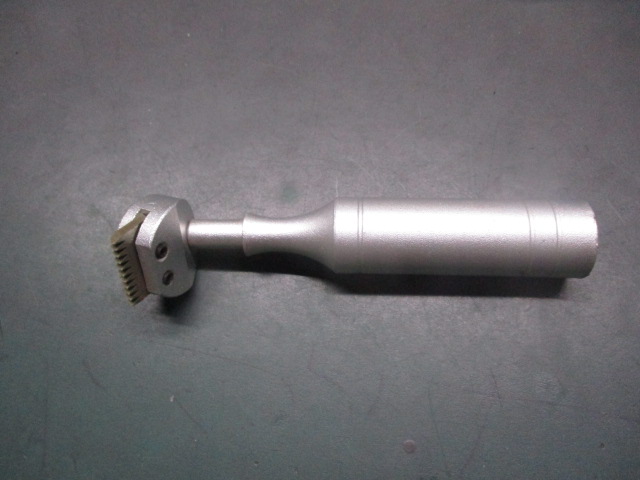
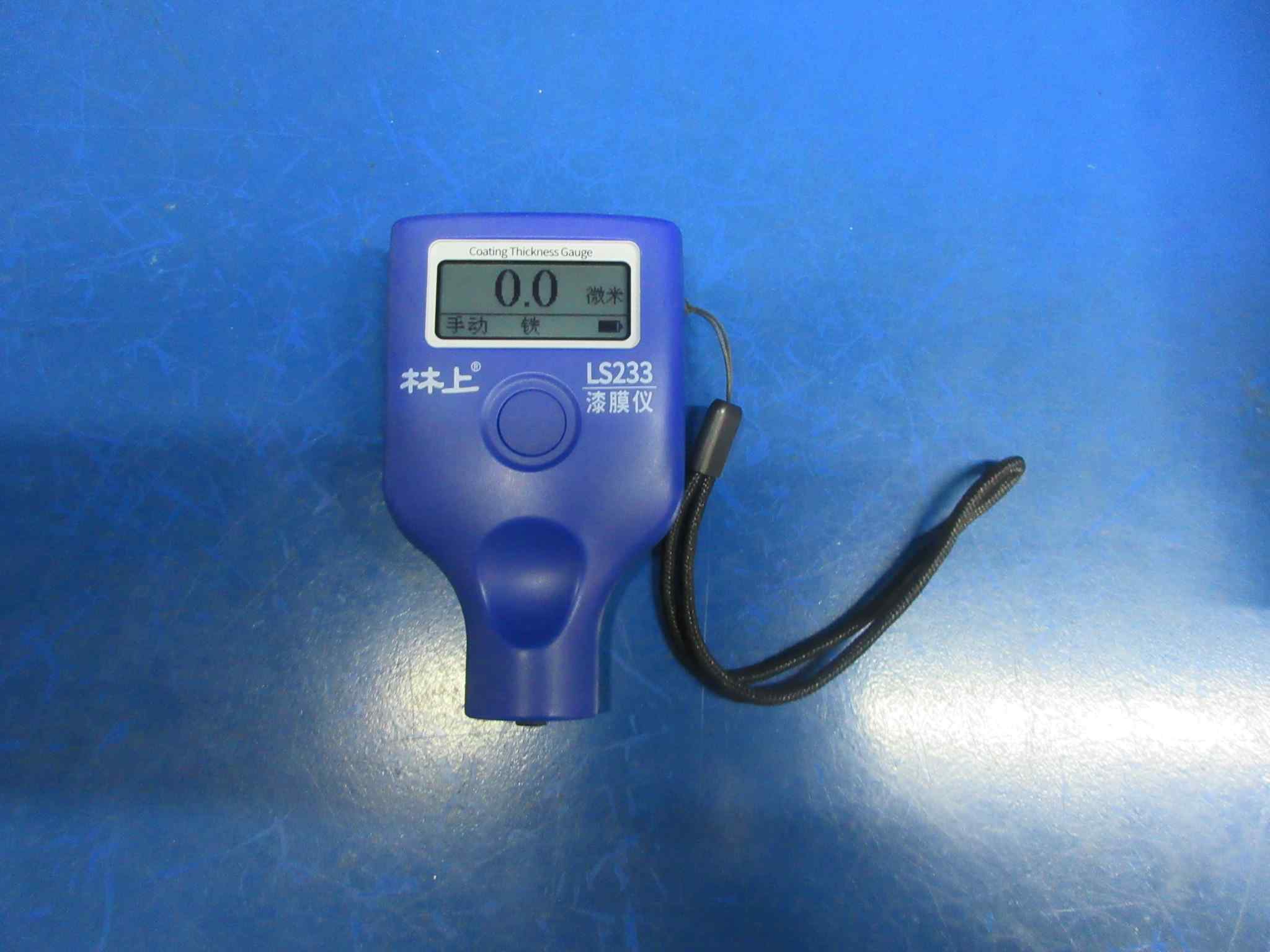
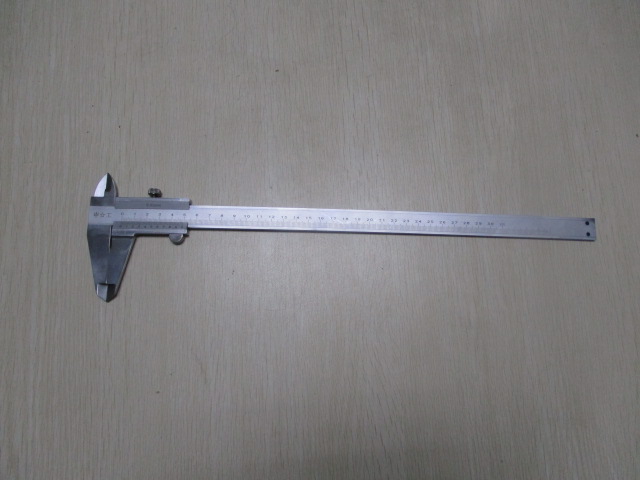
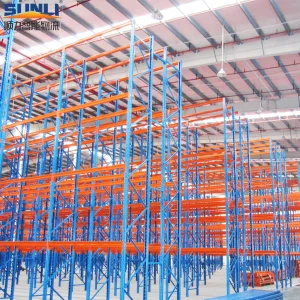
Take a closer look at Sunli's fully integrated production chain. Every step, from raw steel rolling to anti-corrosion powder coating, is monitored by our QA engineers to ensure durability under industrial loads.
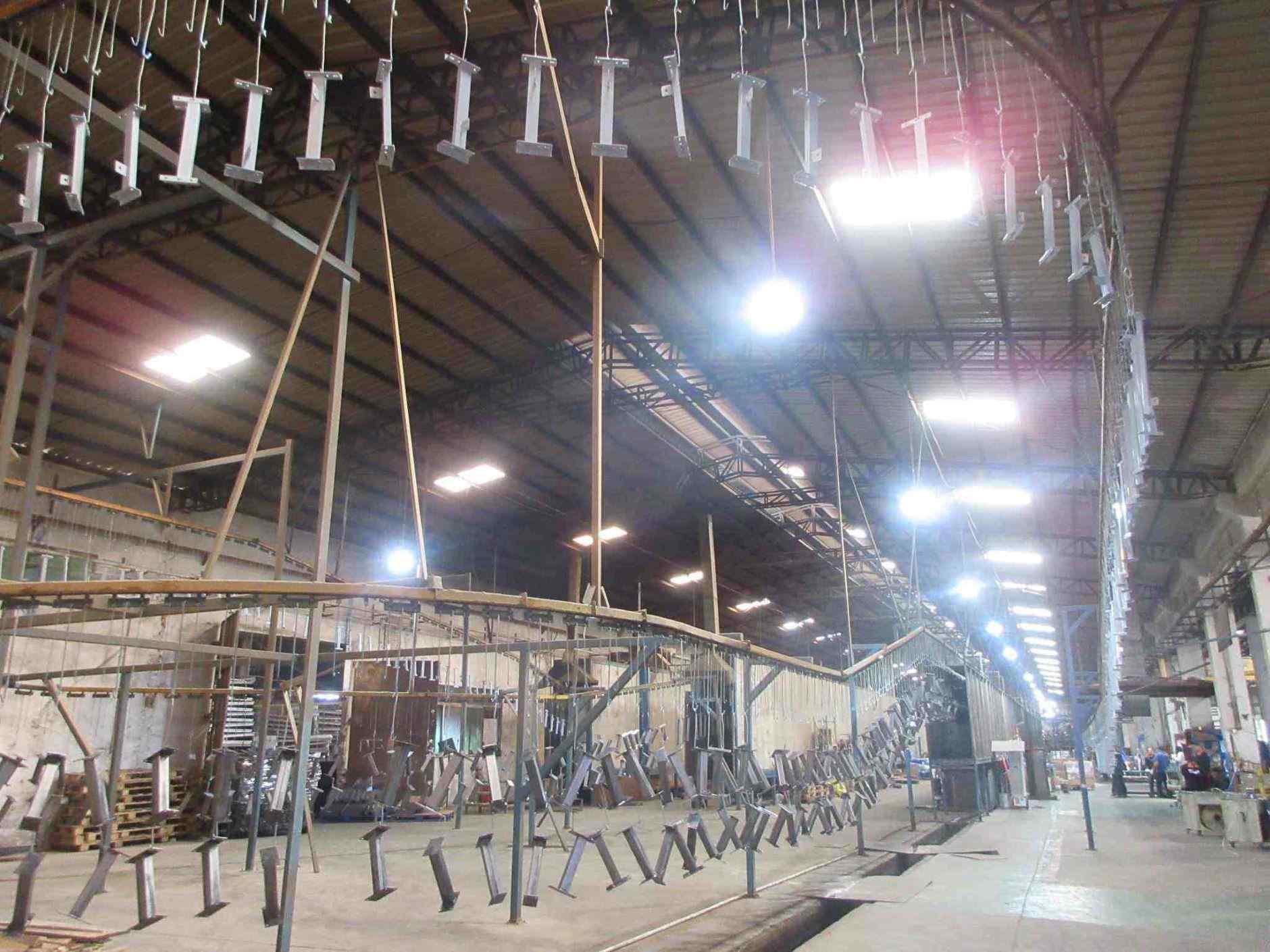
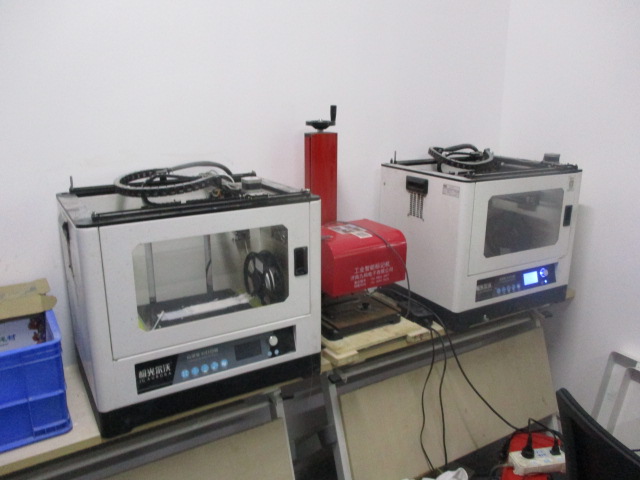
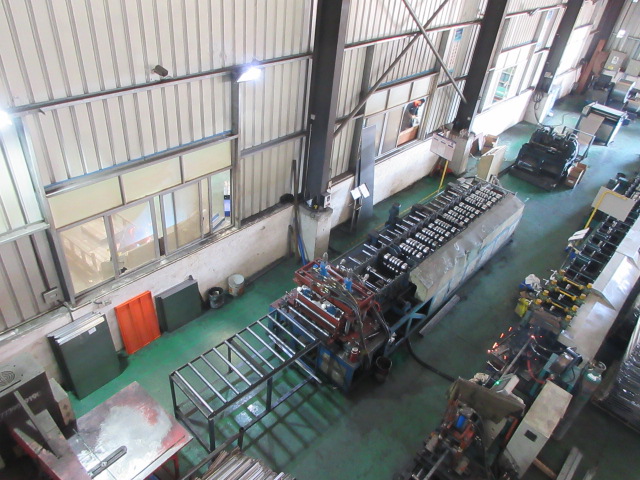
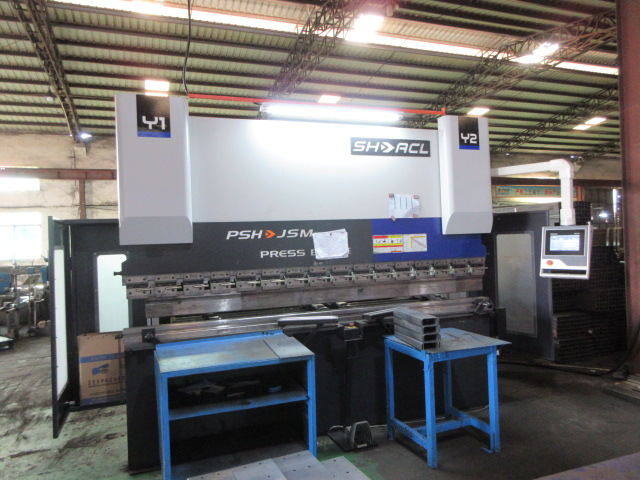
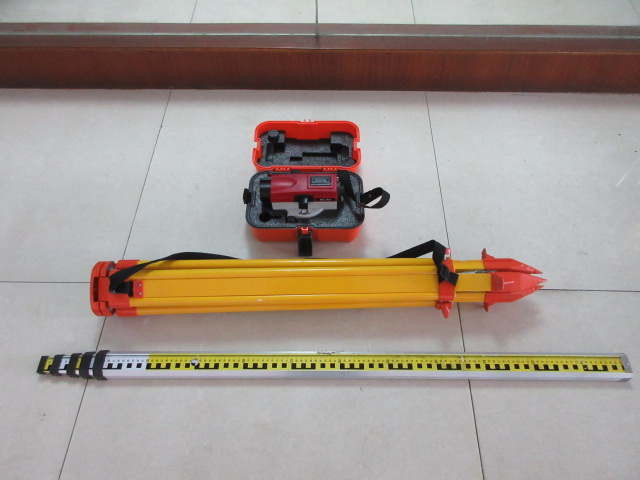
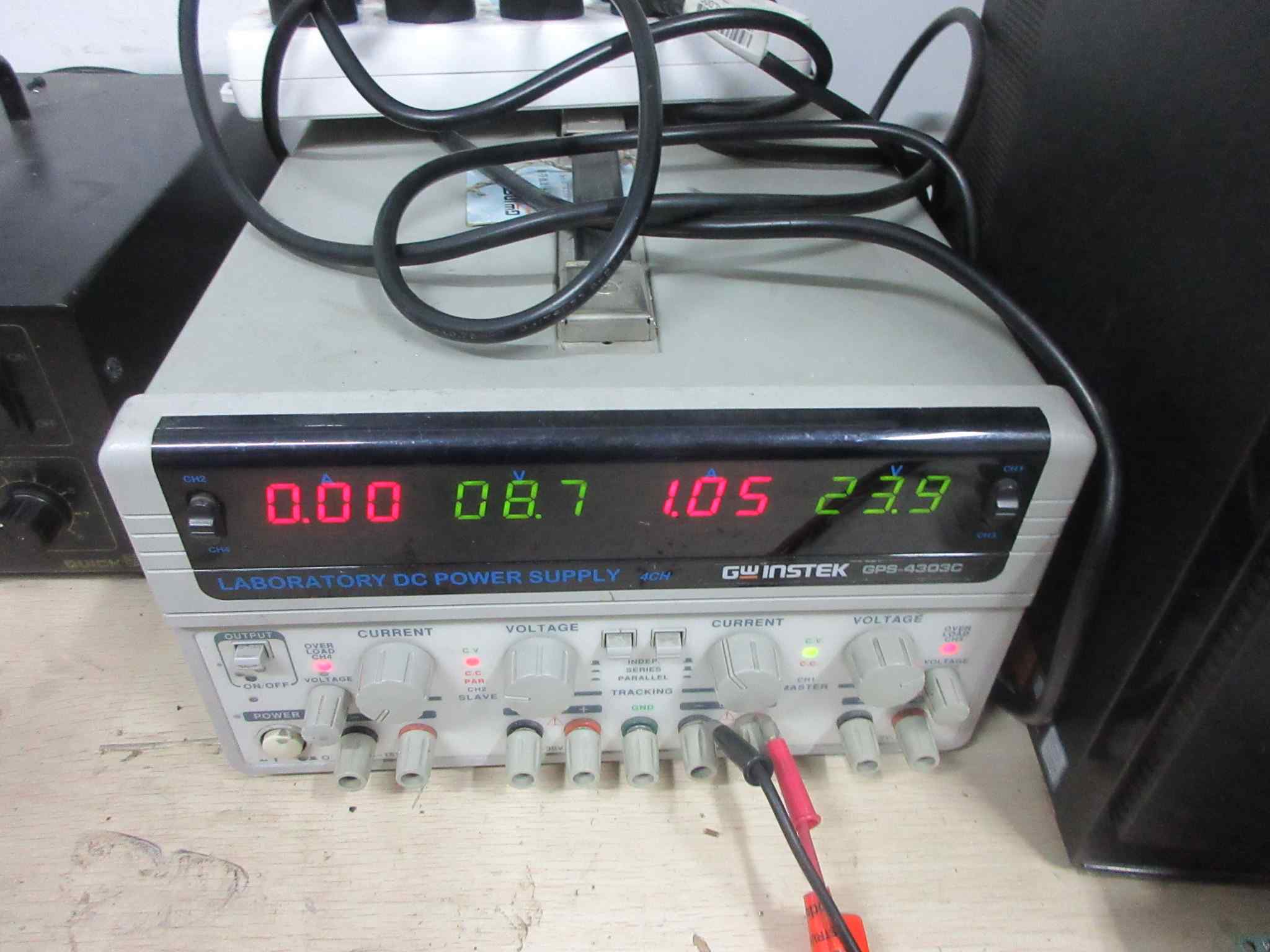
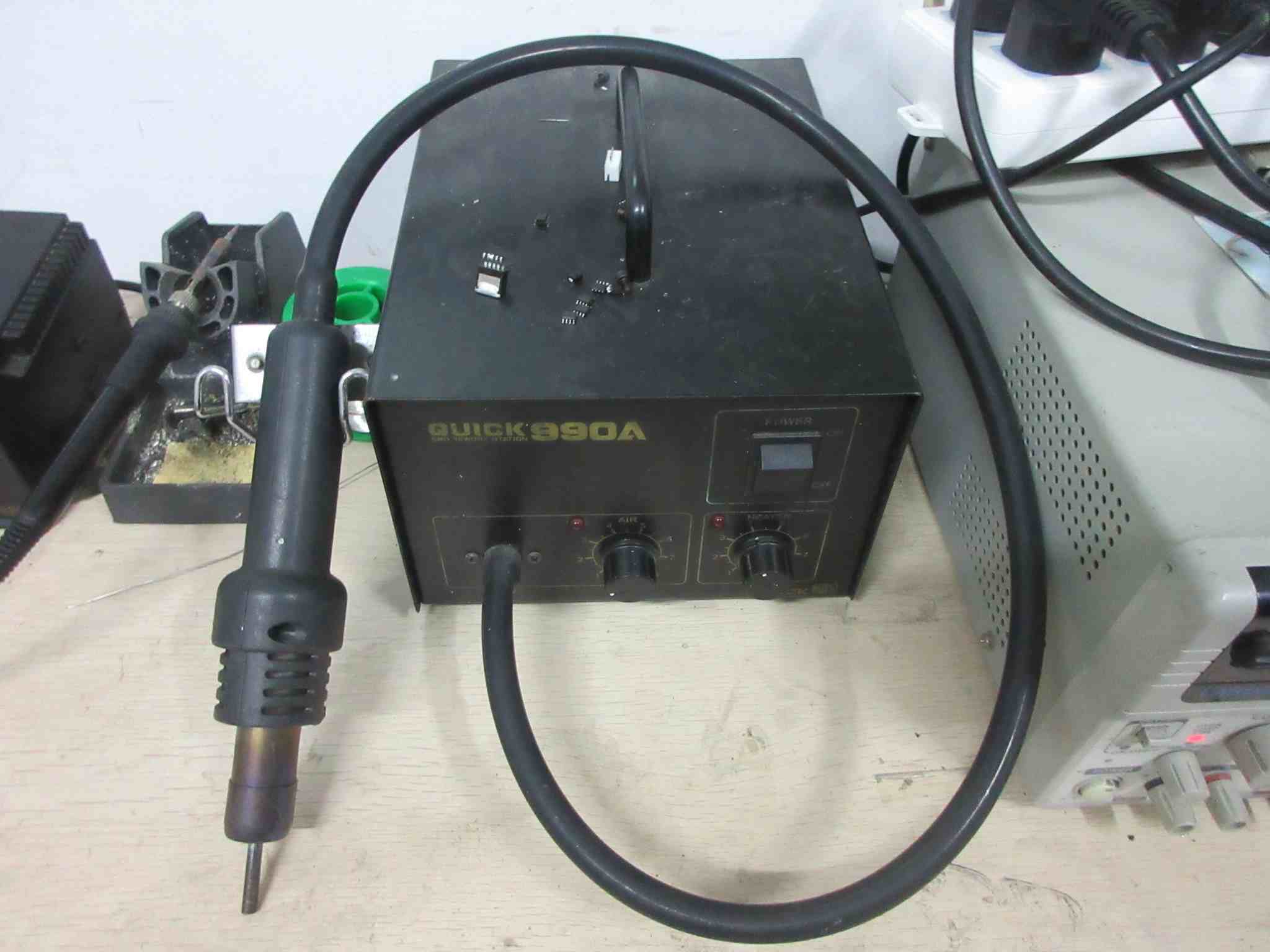
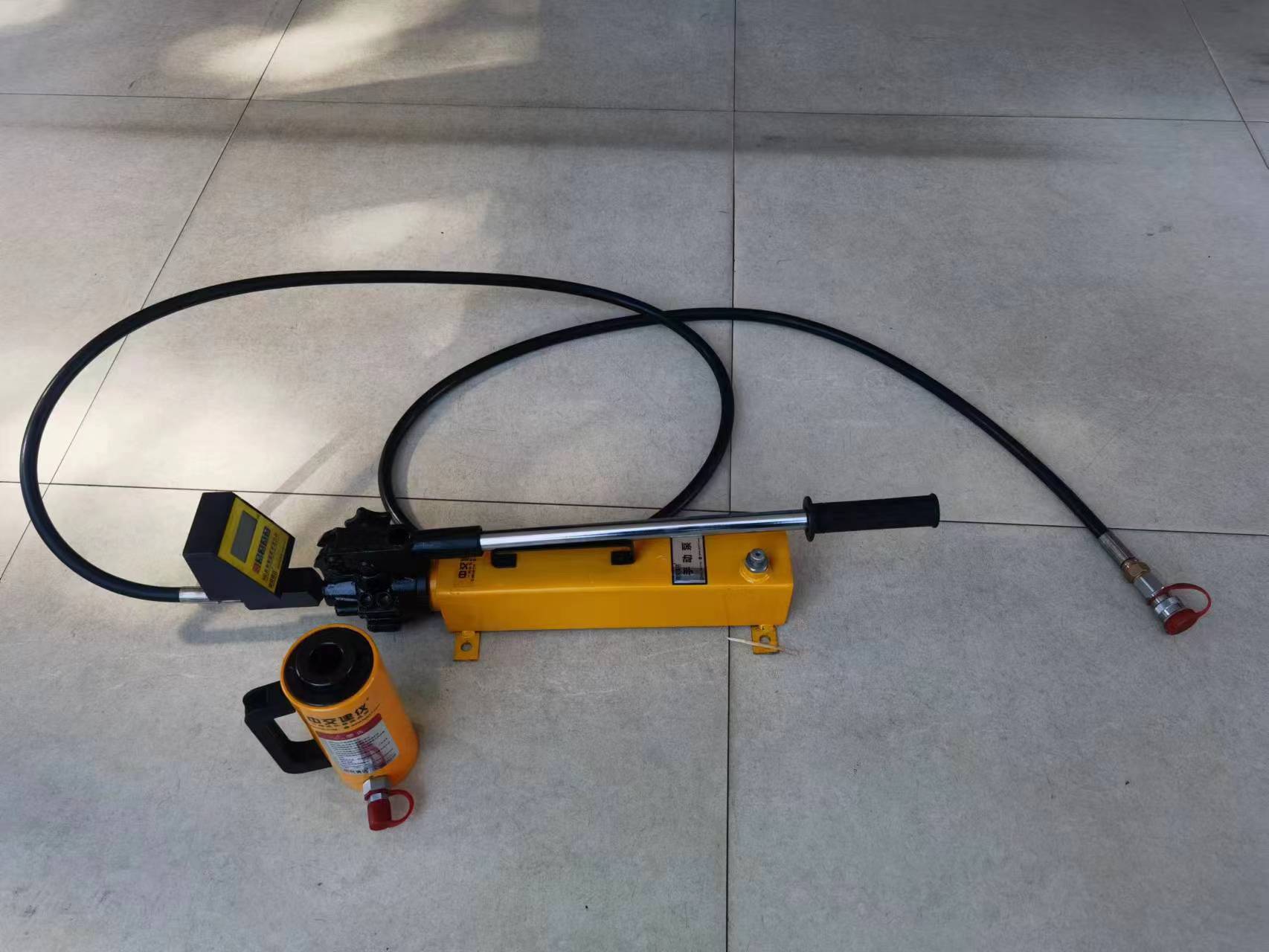
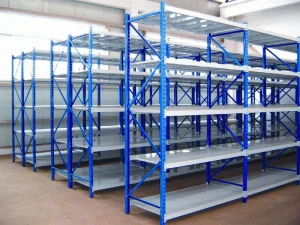
Selective pallet racking configurations must adapt to the unique operating constraints of the Pacific Northwest.
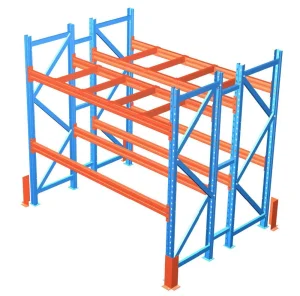
In Seattle and Western Washington, pallet rack planning requires engineered baseplates ($5"\times 7"$ or larger), dual anchor bolts per upright, and specific bracing profiles. Sunli's design team works with local structural engineers to calculate seismic force factors (R-value parameters of R=4 for roll-formed or R=6 for structural steel frames), ensuring systems pass municipal permit requirements.
Cold storage operators near Seattle's port terminals require racking systems that perform well in freezing environments. Sunli offers powder-coated finishes that resist rust and corrosion down to $-30^\circ\text{C}$. This helps prevent chipping and structural rust in cold, high-humidity storage spaces.
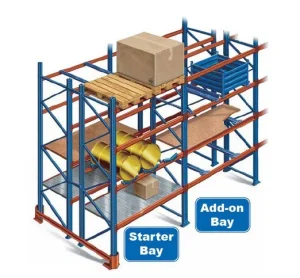
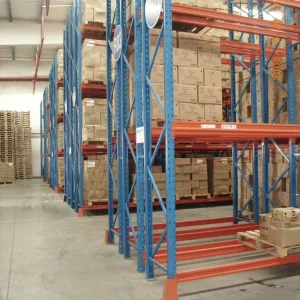
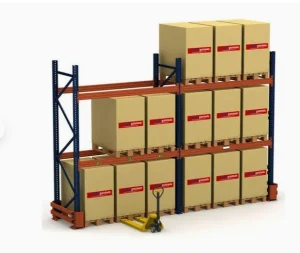
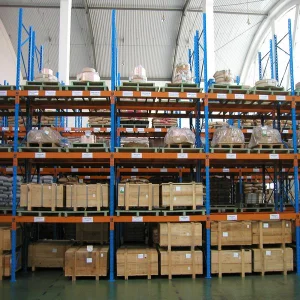
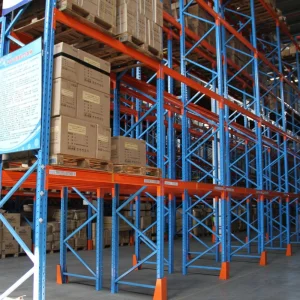
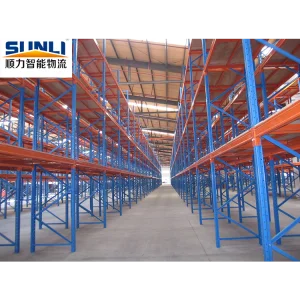
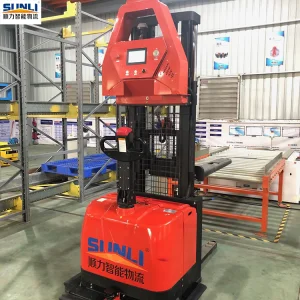
With major e-commerce hubs nearby, warehousing centers need maximum selectivity and high throughput. 100% selective pallet racking provides immediate access to every pallet position. It integrates smoothly with reach trucks, counterbalanced forklifts, and automated guided vehicles (AGVs) for rapid order picking.
A comprehensive range of selective pallet racking systems, safety decking, and AGV equipment engineered for logistics centers.
Key information regarding structural calculations, building permitting, shipping logistics, and seismic safety requirements in the Pacific Northwest.
Under the International Building Code (IBC) and ASCE 7, the Seattle area falls into high seismic design categories (primarily Category D). Storage racks must have structural engineering calculations to verify stability under dynamic seismic loads. Uprights require specialized anchor bolts, thicker baseplates (such as $5"\times 7"$), and robust frame bracing patterns to meet municipal permitting rules.
Direct import from high-quality Chinese manufacturers like Sunli offers significant cost advantages, typically saving 30% to 50% on capital expenditure, even with ocean shipping fees. These savings are beneficial for large projects exceeding 500 pallet positions. Sourcing directly also permits custom configurations (such as dimensions, load levels, powder-coated finishes, and ESD properties) designed for your specific space.
Shipping to Seattle or Tacoma ports via direct trans-Pacific routes takes approximately 14 to 20 days. Sunli coordinates customs documents, including Bill of Lading, detailed packing lists, mill test certificates, and compliance declarations. We work with your customs broker to ensure clearance at terminal arrival, minimizing logistics delays.
Yes. Sunli designs and manufactures racking to exact structural tolerances required by laser-guided Automated Guided Vehicles (AGVs) and automated cranes. We verify that beam elevations, bay spacing, floor levelness, and deflection parameters align with the precision requirements of robotic storage and retrieval operations.
We build our systems using high-strength Q235B and Q355 structural steel. Every production run undergoes structural quality checks, including weld-line testing, steel thickness measurements, and load capacity tests. This process ensures the racking handles its rated capacity under continuous operations.
 SunliRack