Deploying state-of-the-art flow mechanisms to maximize cubic storage volume and enforce first-in, first-out (FIFO) inventory control.
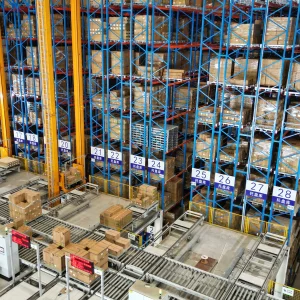
An in-depth whitepaper on warehousing constraints, supply chain solutions, and dynamic storage frameworks in Southeast Asia.
As the primary logistical gateway of Thailand and the broader Indochina region, Bangkok and its surrounding industrial provinces (Samut Prakan, Pathum Thani, and Chonburi) are undergoing a critical spatial transition. Driven by the expansion of the Eastern Economic Corridor (EEC), the demand for high-performance warehousing has surged. However, skyrocketing land values near urban nodes like Bang Na-Trad and Suvarnabhumi Airport have rendered traditional horizontal warehouse expansions financially unviable.
To maximize return on investment (ROI), modern logistics providers, automotive manufacturing hubs, and cold storage facilities in Bangkok are transitioning from low-density selective racking to dynamic, high-density structures. Among these, the Gravity Sliding Rack (commonly referred to as Pallet Flow or Carton Flow Racking) has emerged as the premier mechanism to balance maximum floor utilization with rigid First-In, First-Out (FIFO) material dispatch.
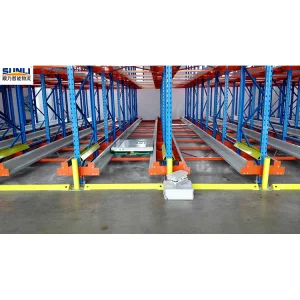
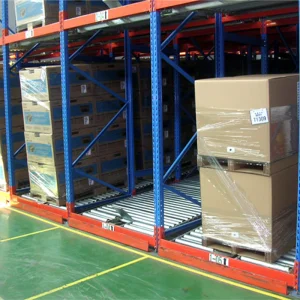
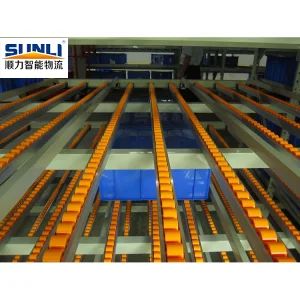
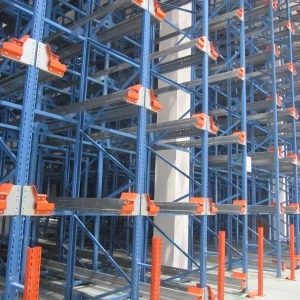
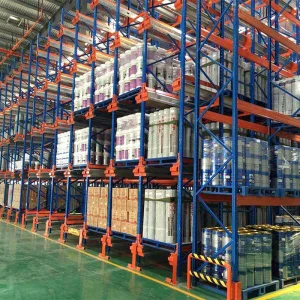
Unlike standard static racking, gravity sliding racks utilize inclined wheel or roller lanes (typically engineered at a 3% to 4% incline) that allow pallets or cartons to flow under controlled gravitational force from the loading face (replenishment) to the picking face (discharge). This system offers severe spatial and operational advantages:
By eliminating intermediate service aisles, gravity flow racks consolidate your warehouse layout, leaving only one feeding lane and one extraction lane.
Critical for Bangkok’s FMCG, pharmaceutical, and cold chain sectors. Batch control is automated as old stock is naturally picked first.
Pallets glide purely by mechanical gravity. This zero-power method dramatically cuts utility costs, specifically within sub-zero cold-storage facilities.
State-of-the-art production systems, stringent quality assurance, and structural engineering compliance.
Established in 2015, Shenzhen Sunli Intelligent Logistics Equipment Co., Ltd. has grown to become a dominant international manufacturer of heavy-duty industrial storage racks. Operating from a highly automated 38,000 m² manufacturing plant, we leverage robust Factory 4.0 infrastructure to supply high-precision, structural-grade racking to global markets.
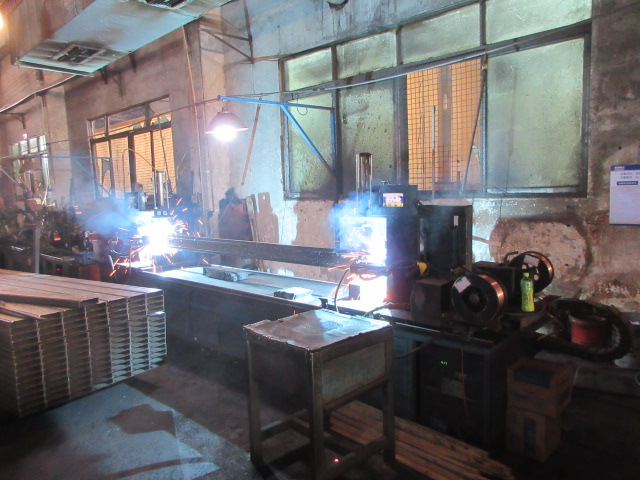
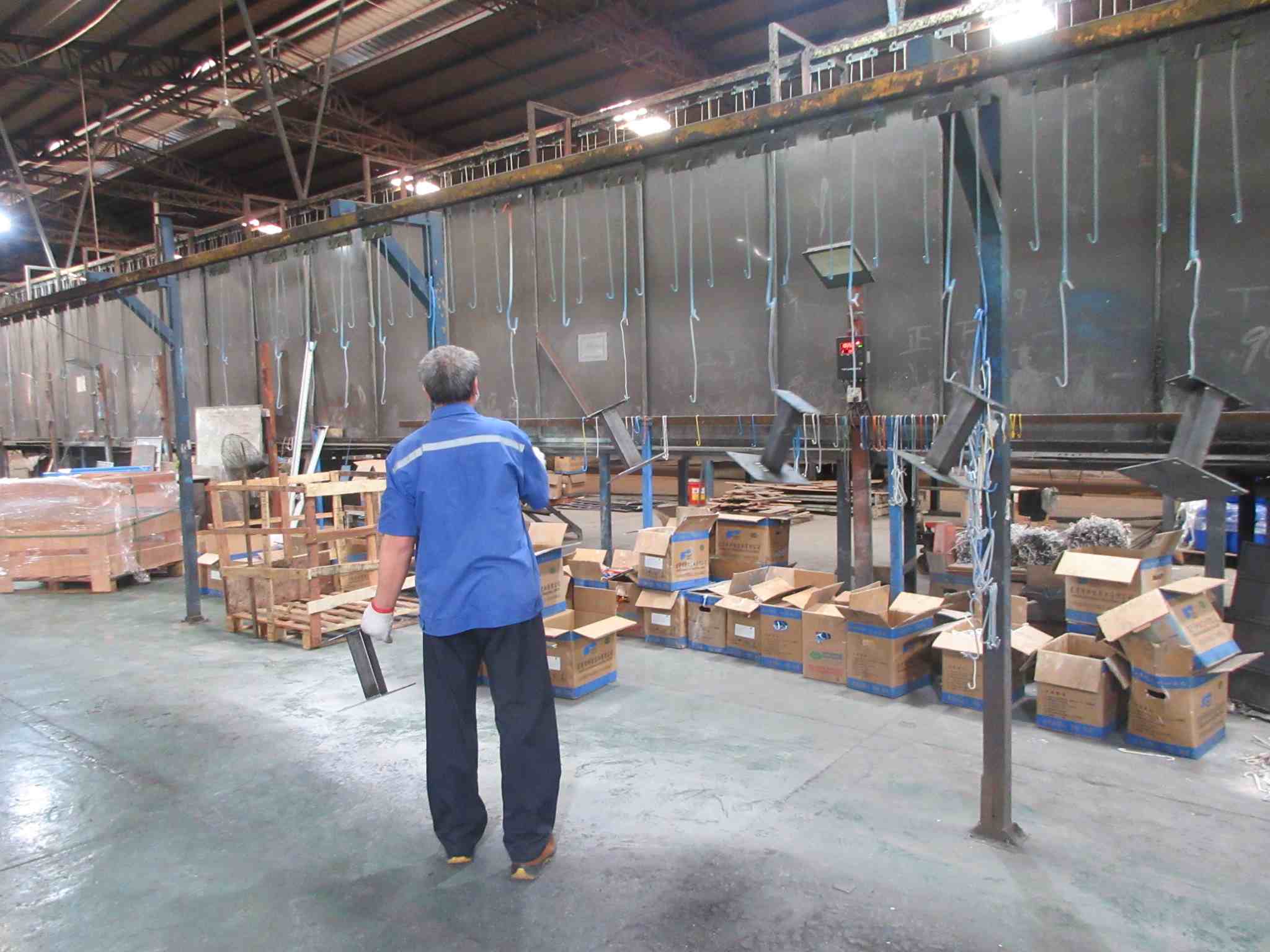
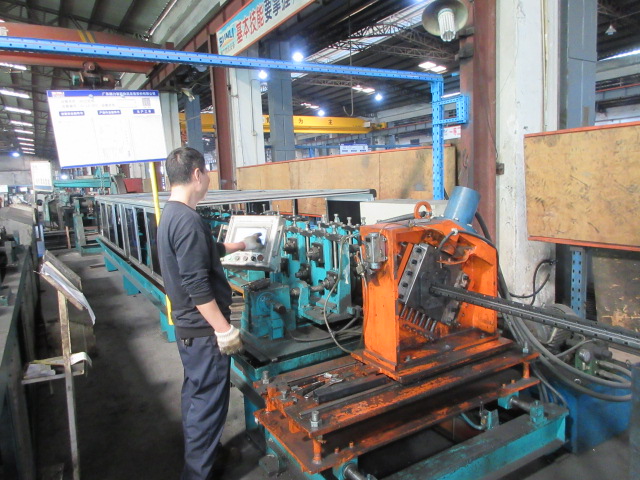
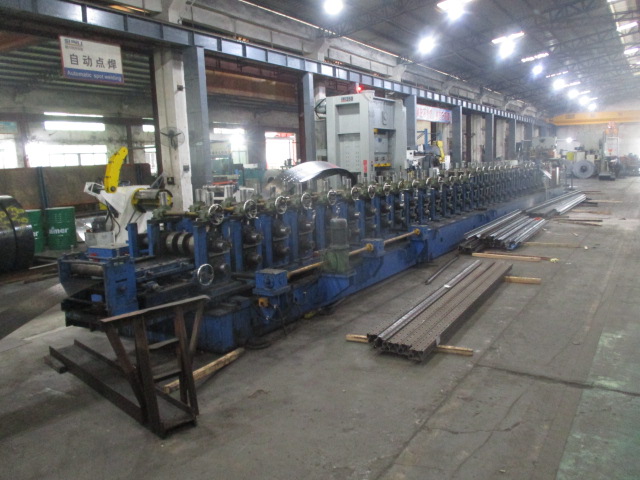
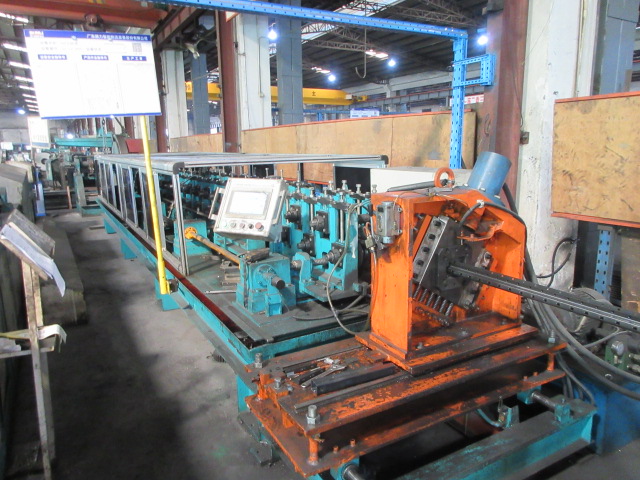
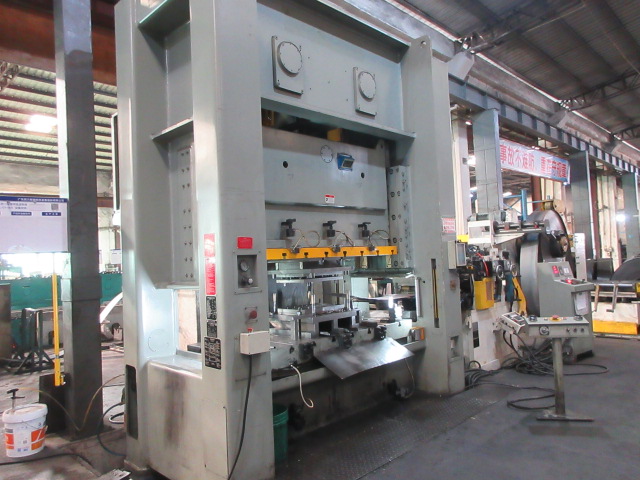
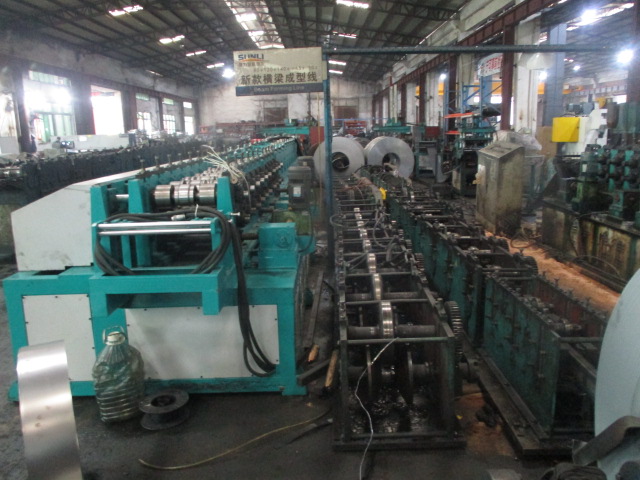
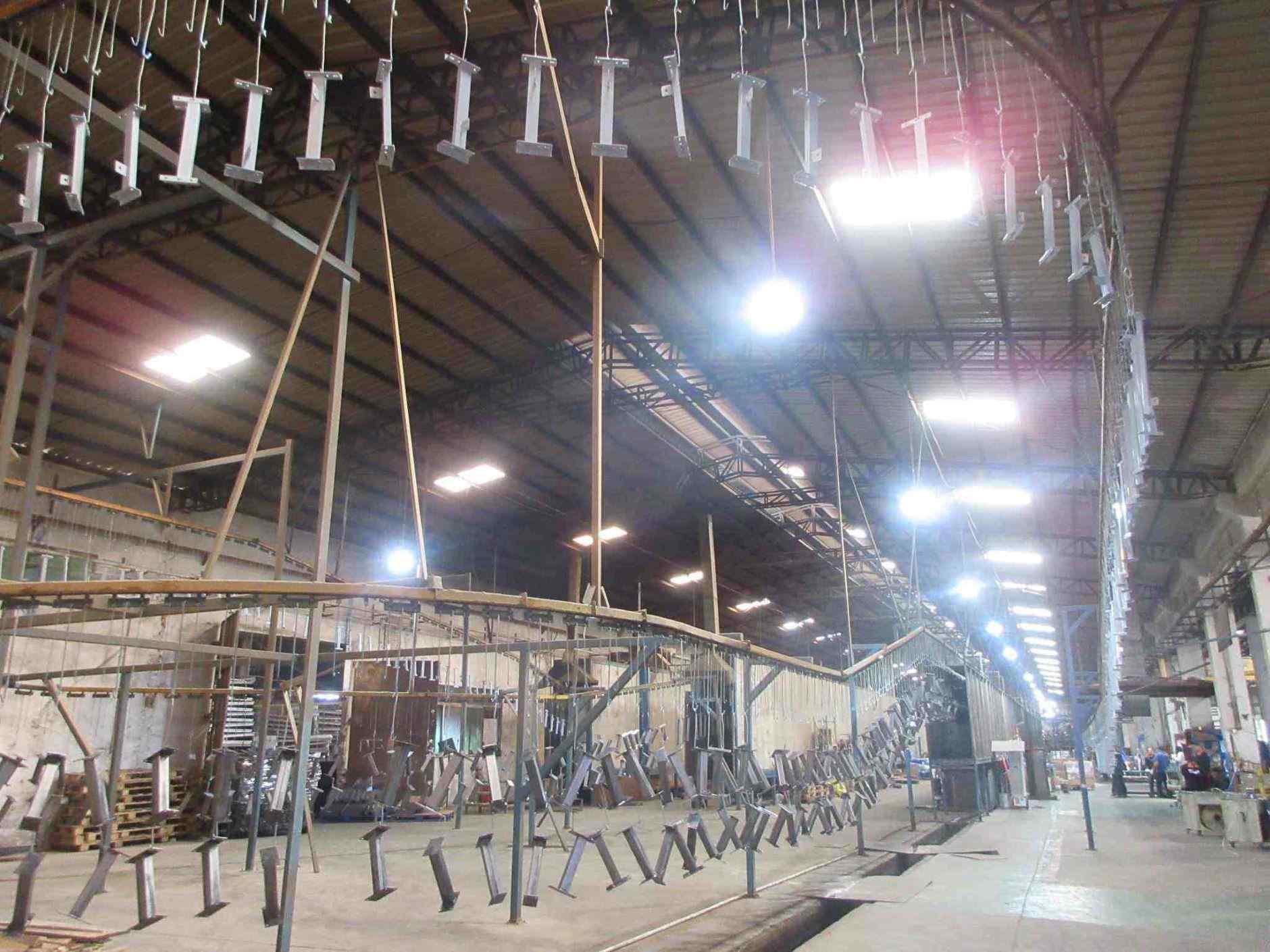
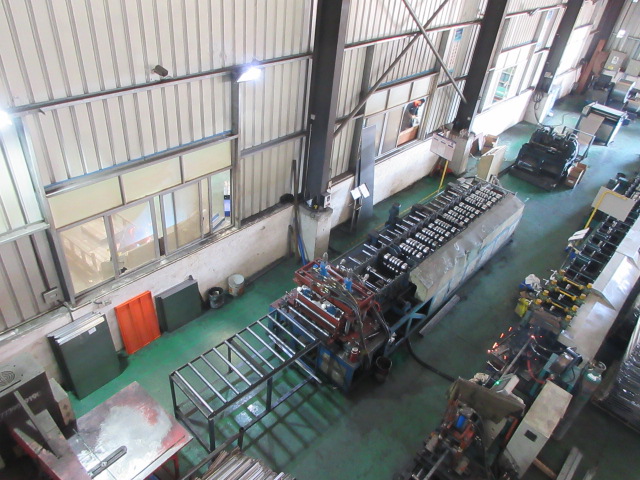
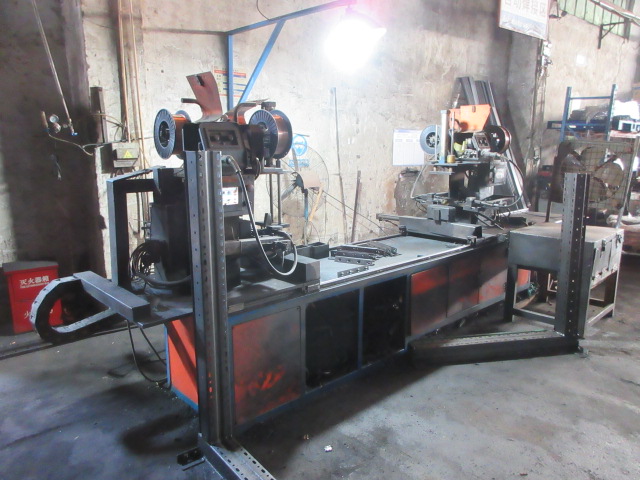
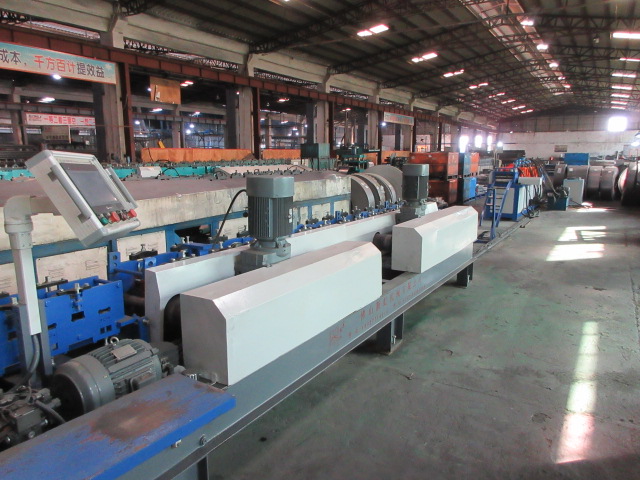
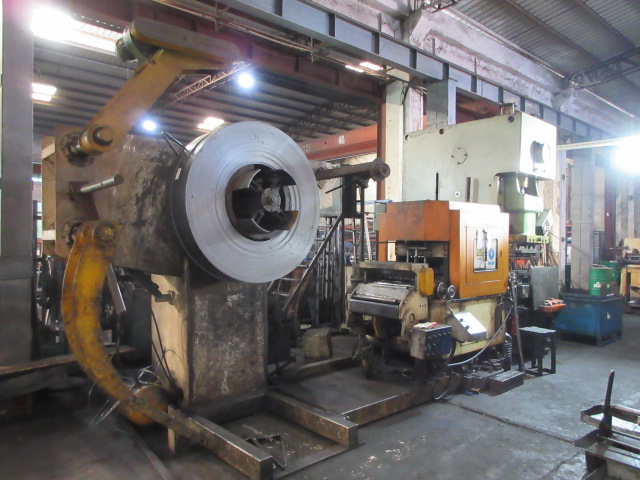
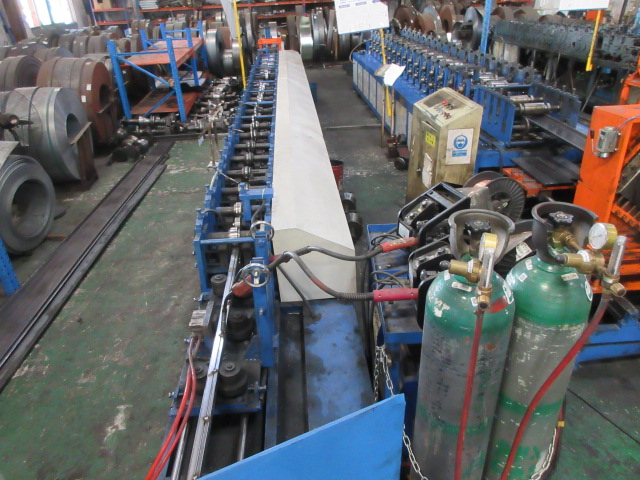
Our manufacturing processes employ automated continuous rolling mills, robotic high-penetration welding arrays, and state-of-the-art electrostatic powder-coating lines. With an export volume between $18 million and $25 million annually, we support complex supply chain setups across Europe, North America, Southeast Asia, and the Middle East. Every upright, beam, and dynamic roller frame is subjected to rigorous quality control protocols, ensuring mechanical integrity and compliance under ultimate limit state (ULS) load conditions.
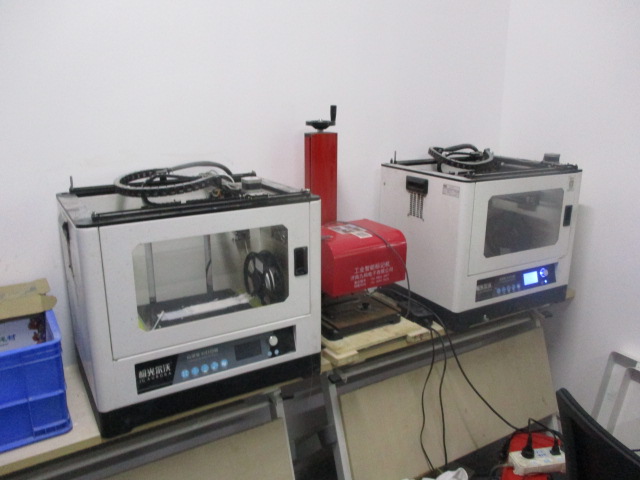
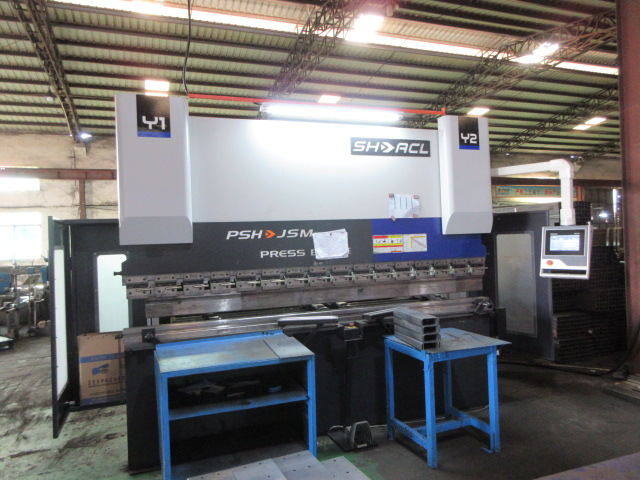
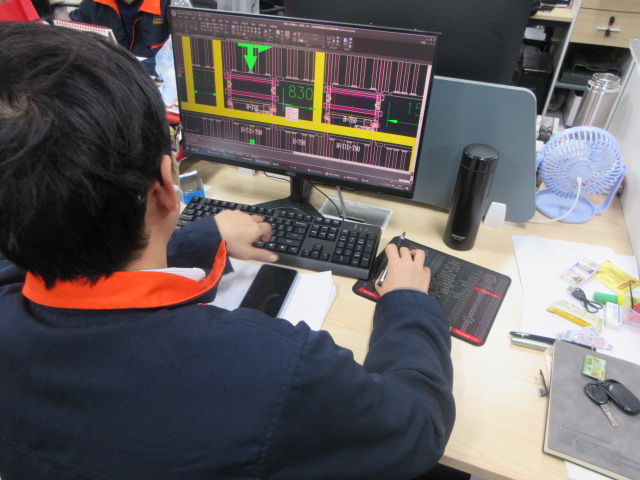
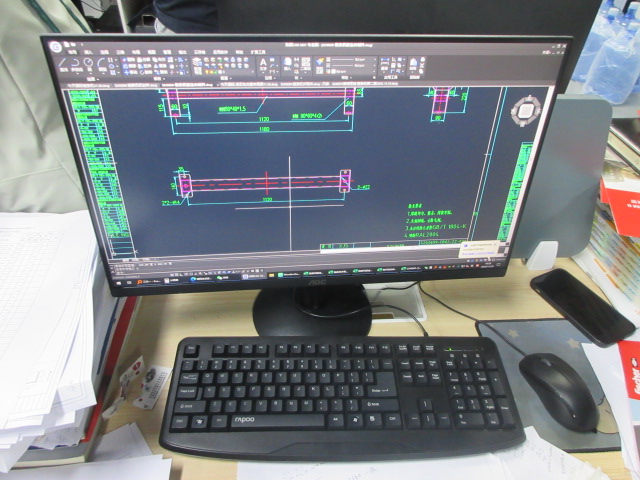
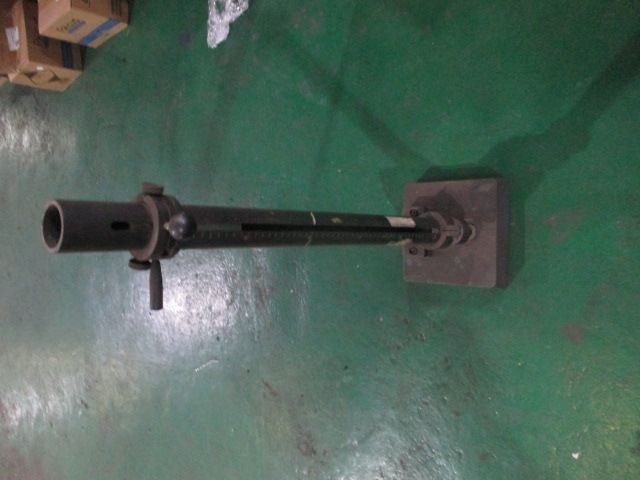
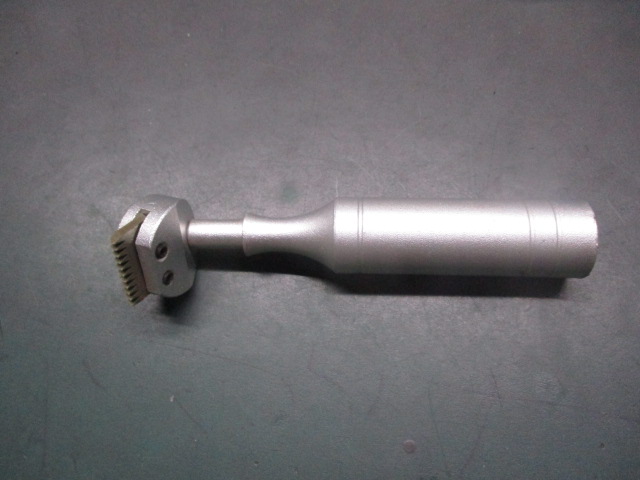
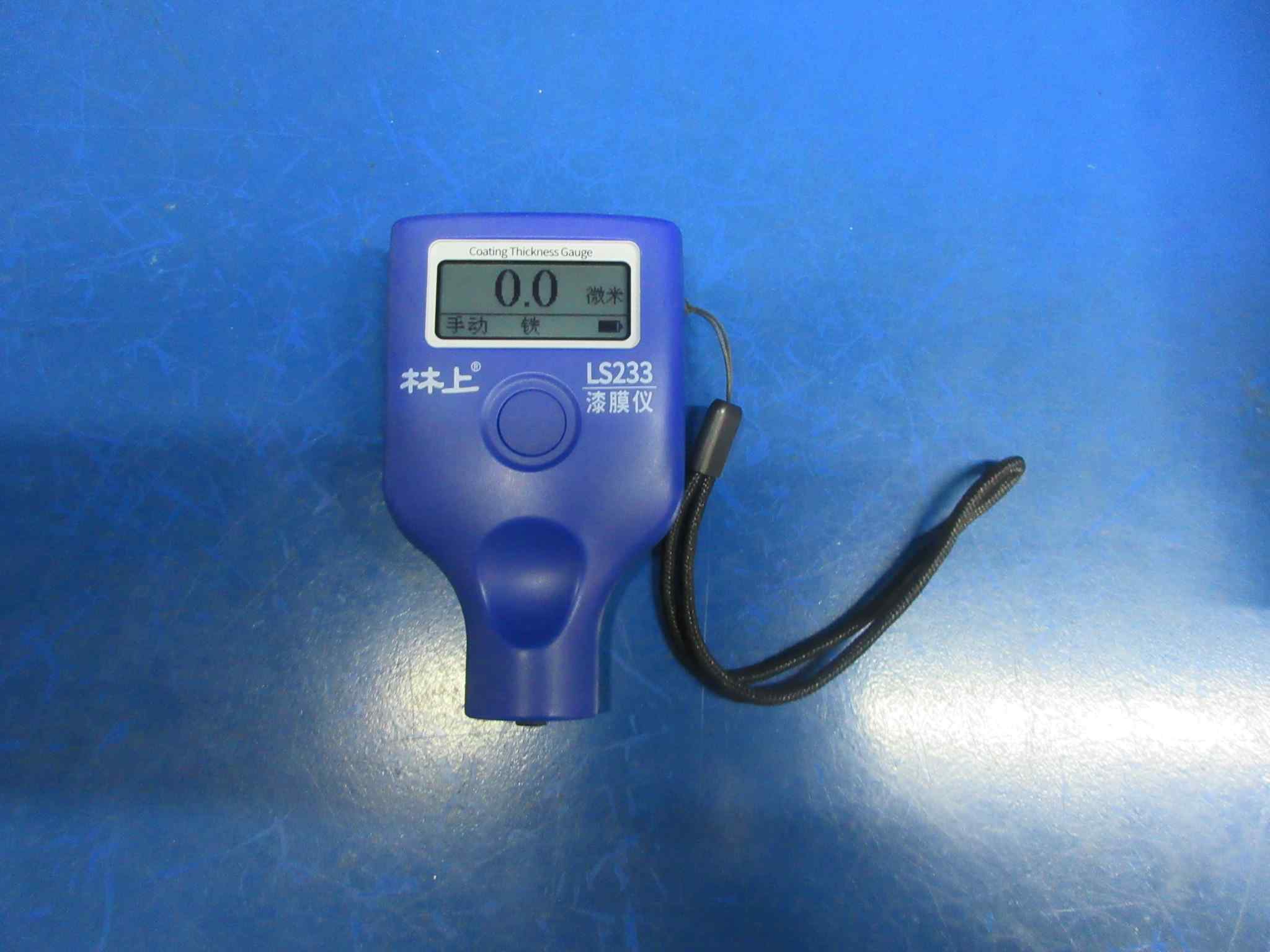
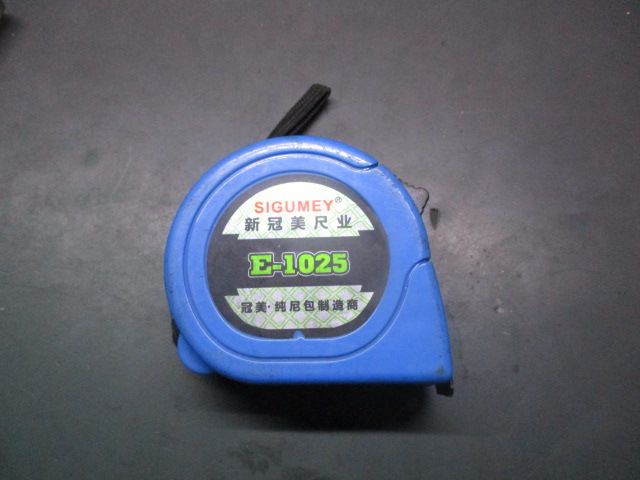
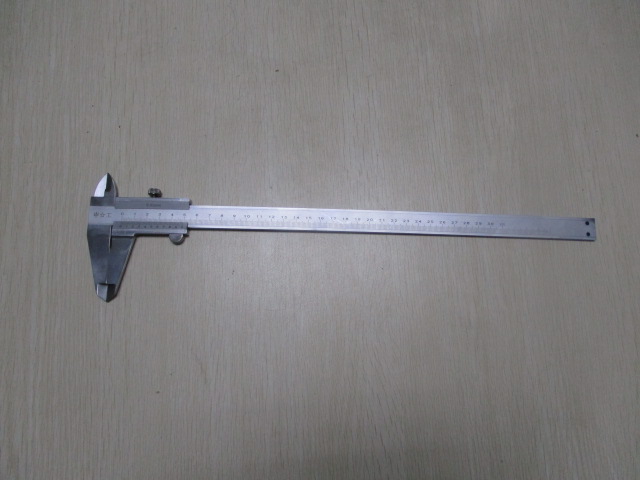
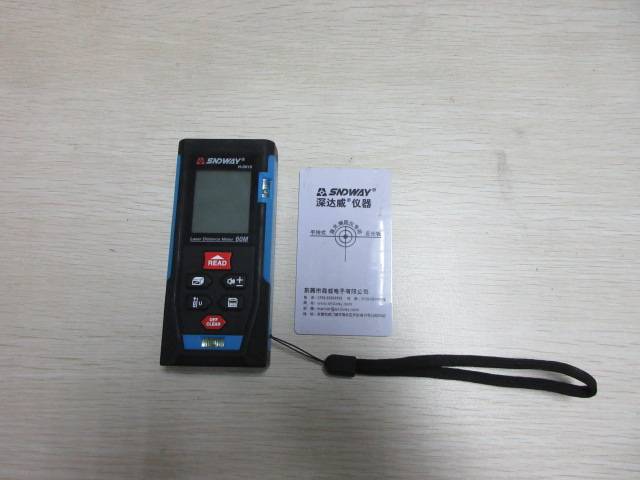
Real-world documentation of our production line, precision tooling machinery, and quality assurance laboratories.
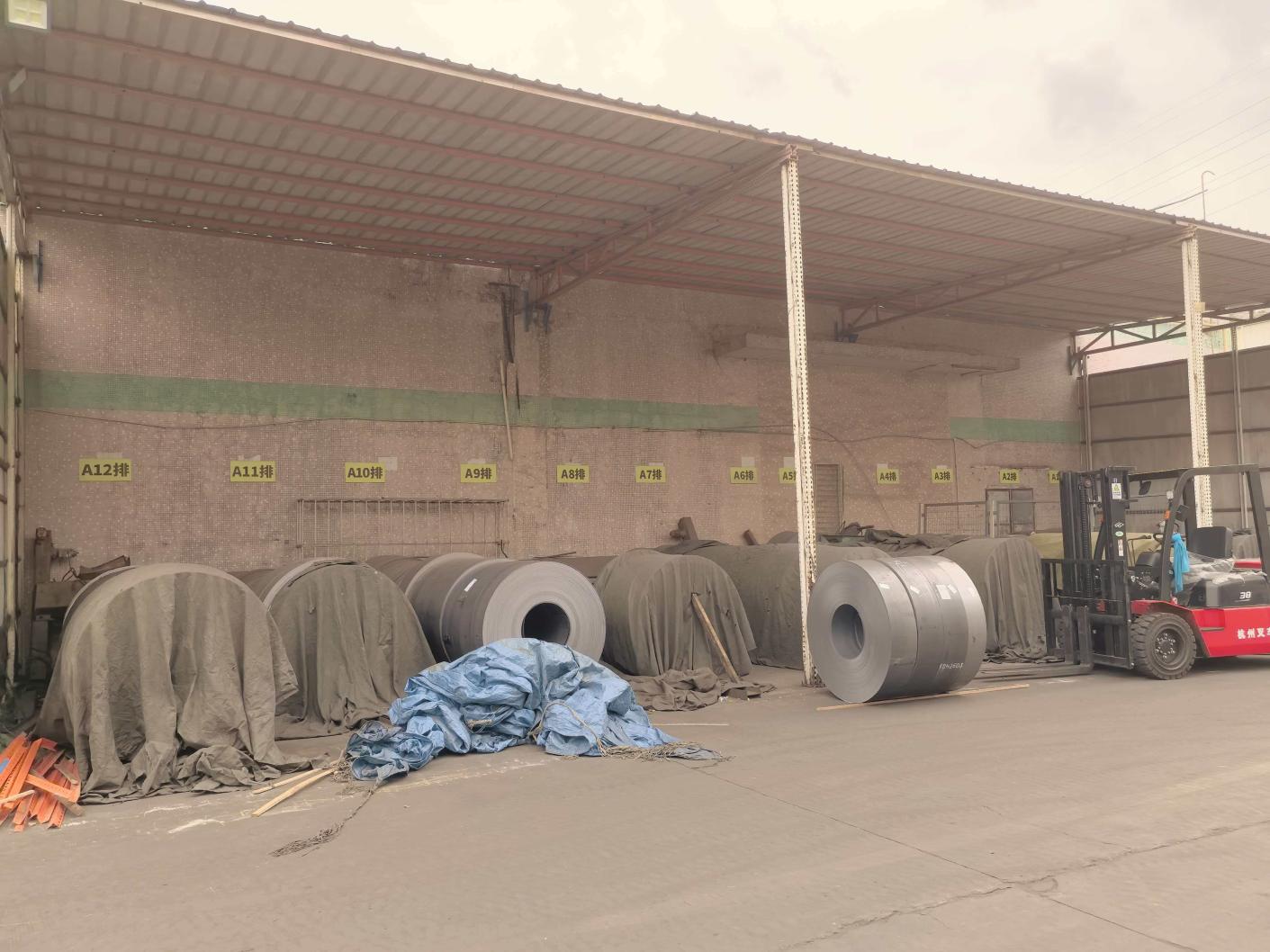
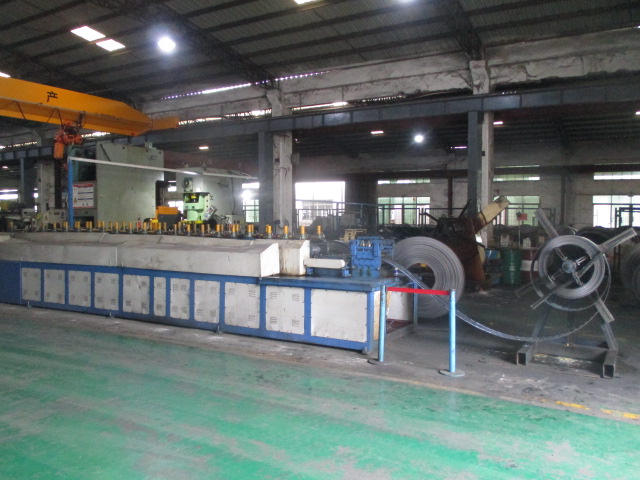
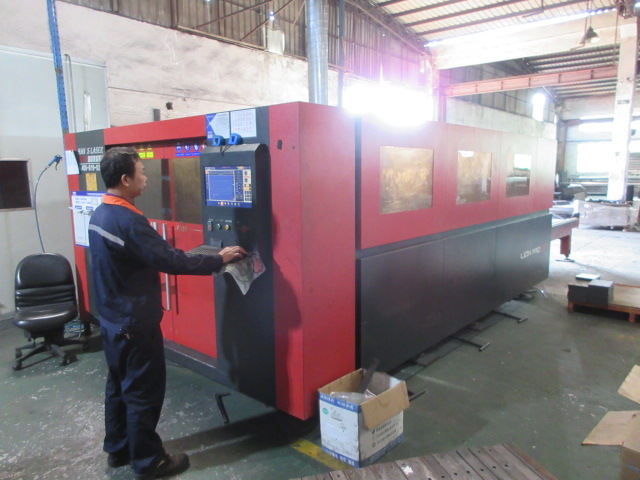
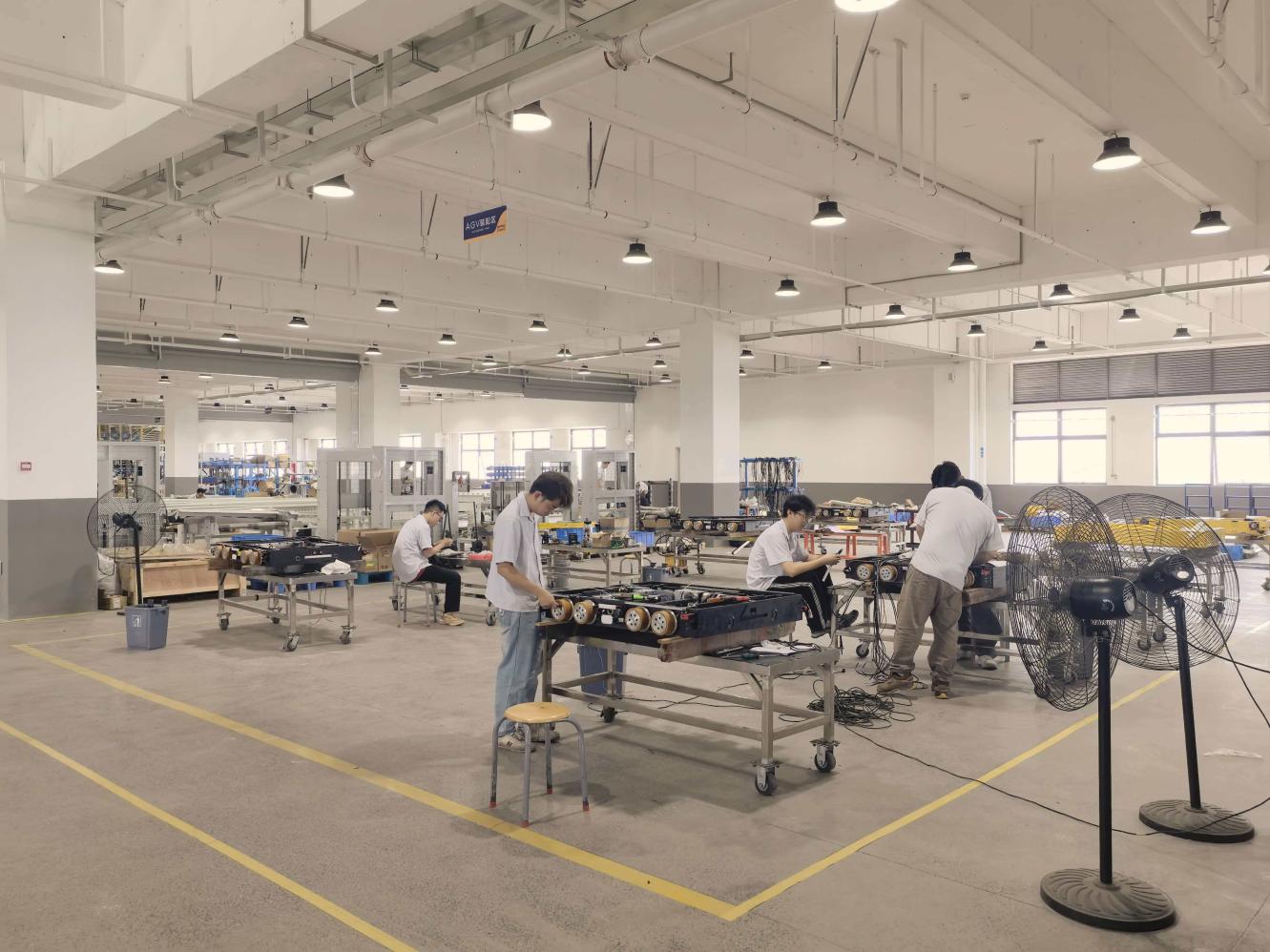
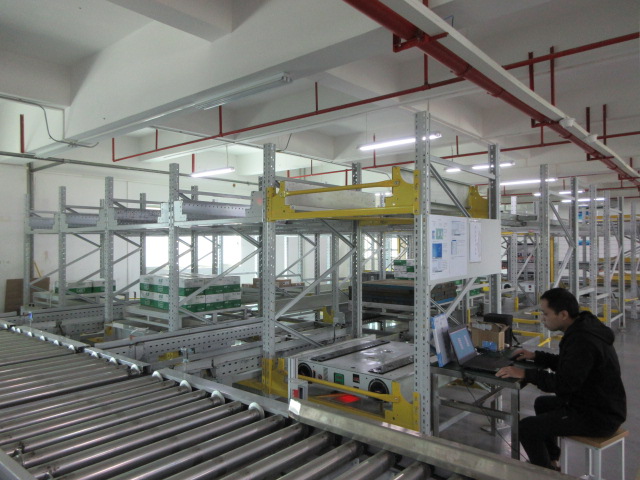
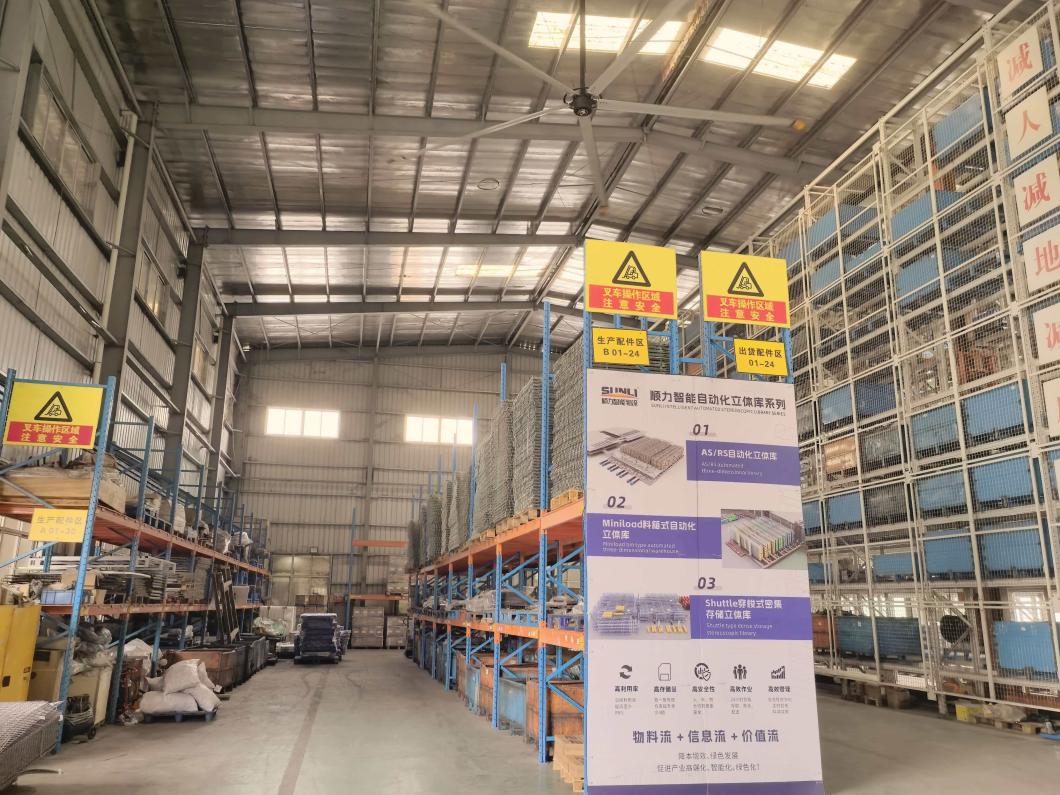
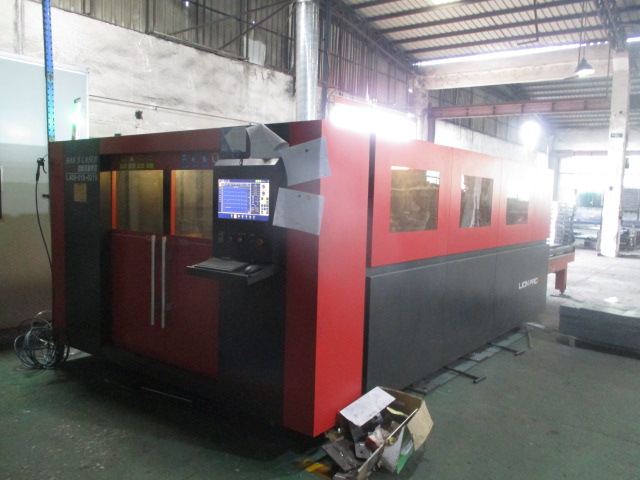
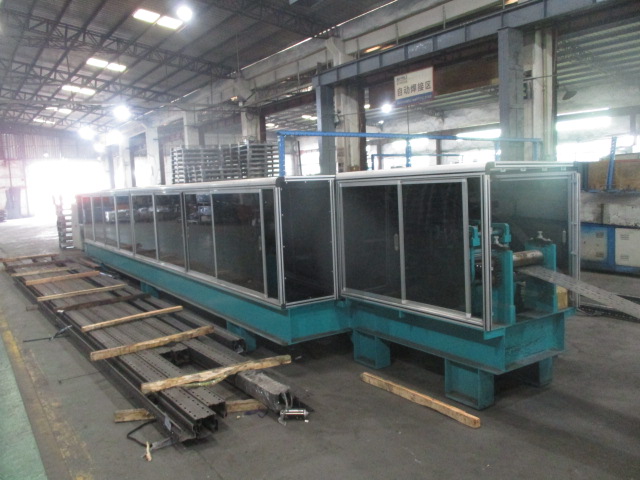
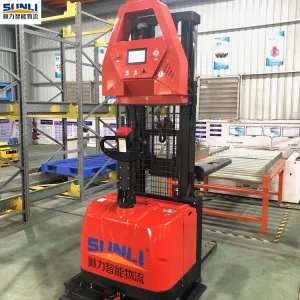
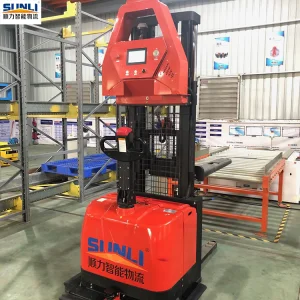
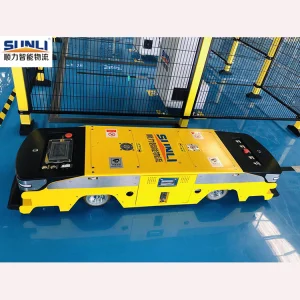
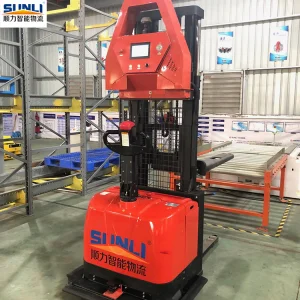
Maximize your space utilization by integrating gravity systems with intelligent automated guided vehicles (AGVs) and radio shuttles.
Why Sunli's engineering design guarantees trouble-free operation, structural reliability, and pallet movement safety.
Designing an effective gravity sliding rack system demands extensive calculations regarding load weight, frame deflection, roller surface friction, and drop speeds. A minor engineering mistake can result in hung pallets or structural failures. At Sunli, our structural engineering team implements a data-driven design model tailored to local operational constraints:
Critical engineering, logistics, and supply chain queries addressed by Sunli's senior R&D and QC engineers.
Explore our complete range of structural racking systems and robotic automation solutions engineered for modern distribution hubs.
Partner with Sunli to deploy heavy-duty gravity flow systems engineered to your specific loading requirements. Get in touch with our design engineers for a custom CAD layout.
 SunliRack